Friendly Fukuoka – Dazaifu Tenmangu, Sumo Stable and Komyozenji

I was having a small spring cleaning last week and when I went through all my documents and leaflets I came across leaflets about the Dazaifu Tenmangu shrine. I took a look at them and realized I didn’t even write a post about our trip there yet. So I will obviously be making a change to that today! Forgetful as I am I forgot my camera’s memory card so until my friend lent me hers I couldn’t take any photos of the first part of the trip. I will go back soon to make more photos though because I found a part-time job near the shrine and go there once a week now.

All credit to Leonemoff

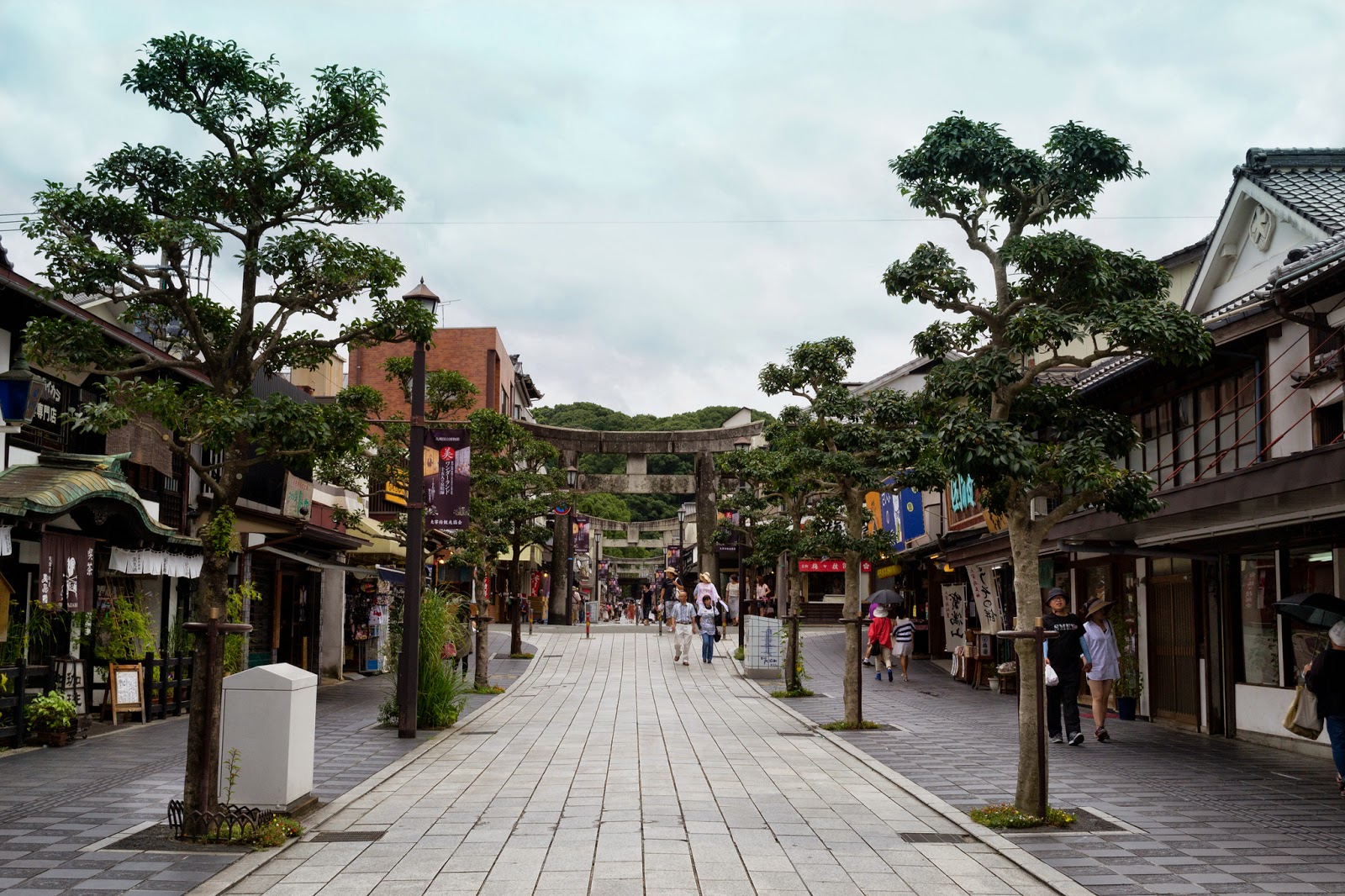
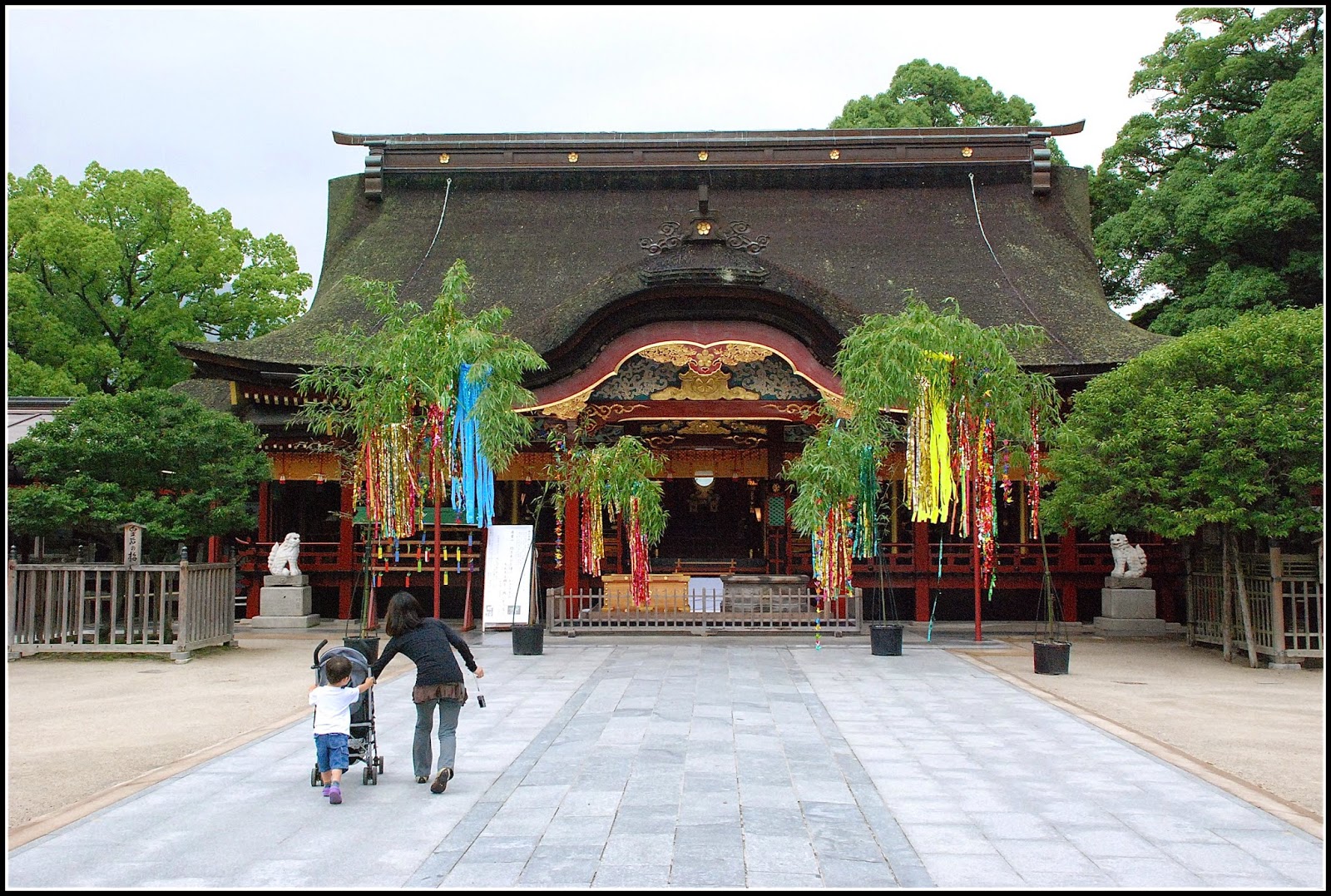
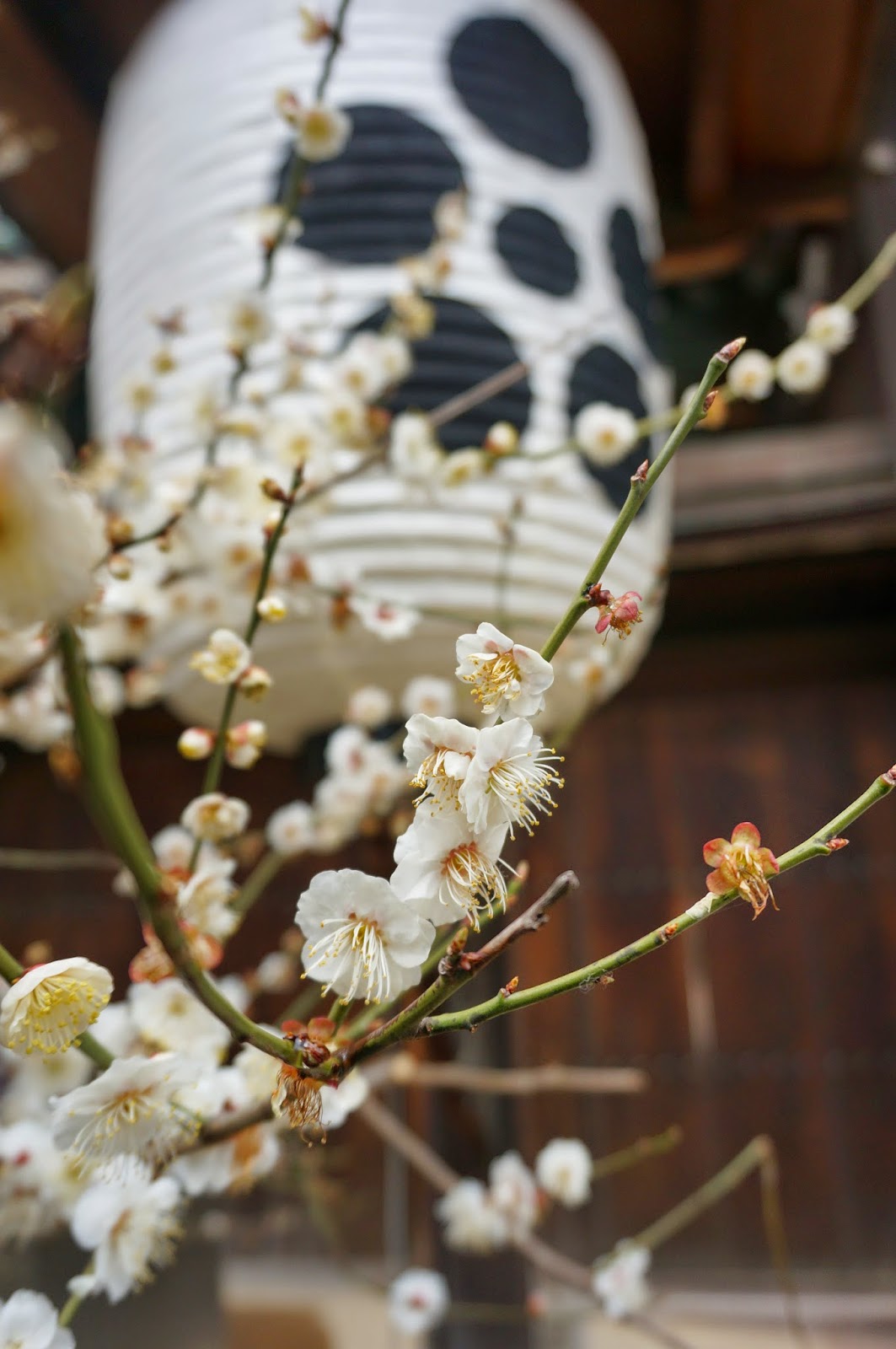
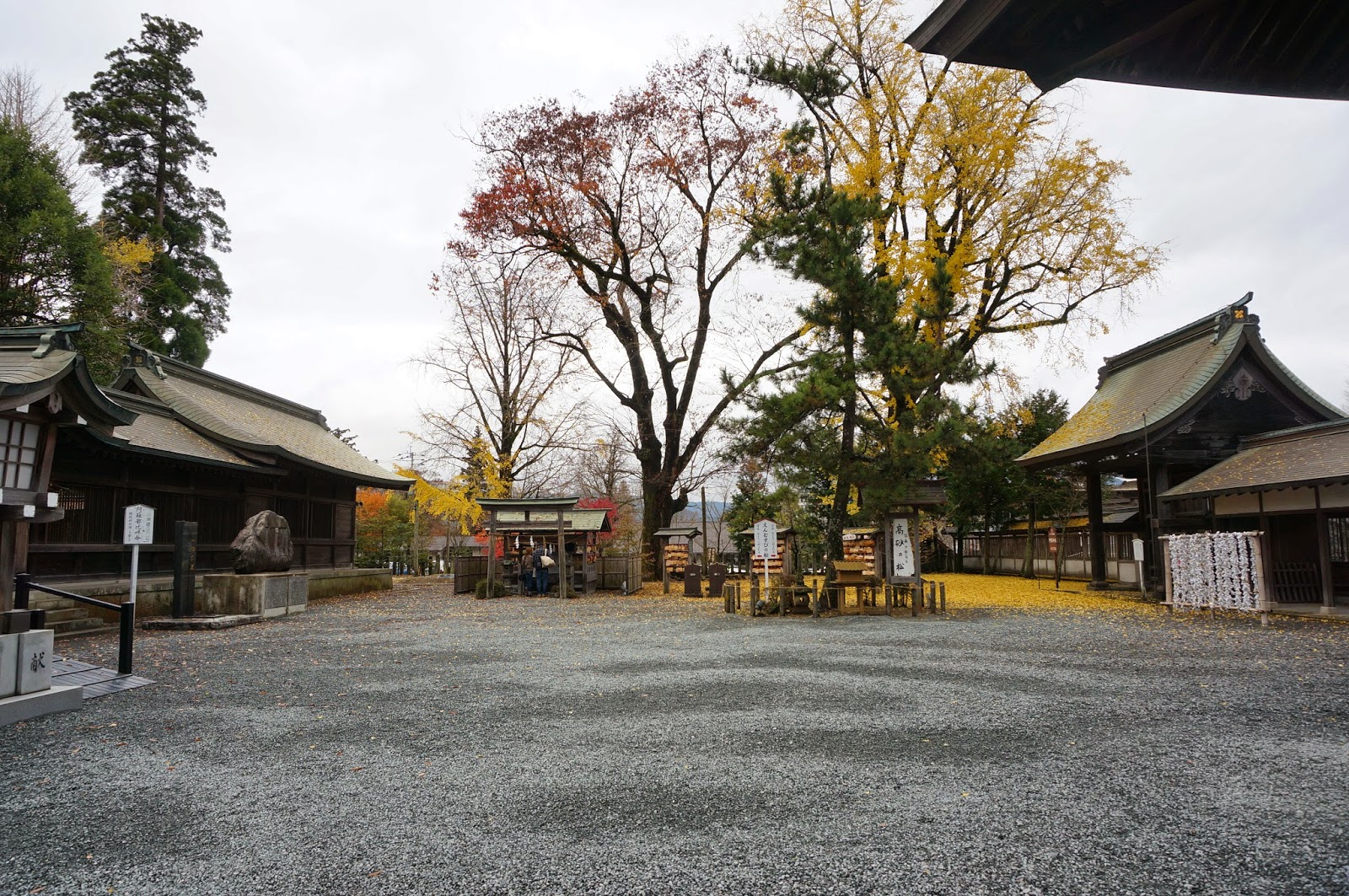
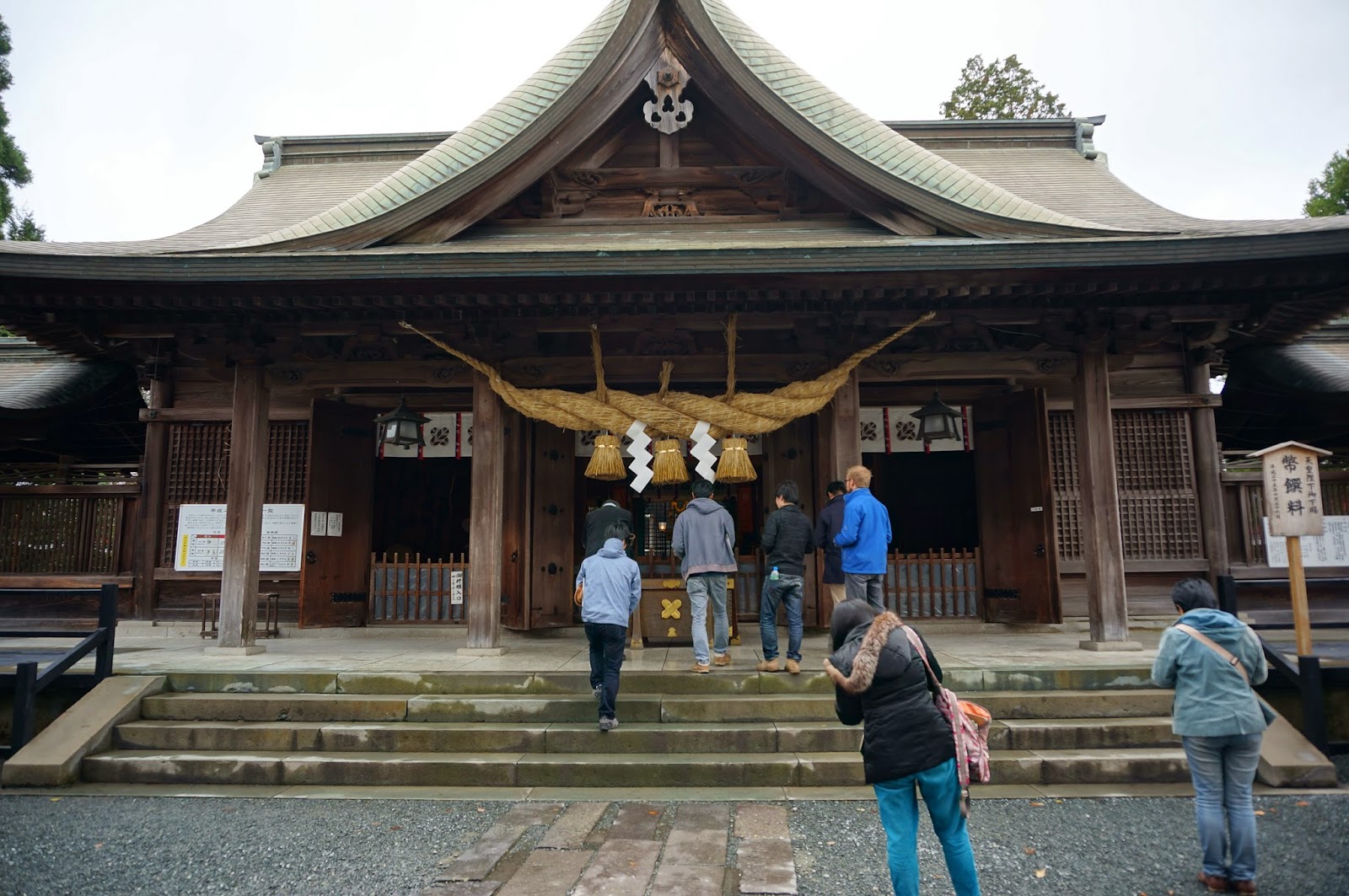
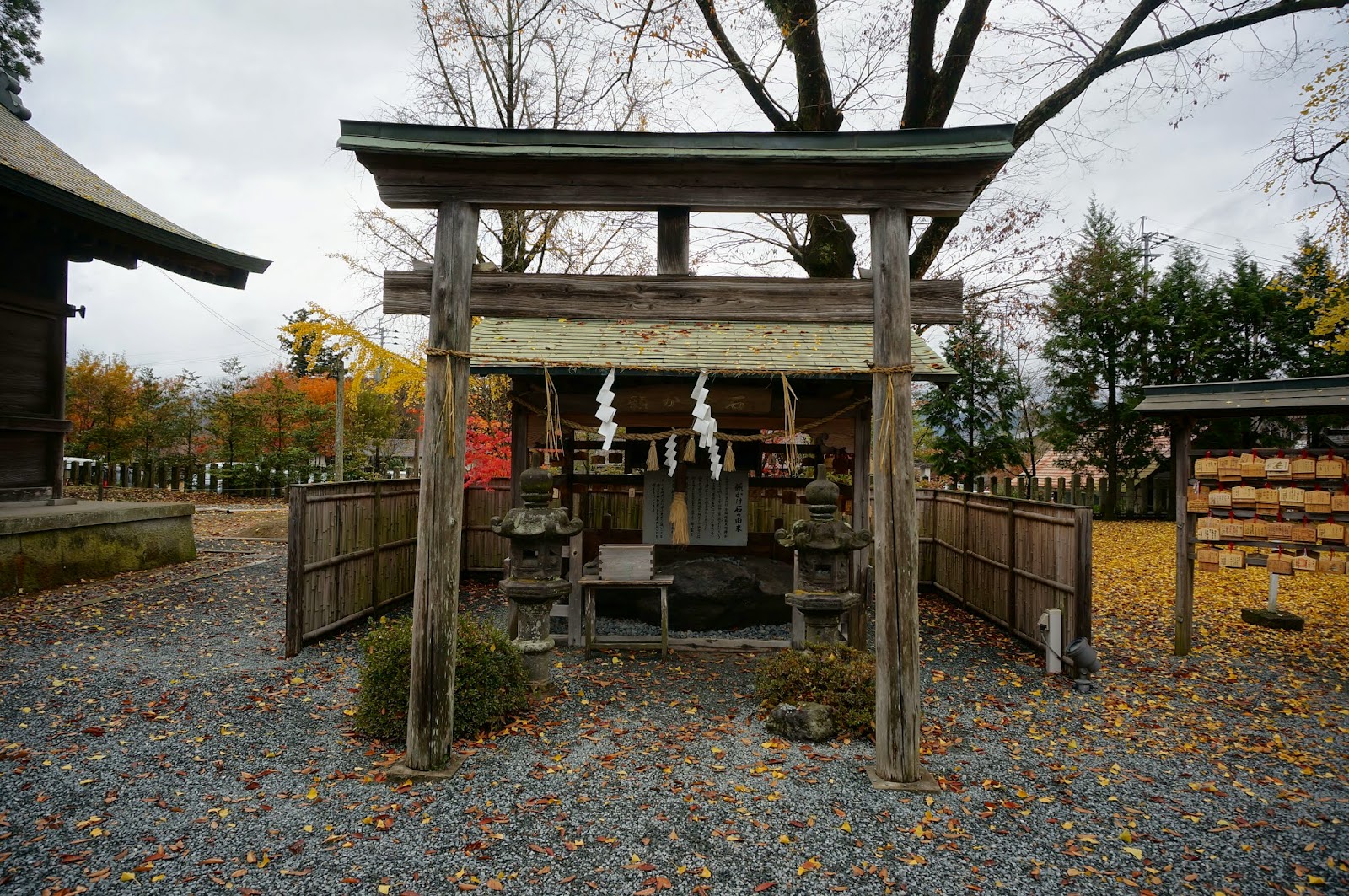
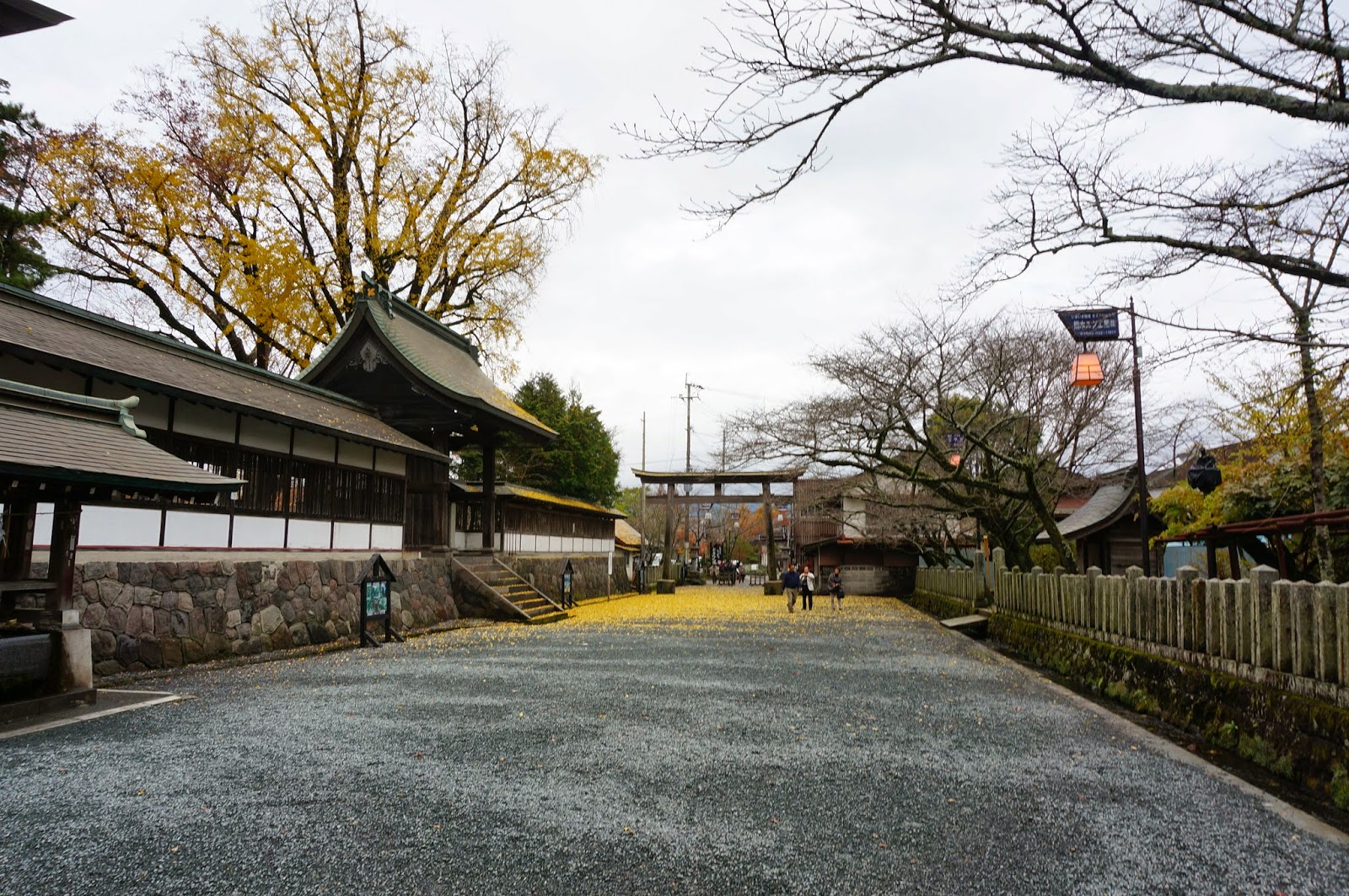
I have mentioned Dazaifu shrine a few times before because it is a very big and famous shrine near Fukuoka city and it is one of the most famous touristic sightseeing sights in the area. It is especially beautiful in February when the plum blossoms are blooming. There are more than a thousand of these trees at Dazaifu so it is supposed to be very nice. I haven’t personally been there in February but I did go to its slightly smaller brother in Kyoto called Kitano Tenmangu and I can vouch for the incredible beauty of the plum blossom (I even prefer it to cherry blossoms now).

All credit to CTG/SF

Dazaifu Tenmangu is a shrine established in the 7th century after the death of Suguwara no Michizane. Michizane was born in Kyoto into a family of scholars loyal to the emperor. He made it as Minister of Right of the emperor, one of the highest political positions at the royal house. But with the fall of the emperor and the strategic maneuverings of his rival he was demoted to a minor post in Dazaifu and exiled from Kyoto. After he was exiled and died in Dazaifu, the imperial court was struck by a series of disasters and the young emperor passed away. Because of this the imperial decided to build a shrine dedicated to Michizane to calm his vengeful spirit. This is the Kitano Tenmangu shrine I mentioned above. Another shrine was built where his remains lay, which is the Dazaifu Tenmangu shrine.

By Kim

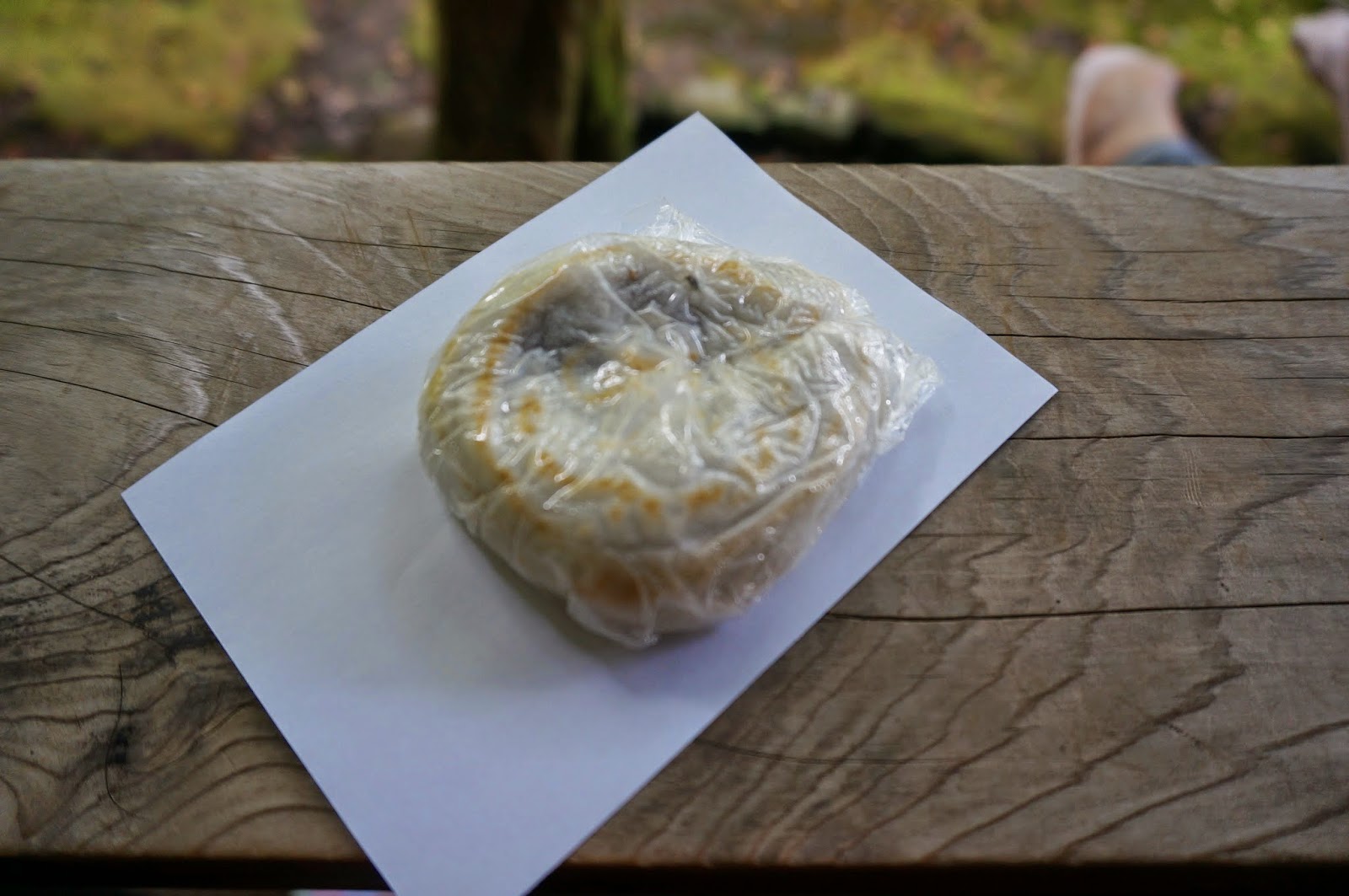
Must try snack; Umegae Mochi

Michizane was not only a politician and scholar, but he was an excellent poet as well. Here is a beautiful poem that shows his passion for plum blossoms:

When the east wind blows, flourish in full bloom, you, plum blossoms! Even though you lose your master, don’t be oblivious to spring.

The Dazaifu shrine is not only famous for its connections with Michizane, there is also an unexpected connection with sumo. Hidden behind the shrine is a sumo stable! In Fukuoka there is a big official sumo tournament in November so you can take a look at the sumo wrestlers practicing from the beginning of November.

a little teaser of the Kitano Tenmangu plum blossoms

When we arrived there were already a group of people taking a look at the practice. These are very serious events though so you can not disturb them in any way. That’s why they practice inside a stable and you are not allowed to go in. You can see the practice from the big windows. You should be quiet and not take any photos with a flash. It was my first time seeing a sumo practice and I have never seen a match on T.V. either so to see it in really life from the first time was really impressive. The sumo players really are big, it was so surprising. Especially when you compare them to the really skinny average Japanese person.

By Mareile

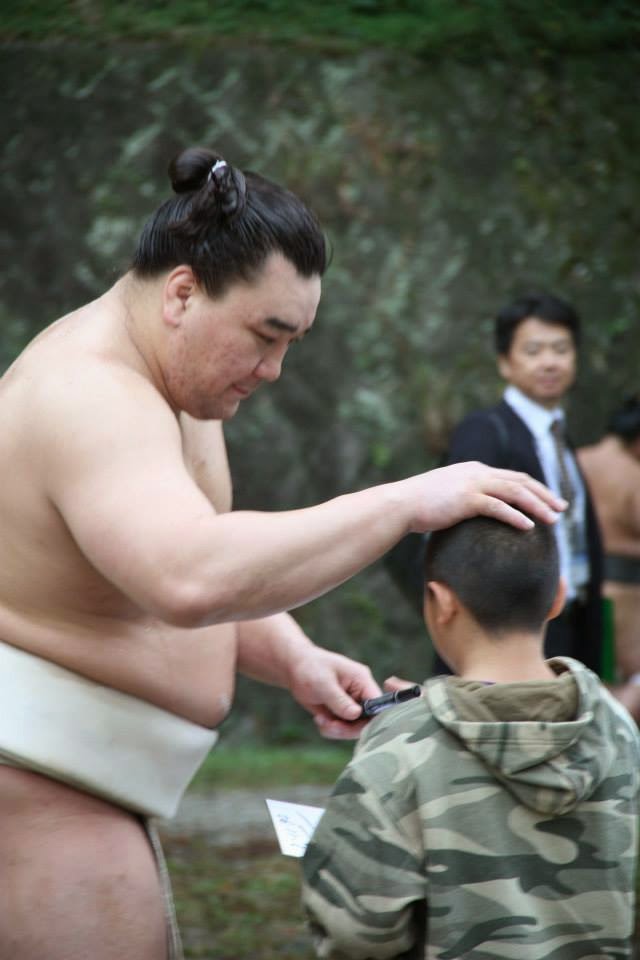
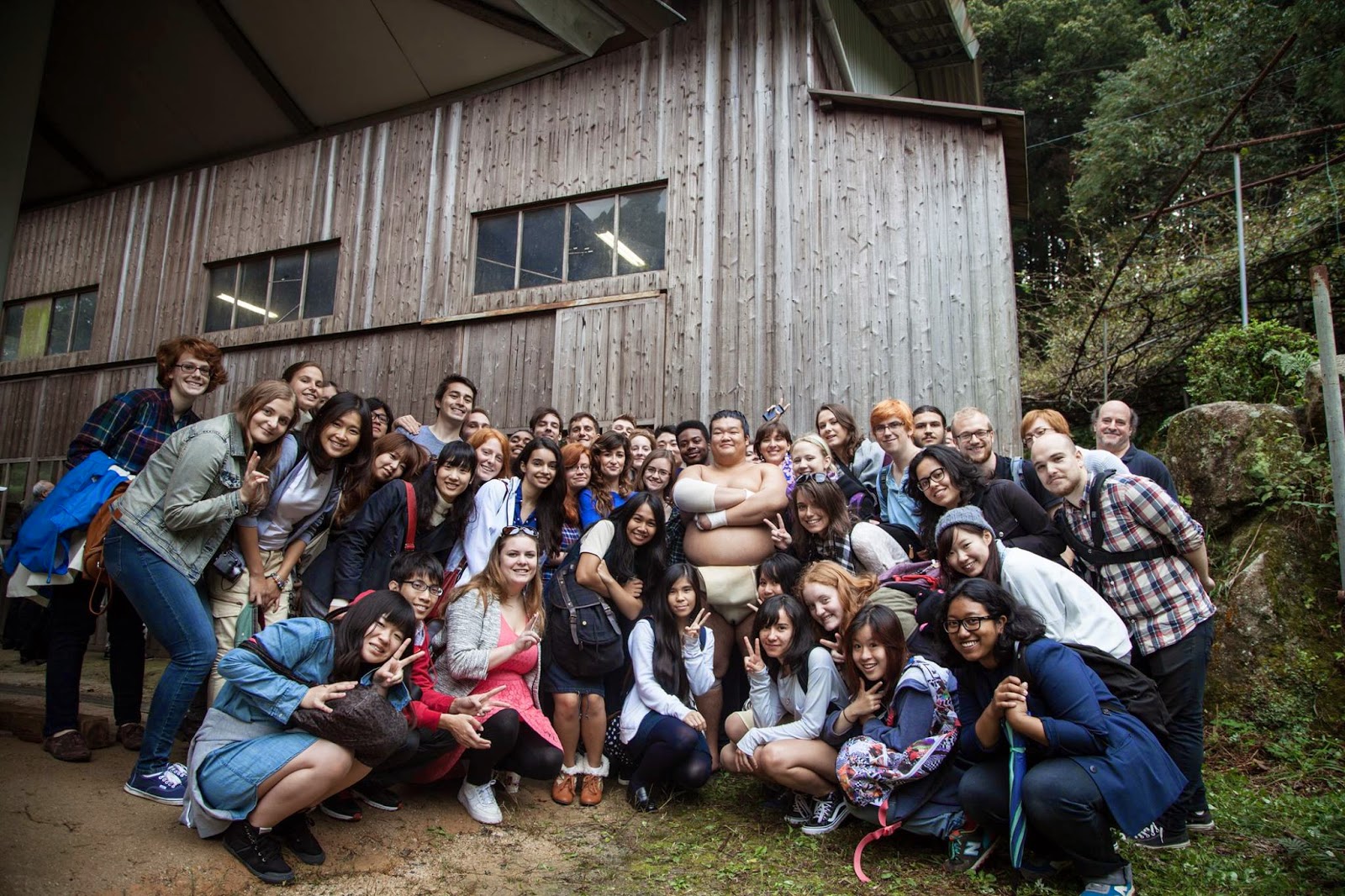
We were lucky enough to interview one of the top players. I guess it is hard to say no to a group of 50 foreign students 😉 We could all ask him some questions and he was kind enough to answer to all our questions. To be honest, I don’t remember what we asked him because it has already been a few months. If only I made notes or a video. Oh well, nothing to do about it. Anyway, while that guy was talking to us another one of the high ranking sumo wrestlers was making weird faces and gestures behind him so it was really hard to stay serious. He is a hilarious guy and I can’t believe he is such a big celebrity or famous person in the sumo world. They were also nice enough to take time for their Japanese fans as well, especially the little ones.

If that is not one of the coolest group photos ever then I don’t know what is

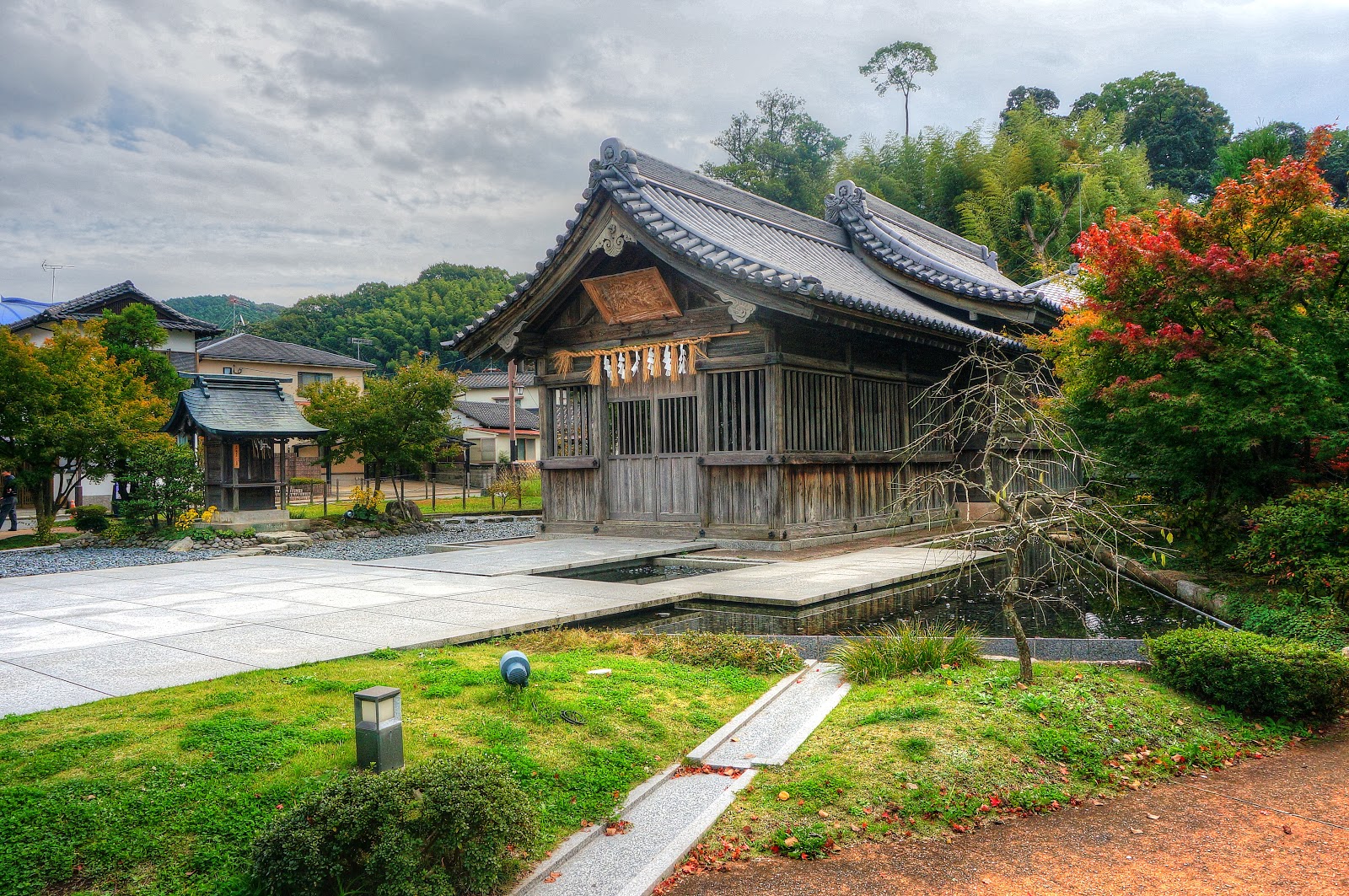
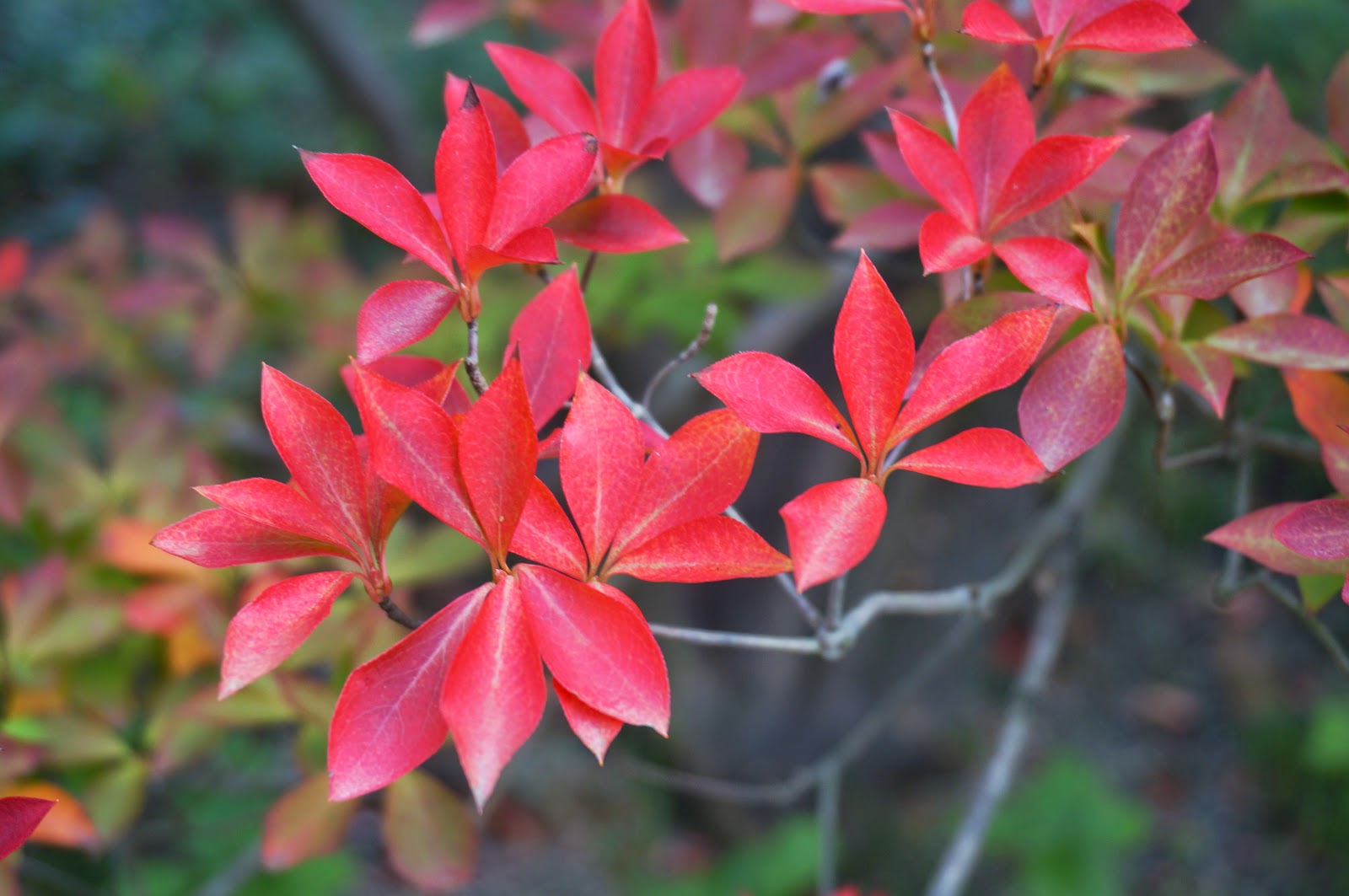
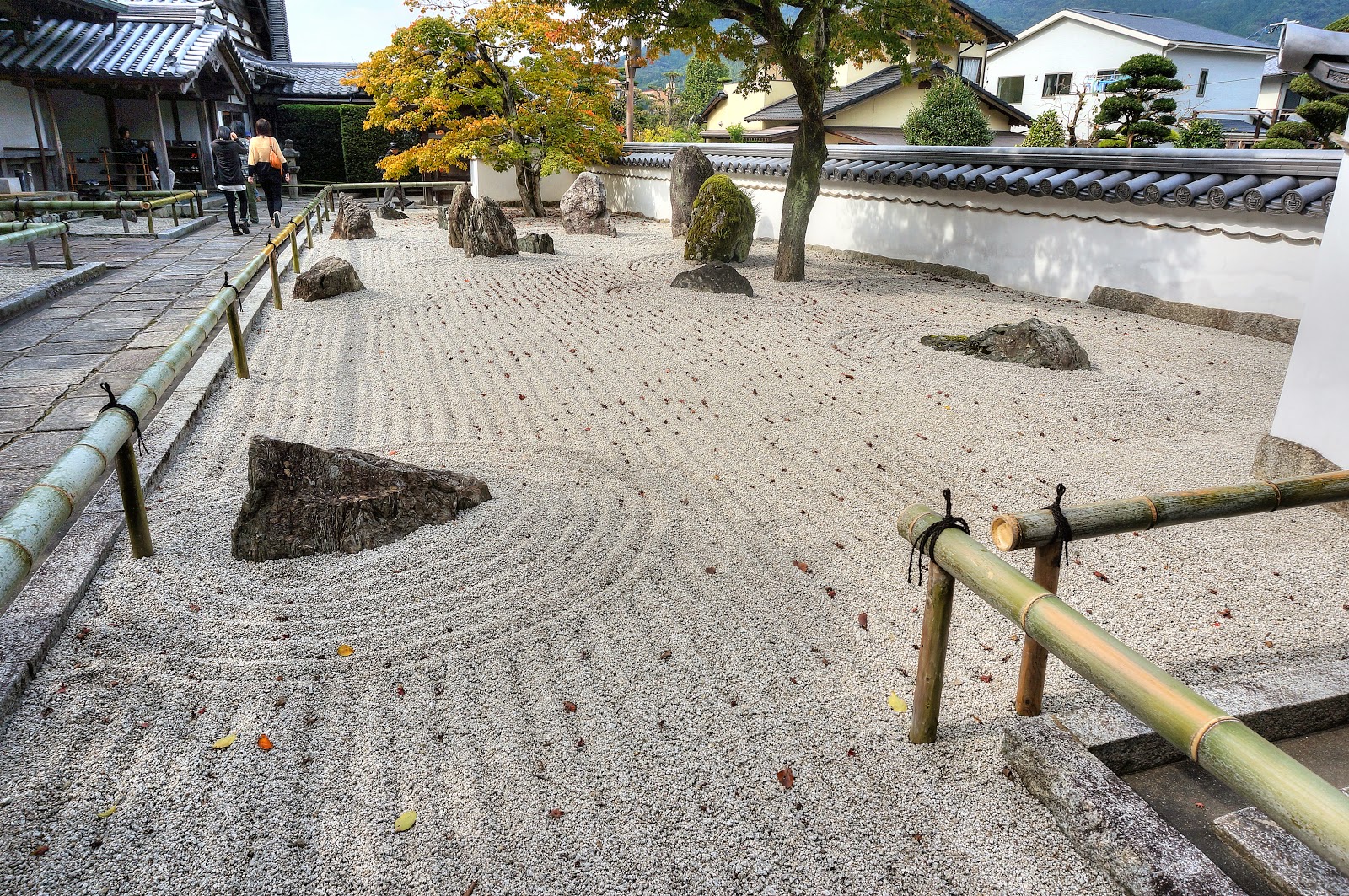
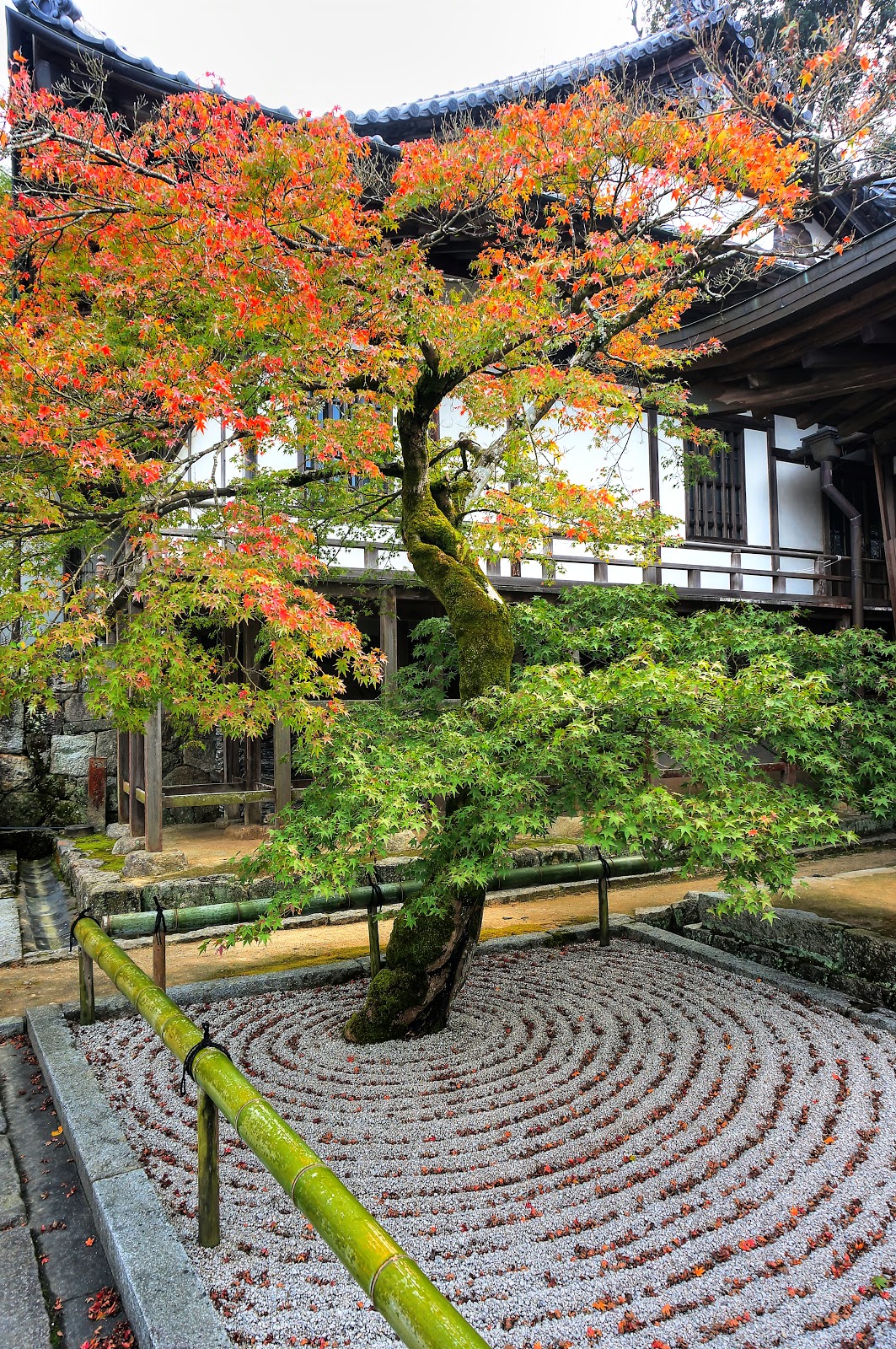
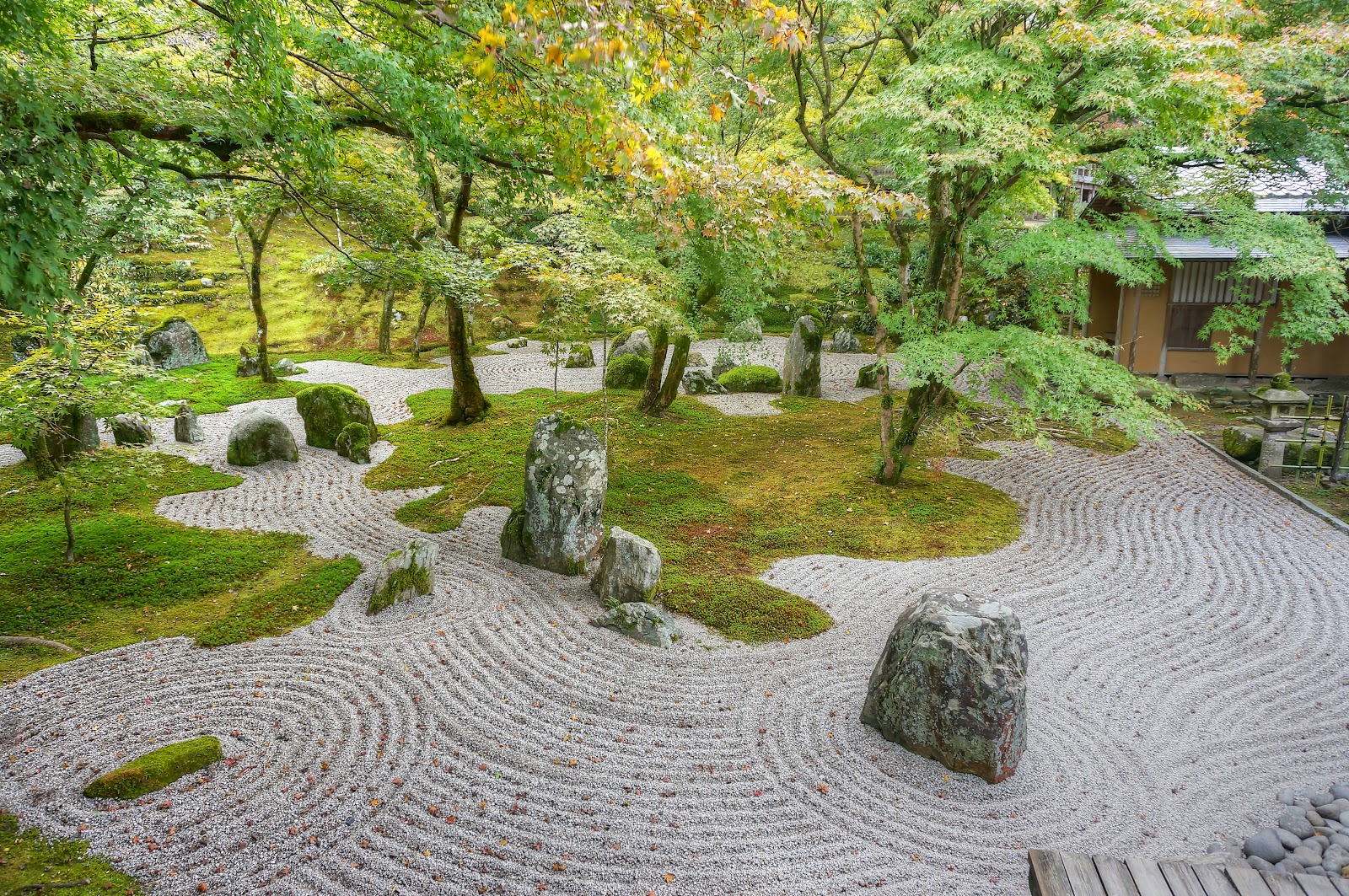
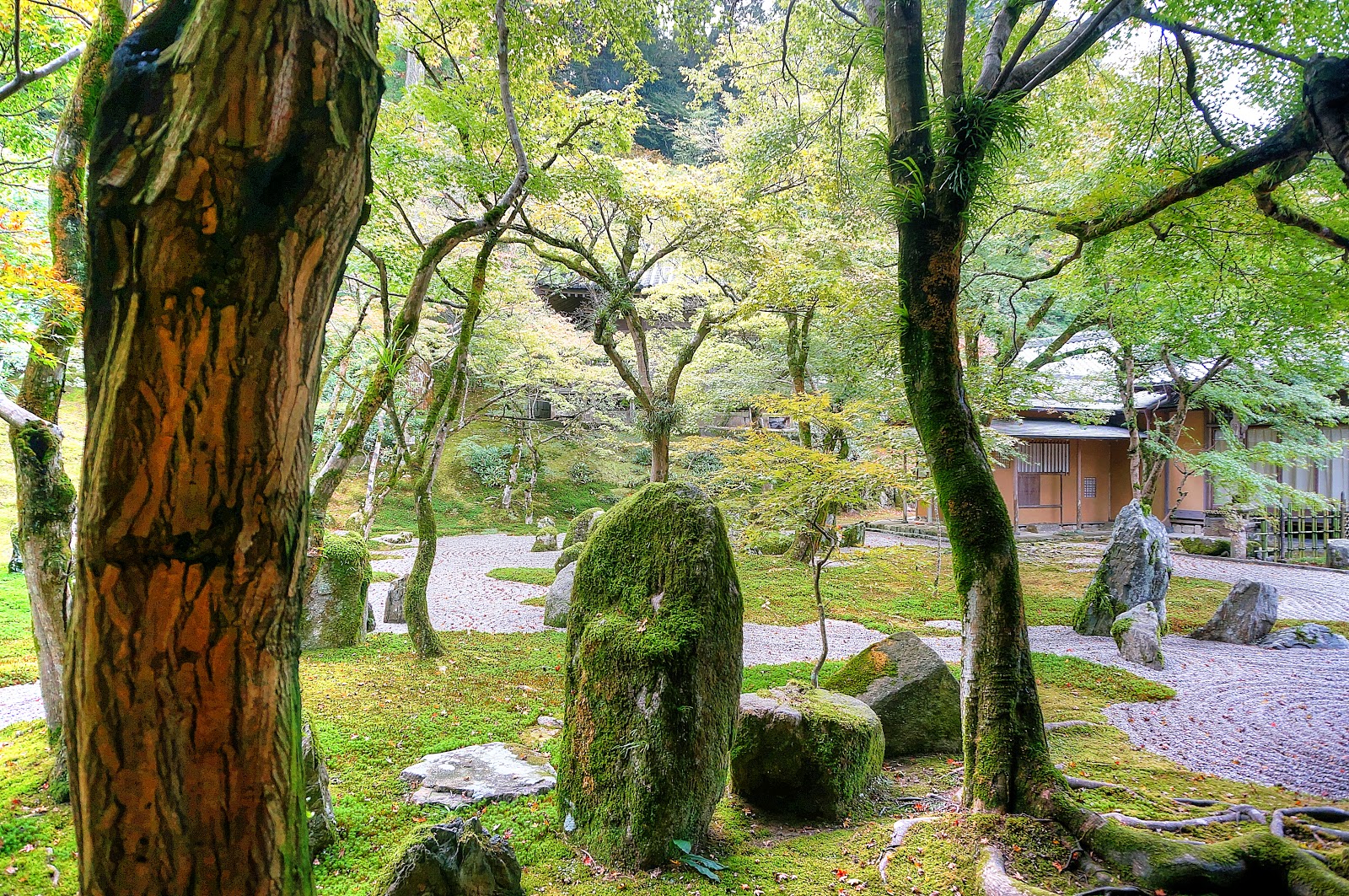
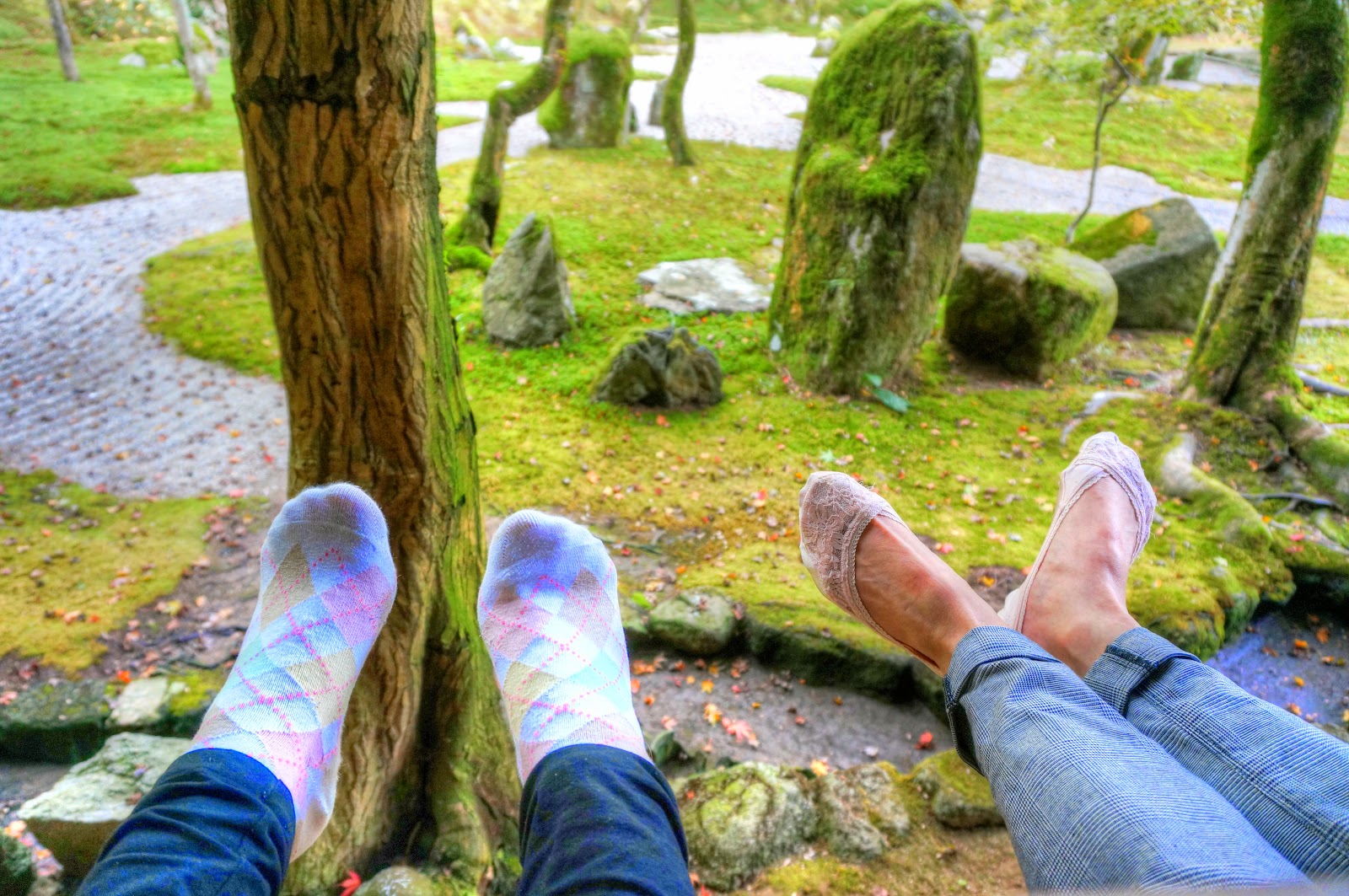
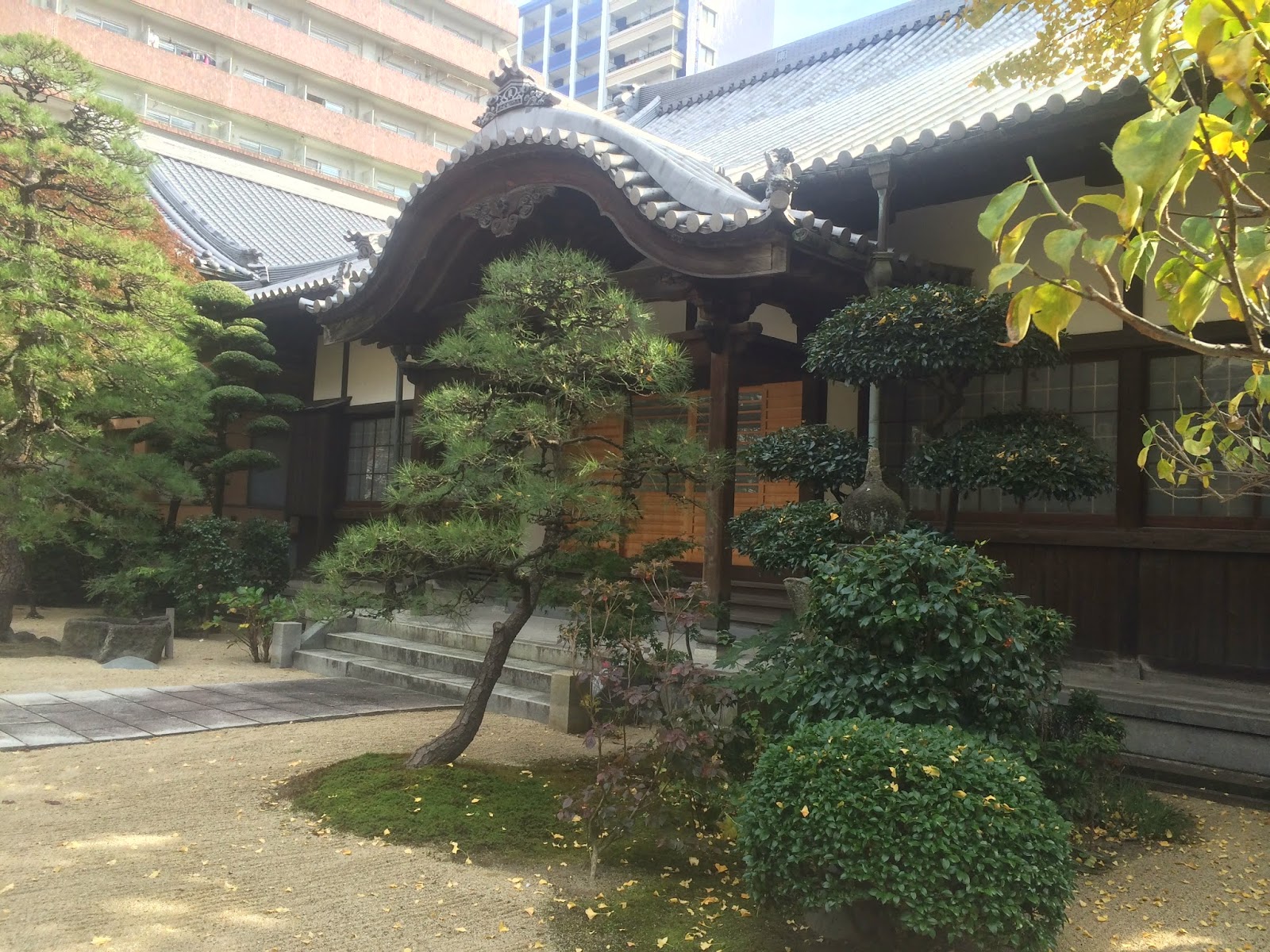
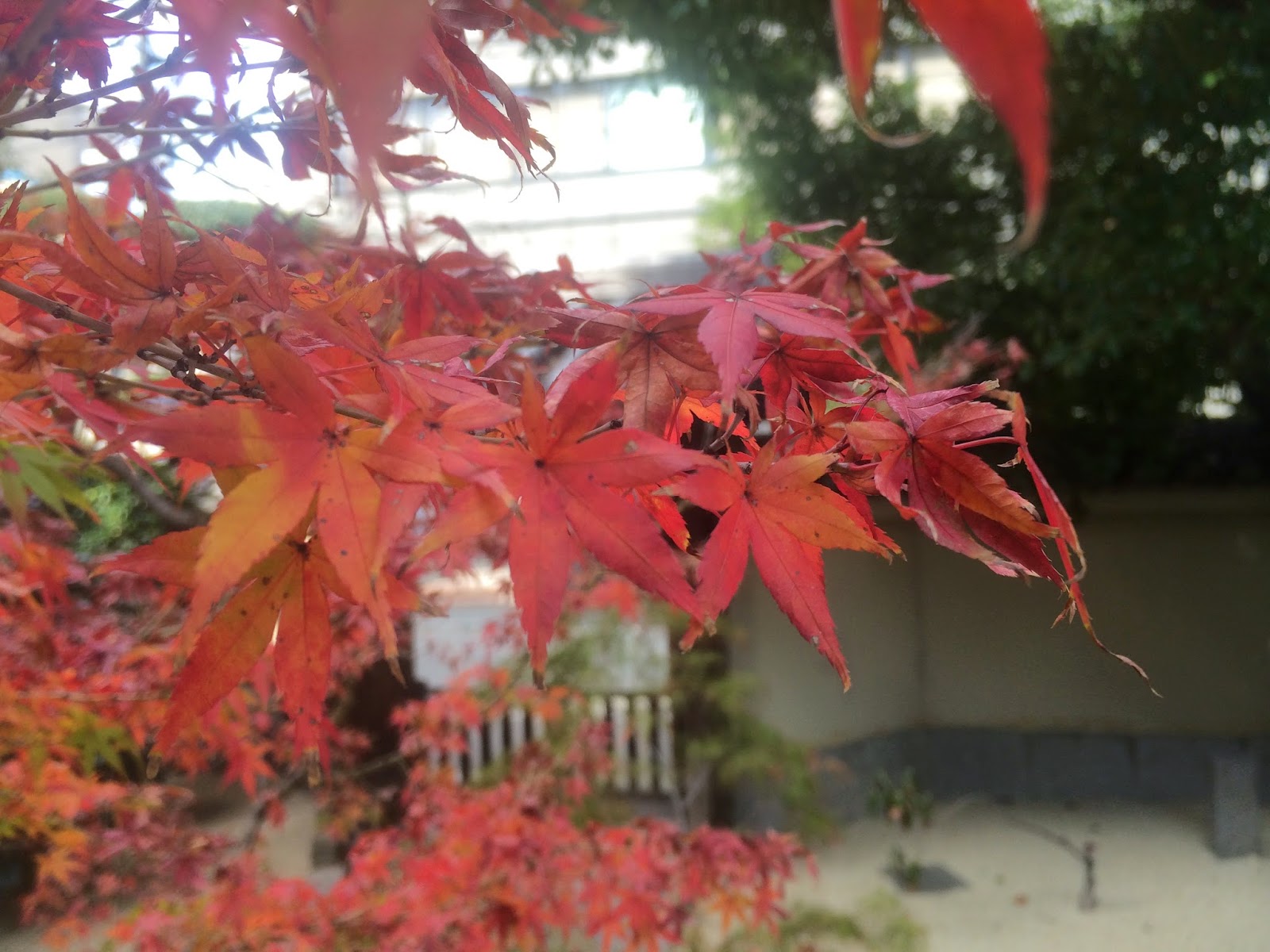
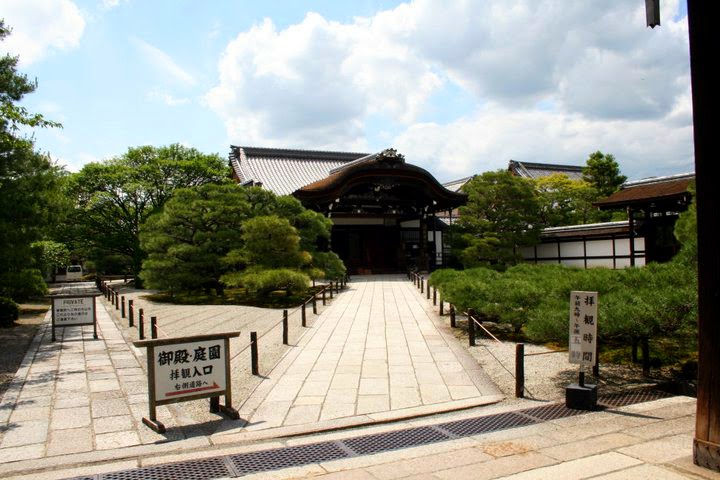
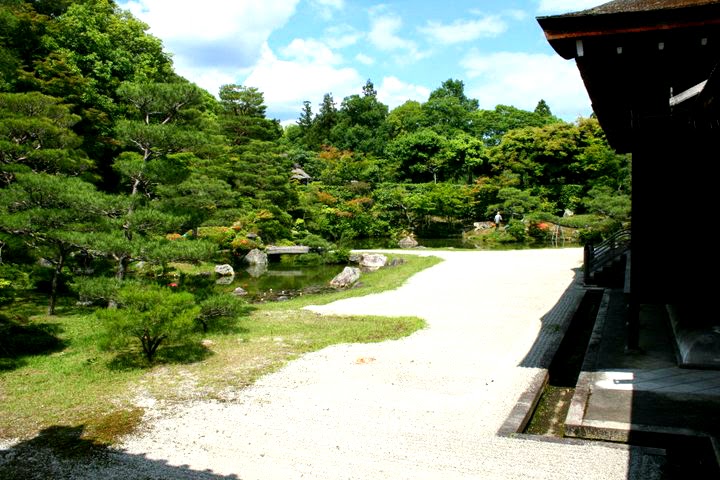
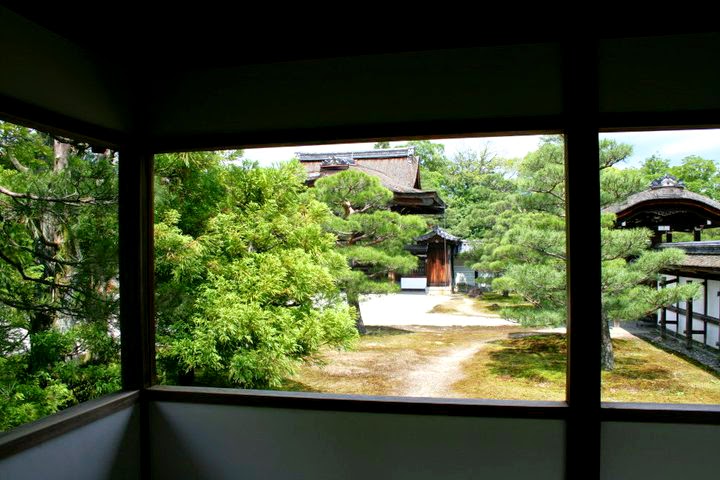
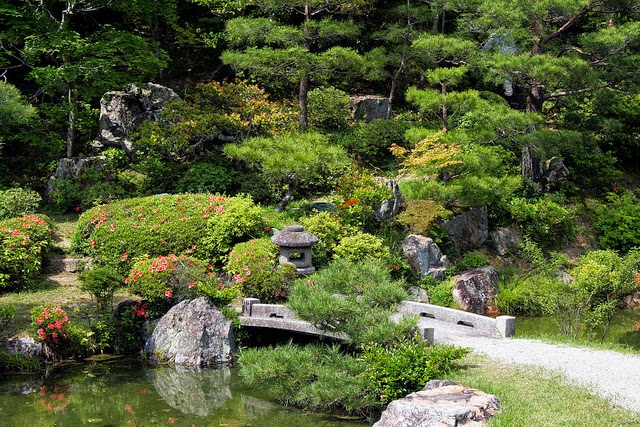
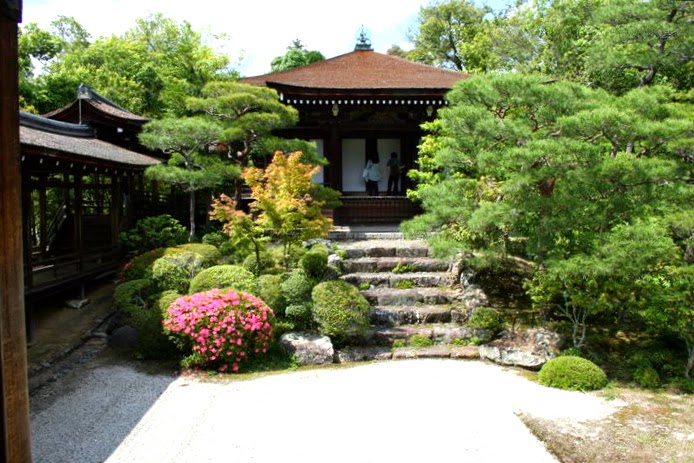
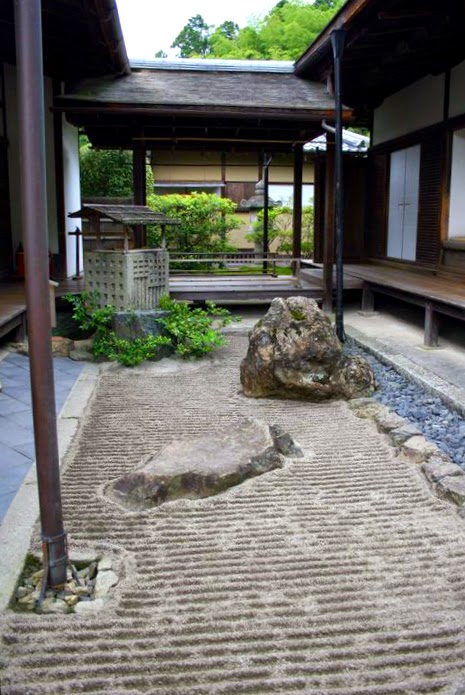
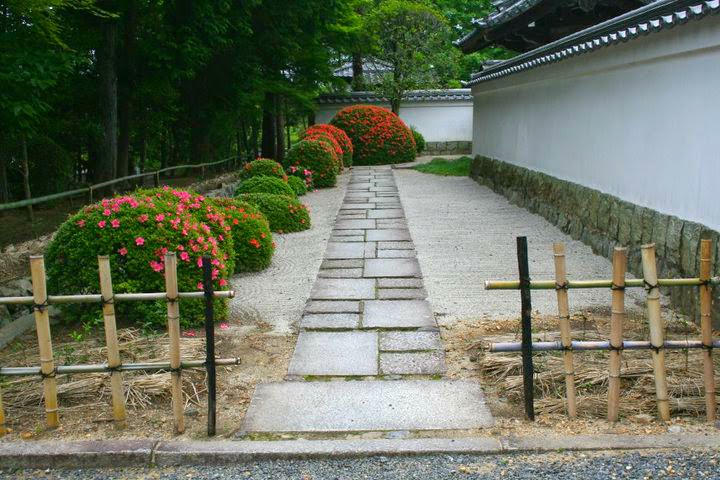
When that whole comedy show was over we had time to explore the area by ourselves and we were recommended to go to Komyozenji garden. It is located in a cute area with nice houses. The front garden is nice with a small stone garden but the rear garden is where the magic happens. You first take your shoes of when you go in and walk into this big open room with tatami mats, almost like you are visiting a traditional house, and then you walk onto this small balcony with a wondrous garden. At first it seems just like any garden, but you need to take your time to appreciate it. I think I sat down for at least half an hour just admiring the quiet and the lush trees. It truly was an oasis of peace. I might even say it is the nicest place in the Fukuoka area I have been to so far. Photos do not do the place any justice, believe me. We went there just before the leaves turned into bright autumn colors but I can only imagine how magical this place will be when it does have them in the middle of November.

Komyozenji stone garden

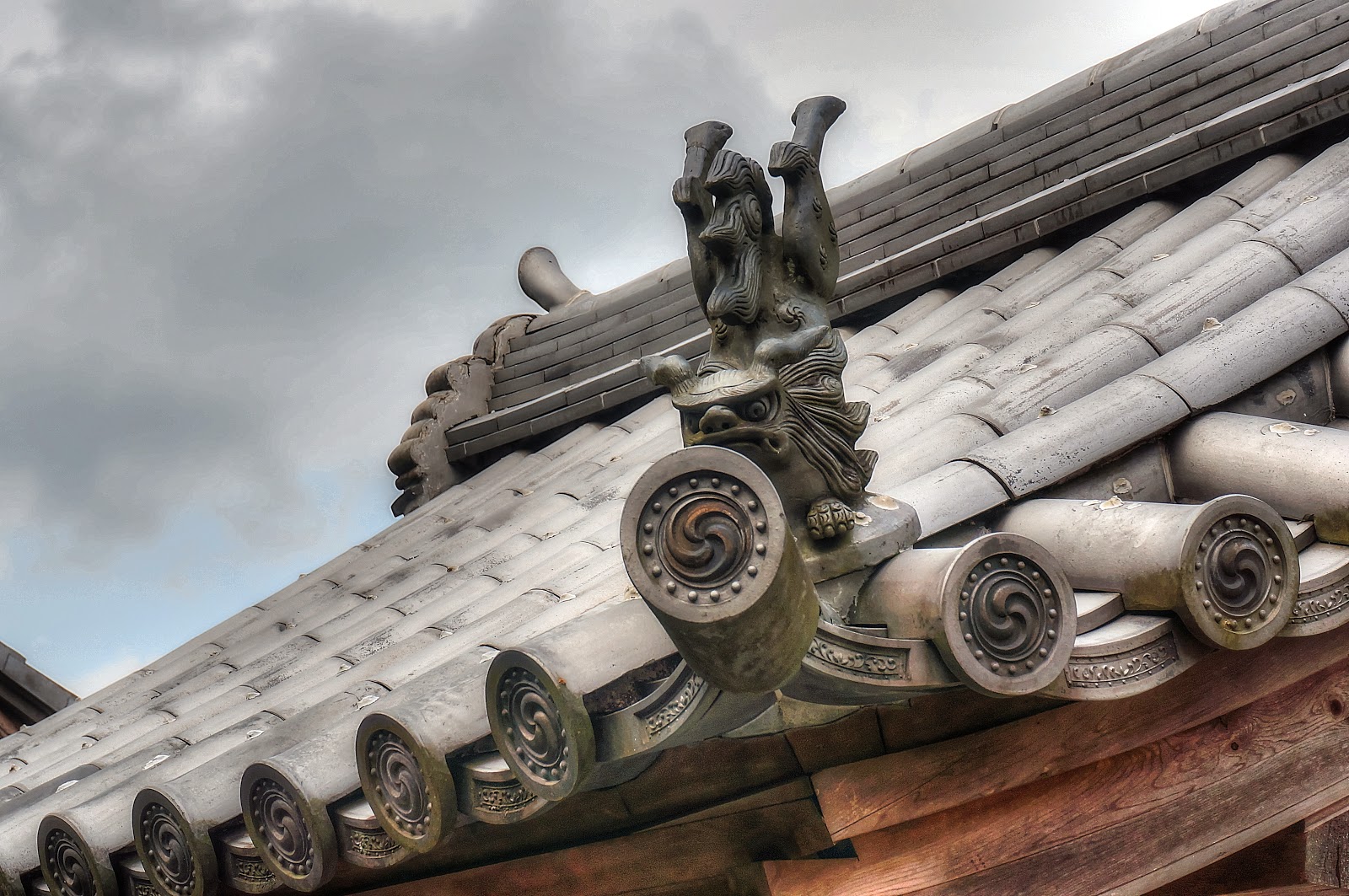
Komyozenji roof detail

Komyozenji zen garden

Komyozenji rear garden

Zen at Komyozenji rear garden


If you go to Fukuoka then Dazaifu is a no-brainer that you should definitely visit. And if you have the time you should try Komyozenji as well for a true experience Japanese beauty and zen.

Aso Volcano Area: UNESCO Global GEO Park

I am excited to introduce another field trip to you guys. I know, what’s up with all the field trips you might think? Well, I get to visit unique locations in Japan (mostly Kyushu) that are usually inaccessible or unknown to foreigners and even some Japanese. Besides that I also get to listen to tours and explanations of these areas by experts so I learn a lot on these field trips, if I manage to understand the complex Japanese that these experts use. Lastly it is great to bond with all these people and also a good practice for my Japanese. There is not much not to like about these field trips, except that they leave you very tired and broke after a while, but is is a sacrifice I am more than willing to make.

Anyway, this time I am going to talk about the Aso Vulcano Area. It was designated as a Global GEO Park by Unesco last September. My laboratorium tried to organise a trip to the area straight after the designation. In the first half of the post I explain what Aso is and the second half is my experience there.

Global GEO Park

UNESCO World Heritage, both cultural and nature, is well known I think. GEO Park is a more unknown part of the UNESCO Heritage covering Geological Heritage. This means that the promotion and protection of these GEO Parks is connected to agritourism and geotourism. Some other sites on this list are the Korean island of Jeju and Langkawi in Malaysia. There are different kinds of Geo Parks varying from Dinosaur Geoparks to Volcano Geoparks and Mining Geoparks to name a few. As the official website of Global Geo Network says their aim is sustainability and real economic benefit to the local communities, usually through the development of sustainable tourism and other cultural and economic activities.

Promoting Aso Vulcano Area

The Aso area is still in the very early stages of promoting tourism because of two factors. One is that it only got recognized as Global Geopark, and thus as Geological World Heritage, very recently. Secondly, the Aso area has to camp with the same problems as the rest of rural Japan; the rural areas keep getting more abandoned and are running empty. Most young people move away to big cities to study, find jobs and even just because it is more entertaining and hip there. Together with the rapidly aging population this means that there is only a small community of elderly people left in most of the countryside. To change this or at least attract more tourists to the local areas several groups and centres have been set up to promote the Aso area and organize tours. 

We were able to visit the Aso area with the help of So Setsuda from Aso Design Centre (阿蘇地域振興デザインセンター in Japanese). He set up a route and plan that would be the most comprehensive, informative and bring us in contact with locals. And the best part; everything was completely free. Free stay in a traditional inn, free delicious dinner, free lunch, free hot springs, free visit to a museum, free tour bus and more. Basically a free two-day-one-night tour in return for our honest reviews about the tour, tips on how to get more tourists there and posting photos and information on social networks. Now that I think about it, it is basically like what many travel bloggers do; go on a sponsored trip in return for a review and media exposure. Only this was in a big group and this was for educational purposes.


Agricultural Traditions

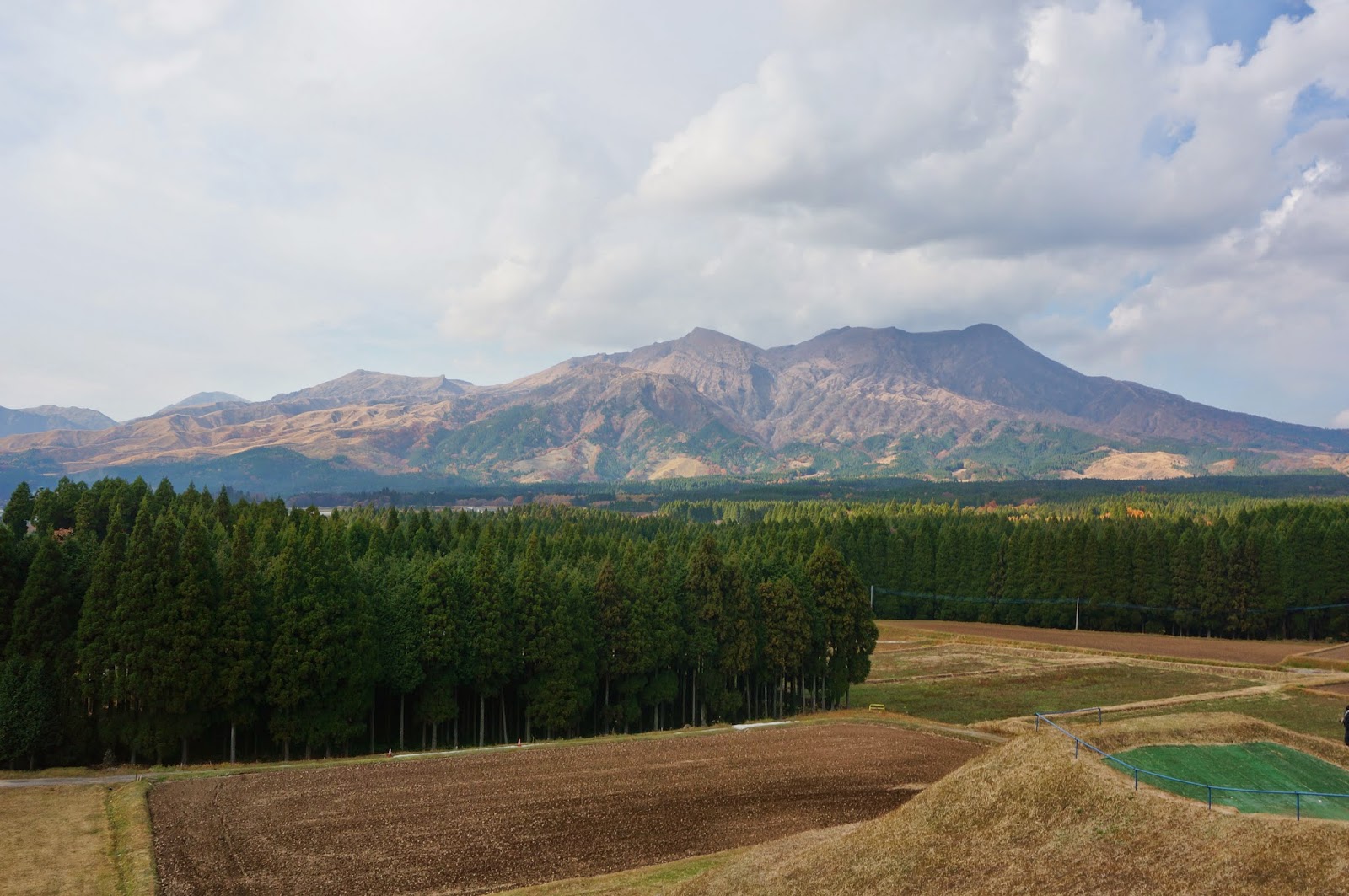
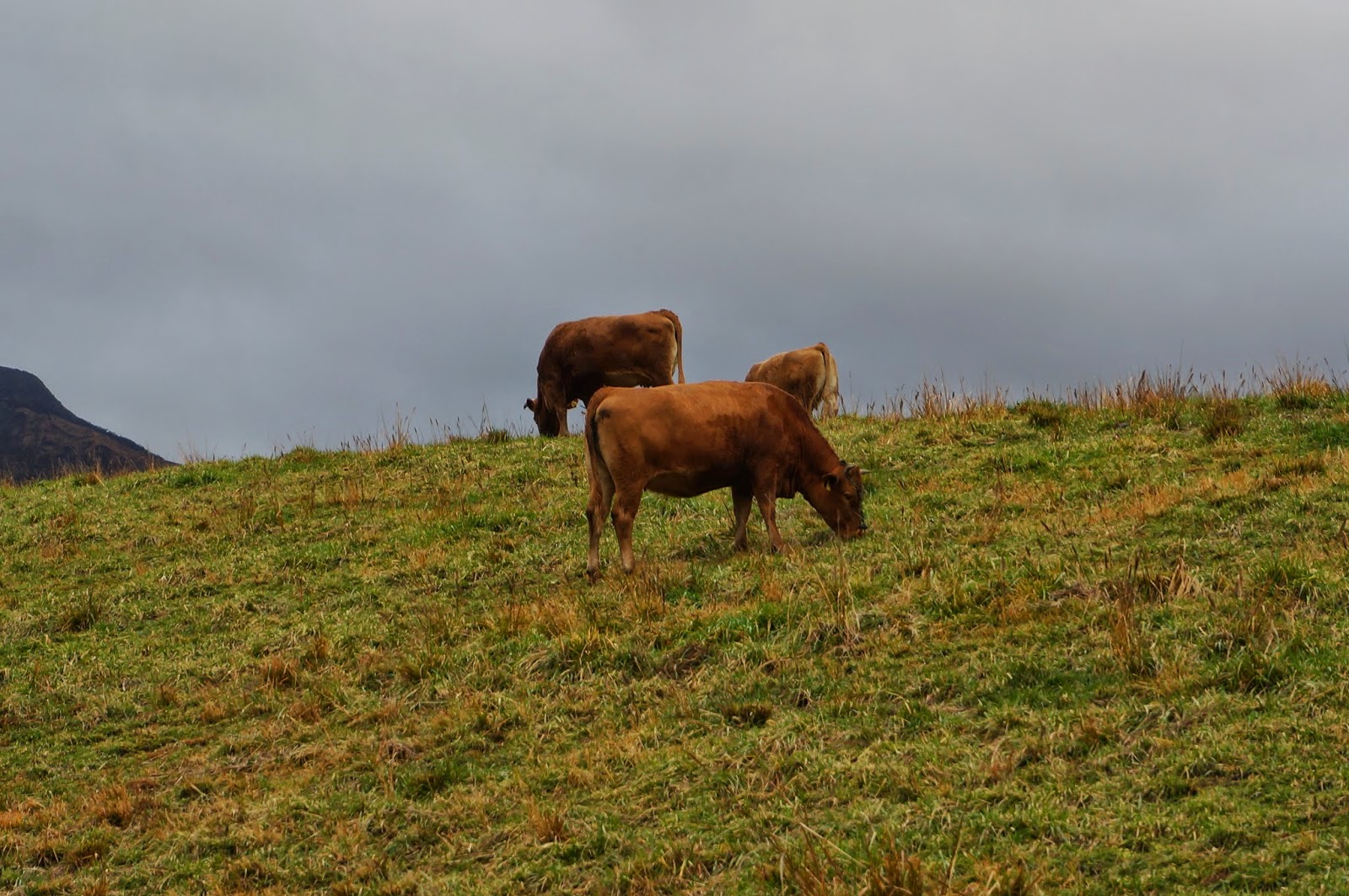
The fact that the Aso area is a Global GEO Park is pretty amazing, but why is that? During the trip I learned that the people in this area have a very unique tradition of cutting down the trees on the mountain and burning all the grass and weeds in order for grasslands to be created (called Noyaki, translates a ‘burning grass’). It is one of the few places on earth where you will see wide grasslands on mountains. They do this because it is a volcanic area and thus very fertile. They keep cows and other kettle on these grasslands as well as growing rice, vegetables and working with greenhouses. So it is a very important agricultural area. It is actually the most well known place throughout Kyushu for agricultural products and a quite some tourists stop by to get some of the products.
The fact that those grasslands are not naturally just there and what significance they hold is very unknown amongst these tourists. There is a need to promote awareness of Noyaki. First of all it is a tradition only found in Aso so it is important to make sure this unique tradition doesn’t disappear. Second of all it takes a lot of work to practice this Noyaki but with the ever decreasing population in the countryside the people of Aso need the help of volunteers more and more. It is hard work but very fulfilling and getting in contact with the local people while really helping out people that need it is a good thing in my opinion. 
The downside is that it is still all in Japanese. I recommended them to appeal to foreign tourists and students as well because I am sure there are people interested to help out and dive into the local culture of Aso. But it is still a work in process.
If you are interested in some pictures of Noyaki, you can take a look at this post by Atsushino Tanno.

Touring Aso

As always we started our field work by getting on the bus on campus and taking a long drive. When we arrived in the Aso area the landscape started to change and we saw stretching grasslands on the mountains and the occasional cows. We started by going to the Aso Visitors Centre. The Centre is almost like a museum with photos and explanations of Aso on the walls and other displays of Aso. One of the volunteers working there explained the characteristics to us. There was also a corner to make cute animals with sticks and leaves and flowers. Another corner was intended for kids with some books and costumes. Around the centre is a Wild Flower Garden but we didn’t get to see that.
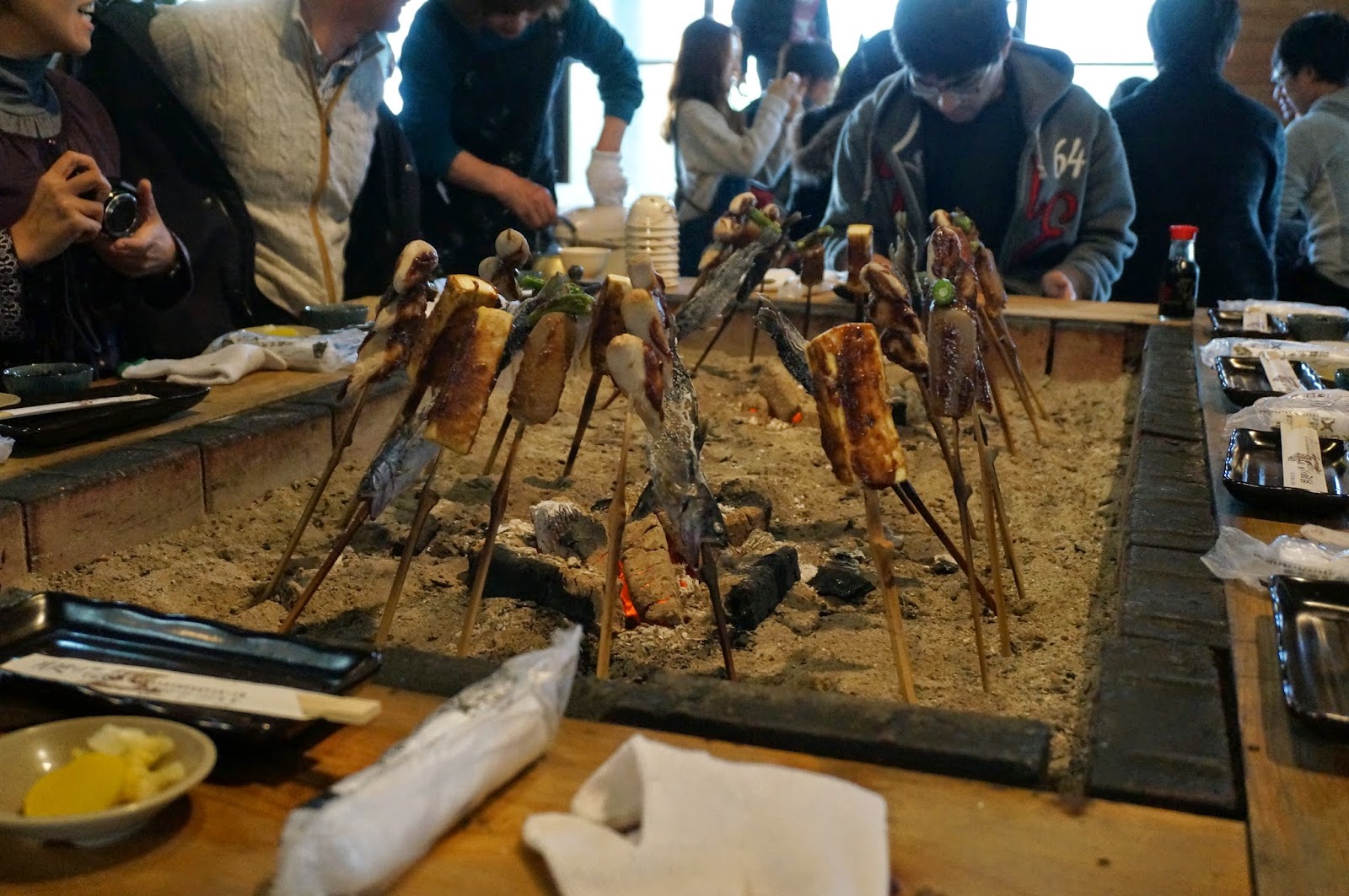
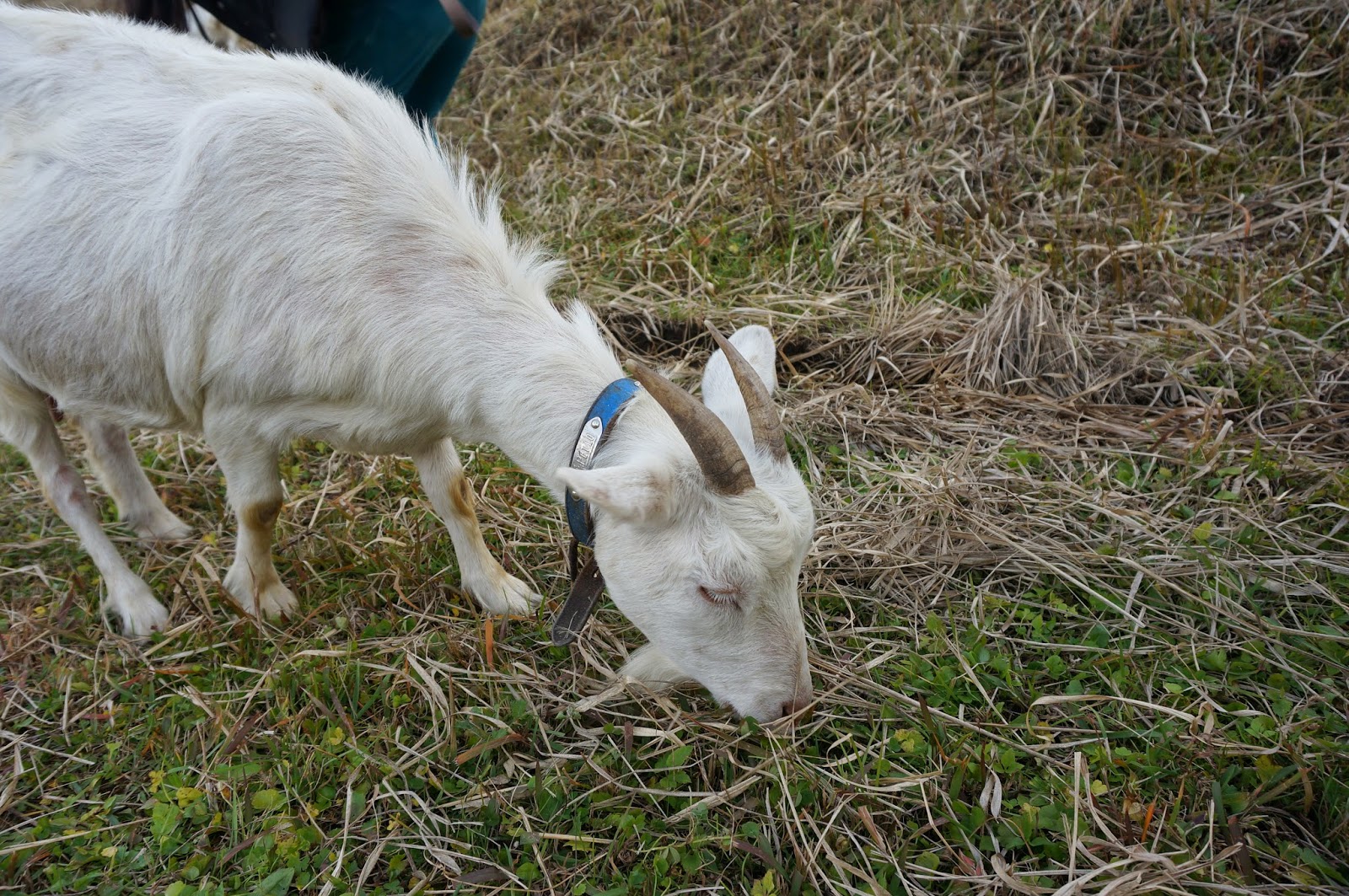
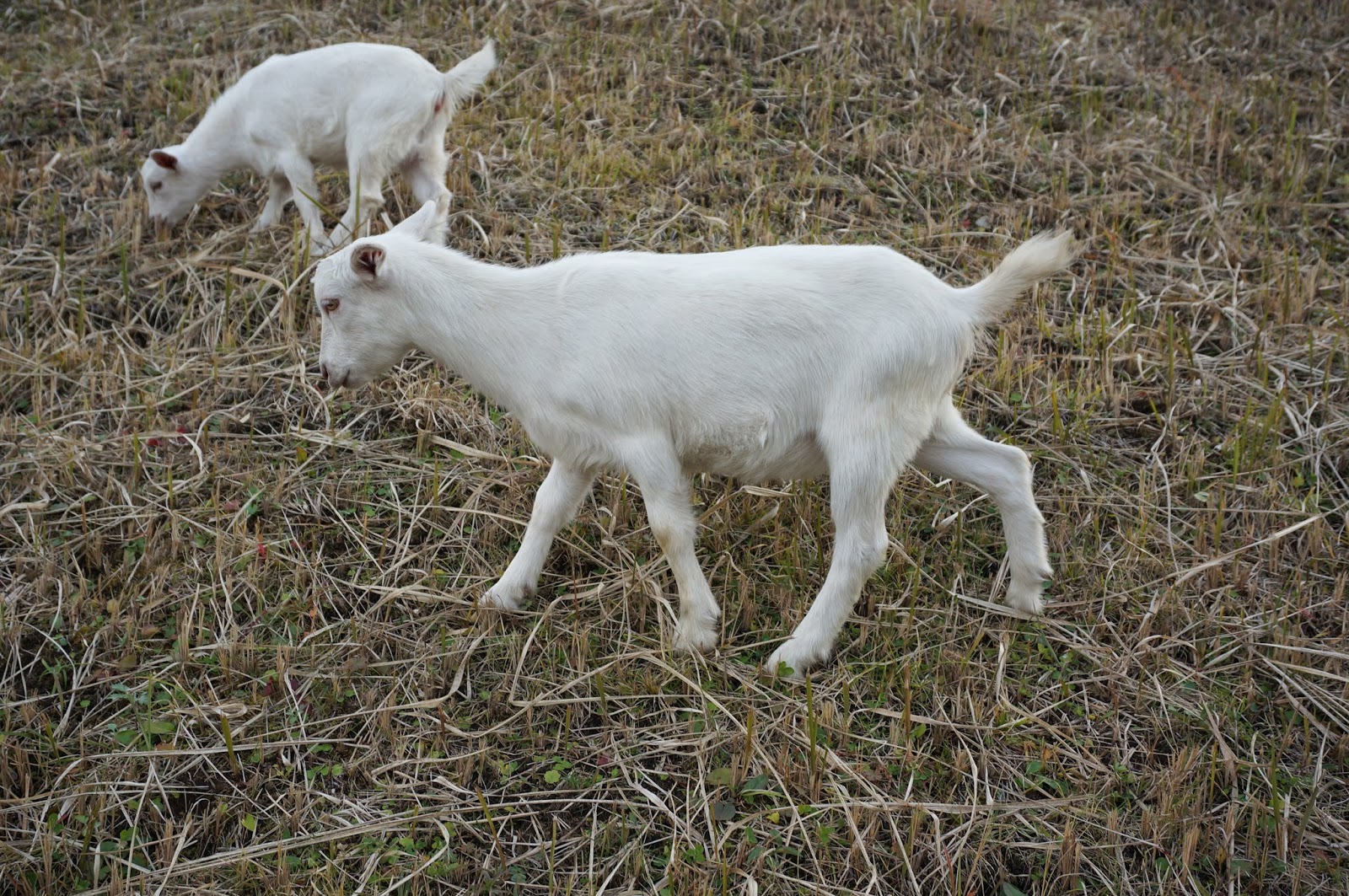
Since we’d had a long drive we then moved on to lunch. It was a very special lunch; the tables were pits with sand and burning coal and instead of plated all the food was put on big skewers. There were even gloves provided to take out the skewers from the burning pit. All the food was locally produced like local fish, tofu and meat. The location was also pretty unique; the restaurants looked like a big farm house and just outside were stretching fields of grassland and farmland. And a bunch of cute goats!

Volcano Eruption

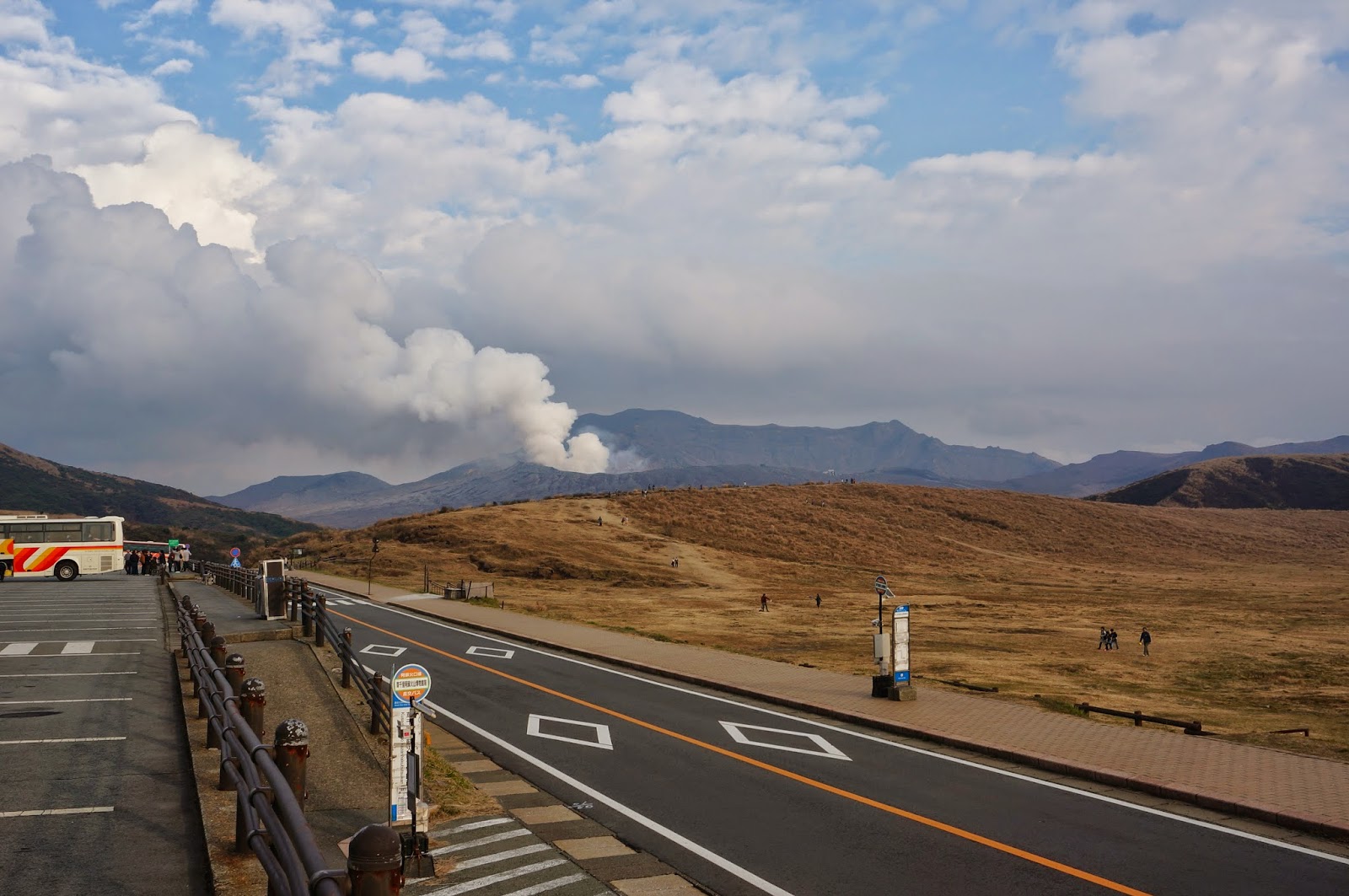
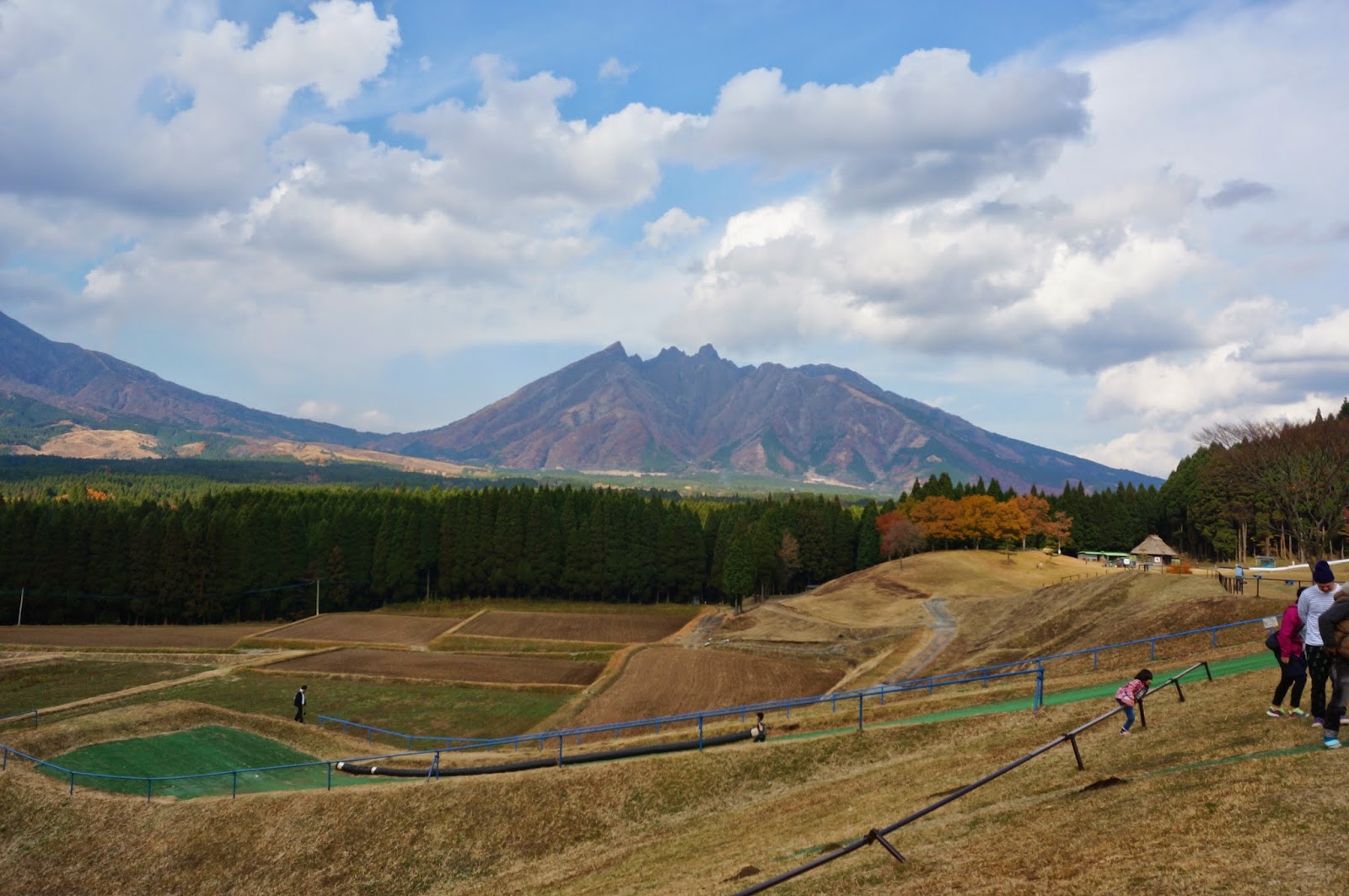
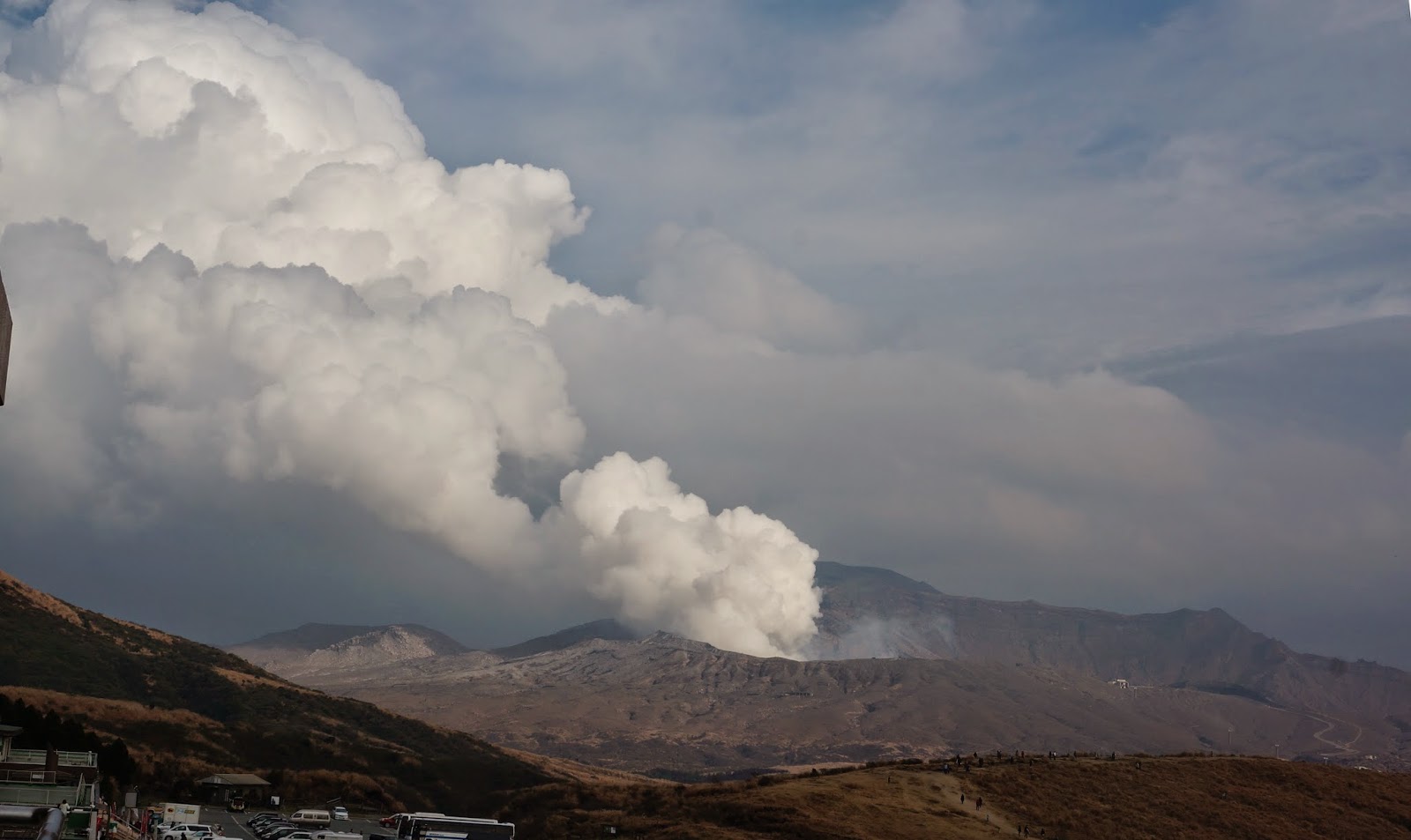
Our next destination was Aso Volcano Museum. While driving there we drove past the Volcano Crater. Or more like we could see it from a distance. There was smoke coming out and it was my first time seeing that in real life. I have never been to a volcano so it was pretty cool to see even if it was from far away. Actually it appears that later that day the volcano erupted a little bit and visiting the crater has been restricted since then, although it seems that there is no direct danger of a big eruption at present time.

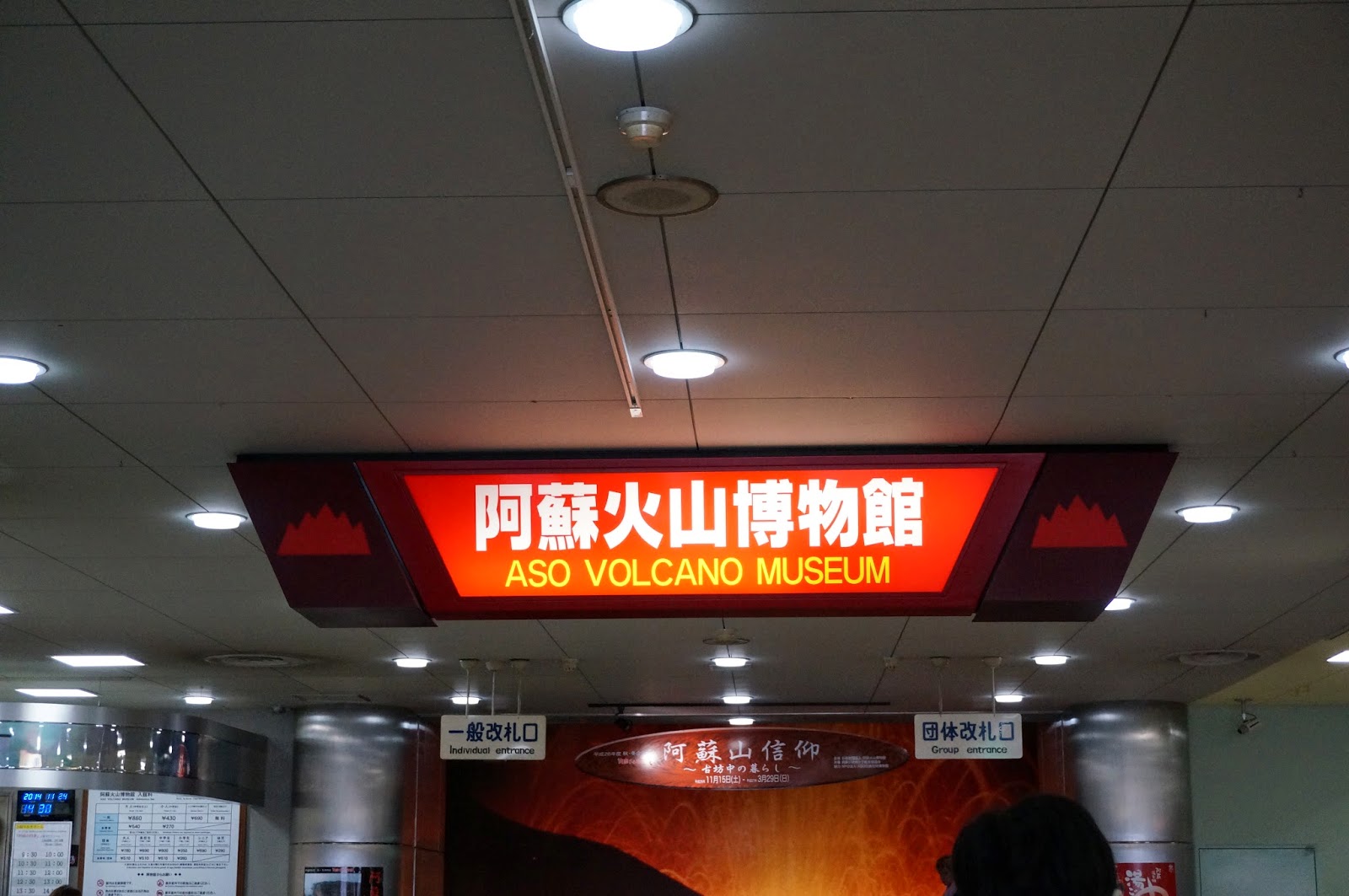
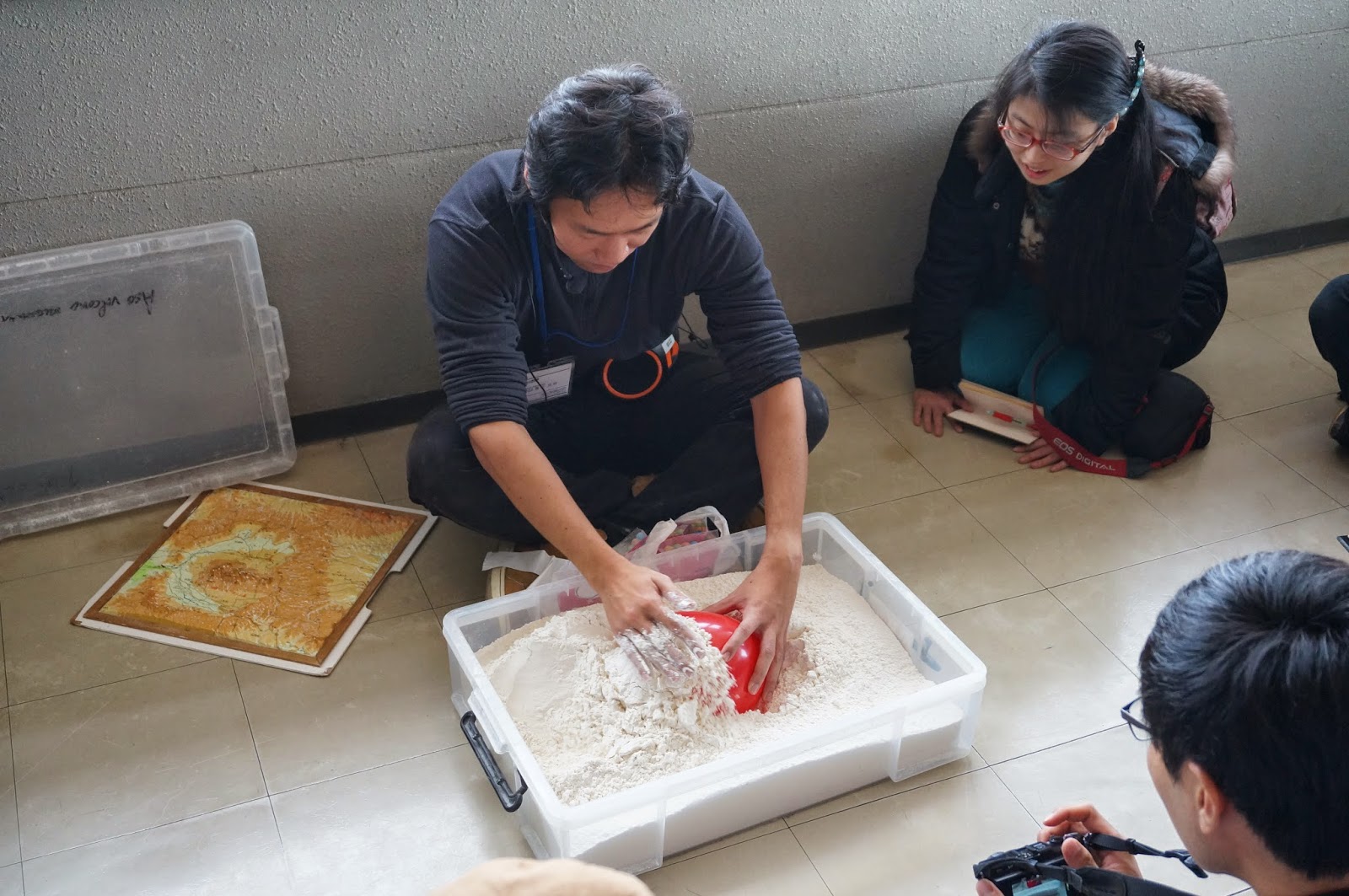
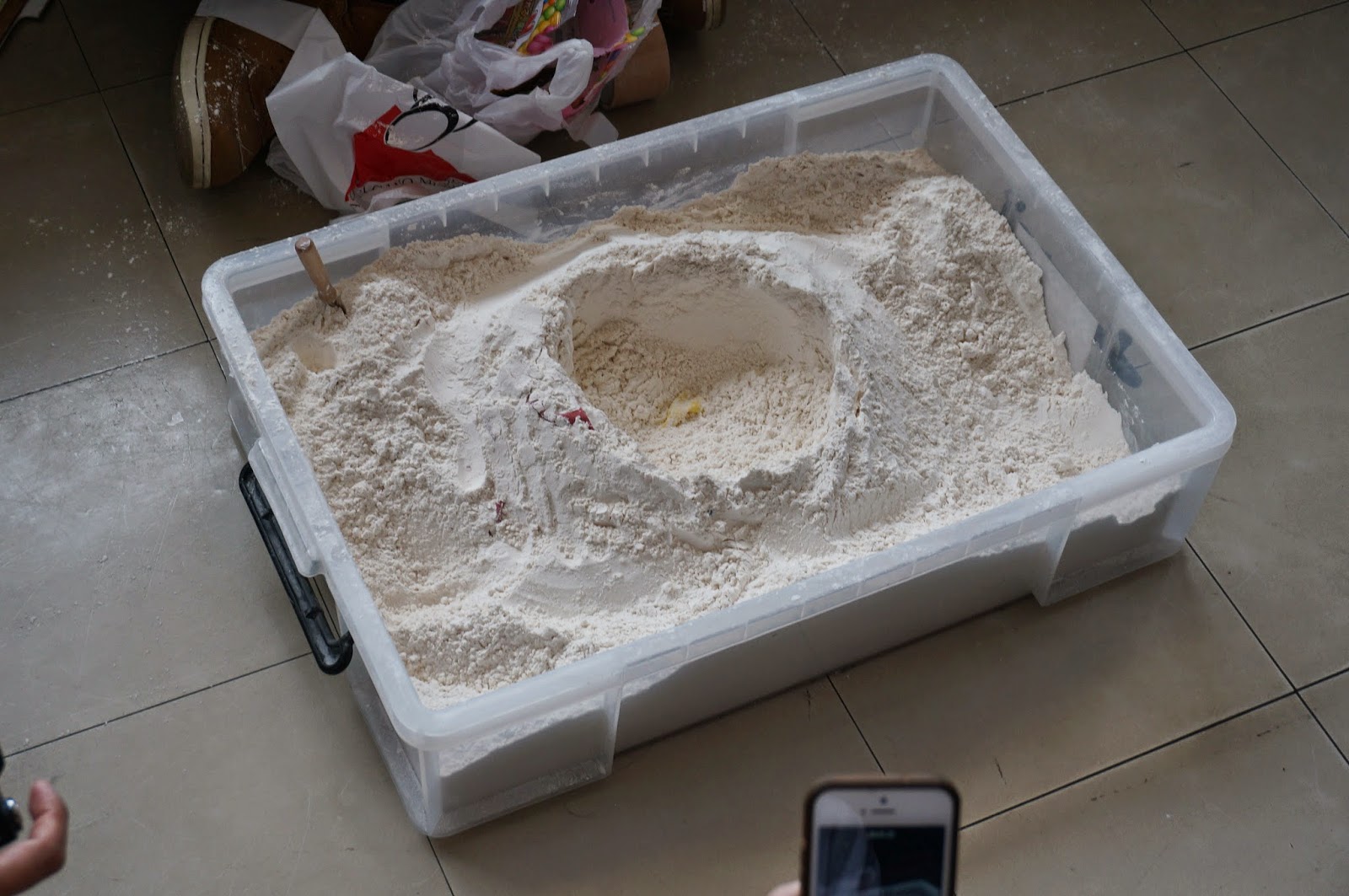
The Volcano Museum was quite interesting but everything was in Japanese and the guide was very difficult to understand. His sandbox explanation of volcano explosions and the creation of Aso Caldera was interesting though. So if you don’t know Japanese this might not be the place for you. Some of the signs did have English translations though, so if you are interested in volcanos it might be worth a try anyway. I do recommend to visit the crater if possible and enjoy the gorgeous view of the grasslands and the volcano.

Lavish Dinner

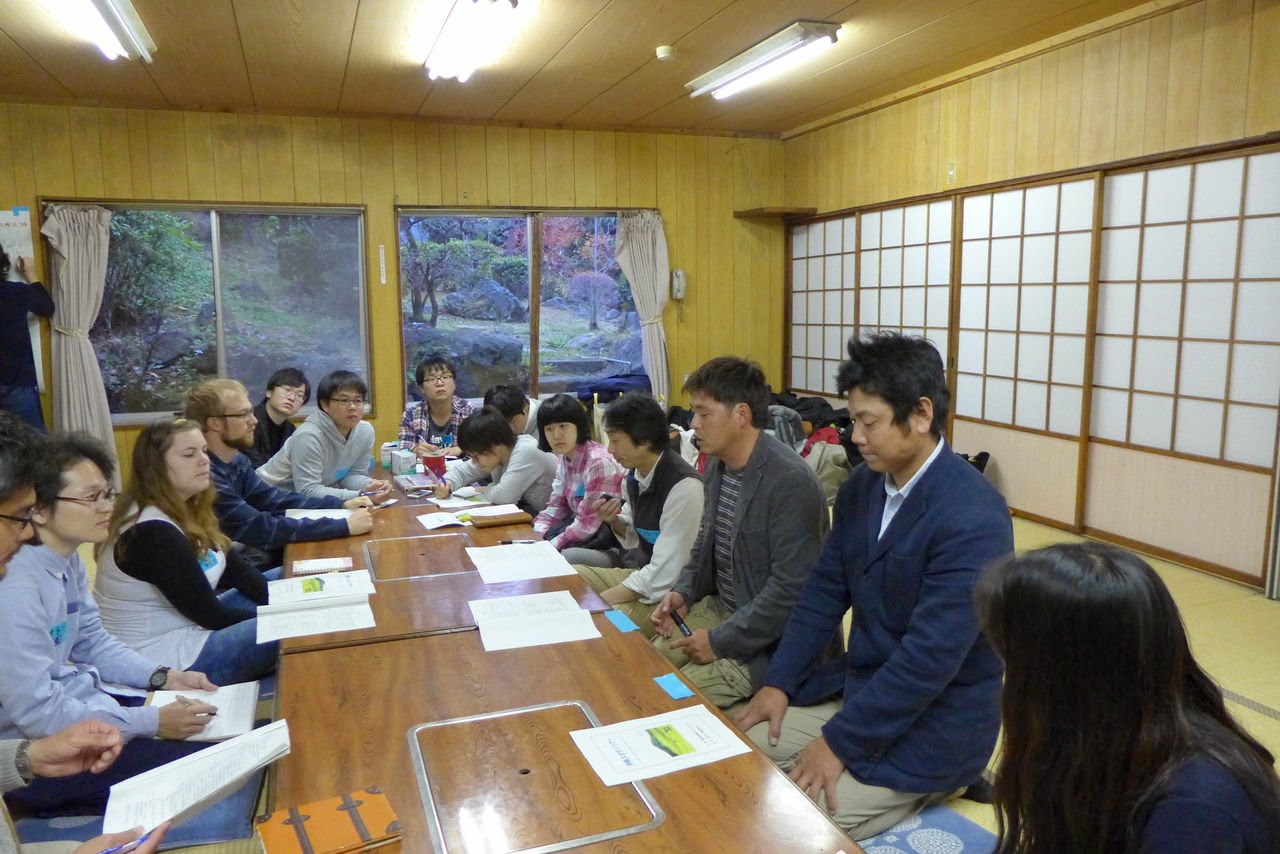
In the evening we arrived at our lovely ryokan. Before we could settle down and eat it was time for an interview with two local farmers and to tell our opinions and thoughts of what we had seen that day. So basically we had a study session. After about two hours our food was set up in another room and we could finally take a rest from all the touring around and studying.

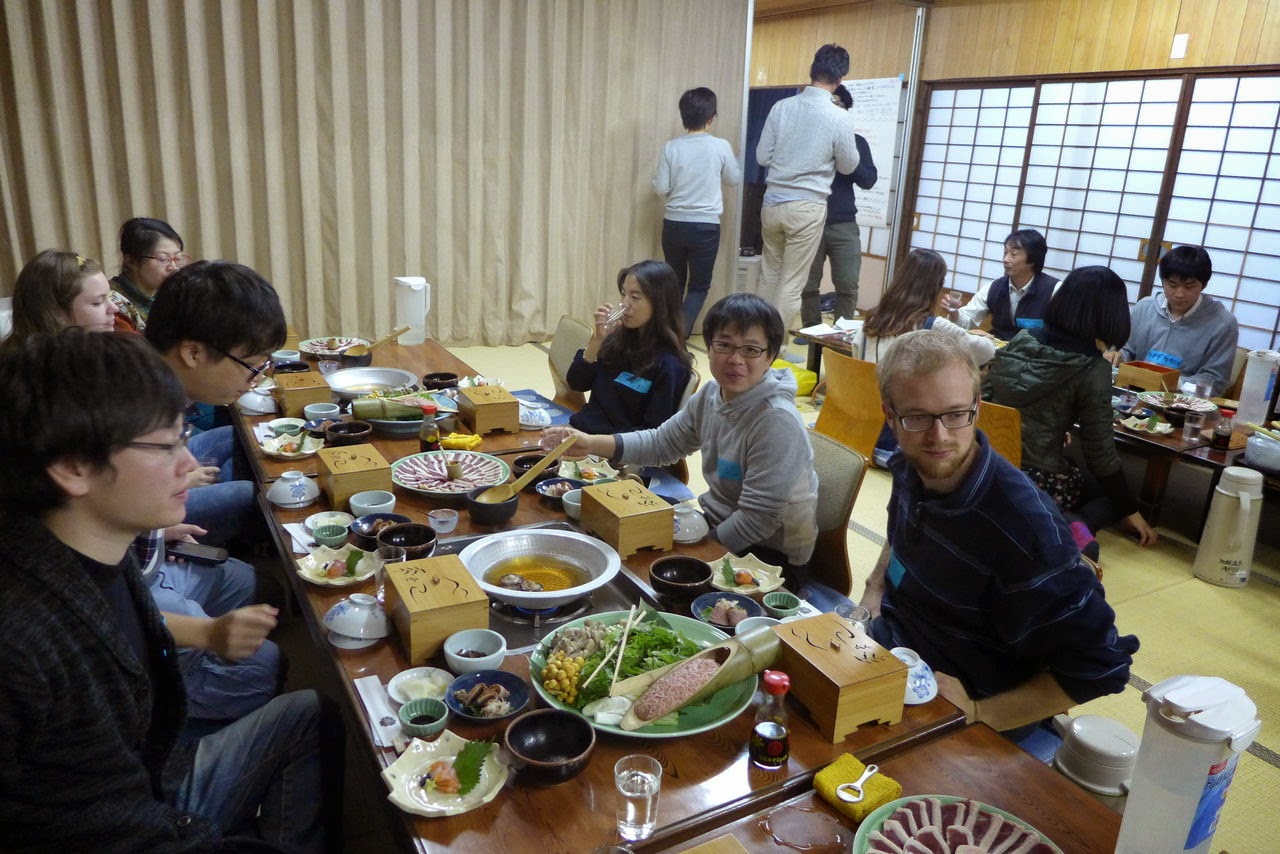
Dinner was Japanese style of many small dishes including hot pot, sashimi and duck. It was very lavish. Sake was flowing and before I knew people were dancing on the small stage in the room. We have students from Japan, China and Korea, and then me and a visitor from Germany, so every ‘country’ had to show a local dance. My German friend and me represented Europe with the chicken dance. You need to think of something right?

Talking about interesting food, the breakfast next day was also quite interesting. It as normal buffet style except that next to the tables was a fake river and occasionally baskets with eggs would float by so you would have to catch your eggs from the baskets. I have never seen anything like that before.

study session. Photo by prof. Fujihara
Awesome dinner. Photo by prof. Fujihara

Soaking in hot springs

When dinner was finished it was finally time to freshen up in the hot springs! Also is has many natural hot springs and this inn specialized in them with hot springs in different locations around the hotel. So we girls put on our yukata and went to the first one which would turn into a mixed bath later in the evening. It started to drizzle but we were warm and cozy in the bath. I can definitely recommend doing this, it feels so good!

After nearly an hour we put on our yukata again and walked to the second bath which was a small one outside in the second floor. And we went to a third hot spring down the slope (in the dark) as well. So basically we were touring the different onsen. In Japan it is a custom to drink cold milk after a warm bath so we drank cold milk locally made in Aso together in the lobby. Then I took a last shower in dipped into a  private bath before falling asleep on cozy futons.
Sorry no photos because they are not allowed in hot springs!

Aso Shrine

The next day we went to a lecture. It was in difficult Japanese though so I didn’t really catch what they were saying, but I remember it was about volunteering for the Noyaki and what kind of work and organizations are involved. After that we visited Aso shrine. My professor was really excited because he was born and raised in this area and he knew a shop with very good meat buns. Around the town near Aso shrine there are a lot of fountains with the local spring water. This water is supposed to be very healthy and delicious so you should definitely take a sip from the different springs.

The shrine itself is known for the festival held to celebrate the Noyaki and a fire ritual festival. My professor showed us videos and photos of this fire ritual festival and it looked very impressive and a little bit dangerous as well. it is celebrated in march but sadly I couldn’t go there to check it out myself.

Megaliths

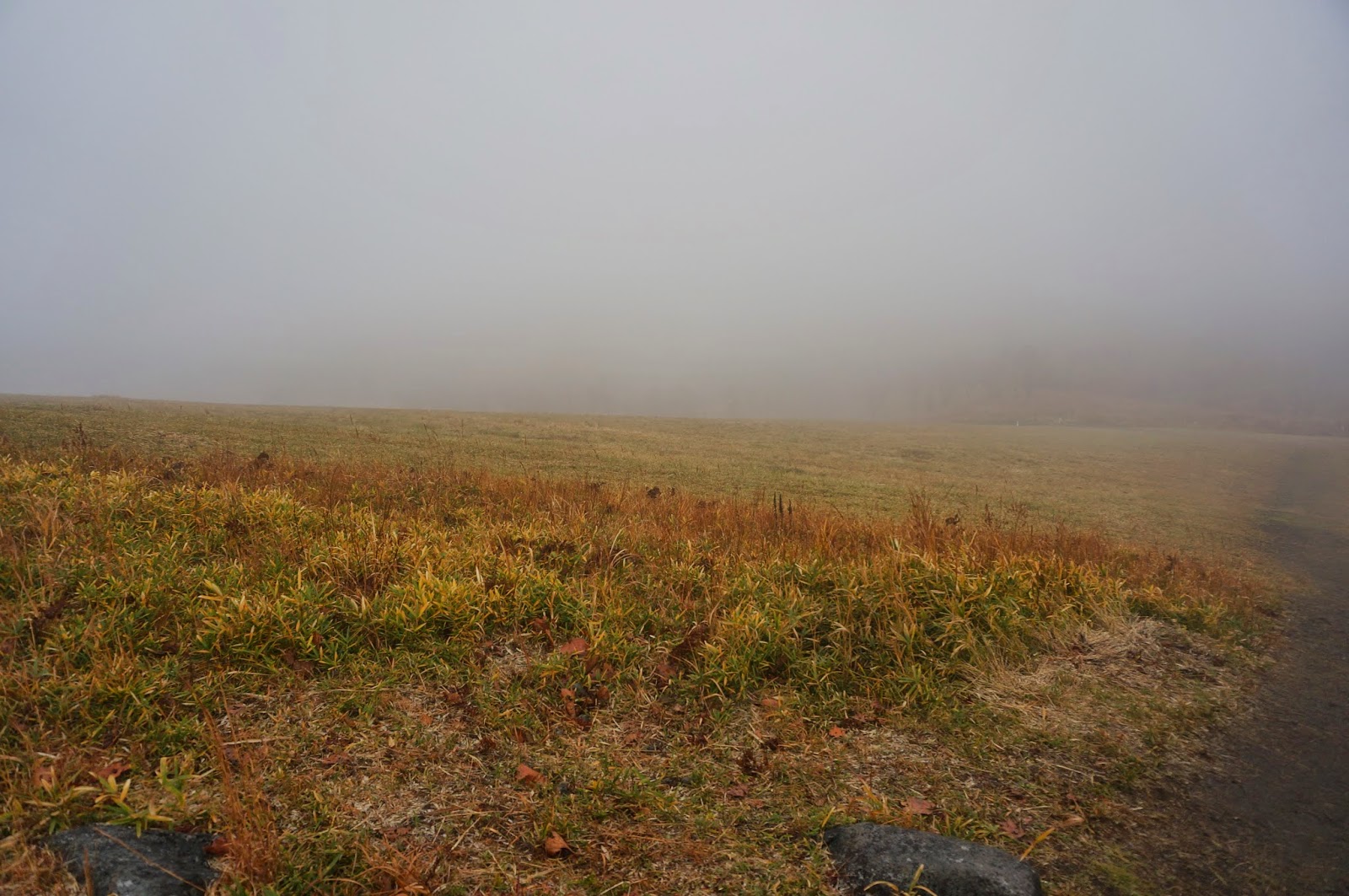
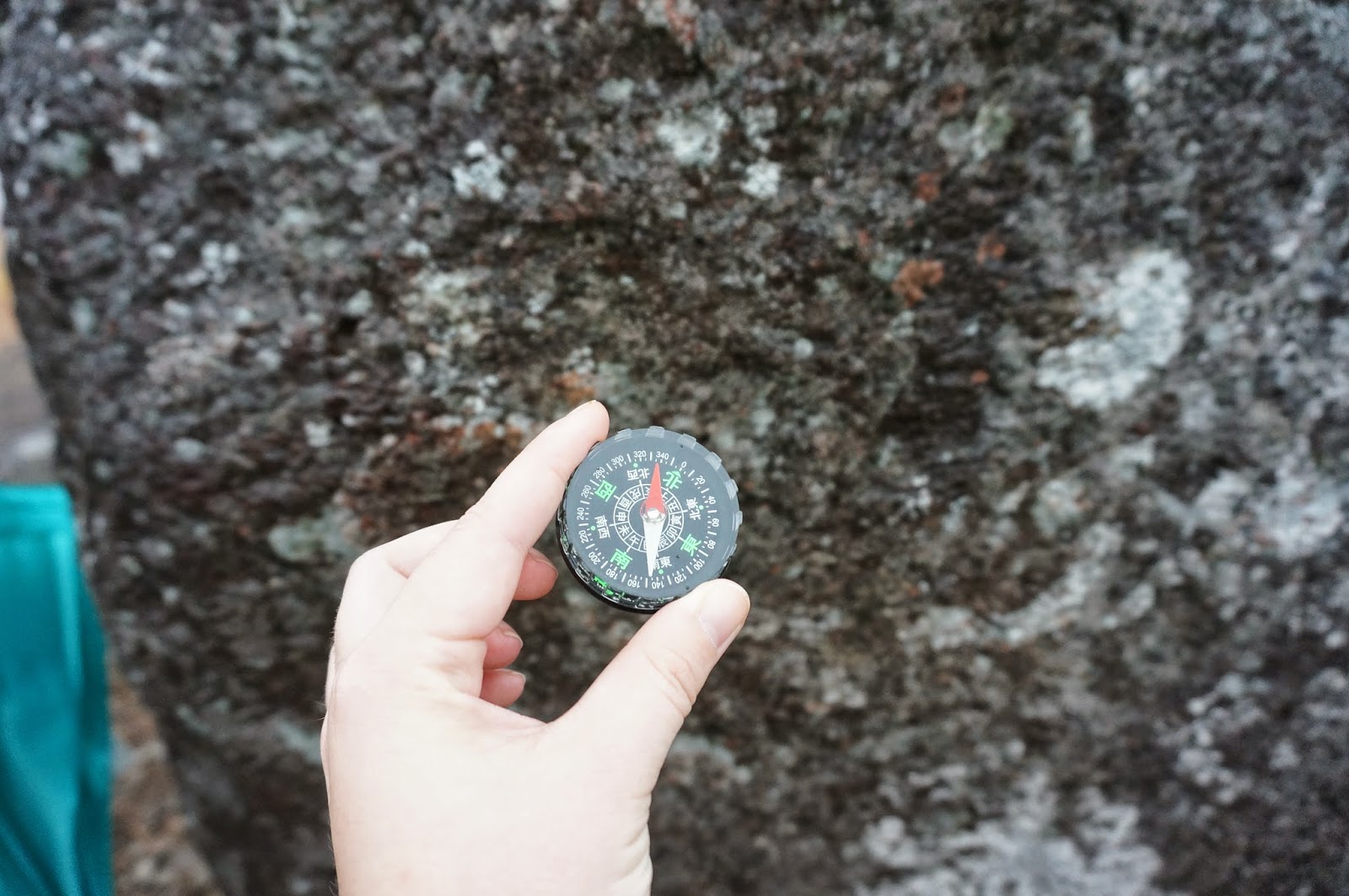
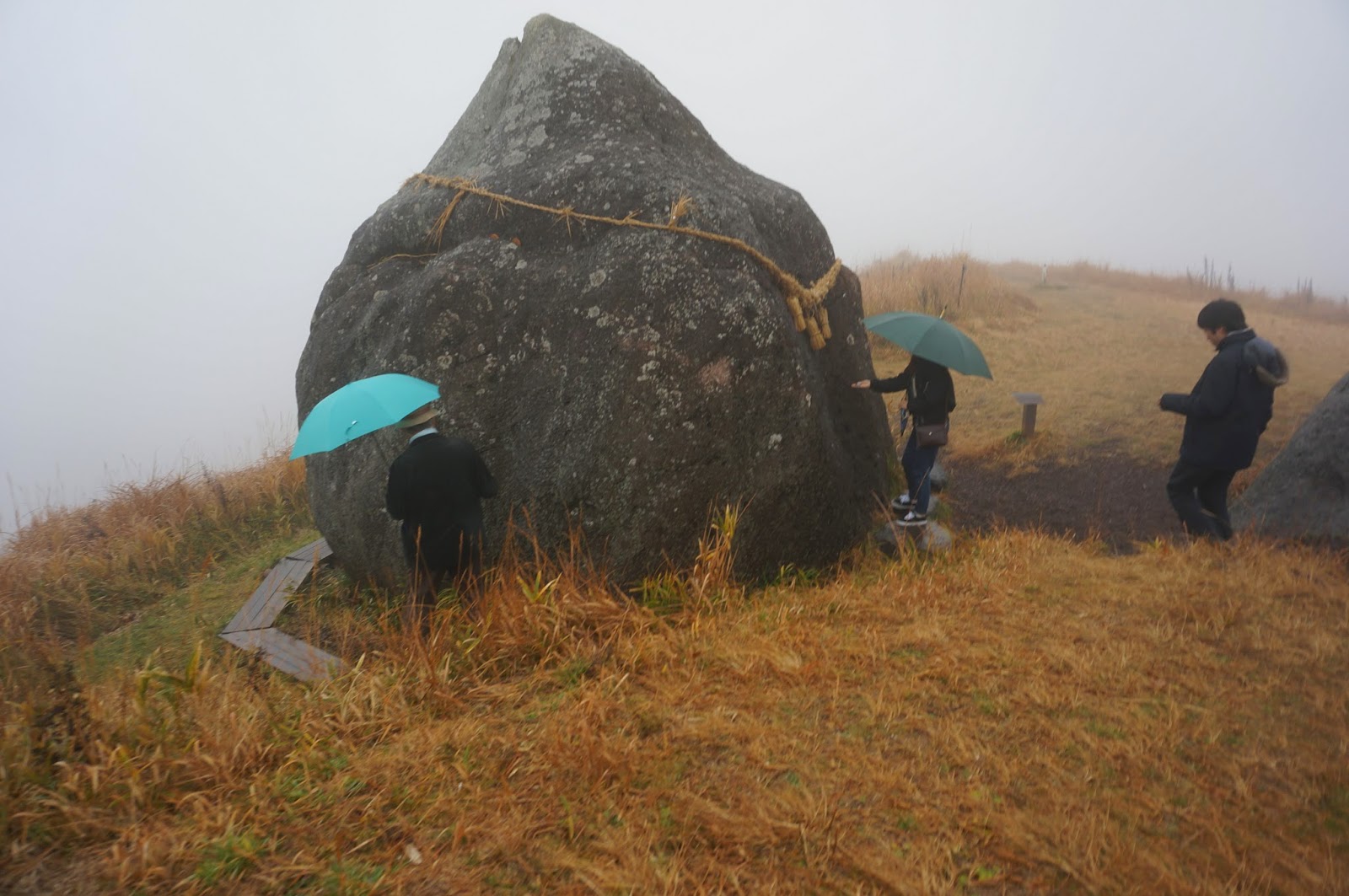
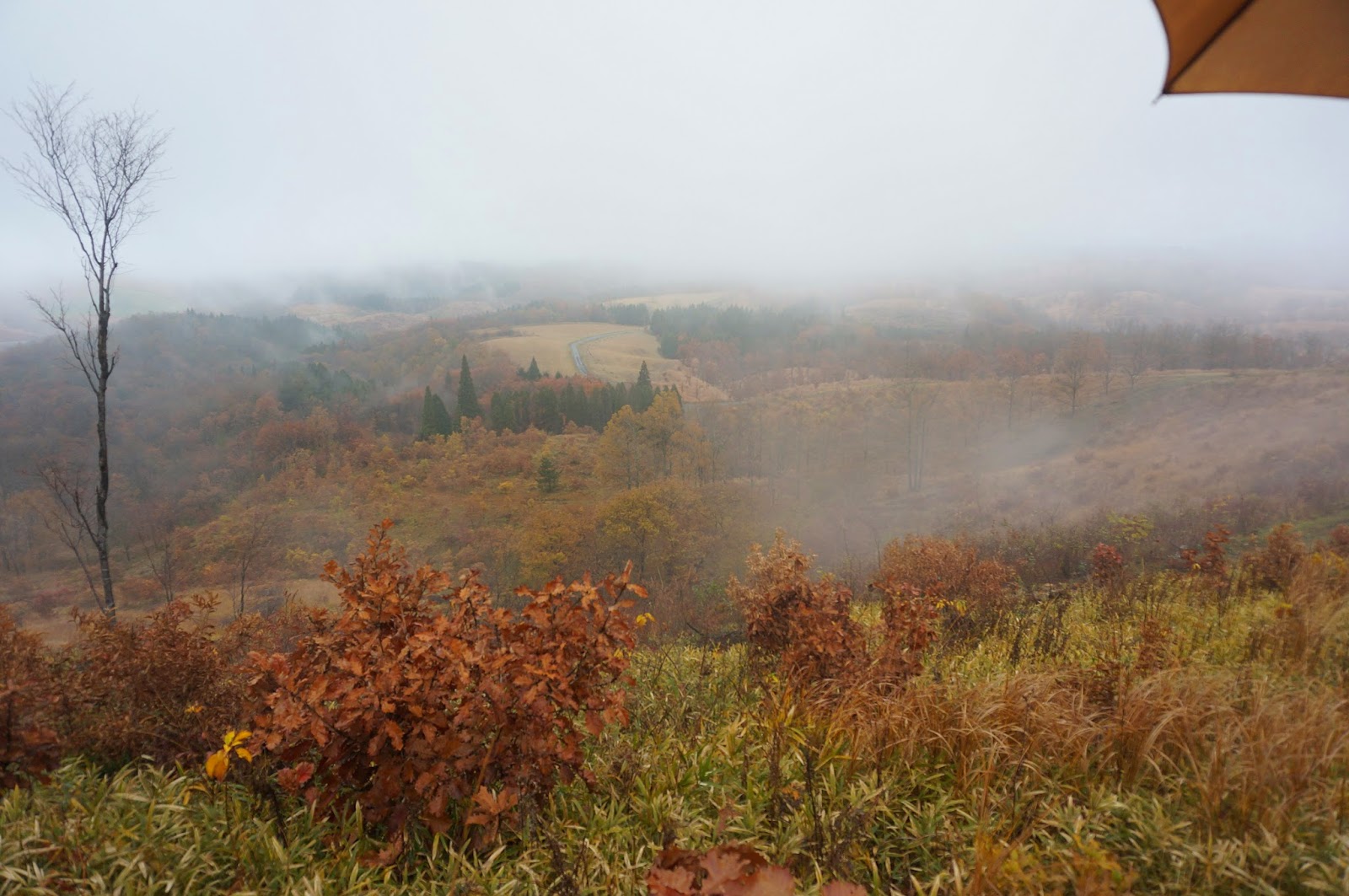
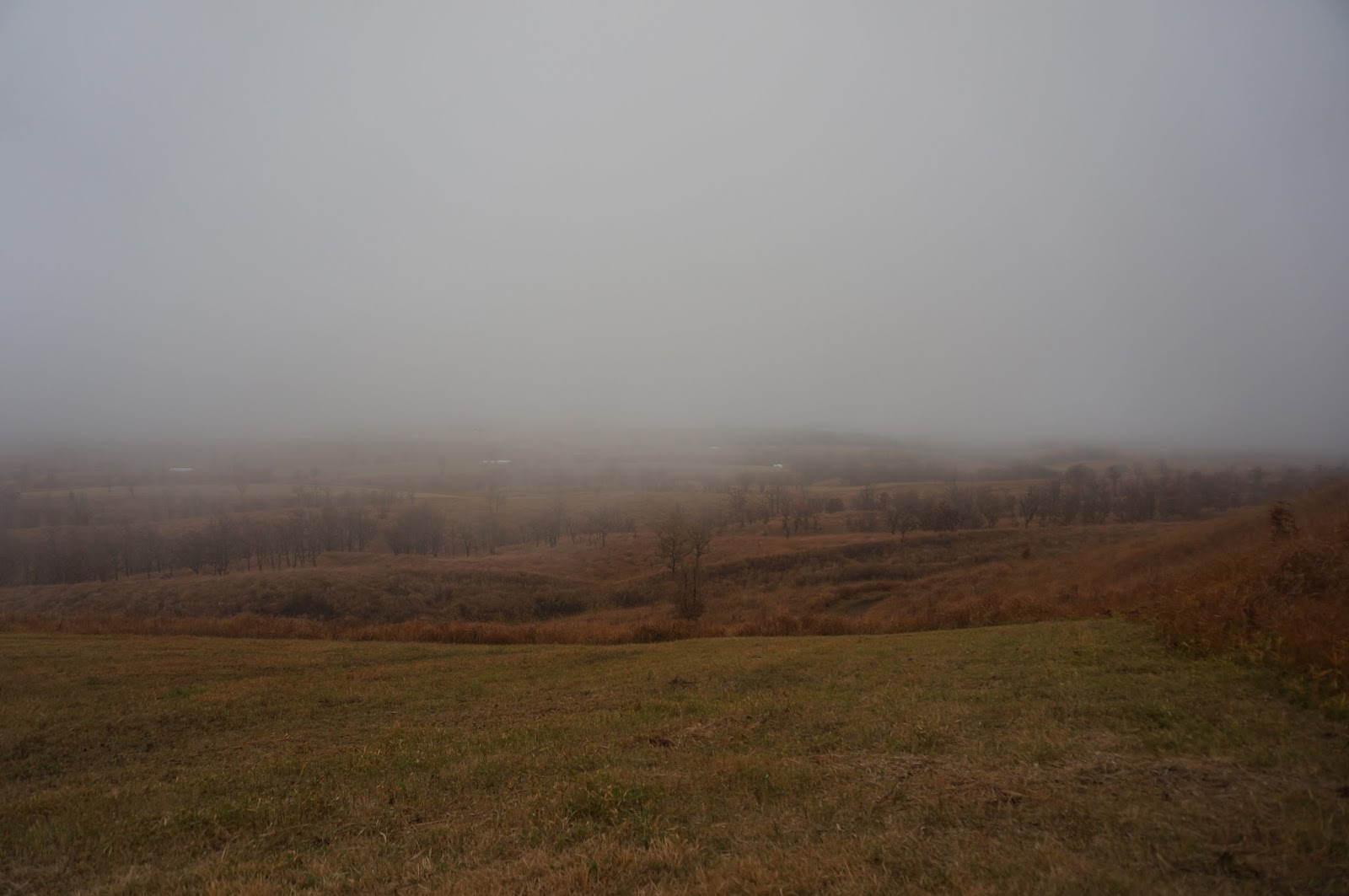
Lastly we went to some mountain where there is a lot of electromagnetic fields called Oshito-ishi. It started to rain though and it was super misty and cold so we weren’t in the mood to do it. Basically we had to climb a hill and try with our compass all the different stones there and see which ones made the compass go crazy. They are megaliths made of volcanic rock and some have inscriptions on them in some ancient language. One of the biggest stones there is sacred to the local people. The hill that the stones are located on supposedly offer a great view of the Aso caldera but it was too misty for us to get a good view. Sometimes we could catch a glimpse and the view looked fantastic indeed.

so misty

the sacred stone


Friendly Fukuoka – Tea Gathering and Tea Ceremony

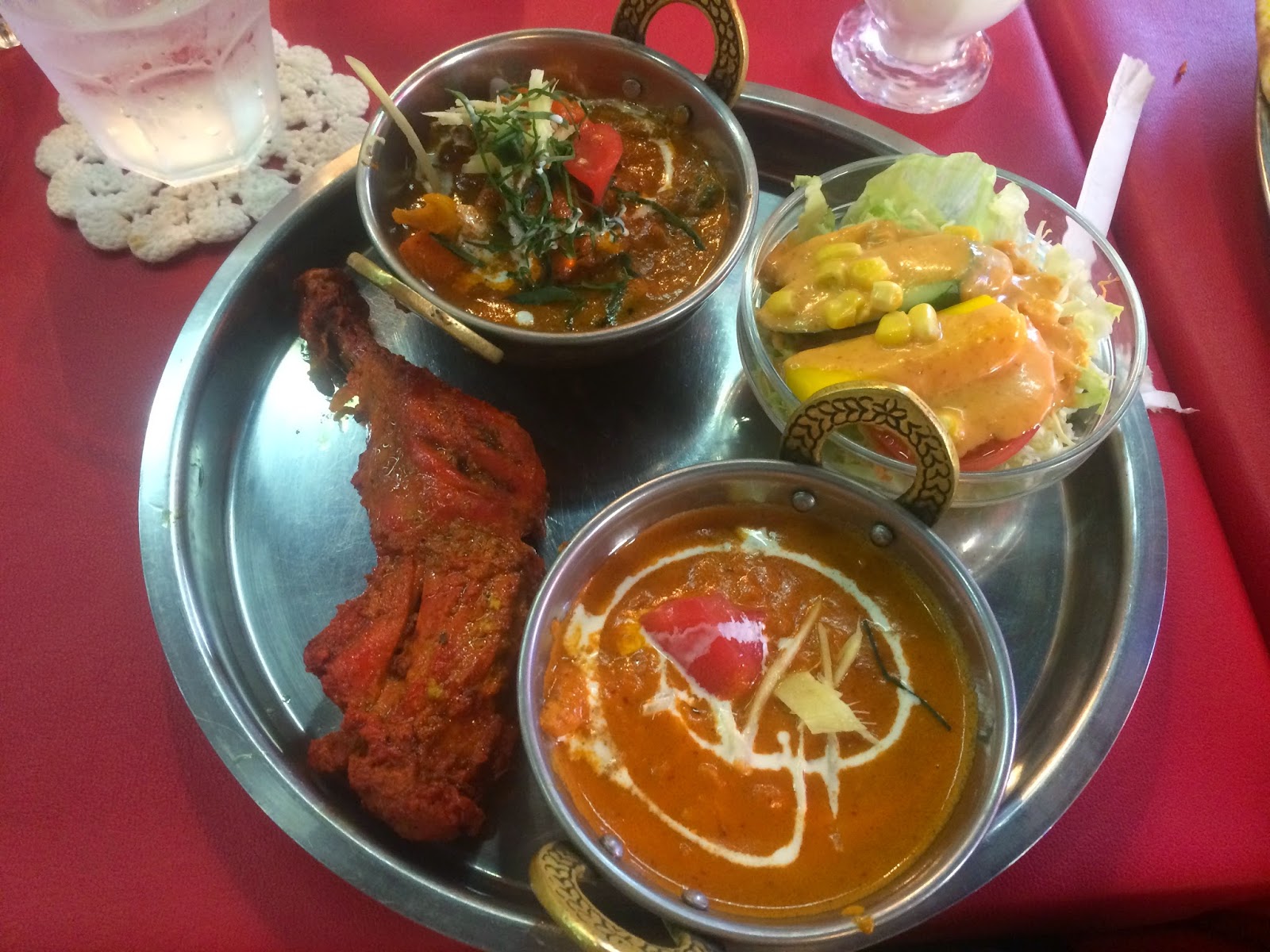
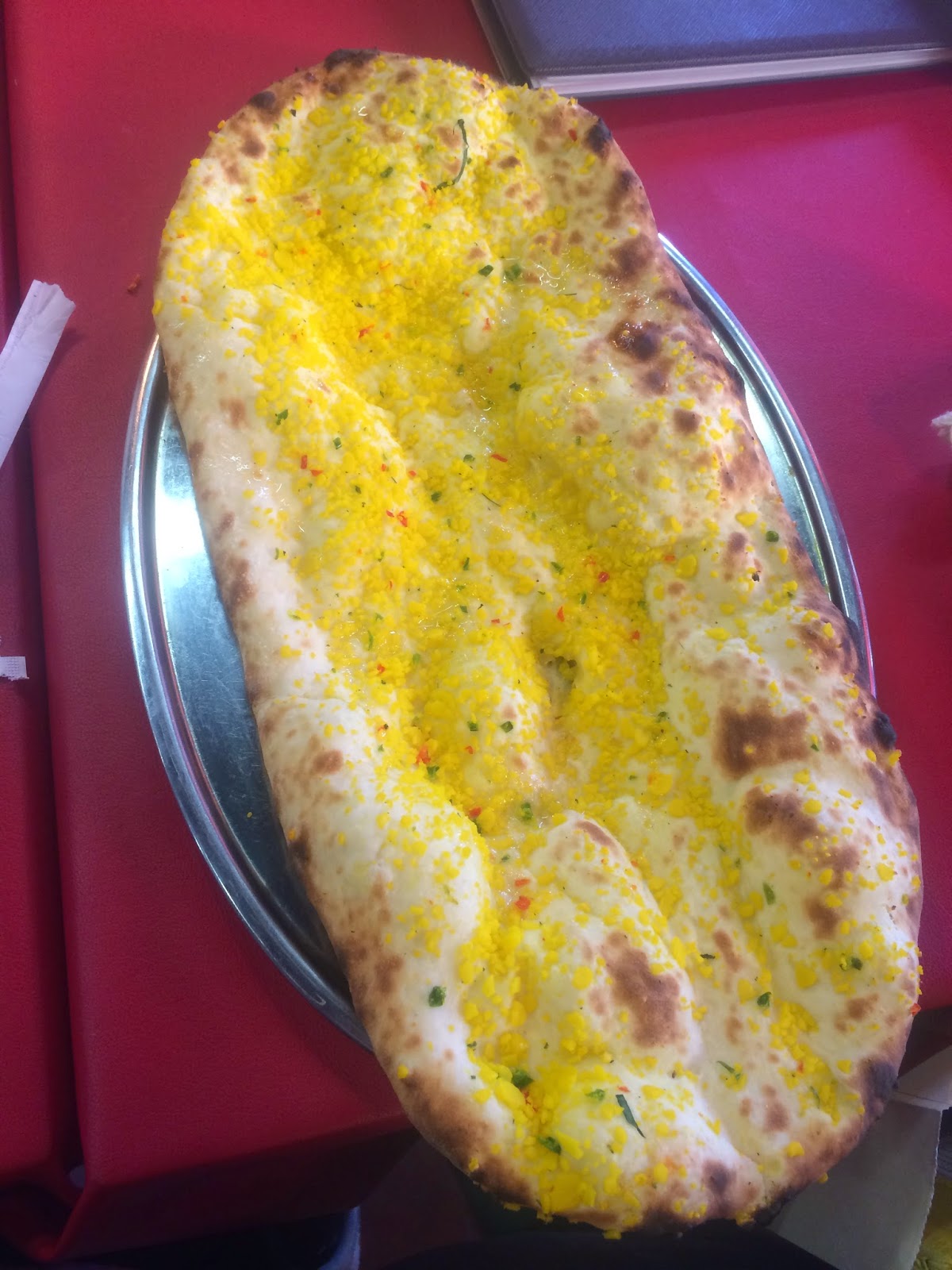
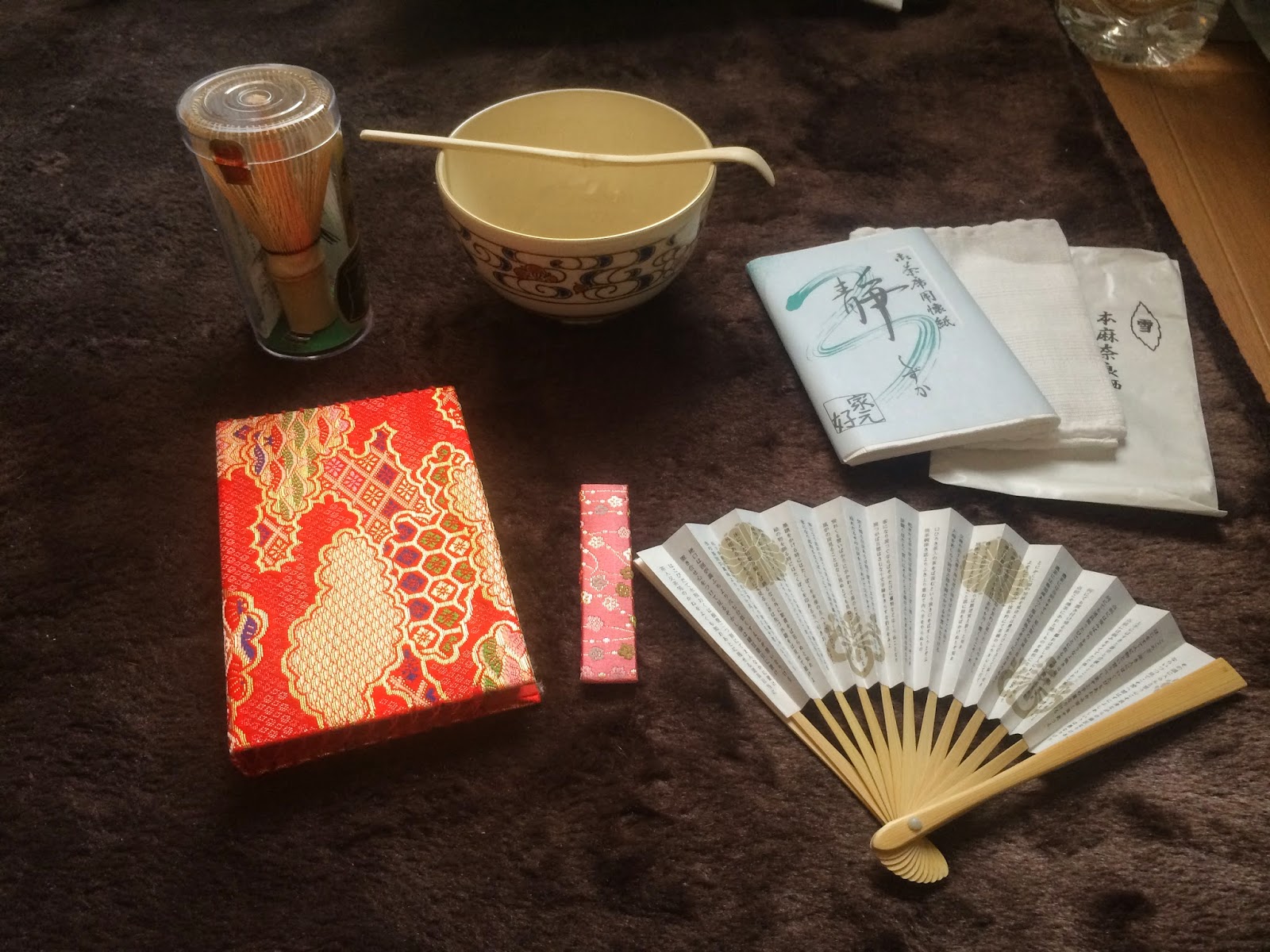
During the first semester in Kyushu University I followed an introductory course to the art of Japanese tea ceremony. We did readings, presentations, listened to stories of the teacher but there was also the practical side of making tea, folding a special kind of napkin and serving tea and so on. The best part of this course were the field trips. One of the field trips was a trip to Nishijin to buy some supplies. I bought a tea cup, a tea whisk, a tea scoop and a set which included the aforementioned napkin, paper holders for sweets, a sweets cutter, a fan and a small bag. After the shopping ws done we went to an Indian restaurant where our awesome professor treated us. I received one of the biggest naan I’ve eaten to date.

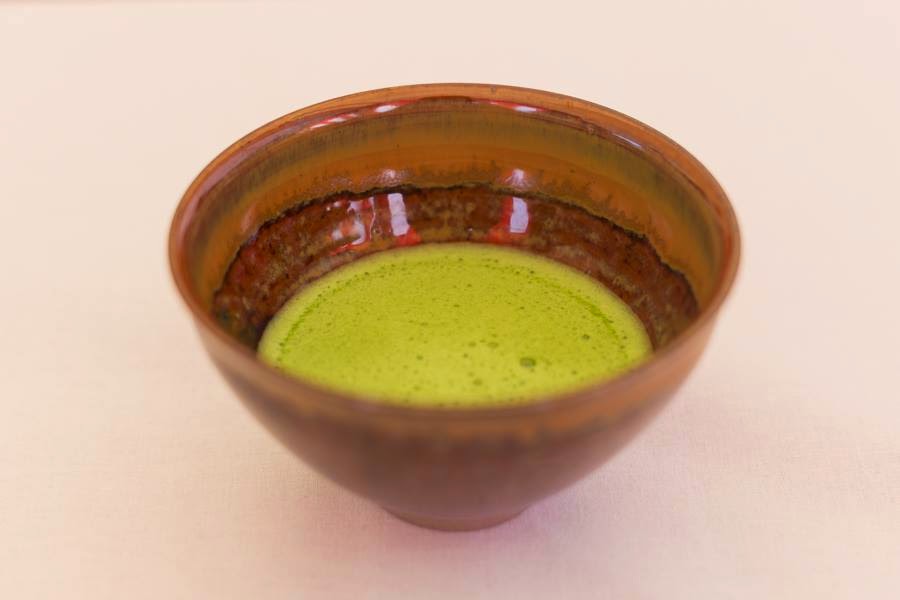
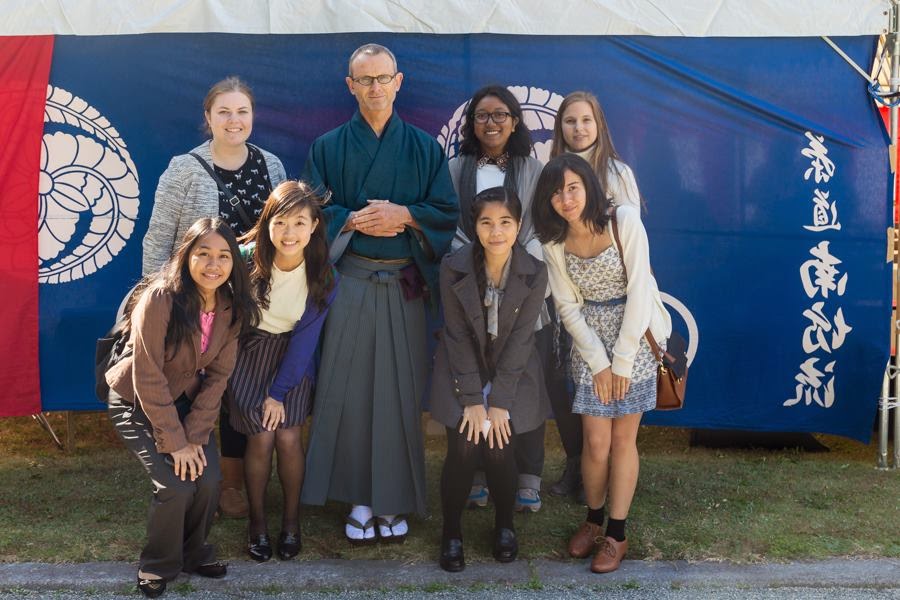
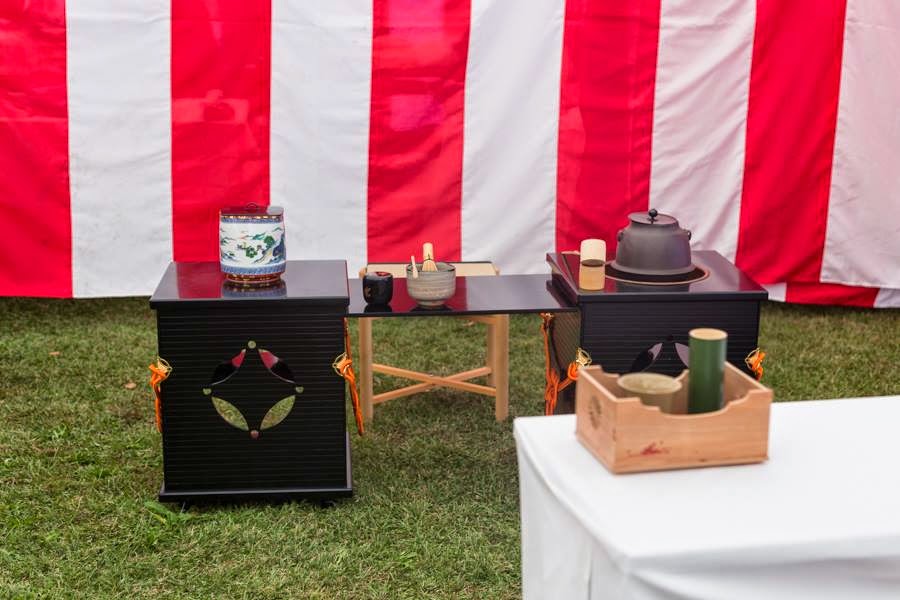
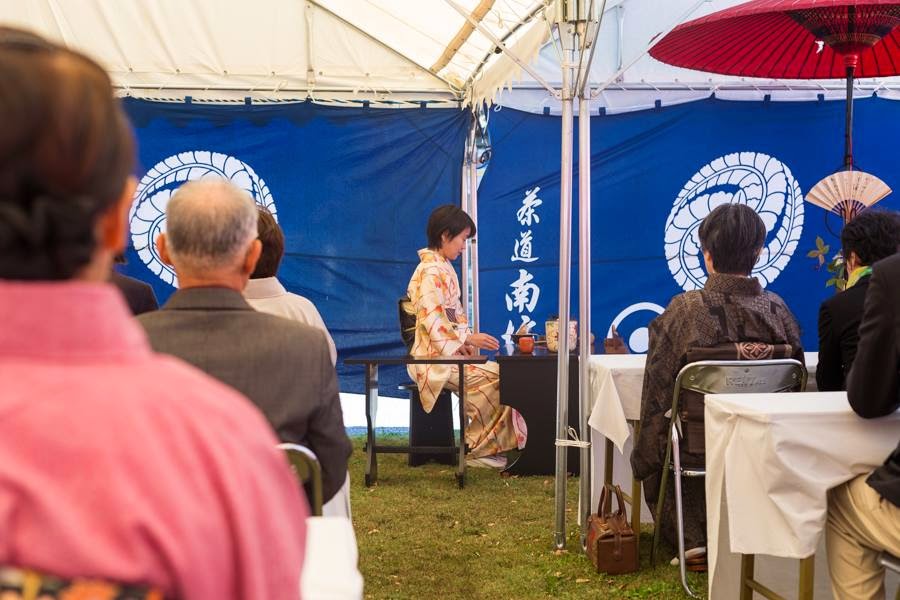
So you think we were set for our tea ceremonies after having bought this stuff right? Well, you are right, but this was actually our second field trip. We went to one before buying the materials for a tea ceremony, so basically we were unprepared for our first field trip! The reason our teacher did this was to make us dependent on the others there and thus forced to make contact with the people around us.  Our first field trip is a so called ‘Tea gathering’. It is different from a normal tea ceremony because it was outside and actually reminded me of a festival. There were big tents spread over the terrain of the temple, each tent representative of a different school of tea. In front of the tent you could buy a ticket. That ticket granted acces to the tea ceremony inside. Another difference is that these ceremonies were performed in front of a big group of guests while it is usually a small gathering. And we got to sit on normal chairs and tables. Anyway, there was only one ticket left for the next ceremony of my teachers’ school, Nambo Ryu, when I arrived so my teacher gave it to me and I left my classmates behind who were going to one of the later sessions. So I was thrown into the unknown, on my own. My first tea ceremony, without utensils, without support. The lady next to me was nice enough to notice I didn’t have the proper utensils and gave some of hers to me. In front of a few rows of guest there was an old lady in a kimono holding a kind of conversation with the guest of honor and explaining some things. Next to her was a lady preparing the tea, so doing what we would think the actual ‘tea ceremony’. That tea was also for the first guest (or guest of honor). All the others got tea and sweets that were prepared in the back room. Usually the first gets and the host exchange some words about the weather, season, decorations and the guest would say how good the tea was.
We were so lucky that our teacher could get us some more tickets so we could attend a second ceremony by a different school. They have different ways of decorating, folding their napkin, scooping the hot water for the tea and even drinking the tea. There are many subtle differences which was interesting to experience. I didn’t take any photos of the actual tea performances because it is not proper etiquette to do that and I stand out enough as a foreigner as it is. My friend did take a few photos though, so thanks to her I can show you a glimpse of the ceremony.
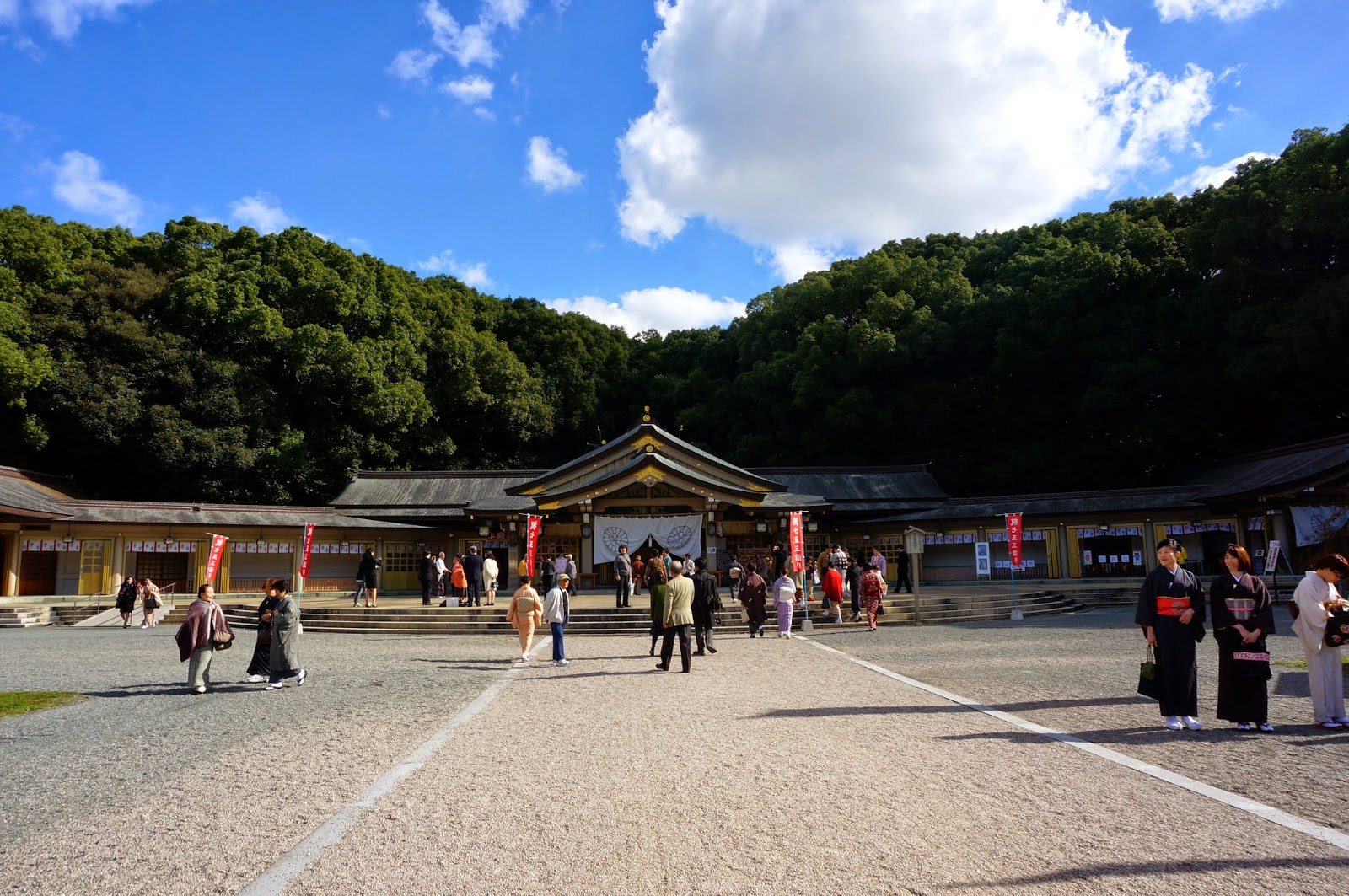
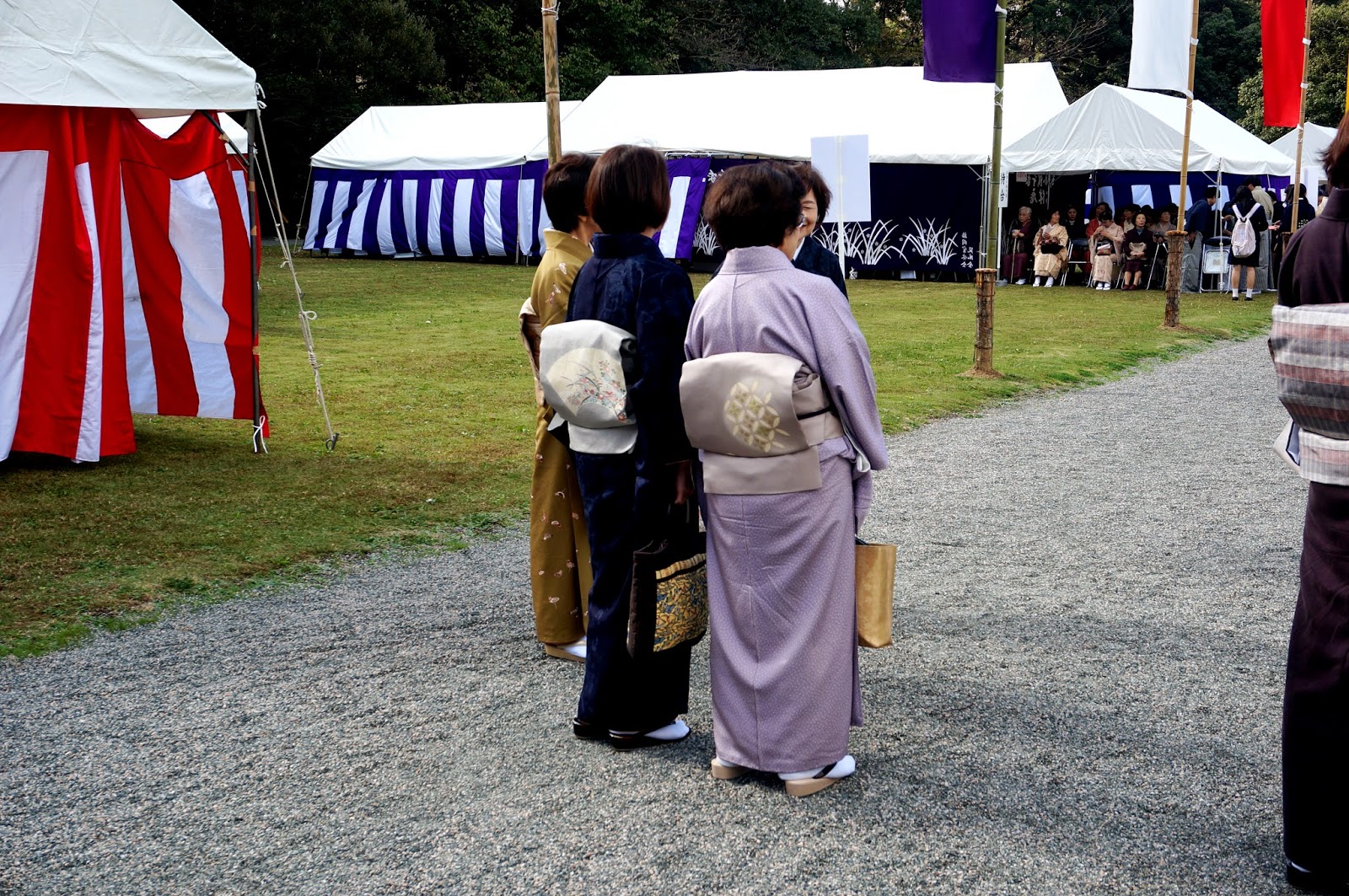
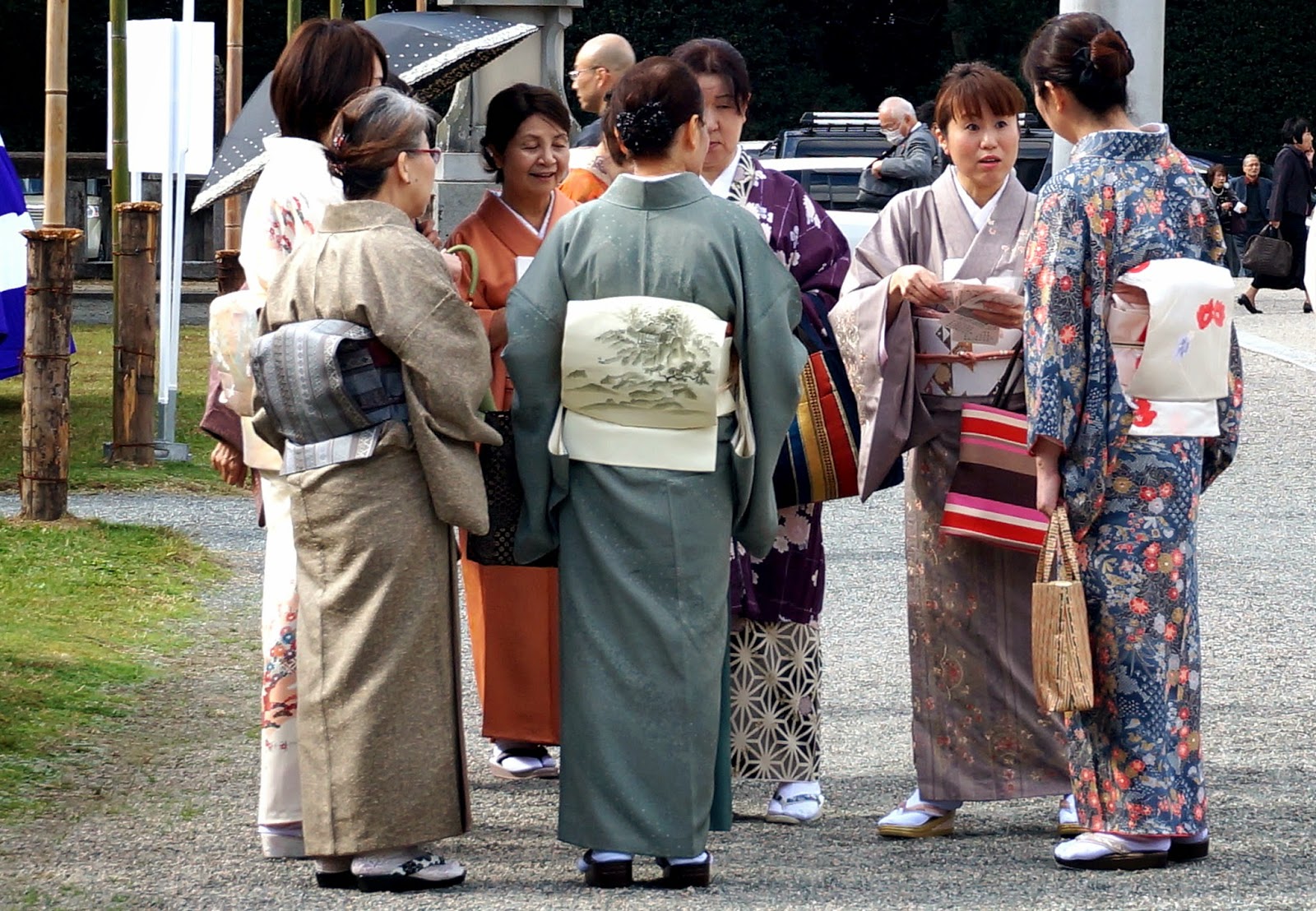
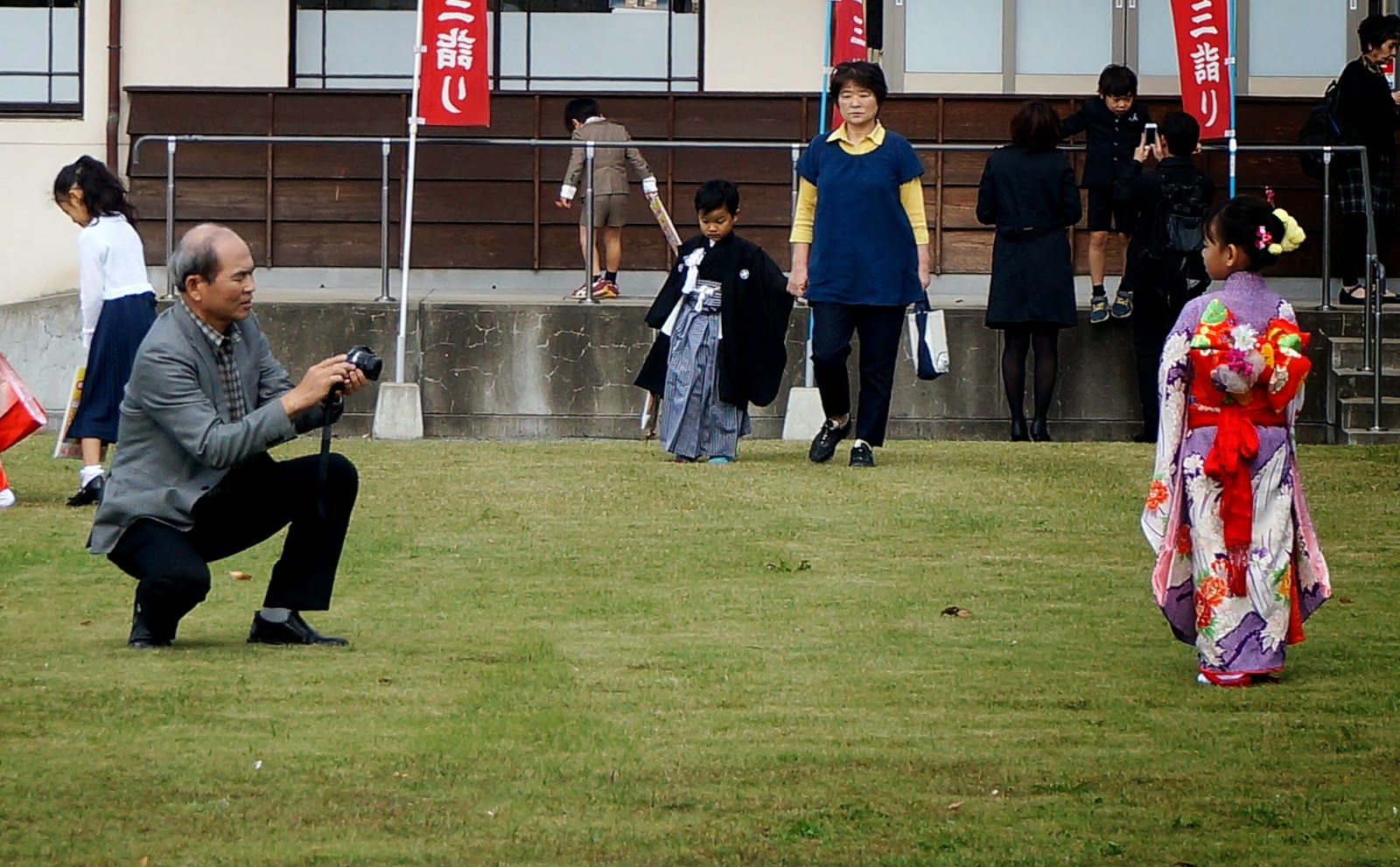
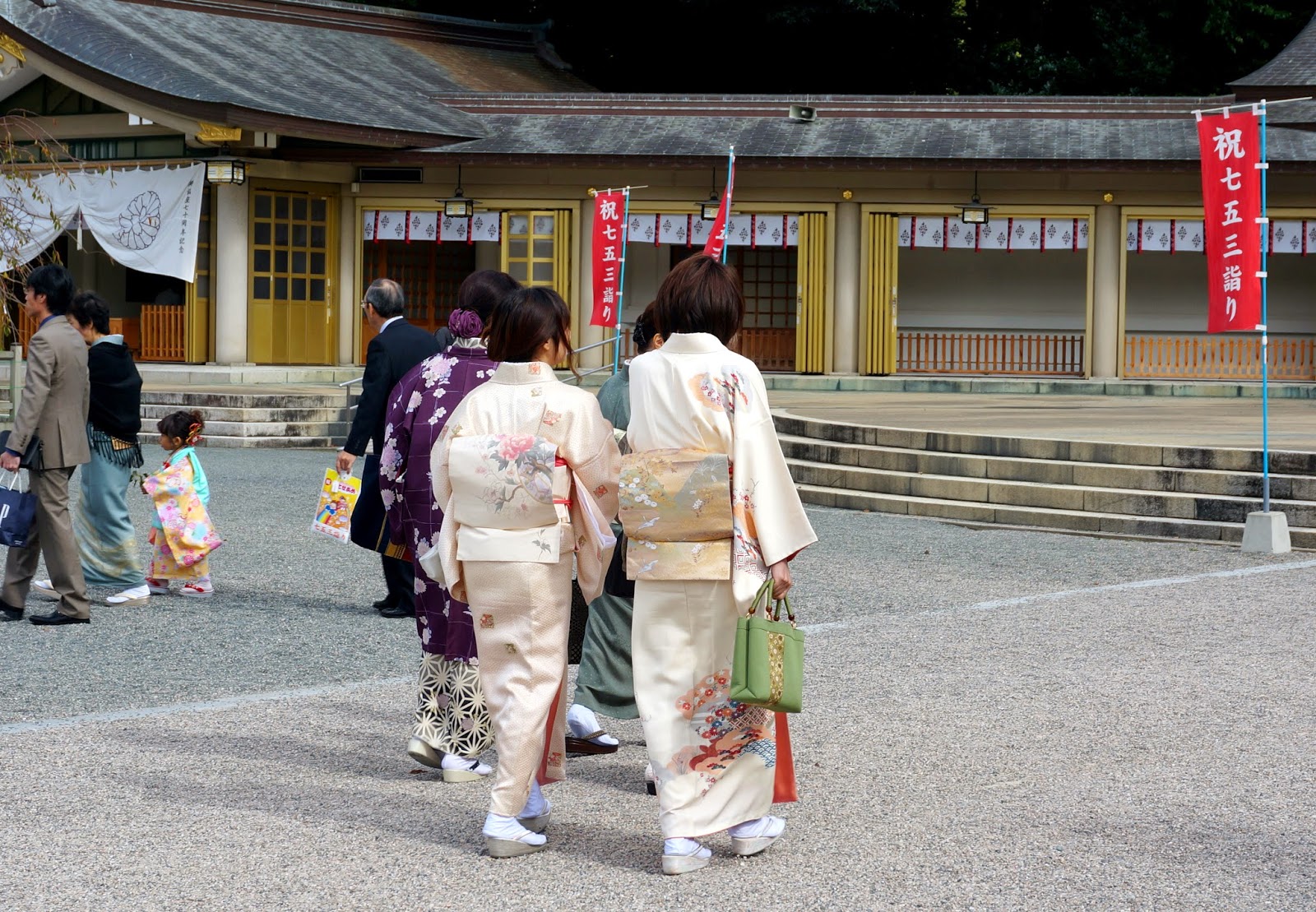
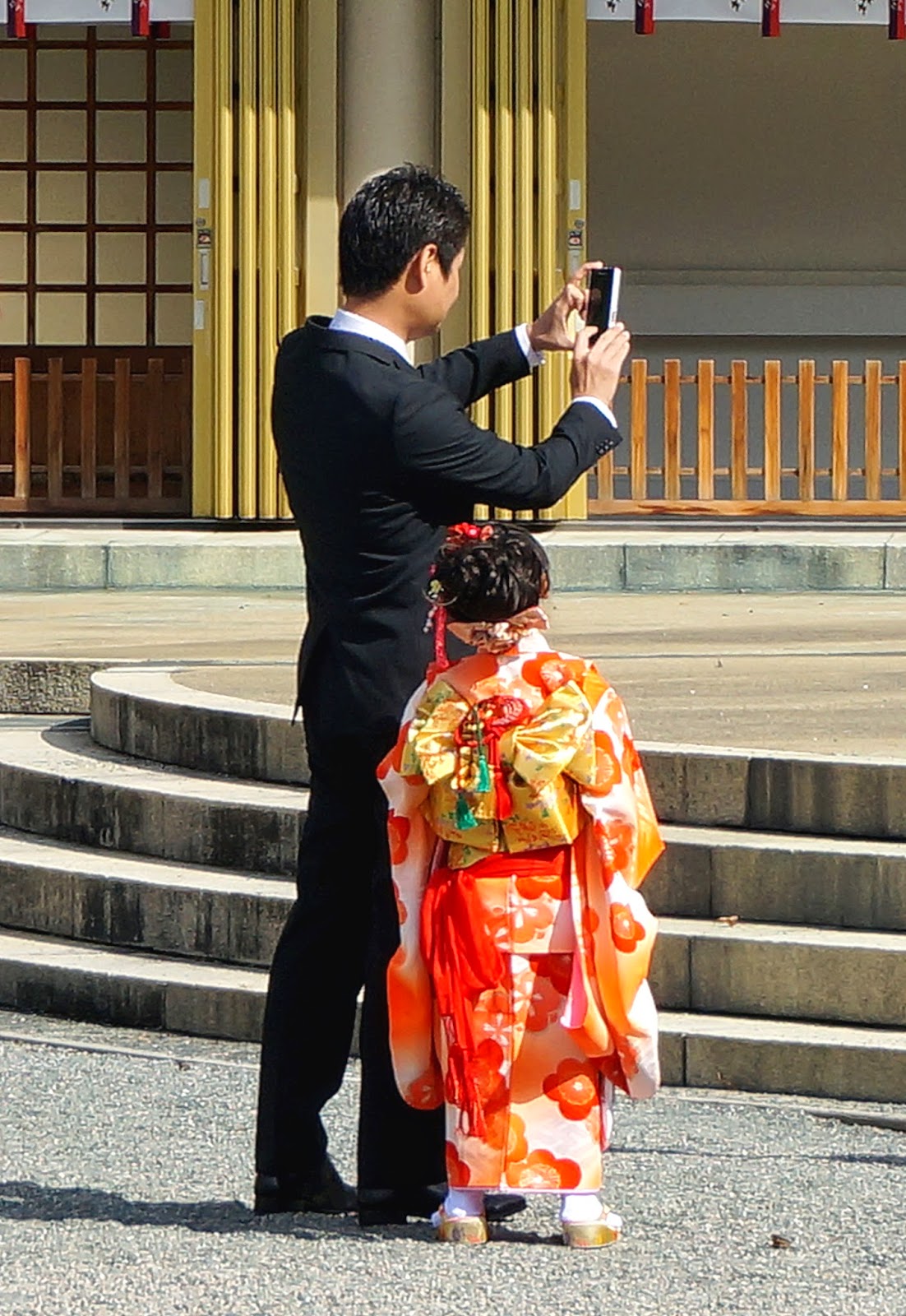
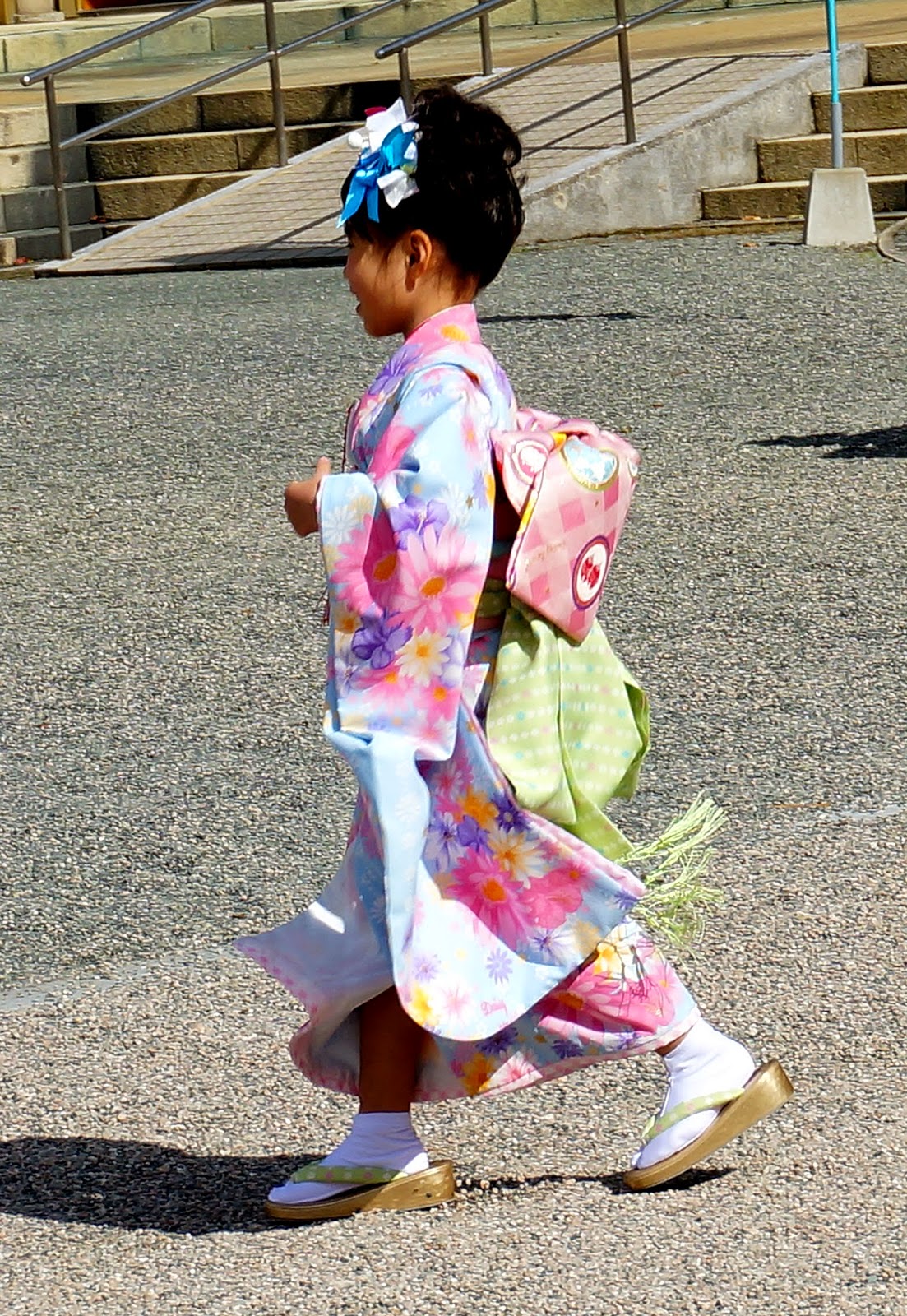
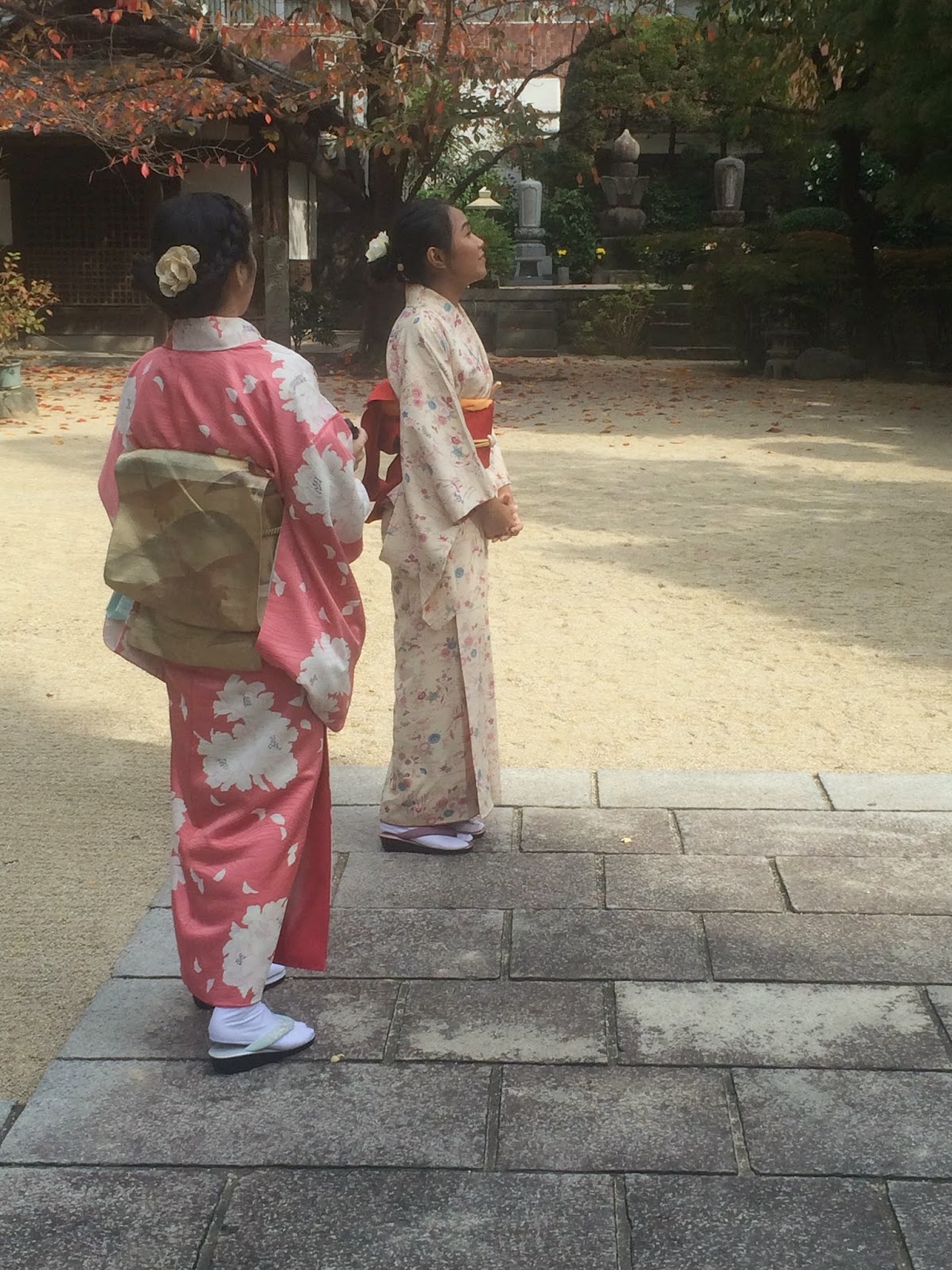
The day of the gathering was also the time of shichi-go-san festival, when families with three-, five- or seven year old kids go to the temple to thank for their healthy kids and pray for ongoing health. The kids get dressed in their prettiest clothes. Sometimes in kimonos, sometimes in tiny suits. it is so cute to see. And the traditional clothing for a tea ceremony is the kimono, so I saw many beautiful kimonos that day. As you might notice, the kimonos of these ladies are quite sober, not as brightly colored and decorated as the ones the kids are wearing or we can see on maiko (apprentice geisha) in Kyoto. That is because tea ceremonies are supposed to be a sober and relaxing event where boasting your wealth and possessions is not proper, so you need a simple kimono to match that thought. The older the lady is, the darker and less bright the colors get and the less decorations are on the kimono.
Made by my friend Kim Le 
Made by my friend Kim Le
Made by my friend Kim Le 

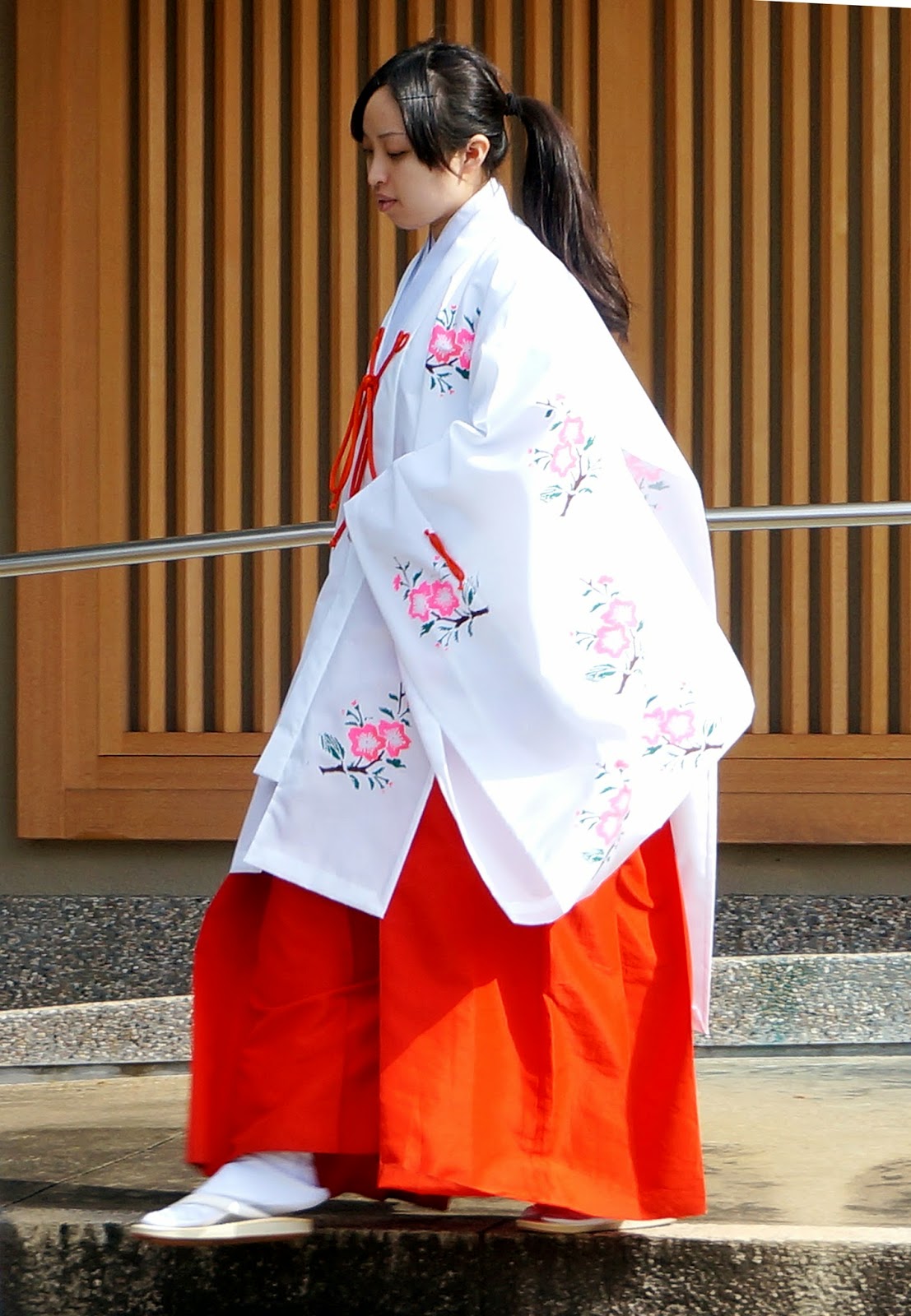
Priestess
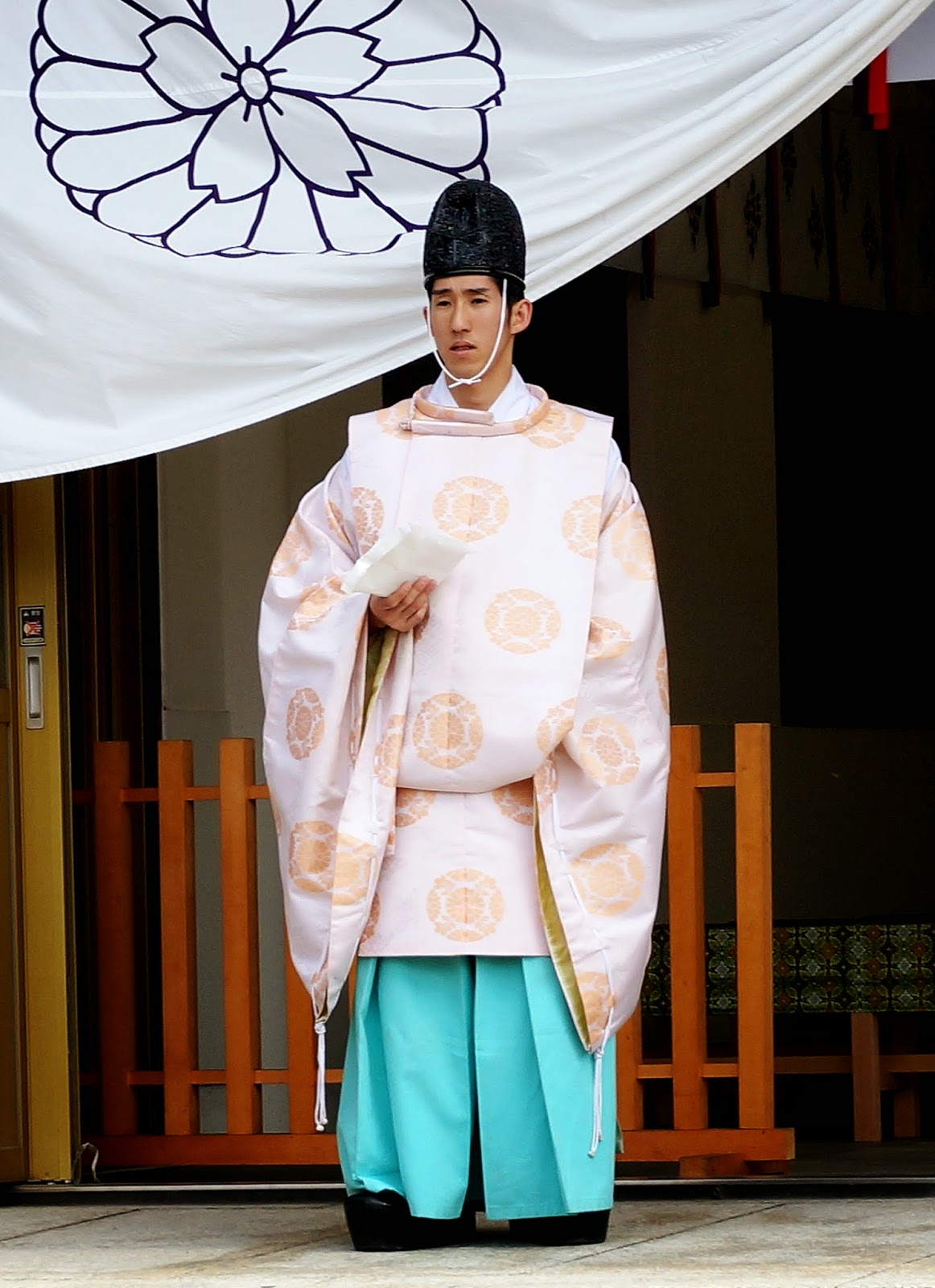
Priest
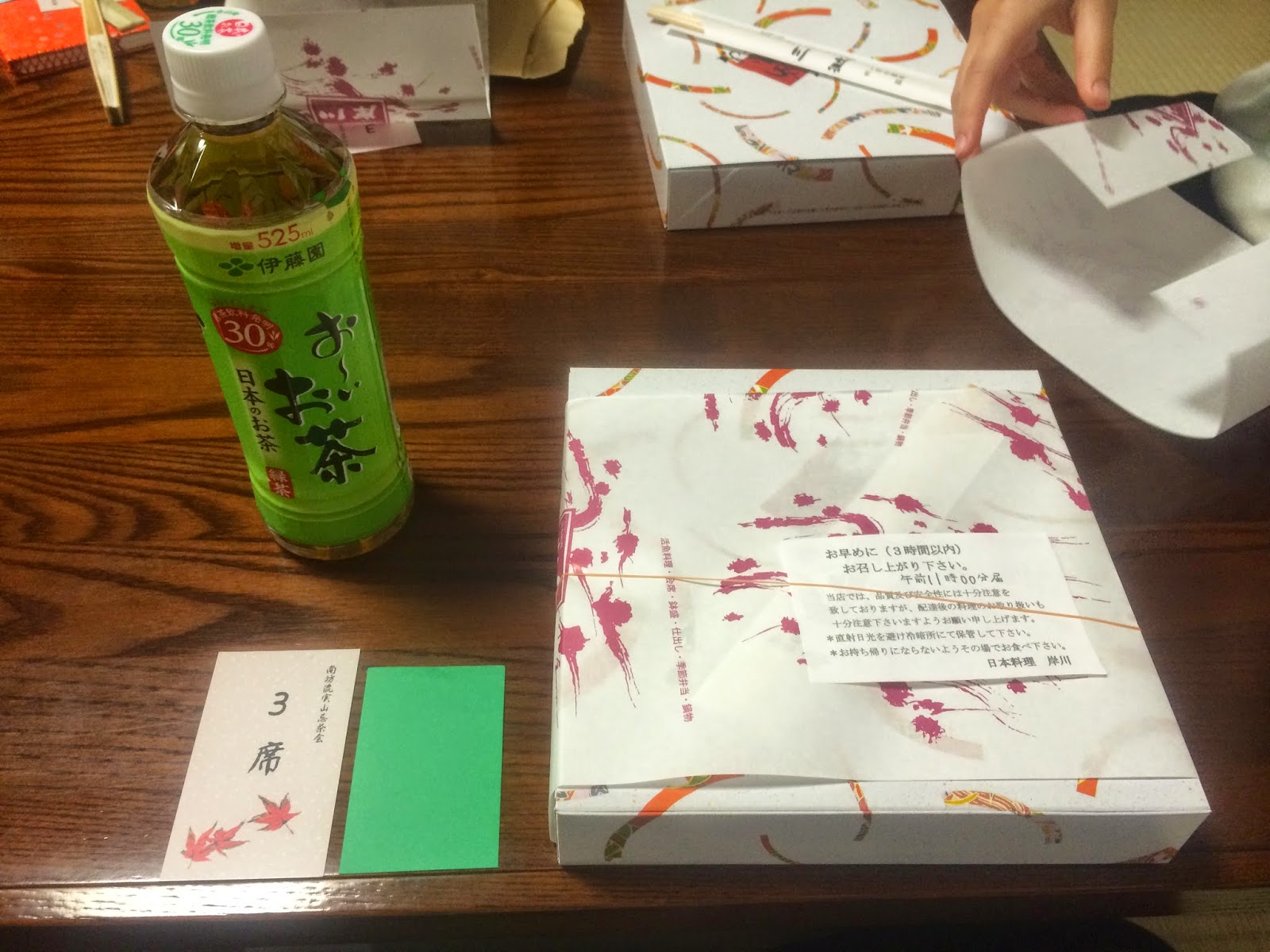
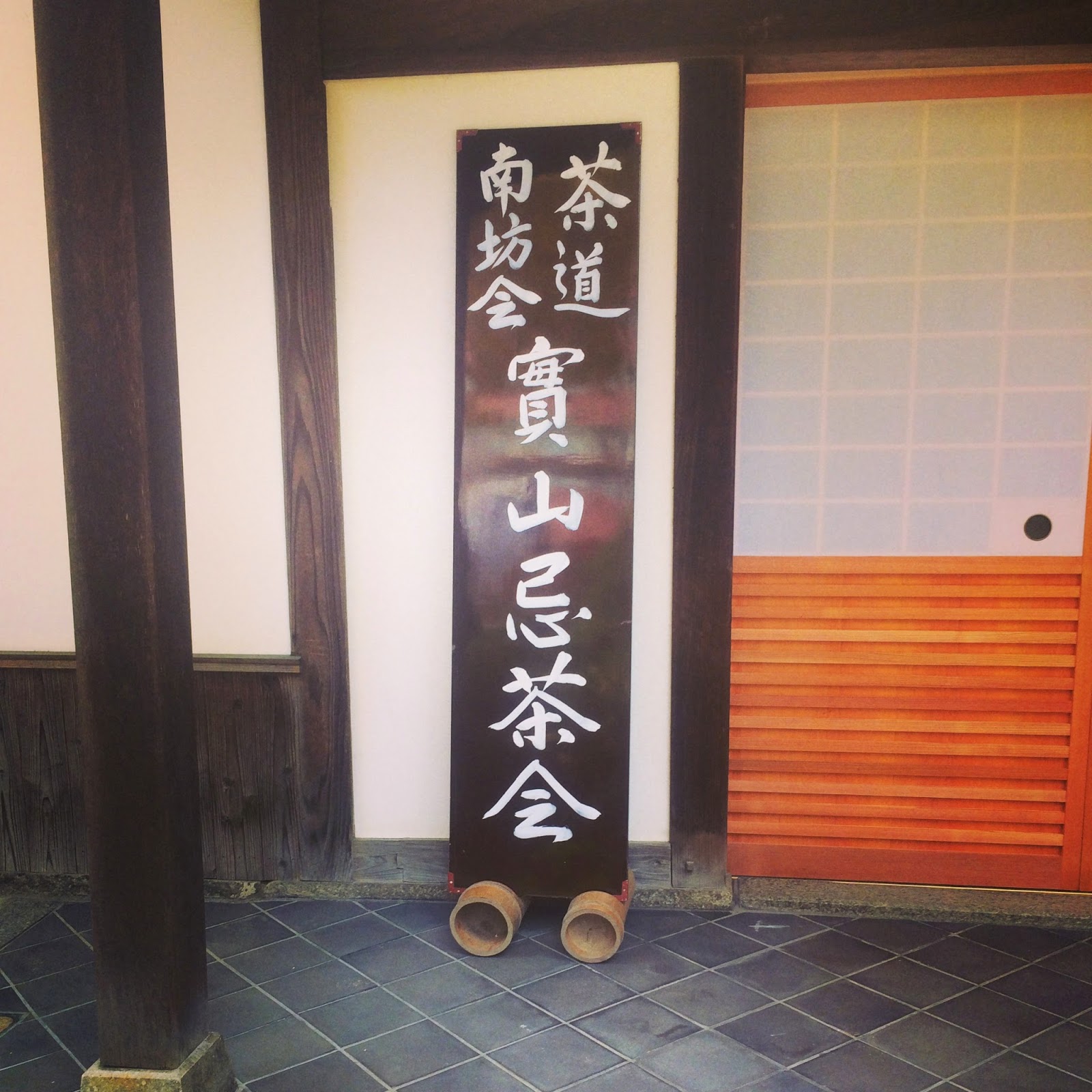
And the last field trip that I joined was a tea ceremony, not a tea gathering like above. Although it was not a tea ceremony for entertainment, but a memorial tea ceremony in a tempel. It was to commemorate the death of the founder of the Nambo Ryu tea school. It started early in the morning with all the guests gathering in the main hall. There a memorial service was performed and a symbolic bowl of tea was prepared. It was much like any other memorial service or morning service of buddhist temples. The only problem was that is took a good hour if not more and I was sitting on the ground in the same position the whole time. I know now what pain and uncomfortable is. When the ceremony was over and I could finally feel my legs ago we could go to a warmed up room (because temples are cold and not heated) to eat a lunch box. We had to wait for our turn for the tea ceremony so we took some pictures outside the temple. I didn’t bring my camera this time, so I only took pictures with my phone. Anyway, soon round two of sitting in seiza (on the knees) began. This time the pain came much quicker especially because the room was so cramped I couldn’t move a muscle. It was actually so painful I started to feel sick and break out in a sweat. But all the Japanese in the room were doing fine so I had to put up with it. When we finally got the sweets and some tea I had some distraction. But I survived somehow. And by now I was dreading the third round. But there was a nice old lady who had seen my struggles so she had asked for a stool for me. So the third round I could sit on a small stool and I was so happy I could kiss the woman. And like that a long and painful day ended, but I was a lot more rich in experiences than I was before.

Japan Trip; Golden Pavilion, Zen Gardens and More

Hello there! I’ve had a small hiatus of two weeks due to my broken hard disk as I told about before. I have been scanning every last byte of my computer and my families computer for photos. So I was searching and searching because without photos this would be a boring blog right? And I have found back a fair amount of them, but sadly I lost a lot of photos because my back up of them also got lost. Most of the lost photos are from my solo travels, which also means my Japan photos. Luckily there is social media where I had stored my most important photos so I can keep blogging and showing you about my travels, that’s a positive thing in this whole affair. It is only a fragment of what I could show (and the quality of the photos is also downgraded a lot from the originals), but something is better than nothing I’d say!

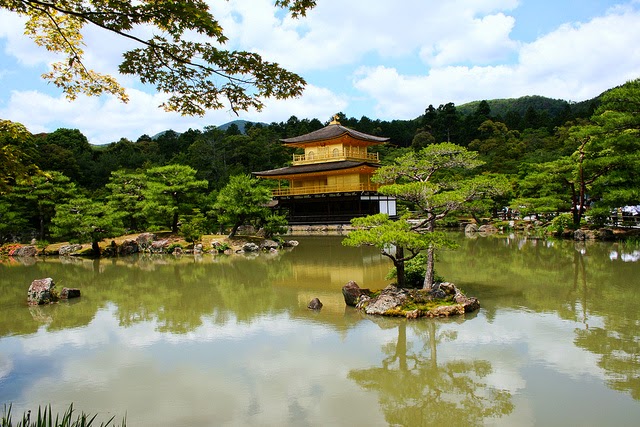
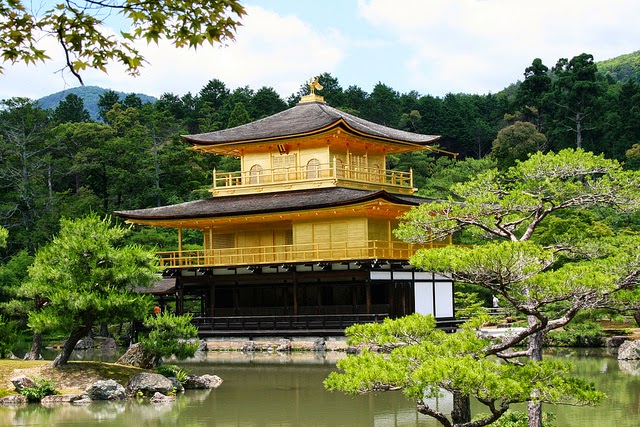
So I’ll continue writing about my trip to Japan for now. We checked out of our cosy budget hotel to spend one night a more luxurious yet homely ryokan. This ryokan was run by an old lady and her husband and they took great care of us. It was almost like doing a home stay but with the privacy of a hotel. The ryokan was located in a traditional house with a gorgeous garden (but I forgot to take a picture of that, oh my!) and a small spa bath. But it was still too early to check in so we left our luggage there and rented bicycles at the same place as the day before. The guy from the rental place recognized us and gave us a discount, nice! And today we visited probably the most famous place in Japan; the Golden Pavilion, Kikakuji. It was quite a long journey all the way to the north-east of Kyoto, but enjoyable nonetheless. As I said before, Dutchies on bicycles is like fish in the sea haha.
And lucky for us it wasn’t very crowded at all, so we could take our time and enjoy the reflection of the golden building in the big lake in all rest. It was a time to let the beauty sink in and become at peace. I can tell all about it, but photos beat my words.

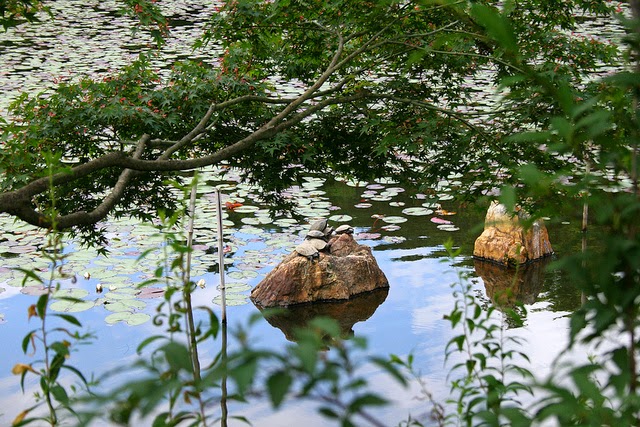
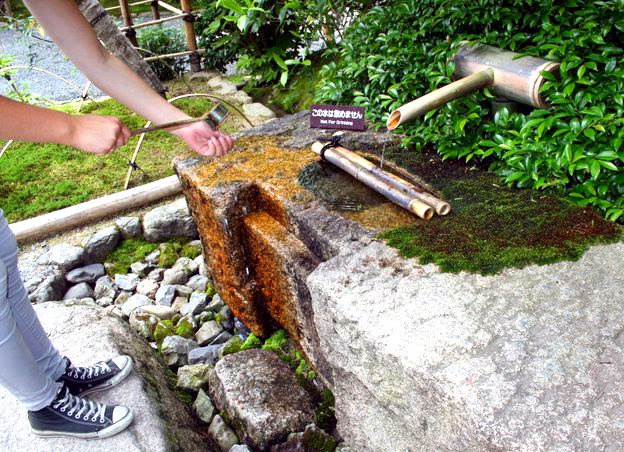
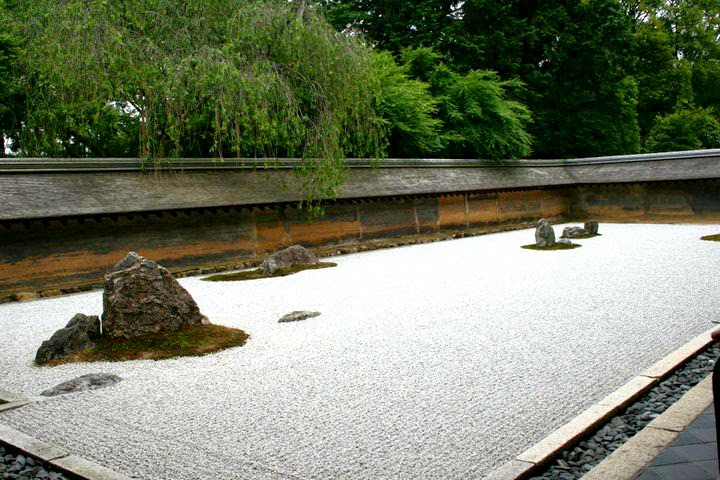
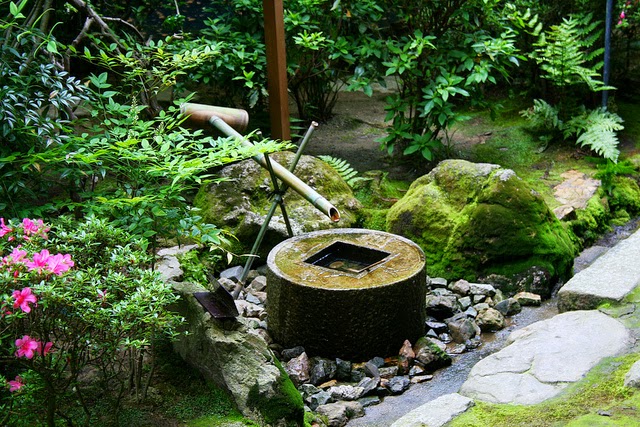
Next is a place that is famous with enthousiast of Zen gardens, the Ryoanji temple. The place is known for the dry landscape solely made of pebble stones with a few big stones. Those big stones can not be viewed all at once; no matter where you stand, there will always be at least once out of sight. I think the surroundings were more impressive though. Because the garden is part of a small temple which is part of an even bigger garden. There was a big lake where I spotted cute turtles. And around the temple was a little bit of vegetation and decorations including a gorgeous wishing well. It was interesting seeing the dry landscape and this time I consciously sat down to only look at the garden and clear my thoughts. When you’re at a zen garden why not try becoming zen for a while, right? Until now the gorgeous gardens and temples had awed me and made me both amazed and calm. But this time I made a conscious effort to slow down and appreciate what I saw because a pile of stones doesn’t really give that wow-feeling sat first sight.

Turtles!

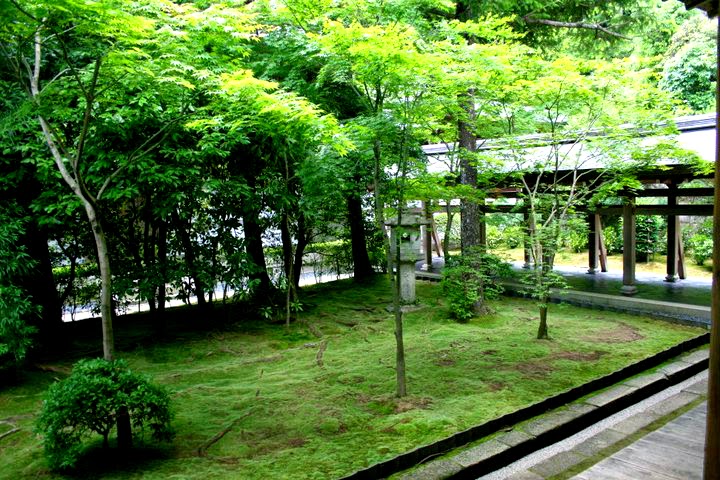
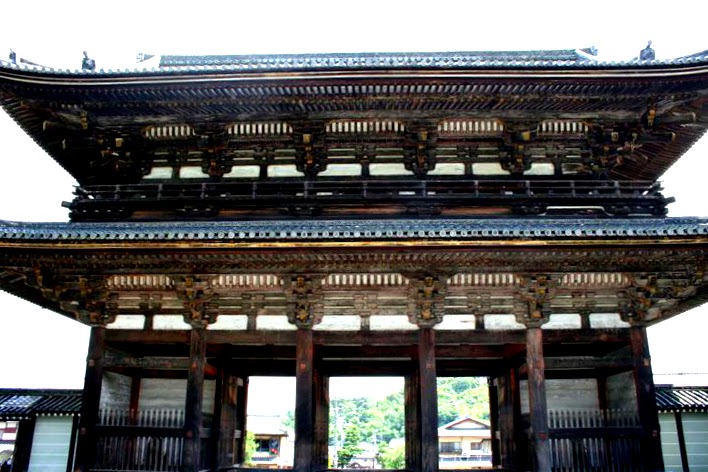
We continued our journey a bit more southward to Ninna-ji. It is part of the UNESCO Historic Monuments of Kyoto, just like the Golden Pavilion and Ryoan-ji we saw earlier that day. Taking that into consideration and seeing some photos online, plus the fact that it is close to Ryoanji, I decided to put this on my list of locations to visit for Kyoto. This is once again a massive place with several buildings and gardens on its grounds. We didn’t want to pay to enter every part of Ninna-ji, so we only entered the first part called goten, former residence of the head priest. You can walk around the hallways and look into the rooms. The interesting part is that the hallways are in the open air, so that outside and inside are connected to each other. This concept overflows in the garden which is also connected to the buildings and hallways. The garden is gorgeous and the harmony of outdoors and indoors is something really inspiring, especially for those interested in architecture (me!).

View when walking through the hallways

Not far away from there is Myoshin-ji. This is yet again a place with extended grounds, but what makes this place unique is that it is not located in the mountains but in a residential area so that temples and housed are kind of mixed together and that you will say locals walking around there. And visiting the grounds is free and you can ride around with your bicycle. So there we were, taking a ride with temples to our left and right. There was something really special about this place and just riding with our bicycle there that it’s got a special place in my heart. By the way, we might have done something illegal by bicycling there, so if you go there by bike keep an eye out for any signs that say it’s not allowed ! I didn’t take many photos here, and those I did take got lost, sadly.

After nomming away a delicious ice-cream we headed back early because we we exhausted after the concert of the night before and bicycling and walking all day. The guy of the rental bikes was surprised that we came back so ‘fast’. He couldn’t believe we went all the way to Kinkakuji by bike and visited several places there and biked all the way back before it was evening. What can I say, we are just super fast bikers ! Or to be fair, we are just good planners, fairly good bikers and efficient sightseers I guess haha. When we arrived at our room there was some warm tea, cold refreshing water and wagashi waiting for us, awesome. And they already put our luggage there for us. That is the kind of service I would always like. We reserved the family bath for eight o’clock. We had our own bathroom but the communal bath room has an onsen-like ofuro, which is basically an at home hot spring. So after washing ourselves we soaked in the hot water of the ofuro and slowly felt our fatigue and pains leave our bodies. It is such an relaxing experience. And this was a great alternative for visiting an onsen because it meant having the relaxation without being naked in front of strangers.

Notes;

  • Kinkakuji is the most famous sight of Japan. Who doesn’t want to see the mesmerizing Golden Pavilion?
  • June is a great time for visiting Japan if you like to avoid too many tourists and want to visit famous places in a relative quiet atmosphere. You should be aware that it is rainy season at that time, but you could be lucky like us and only have two days of rain and many dry days (with grey skies).
  • Zen garden equals Ryoan-ji ; go here for the epitome of dry landscape gardens
  • Like Japanese architecture and Japanese gardens? Visit Ninna-ji, more particularly the goten part of it.
  • Myoshin-ji is great if you like something different and a more residential atmosphere of temples. And it’s free to explore !
  • Visiting a hot spring (onsen) is something you can’t miss in Japan. Pamper yourself and relax!
  • If you don’t like to be naked in front of strangers, there are some onsen where you can rent a private bath. Or you can go to a hotel where there is an onsen bath included in your room or where you can rent a bath in the hotel.
  • Japanese sweets are called wagashi. They aren’t really sweet like Western sweets but very pretty. If you’re staying at a nice ryokan there’s a chance you will get some wagashi in your room.

Japan Trip, Exploring the Temples of Kyoto

Originally my friend and I had planned to take it easy this day and visit different temples by bike. But we messed up the date of our concert so it turned out it was taking place on this day. This meant that we had to go to Osaka in the afternoon and visit all the places we wanted before then. The route we planned out was to start at Ginkakuji (Silver Pavilion) and go through the Philosophers’ Walk and Nanzen-ji to end at Kiyomizu-dera.We rented some bicycles in a shop a few streets away from our hotel. On our way to Ginkakuji we had to go uphill first. As Dutch people we are very used to use the bike and felt in our element, because what they say about Dutch people is true; we ride the bike a lot and there are bicycles everywhere. The only problem was the (seeming) lack of rules for bicyclers in Japan and lack of bicycle paths. Most of the time we just rode on the pavement and sometimes on the road. There were a few bicycles paths though. Another problem for us was the humidity and heat, but that was a factor during our whole trip.

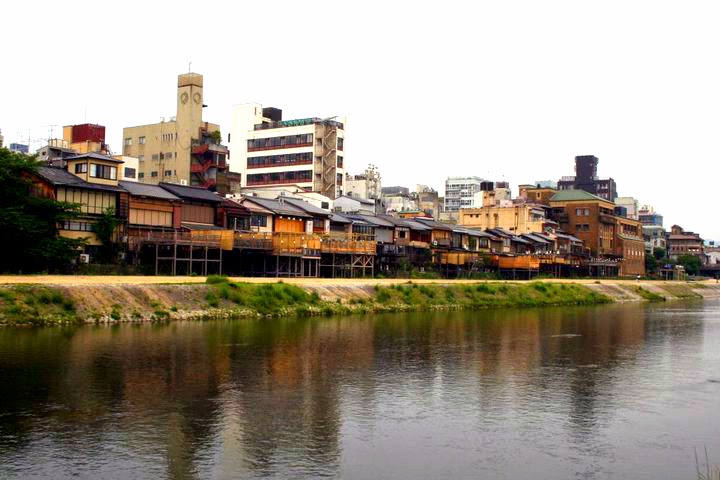
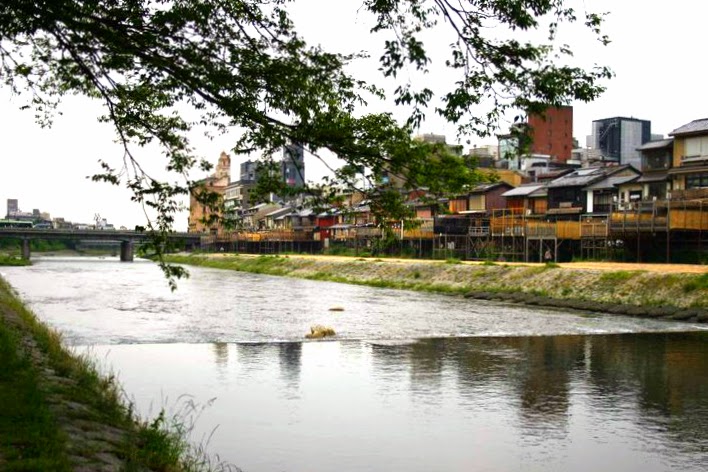
So from the bike shop we started cycling towards the Kamo river and made our  way to the North alongside the river which was really relaxing. For some reason walking or biking alongside rivers or the seaside equals vacation in my head so I finally had a feeling of being on vacation at that moment. The rest of the trip was vacation too of course, but sometimes it didn’t feel that way with our full schedules and being in the big cities most of the time. I grew up in a small city at the seaside and always went to the beach in the summer and even on vacations abroad with family we would usually go to the beach or a lake and just relax. So that’s what vacation is like for me, being near the water. Big cities will never really make me feel that way. But that doesn’t mean that I don’t enjoy my trips to big cities or places far away from the sea. On the contrary. It is so different from what I’m used to that I almost want to see and do too much in a short amount of time and usually wear myself out, thus not getting the feeling of a ‘vacation’ but more of an ‘exploration’.
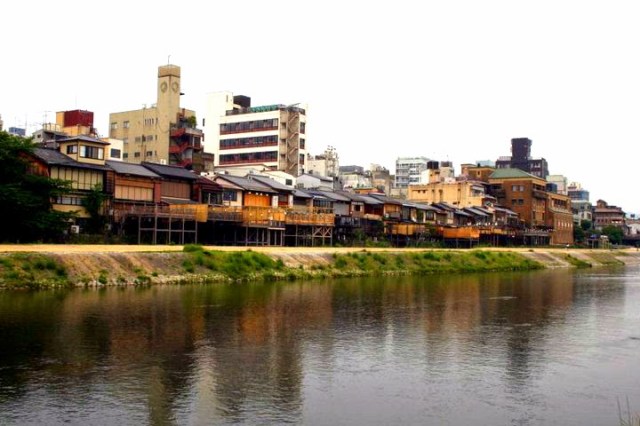
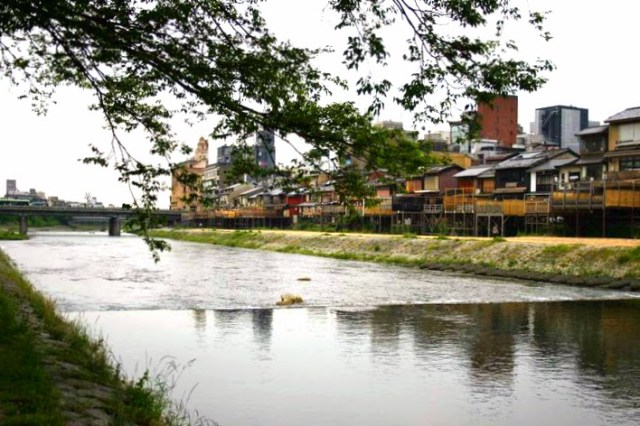
There were a lot of people strolling along the river and some other bicyclers too. Some people were fishing and others just sitting and enjoying the view.
Next time that I visit Kyoto I will definitely rent a bicycle again to ride along the Kamo river again and take more time for it. And maybe prepare a picknick too!
After a while we left the river behind to make our way up the hills towards the Silver Pavilion.
We had to search our way through a residential area but we found the pavilion pretty quickly. The entrance tickets for the Silver Pavilion are gorgeous by the way; it is a big piece of paper with gorgeous calligraphy and red stamps.

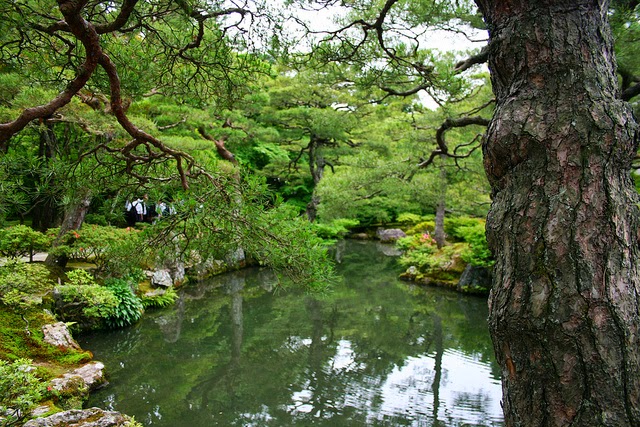
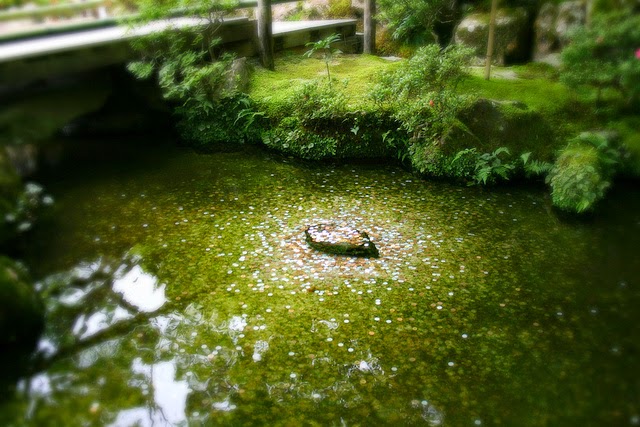
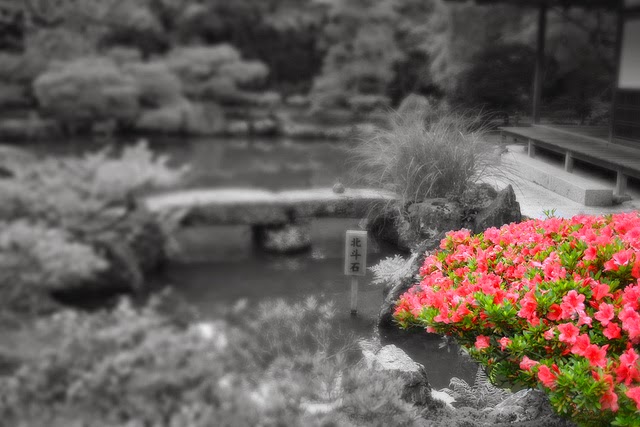
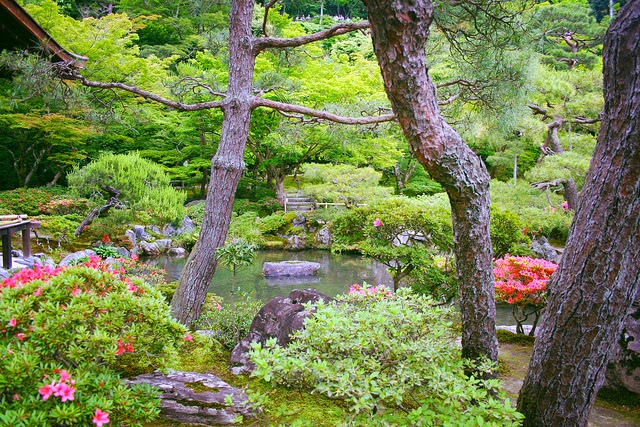
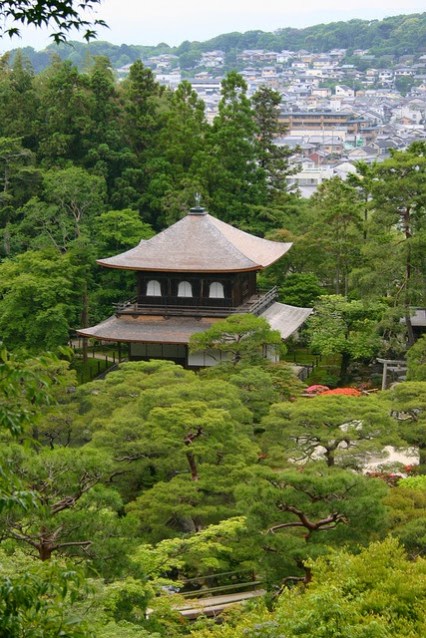
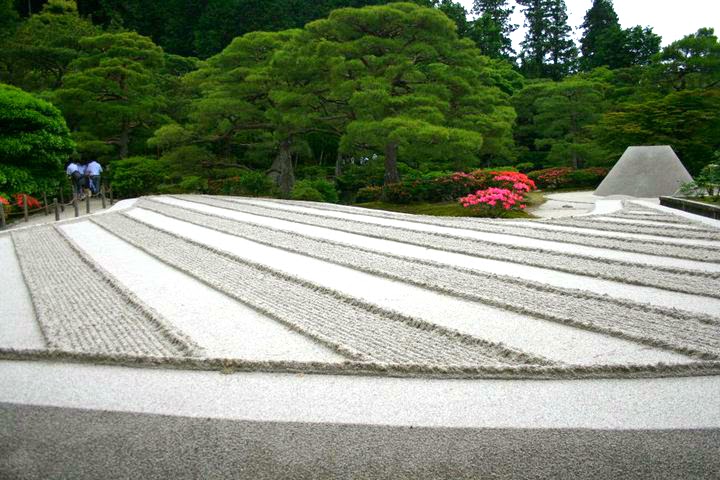
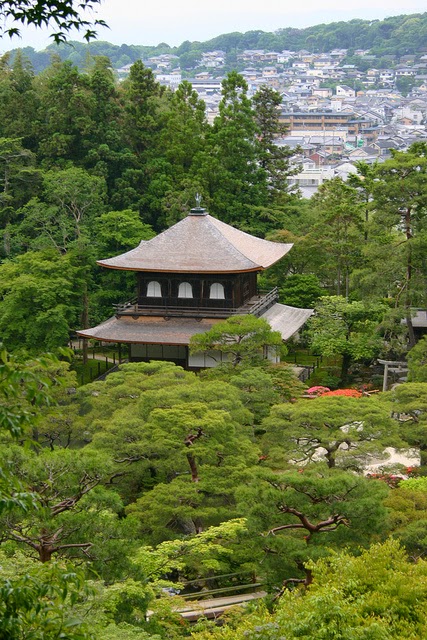
The pavilion itself is a nice piece of architecture. Sadly it is not covered in silver like the name suggests. Because of delays of the construction during the Onin War it just never happened. But the most impressive part of the pavilion is definitely the garden. When you enter there is a small stroke of  rock/sand zen garden, the rest of the garden is covered with lush green trees and flowers. I think it is the most beautiful Japanese garden we encountered during the trip. I can tell all about it, but I think the pictures will speak for themselves.
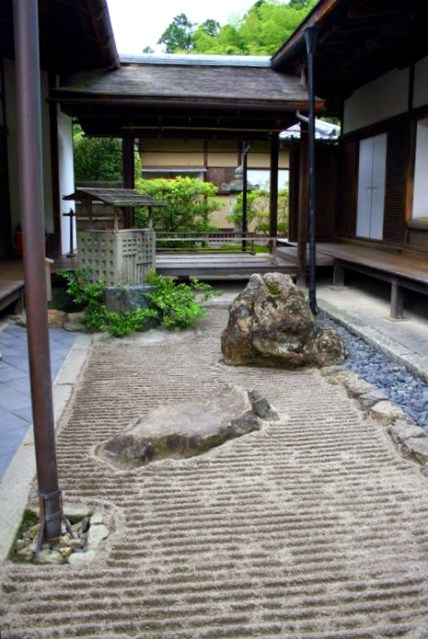
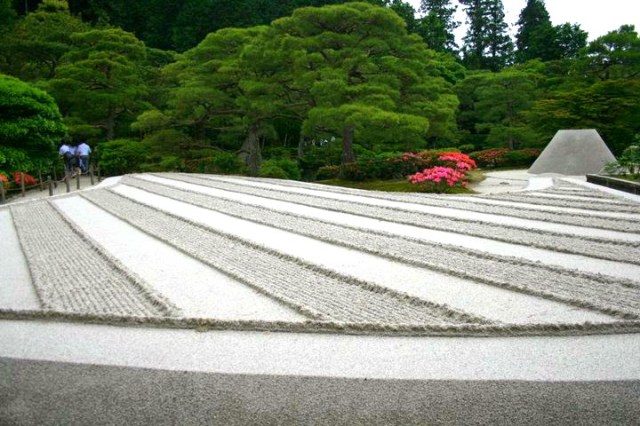
When we finished a little photo shoot of the garden of Ginkakuji we continued our trip on the bicycle in the hills of west Kyoto. The Philosophers’ Path is near Ginkakuji and I saw some nice photos of it and read about it in a guidebook or online, I can’t really remember. We tried to find it but got lost and decided to just make our way to Nanzen-ji. We then encountered the Philosophers’ Walk by chance, but weren’t aware of it until after a while. I thought it would be a nice path between trees and a small river, which it was, but the canal, not river, was dry and there was a road next to it where we were riding, so it wasn’t as ideal as I had pictured it. And the path itself was closed off. So it isn’t really worth going all the way there to see it, I don’t know why people actually recommend seeing it except when the cherry blossoms are in bloom.

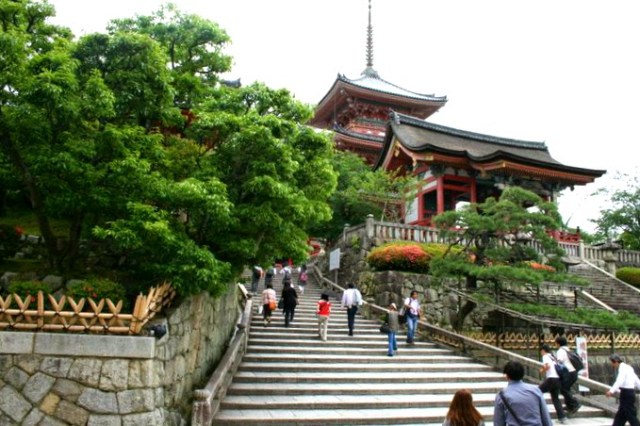
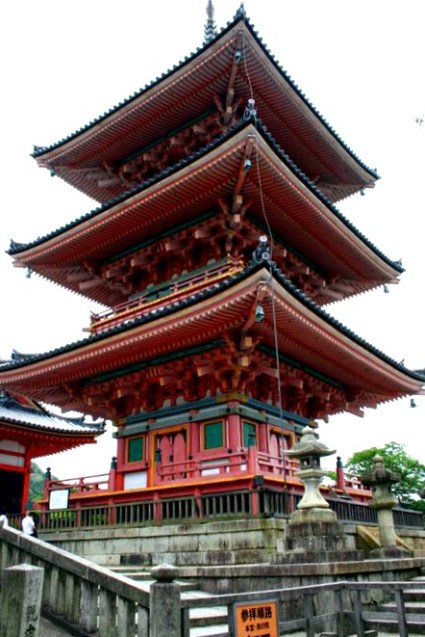
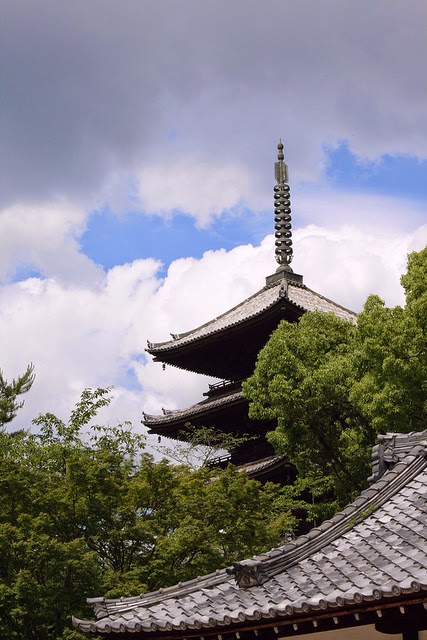
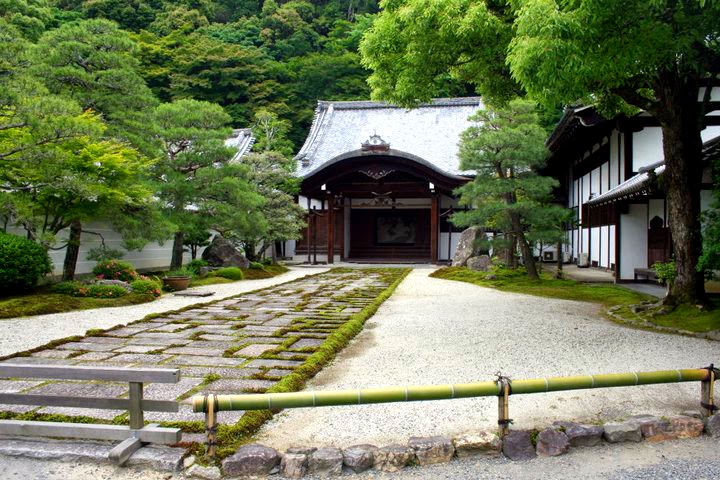
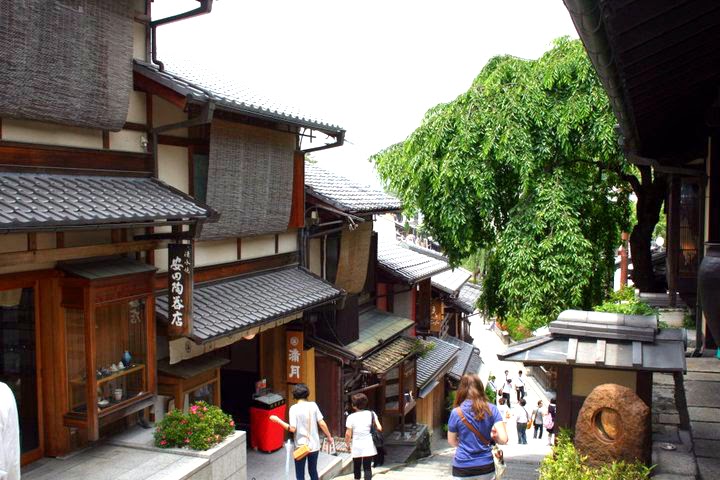
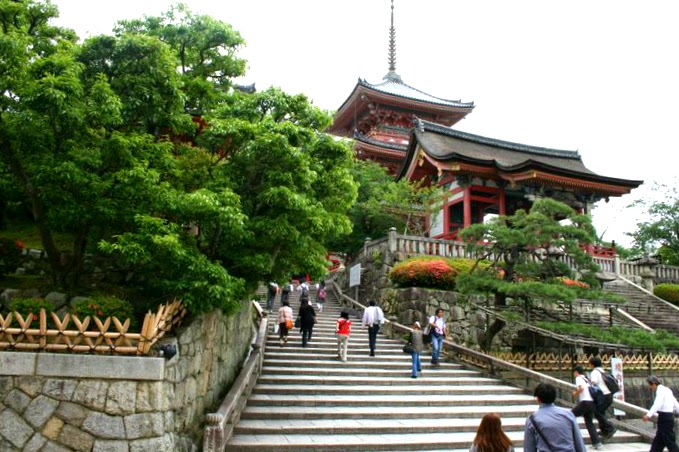
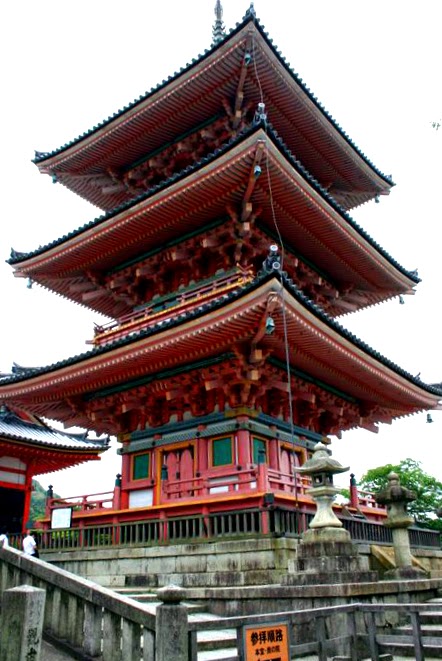
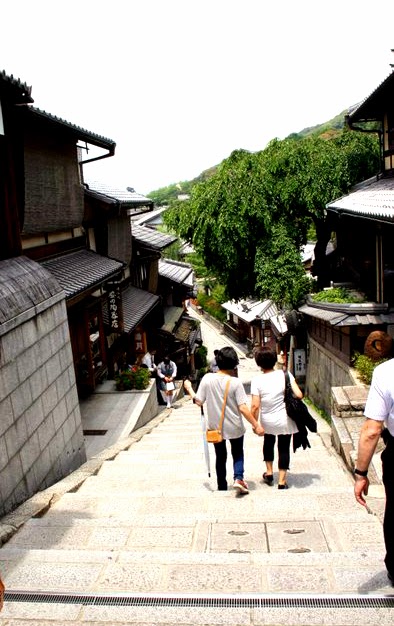
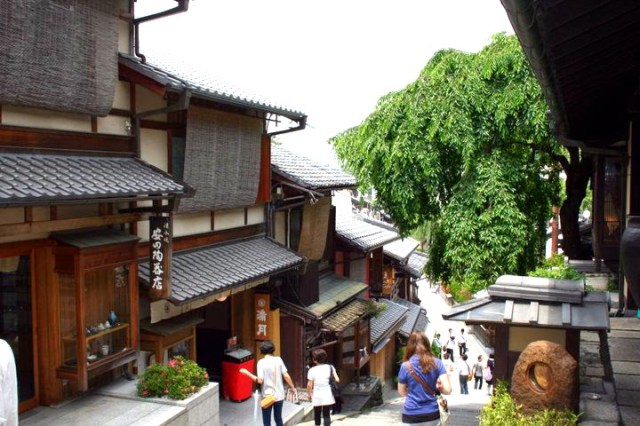
Nanzen-ji took a bit of searching before we could find it. It is in a big ‘park’ with other temples (sub temples I guess). It was nice walking around the park and taking photos of the temples, gates and a such. But honestly, we had no idea which one was Nanzen-ji itself. And we didn’t have the time nor need to pay to visits the actual temple grounds, so we just stayed in the park for a short while for some photos and then continued to our final destination; Kiyomizu. That was quite far away and Kiyomizu is high up in the hills so we were getting tired by then. After a while we saw a pagode peeping above the roofs of houses on steep hills and figured that had to be Kiyomizu-dera. The streets around Kiyomizu are quaint little streets with traditional shops and houses, but they are very steep and very busy so we walked the last part with our bicycles at hand.
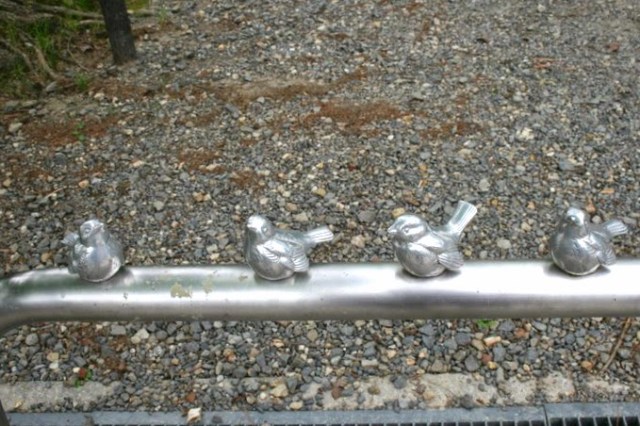
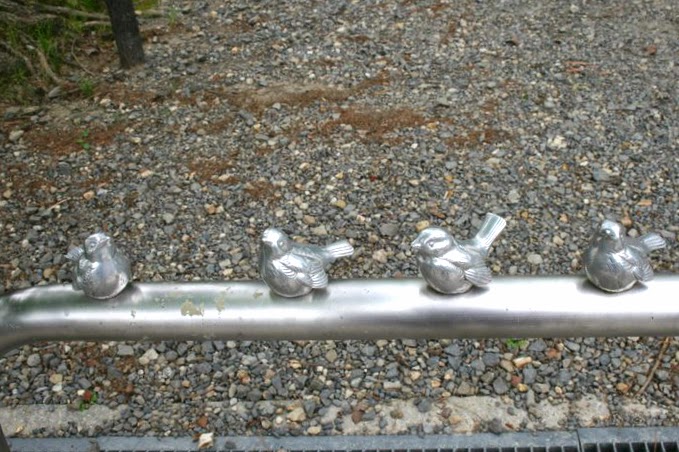
Cute bird decorations on a fence

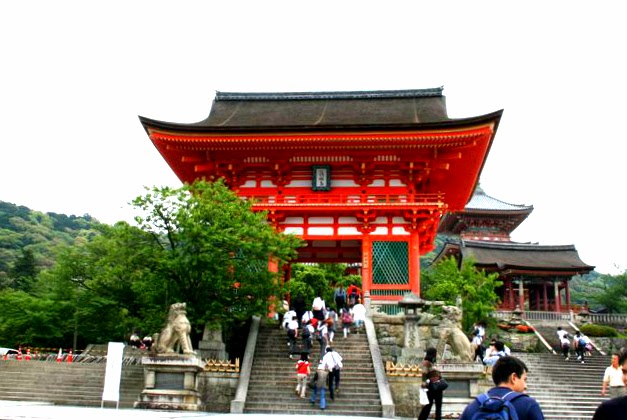
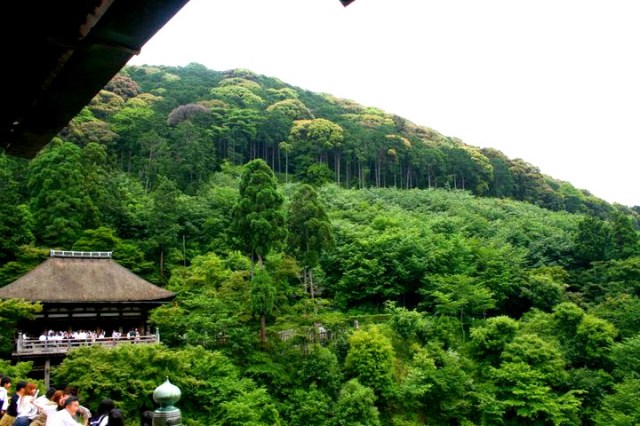
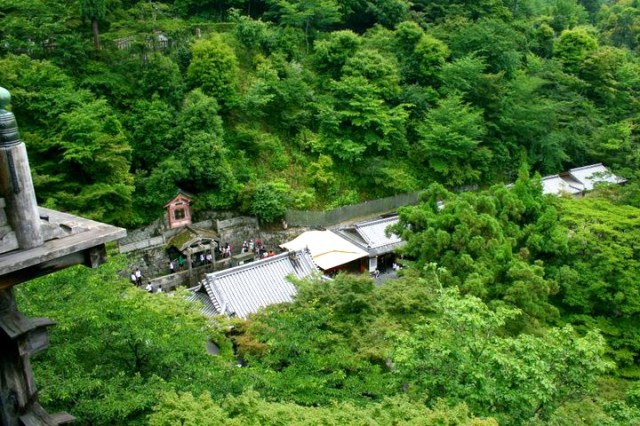
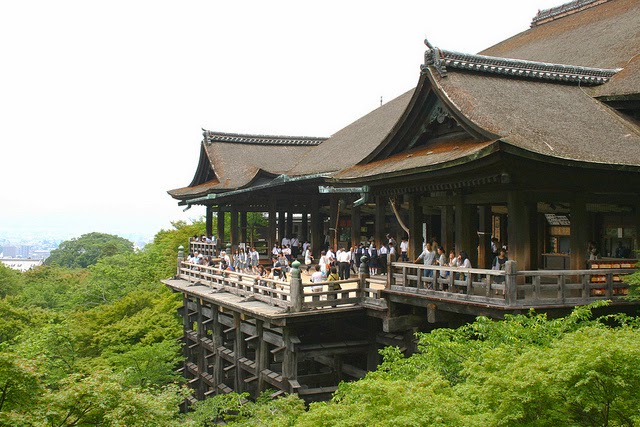
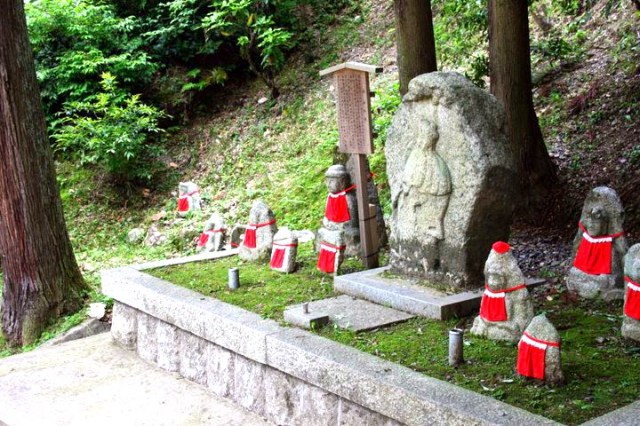
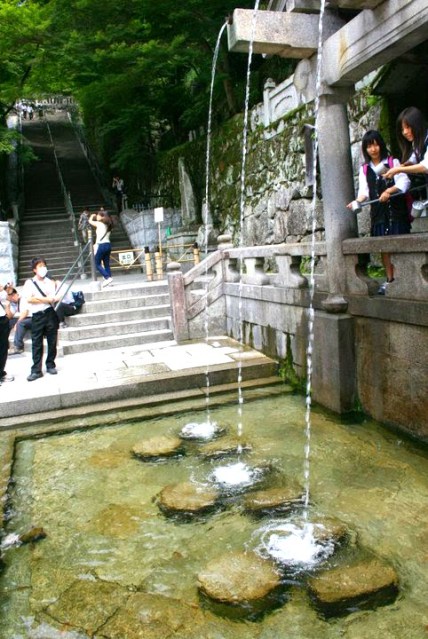
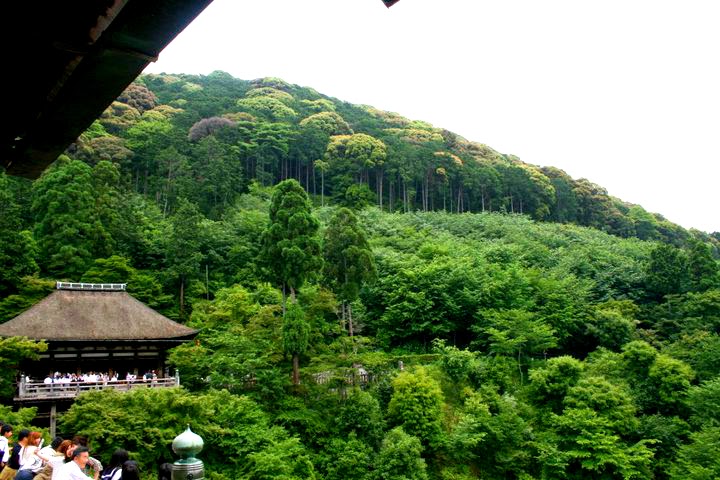
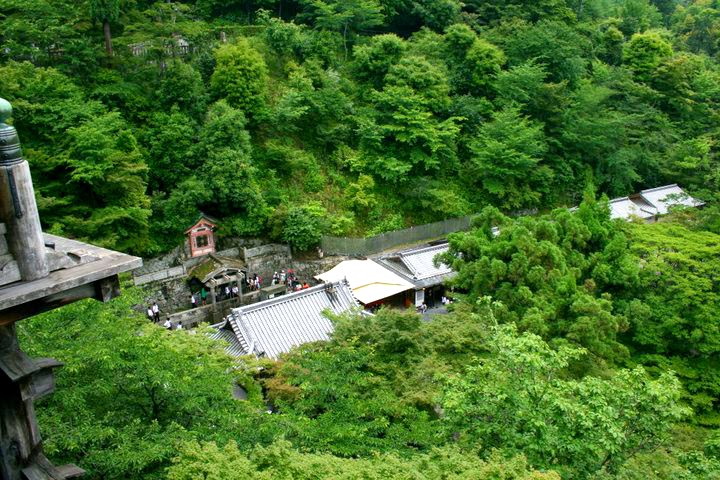
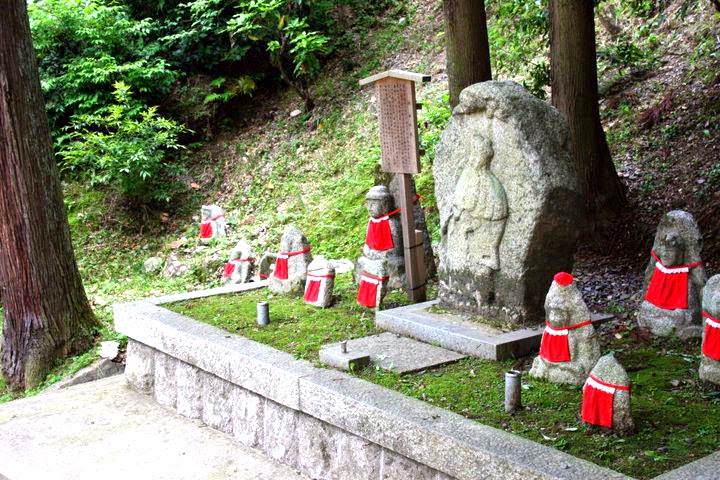
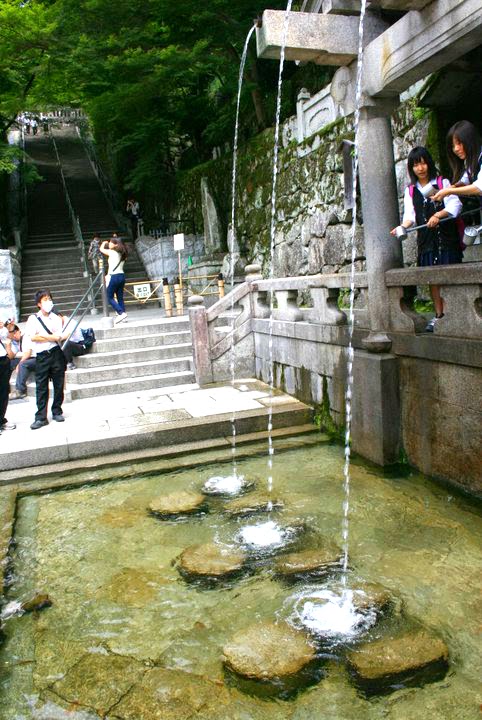
Kiyomizu is famous for the wooden balcony and the three water streams. Apparently, the veranda is build out of wooden pillars without using a single nail. With the amount of people that stand on the structure every day that amazes me! From the balcony you have a nice view of the lush hills behind the temple. At this time of the year, June, they were bright green. From the other platform you can see Kyoto city far below. You are up quite high here! Making our way down, the temple is built on different nights of the hills, we could some a little bit more of the nature and small statues with red clothes on. They are statues devoted for miss carriages, children who died and abortions. It is a little bit sad, but I think the clothes the statues wear are cute at least. Once your down it is time to drink from the famous water streams. One stands for wisdom, the other for a long life and another for health. You can only chose to two of the three, otherwise you are too greedy. There is usually a long line to be able to drink from the streams, but we were lucky and the line was really short when we arrived. There is no indication of which stream is which and actually you only drink from one of them, at least that was the case for us, but it’s the thought that counts. I have to say, the water was delicious and refreshing. Did you know that you can even buy a bottle of Kiyomizu water?
We had a little bit of time left so we browsed some of the shops near Kiyomizu before bringing back the bicycles and refreshing ourself for the concert. And then we once again went to Osaka. The metro to Osaka Dome was so busy that this time we were sure that the concert was today 😉 The concert we were attending was the ‘Seoul Osaka Music of Heart 2011 Fighting Japan’. It was a concert with many different Korean artist to raise money for the victims of the disasters of March 2011. We were barely there or a TV crew came to us and asked us to leave a message for 2PM. We were so taken aback by the sudden approach that we didn’t really know what to say. By then we were still not used to the attention for us in Japan. There were different stands where you could buy merchandise. Weirdly enough, a lot of stands were missing. We bought something at the 2NE1 and B2ST stands, but 2PM, MBLAQ and many more didn’t have a stand. After buying the merchandise we began searching our seats. And man, the arena was huge! So it wasn’t an easy task. When we finally found out seats we discovered that they were very far away from the stage. Normally this wouldn’t be a big problem but with an arena this size the artists looked like ants somewhere far away. Very disappointing. Luckily there were big screens and the atmosphere was great and hearing the songs (sort of) live was also really nice. On the screens they would play these really cool introductions of the bands and they also displayed cool backgrounds that changed for each songs. And there was even fireworks, fire and glitter bombs, or whatever you call them.

The artist that played were:

  • MBLAQ
  • 4MINUTE
  • T-ARA
  • BEAST
  • U-KISS
  • F.T.ISLAND
  • IU
  • F(X)
  • 2NE1
  • 2PM
  • TVXQ
They were all artists that I loved at that time, so I couldn’t be more happy. I have followed MBLAQ and BEAST since their debut and they are my favorite boy groups at the moment. 2PM was my favorite back then and I was looking forward to them the most together with 2NE1. 2PM didn’t fail me and 2NE1 blew me away, energy level max! The surprise of the evening was U-KISS because they did way better than I had expected. IU is the best singer ever but sadly for her they had some problems starting the music to her song. I am not really into girl groups with 2NE1 as a definite exception, but I do like F(X) too and they had a energetic performance. T-ARA and 4MINUTE have some songs I like, which they performed so I was happy with that. But I don’t like their new songs so I don’t really listen to them anymore. The same goes for F.T.Island; they have a few nice songs which they luckily played, but the rest of their songs don’t really interest me. The big performer of the night was TVXQ, obviously. I have never been a huge fan and after they split into two groups I became even less of a fan, but the duo Changmin and Yunho have some great songs and their performance is top notch. I think 80% of the fans came to the concert for them and almost everyone was wearing TVXQ scarfs and the venue was glowing in red lights, the color of TVQX. 
All in all, it was an awesome concert. Very tiring but we saw many great performers. They emptied the venue section by section so we had to wait very long until our section was allowed to leave. And after a sleepy train ride and cup ramen it was time for a bed.

Notes :3

  • Bicycling in Kyoto is quite a challenge but well worth it
  • Kamo river is the perfect place to spend your free time; stroll, bicycle, picknick, fish or just relax at the riverside.
  • Despite being a big city there is a lot of nature on the hills surrounding Kyoto. The grounds and gardens of temples and castles are also full of greenery, so nature is never far away in Kyoto. 
  • Want some peace and quiet? Go to one of those Japanese gardens.
  • If you have a tight schedule like me; take a breath. Realize that you’re on vacation and do something that makes you feel that way. Enjoy and relax!
  • If you’re looking for a gorgeous place to photograph or as a backdrop for a photoshoot in Kyoto; go to Ginkakuji/Silve Pavilion! I regret not taking a ‘selfie’ there. Fushimi Inari Taisha would be another great place
  • The Philosophers’ Walk is not really worth visiting except during Cherry Blossom season
  • Nanzen-ji has a nice park with sub-temples. I can’t comment on the inner grounds though.
  • Strolling through the cute streets near Kiyomizu-dera is recommended. They are photogenic too.
  • ‘Jumping off the balcony at Kiyomizu’ is a famous Japanese proverb. Don’t do it though, it’s really deep!
  • Don’t be greedy, drink only water from two of the three streams at Kiyomizu.
  • Don’t go to a concert in Osaka Dome unless you have good tickets or enjoy watching the concert on big screens
  • Taking photos at concert in Japan is not allowed (so no photos alas)

101 Things to Do in Japan

So it’s your first time going to Japan, but you don’t really know what you can do in Japan. Or it’s your 5th trip to Japan, but after visiting Kiyomizu-dera and Tokyo Tower you just don’t have any inspiration anymore. Then this is list is for you! It is inspired by my first trip to Japan, my future exchange year in Fukuoka and my never ending bucket list.

General places
  1. (Après) ski (Party) in Hokkaido
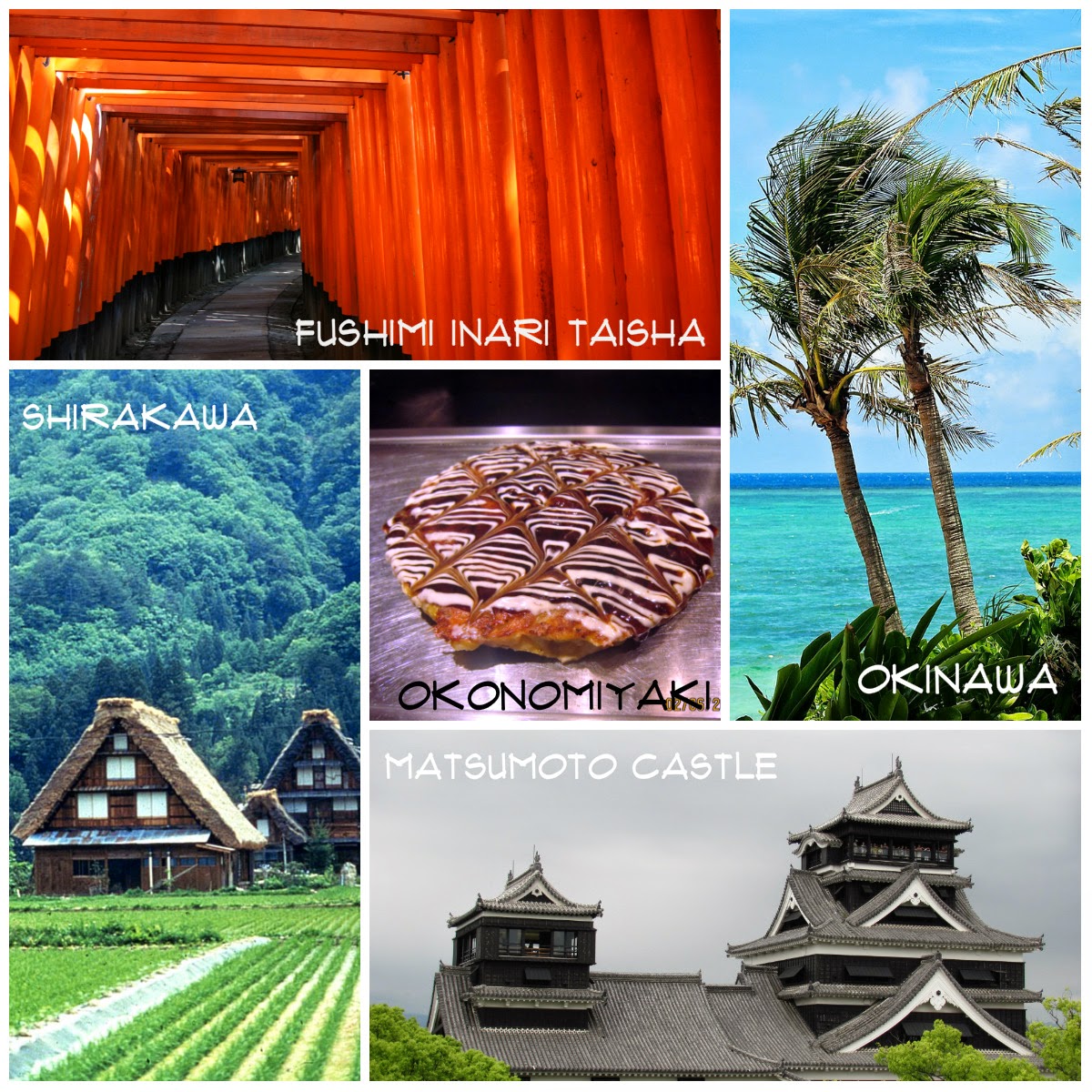
  2. Exotic getaway in Okinawa
  3. Exploring temples in Kyoto
  4. And especially make sure to visit Fushimi Inari Taisha in Fushimi
  5. Get your Chinese fix in China Town of Yokohama
  6. Crawl through the huge Buddha of Kamakura
  7. Shopping in Tokyo
  8. Eating lots in Osaka
  9. Go to historic Nara
  10. Enjoy the multicultural Nagasaki
  11. Visit Japan’s most beautiful castle in Himeji
  12. Enter the Buddhist world of Koyasan
  13. Be amazed by the black castle of Matsumoto
  14. Relive days gone by in traditional Takayama
  15. Learn about the unique architecture of Shirakawa houses
Traditional entertainment

  16. Attend a tea ceremony
  17. See a maiko or geisha dance
  18. Attend a Hanami party (cherry blossimg viewing party)
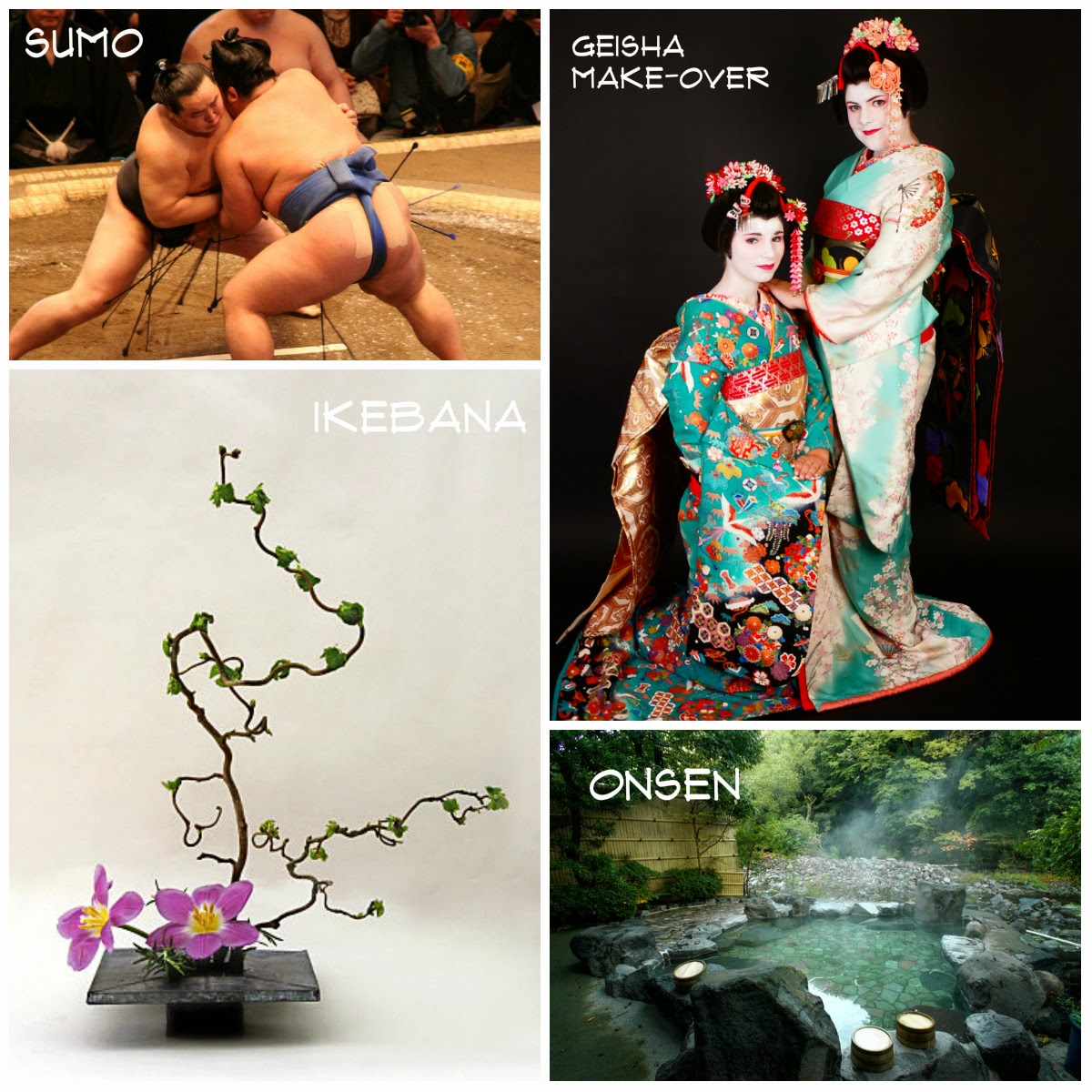
  19. Try Ikebana
  20. Relax in an Onsen (hot spring bath)
  21. Transform into a geisha
  22. Go on the 88 Temple Pilgrimage
  23. Indulgence for a Kabuki performance
  24. … and Sumo of course

Modern entertainment


  25. Sing karaoke
  26. Try your luck with a UFO-game at one of the game arcades
  28. Get creative with purikura, cute photo stickers
  29. Get your light sticks out for a Concert
  30. All-you-can-drink party at an izakaya, Japanese bar
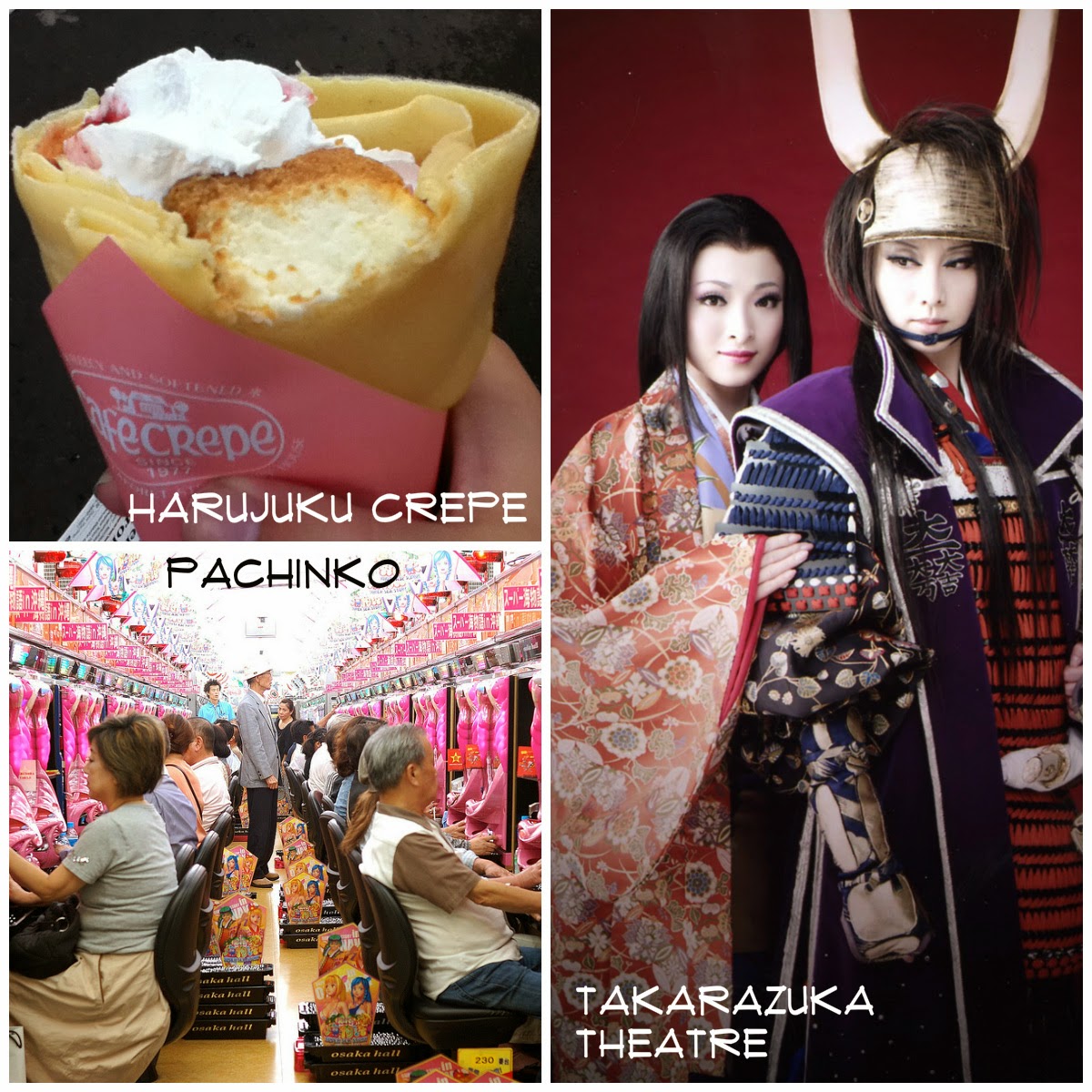
  31. Drop your jaws at the extravagant musicals of Takarazuka
  32. Eat Korean hotteok pancakes in Korea Town, Shin-Okubo
  33. Take a river cruise in Osaka or Odaiba, Tokyo
  34. Go to the 7/11 at 3AM
  35. A night out at a Host- or Hostess Club
  36. Fashionista time in Harajuku. Or eat crepes.
  37. Go deaf at a Pachinko parlor

Enjoy nature 

  38. Photograph the gorgeous colors of koyo, autumn foliage
  39. Catch some glowing fireflies or screeching cicadas
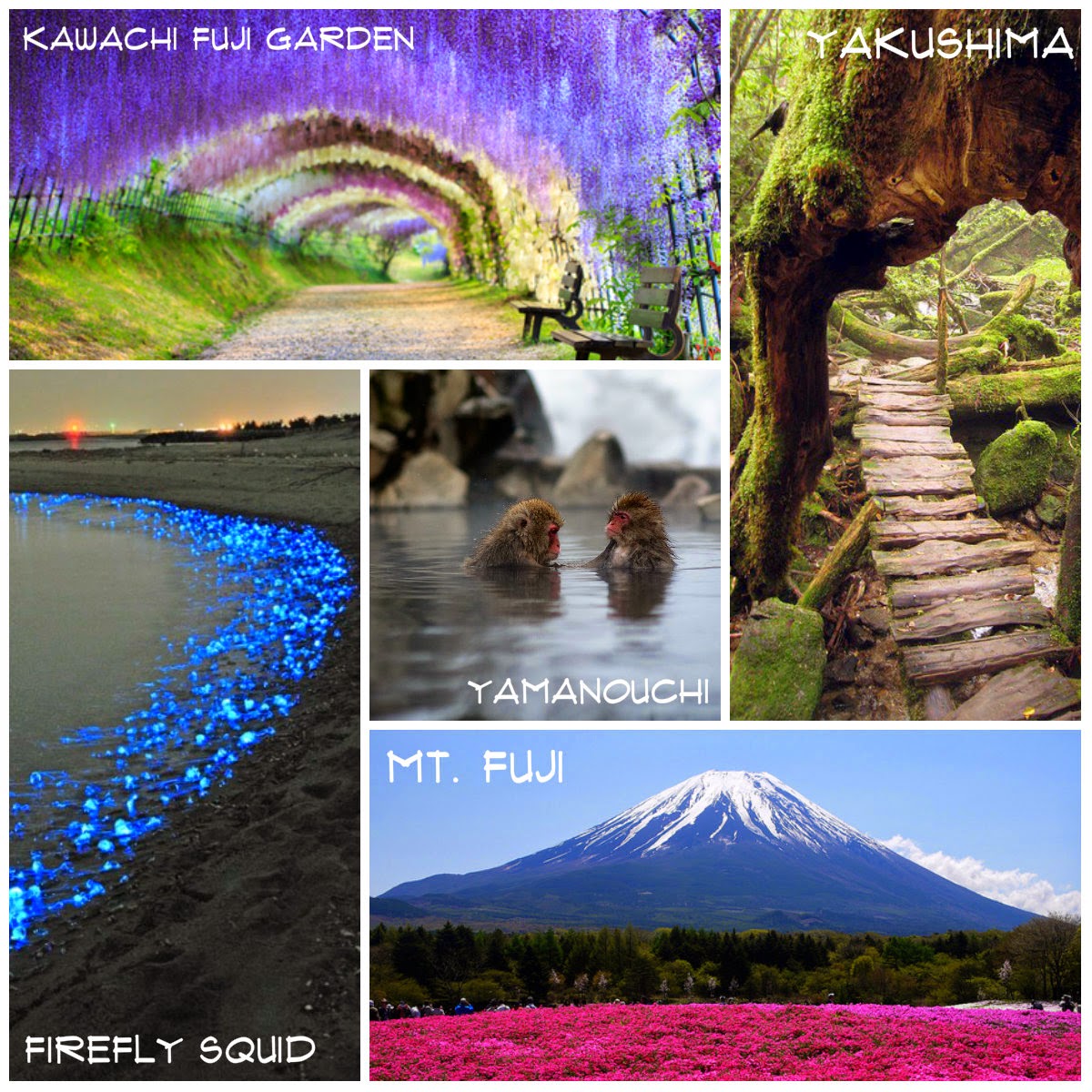
  40. Light up by watching the Firefly Squid
  41. Smell the lovely lavender of Furano in summer
  42. Explore the Gyokusendo Caves in Okinawa
  43. Gaze up at the Wisterias of Kawachi Fuji Garden
  44. Bathe with monkeys in the hot springs of Yamanouchi
  45. Climb to the top of Mount Fuji
  46. Search for princess Mononoke in Yakushima
  47. Dive the wonderful underwater world of Okinawa
  48. Enjoy the view of terraced paddy fields

Special places to eat

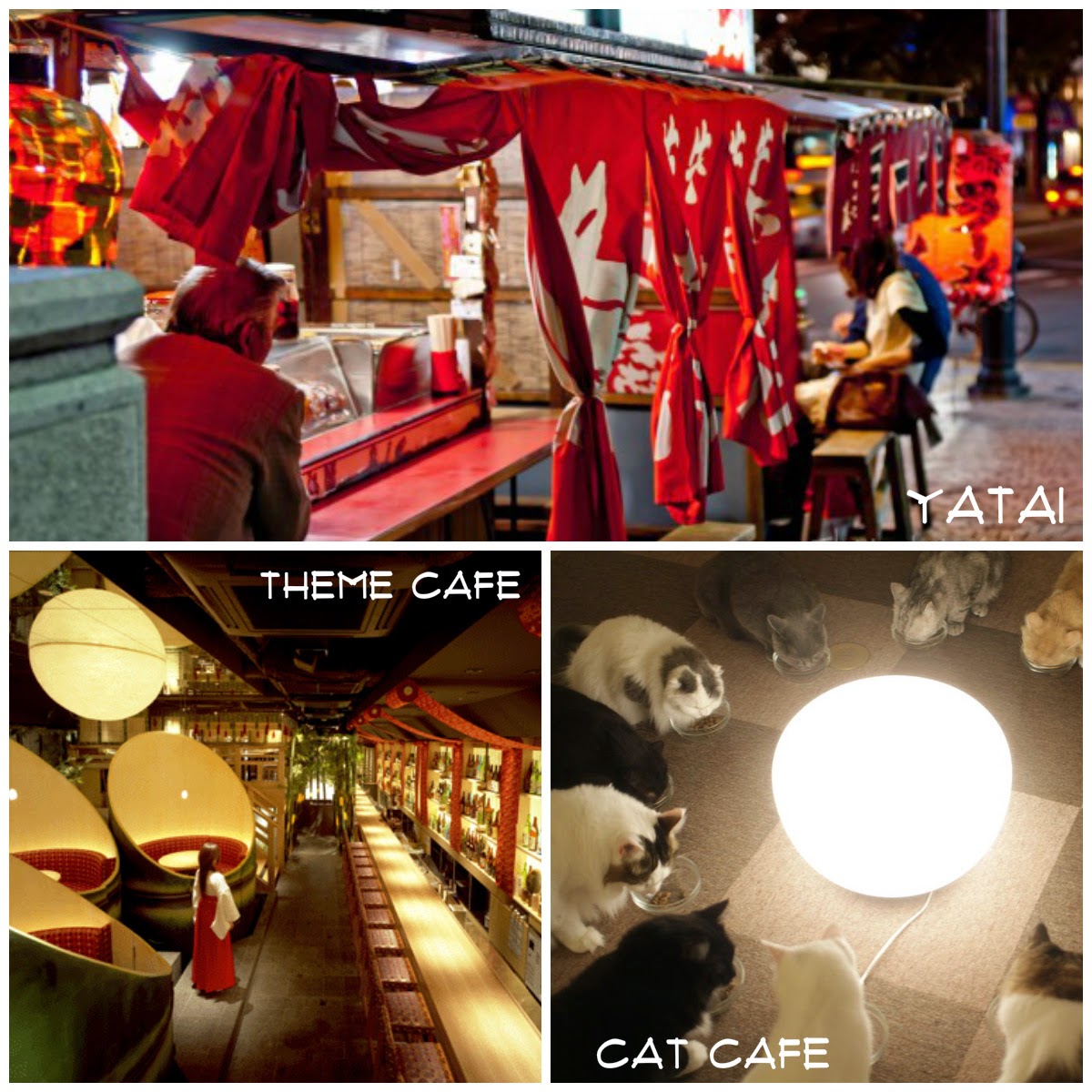
  49. Pet cute animals at a cat- dog- or owl cafe
  50. Feel like a true geek at a a geek cafe
  51. Nomming at a yatai, food stall
  52. Live a Japanese fairy tale in the theme cafe of the Bamboo Cutter
  53. Become a true Princess at the Princess theme cafe
  54. Catch your own fish at Zauo cafe
  55. Mysterious ninja restaurant, Ninja Akasaka
  56. Find your dream robot girl at Kabukicho Robot Restaurant

Festivals

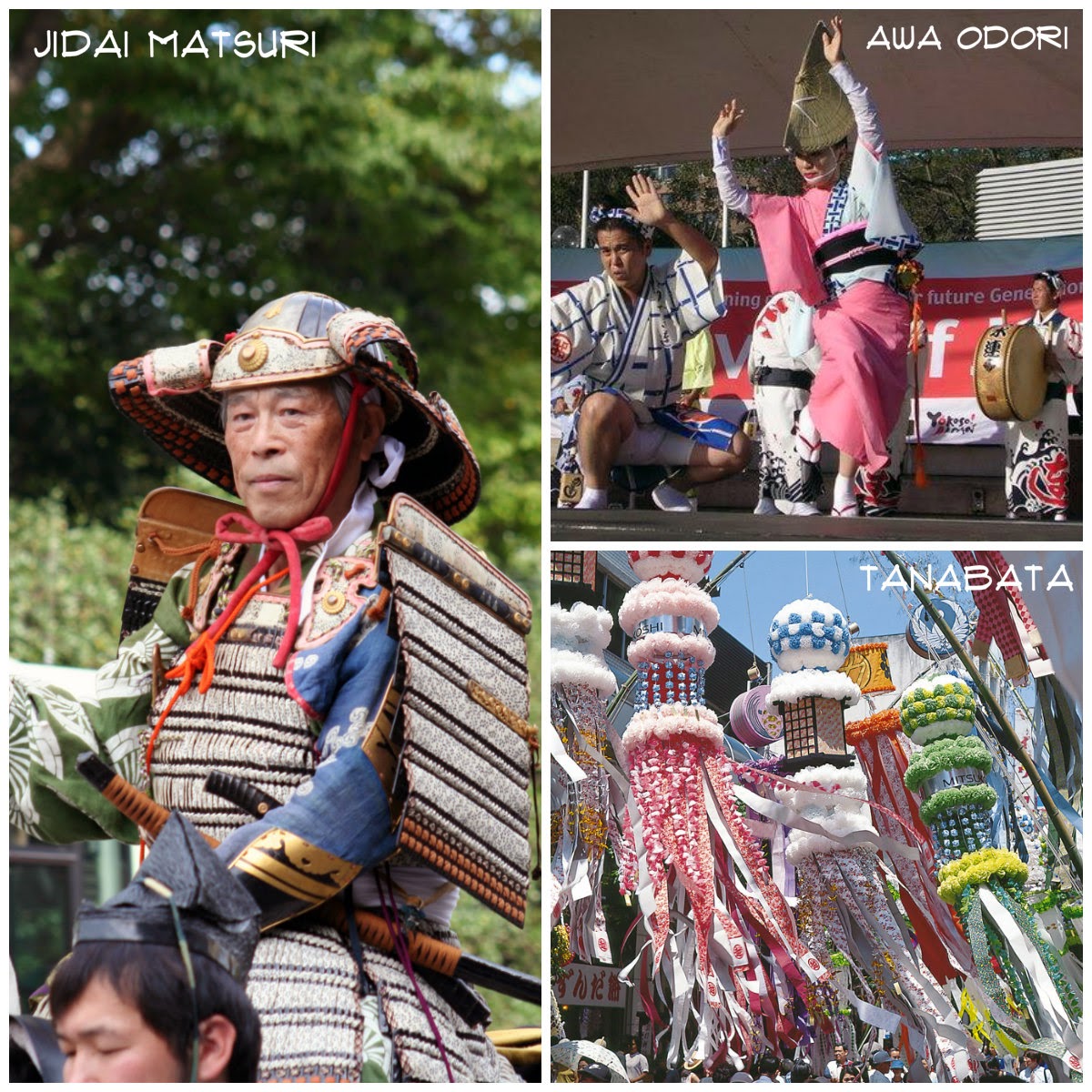
  57. Watch stars on Tanabata Star Festival
  58. Play at a matsuri (Summer Festival)
  59. Enjoy students’ creativity at a bunkasai, a cutural festival
  60. Be amazed by the snow statues of Sapporo Snow Festival
  61. Party with demons at the Oni Fireworks Festival in Hokkaido
  62. Stroll through fields of Sunflowers at Akeno Sunflower Festival
  63. See the historical parade of Jidai Matsuri
  64. Dance with the Awa Odori Dancers during Obon Matsuri

Famous sites

  65. Appreciate Japanese gardens, like Ritsurin Garden
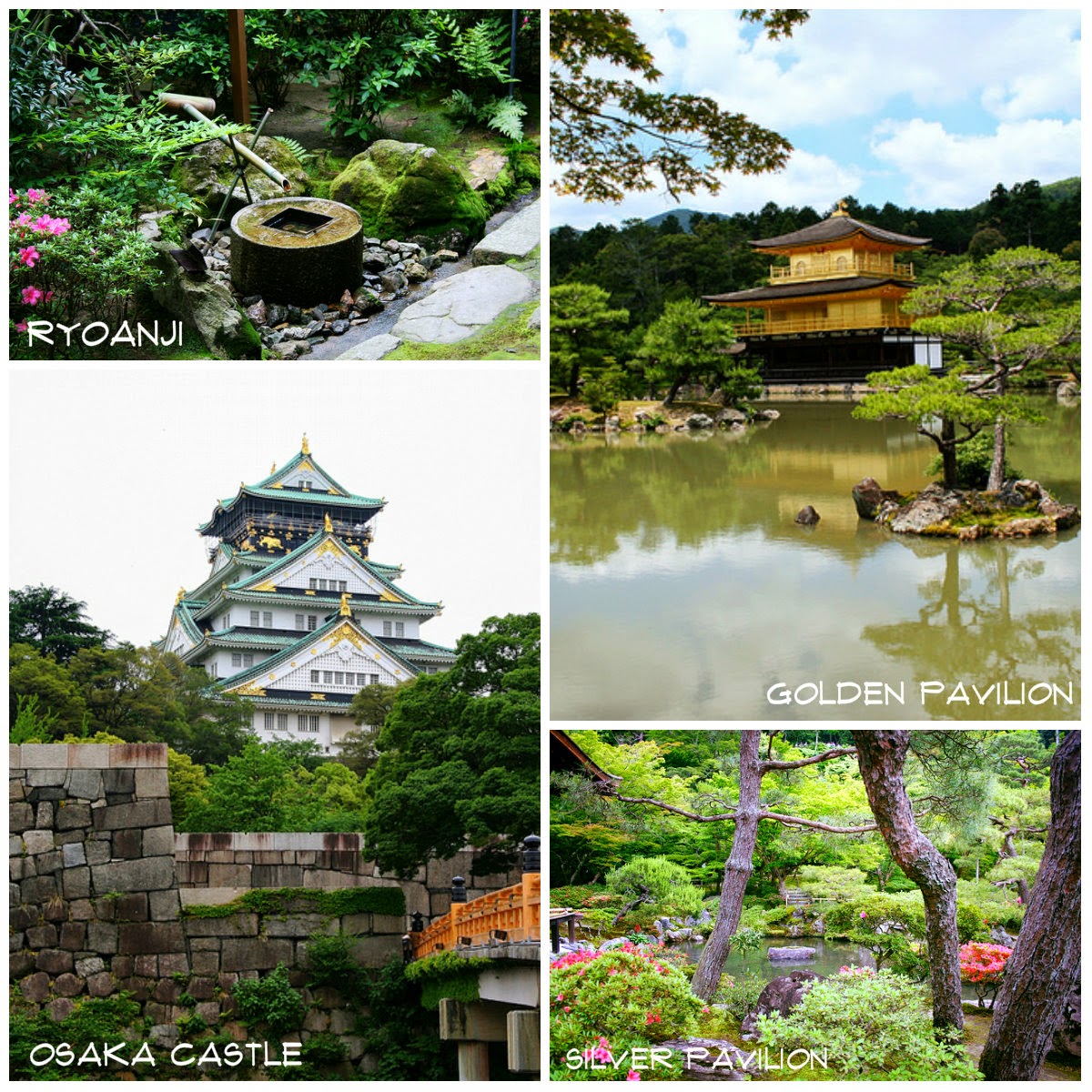
  66. Pose in front of the Golden Pavilion, Kinkakuji
  67. And visit the Silver Pavilion As Well
  68. Drink your portion of wisdom, health or longevity at Kiyomizudera
  69. Buy souvenirs at touristy Asakusa
  70. Calm down at the zen garden of Ryoanji
  71. Admire Osaka Castle
  72. Tokyo Imperial Palace
  73. Remember how lucky we are at Hiroshima Peace Memorial
  74. The largest wooden building in the world, Todaiji
  75. Oase of peace in Tokyo, Meiji Shrine
  76. Eiffel Tower’s red sister, Tokyo Tower.

Amusement parks

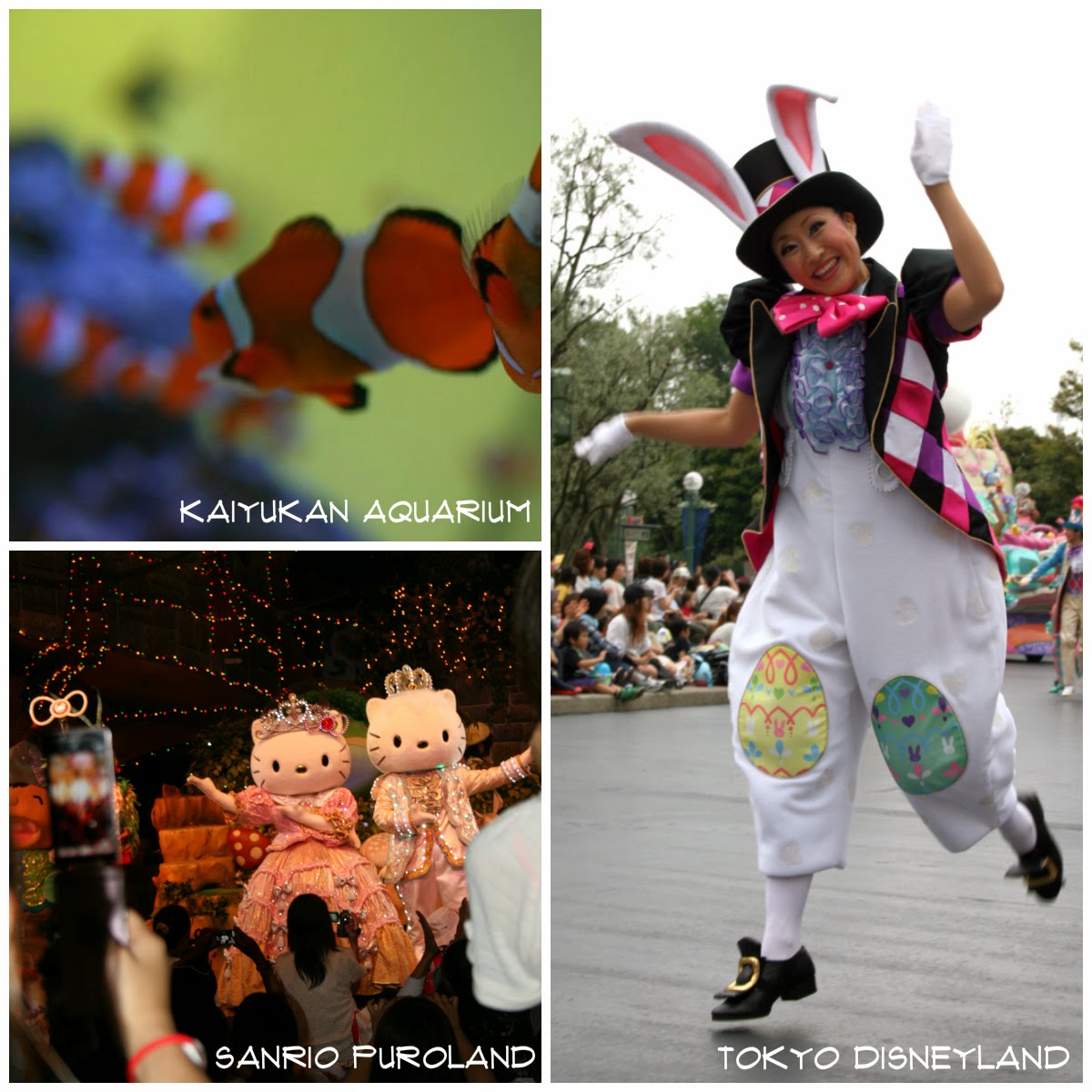
77. Visit Disney Sea Land, the only one worldwide
78. Feel like a ninja or geisha in Edo Wonderland
79. Get sick in one of the crazy rollercoasters of Fuji-Q Land
80. Watch fishies at Kaiyukan Aquarium
81. Become dizzy by the height of Tokyo Sky Tree
82. Act like a kid at Sanrio Puroland
83. Play in the first Universal Studios of Asia
84. Step into the Netherlands at Huis Ten Bosch
85. Water fun at Spa Resorts Hawaiian


Unusual places

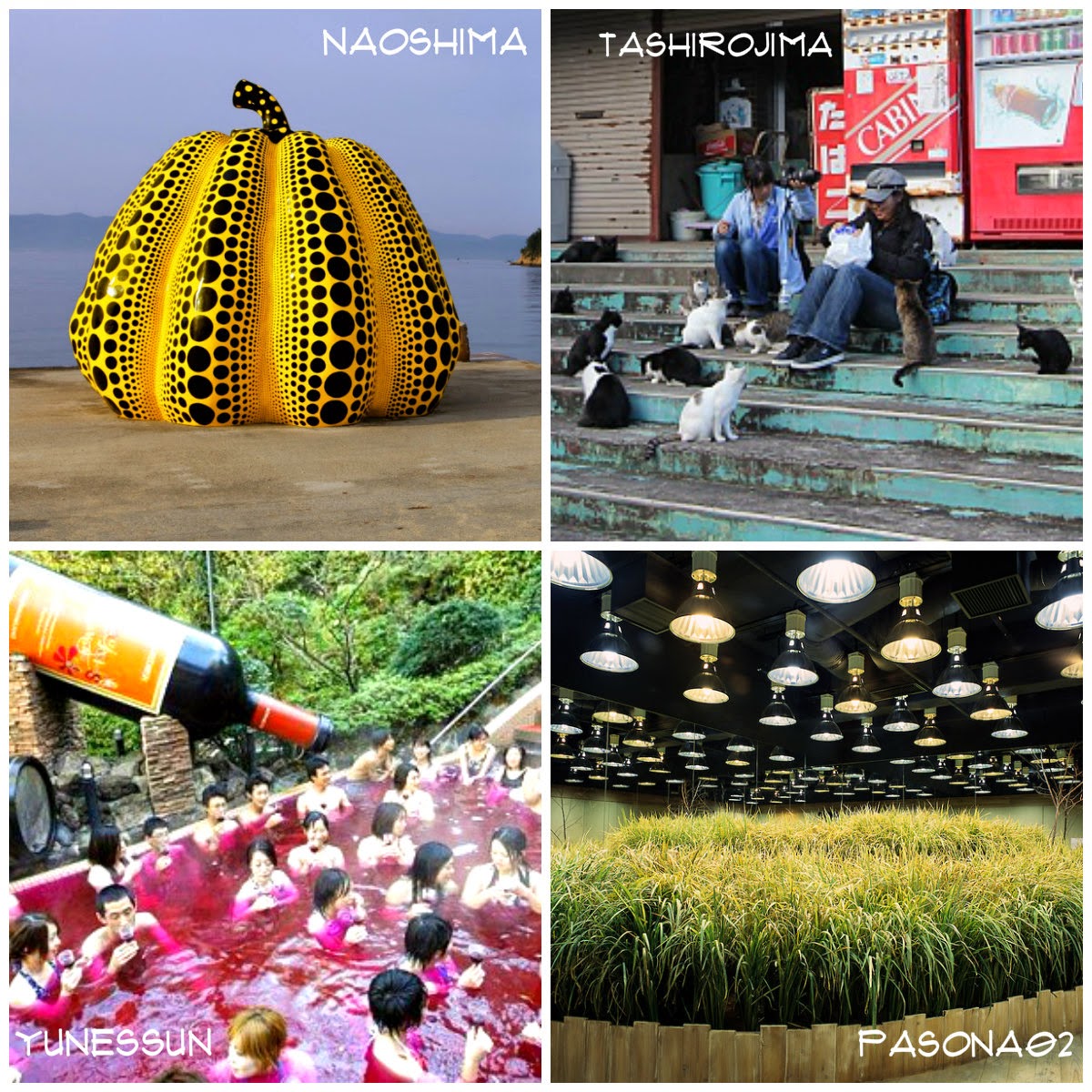
86. Paradise for cat lovers, Tashinojima
87. Naoshima, island of art
88. Eerie times at the deserted island of Hashima
89. Site of Reversible Destiny, Yoro Park
90. Yunessun Spa, refresh yourself in a hot bath of wine, tea or Ramen soup.
91. Yum,  Shin-Yokohama Ramen Museum!
92. Farming at Pasona02, an underground farm
93. Creepie doll city Nagoro
94. Meguro Parasitological Museum, for people with strong stomachs

Accomodations

95. Release your inner monk during a temple stay
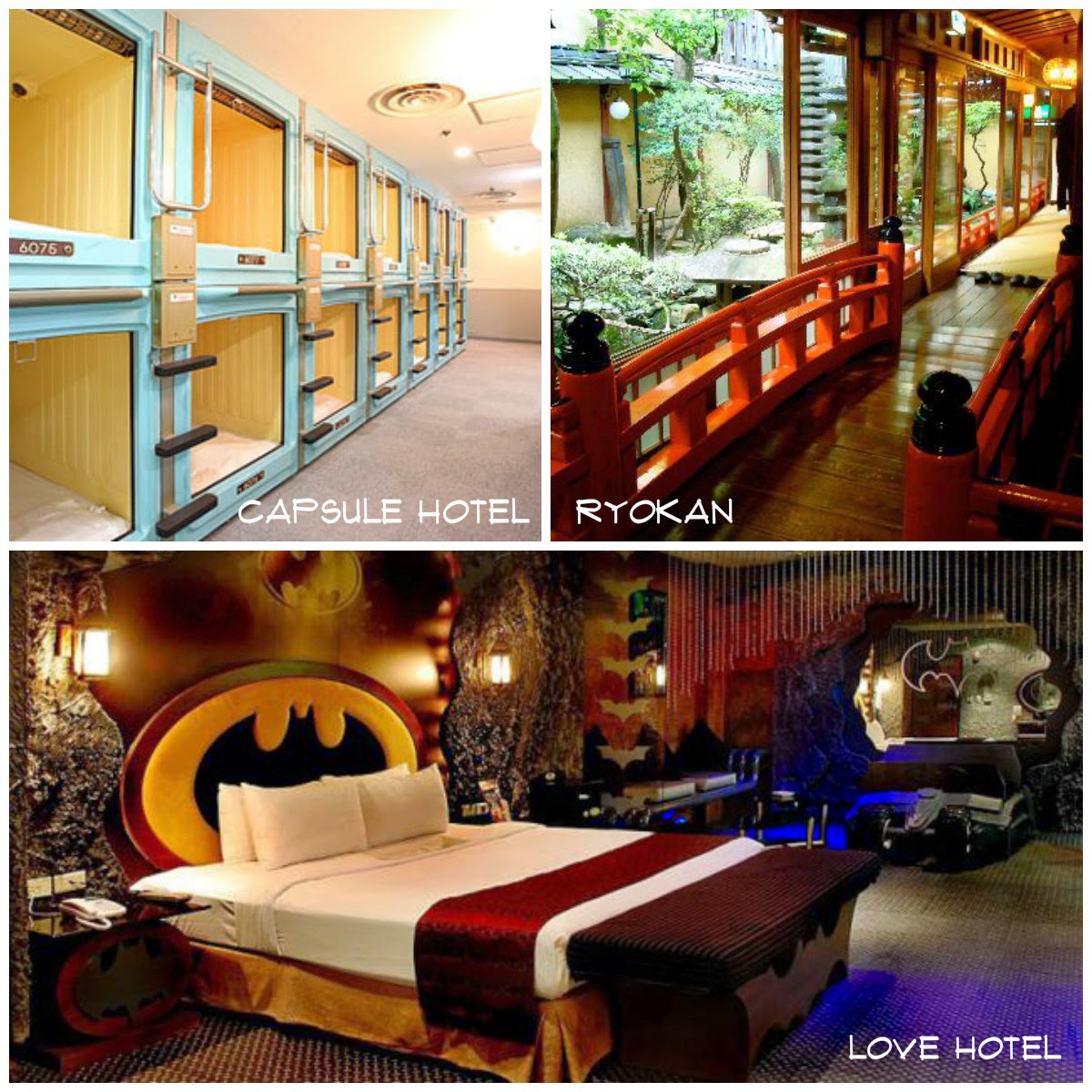
96. Get cosy and cramped in a capsule hotel
97. Feel the allure of traditional Japan while staying in a machiya
98. Treat yourself and stay at a ryokan. With private Onsen, just because you can.
99. You don’t need to be in love to enjoy the quirky love hotels
100. Go on the Cheap and spend a night in a Manga/Internet Cafe
101. Chilly stay at the Alpha Resort-Tomamu ice village

Japan Trip, The Mesmerizing Fushimi Inari Shrine and Kyoto Tower

After a few fun days in Osaka it was time to move on to Kyoto, our second stay for our trip. We dragged all of our luggage (bringing a big suitcase was not the best plan) up and down the stairs of the metro station, took the metro and transferred to the JR-Kyoto line for our train to Kyoto. During the ride we enjoyed the picturesque views of mountains and kids in school uniforms. We even saw a few palm trees. What I noticed is that Japanese rivers usually have broad river banks, that usually function as some kind of recreational spot/ park at the same time. You can see people picnicking, playing sports, kids playing…

We arrived in the huge train station of Kyoto. Seriously, it’s massive. There was even a orchestra with ‘Pirates of the Carribean’ music playing when we arrived. And when we went exploring further we also encountered a kimono exhibition and many shops and restaurants. Exiting the station we were met with the warm and humid weather typical of June (minus the rain) and it seemed more hot here than in Osaka. We hadn’t had time to drink or eat anything yet either. Luckily our hotel was quite close to the station and not difficult to find. Our room was tiny, but cheap and clean, and we enjoyed ourselves there. First we decided on our plan for the day, after that we headed to the 7/11 for breakfast sandwiches.
By the way, I plan to write about the hotels I stayed in at the end of this series about my Japan trip, for the people who are interested.

For our trip to Tokyo we wanted to buy discount tickets for the bullet train. So we searched trough the big train station for the shop selling the tickets, which was not an easy task. After asking several people we finally found it. The tickets we bought are called ‘Puratto Kodama Economy Plan’, it allows you to travel the slowest bullet train called Kodama. It costs 9800 yen, about 3500 yen cheaper than what a normal ticket between Kyoto and Tokyo costs for Kodama, and you get a coupon for a free drink, but we didn’t use it. The Kodama takes bout four hours for this route. Just be sure that you buy the ticket in advance!

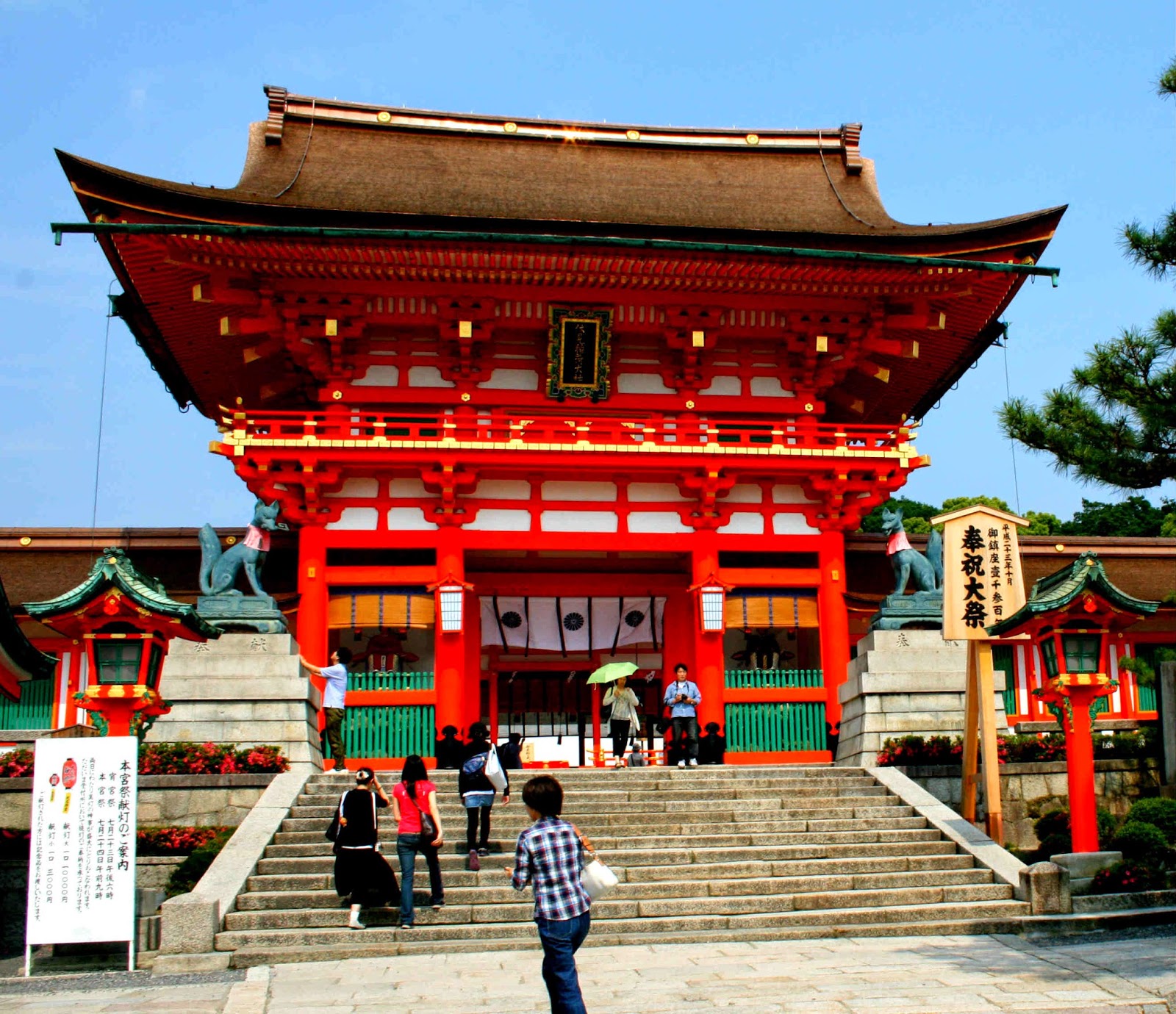
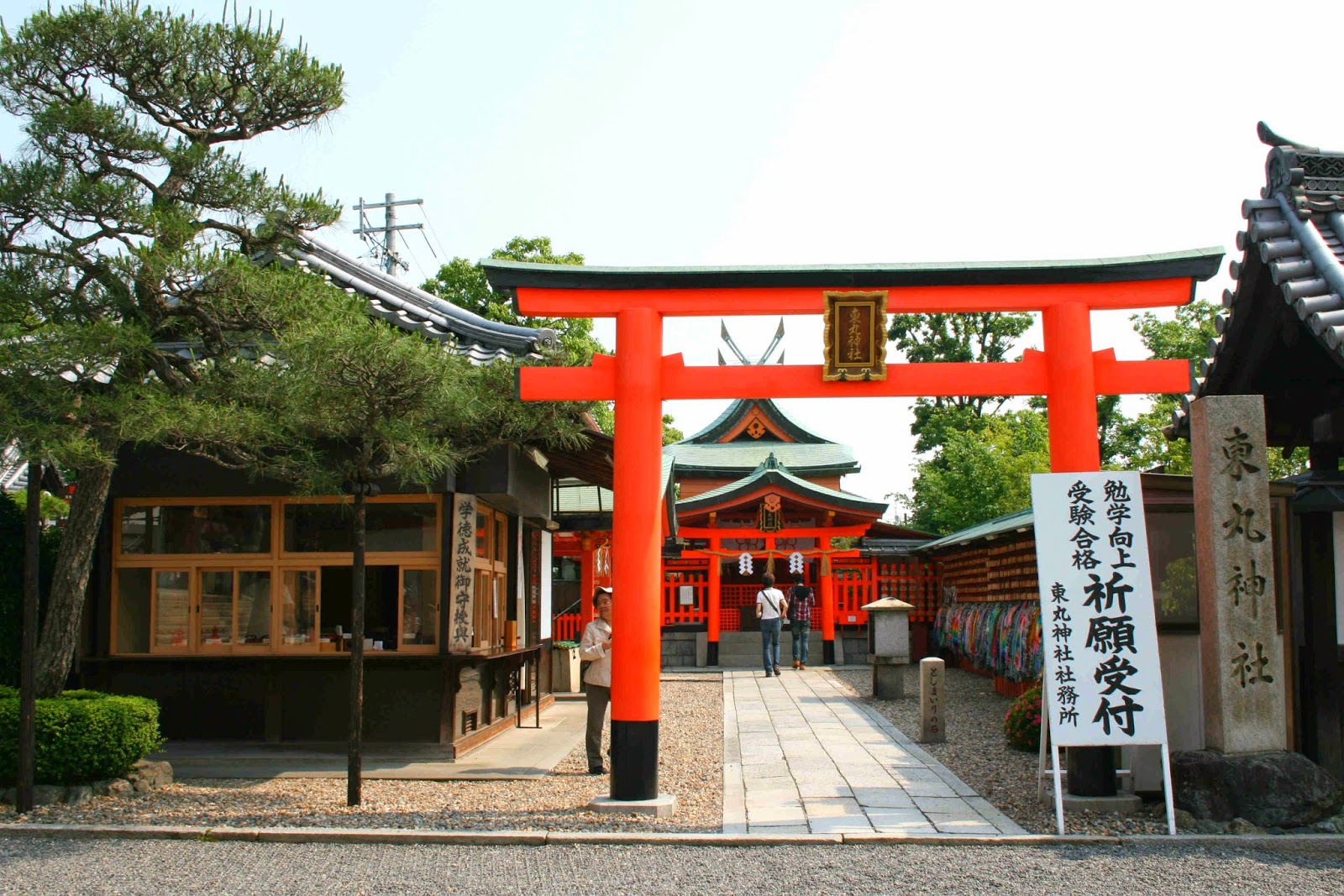
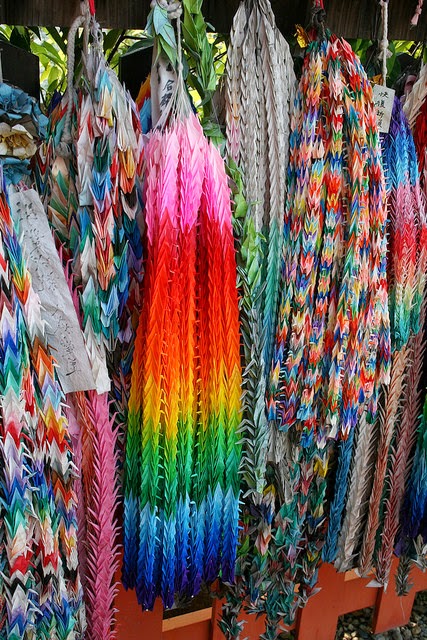
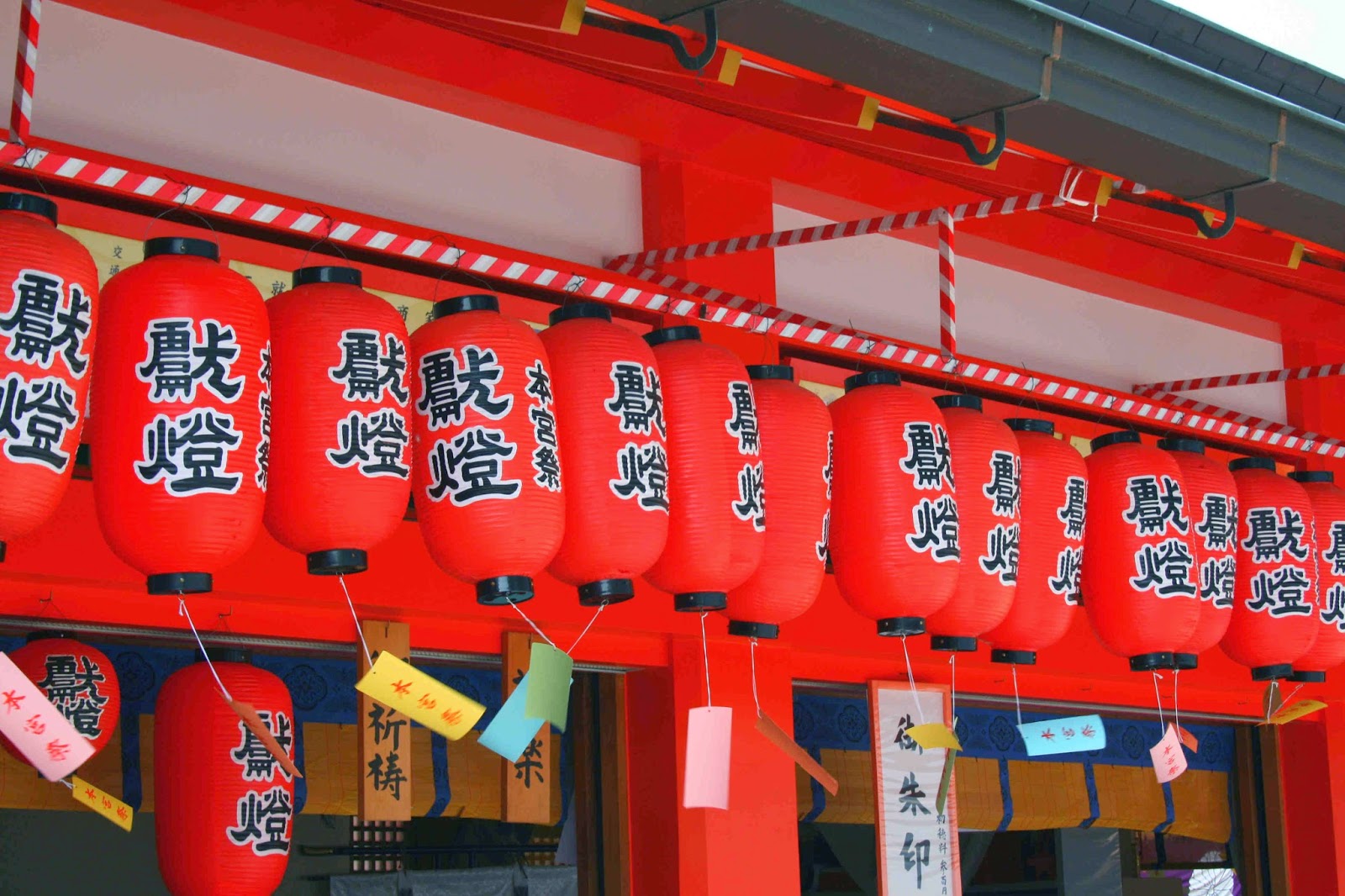
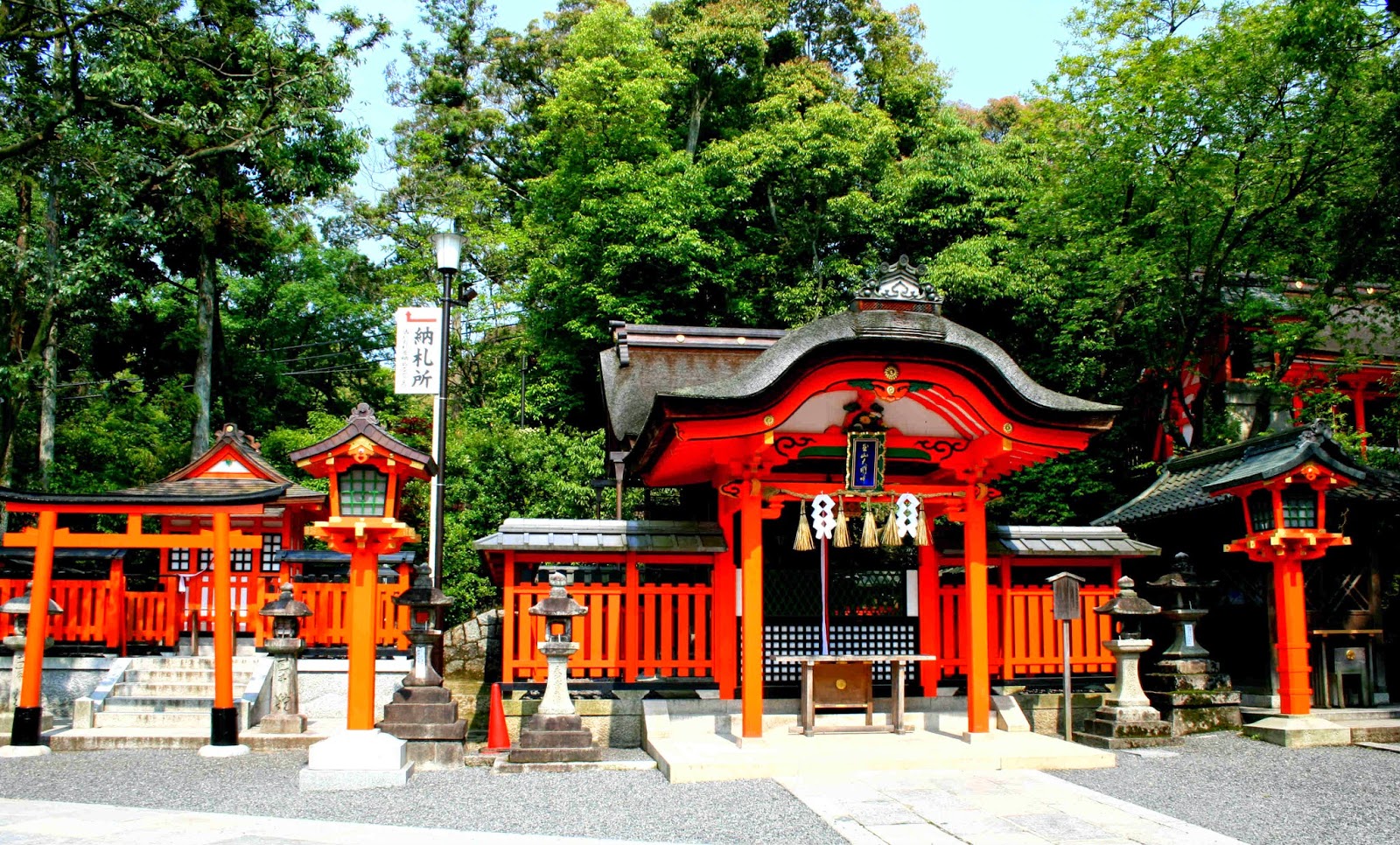
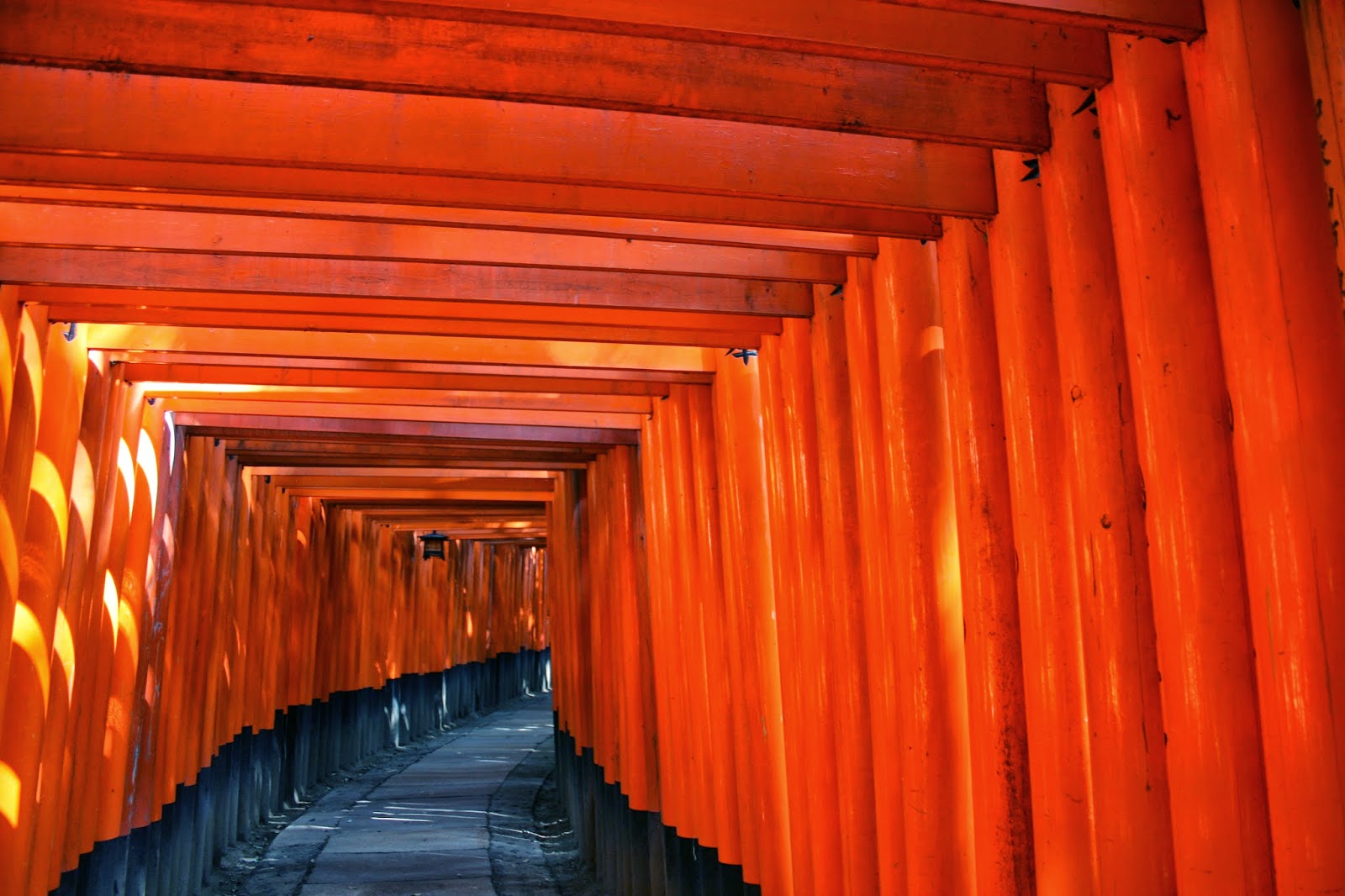
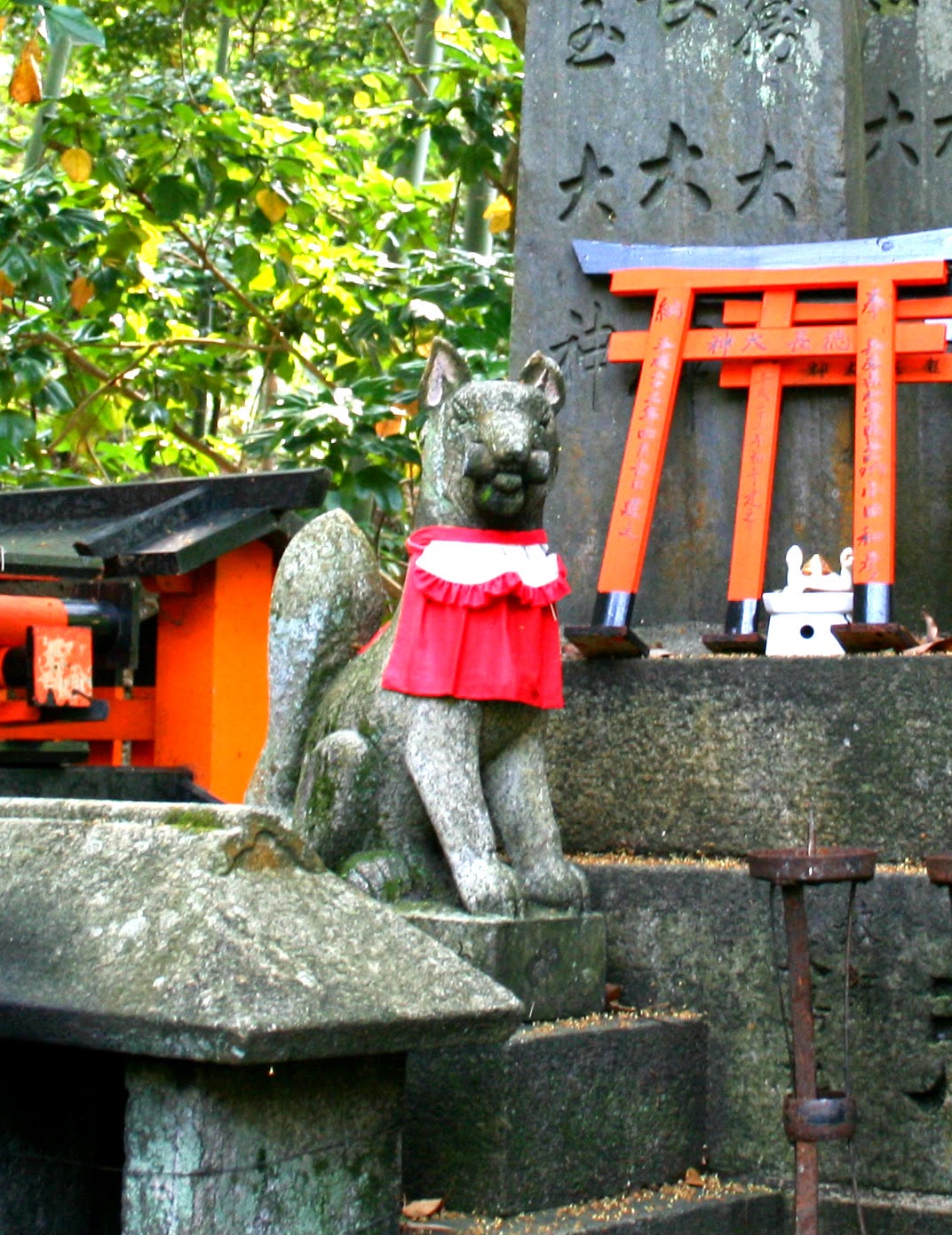
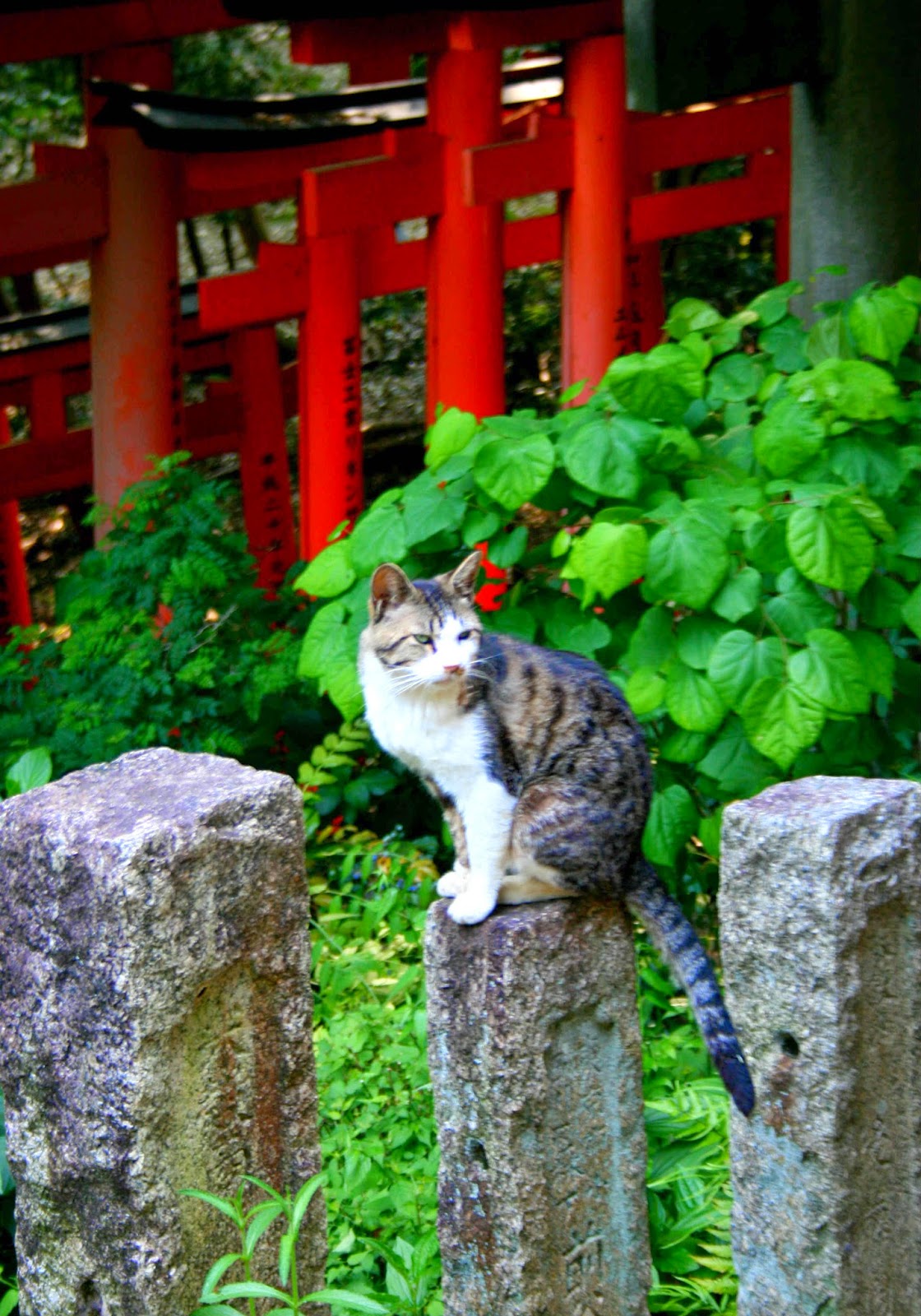
After that was fixed we went to Fushimi, a small village with even a smaller station. But that doesn’t matter because it is home to the grand Fushimi Inari Taisha (Fushimi from now on). When you exit the station you are faced by a big red torii (gate), so it is hard to miss. We hadn’t entered the premises yet or we were being questioned by a group of school kids, this time about soccer. ‘We like Snidel!’, meaning Sneijder, was their conclusion. Then we finally got to explore Fushimi, undisturbed. I was amazed by the bright colors, thousands of paper cranes and cute fox decorations everywhere. Fushimi is known for the red gates, and seeing them in real life I can say they are mesmerizing. So great. But Fushimi has much more to offer; As I said before there are many pretty decorations and there is a hike along the mountain where you can enjoy the nature, traditional restaurants and a good workout of course! We were really beat after the ‘hike’ but it was more than worth it. It was my favorite place in all of Japan.

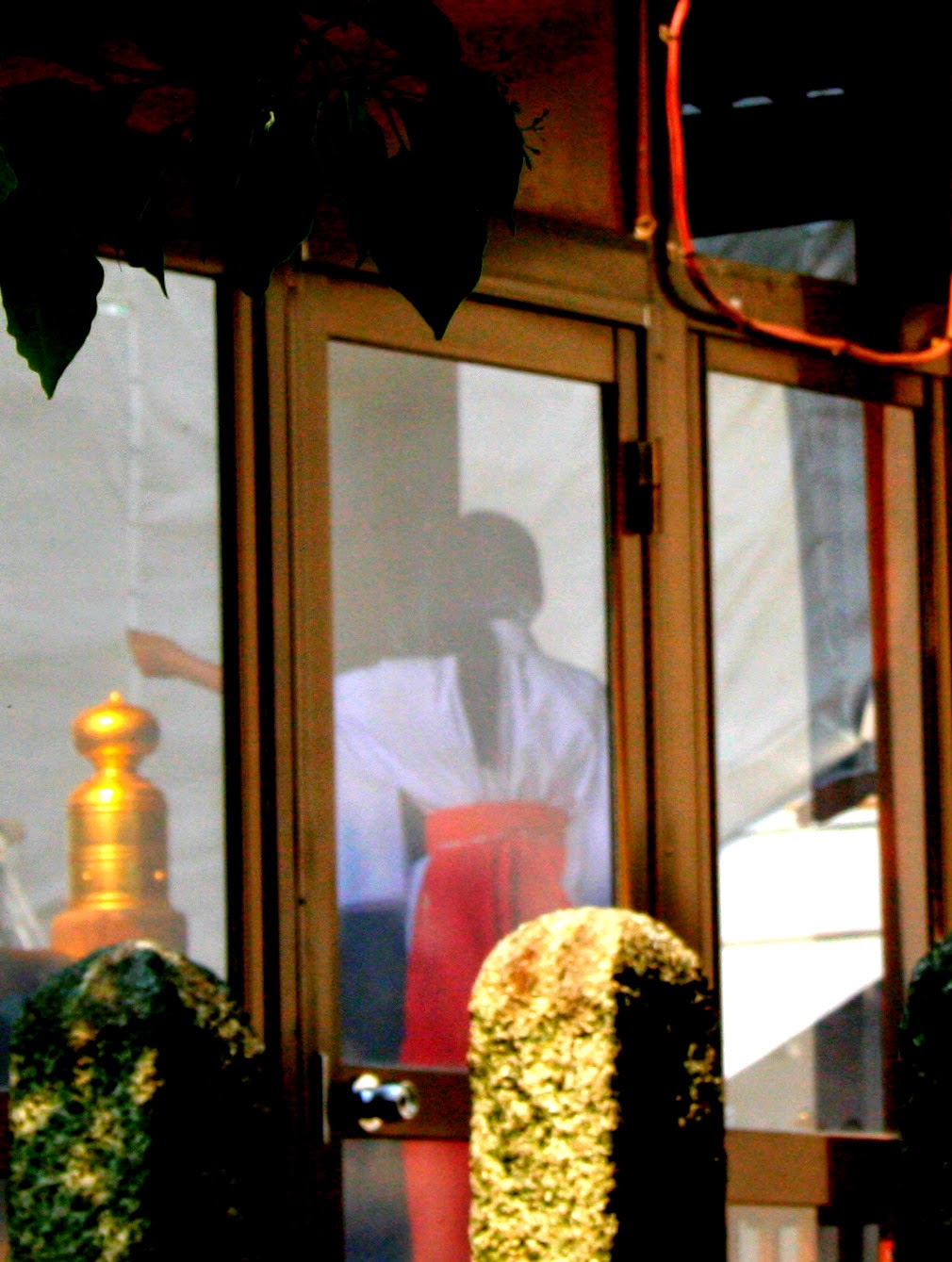
Sneaky shot of a Miko priestess
Love the colors

My favorite shot of the entire trip

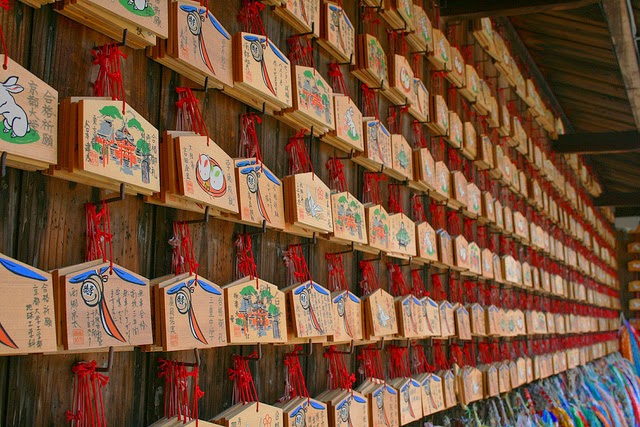
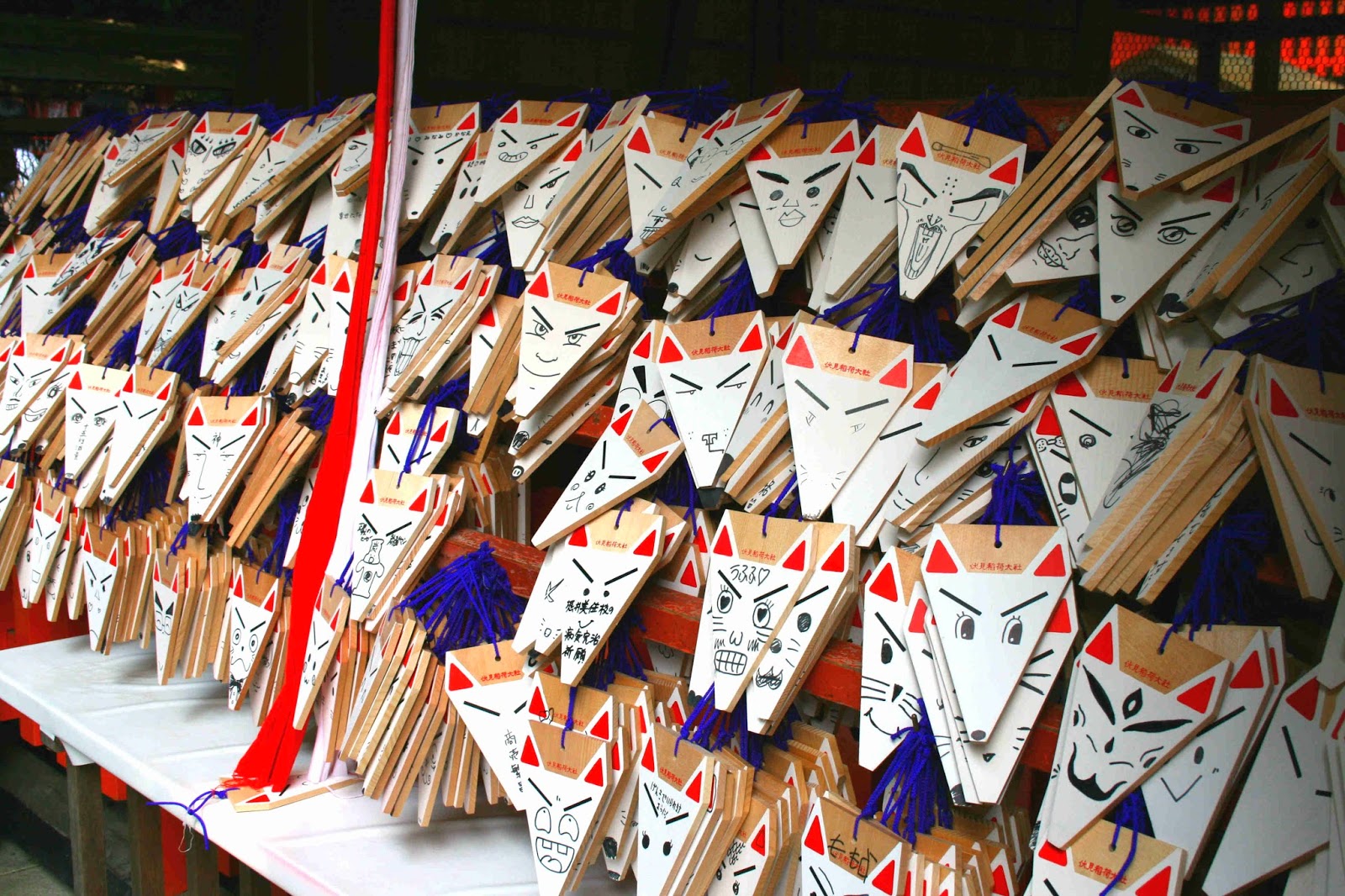
Before going on the hike there is a small shop. We bought some amulets there for good luck, health for my grandmother and one for a healthy baby for my cousin’s pregnant girlfriend. This is also the place where you can buy prayer votives to write your wish and hang there so your wish can come true. We saw them near the entrance of the temple with pictures of bunnies and temples, but these were even better because they looked like fox heads. And you can draw faces on them!

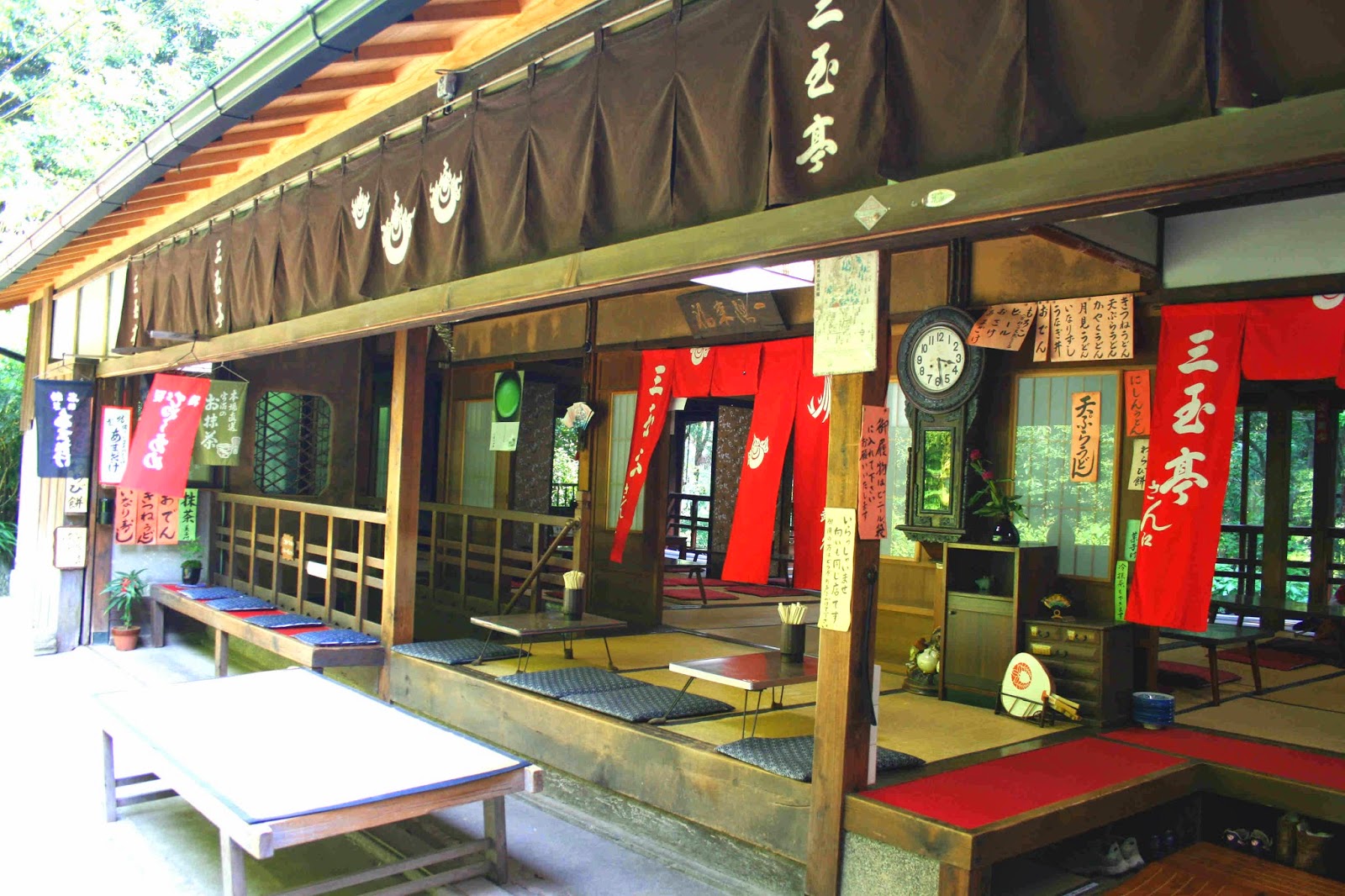
traditional restaurant on the mountain

refreshment!

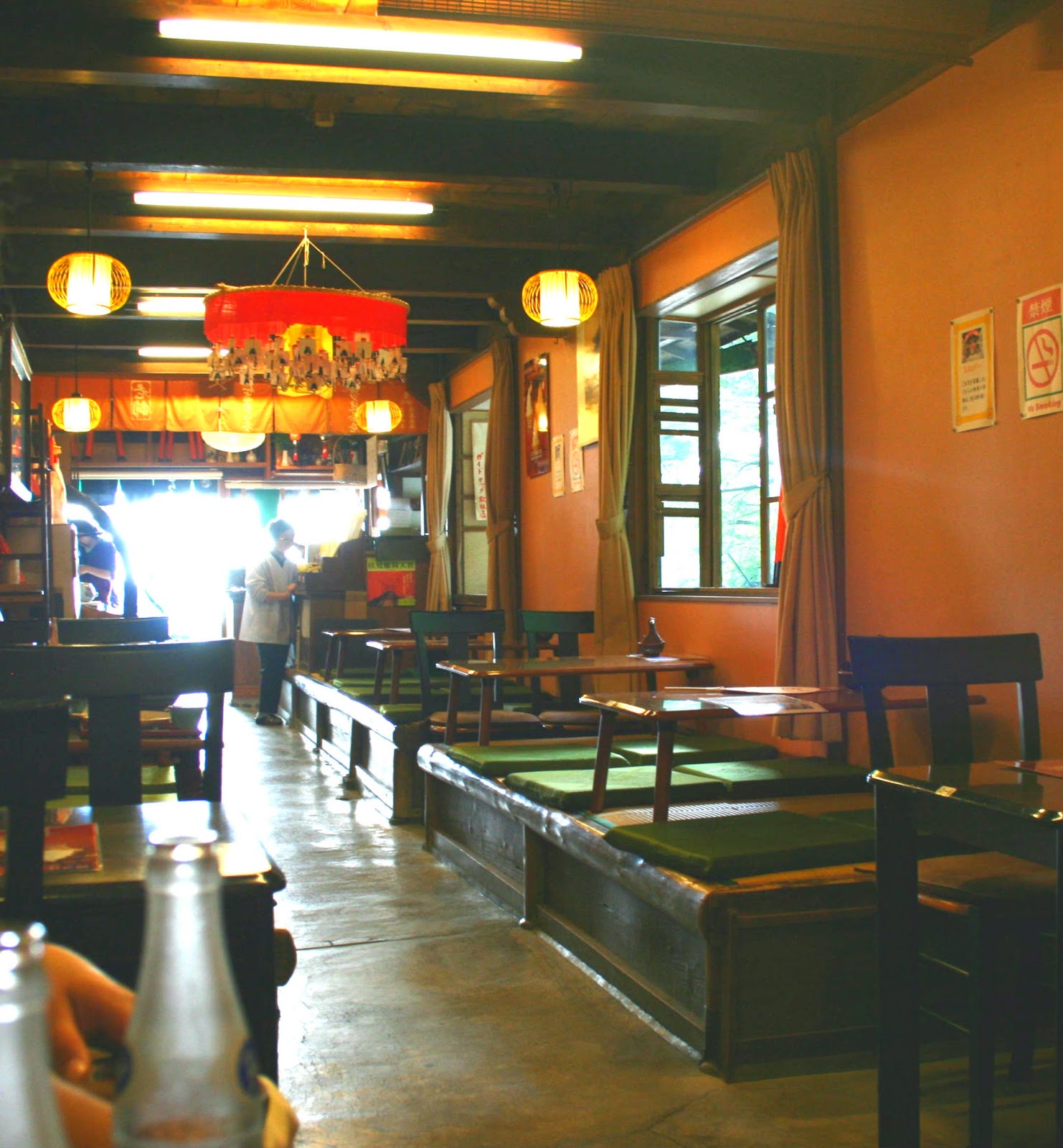
Inside the restaurant, you can sit in raised floors.

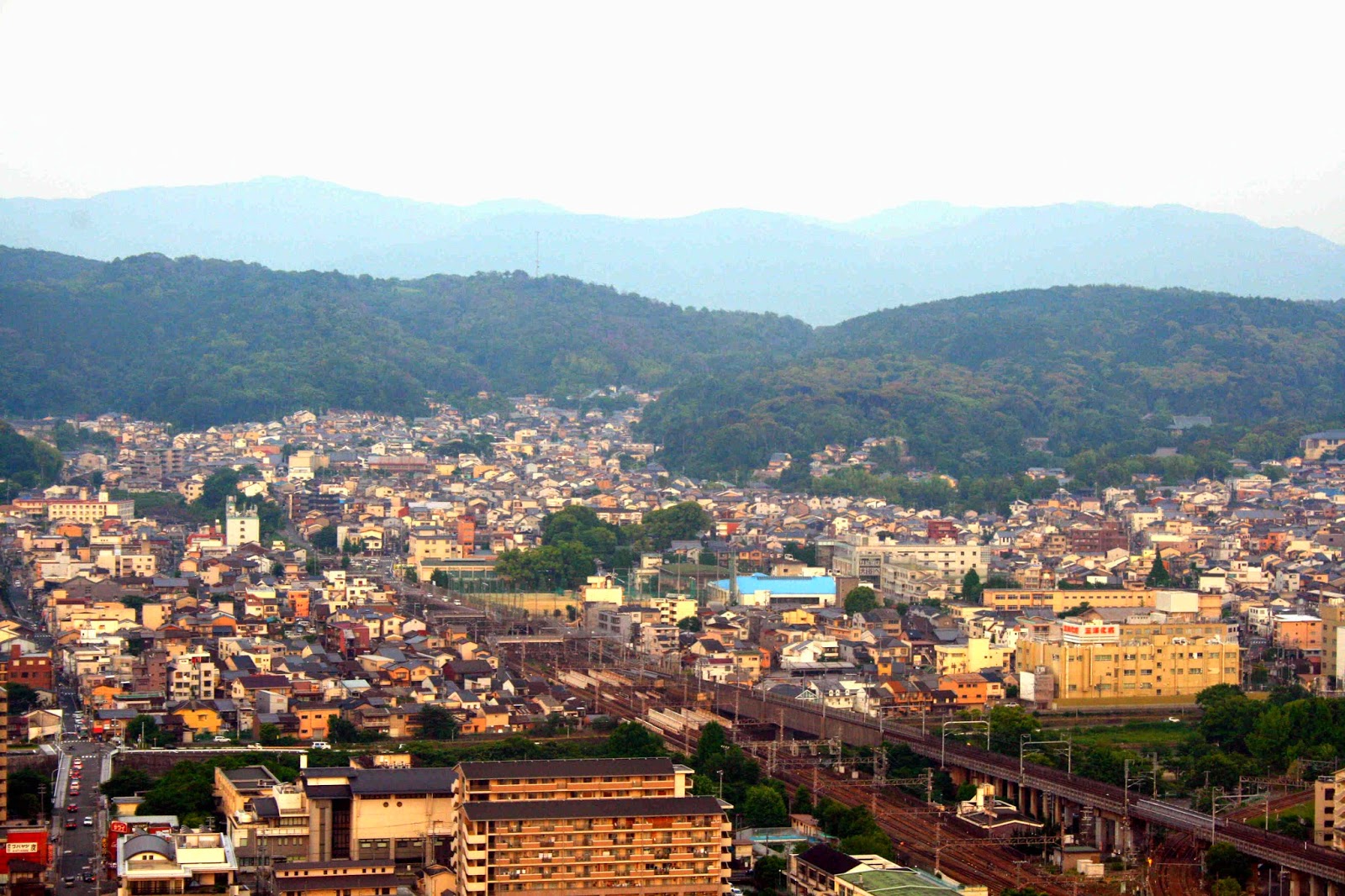
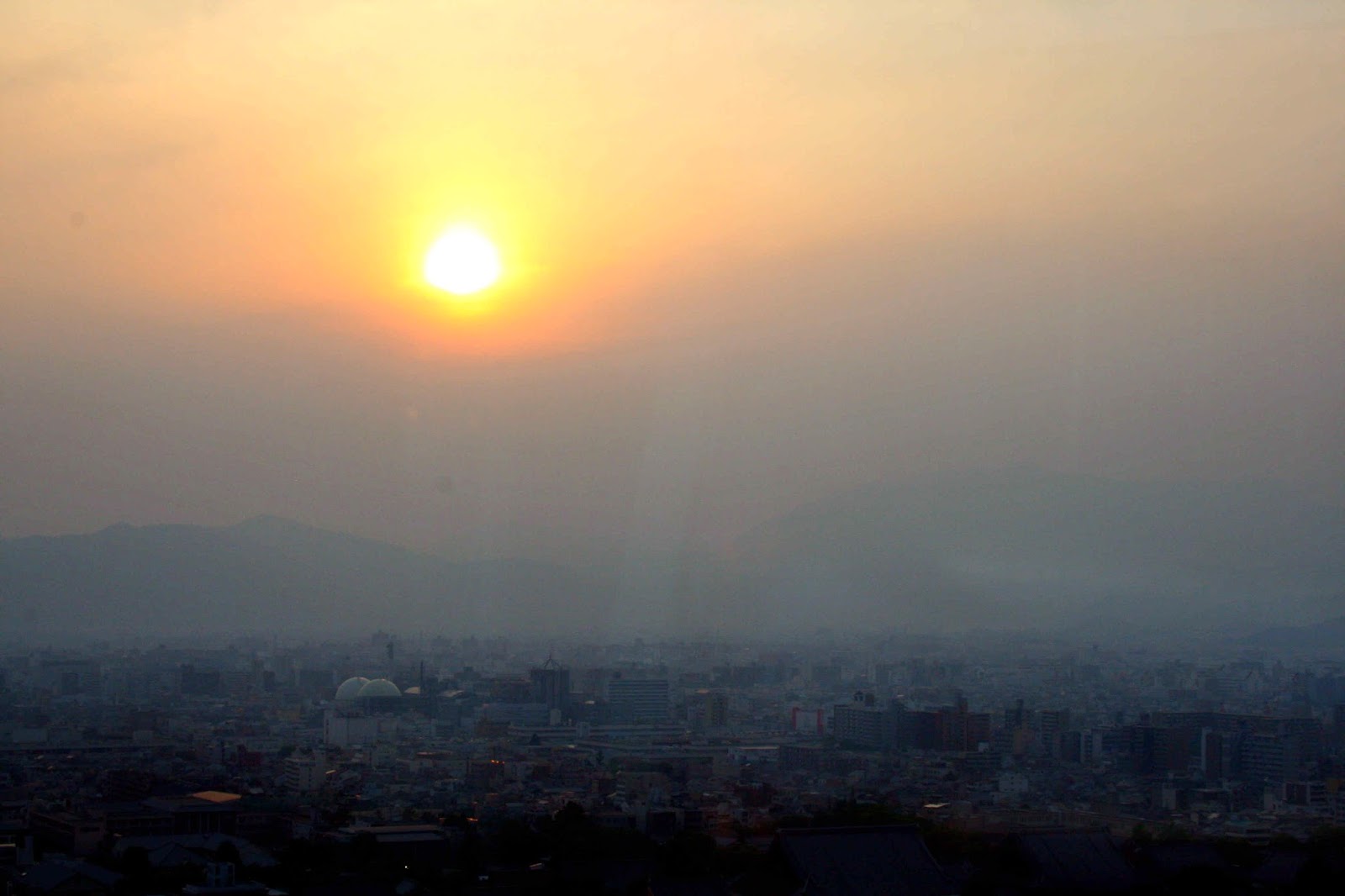
In the afternoon we returned to Kyoto. We thought it would be a nice time to visit Kyoto Tower to catch the sunset. There wasn’t much of a sunset to see because of the smog or clouds, but the view was good anyway. From the tower you can clearly see that Kyoto is surrounded by mountains. And in between the buildings and street you can see big patches of green which usually indicates a temple. There is also a restaurant in Kyoto Tower and we figured, why not dine fancy for once? But sadly the restaurant was closed. So we ended up at Sukiyaki, a cheap chain restaurants which serves good curry rice and gyudon for a low price. You get your meals so quickly there, I think it didn’t even take two minutes. So it was definitely not fancy, but budget friendly and easy. And we love curry a lot, so no problem!

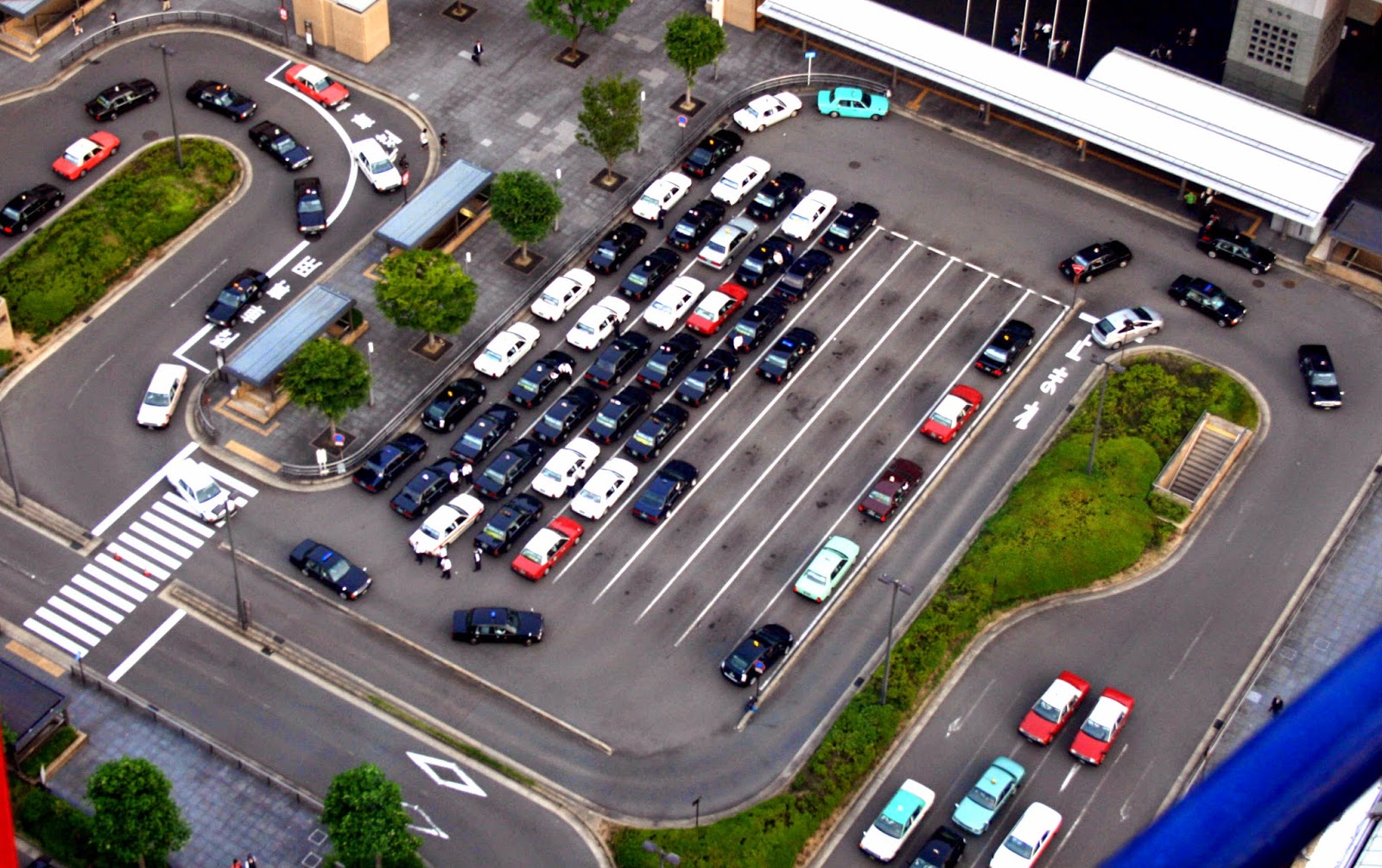
This reminded me of the snake game on old Nokia phones ;p Taxi Snake!

  • Kyoto station is huge
  • Torii are a typical Japanese sight, and in real life they are just as grand as you’d imagine
  • Fushimi Inari Taisha is a must visit!
  • And don’t miss out on the hike
  • There are several restaurants and vending machines along the way, so no need to worry about dehydration.
  • Make sure you stay hydrated though! Especially in the humid weather.
  • Japanese grandmas and grandpas are so fit. While we were sweating and puffing, they easily passed us during the hike
  • The Japanese use cute napkins to wipe their sweat. It’s a good idea to get one too if you sweat a lot in humid weather.
  • Kyoto Tower gives a nice overview of the city
  • It is also one of the view tall buildings in Kyoto. There are not many tall buildings in Kyoto to preserve the traditional city scape and views of the city. There are actually many restrictions and different kind of zones when it comes to building in Japan, but I won’t bore you with that now 🙂
  • Go to Sukiya, Yoshinoya or Matsuya for fast and cheap food.
  • Curry in Japan is very mild