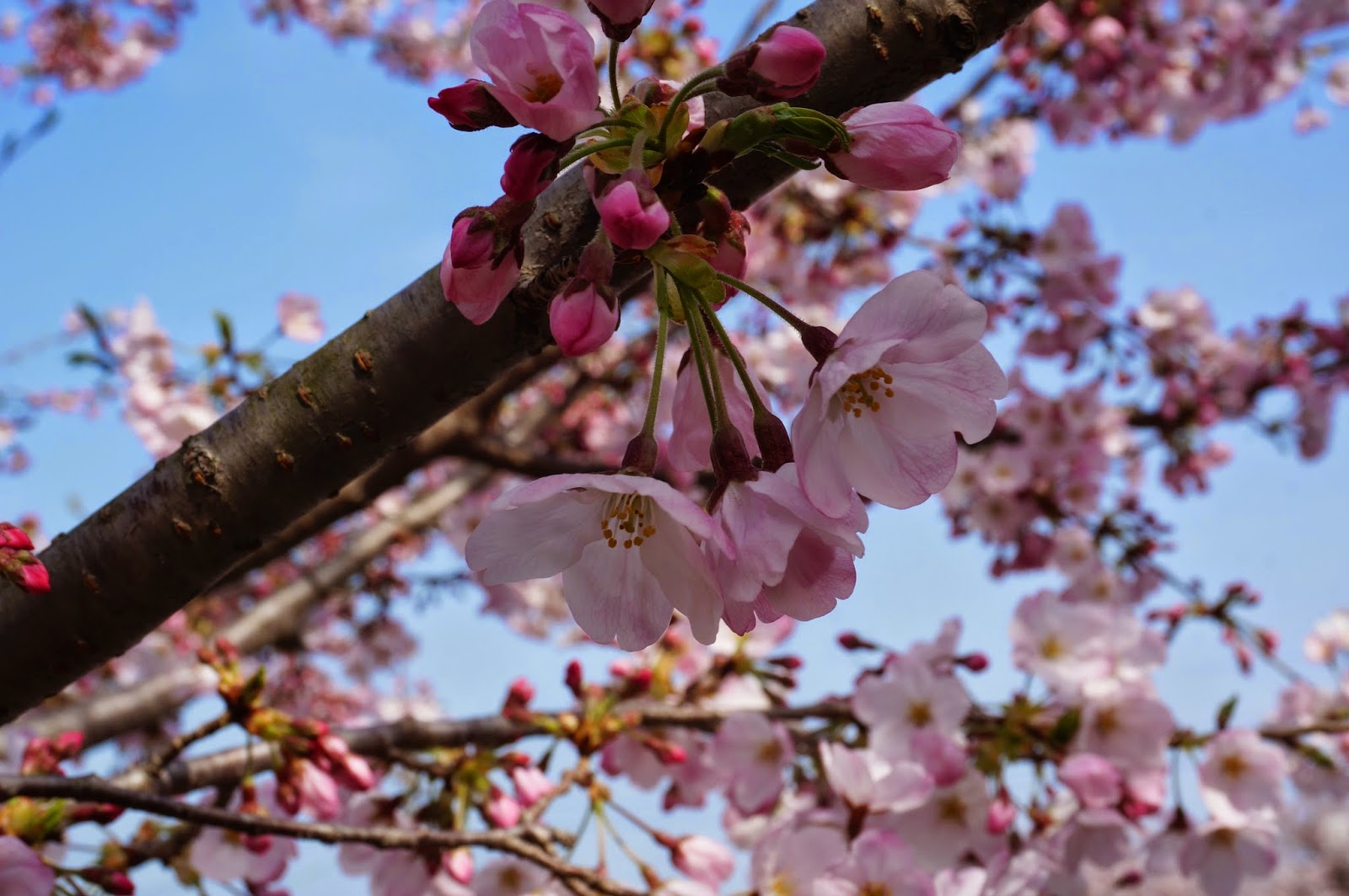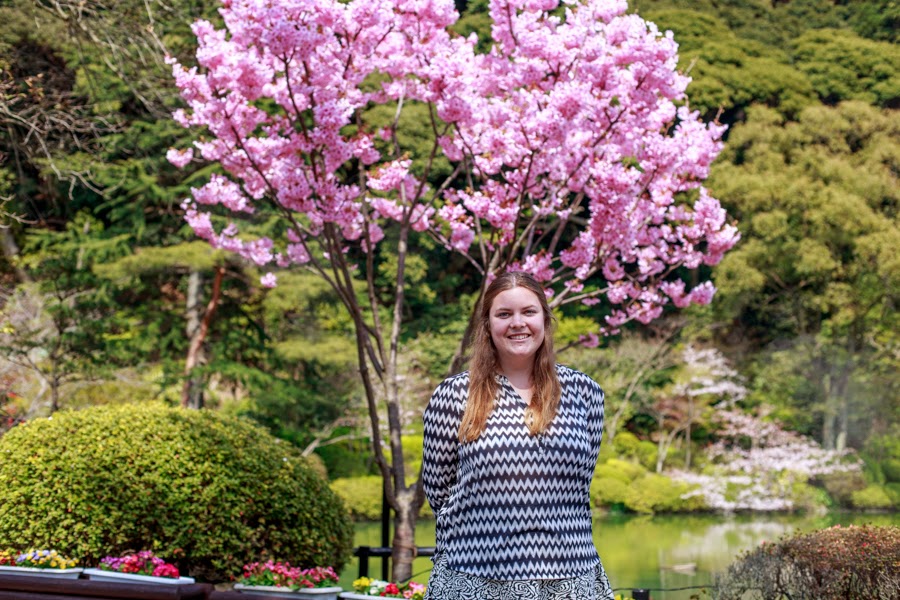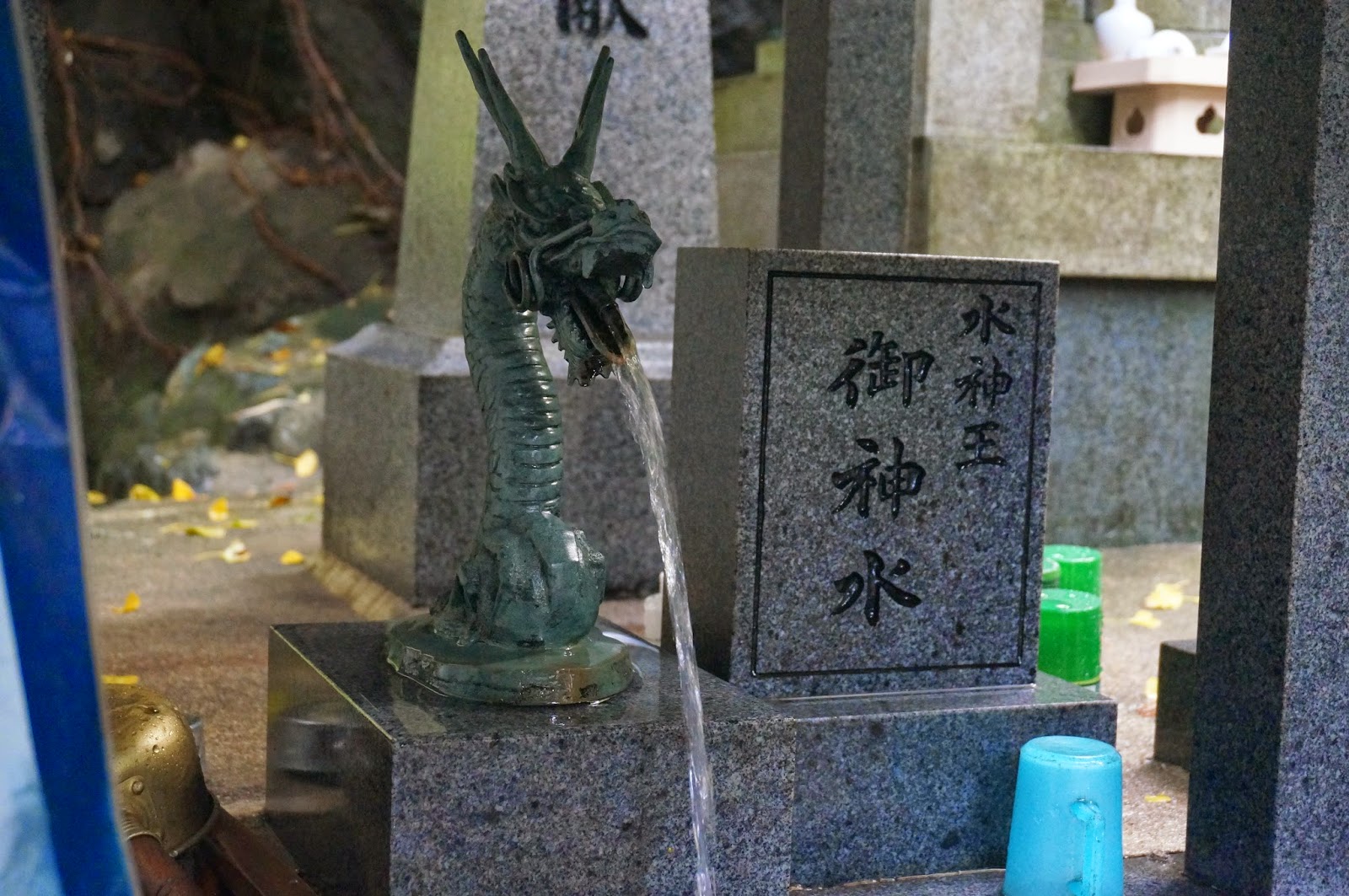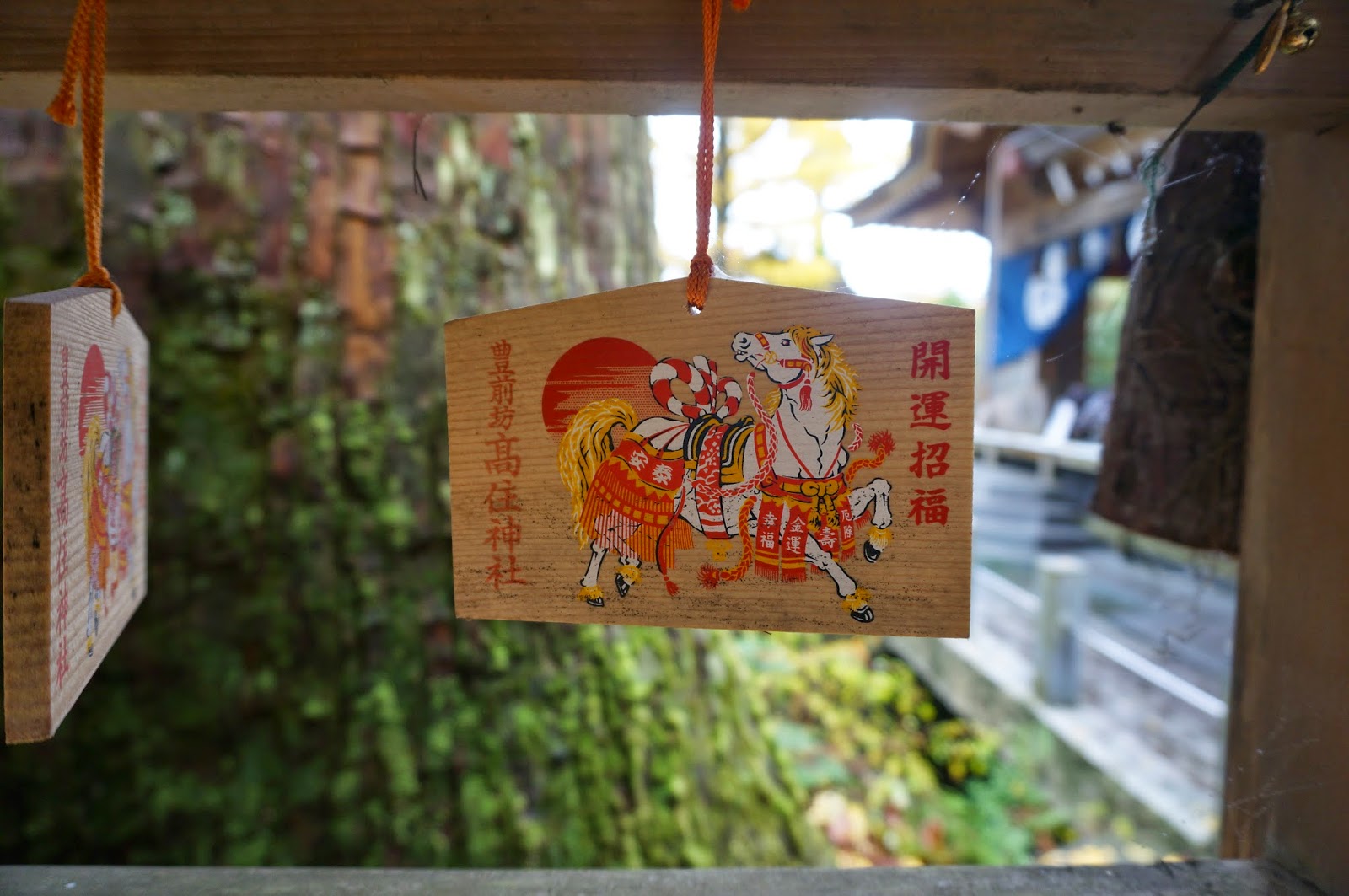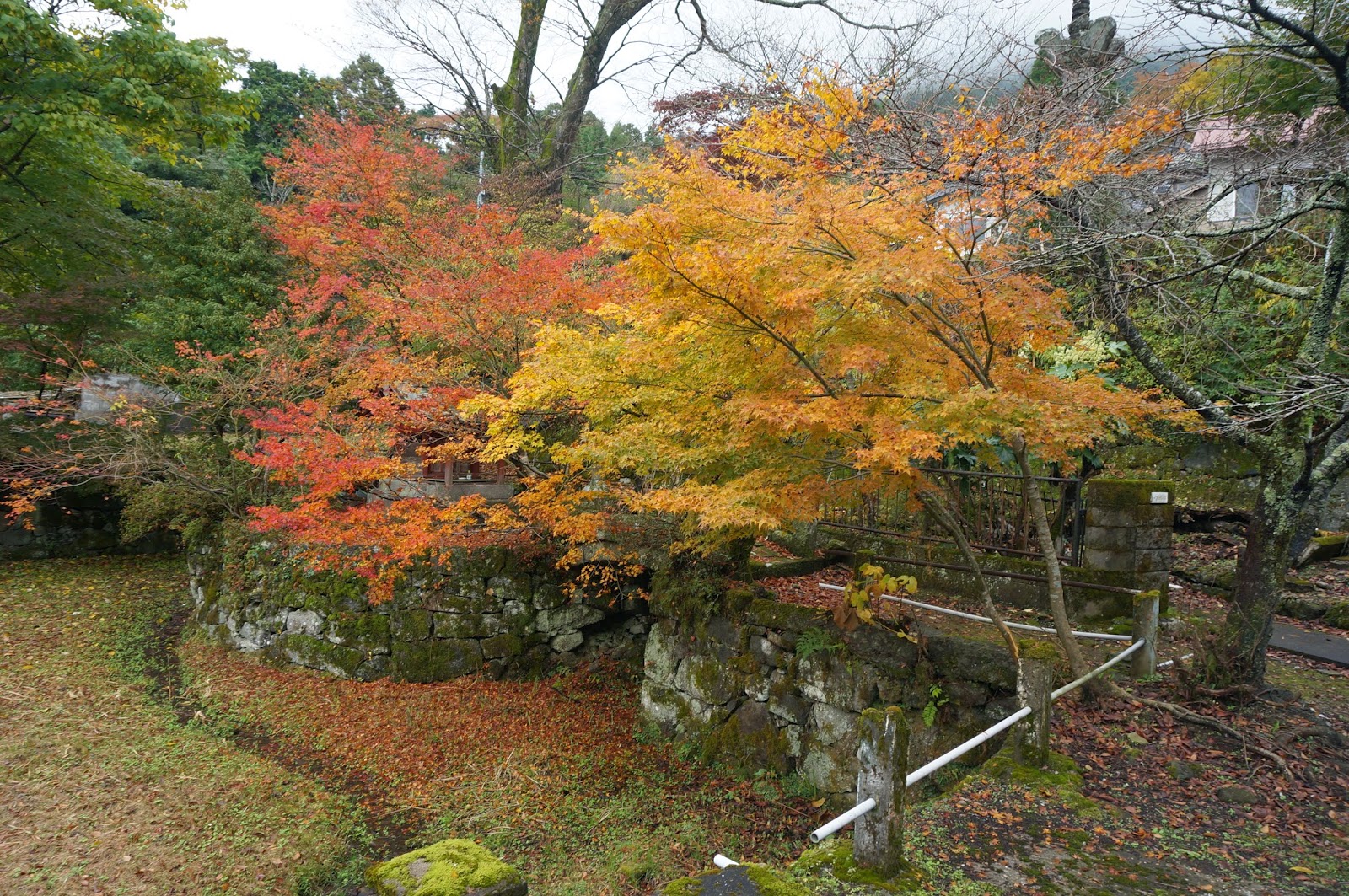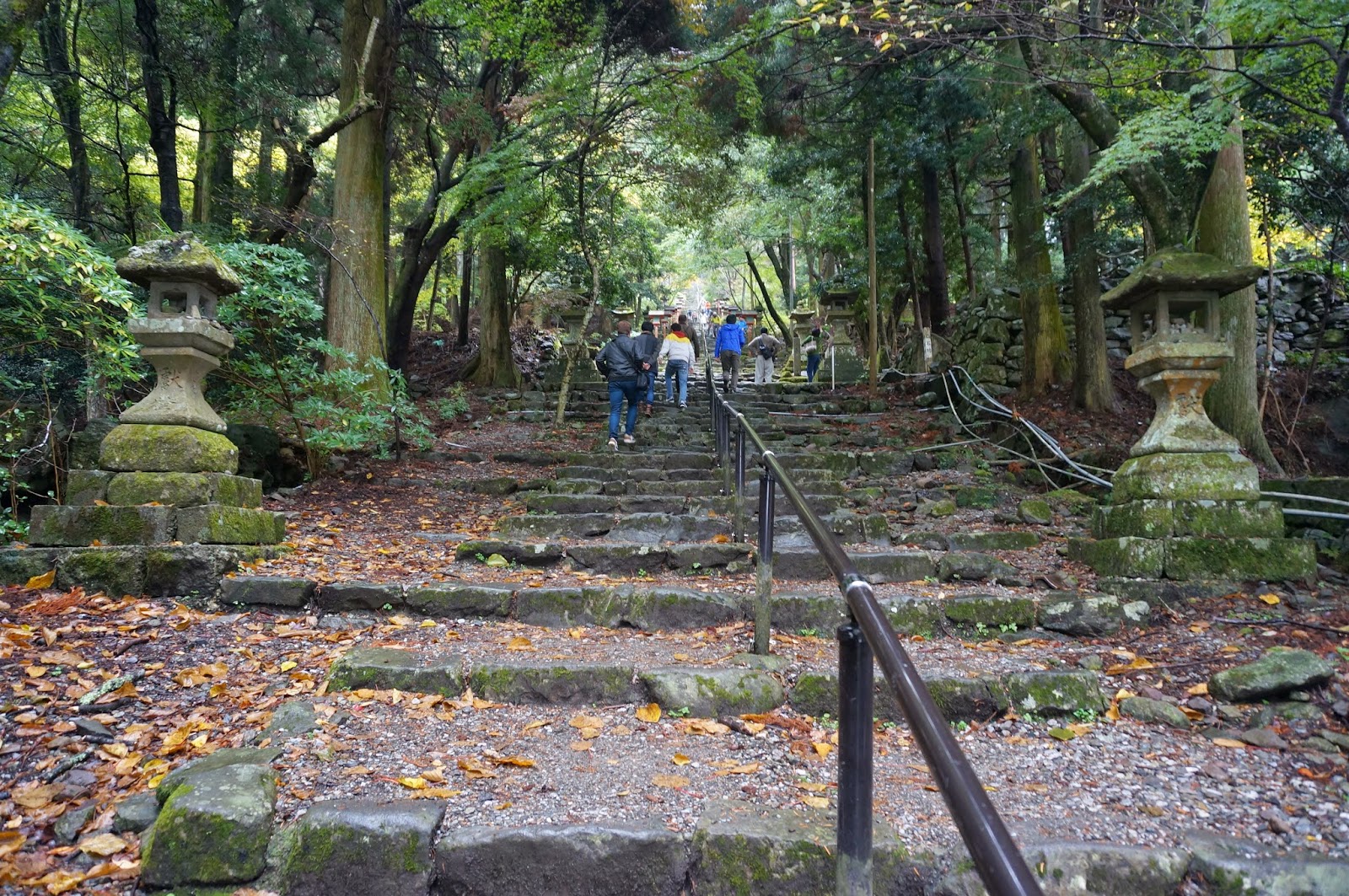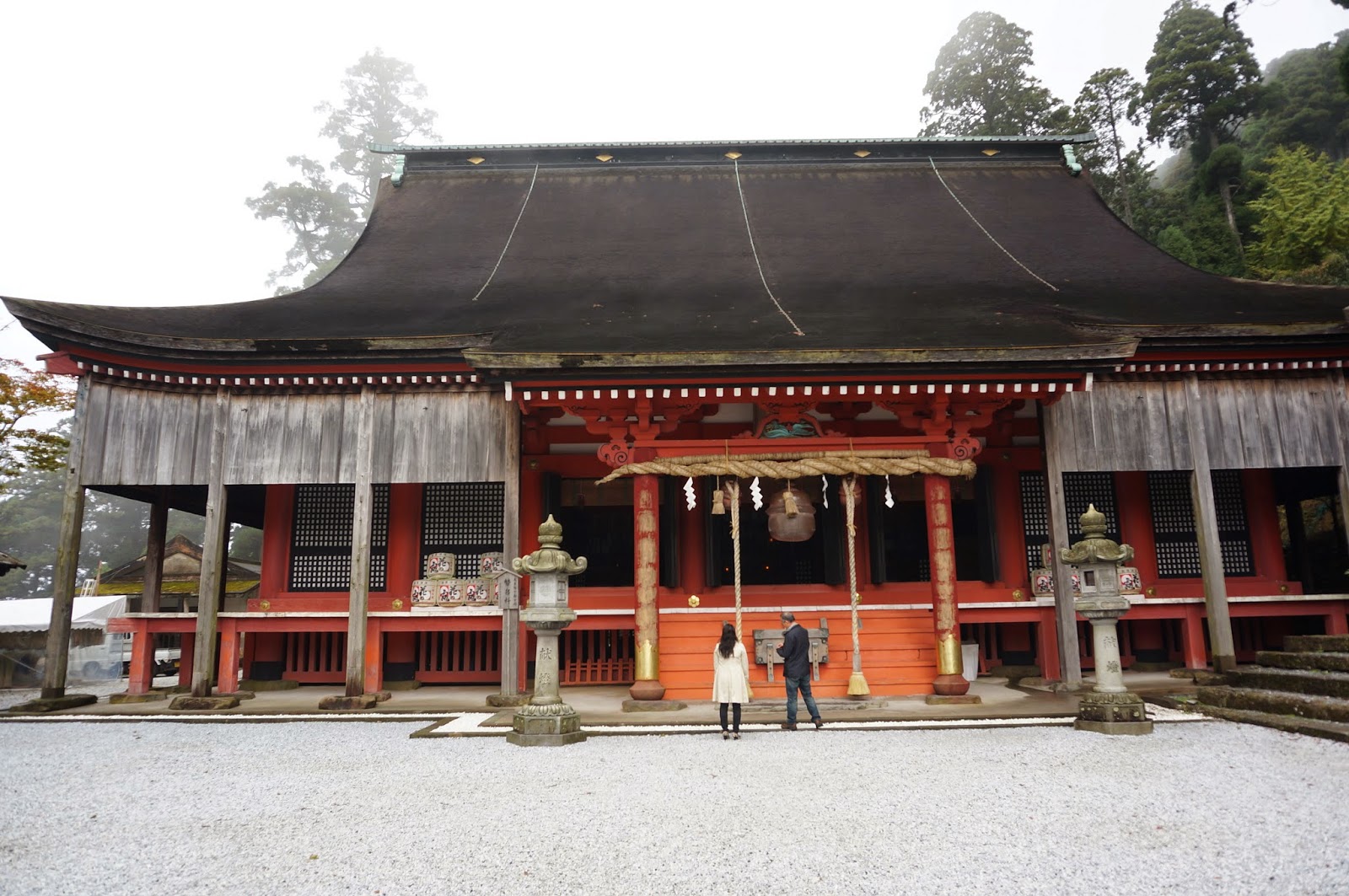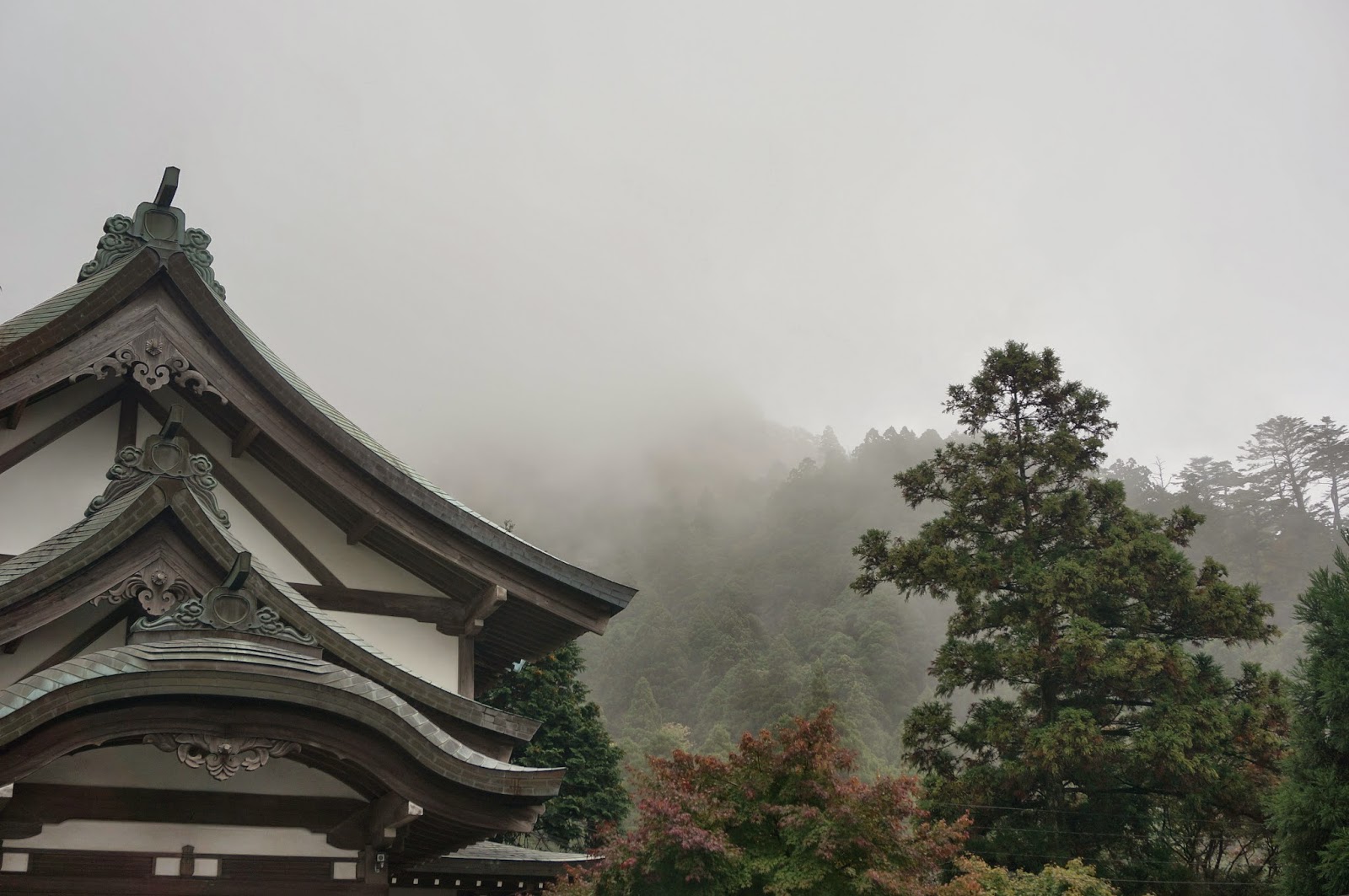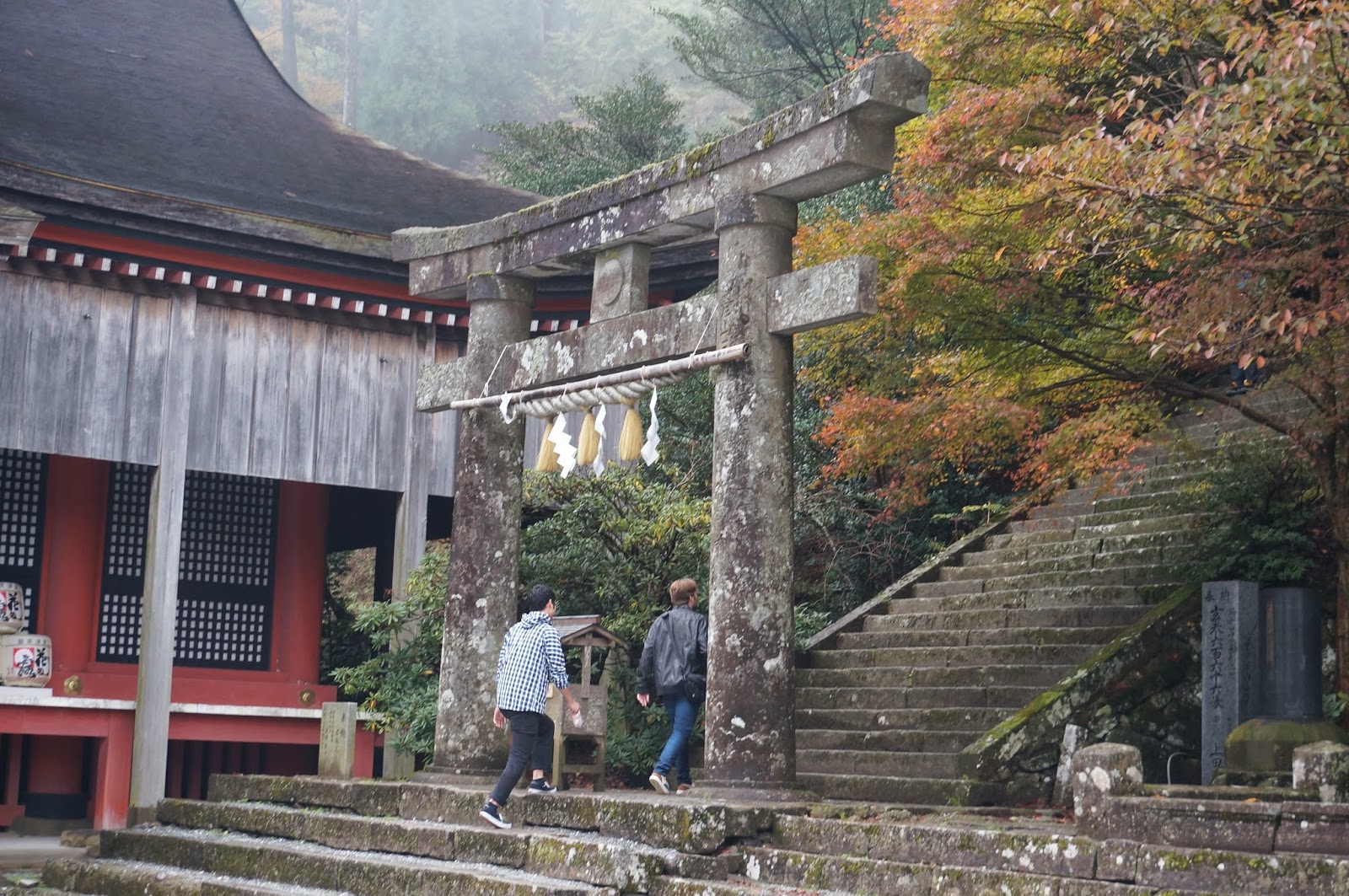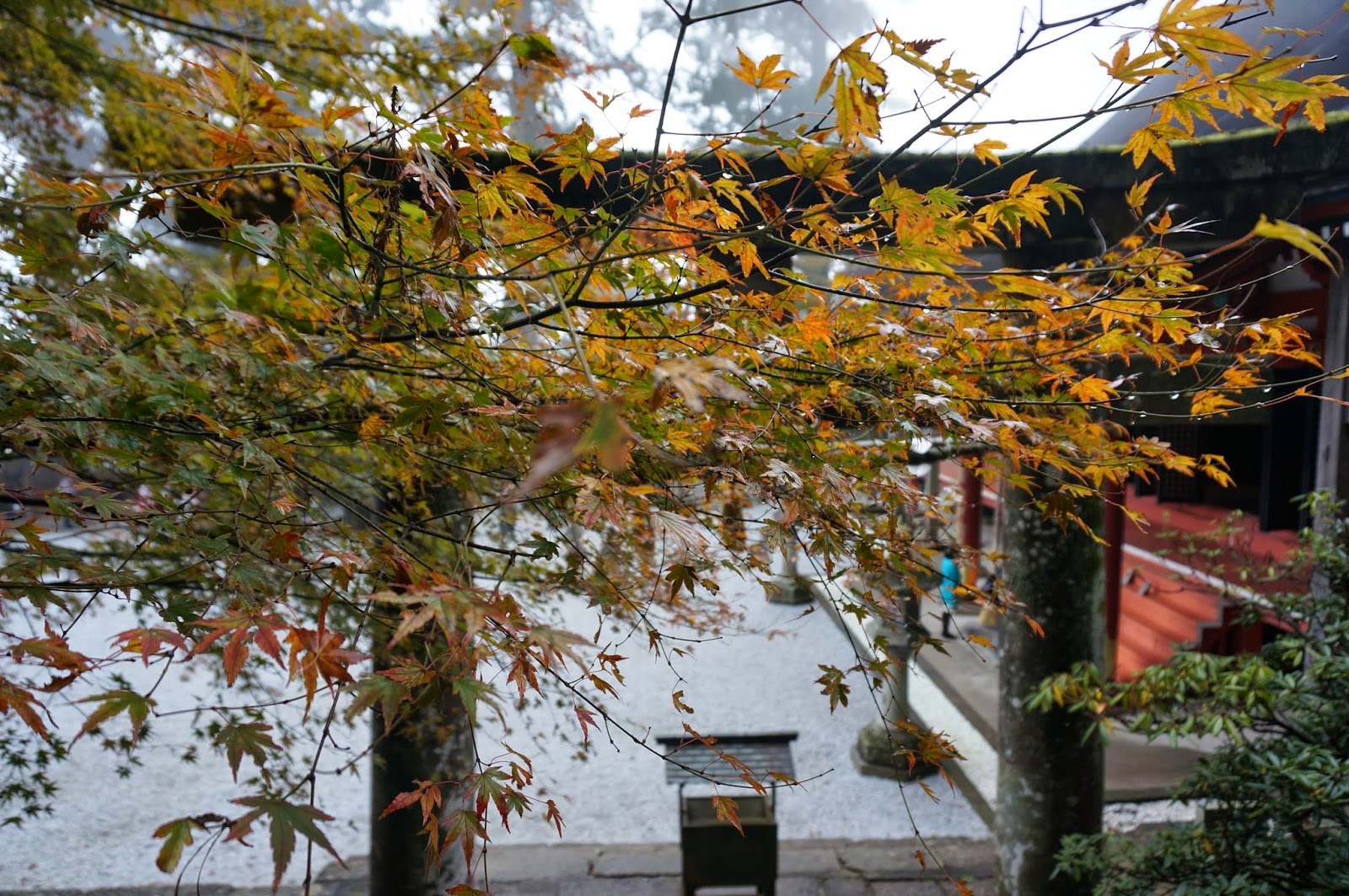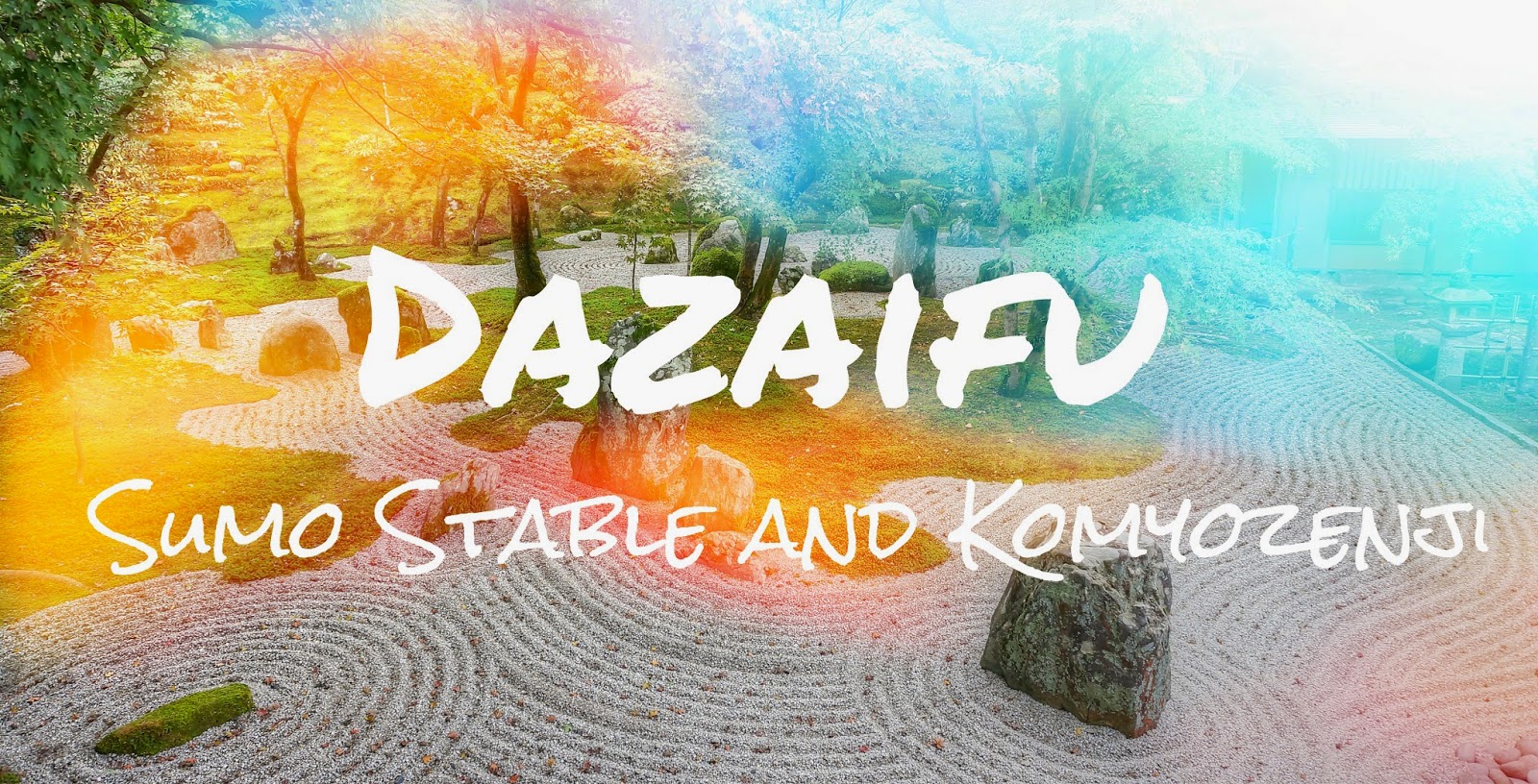
Friendly Fukuoka – Dazaifu Tenmangu, Sumo Stable and Komyozenji

I was having a small spring cleaning last week and when I went through all my documents and leaflets I came across leaflets about the Dazaifu Tenmangu shrine. I took a look at them and realized I didn’t even write a post about our trip there yet. So I will obviously be making a change to that today! Forgetful as I am I forgot my camera’s memory card so until my friend lent me hers I couldn’t take any photos of the first part of the trip. I will go back soon to make more photos though because I found a part-time job near the shrine and go there once a week now.
All credit to Leonemoff

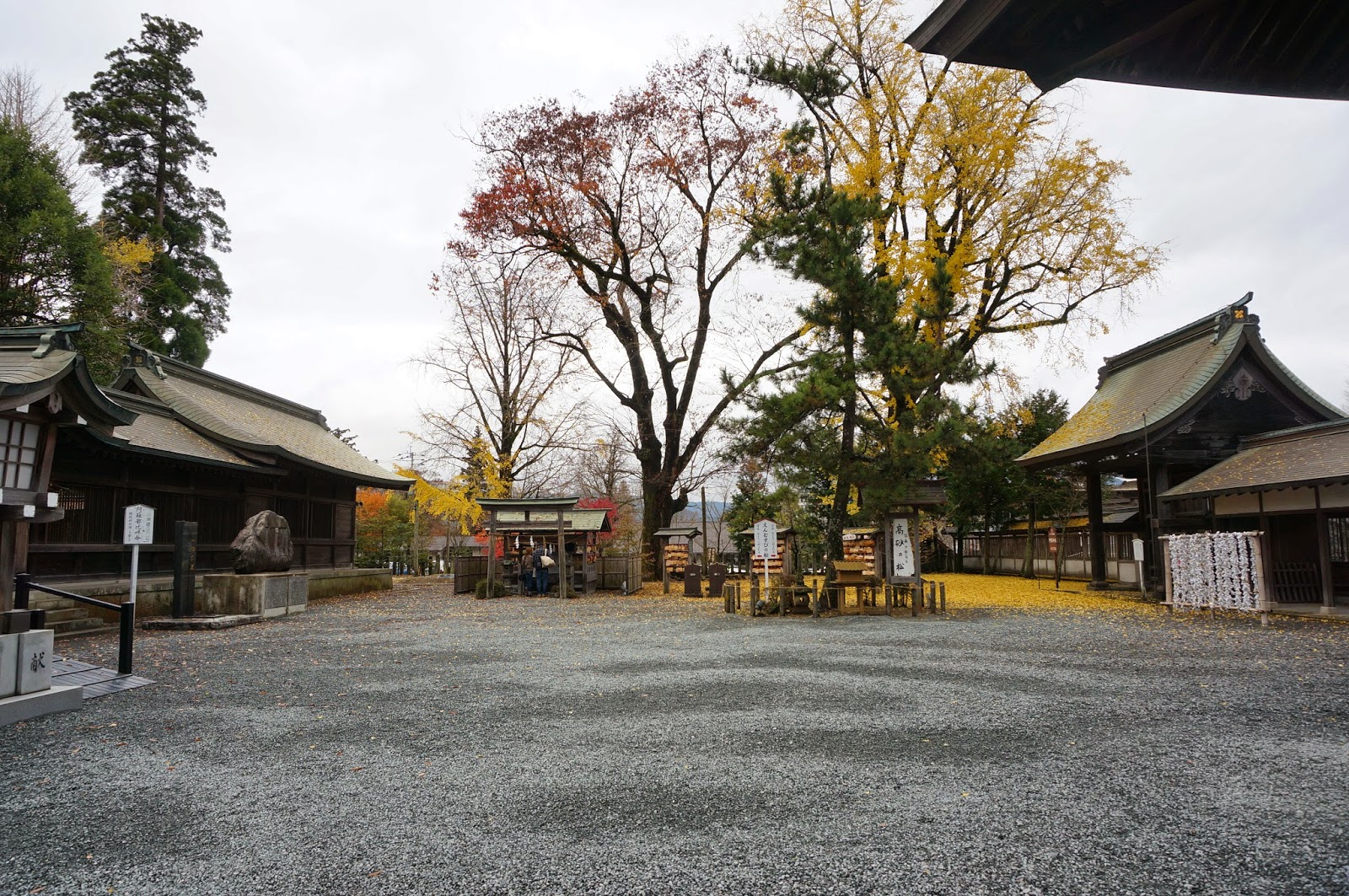
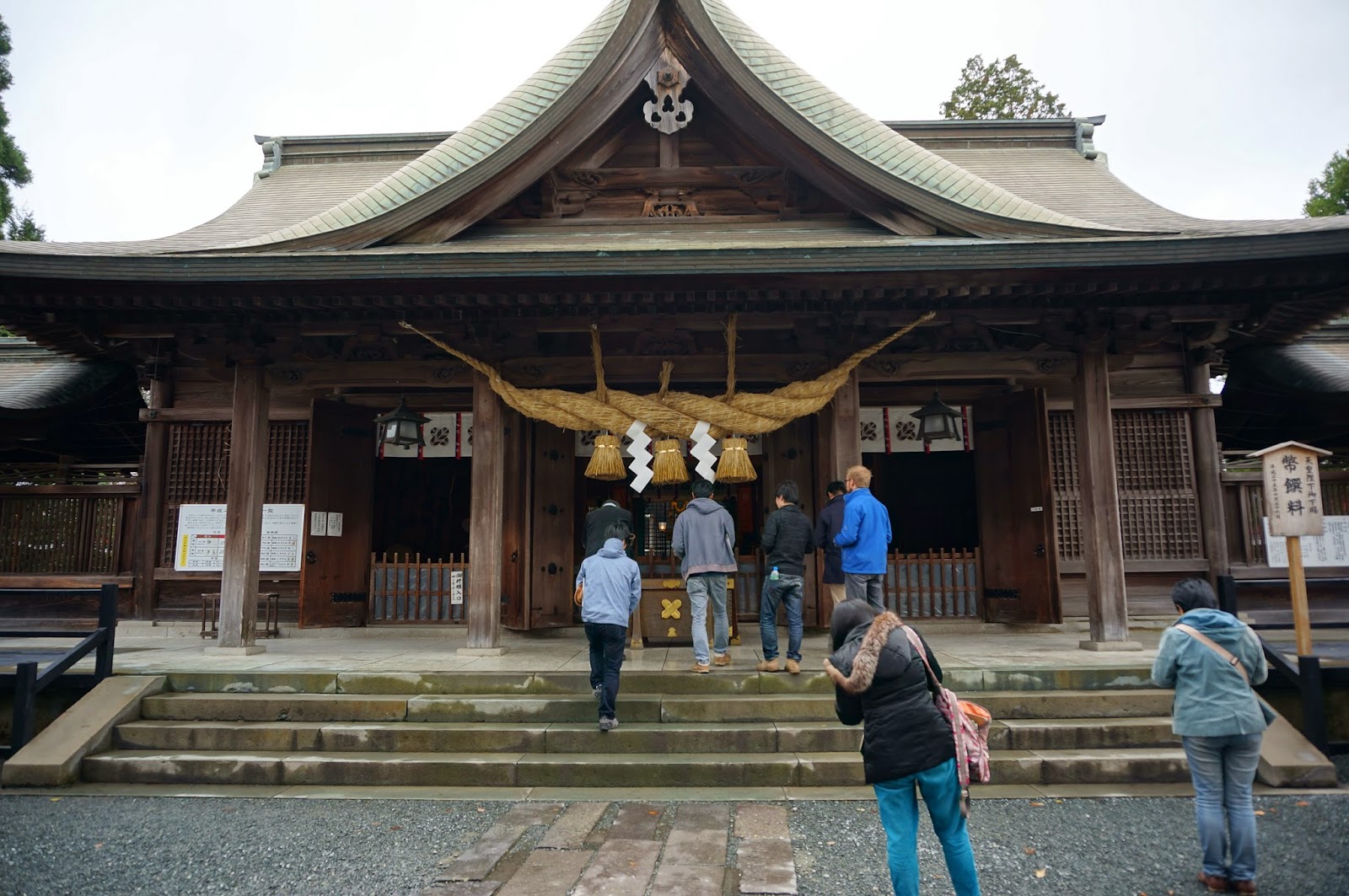
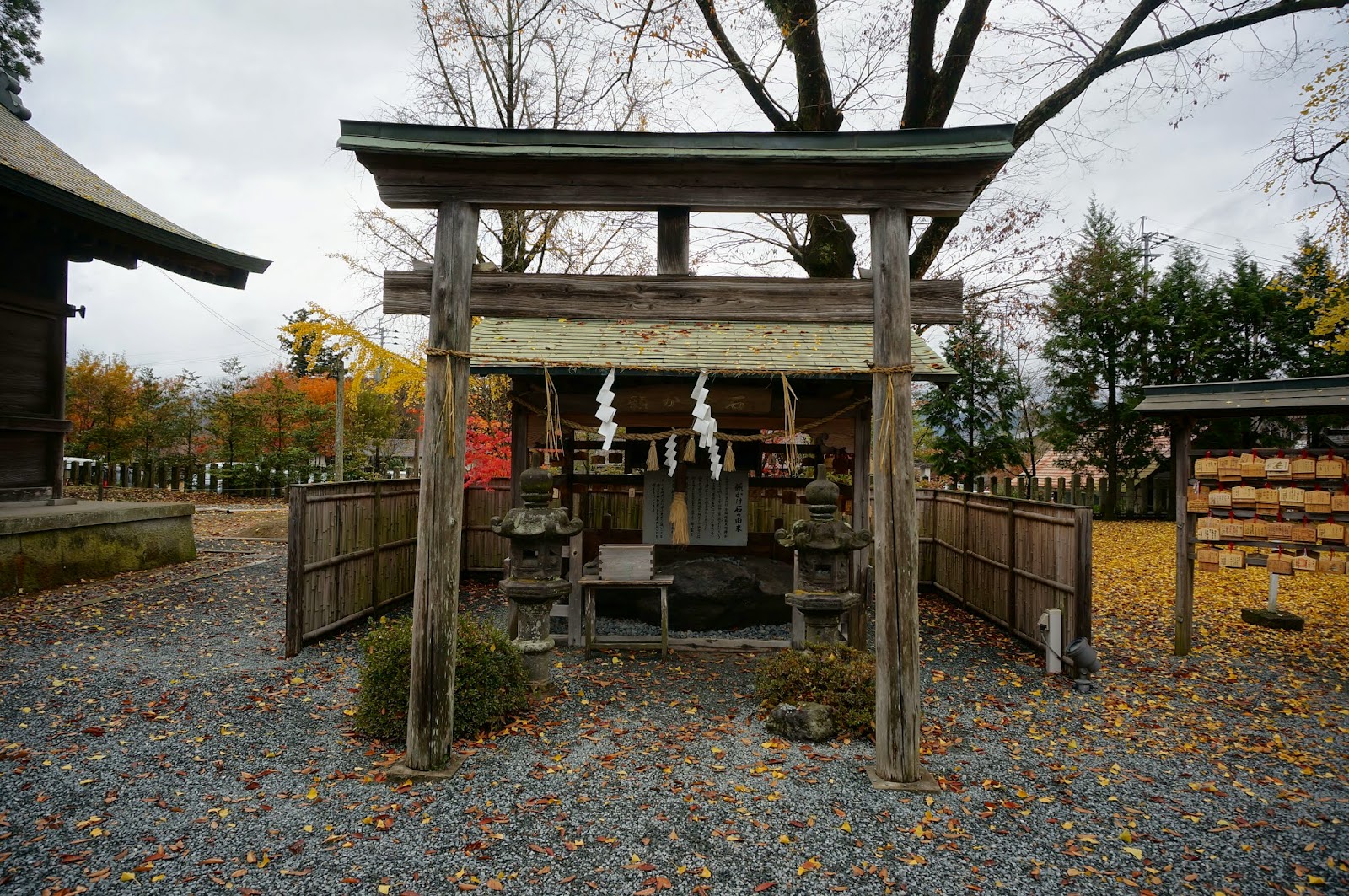
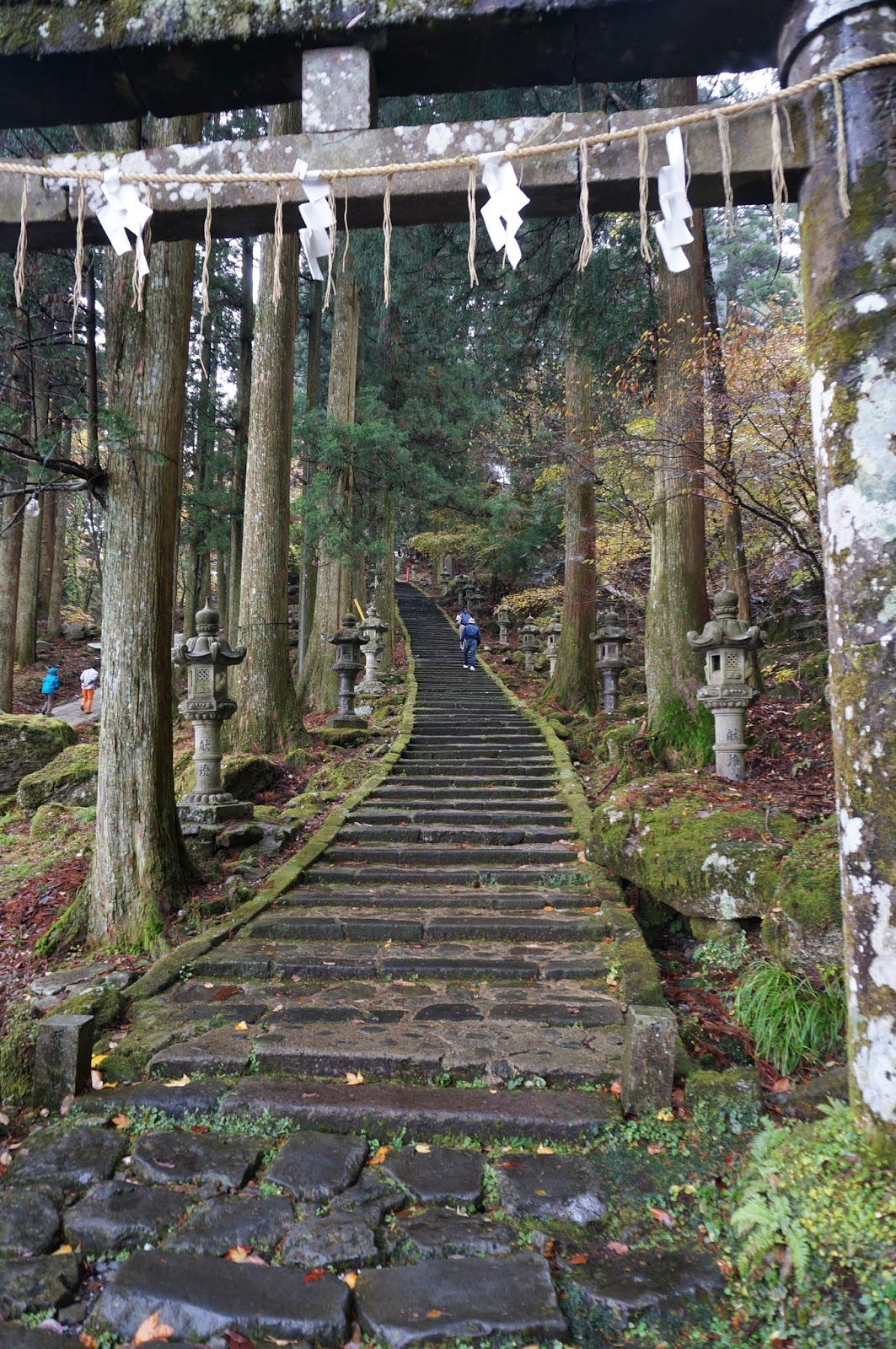
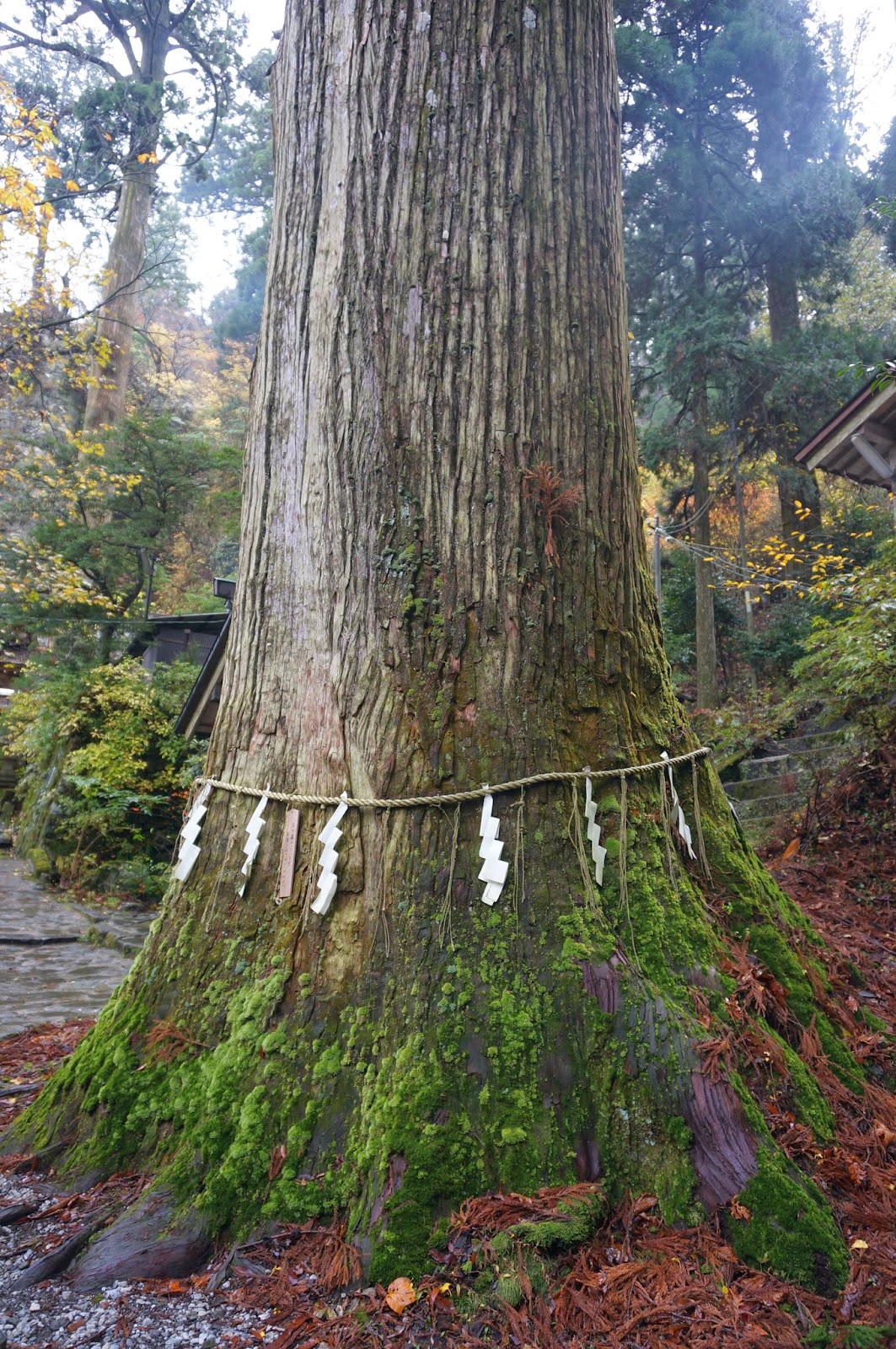
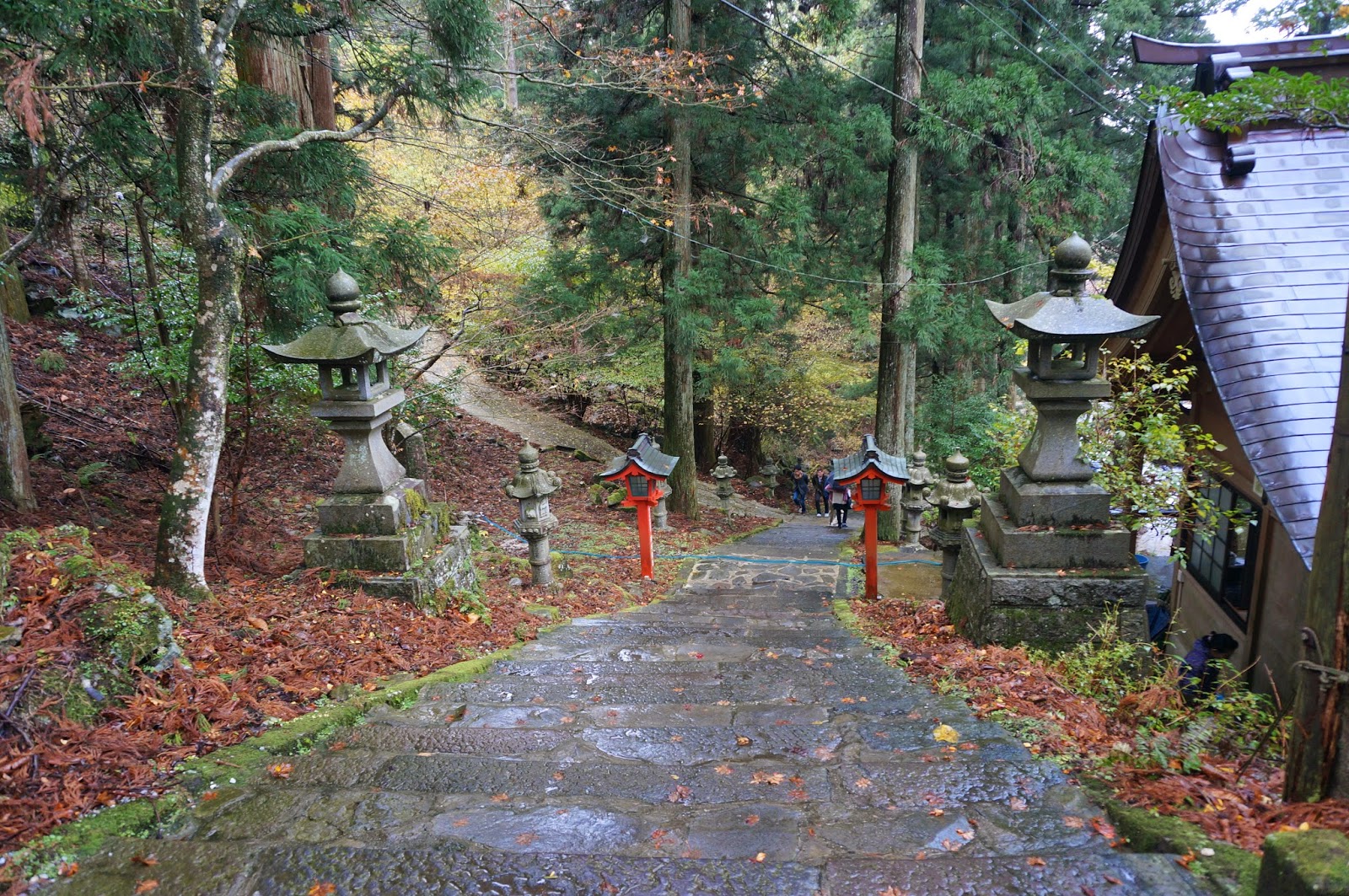
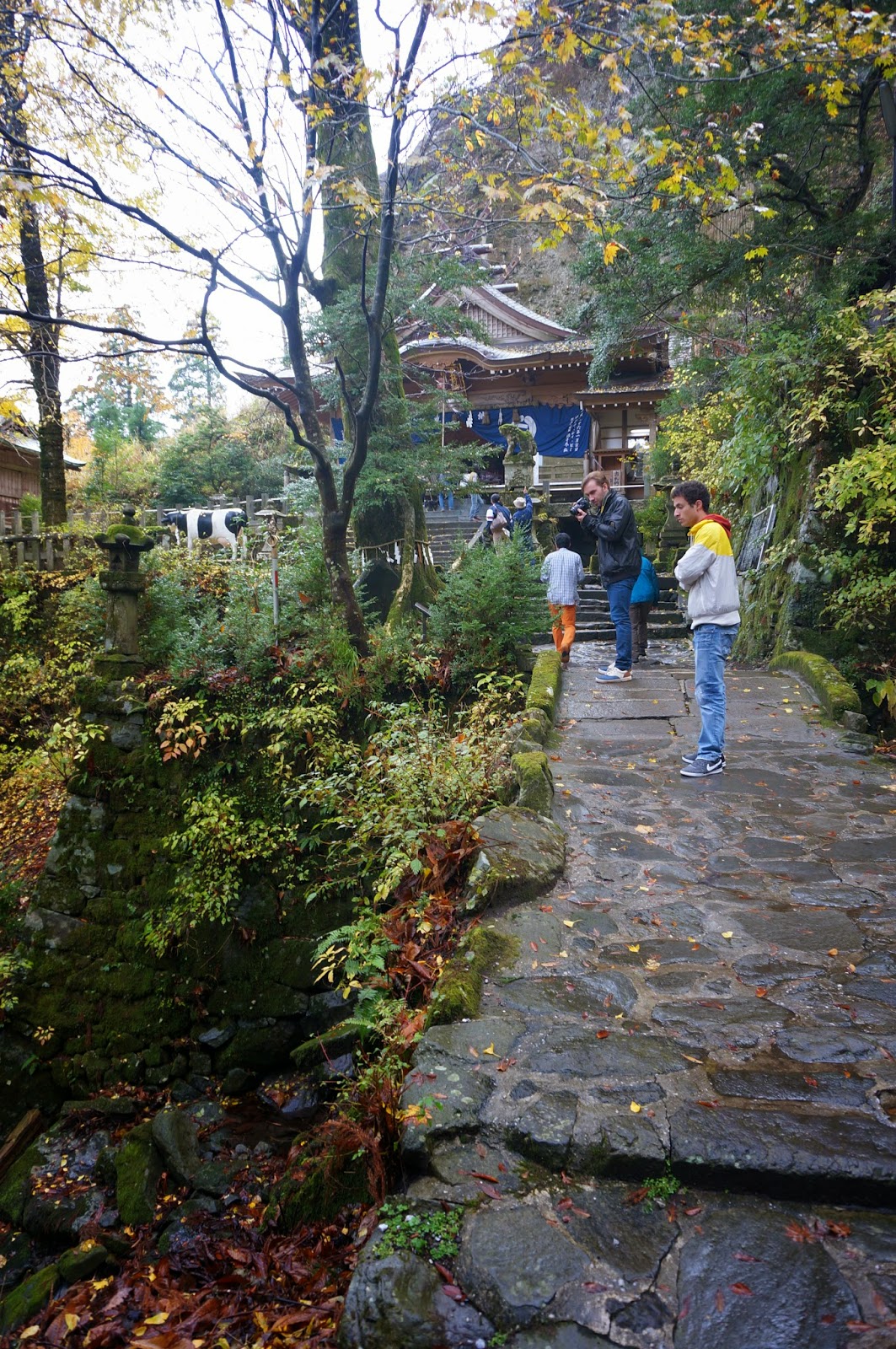
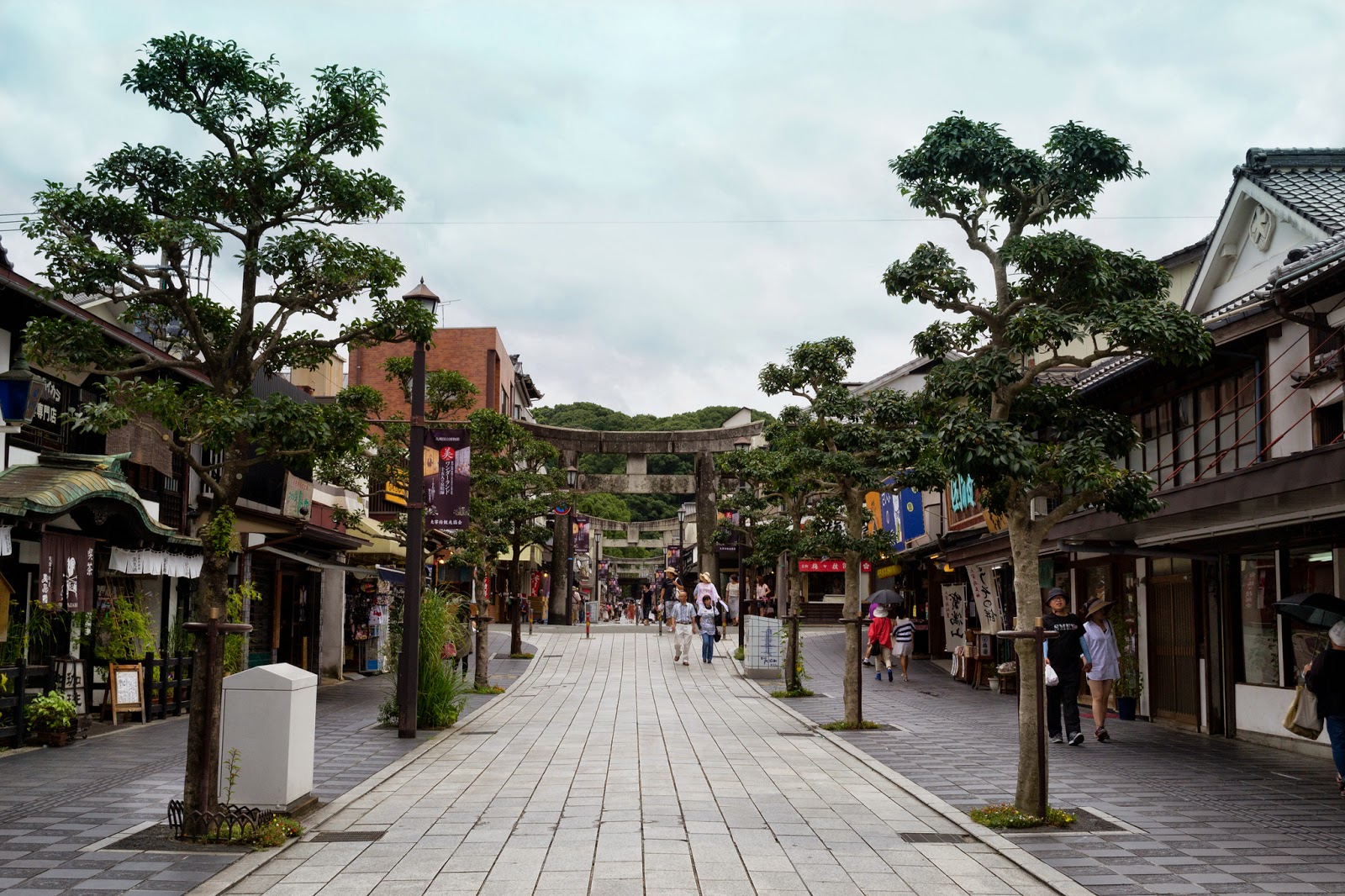
I have mentioned Dazaifu shrine a few times before because it is a very big and famous shrine near Fukuoka city and it is one of the most famous touristic sightseeing sights in the area. It is especially beautiful in February when the plum blossoms are blooming. There are more than a thousand of these trees at Dazaifu so it is supposed to be very nice. I haven’t personally been there in February but I did go to its slightly smaller brother in Kyoto called Kitano Tenmangu and I can vouch for the incredible beauty of the plum blossom (I even prefer it to cherry blossoms now).
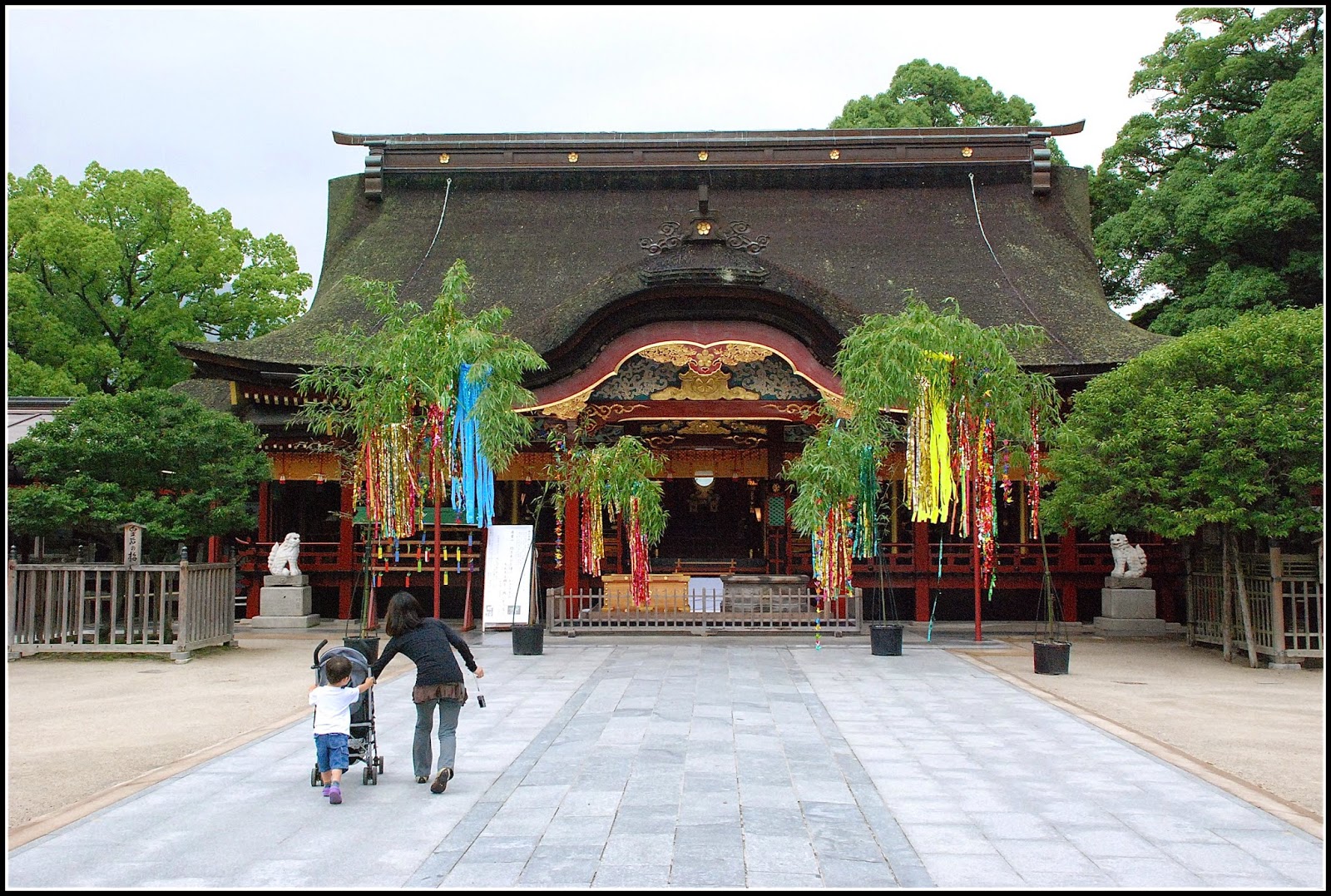
All credit to CTG/SF

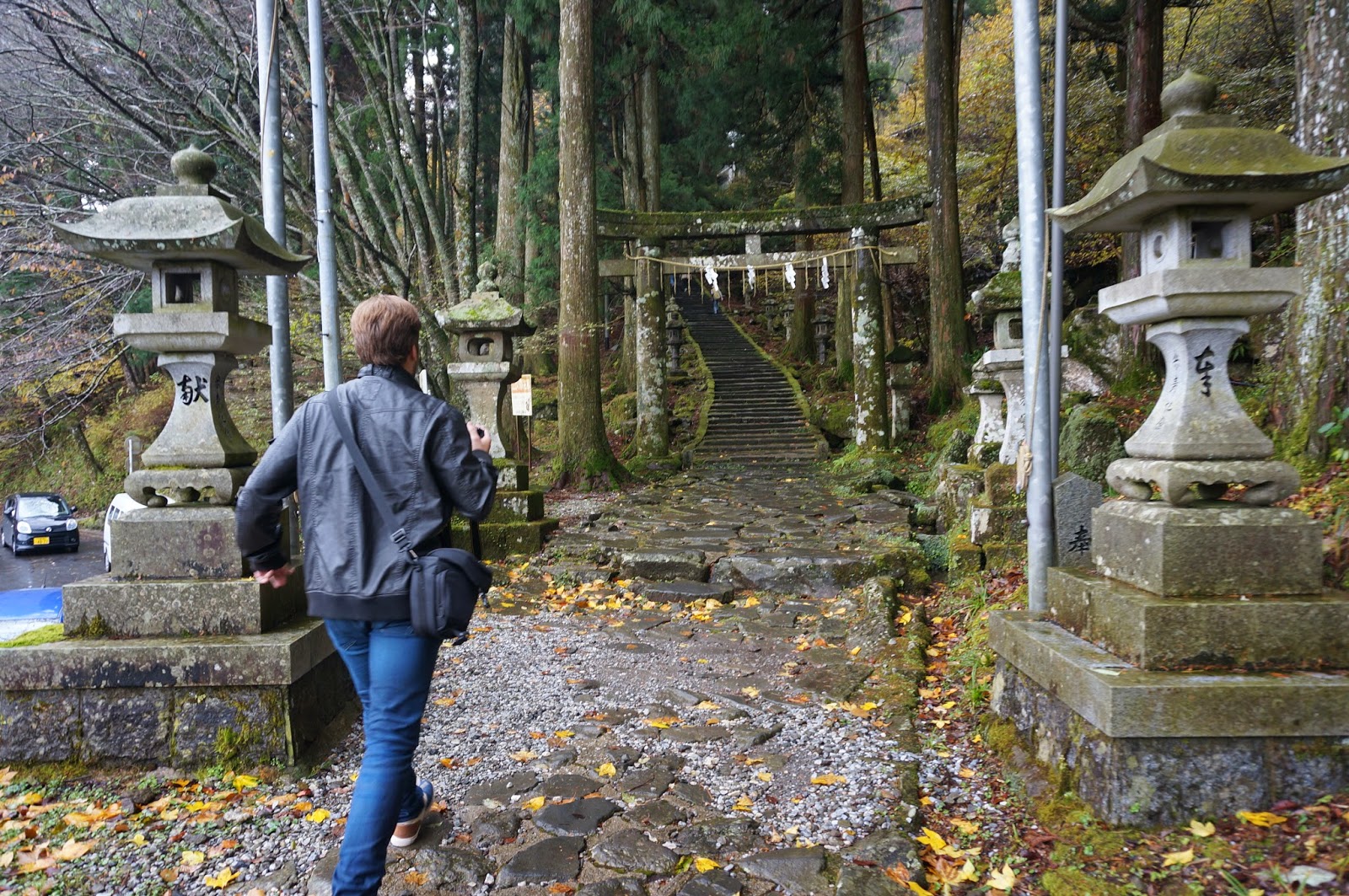
Dazaifu Tenmangu is a shrine established in the 7th century after the death of Suguwara no Michizane. Michizane was born in Kyoto into a family of scholars loyal to the emperor. He made it as Minister of Right of the emperor, one of the highest political positions at the royal house. But with the fall of the emperor and the strategic maneuverings of his rival he was demoted to a minor post in Dazaifu and exiled from Kyoto. After he was exiled and died in Dazaifu, the imperial court was struck by a series of disasters and the young emperor passed away. Because of this the imperial decided to build a shrine dedicated to Michizane to calm his vengeful spirit. This is the Kitano Tenmangu shrine I mentioned above. Another shrine was built where his remains lay, which is the Dazaifu Tenmangu shrine.
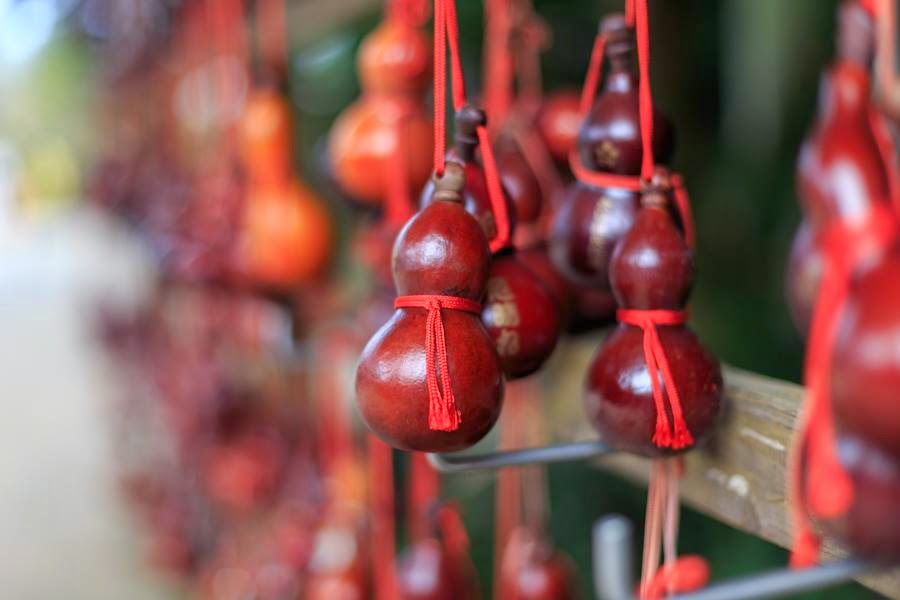
By Kim

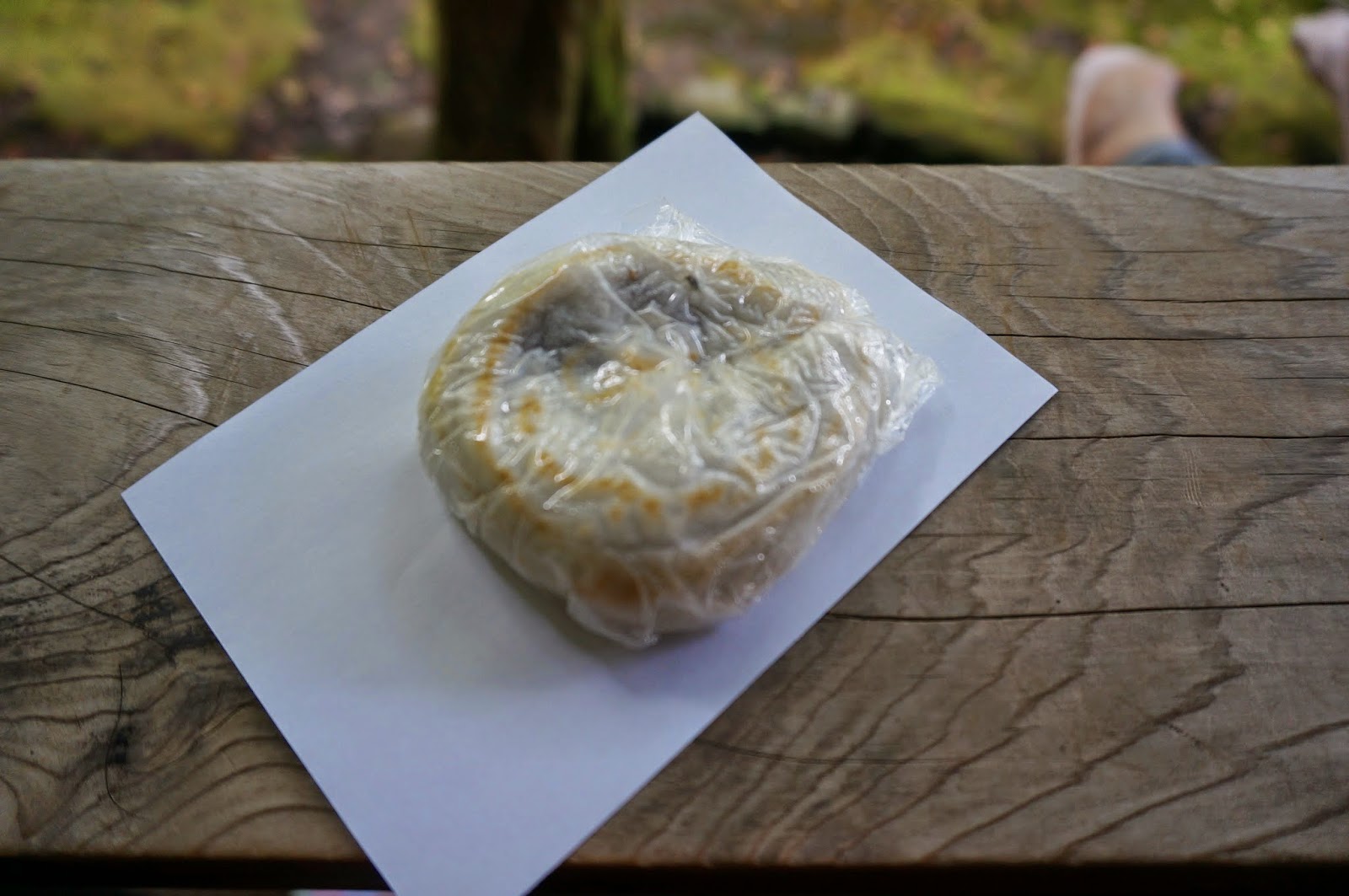
Must try snack; Umegae Mochi

Michizane was not only a politician and scholar, but he was an excellent poet as well. Here is a beautiful poem that shows his passion for plum blossoms:

When the east wind blows, flourish in full bloom, you, plum blossoms! Even though you lose your master, don’t be oblivious to spring.

The Dazaifu shrine is not only famous for its connections with Michizane, there is also an unexpected connection with sumo. Hidden behind the shrine is a sumo stable! In Fukuoka there is a big official sumo tournament in November so you can take a look at the sumo wrestlers practicing from the beginning of November.
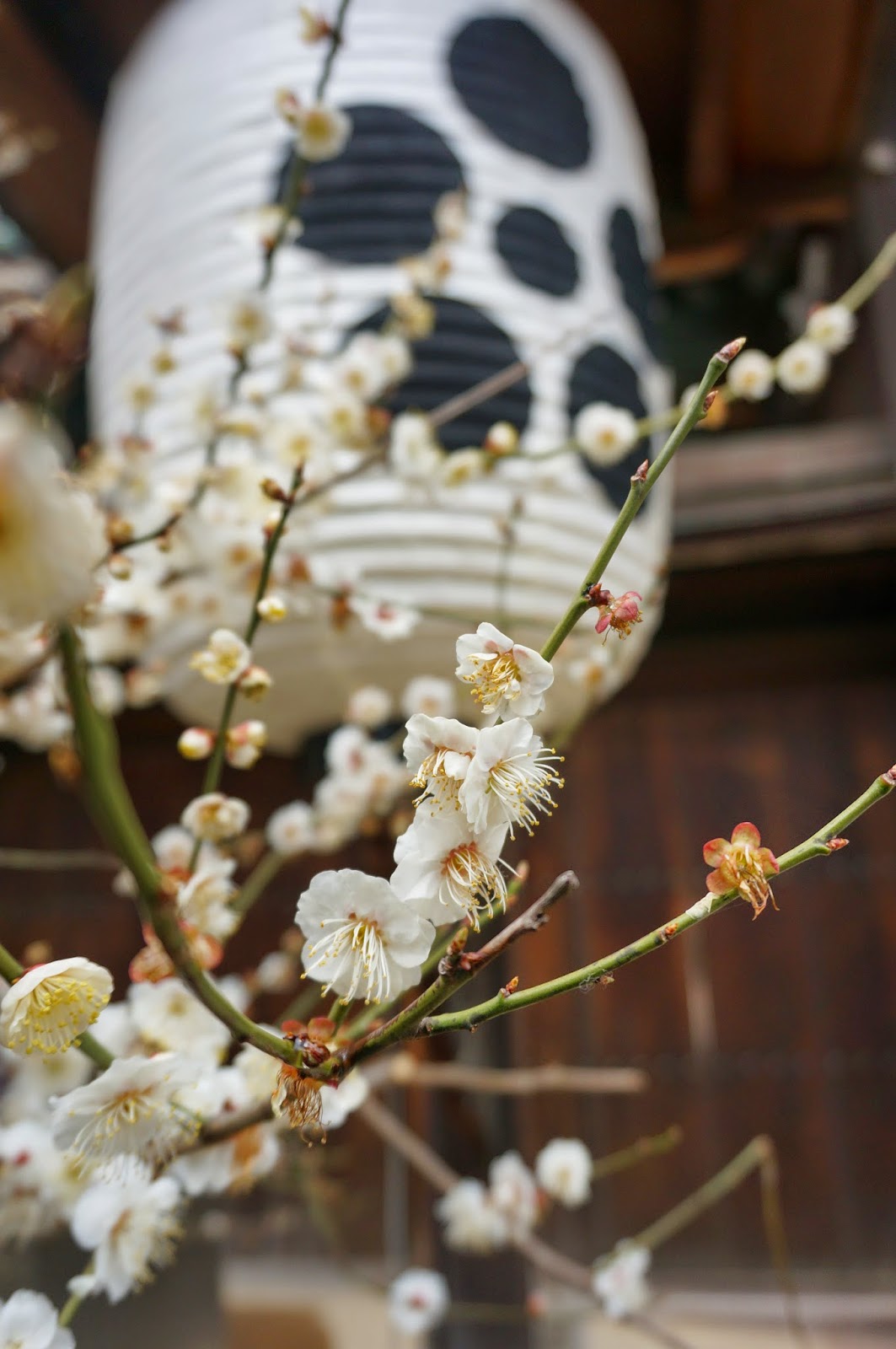
a little teaser of the Kitano Tenmangu plum blossoms

When we arrived there were already a group of people taking a look at the practice. These are very serious events though so you can not disturb them in any way. That’s why they practice inside a stable and you are not allowed to go in. You can see the practice from the big windows. You should be quiet and not take any photos with a flash. It was my first time seeing a sumo practice and I have never seen a match on T.V. either so to see it in really life from the first time was really impressive. The sumo players really are big, it was so surprising. Especially when you compare them to the really skinny average Japanese person.
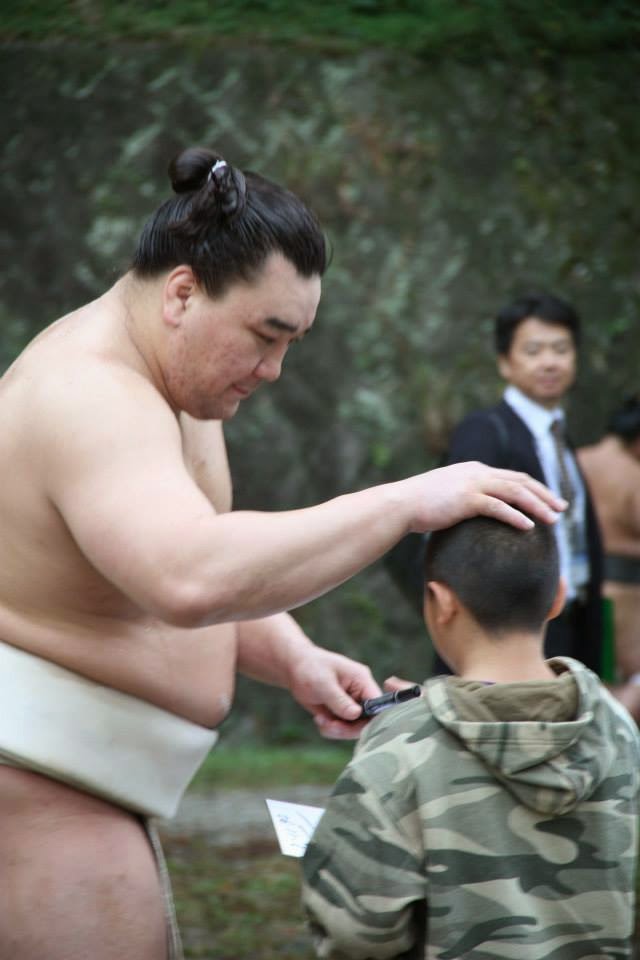
By Mareile

We were lucky enough to interview one of the top players. I guess it is hard to say no to a group of 50 foreign students 😉 We could all ask him some questions and he was kind enough to answer to all our questions. To be honest, I don’t remember what we asked him because it has already been a few months. If only I made notes or a video. Oh well, nothing to do about it. Anyway, while that guy was talking to us another one of the high ranking sumo wrestlers was making weird faces and gestures behind him so it was really hard to stay serious. He is a hilarious guy and I can’t believe he is such a big celebrity or famous person in the sumo world. They were also nice enough to take time for their Japanese fans as well, especially the little ones.
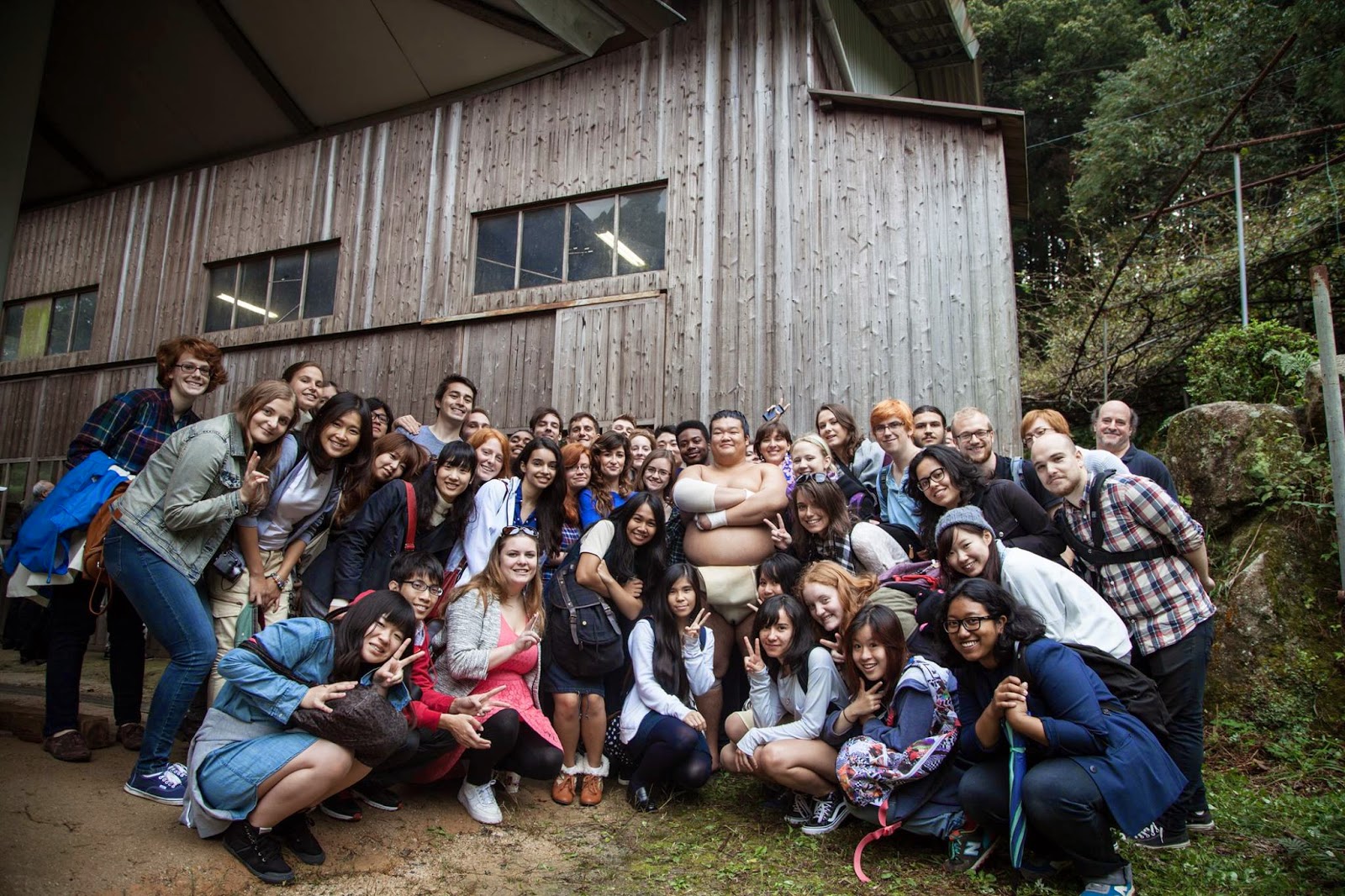
If that is not one of the coolest group photos ever then I don’t know what is

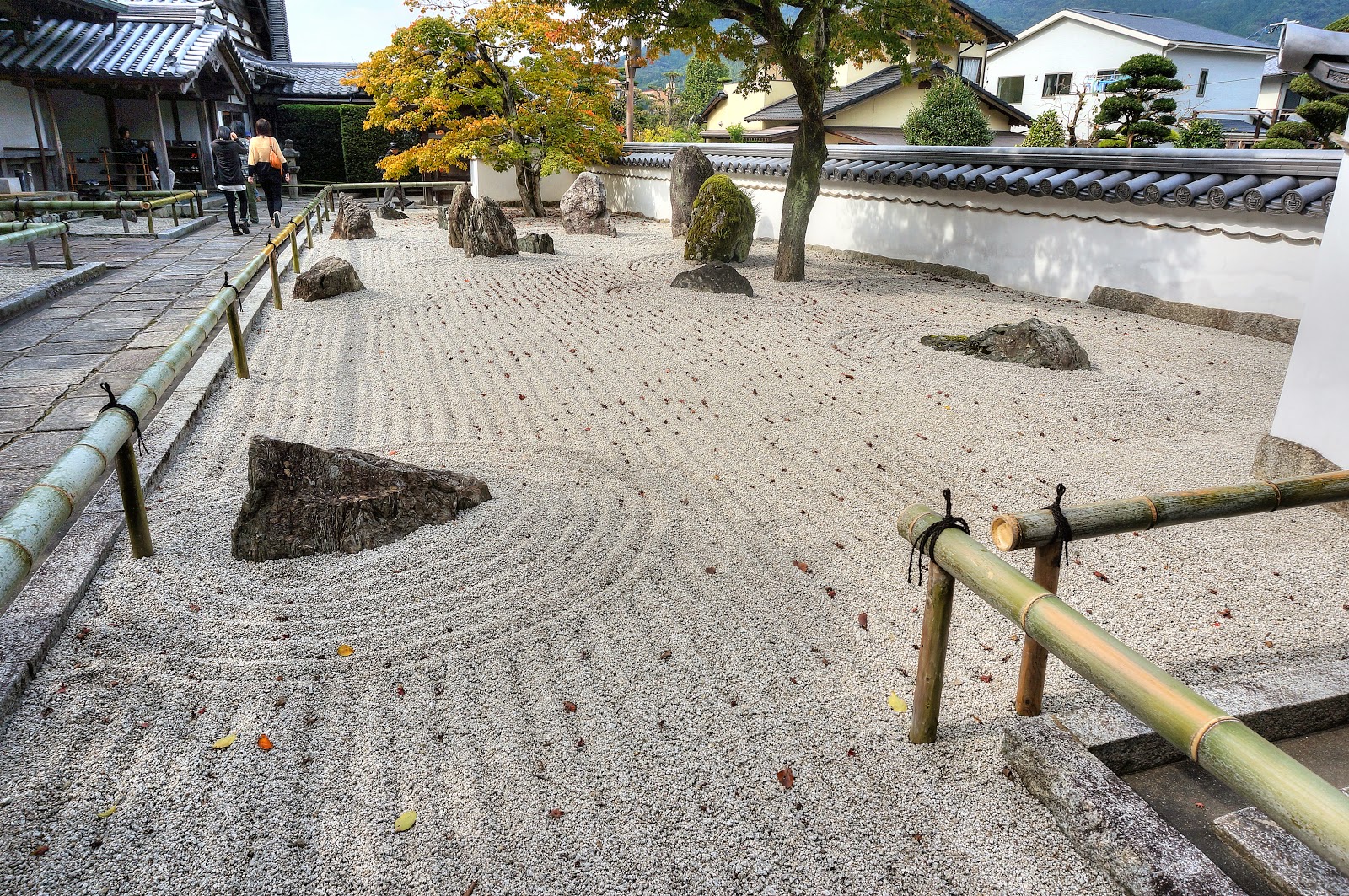
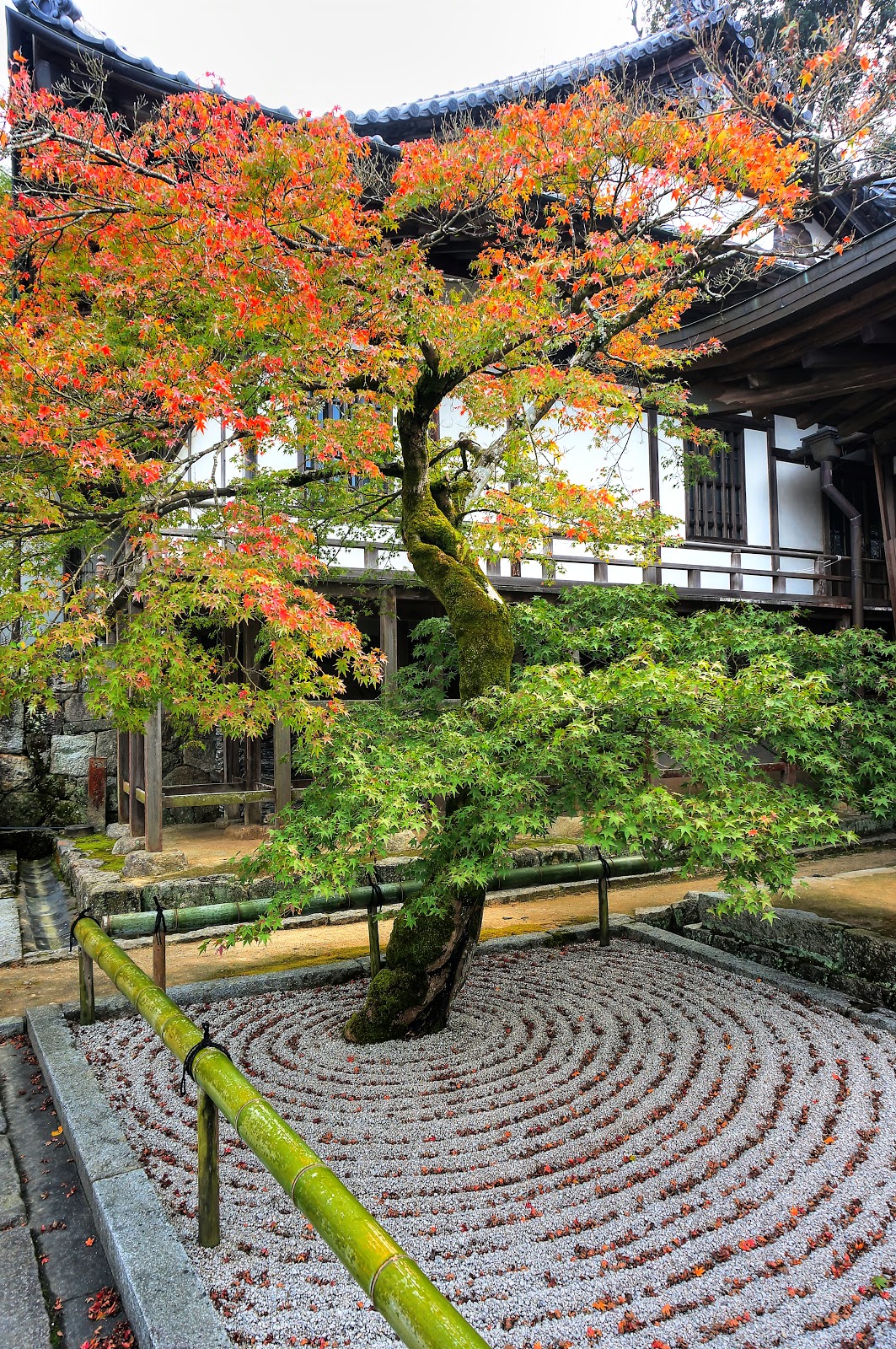
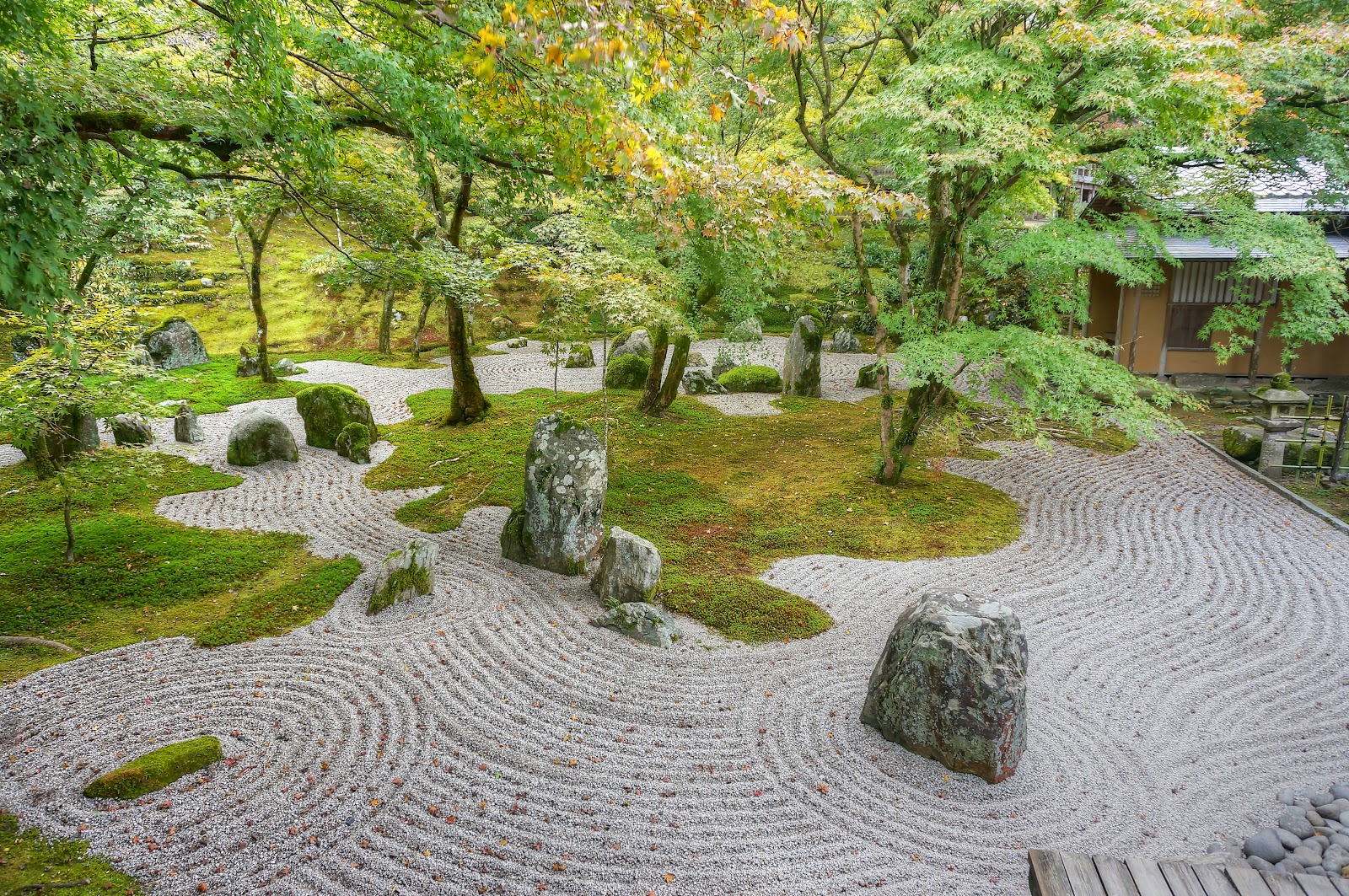
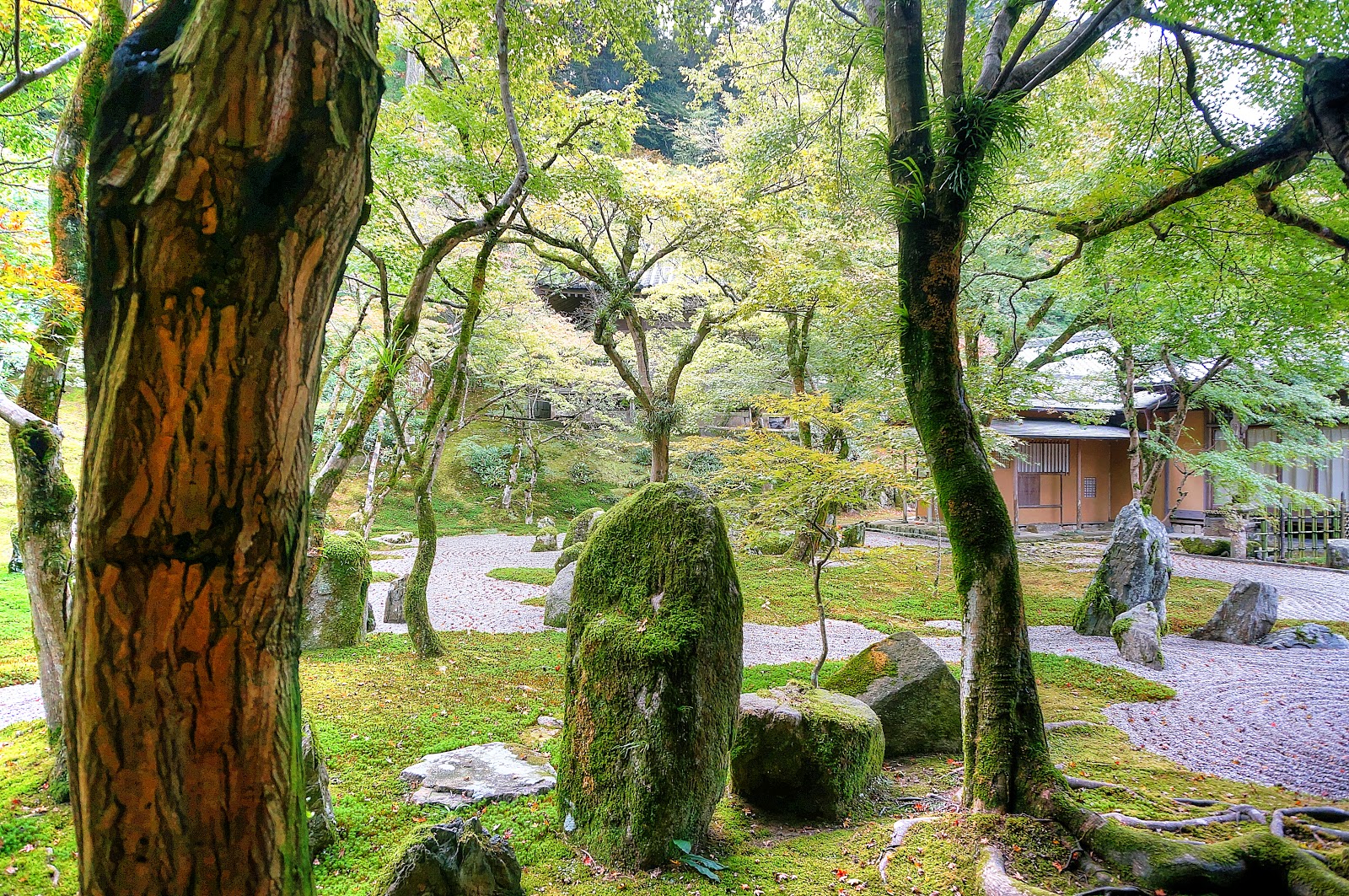
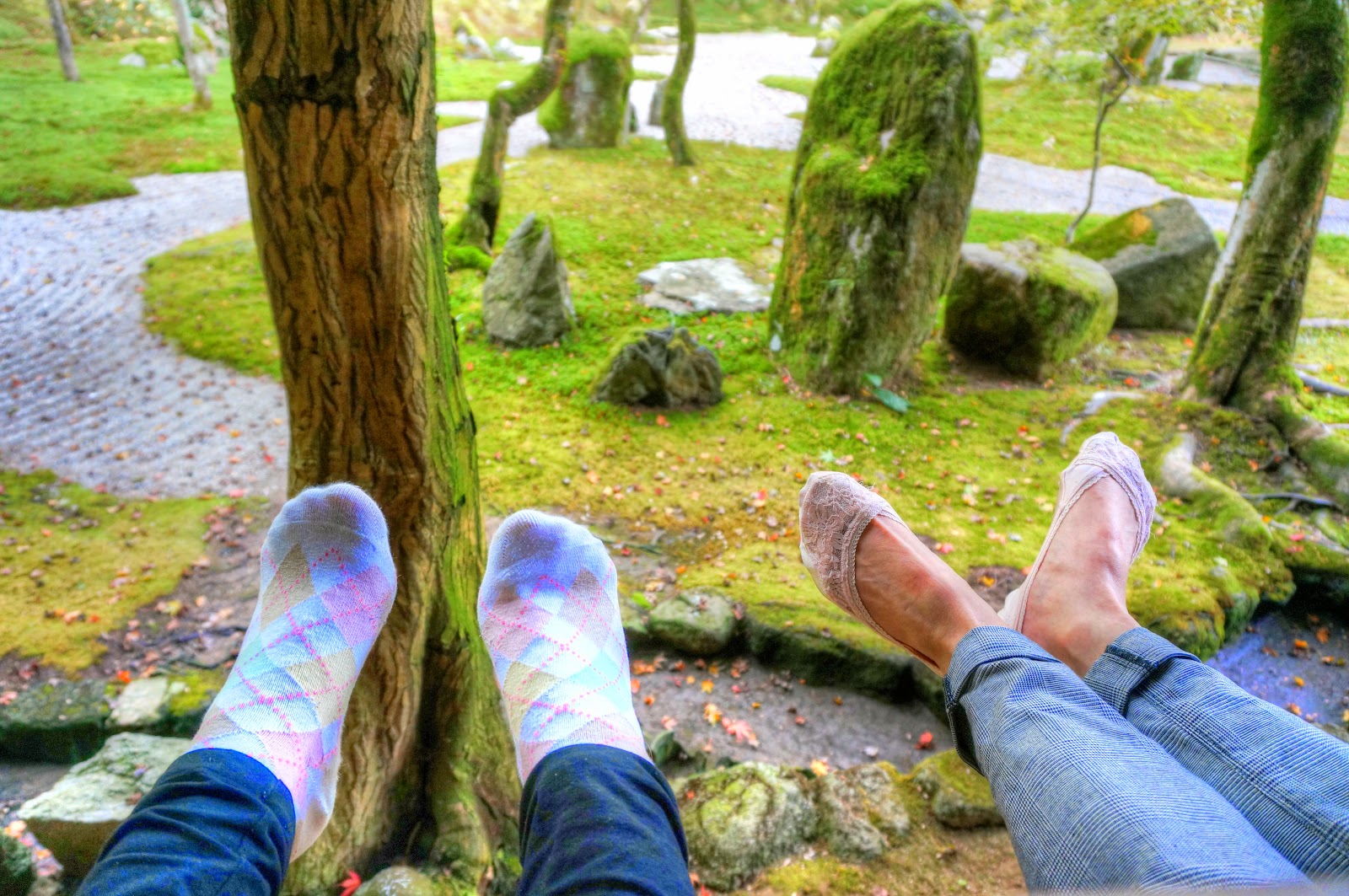
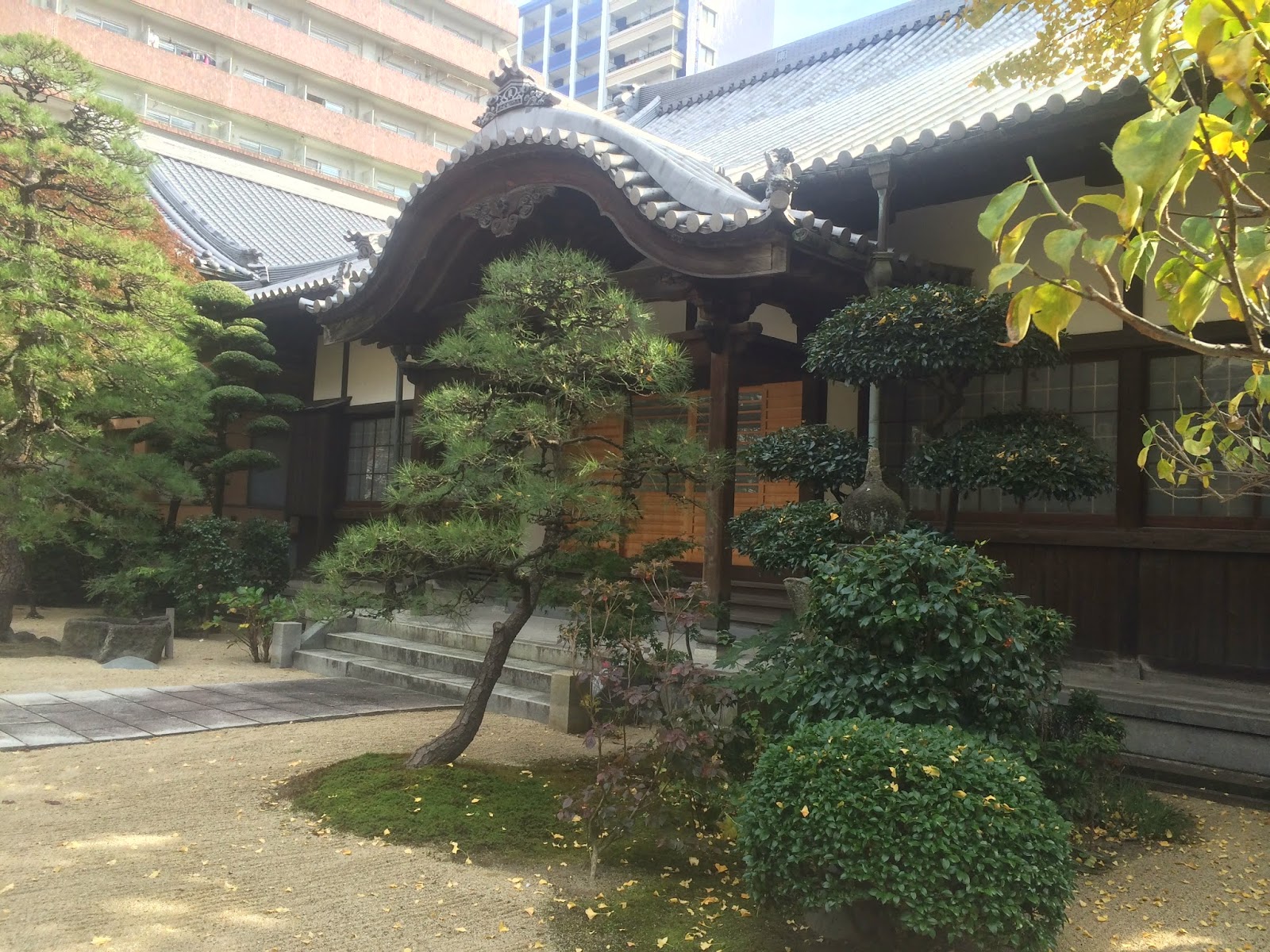
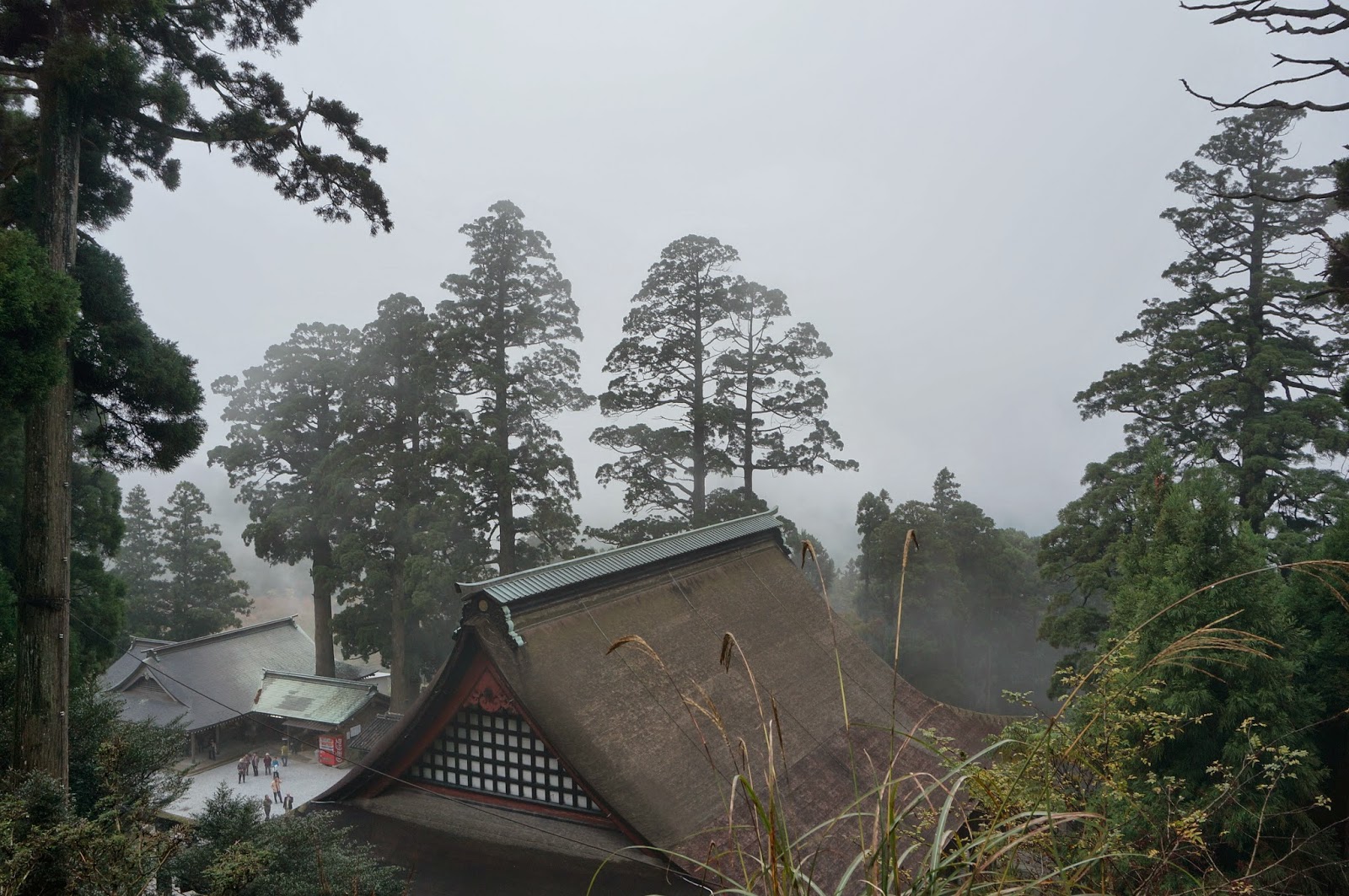
When that whole comedy show was over we had time to explore the area by ourselves and we were recommended to go to Komyozenji garden. It is located in a cute area with nice houses. The front garden is nice with a small stone garden but the rear garden is where the magic happens. You first take your shoes of when you go in and walk into this big open room with tatami mats, almost like you are visiting a traditional house, and then you walk onto this small balcony with a wondrous garden. At first it seems just like any garden, but you need to take your time to appreciate it. I think I sat down for at least half an hour just admiring the quiet and the lush trees. It truly was an oasis of peace. I might even say it is the nicest place in the Fukuoka area I have been to so far. Photos do not do the place any justice, believe me. We went there just before the leaves turned into bright autumn colors but I can only imagine how magical this place will be when it does have them in the middle of November.
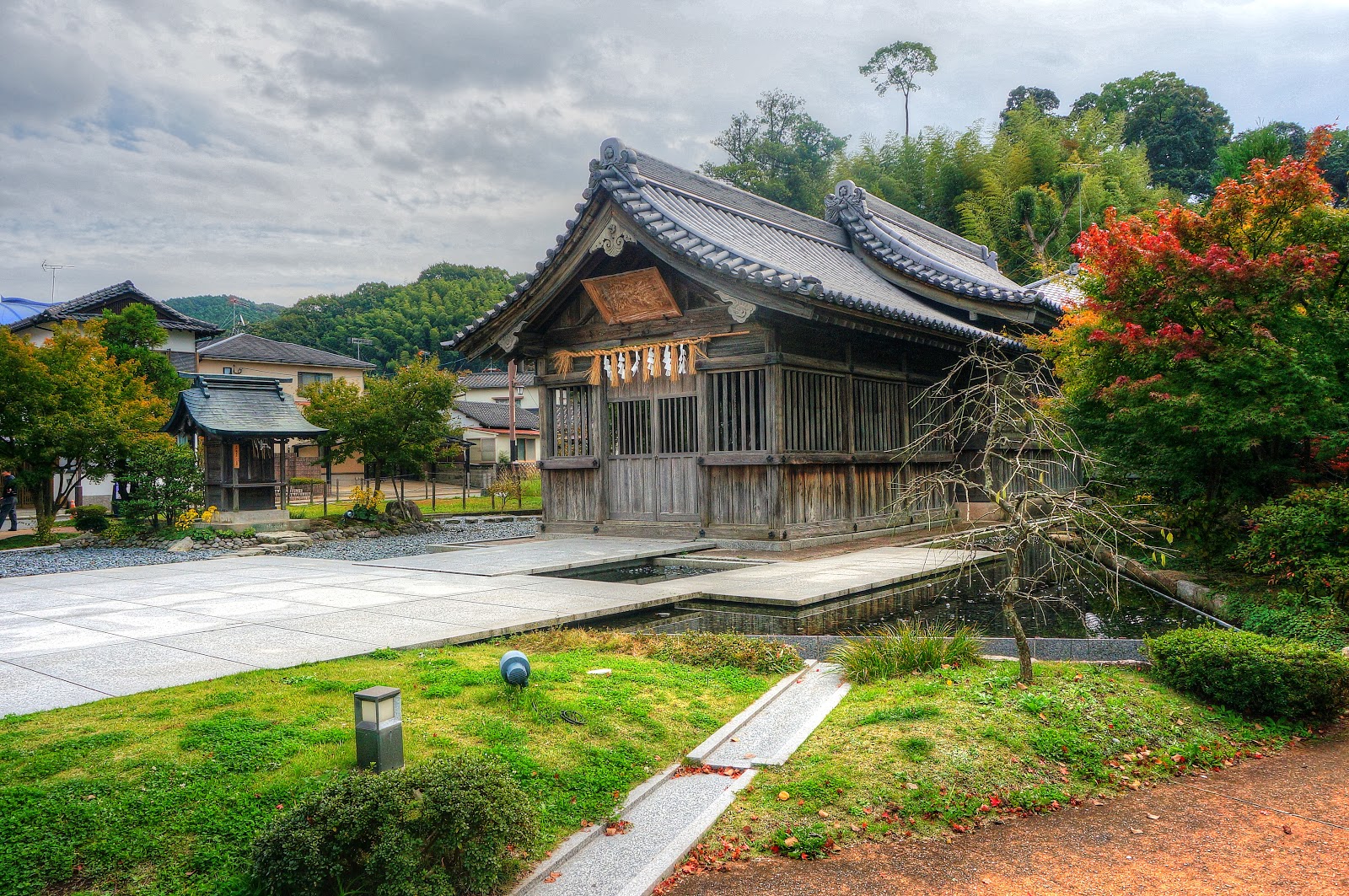
Komyozenji stone garden

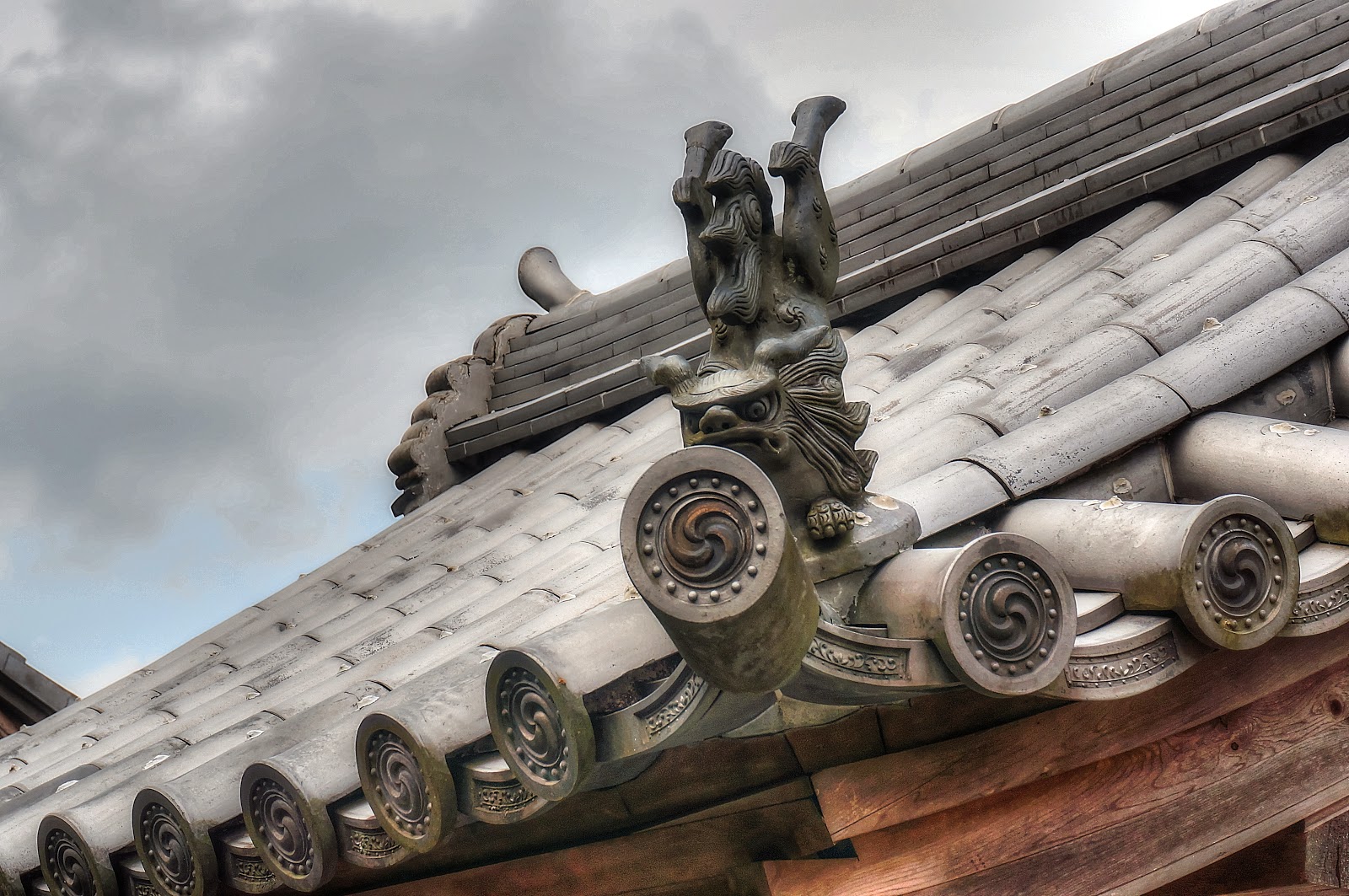
Komyozenji roof detail

Komyozenji zen garden

Komyozenji rear garden

Zen at Komyozenji rear garden


If you go to Fukuoka then Dazaifu is a no-brainer that you should definitely visit. And if you have the time you should try Komyozenji as well for a true experience Japanese beauty and zen.
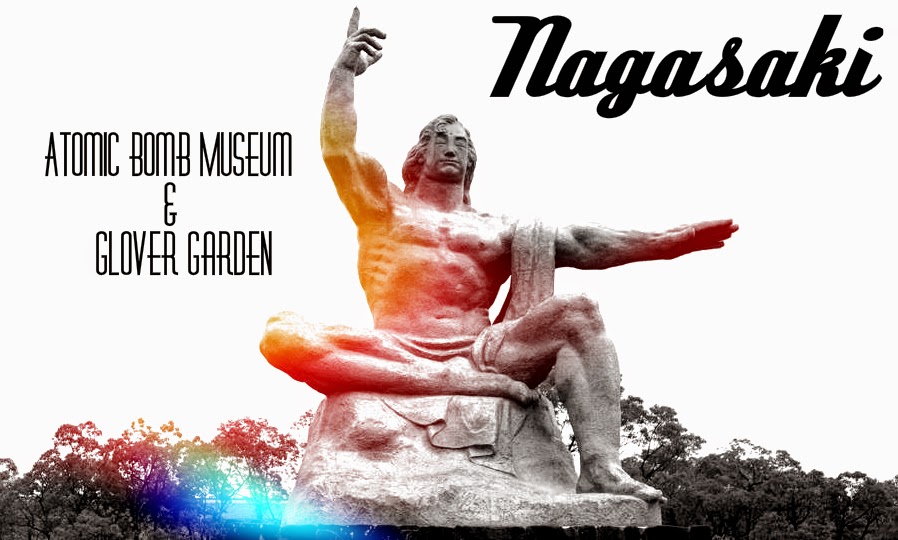
A Weekend Trip to Nagasaki Part 2 – Nagasaki Atomic Bomb Museum and Glover Garden

Last time I wrote about the the first day of our Nagasaki school trip and today I want to continue by telling about our second day. This is mostly about the Nagasaki Atomic Bomb Museum which is quite a popular tourist destination, so it might be an interesting read for people considering to visit this museum or the one in Hiroshima (which I have yet to visit).

The next day it was time to rise and shine early in the morning (as always), and I really wonder how some of the guys got up that went drinking until deep in the night. Anyway, I was really excited to go to the Nagasaki Atomic Bomb Museum. This might sound weird, but I have always been interested in WOII events and stories and I was just really curious to see who they had set the museum up and what kind of stories they would be portraying there.

By my friend Kim

As you can imagine it is a museum with a lot of impact. It starts off with a dark room that replicated the scenery of a broken church facade and other broken buildings while displaying some horrific movies and photos, which sets an eerie tone for the rest of the museum. After that comes a more factual part with information about the Fat Boy (the atomic bomb), how it works, what happened during and after the explosion and what king of material damaged it did. You then move on the the immediate and long term effects of these bombs and the radiation. The part that I stuck to the longest time was the part with stories, quotes, pictures and movies of survivors. It is just so tough to swallow, but so important to see how horrible a thing this is and why we should prevent something like this from happening again. I think it would be good for everyone to be confronted with these stories and information and to start contemplating about what it is to be living in a world of relative peace at the moment and what we humans do to each other.

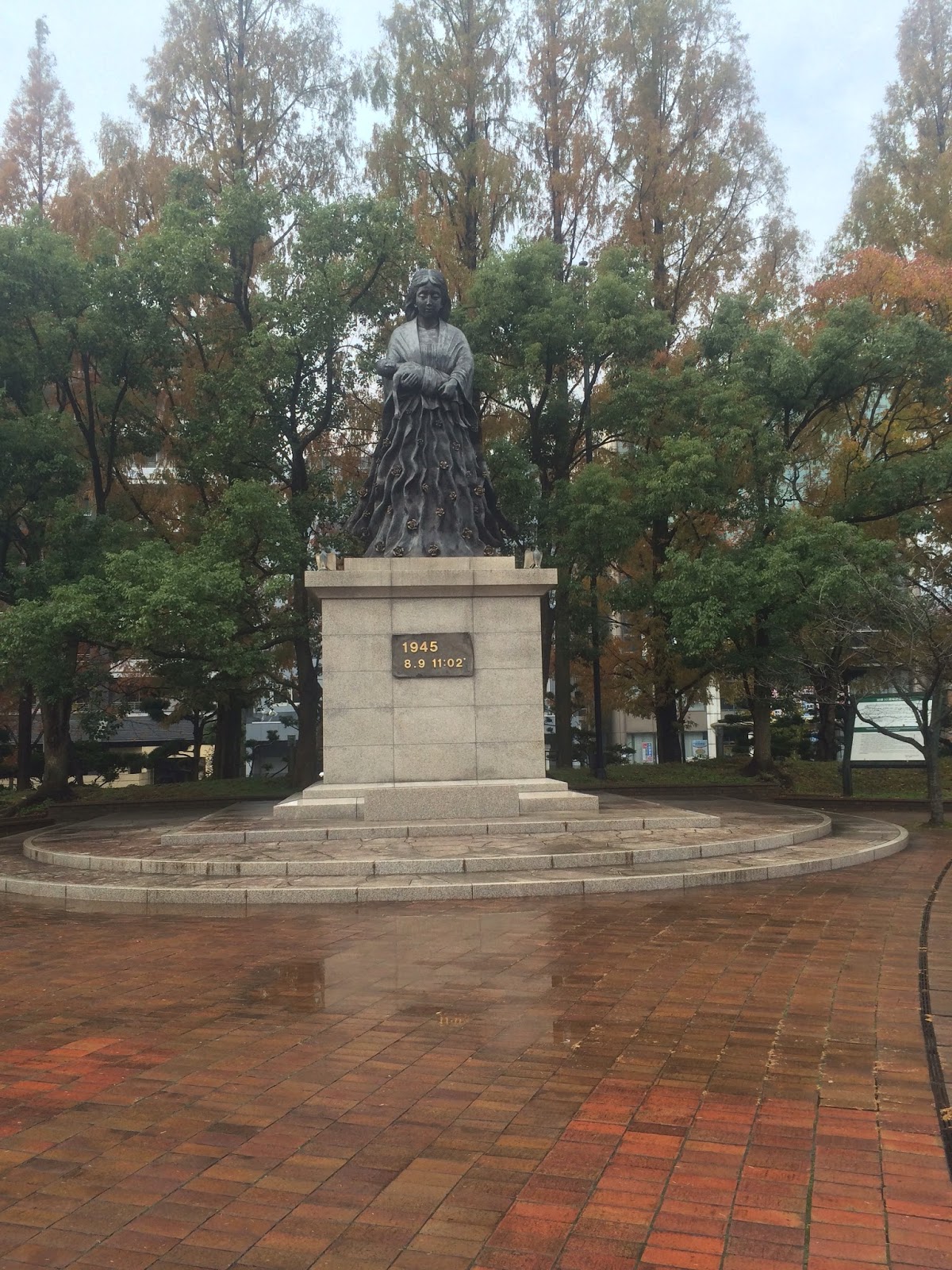
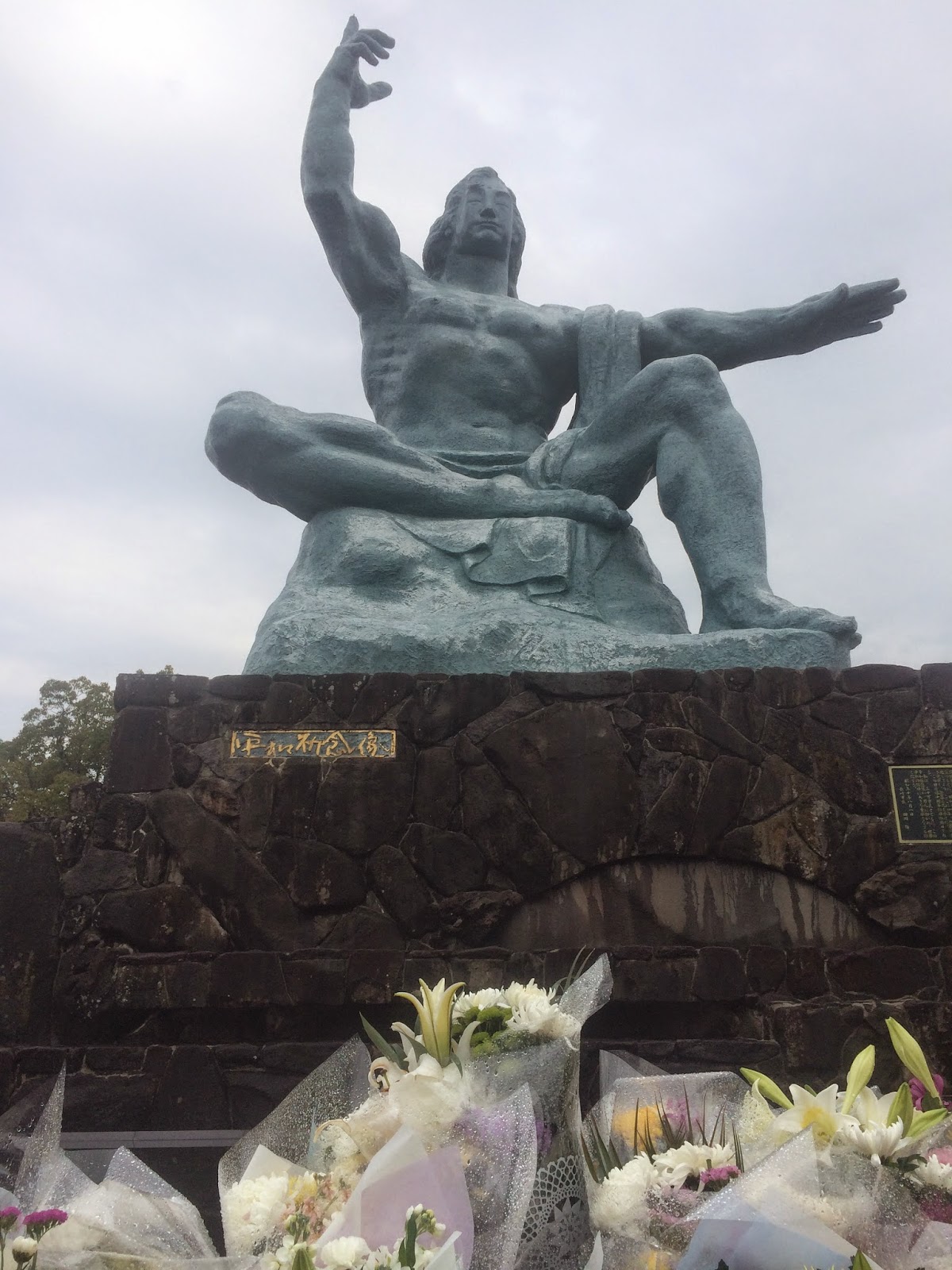
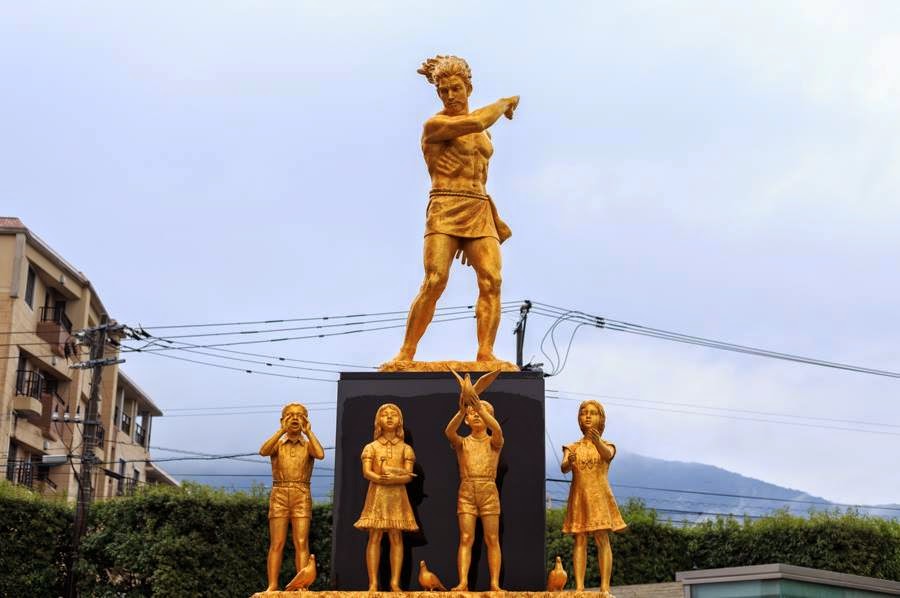
Anyway, near the museum is a Peace Park so we went there after the museum. While you walk to the peace park you actually walk past the ‘Hypocenter park’ where the hypocenter of the atomic was. That feels very strange. The peace park itself is build to commemorate the 10.000 citizens that died because of the bomb. There are several statues and a big fountain in the park, the most famous ‘Peace Statue’ (which looks like some kind of Greek god to me). I was discussing with my friend about war, peace and suffering because this place really makes you contemplate you know. Other than that, there is not much to see in the park to be honest.

For lunch we ate a place which felt like a massive tourist trap to me haha. We had to wait downstairs until the tables were all set, and downstairs happened to be a tourist shop with many local Japanese foods. In Nagasaki’s case the most famous one is a cake originated in Portugal called Castella. Anyway, these shops are a dime in dozen in Japan because Japanese love buying souvenirs. Or rather it is expected of them to buy souvenirs (usually food) even when they are just on a day trip or weekend trip. So to cater to this massive buying of souvenirs there are many of them. There is even one in my local shopping mall where no tourist would ever come (I think).

But I digress. We were tempted with samples of food but then it was time to eat our Chinese-inspired lunch. Nagasaki has always had good relations with China and even the Netherlands and did a lot of trading with these countries. That’s why there are a lot of foreign influences in Nagasaki, like the Portugal cakes, Dutch traders’ island Dejima, Christian churches and Chinese (fusion) food. So our lunch was one of the fusion foods found in Nagasaki. The food was even placed on one of those Chinese spinning tables.

By Kim

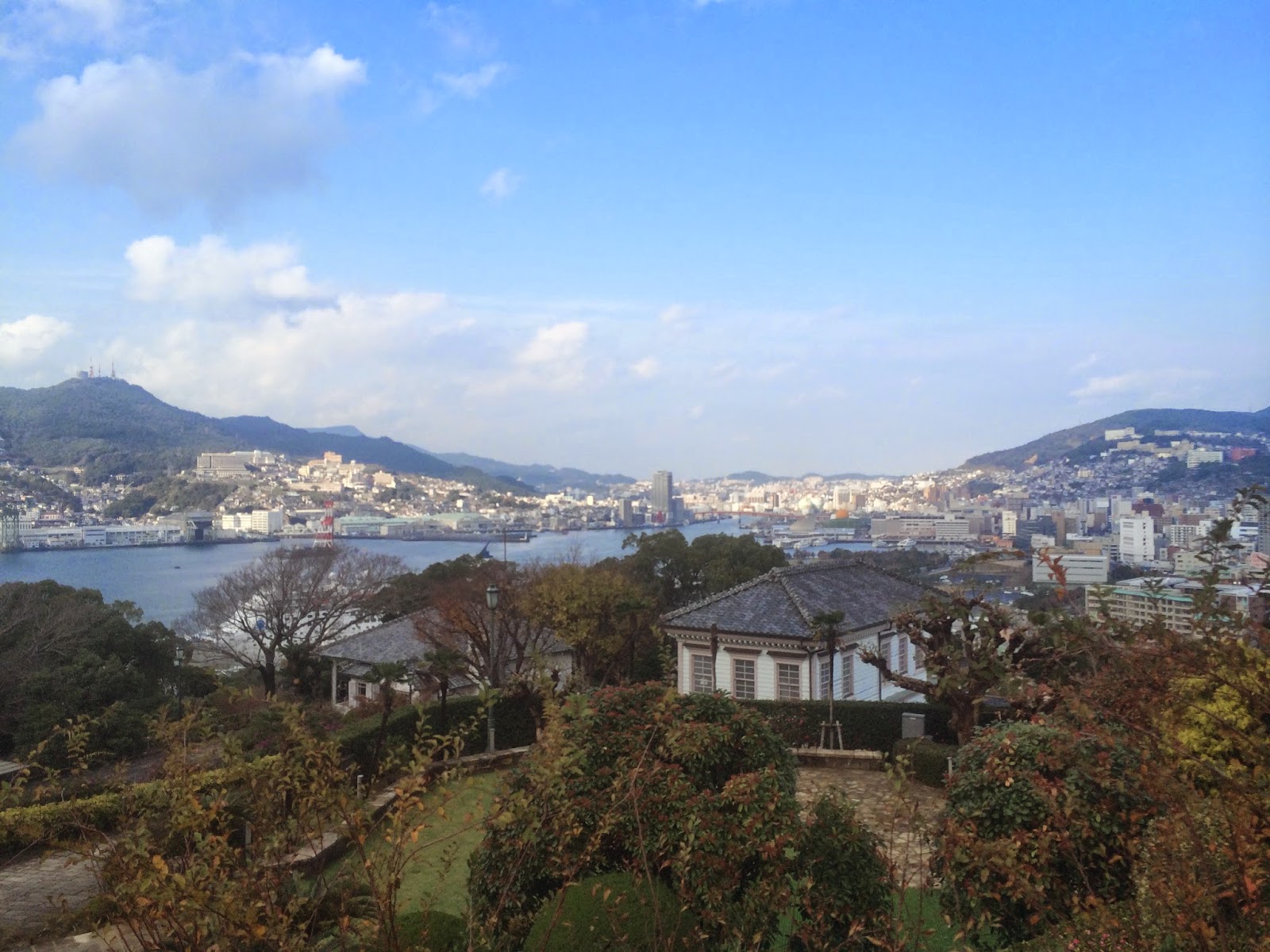
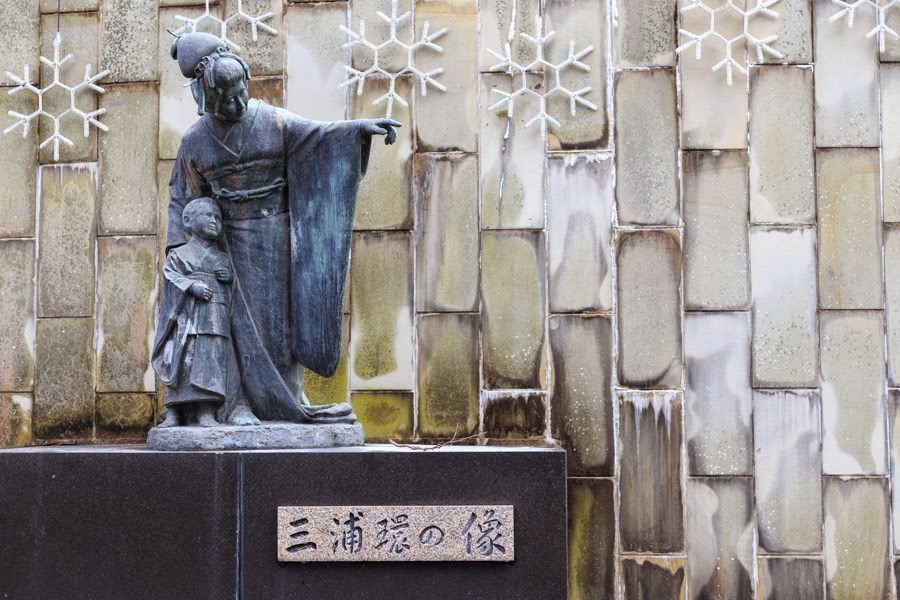
When lunch was finished we moved on to Glover Garden. It is near the Oranda Zaka, or Dutch Slope, and is a very lovely European style house surrounded by a huge garden on top of one of the hills in Nagasaki. The house was built by a Scottish merchant and is another great example of foreign elements in Nagasaki. It offers a gorgeous view of Nagasaki Harbor and the garden itself has a lot of flowers and greenery, and it reminded me a little bit of the garden my grandparents used to have. But Japanese elements aren’t missing either because there is a big koi pond and a statue of a woman in kimono. Just like any place in Japan they commercialized the place by building a little cafe and a tourist shop. The cafe is actually really nice because there are seats outside in the garden which is very unusual for Japan. I really miss the Dutch (or European in general) sidewalk cafes and patios, so I was surprised to see it here.
By Kim

After this day full of impressions it was time to head home and let everything sink in.

Have you ever been to an Atomic Bomb Museum? 
What did you think about it?

A Weekend Trip to Nagasaki Part 1 – Kyushu National Museum and Mifuneyama Rakuen

Last semester we took a lot of school trips with JTW around Kyushu to see and learn more about the area. The last trip that semester was to Nagasaki. I had been longing to go there because I wanted to visit the former Dutch traders island of Dejima and see some of the Dutch influences left around the city. Unfortunately we didn’t go there.

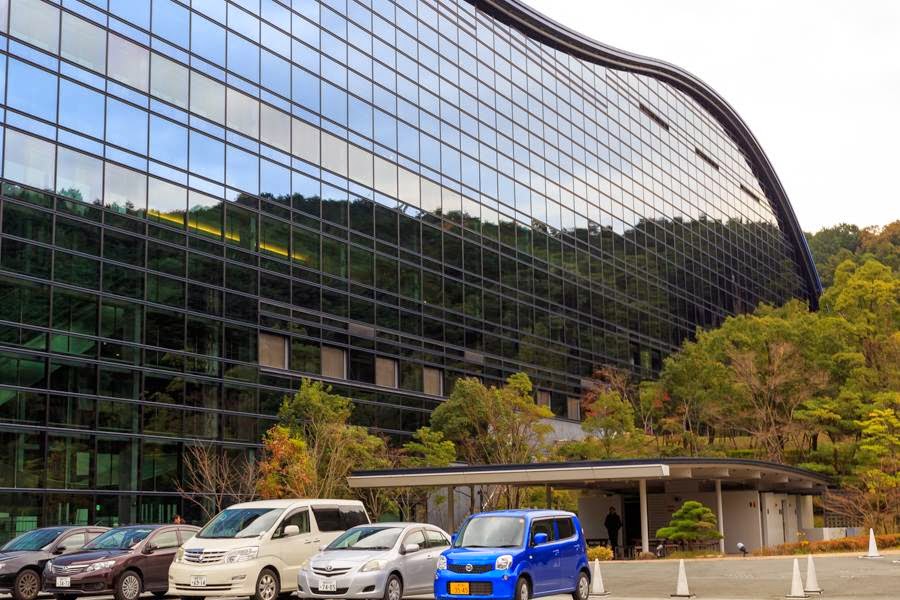
Before we went to the city of Nagasaki we dropped by the Kyushu National Museum and later at Mifuneyama-rakuen. The National Museum of Kyushu is located in Dazaifu, near Fukuoka. The building is very big with striking architecture and when we were there a Balinese musical performance was being held in the spacious entrance hall. The permanent museum collection itself is not too big though. I don’t think you will need a lot of time looking around. The collection is called a ‘Cultural Exchange Exhibition’ and is not just about Japanese or Kyushu history, but the history of Asian cultural exchange. The interesting parts for me were the Dutch collection, the ‘Hidden Christians’ (kakure kirishitan) artifacts and a Chinese painting which had the same set up as one of the paintings we studied for the East-Asian Arts course back in Leuven. Sadly I forgot my camera during this trip so I only had my iPhone at disposal. So I am also using some pictures taking by my friend Kim 🙂
By Kim


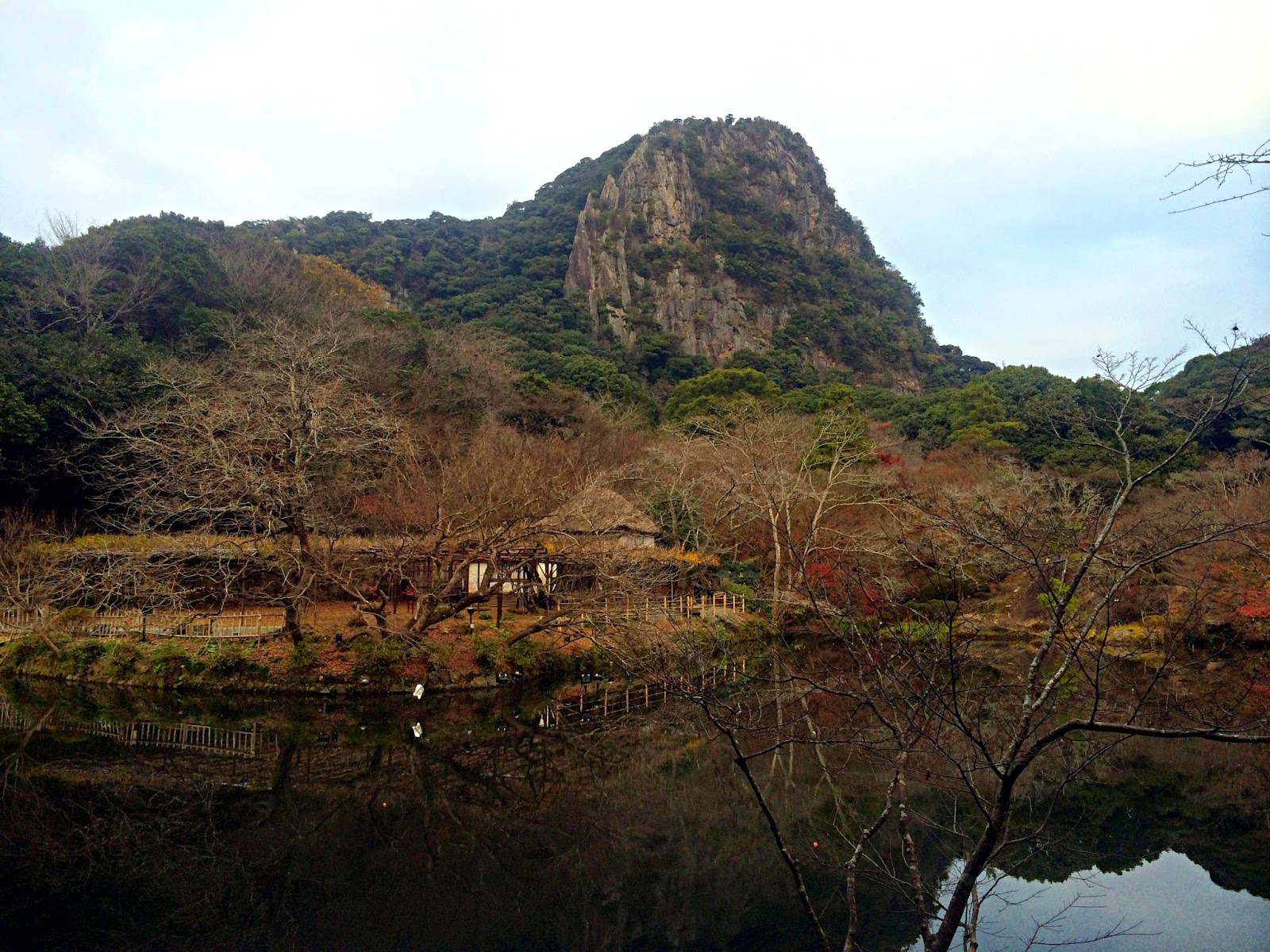
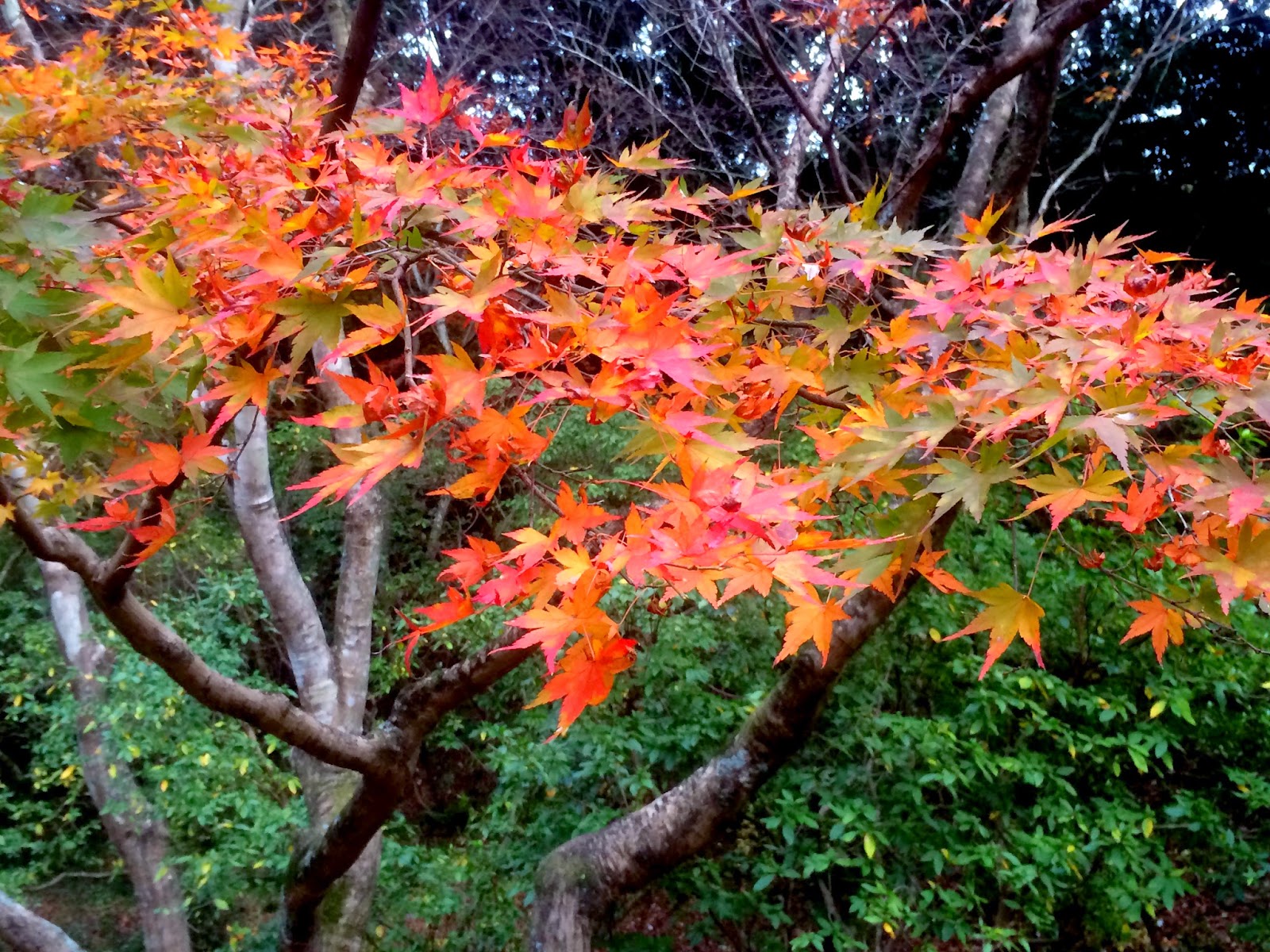
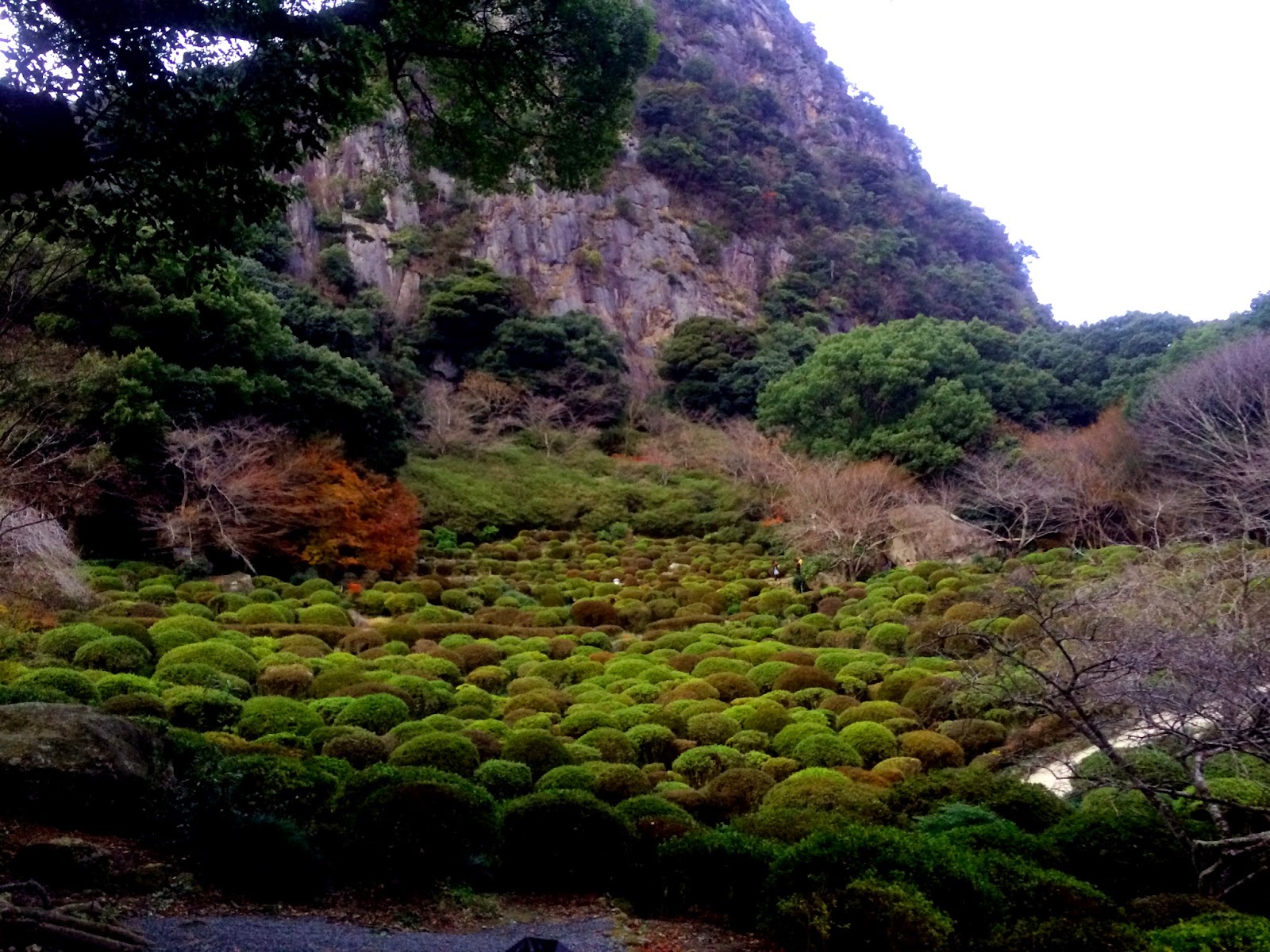
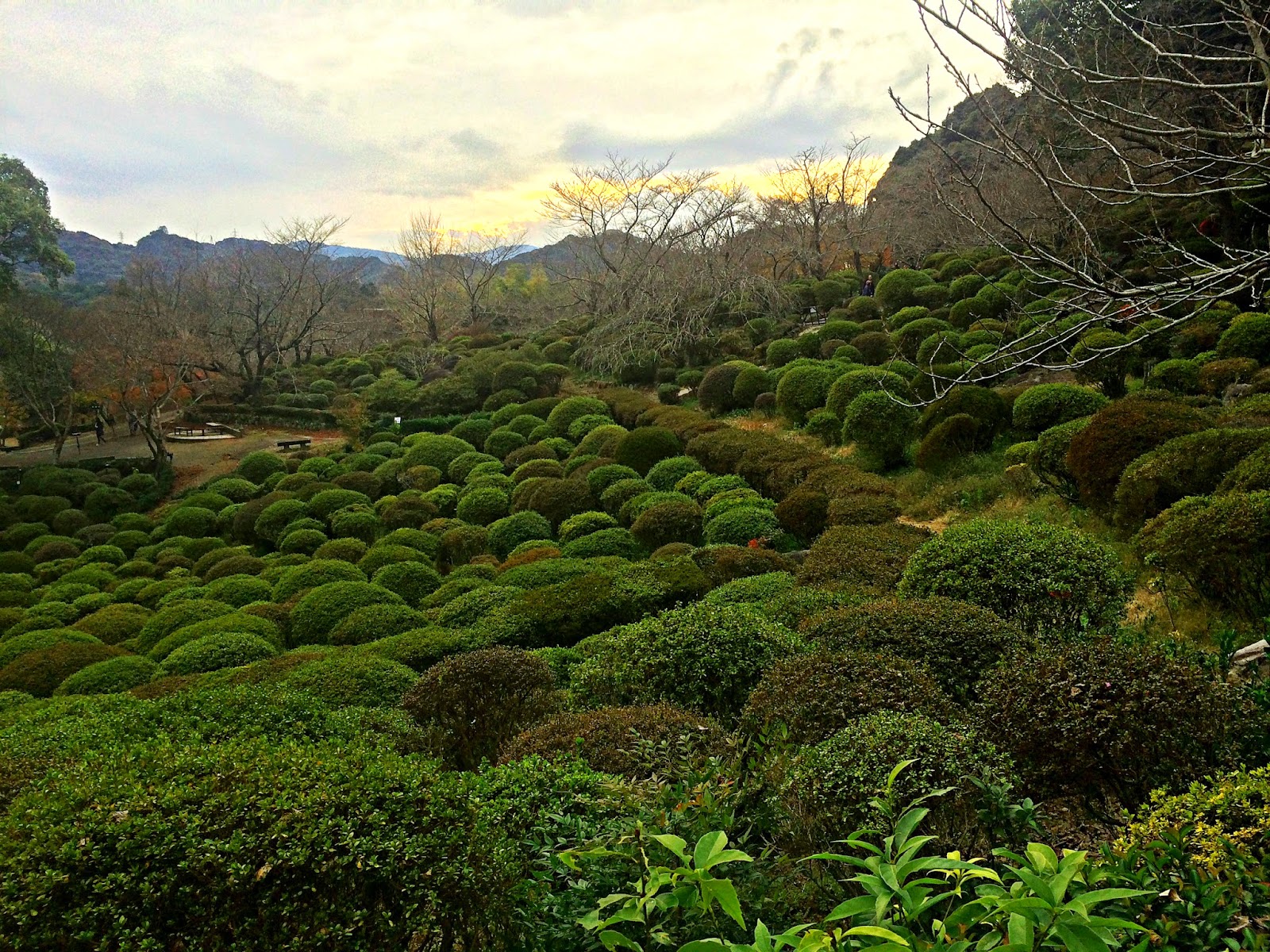
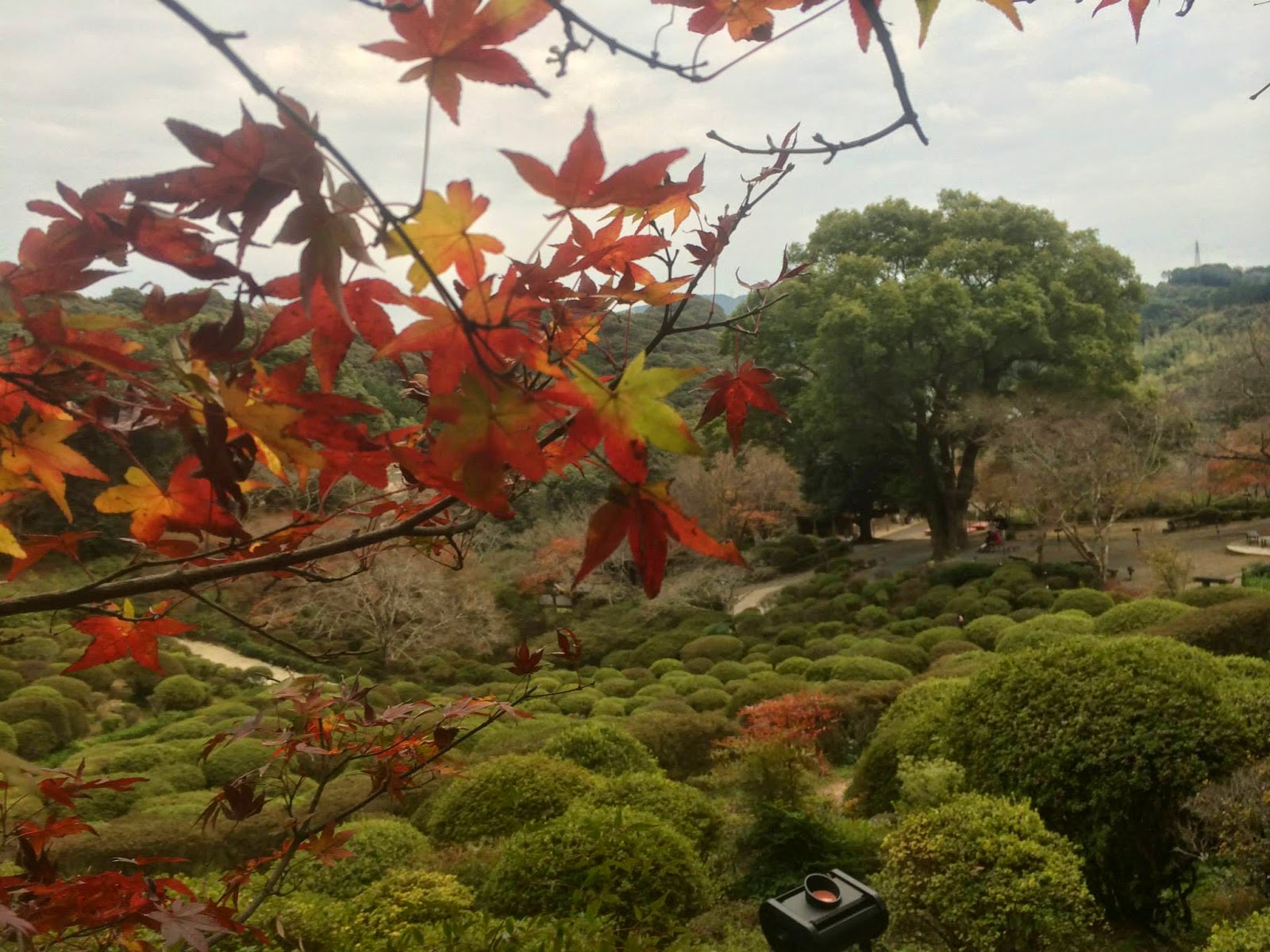
As I said the collection isn’t too big so within an hour we had seen everything and headed to our next destination Mifuneyama Rakuen. It is a big ‘stroll garden’ designed by a painter from Kyoto and completed in 1845. It has gorgeous views with every season or every month offering a unique view. It is supposed to have beautiful autumn foliage, but sadly when we were there most leaves had already fallen down. It is still a nice garden with a small mountain and many azalea bushes, so I can imagine how impressive it most be when these are in bloom (which is actually around the time that I am writing/posting this article). How I wish I could go there right now to see the azaleas. I have fallen in love with those flowers since I first saw them blooming a few weeks ago. I saw them for the first time in my live and can’t get over how bright and colorful they are.

A bare garden without the autumn leaves or spring/summer flowers.
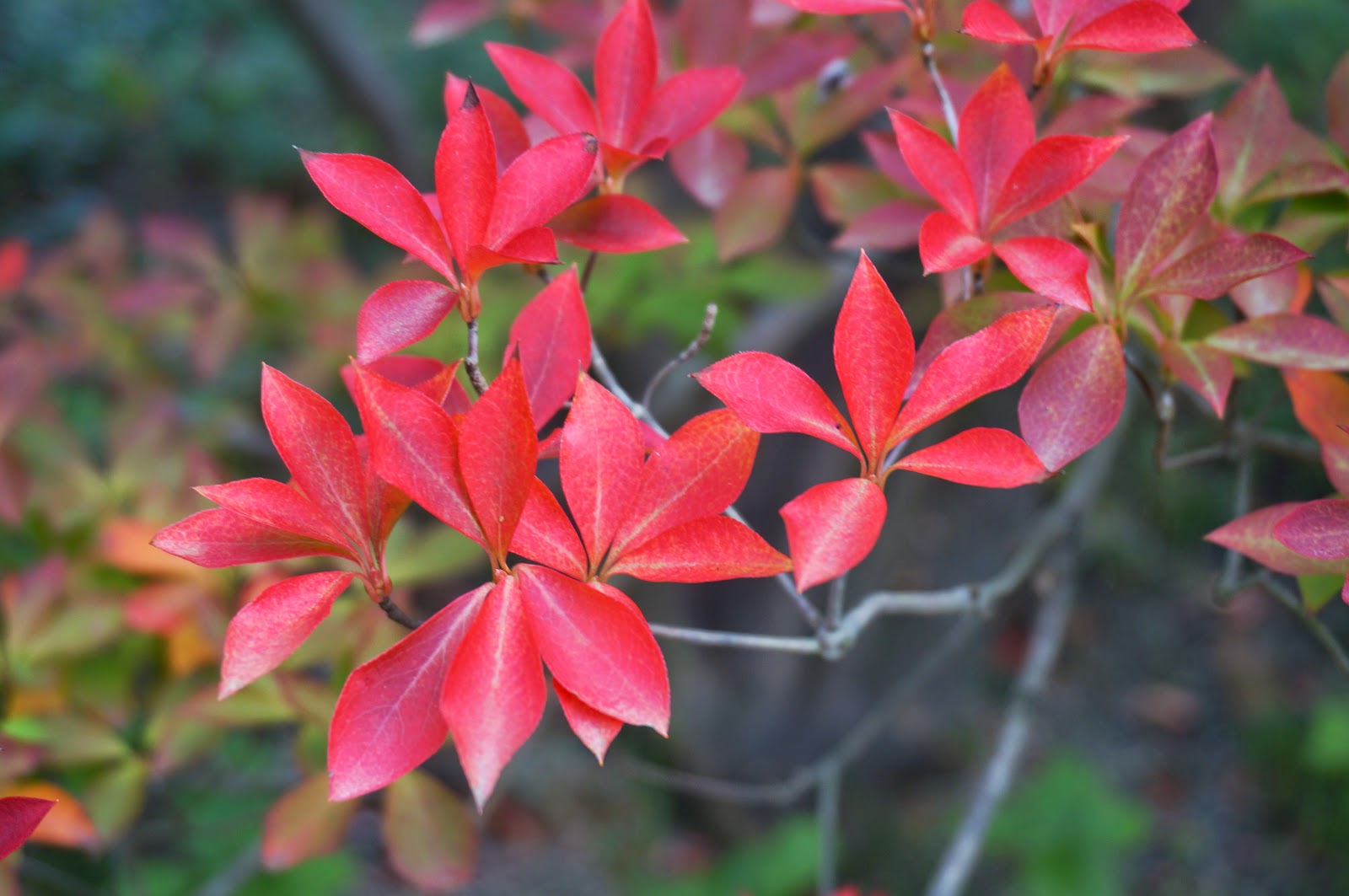
Still found some red leaves!

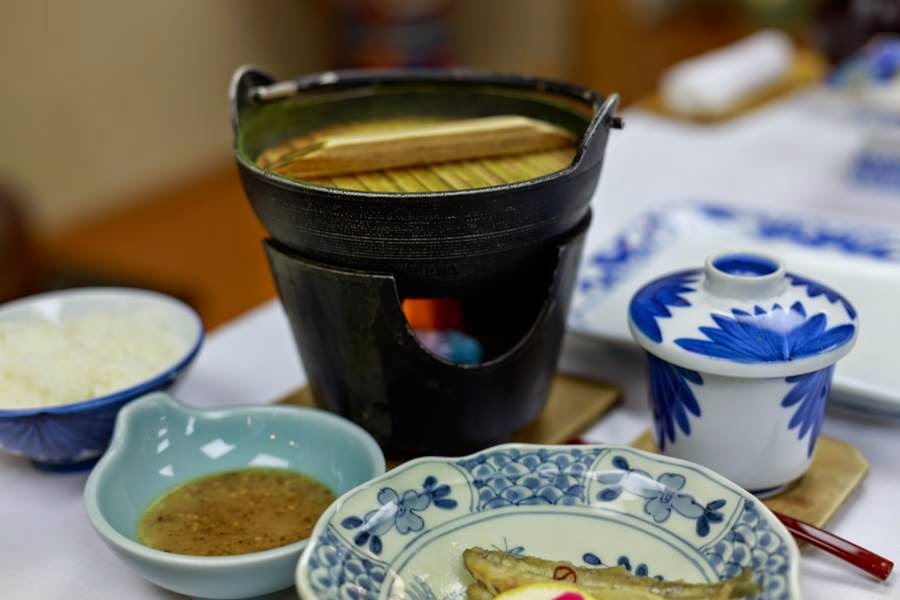
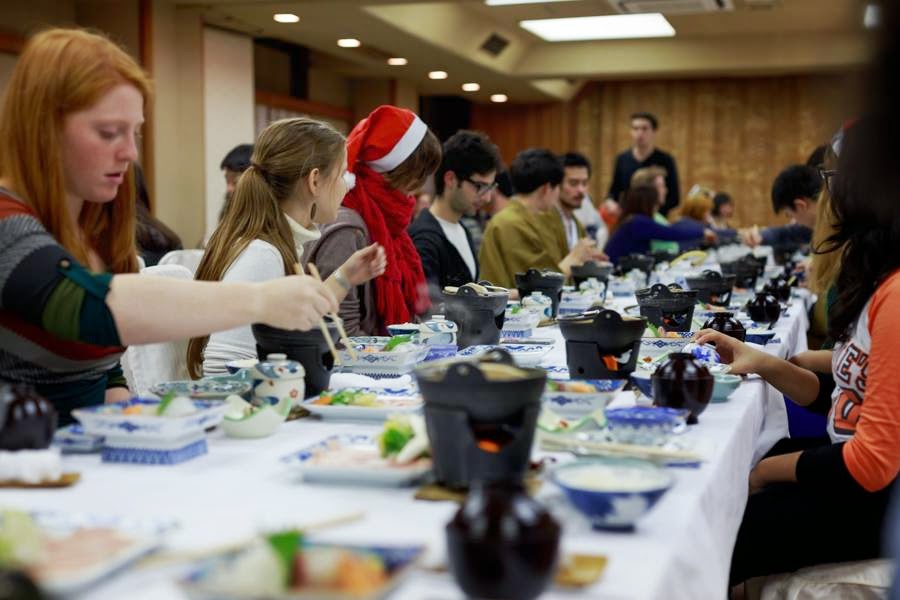
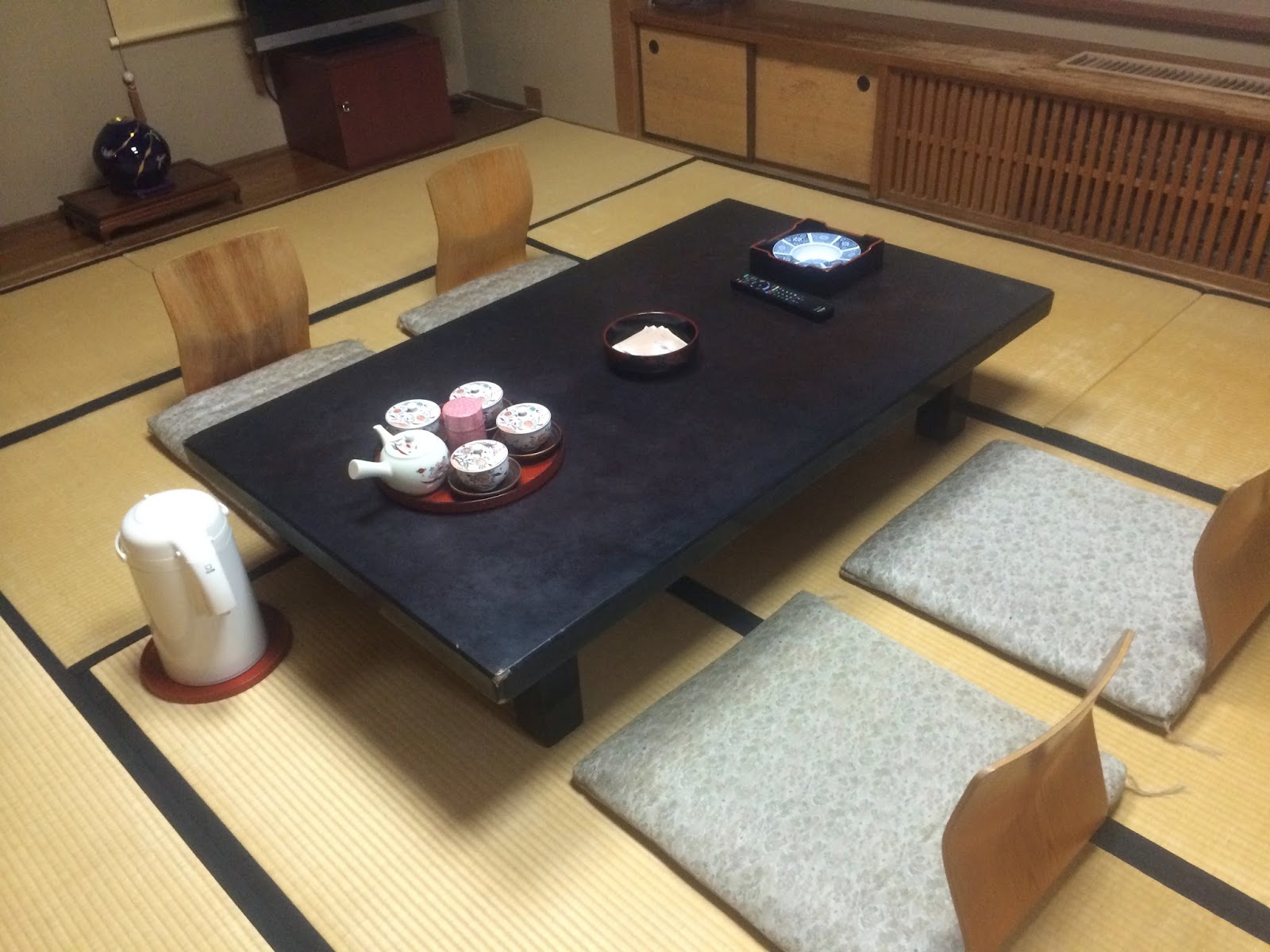
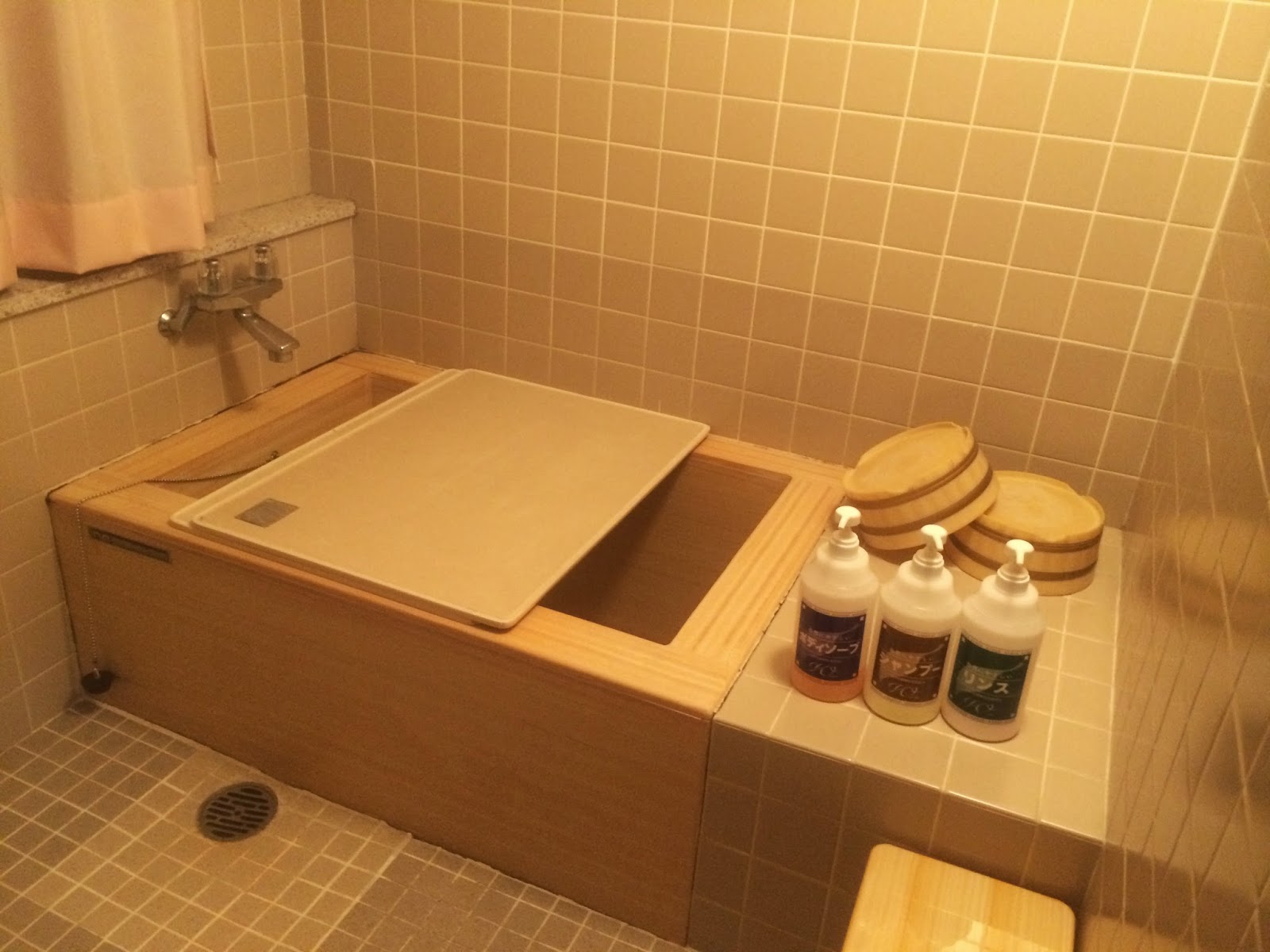
So the garden was really nice but it just wasn’t the right timing to go because there was no autumn leaves and no flowers blooming either. Instead we just fooled around, chatted and took a lot of photos. When we were finished I really wanted to buy a hot chocolate at the little coffee stand outside the garden, but when we got back it was already closed. Too bad. But it was time to head to our inn. The Nakamasu ryokan we were staying at was really luxurious with big rooms, onsen in the building and a luxurious dinner. I can’t believe we only paid 300 yen for this trip. JTW sometimes really amazes me. The funny thing is that the outside didn’t look like a ryokan at all, and the hallways and stairs looked like they had had their best times, but the rooms, the onsen and the dinner were so nice.

By Kim

By Kim

After the amazing dinner some people went to soak in the hot springs. I went out to buy some drinks and snacks and decided to take a nice warm soak in our big private bath to eliminate the winter cold from my body. To city of Takeo where to ryokan is located isn’t to big but there was a gorgeous illuminated red gate and some other nice views which made a stroll around the city a good idea. I decided to skip because I wanted to stay warm and cosy inside. When everybody did their strolls, took a bath and put on a yukata we all gathered in one of the guys’ rooms to play games and drink together. It was such a fun and cosy night, and a nice way to enjoy our last trip of the first semester.

Next time I will be sharing part two of this post which is about us actually going to Nagasaki where we visited the Atomic Bomb Museum and Glover Garden.

Model for a Day – Self Acceptance.

Today I will be writing about something a little bit different from my usual travel en field work blog posts. I will continue writing about my trips of course, but today I wanted to talk about something important that happened. Granted, I went out in Fukuoka again but this time I went with two friends for a special purpose; a photoshoot! One of my friends was planning to do a photoshoot with one of our mutual friends and she invited me over. I had never done a photoshoot like this (I did a group photoshoot at a friends home years ago though), so I said yes.

Our photographer, our friend Jim, is an aspiring professional photographer. He likes to practice with different models and build his skill and/or portfolio this way. So it is a win-win situation; we got to experience being a model and got some nice photos for ourselves, he got to practice and show his skill. Besides taking photos he asks advice to some great photographers who are his friends and usually studies their photos as well. He is so dedicated to becoming a great photographer and I think he is on the right path. Makes me want to brush up my skill as well.

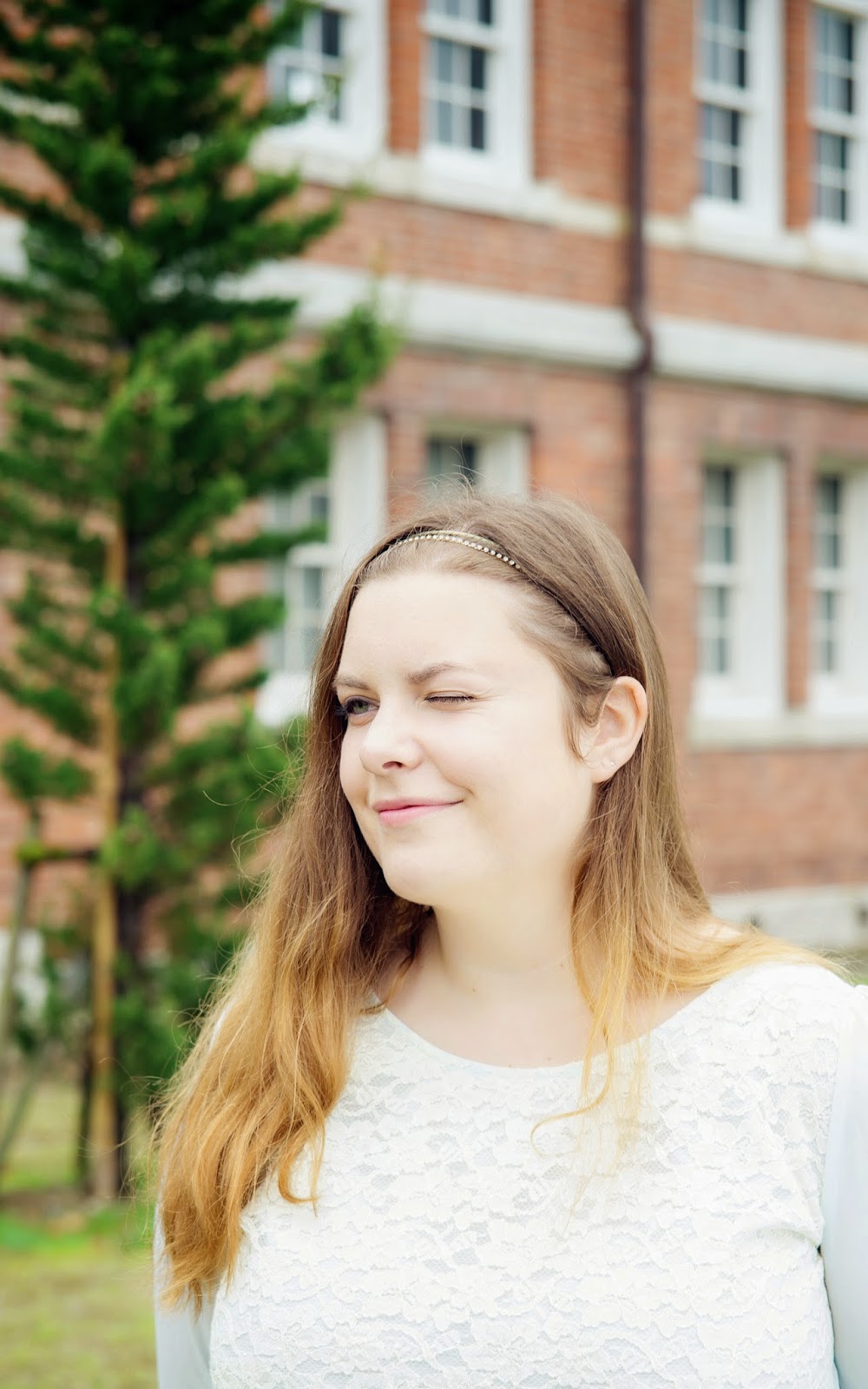
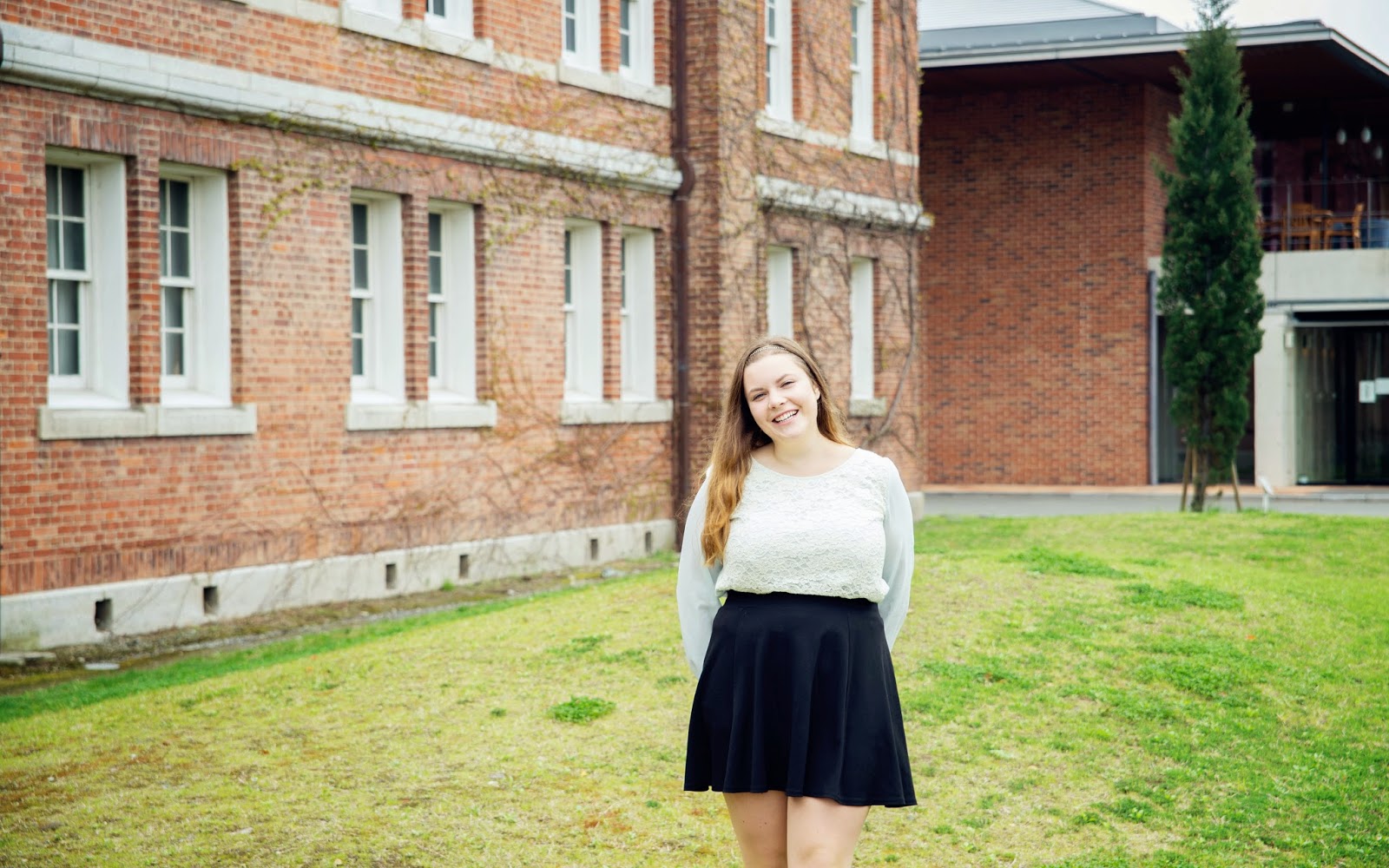
I usually am the person behind the camera (as you can see by the many photos on my blog), so it was strange to stand in front of the camera this time. I don’t have the figure or height of a model and I don’t have any features that would make me stand out as a model. I thought I would be really nervous, awkward or ashamed but that was not the case at all. I felt comfortable. This photoshoot was a really positive experience for me. I was actually surprised when I saw the end results. It made me take a more positive look on myself. For the first time I was not criticizing what I saw but I was happy with the photos. Not only because I thought I looked nice but also because Jim was able to show my personality through the photos. I finally saw my real self translated on a photo.

So I guess this photo shoot was a great opportunity to change my self image. I know a lot of girls (and some boys) struggle with their self image. I know how hard it can be when all the magazines, movies and internet are full of perfect people. Or when you feel that in real life you are surrounded by people more pretty than you. But you shouldn’t let that get to you. You are you and you are awesome the way you are! I have come to an age were I finally started to realize and accept that fact. The photoshoot was just the final little push in the right direction. Sure, I am not perfect and I have days where I seem to dislike everything about myself, but generally I am happy with myself and accepted who I am.

My favorite photo; me in my natural habitat; at the sea on the beach!

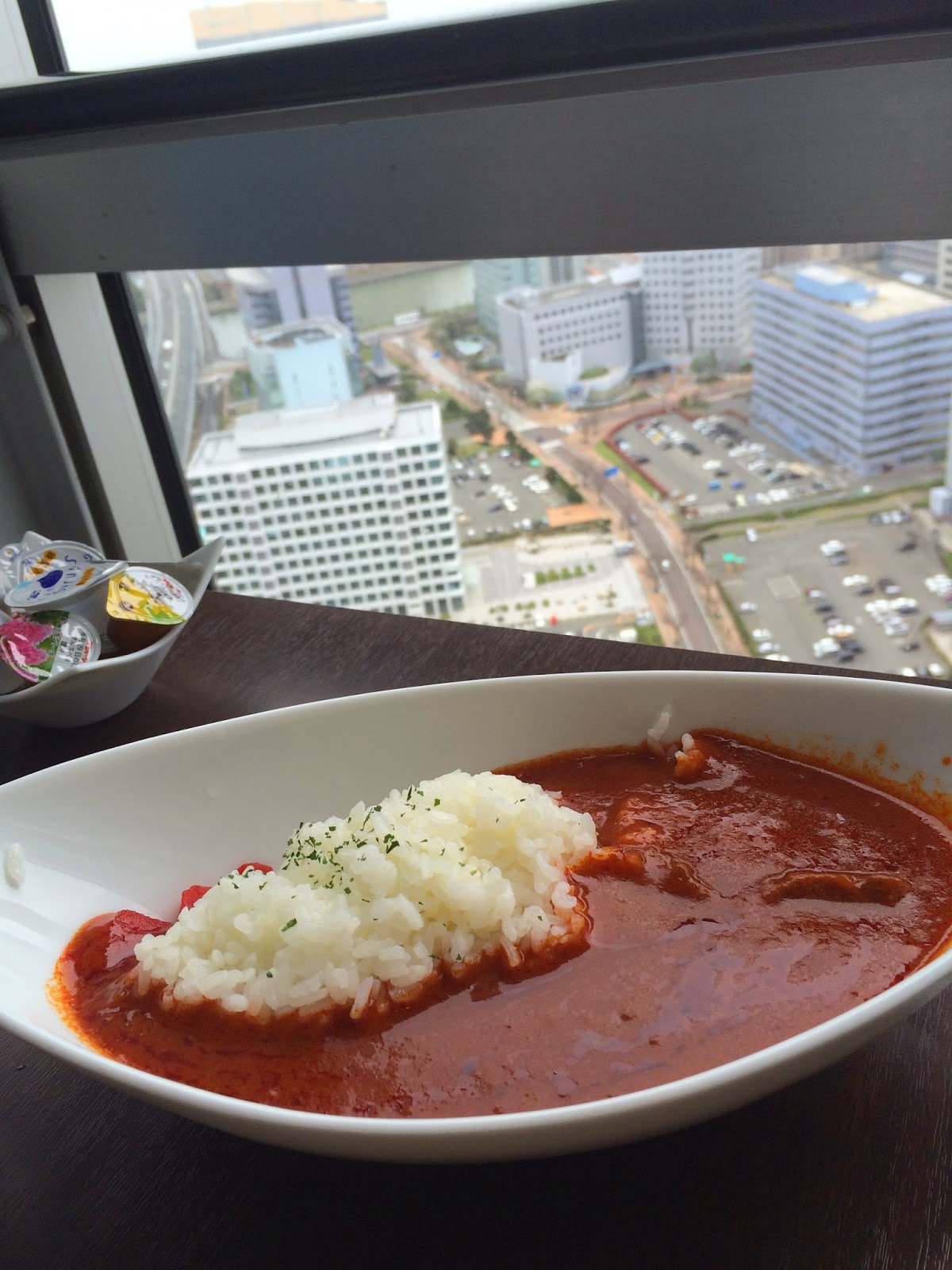
For those who want to know, the photos were taken at the Nishijin area at a university with cool red brick buildings. The second are was Mooch beach. but by that time it was already very cloudy so it was hard to catch some perfect pictures (because Jim wants nothing but perfect :)). We also went up Fukuoka tower which was actually the first time for me. We ate lunch there with a view of Fukuoka city. It was a great ending for a nice day out.

I know it is not easy to positively change your self image overnight but you can work on it slowly and maybe like me you could try dressing up, putting on some makeup, just make yourself feel pretty and then head out to do a photo shoot. It might help you to feel more positive just like I did. And remember you are awesome!

Have you ever done a photo shoot?

Guest Post on Etramping

Hello everyone!

Recently I wrote a guest post for the budget travel website called Etramping. They have a series which focuses on traveling in cities around the world for 25 dollars a day or less. I wrote a post for them on how to spend a day in Fukuoka, Japan for less than $25. I am very thankful that they posted my story on their website. I hope you guys will check it out!
http://etramping.com/fukuoka-for-less-than-25-dollars-a-day/

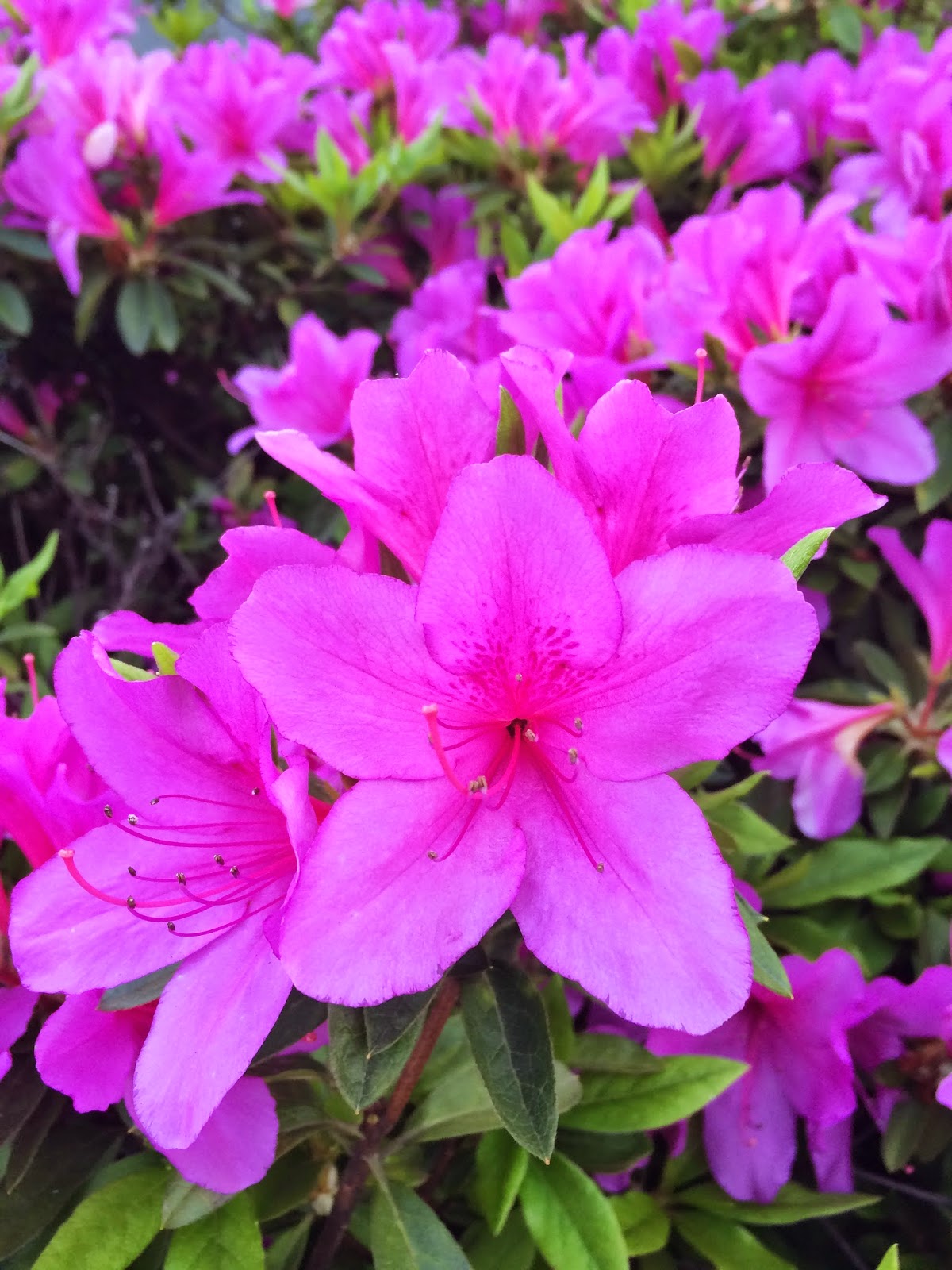
These amazing flowers have been blooming around Fukuoka since this week. This is their real color, crazy isn’t it? It just makes me so happy to see these bright flowers here and there!

Also, I joined a Japanese dance festival last weekend! It was such an amazing experience dancing a traditional Japanese dance during a two day festival. I can’t wait to tell you guys more about it!

Aso Volcano Area: UNESCO Global GEO Park

I am excited to introduce another field trip to you guys. I know, what’s up with all the field trips you might think? Well, I get to visit unique locations in Japan (mostly Kyushu) that are usually inaccessible or unknown to foreigners and even some Japanese. Besides that I also get to listen to tours and explanations of these areas by experts so I learn a lot on these field trips, if I manage to understand the complex Japanese that these experts use. Lastly it is great to bond with all these people and also a good practice for my Japanese. There is not much not to like about these field trips, except that they leave you very tired and broke after a while, but is is a sacrifice I am more than willing to make.

Anyway, this time I am going to talk about the Aso Vulcano Area. It was designated as a Global GEO Park by Unesco last September. My laboratorium tried to organise a trip to the area straight after the designation. In the first half of the post I explain what Aso is and the second half is my experience there.

Global GEO Park

UNESCO World Heritage, both cultural and nature, is well known I think. GEO Park is a more unknown part of the UNESCO Heritage covering Geological Heritage. This means that the promotion and protection of these GEO Parks is connected to agritourism and geotourism. Some other sites on this list are the Korean island of Jeju and Langkawi in Malaysia. There are different kinds of Geo Parks varying from Dinosaur Geoparks to Volcano Geoparks and Mining Geoparks to name a few. As the official website of Global Geo Network says their aim is sustainability and real economic benefit to the local communities, usually through the development of sustainable tourism and other cultural and economic activities.

Promoting Aso Vulcano Area

The Aso area is still in the very early stages of promoting tourism because of two factors. One is that it only got recognized as Global Geopark, and thus as Geological World Heritage, very recently. Secondly, the Aso area has to camp with the same problems as the rest of rural Japan; the rural areas keep getting more abandoned and are running empty. Most young people move away to big cities to study, find jobs and even just because it is more entertaining and hip there. Together with the rapidly aging population this means that there is only a small community of elderly people left in most of the countryside. To change this or at least attract more tourists to the local areas several groups and centres have been set up to promote the Aso area and organize tours. 

We were able to visit the Aso area with the help of So Setsuda from Aso Design Centre (阿蘇地域振興デザインセンター in Japanese). He set up a route and plan that would be the most comprehensive, informative and bring us in contact with locals. And the best part; everything was completely free. Free stay in a traditional inn, free delicious dinner, free lunch, free hot springs, free visit to a museum, free tour bus and more. Basically a free two-day-one-night tour in return for our honest reviews about the tour, tips on how to get more tourists there and posting photos and information on social networks. Now that I think about it, it is basically like what many travel bloggers do; go on a sponsored trip in return for a review and media exposure. Only this was in a big group and this was for educational purposes.


Agricultural Traditions

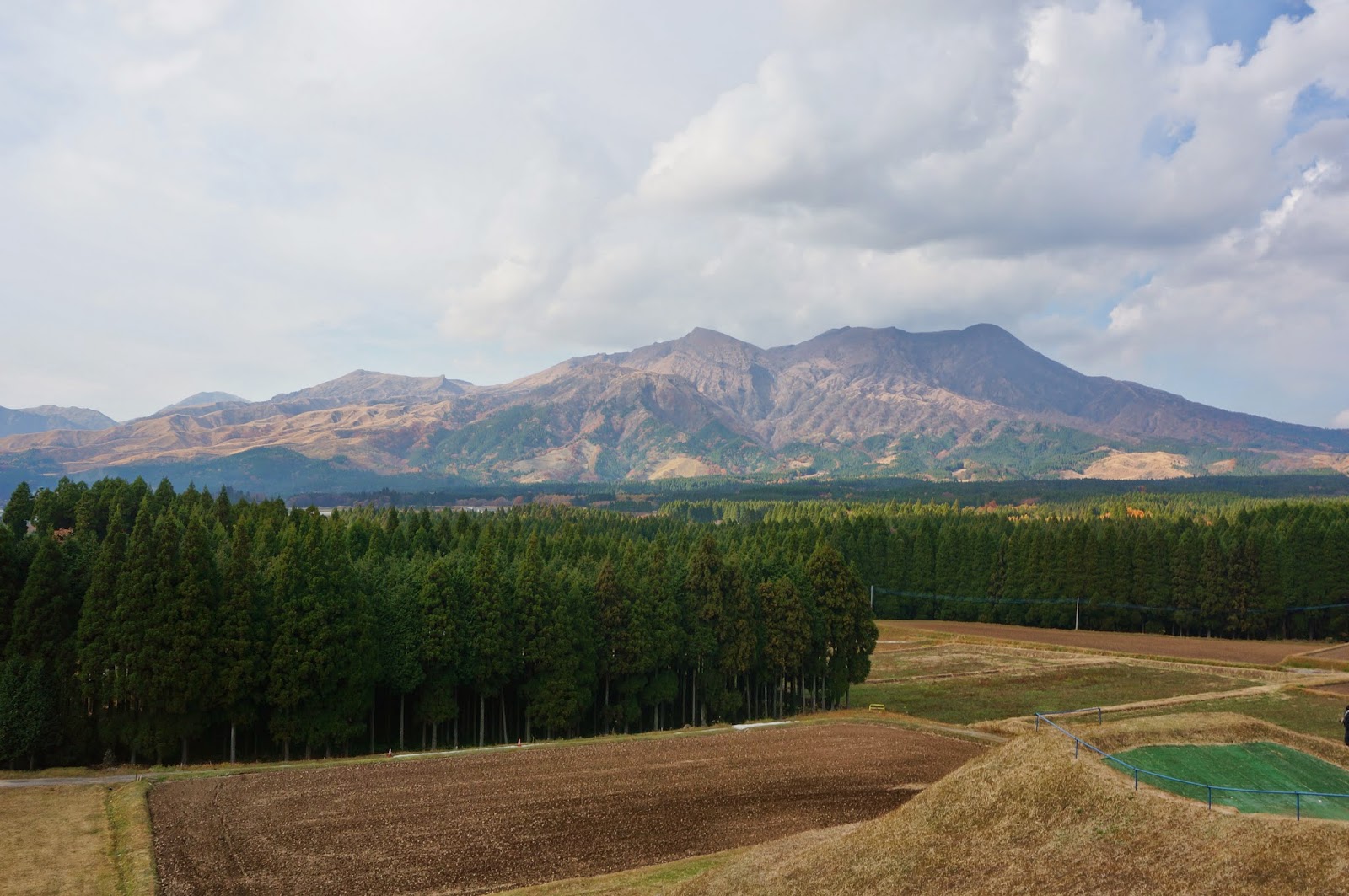
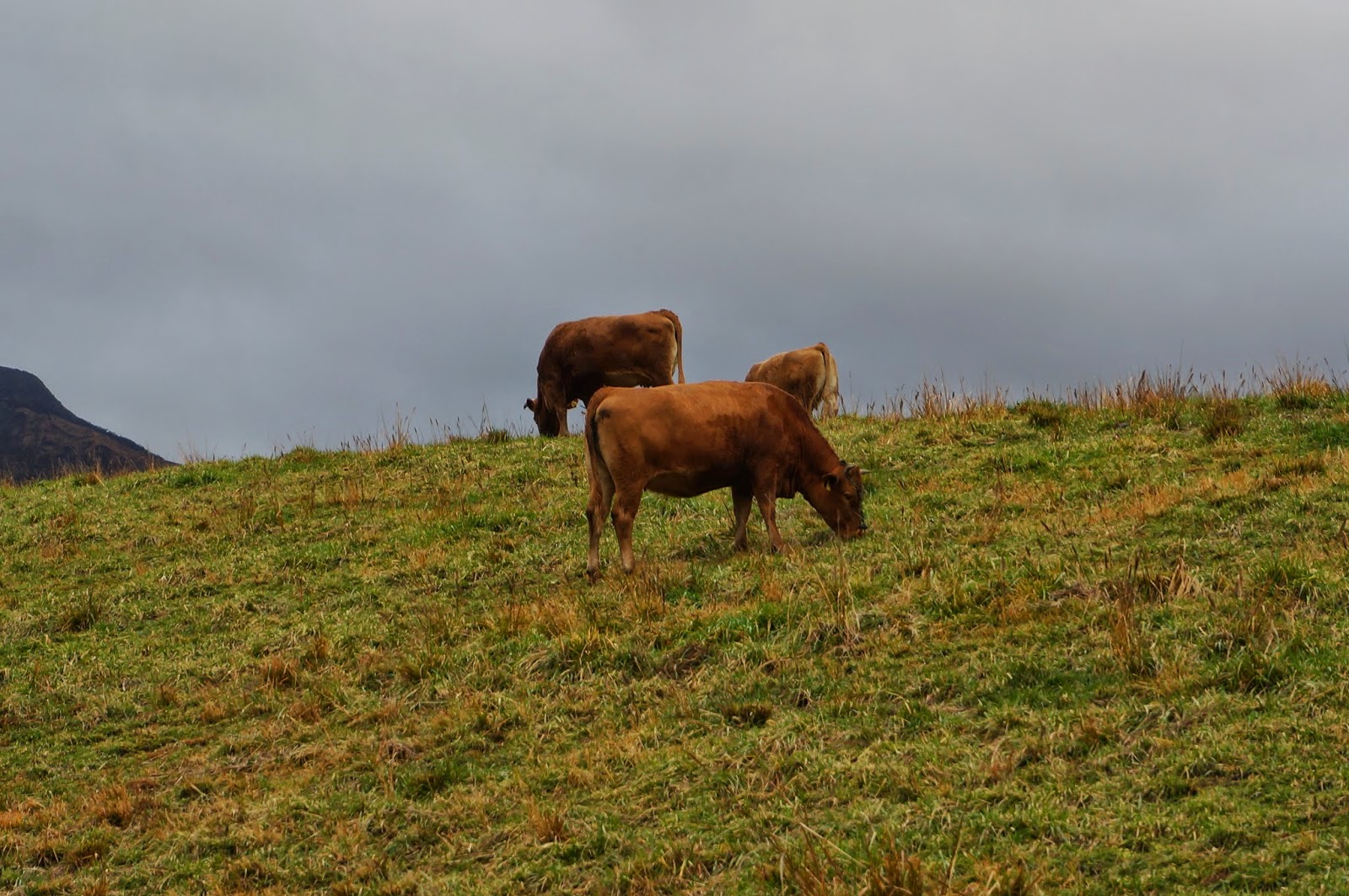
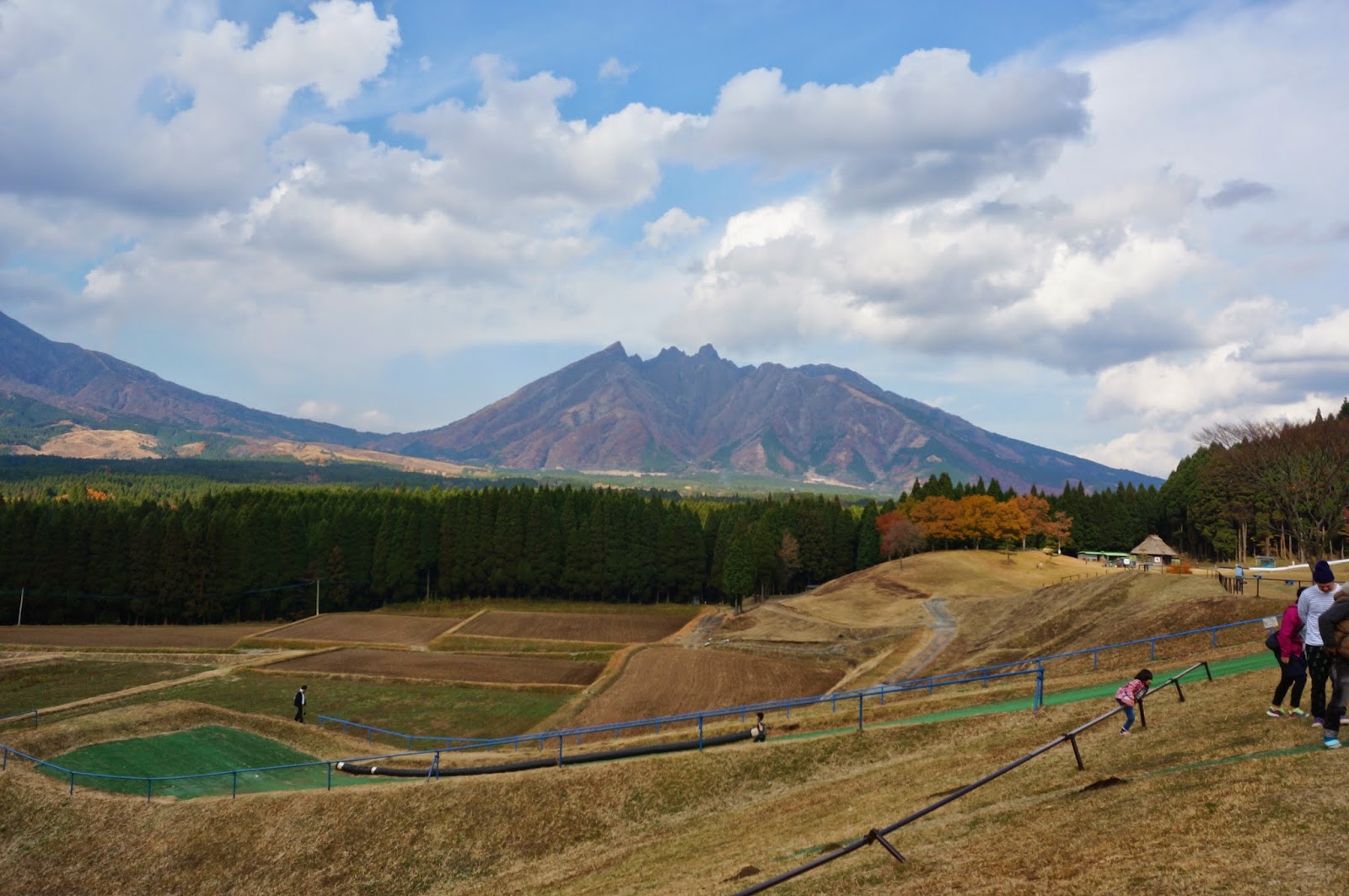
The fact that the Aso area is a Global GEO Park is pretty amazing, but why is that? During the trip I learned that the people in this area have a very unique tradition of cutting down the trees on the mountain and burning all the grass and weeds in order for grasslands to be created (called Noyaki, translates a ‘burning grass’). It is one of the few places on earth where you will see wide grasslands on mountains. They do this because it is a volcanic area and thus very fertile. They keep cows and other kettle on these grasslands as well as growing rice, vegetables and working with greenhouses. So it is a very important agricultural area. It is actually the most well known place throughout Kyushu for agricultural products and a quite some tourists stop by to get some of the products.
The fact that those grasslands are not naturally just there and what significance they hold is very unknown amongst these tourists. There is a need to promote awareness of Noyaki. First of all it is a tradition only found in Aso so it is important to make sure this unique tradition doesn’t disappear. Second of all it takes a lot of work to practice this Noyaki but with the ever decreasing population in the countryside the people of Aso need the help of volunteers more and more. It is hard work but very fulfilling and getting in contact with the local people while really helping out people that need it is a good thing in my opinion. 
The downside is that it is still all in Japanese. I recommended them to appeal to foreign tourists and students as well because I am sure there are people interested to help out and dive into the local culture of Aso. But it is still a work in process.
If you are interested in some pictures of Noyaki, you can take a look at this post by Atsushino Tanno.

Touring Aso

As always we started our field work by getting on the bus on campus and taking a long drive. When we arrived in the Aso area the landscape started to change and we saw stretching grasslands on the mountains and the occasional cows. We started by going to the Aso Visitors Centre. The Centre is almost like a museum with photos and explanations of Aso on the walls and other displays of Aso. One of the volunteers working there explained the characteristics to us. There was also a corner to make cute animals with sticks and leaves and flowers. Another corner was intended for kids with some books and costumes. Around the centre is a Wild Flower Garden but we didn’t get to see that.
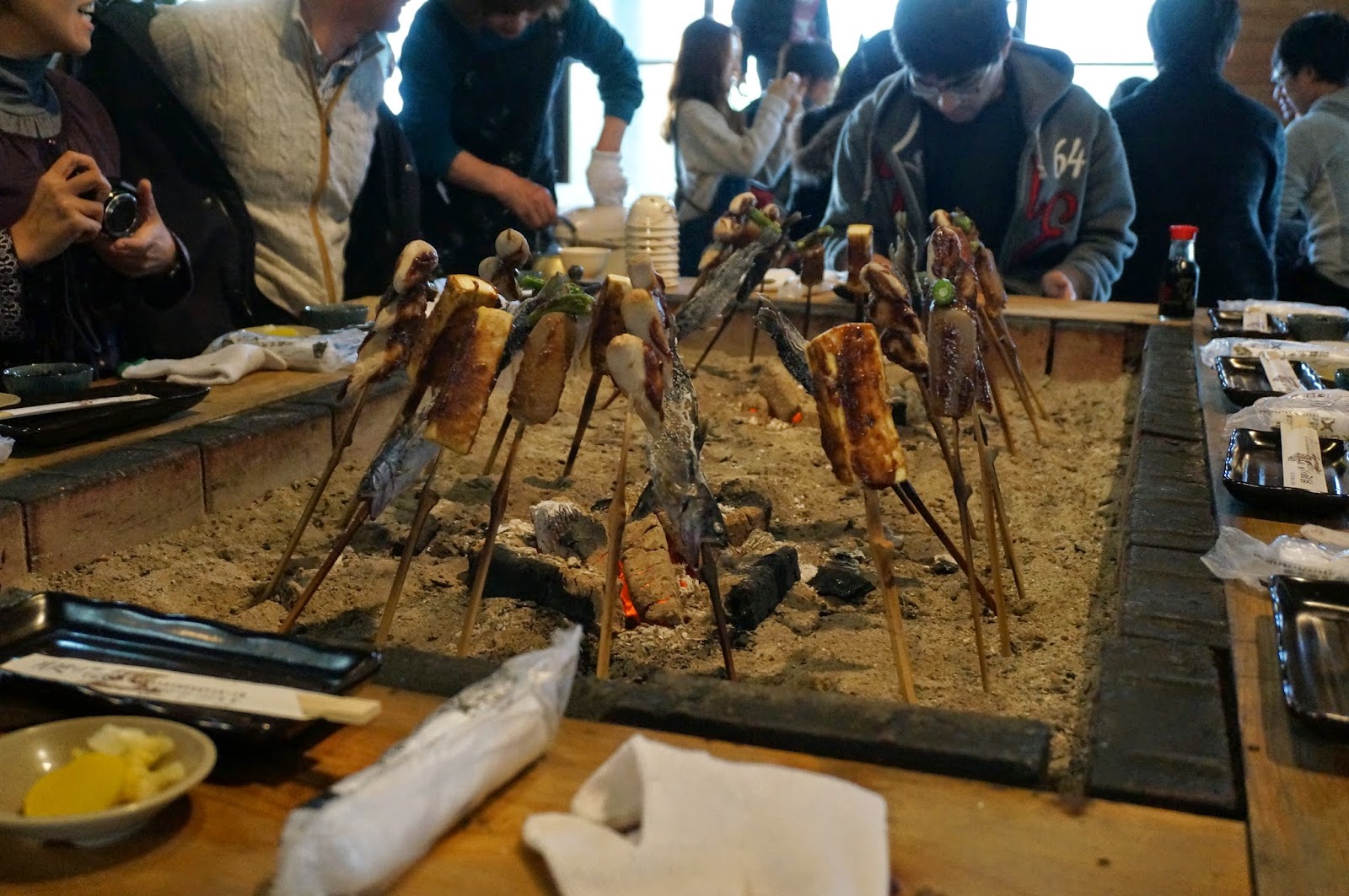
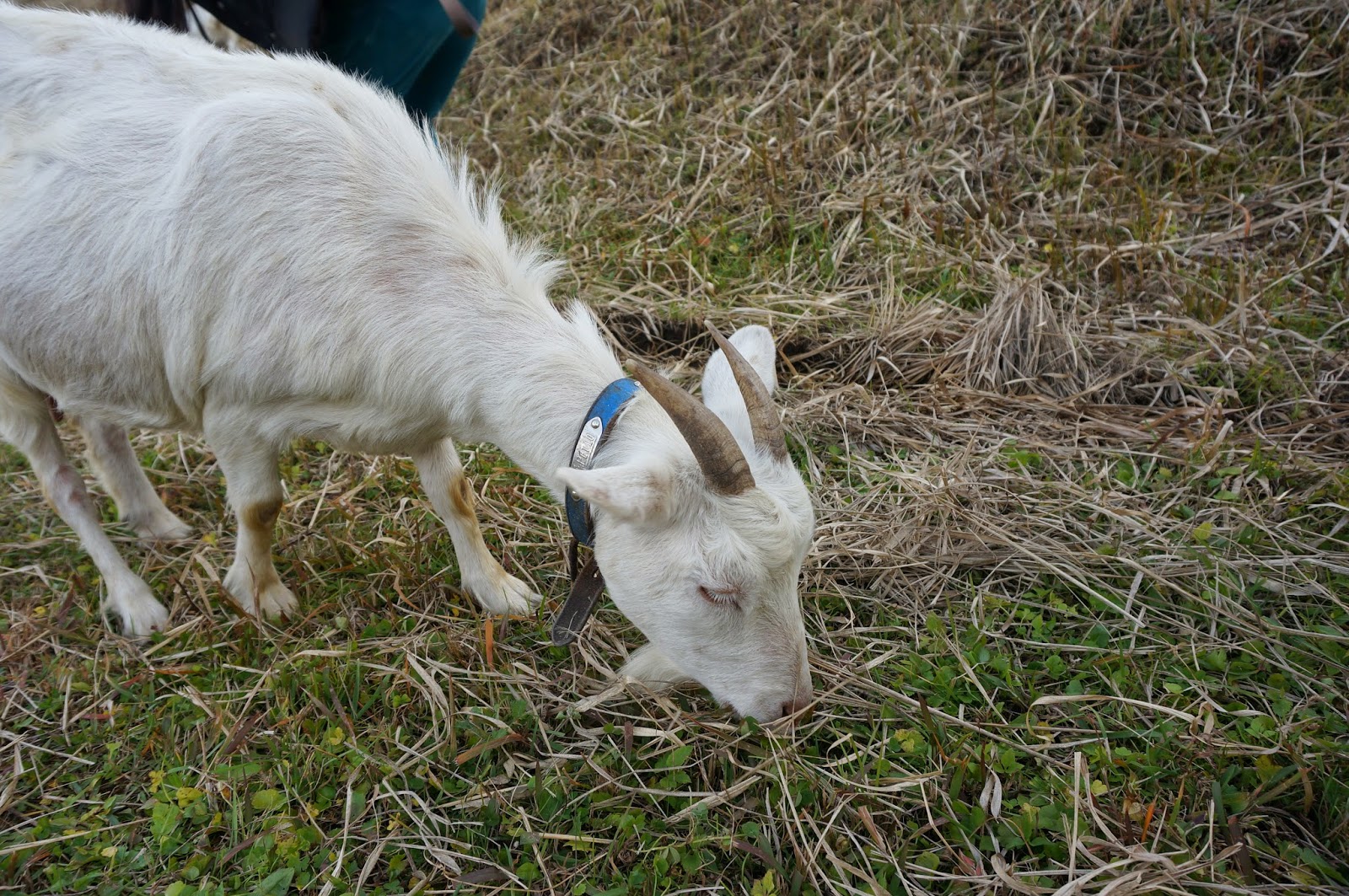
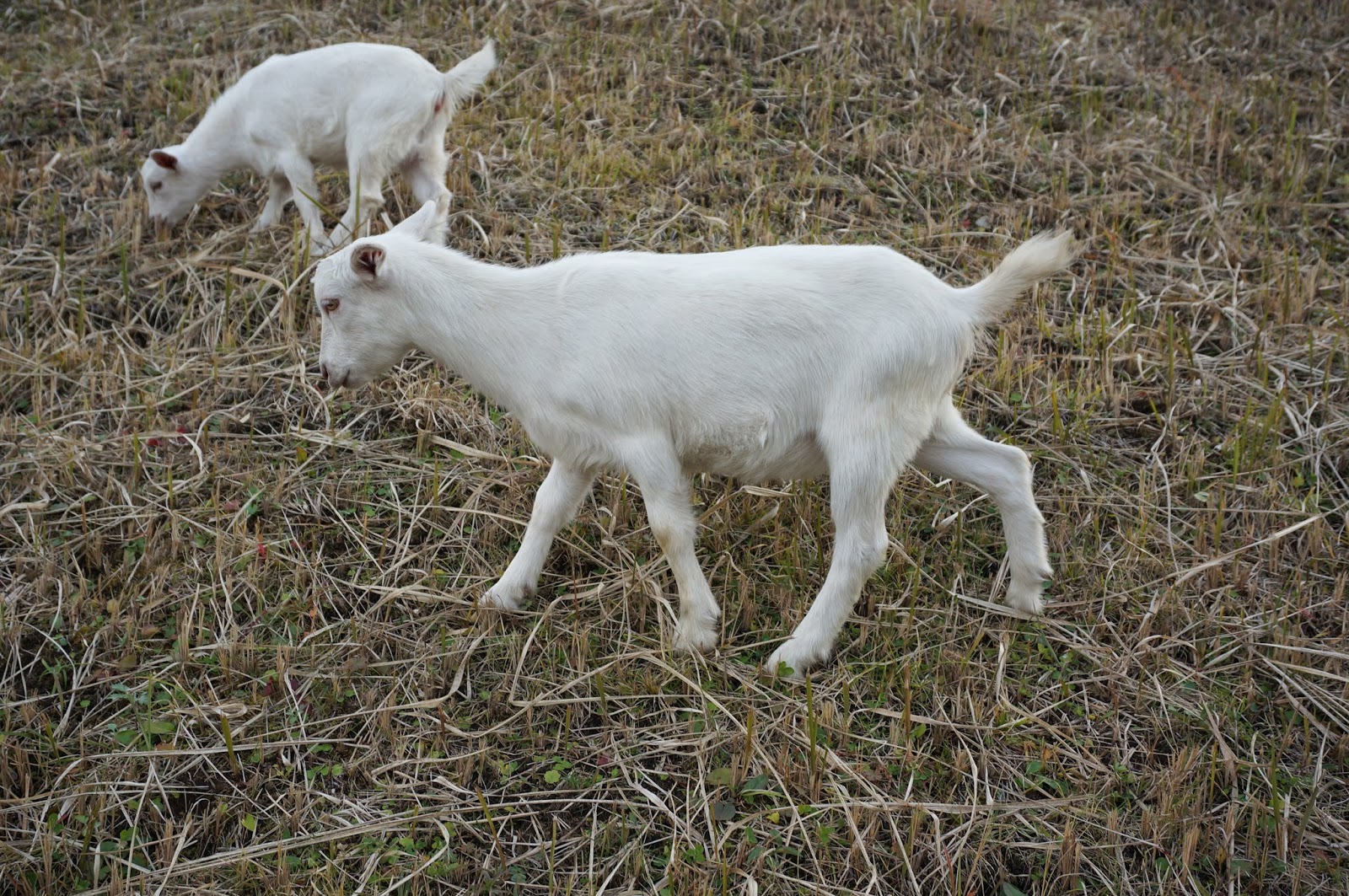
Since we’d had a long drive we then moved on to lunch. It was a very special lunch; the tables were pits with sand and burning coal and instead of plated all the food was put on big skewers. There were even gloves provided to take out the skewers from the burning pit. All the food was locally produced like local fish, tofu and meat. The location was also pretty unique; the restaurants looked like a big farm house and just outside were stretching fields of grassland and farmland. And a bunch of cute goats!

Volcano Eruption

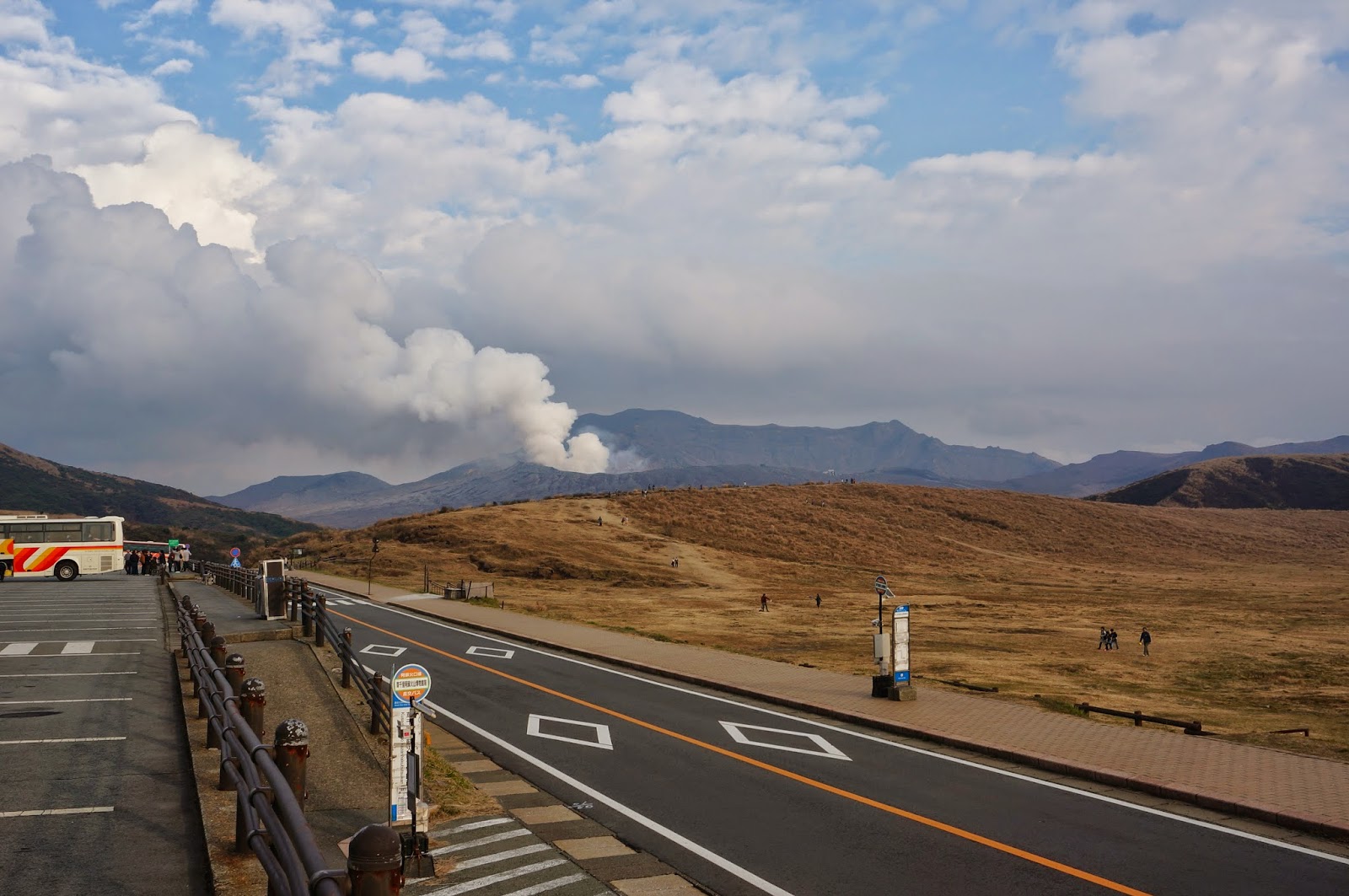
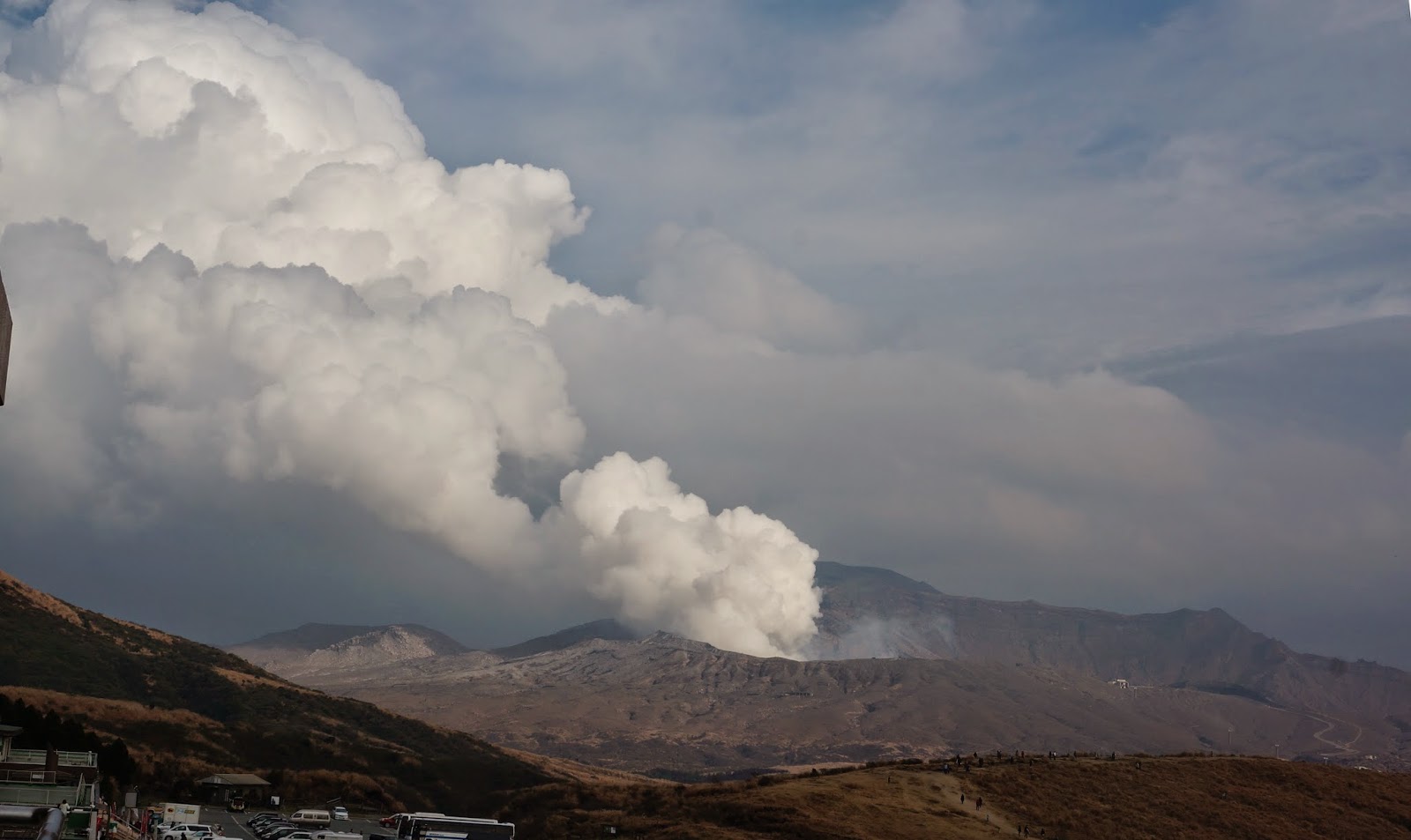
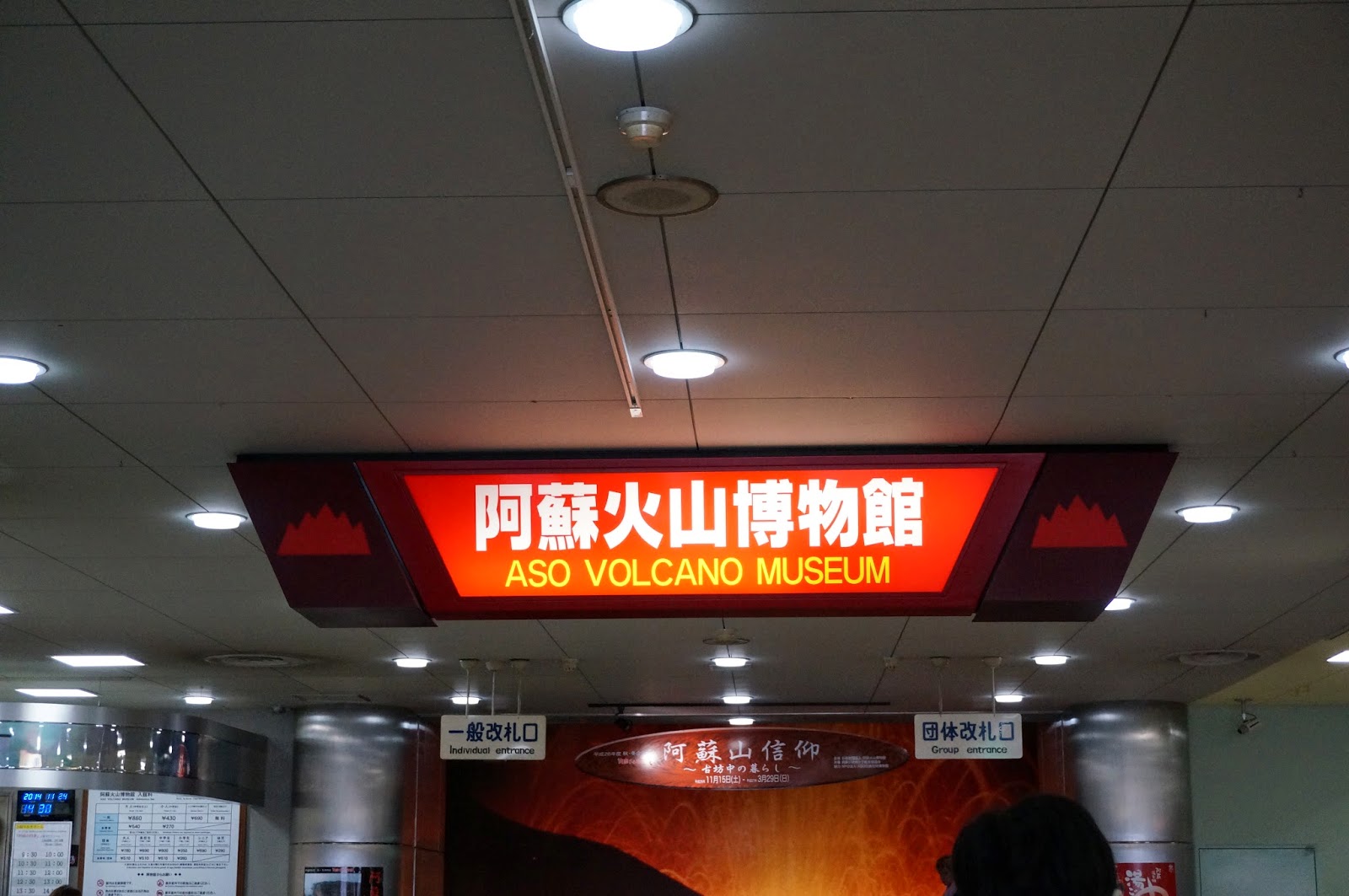
Our next destination was Aso Volcano Museum. While driving there we drove past the Volcano Crater. Or more like we could see it from a distance. There was smoke coming out and it was my first time seeing that in real life. I have never been to a volcano so it was pretty cool to see even if it was from far away. Actually it appears that later that day the volcano erupted a little bit and visiting the crater has been restricted since then, although it seems that there is no direct danger of a big eruption at present time.

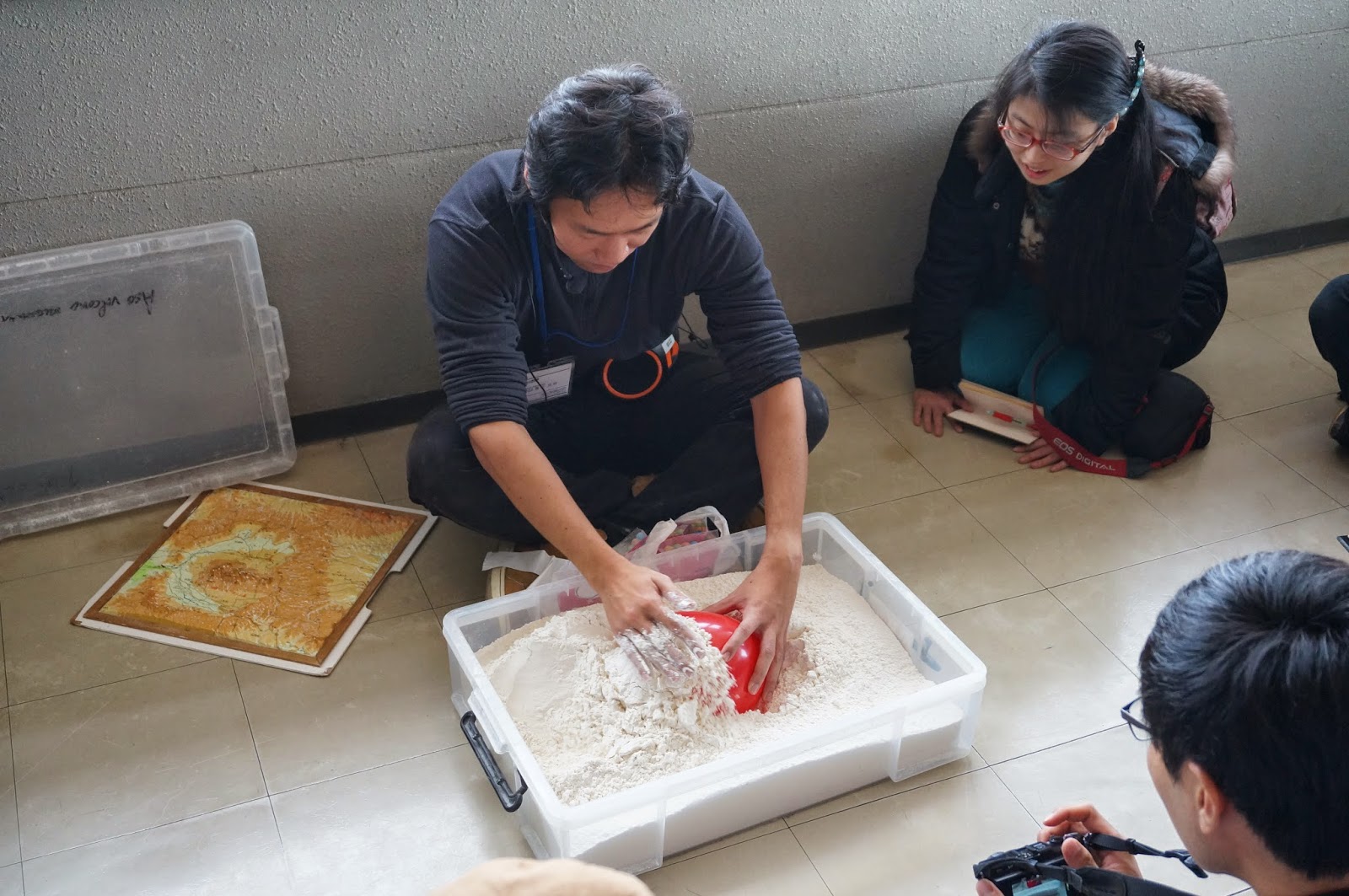
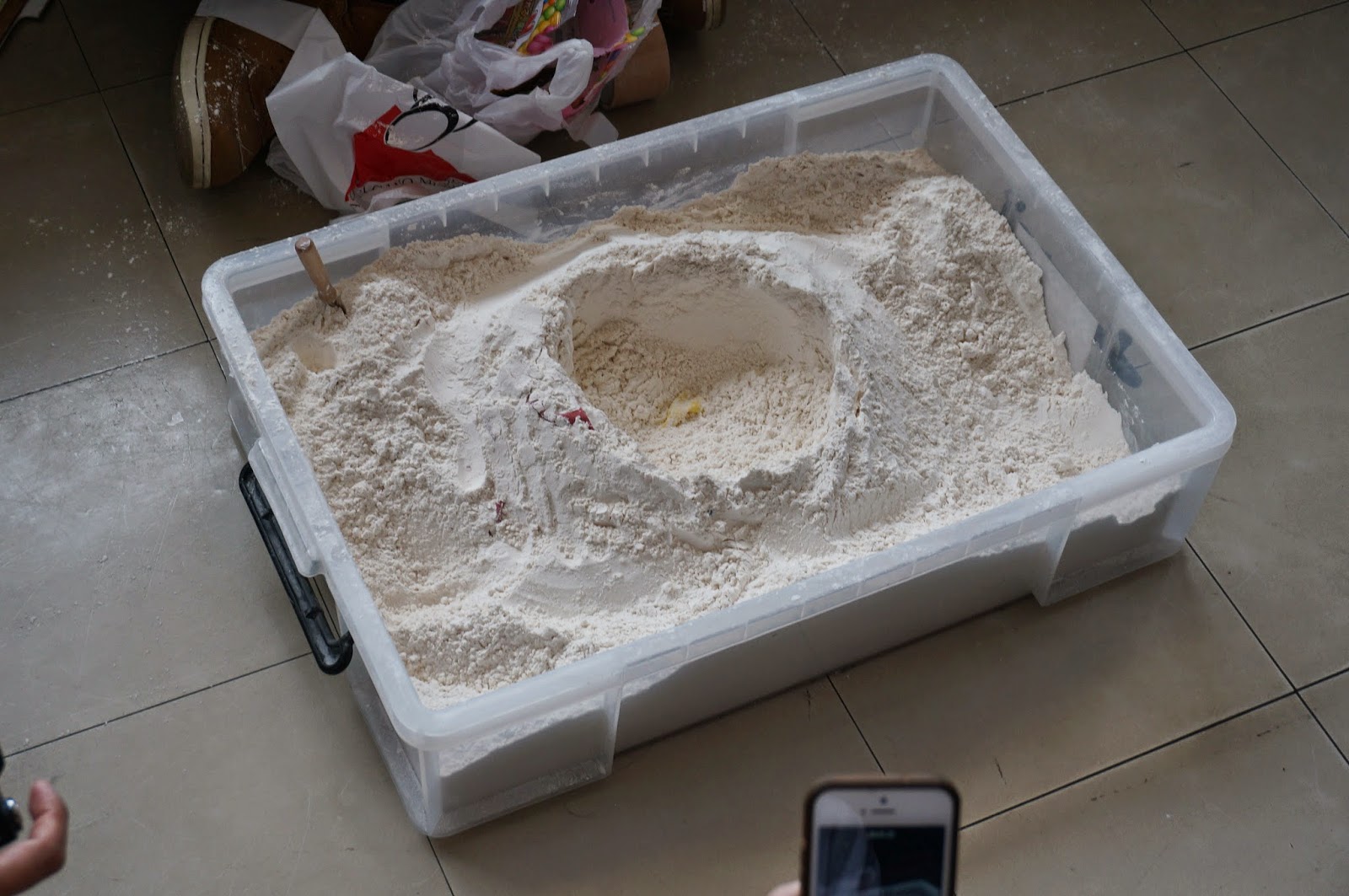
The Volcano Museum was quite interesting but everything was in Japanese and the guide was very difficult to understand. His sandbox explanation of volcano explosions and the creation of Aso Caldera was interesting though. So if you don’t know Japanese this might not be the place for you. Some of the signs did have English translations though, so if you are interested in volcanos it might be worth a try anyway. I do recommend to visit the crater if possible and enjoy the gorgeous view of the grasslands and the volcano.

Lavish Dinner

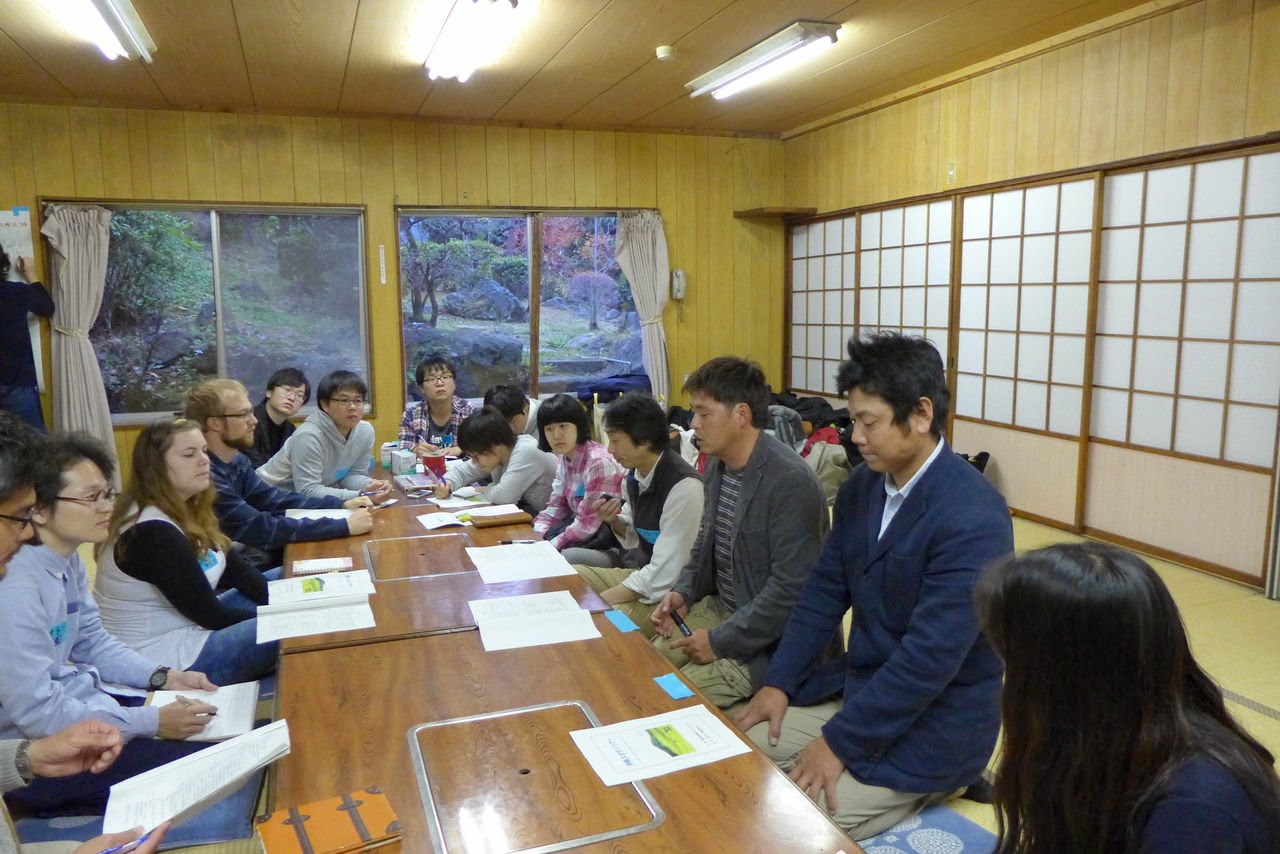
In the evening we arrived at our lovely ryokan. Before we could settle down and eat it was time for an interview with two local farmers and to tell our opinions and thoughts of what we had seen that day. So basically we had a study session. After about two hours our food was set up in another room and we could finally take a rest from all the touring around and studying.

Dinner was Japanese style of many small dishes including hot pot, sashimi and duck. It was very lavish. Sake was flowing and before I knew people were dancing on the small stage in the room. We have students from Japan, China and Korea, and then me and a visitor from Germany, so every ‘country’ had to show a local dance. My German friend and me represented Europe with the chicken dance. You need to think of something right?

Talking about interesting food, the breakfast next day was also quite interesting. It as normal buffet style except that next to the tables was a fake river and occasionally baskets with eggs would float by so you would have to catch your eggs from the baskets. I have never seen anything like that before.

study session. Photo by prof. Fujihara
Awesome dinner. Photo by prof. Fujihara

Soaking in hot springs

When dinner was finished it was finally time to freshen up in the hot springs! Also is has many natural hot springs and this inn specialized in them with hot springs in different locations around the hotel. So we girls put on our yukata and went to the first one which would turn into a mixed bath later in the evening. It started to drizzle but we were warm and cozy in the bath. I can definitely recommend doing this, it feels so good!

After nearly an hour we put on our yukata again and walked to the second bath which was a small one outside in the second floor. And we went to a third hot spring down the slope (in the dark) as well. So basically we were touring the different onsen. In Japan it is a custom to drink cold milk after a warm bath so we drank cold milk locally made in Aso together in the lobby. Then I took a last shower in dipped into a  private bath before falling asleep on cozy futons.
Sorry no photos because they are not allowed in hot springs!

Aso Shrine

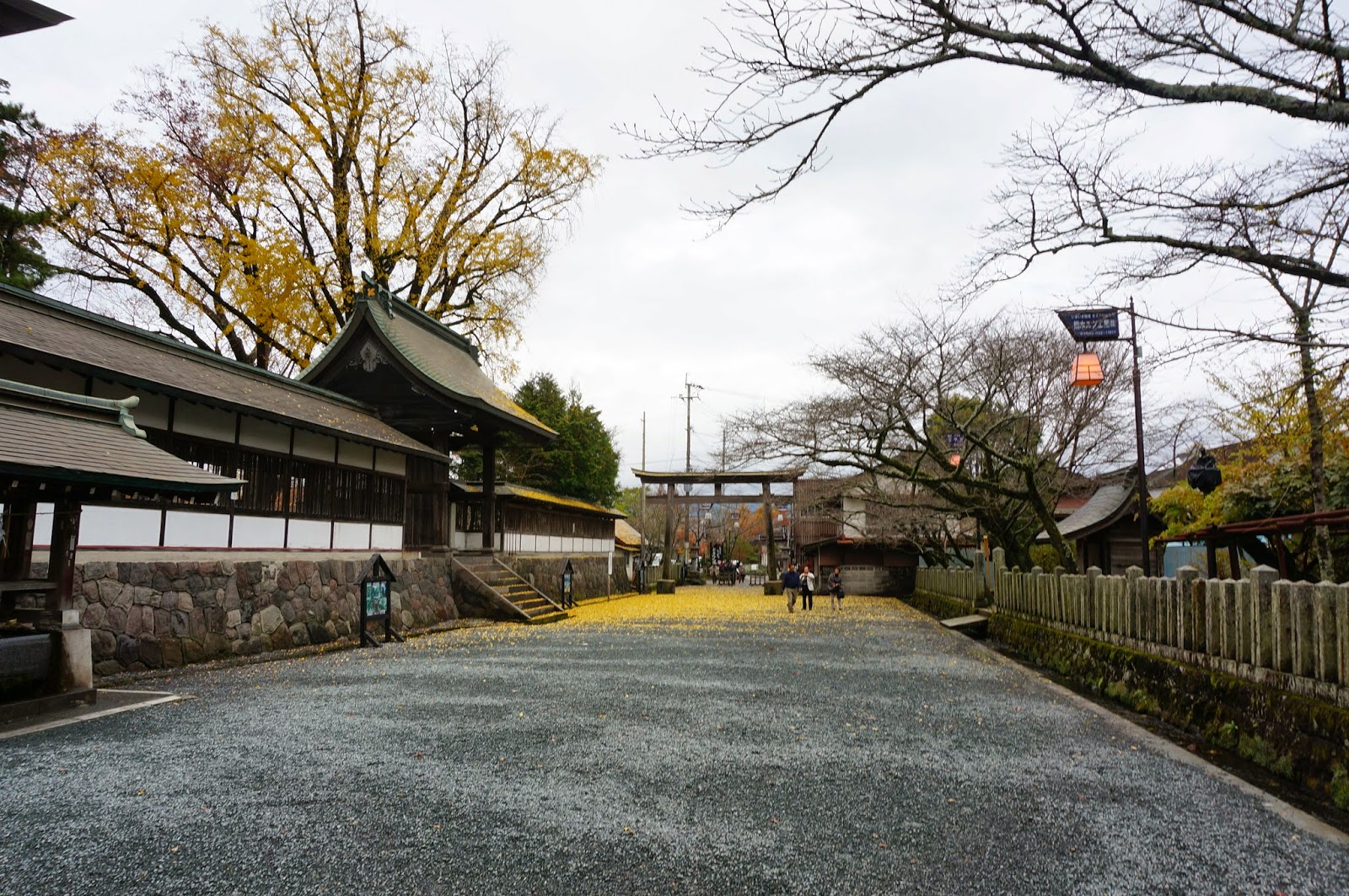
The next day we went to a lecture. It was in difficult Japanese though so I didn’t really catch what they were saying, but I remember it was about volunteering for the Noyaki and what kind of work and organizations are involved. After that we visited Aso shrine. My professor was really excited because he was born and raised in this area and he knew a shop with very good meat buns. Around the town near Aso shrine there are a lot of fountains with the local spring water. This water is supposed to be very healthy and delicious so you should definitely take a sip from the different springs.

The shrine itself is known for the festival held to celebrate the Noyaki and a fire ritual festival. My professor showed us videos and photos of this fire ritual festival and it looked very impressive and a little bit dangerous as well. it is celebrated in march but sadly I couldn’t go there to check it out myself.

Megaliths

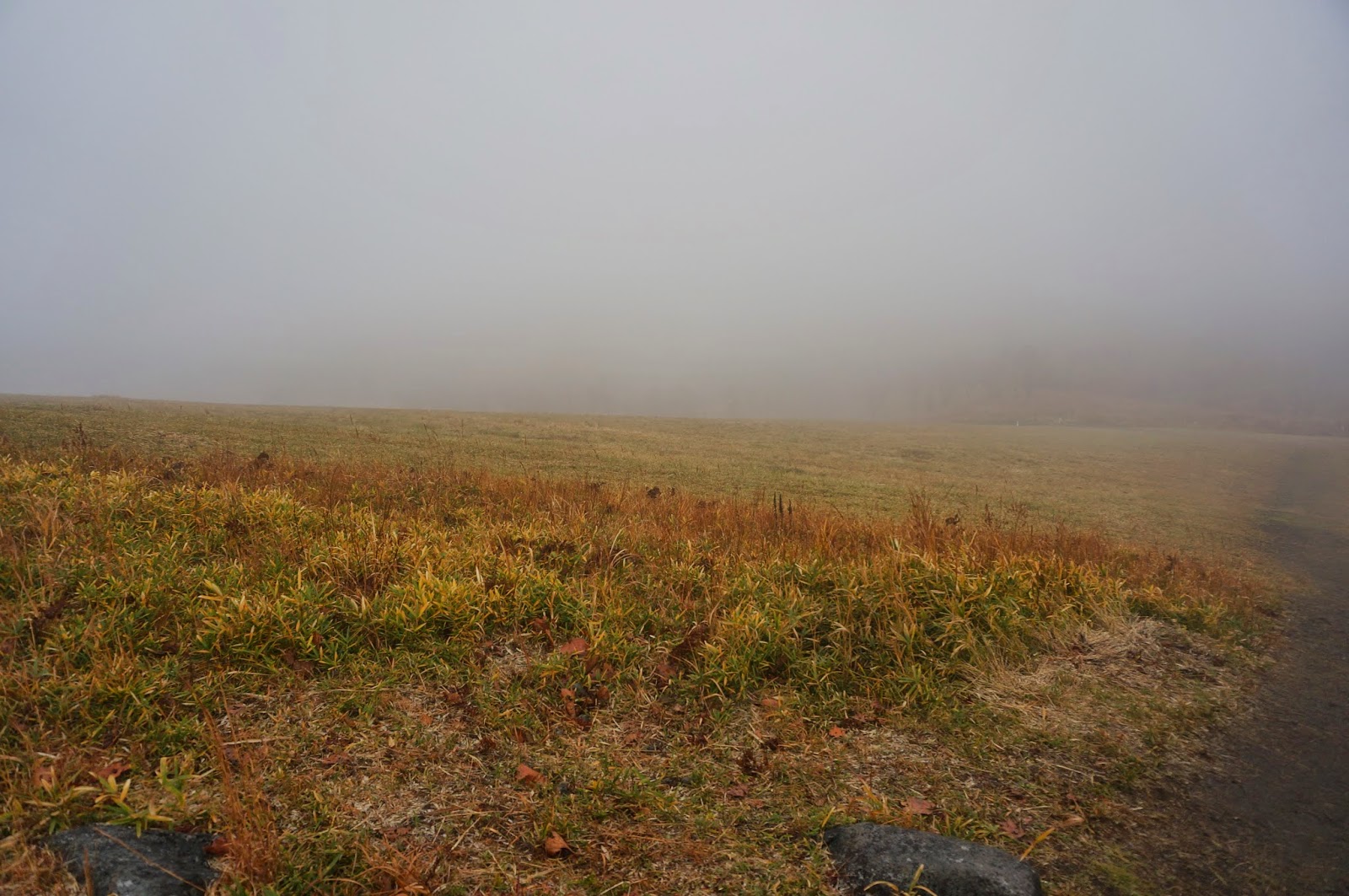
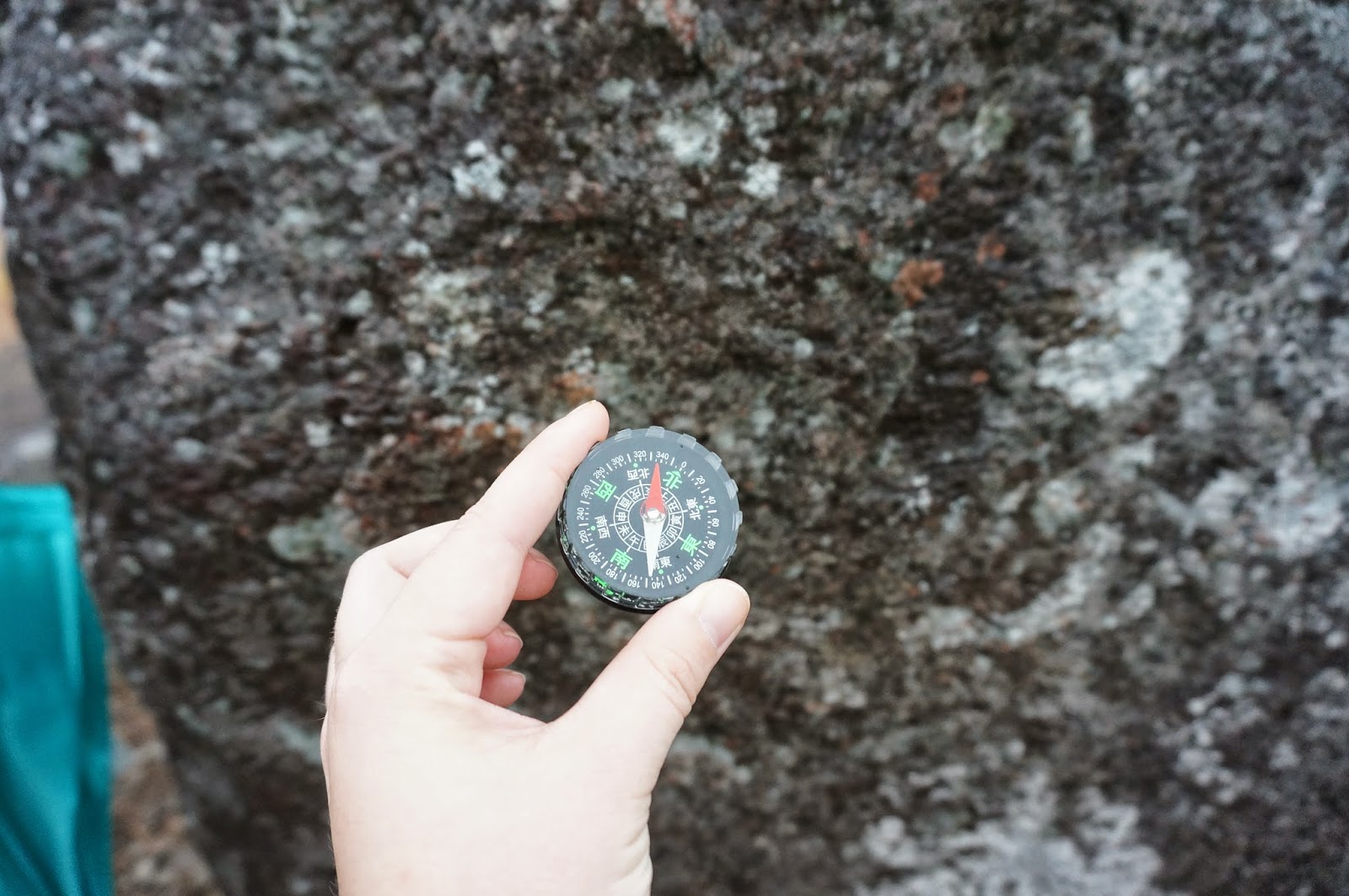
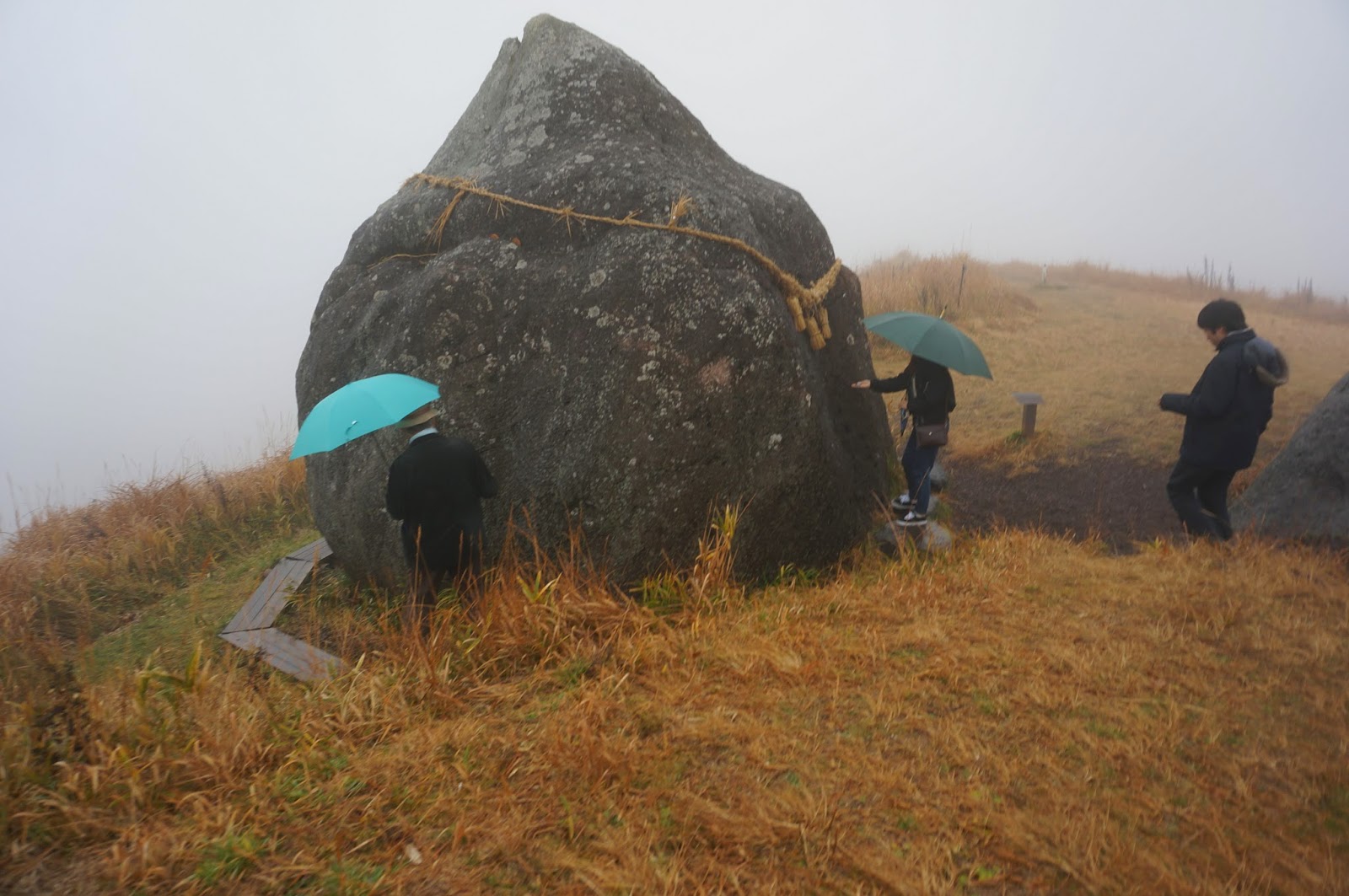
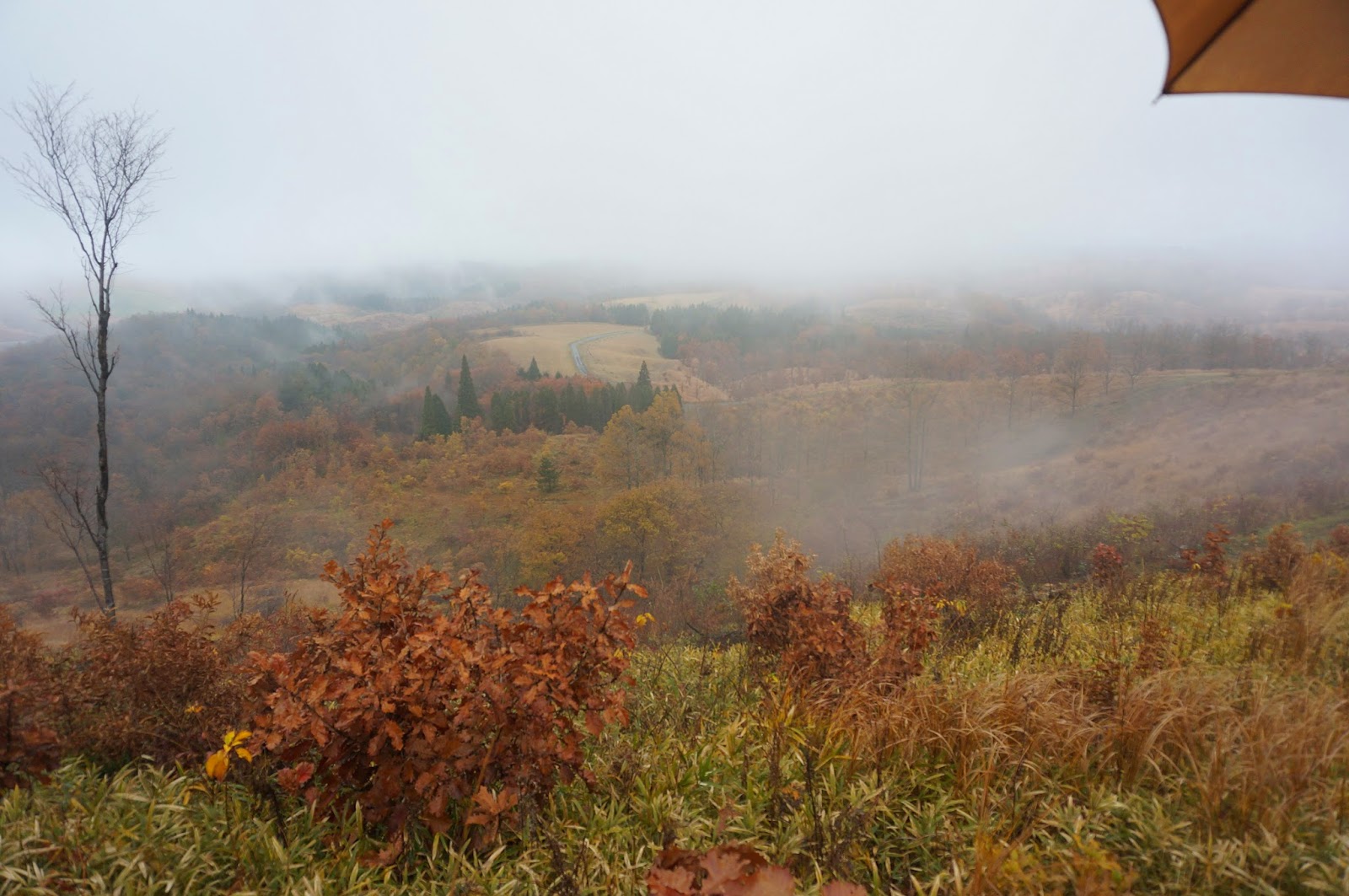
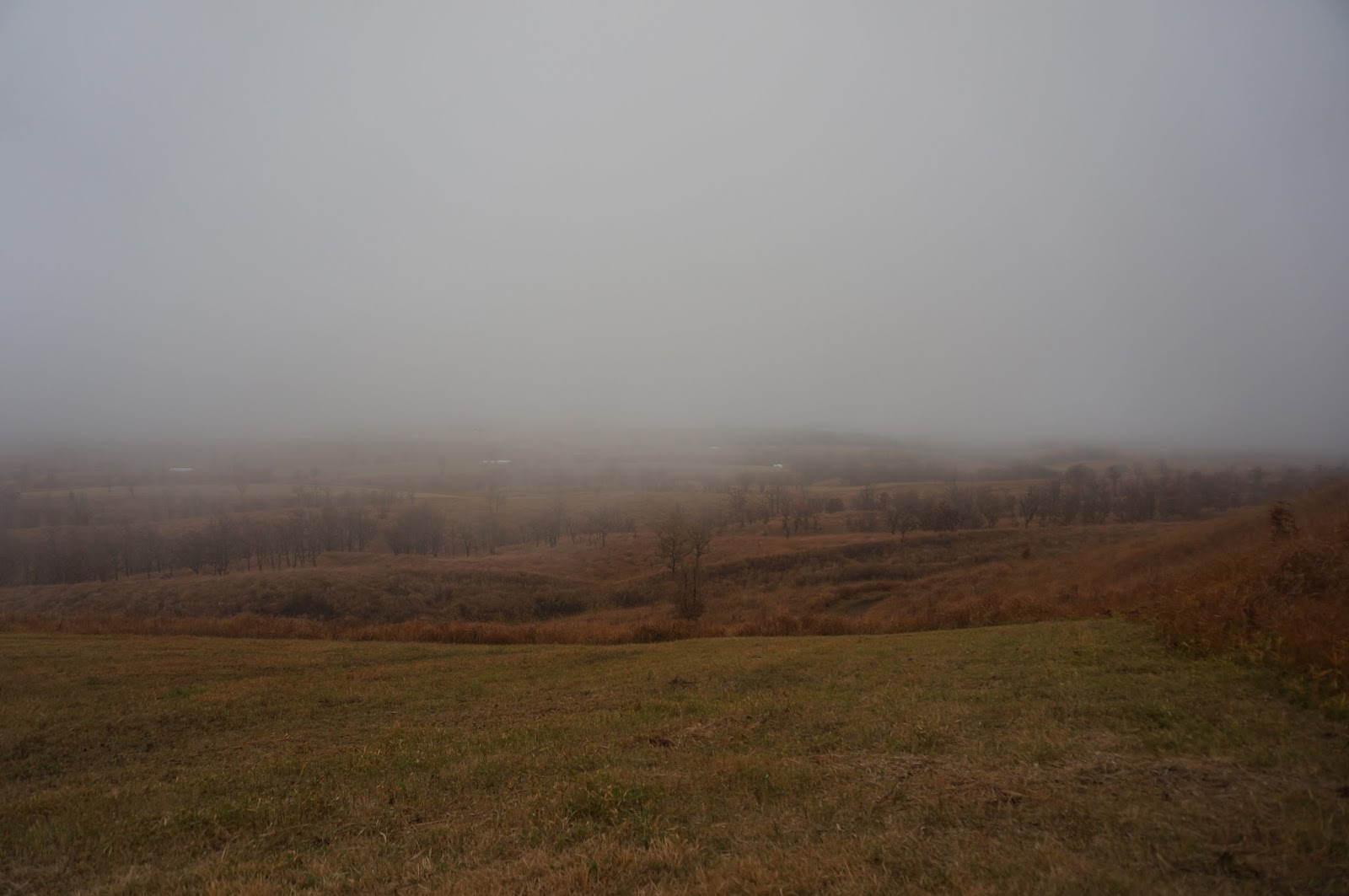
Lastly we went to some mountain where there is a lot of electromagnetic fields called Oshito-ishi. It started to rain though and it was super misty and cold so we weren’t in the mood to do it. Basically we had to climb a hill and try with our compass all the different stones there and see which ones made the compass go crazy. They are megaliths made of volcanic rock and some have inscriptions on them in some ancient language. One of the biggest stones there is sacred to the local people. The hill that the stones are located on supposedly offer a great view of the Aso caldera but it was too misty for us to get a good view. Sometimes we could catch a glimpse and the view looked fantastic indeed.

so misty

the sacred stone


Friendly Fukuoka – Blooming Cherry Blossoms around Kyushu

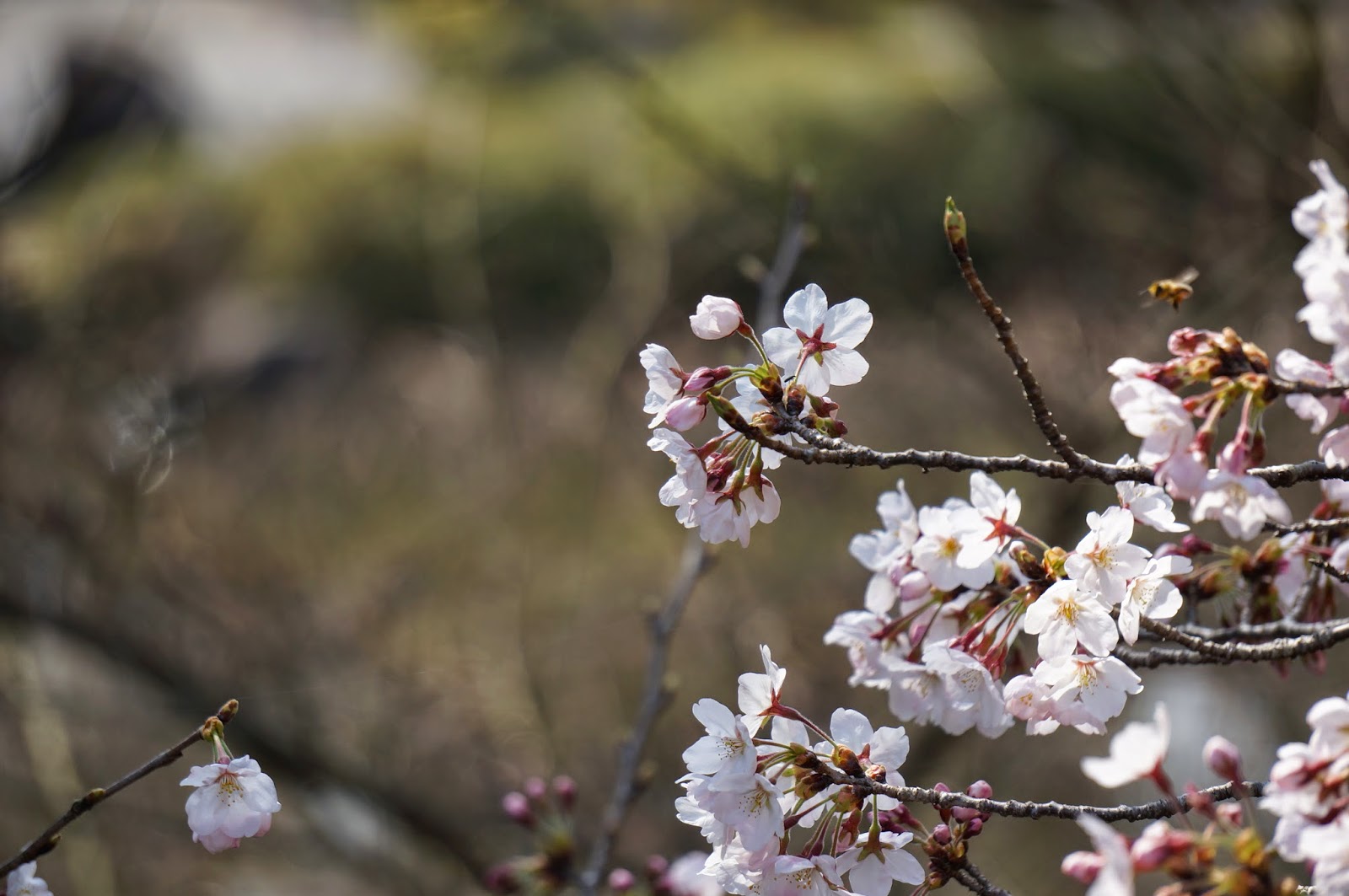
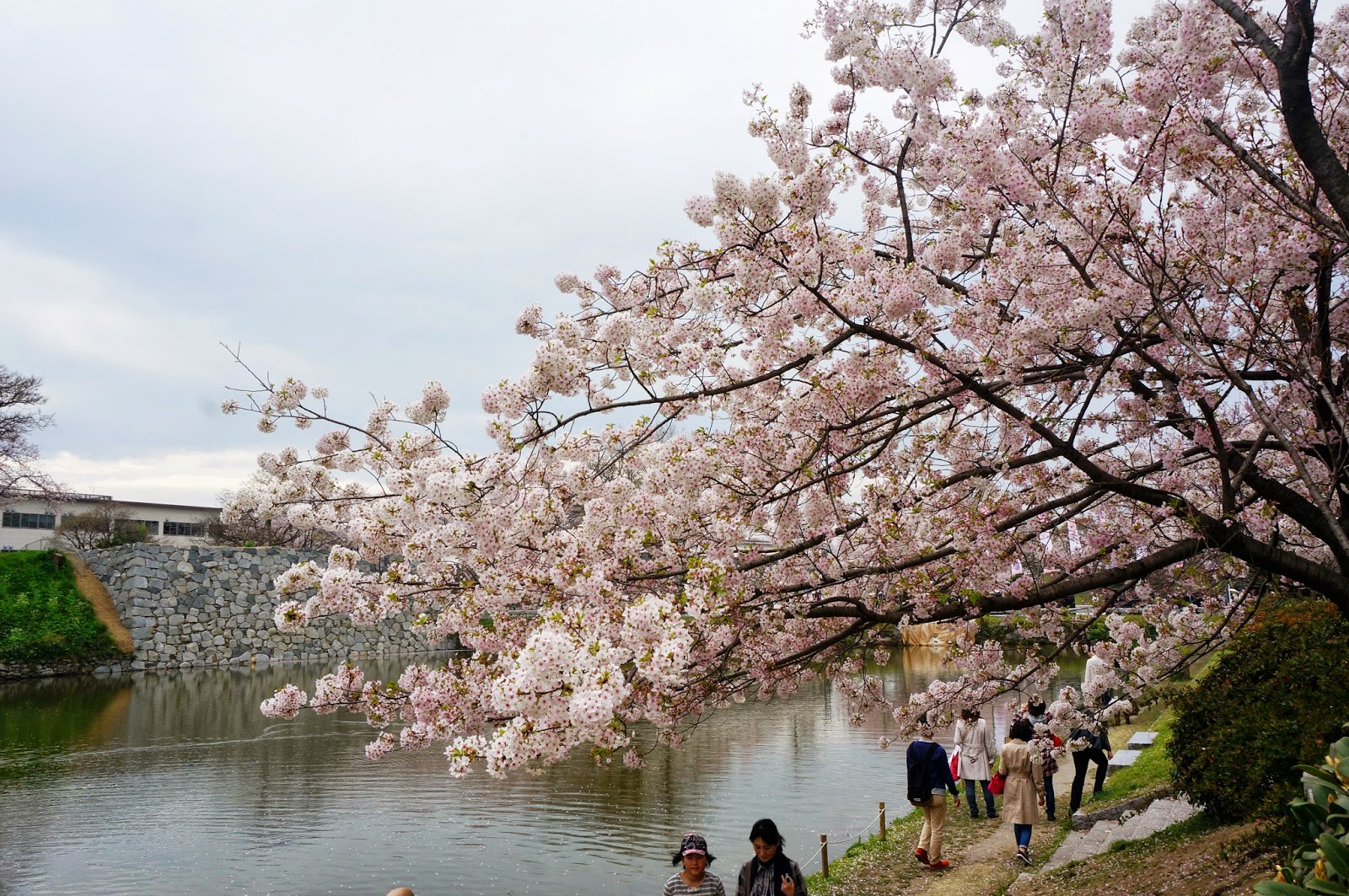
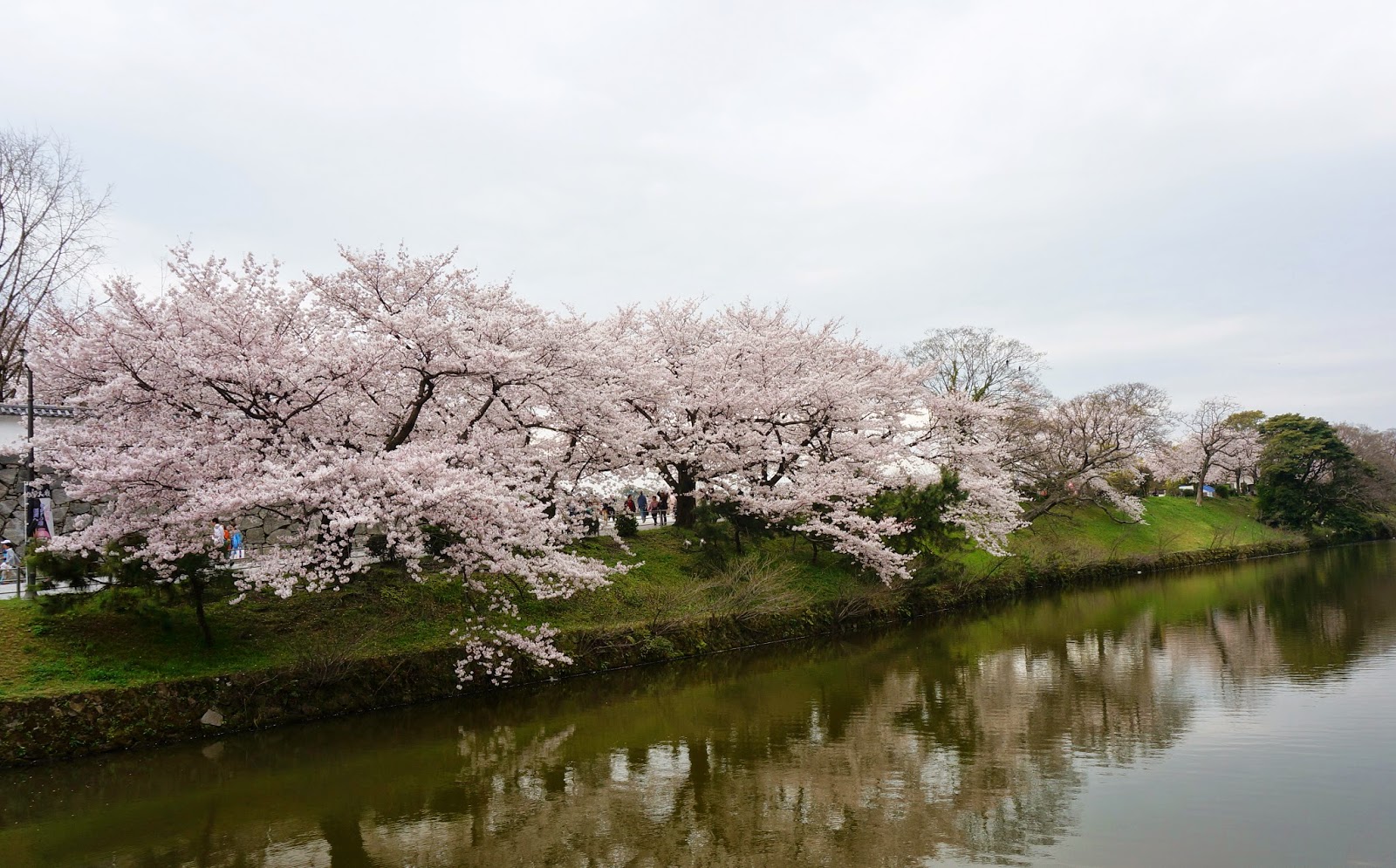
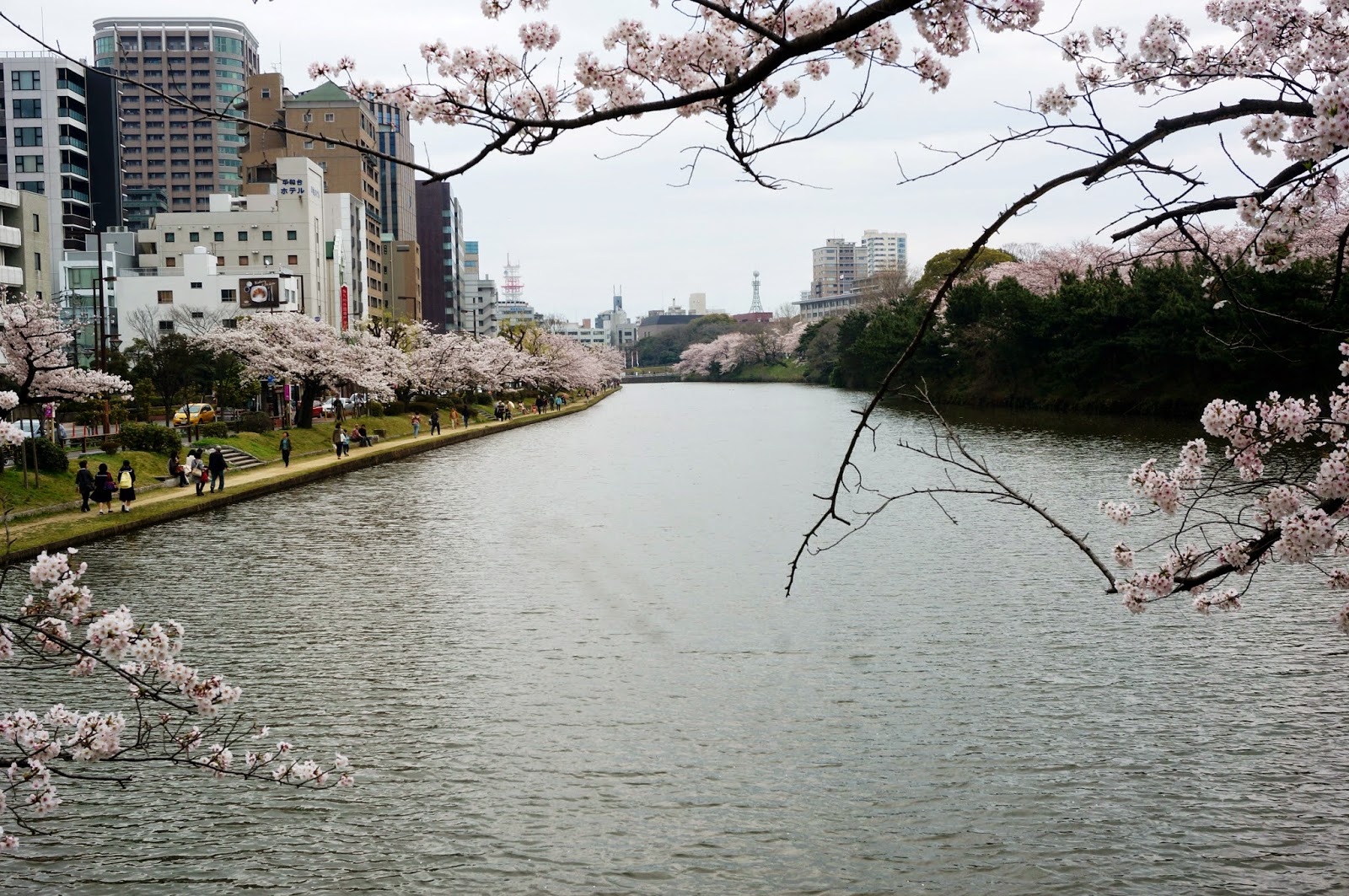
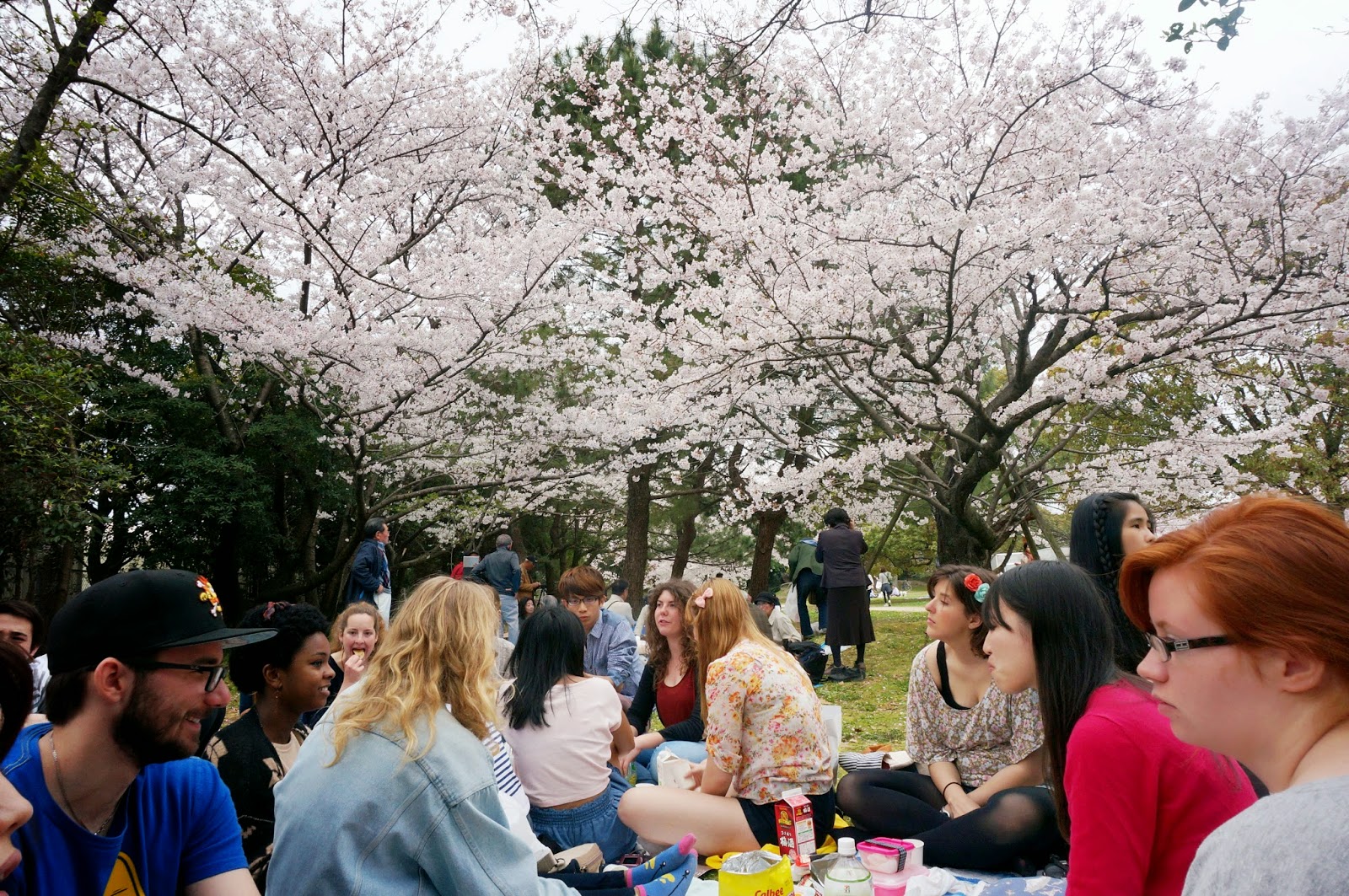
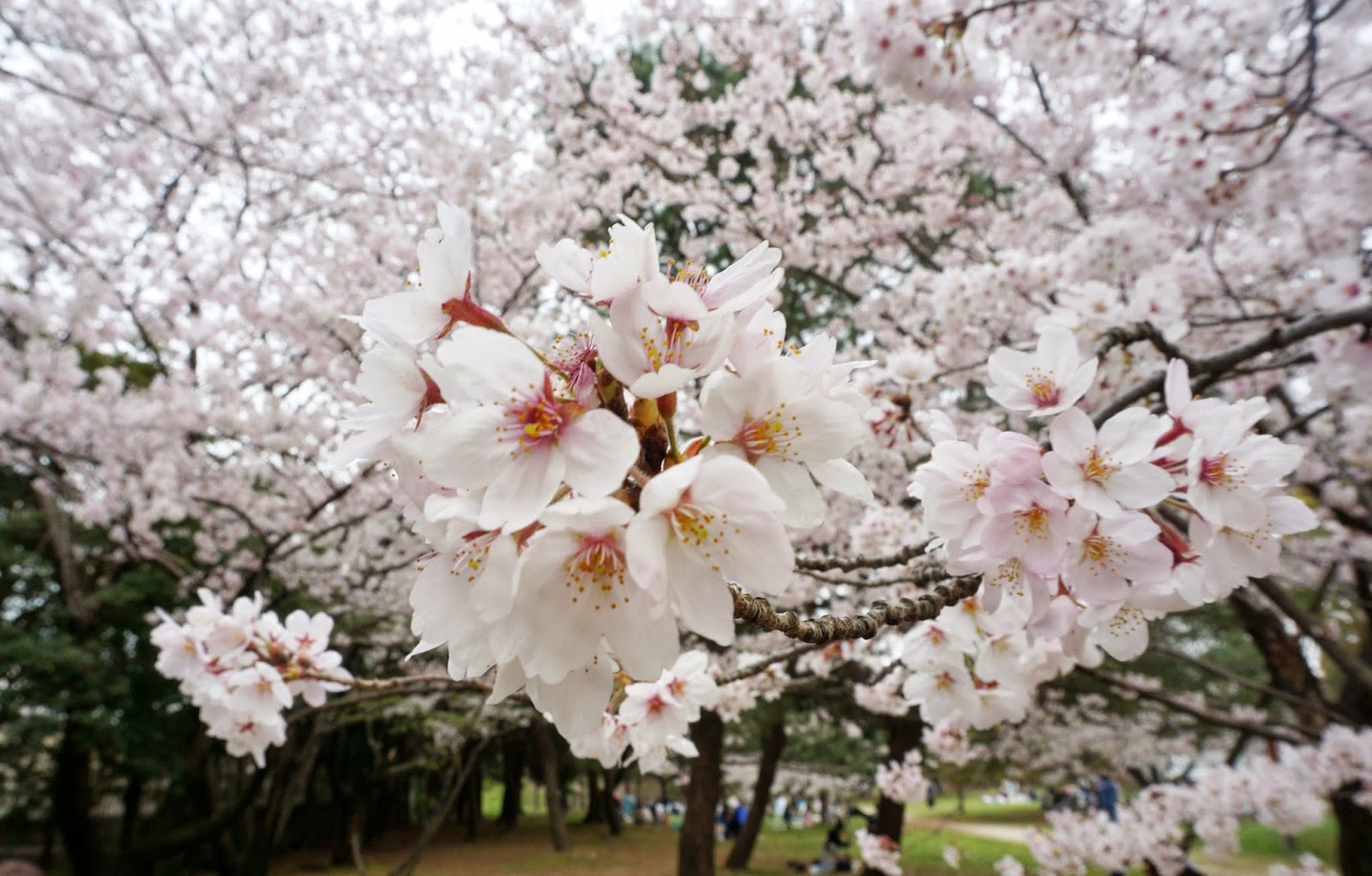
While writing this post the leaves of the cherry blossom trees are already green. The sea of pink petals has fallen down and the contrast with the beautiful blooming trees couldn’t be bigger; piles of dried up brown petals are scattered on the streets instead. Even though we could enjoy the sakura (the Japanese word for cherry blossom) for about a week, that week passes by too quickly. I regret not enjoying them more, not going to a hanami (Cherry blossom viewing party) one more time, not trying to take better photographs, not going to the temple across the street while the tree was blooming… Japanese say that the beauty if the sakura lies in the fact that it blooms so shortly; we should enjoy them in that short time to the fullest, like we should enjoy life to the fullest while it lasts. That’s the beautiful thing of sakura. For me it is a little bit saddening as well, but that’s how it is.

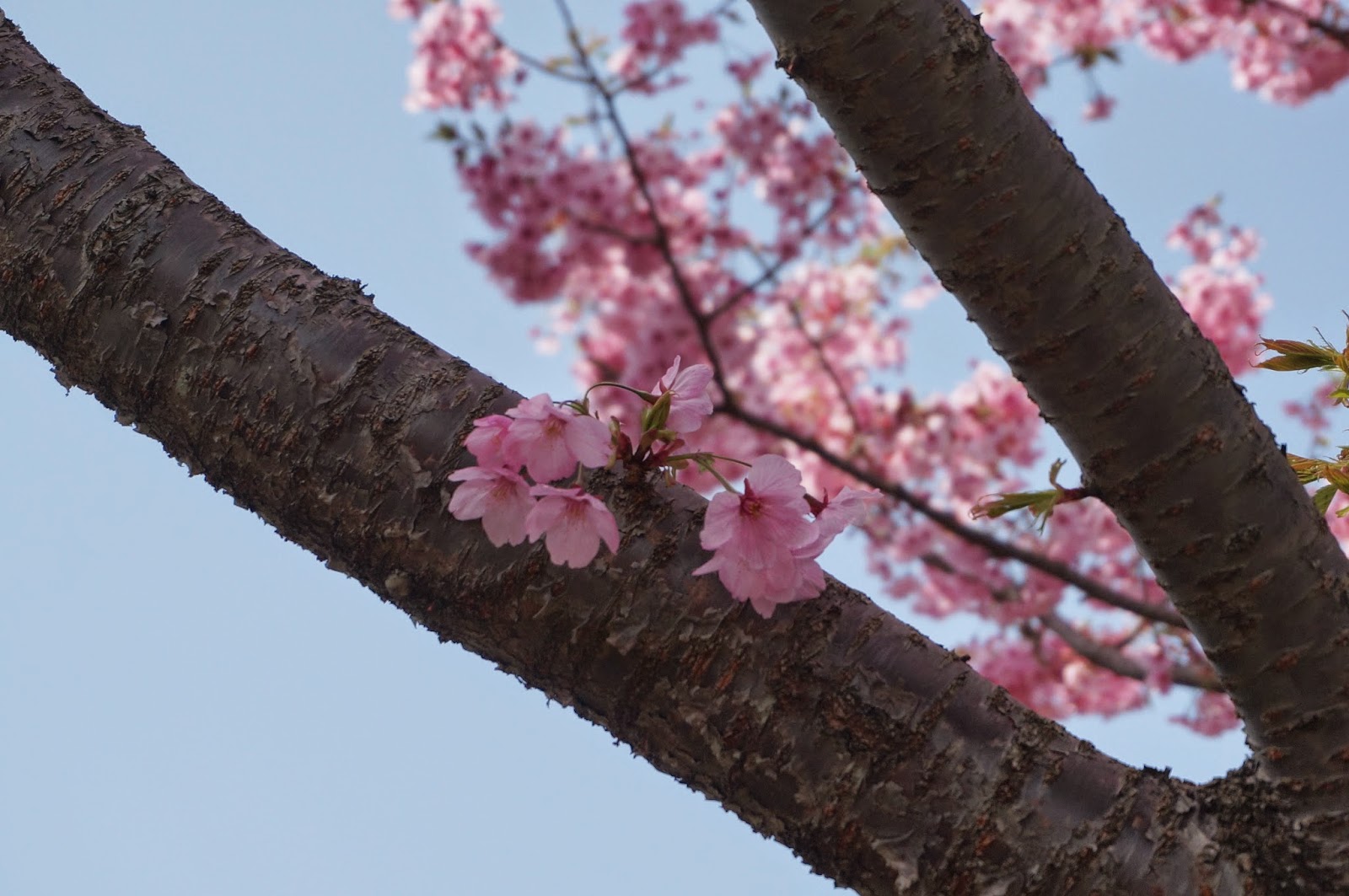
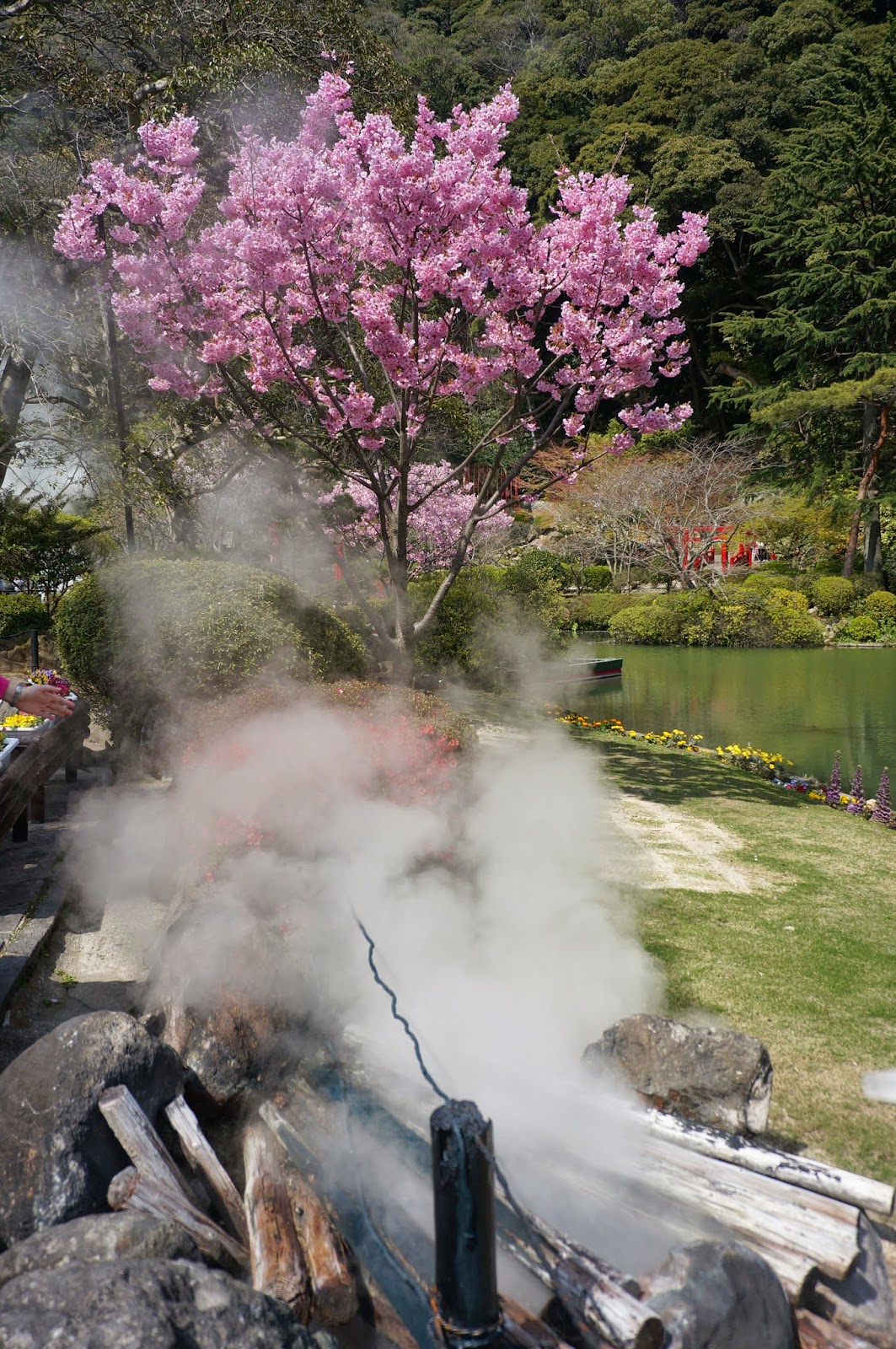
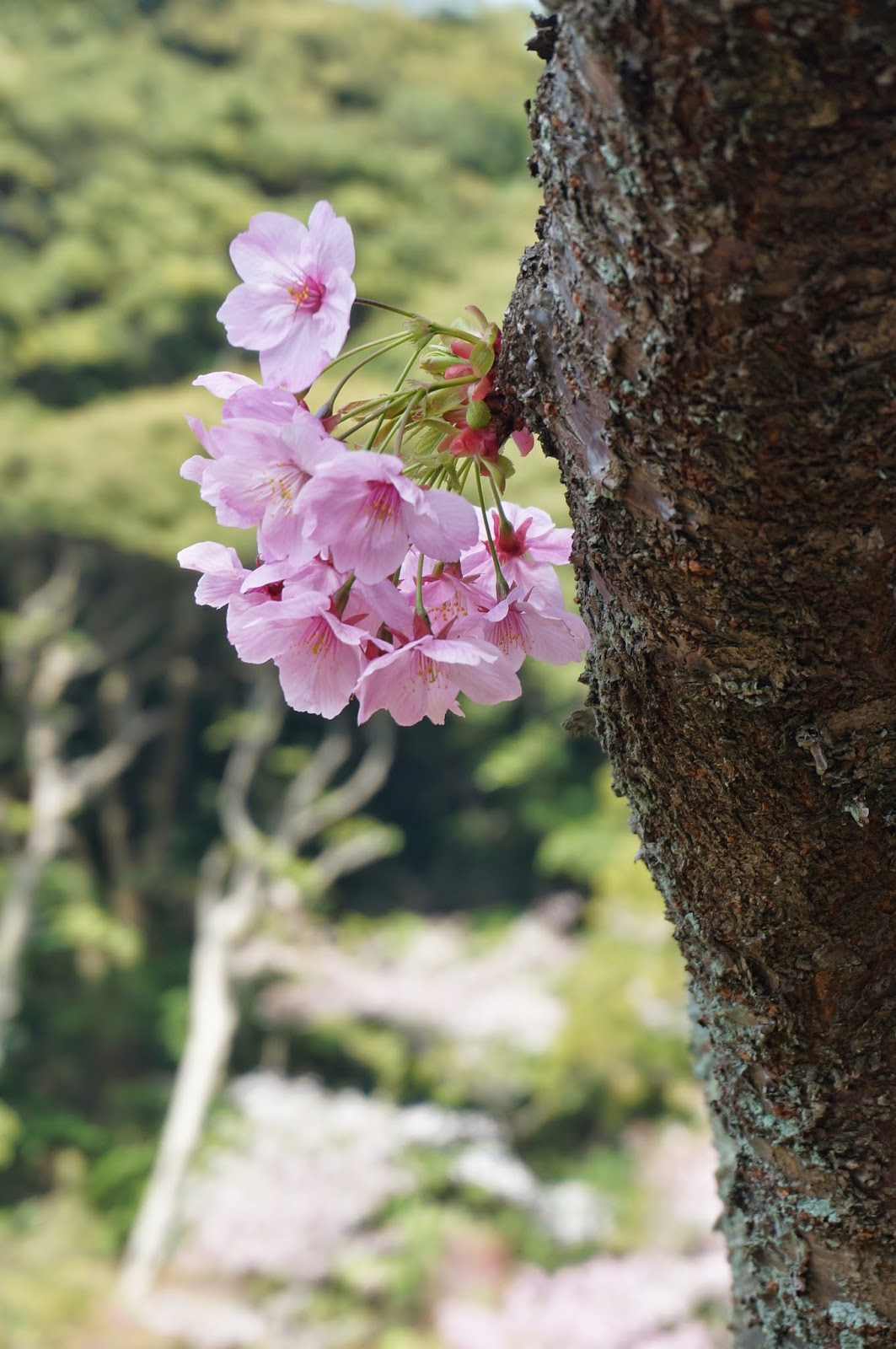
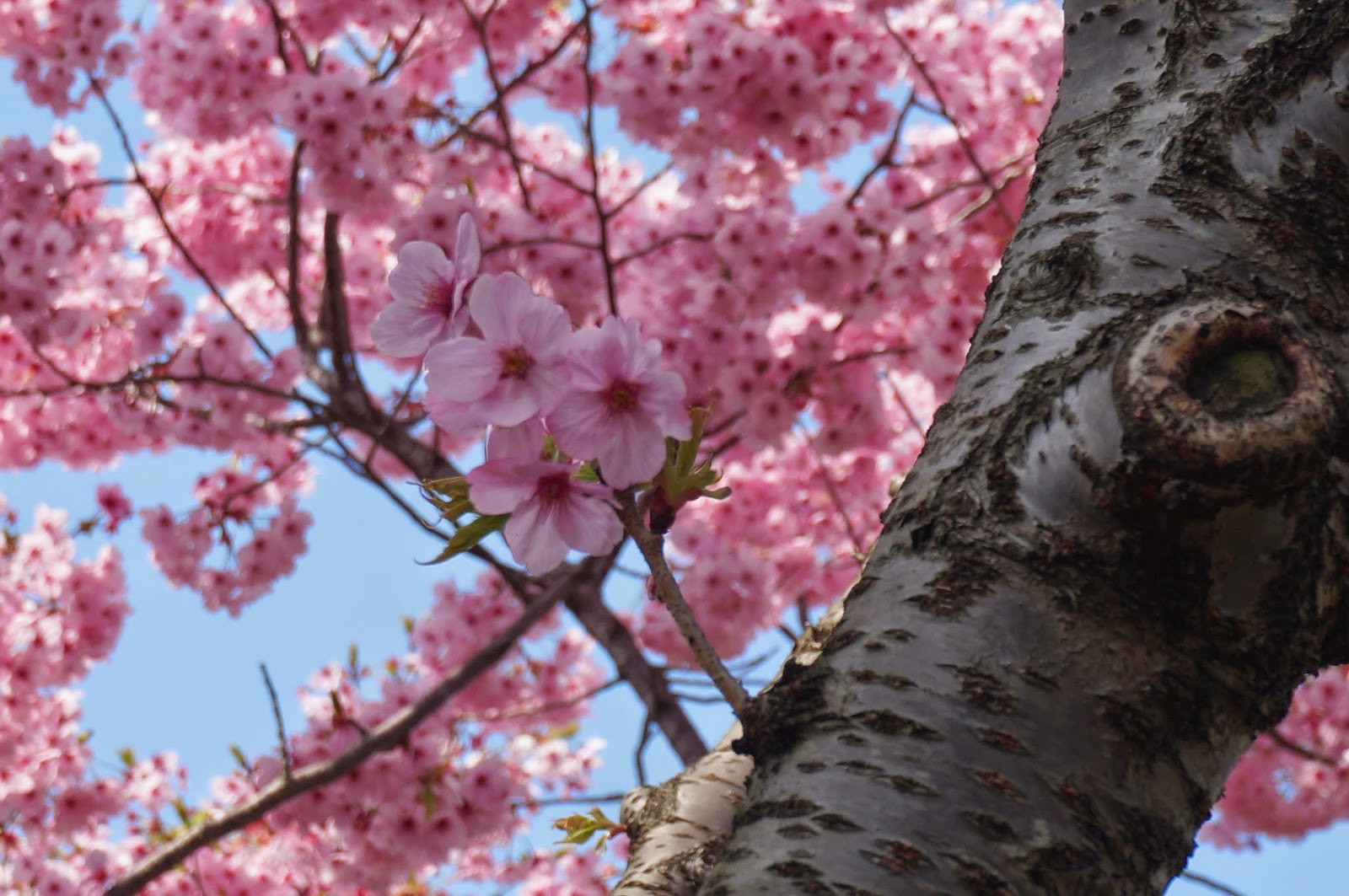
I was so lucky to see the first cherry blossoms bloom on our school trip to Usa shrine and Beppu, known for the natural hot springs. That deserves a separate post, but I want to show the pictures of the sakura here. They were a nice dark pink color in Beppu, while the one tree in Usa shrine was a light pink.

Usa Jingu

Beppu

Ohori Park

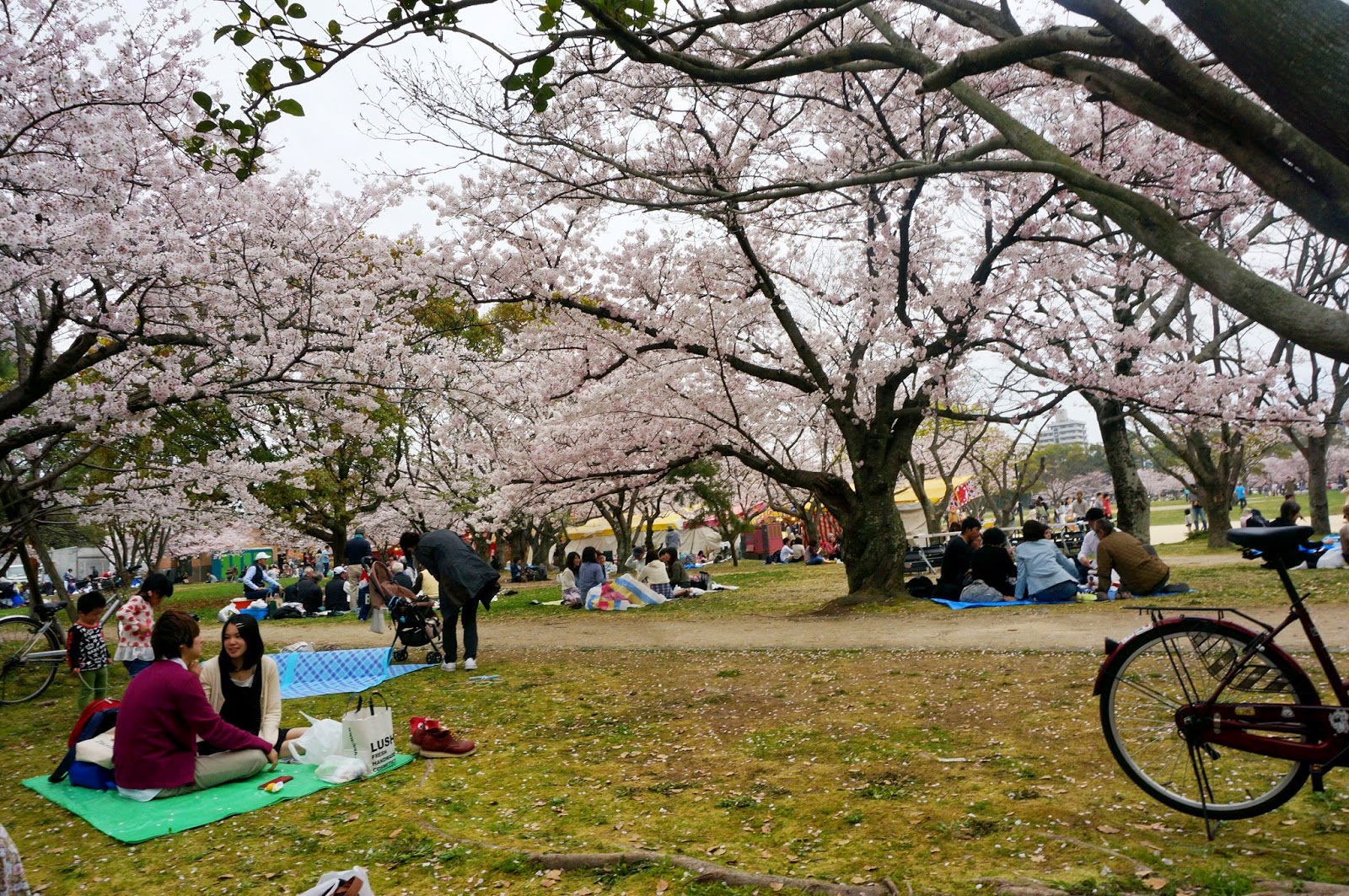
When we arrived back in Fukuoka from our weekend away the cherry blossoms were just in full bloom, talking about nice timing! So we organized a hanami in Ohori Park with the new JTW students and tutors. Hanami literally means ‘flower viewing’, but it basically means that you go to the park, do a picnic and drinking with your friends or family and just enjoy the view of the flowers while stuffing yourself with food and alcohol. There was a group of old Japanese men next to us and they did drink a lot! They even came up offering food and drinks and wanted to take a group photo with us. Oh, the adventures of foreigners in Japan and drunk Japanese men, ha! Sadly it began to rain in the late afternoon so we retreated back home.

people picnicking throughout the park and the wheel of my bike 😉


Maizuru Park / Fukuoka Castle


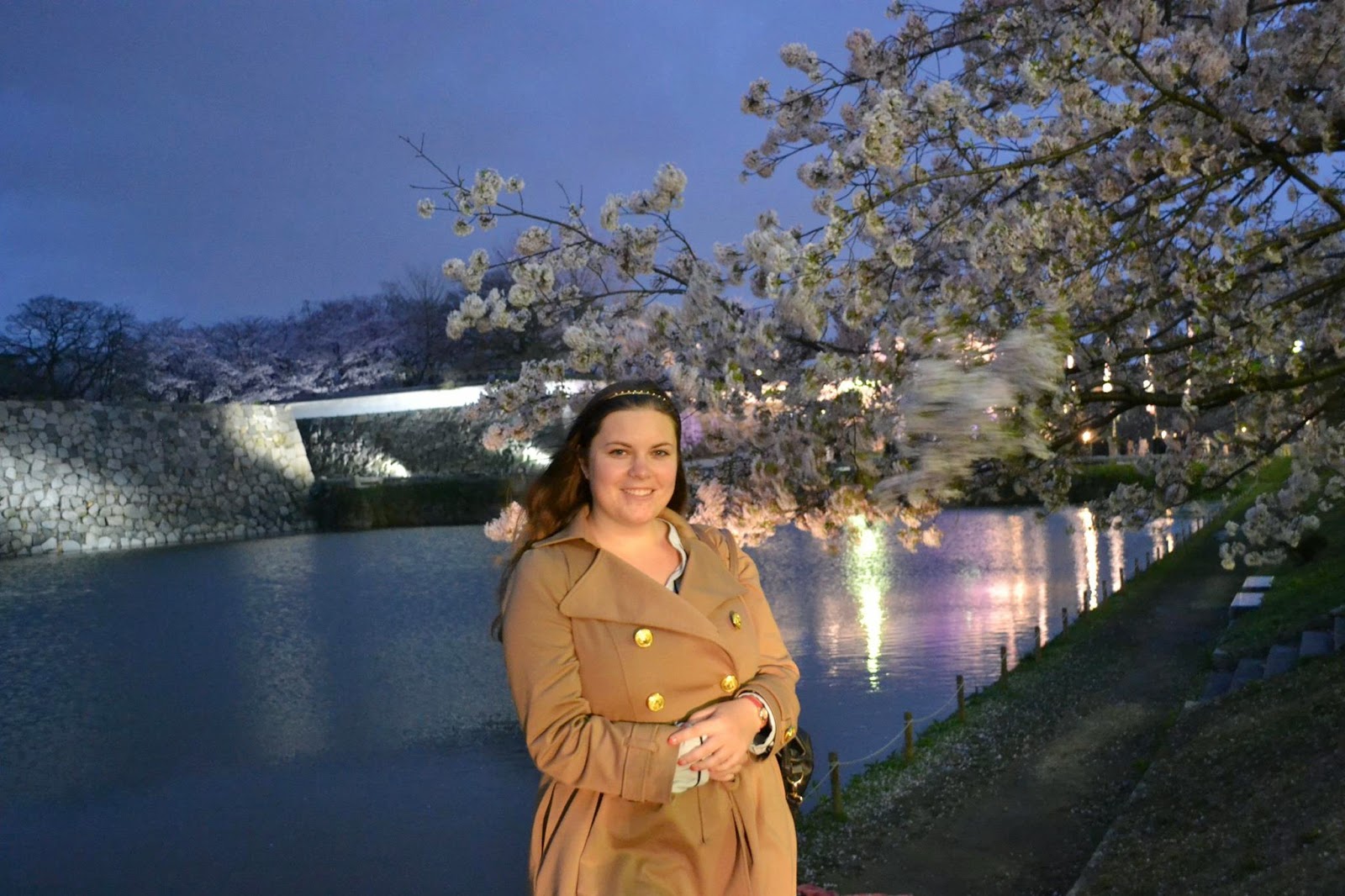
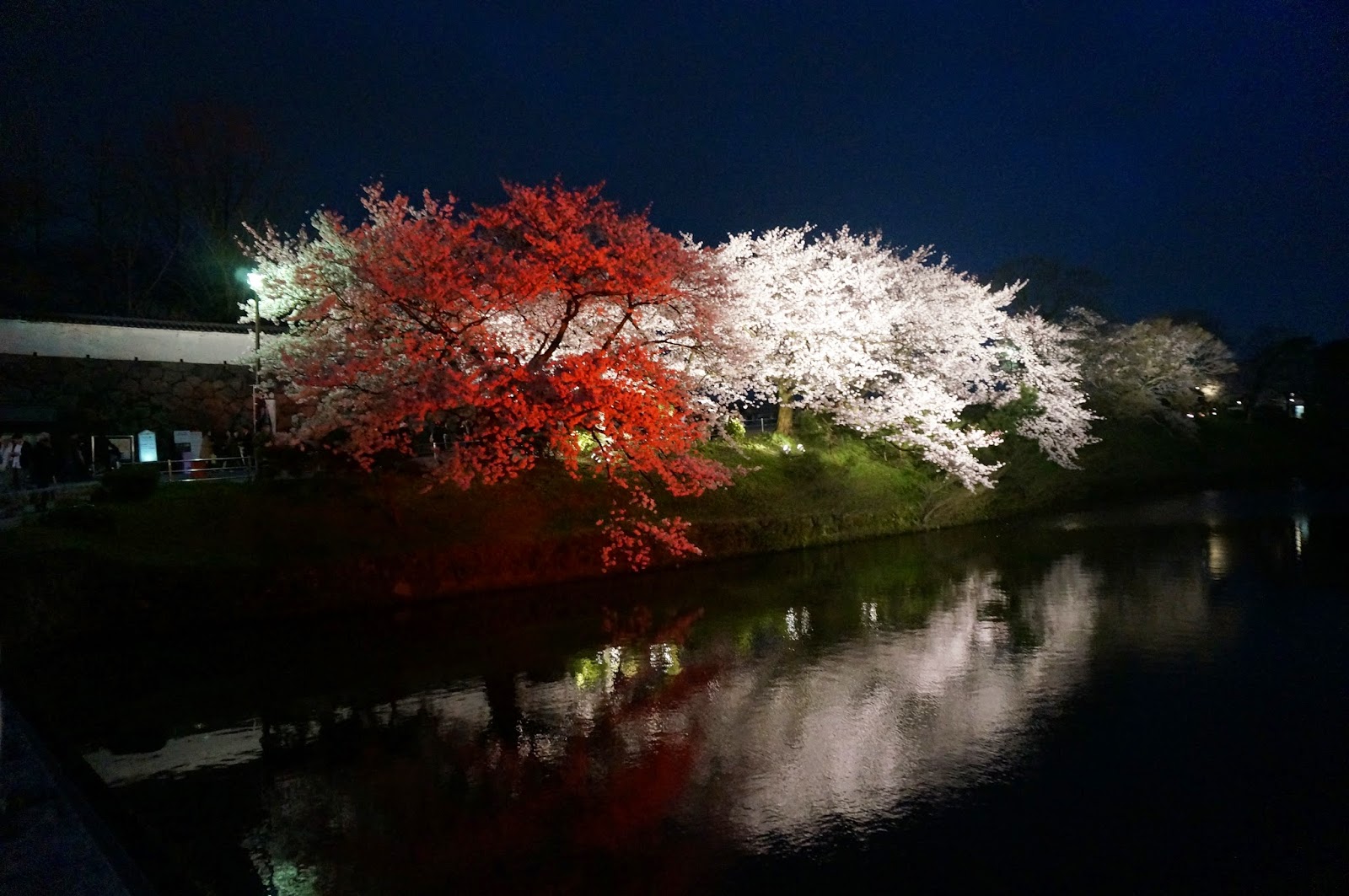
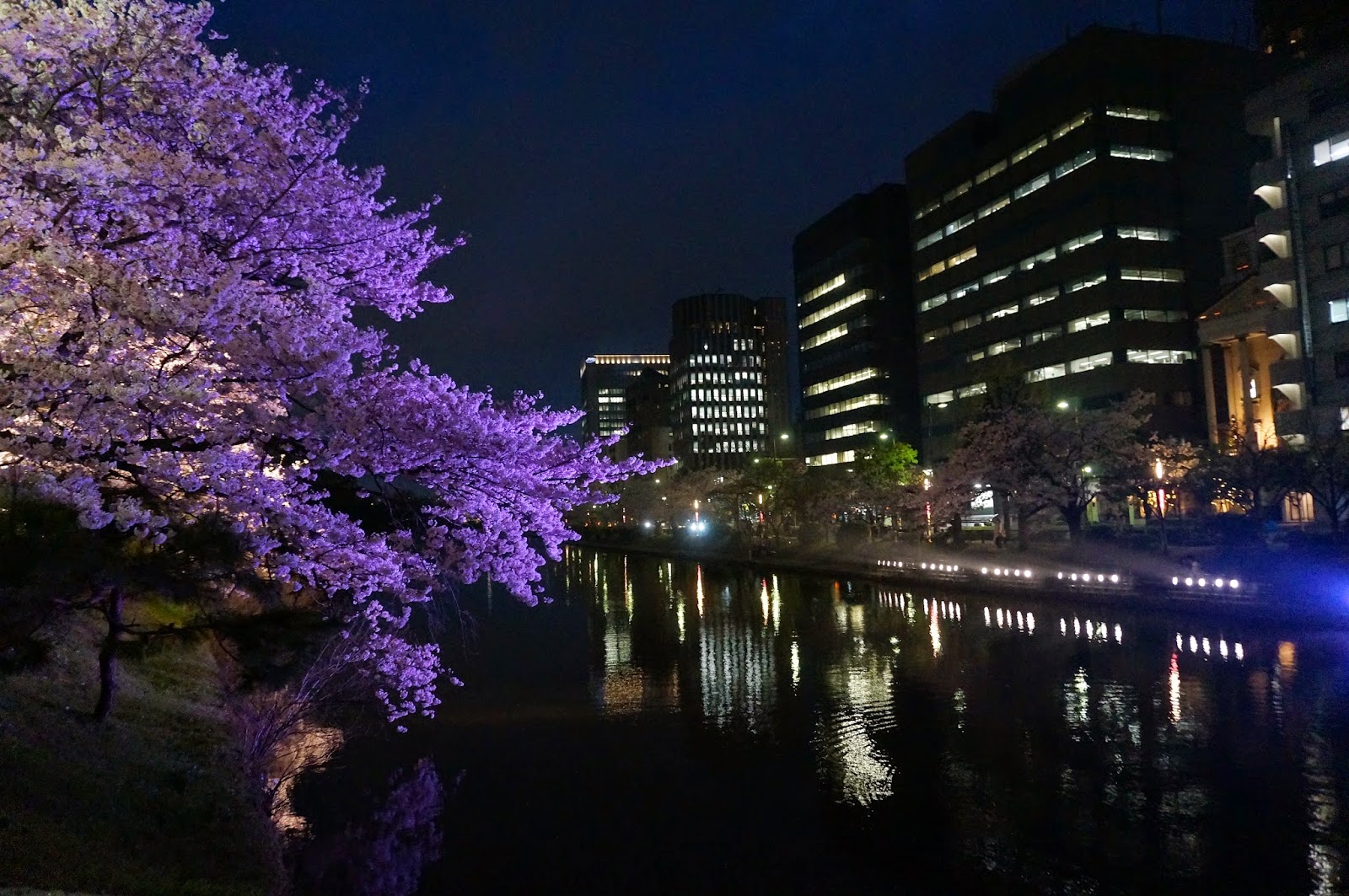
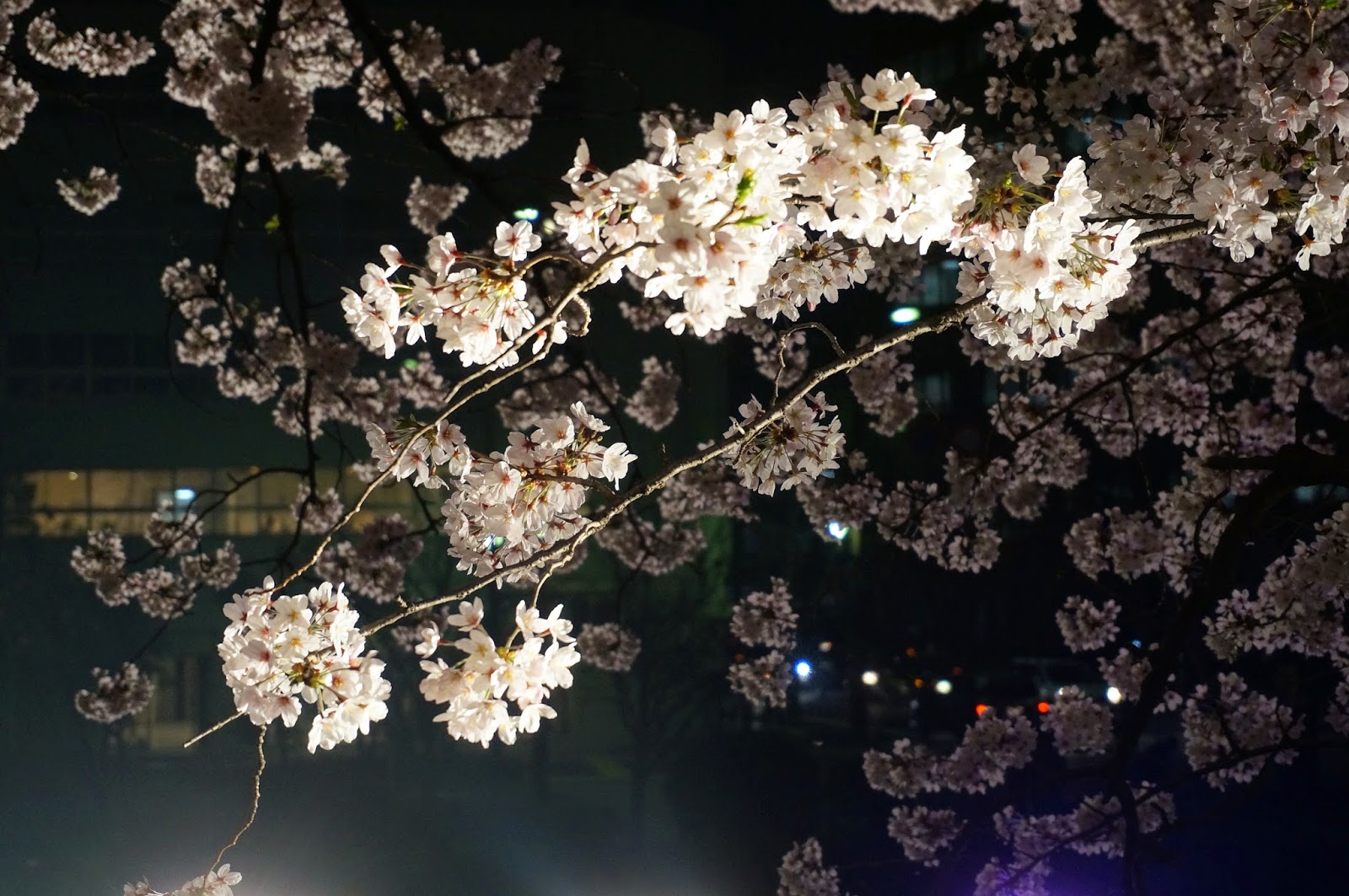
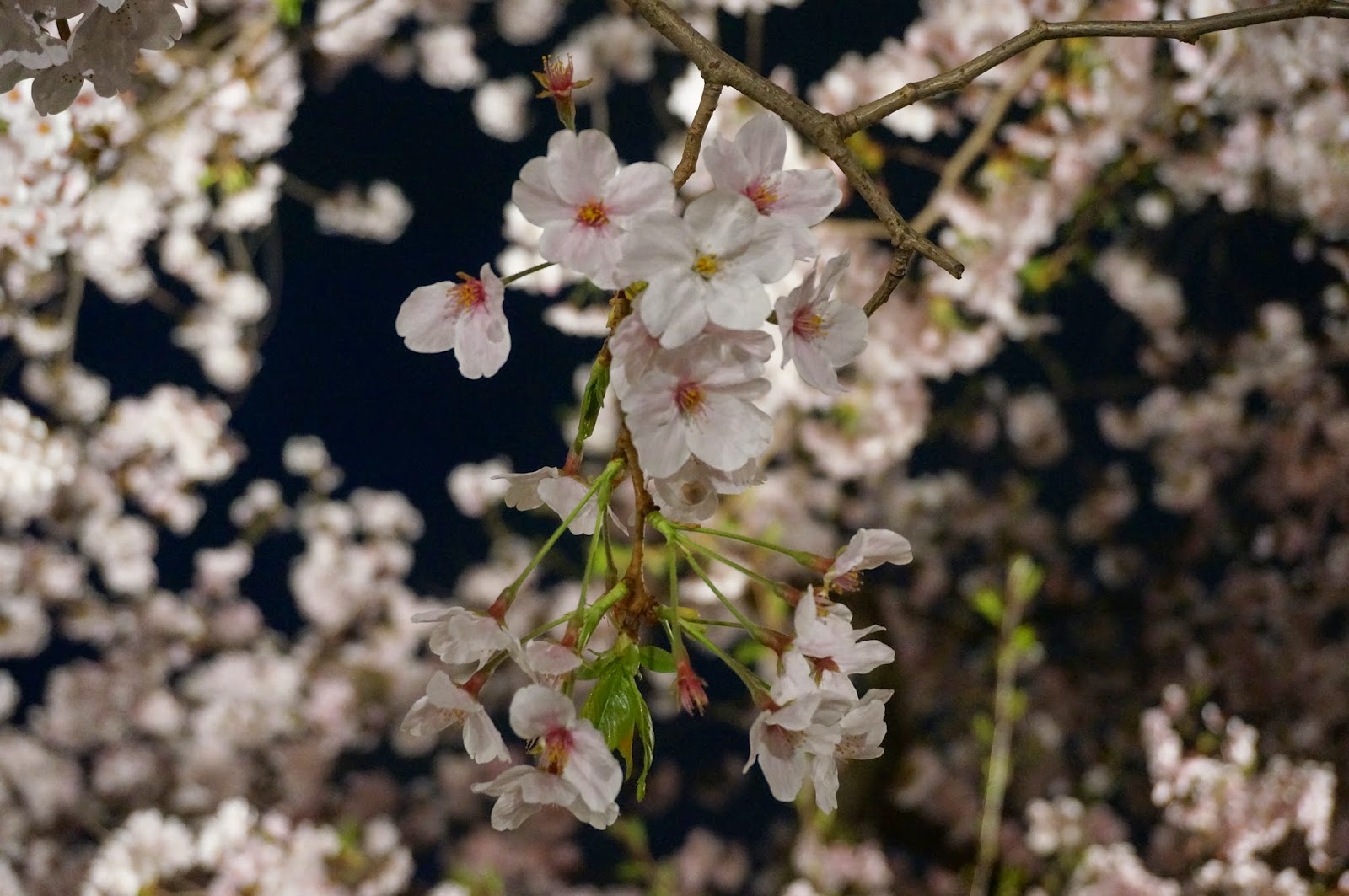
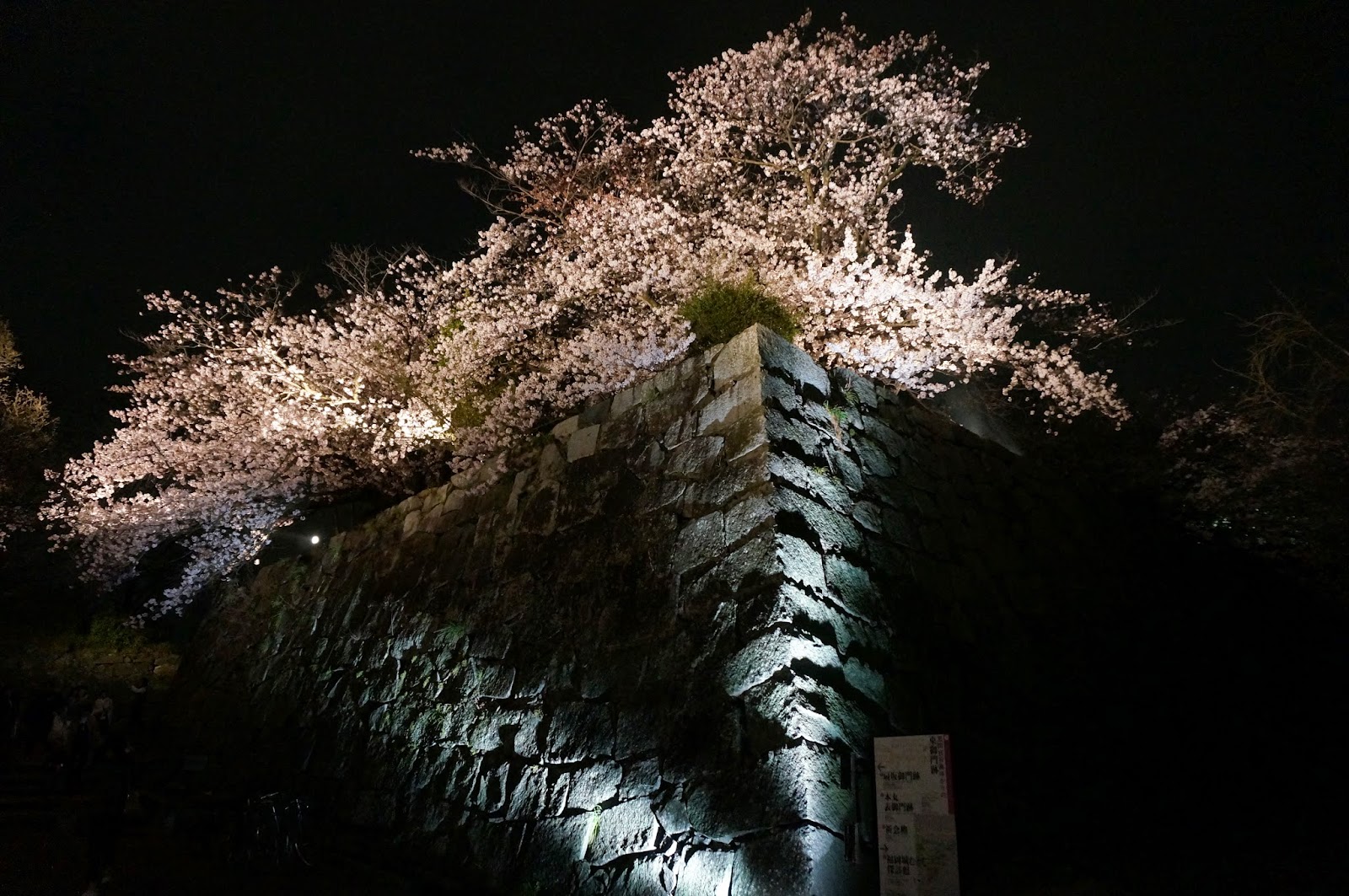
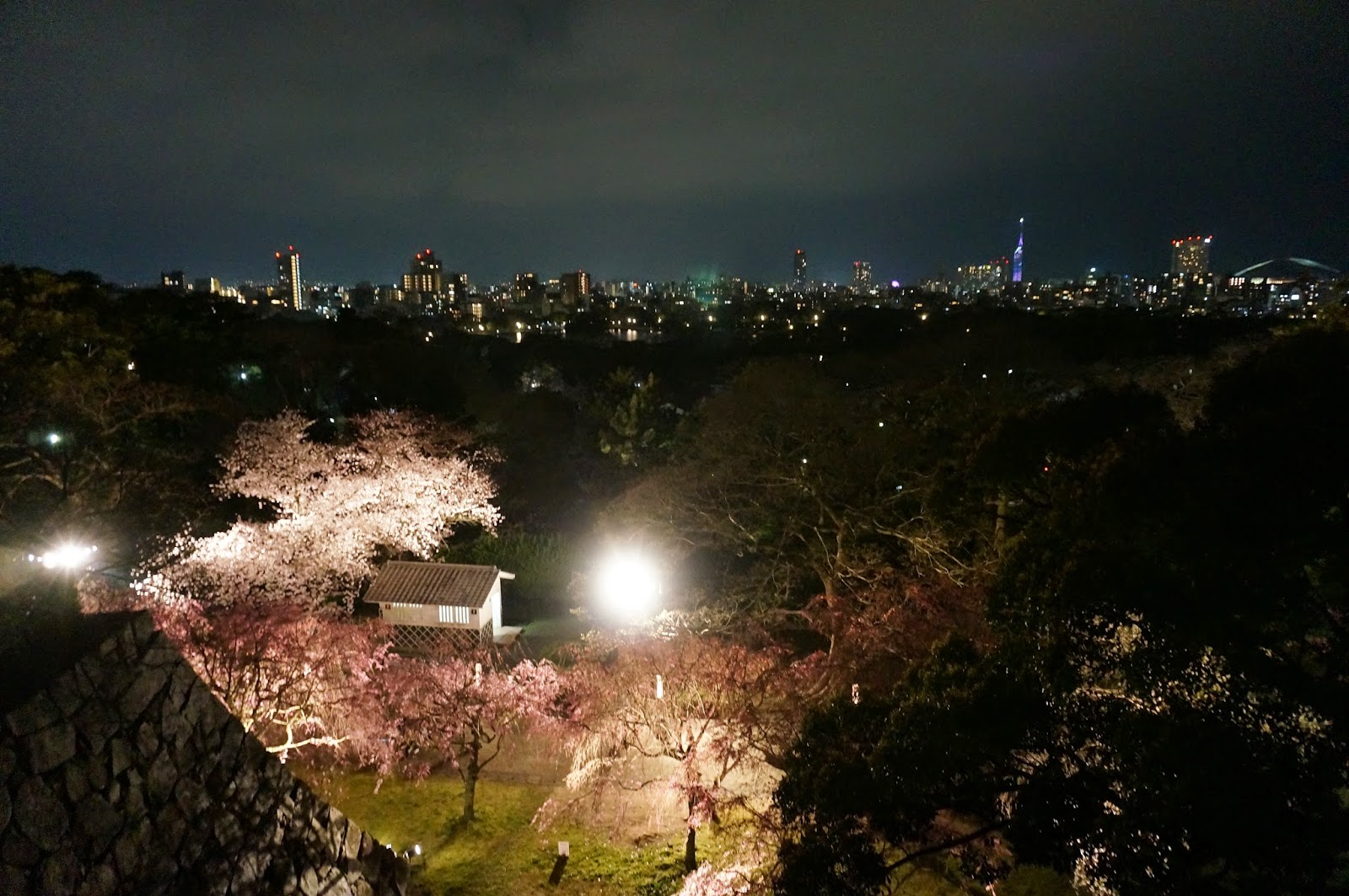
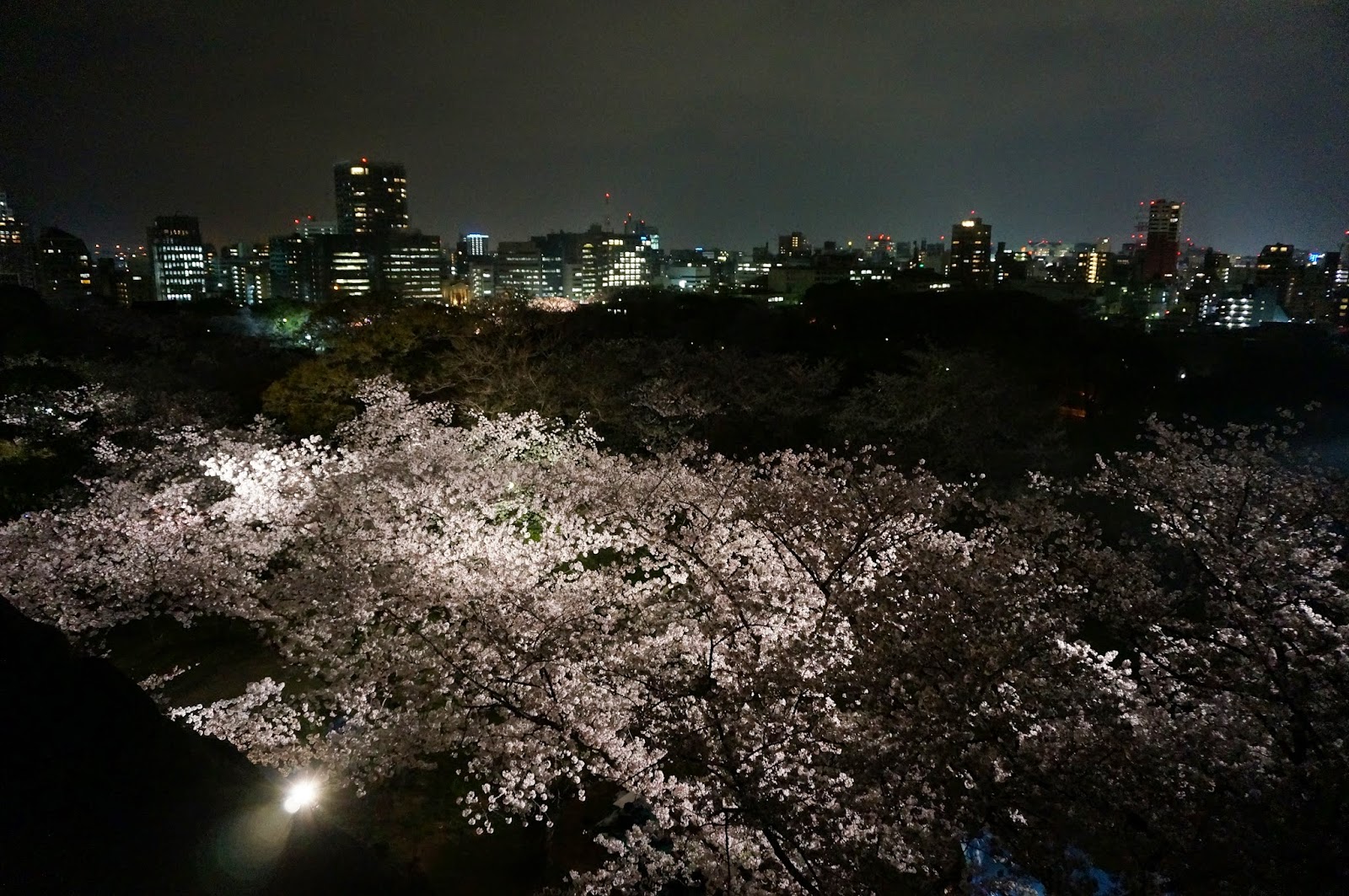
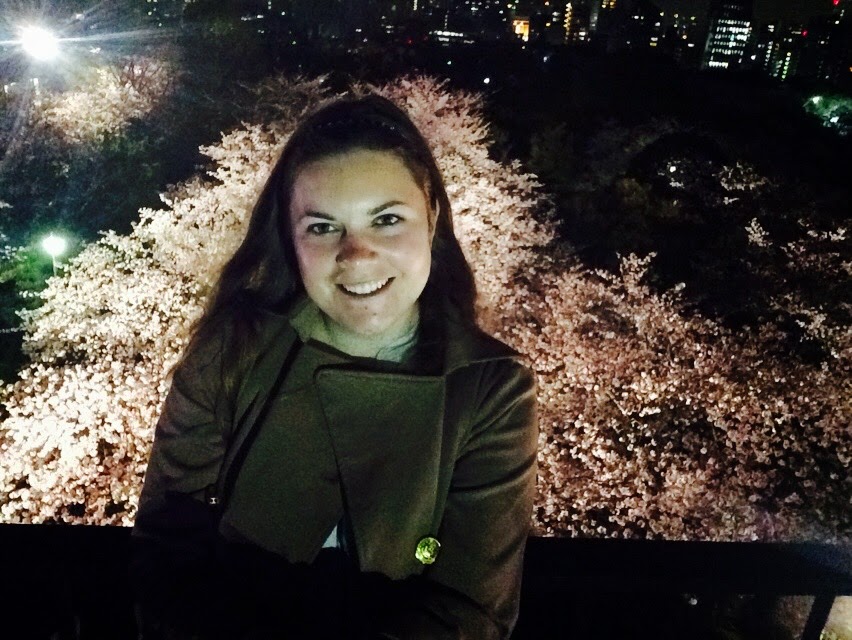
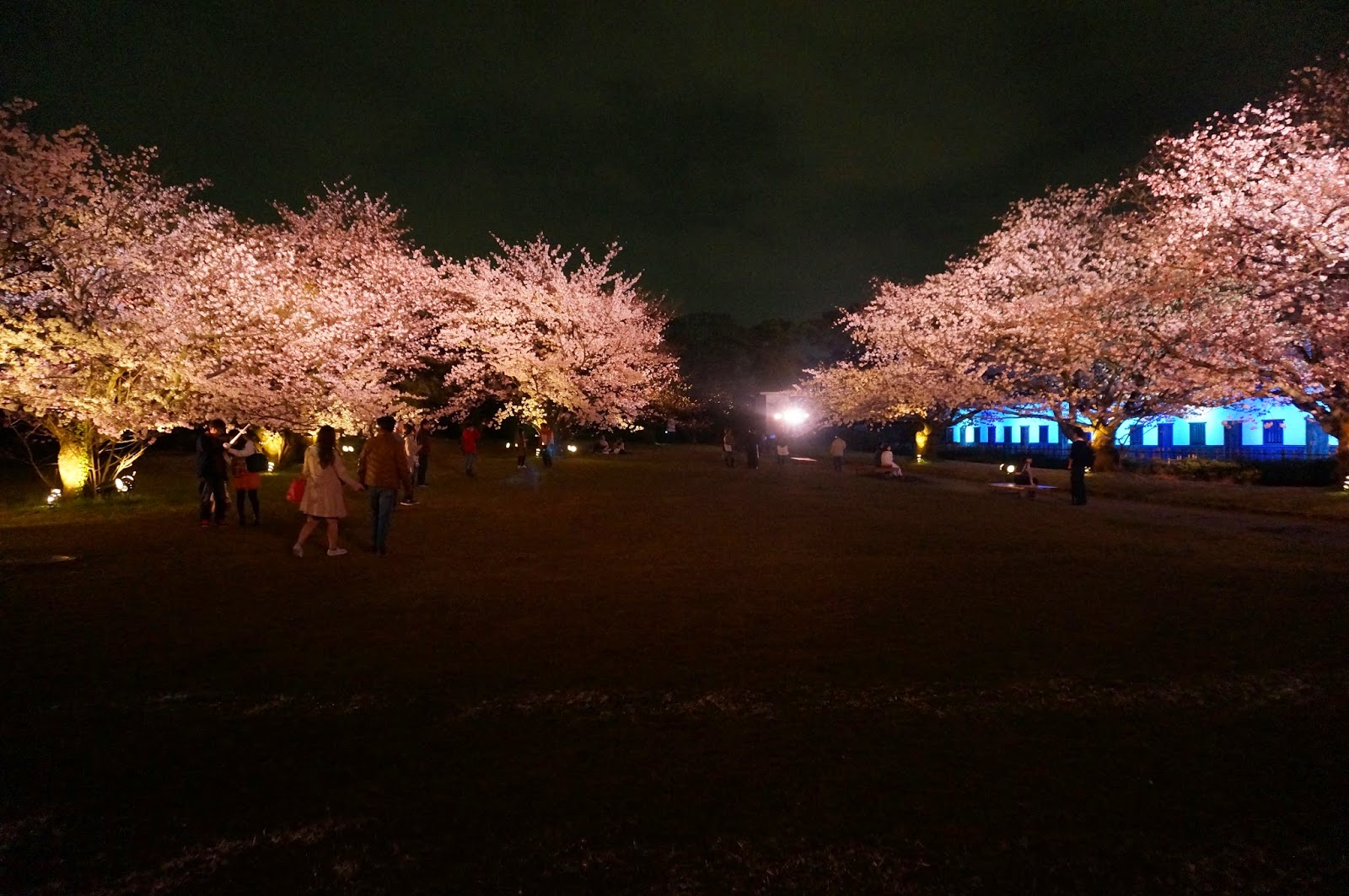
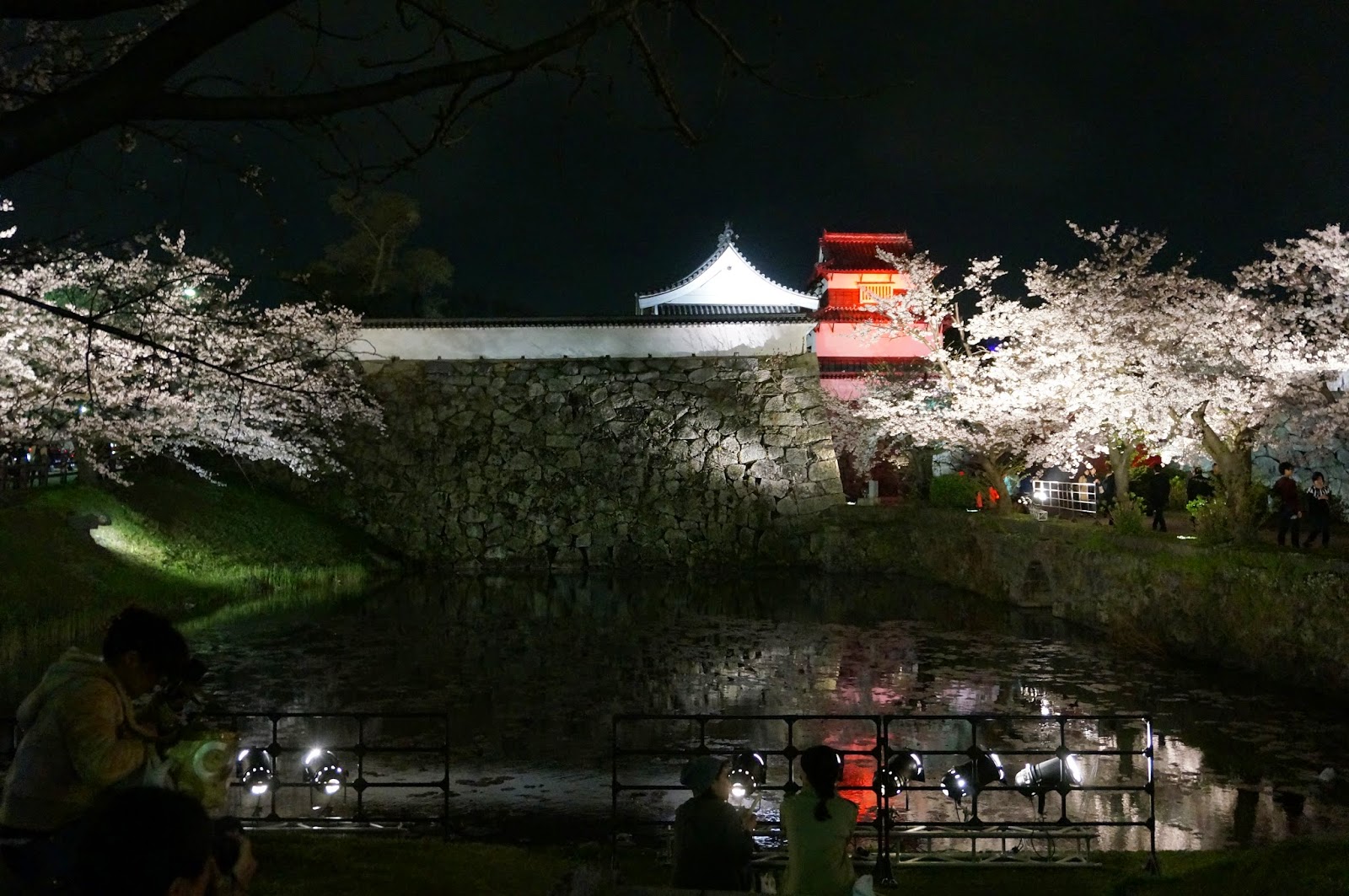
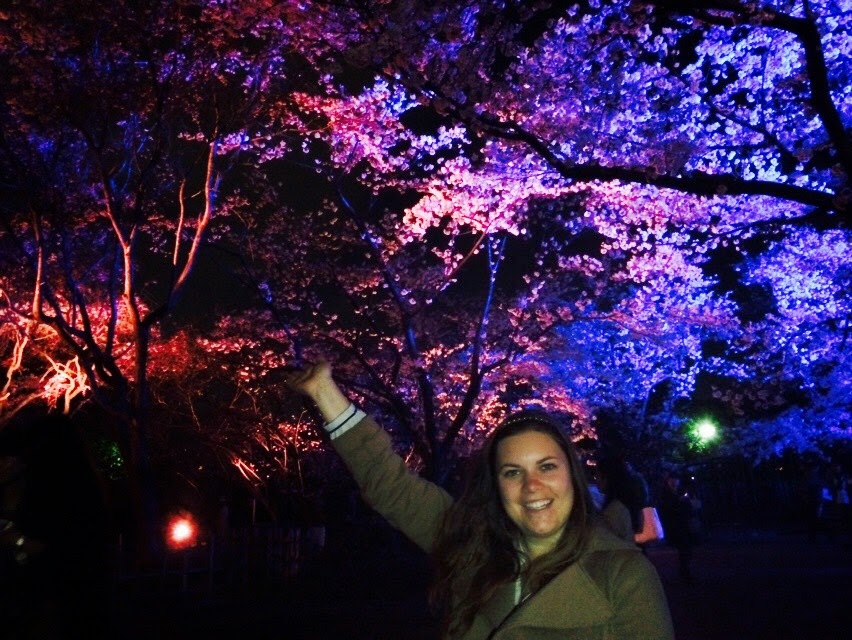
In the evening I went to Maizuru park, right next to Ohori park. Maizuru is where the remains of Fukuoka castle are and the cherry blossoms are lit up at night during blooming season. Actually, the first three photos under the Ohori Park title are Maizuru photos as well. The sakura look very enchanting when lit up. There are free spots to take a look, but some special spots cost money to enter. Me and my friend went to all three of these paid spots and the first one with a view over the park and the city was the most gorgeous. The other two spots were gorgeous as well, but I don’t think it is worth paying for it.

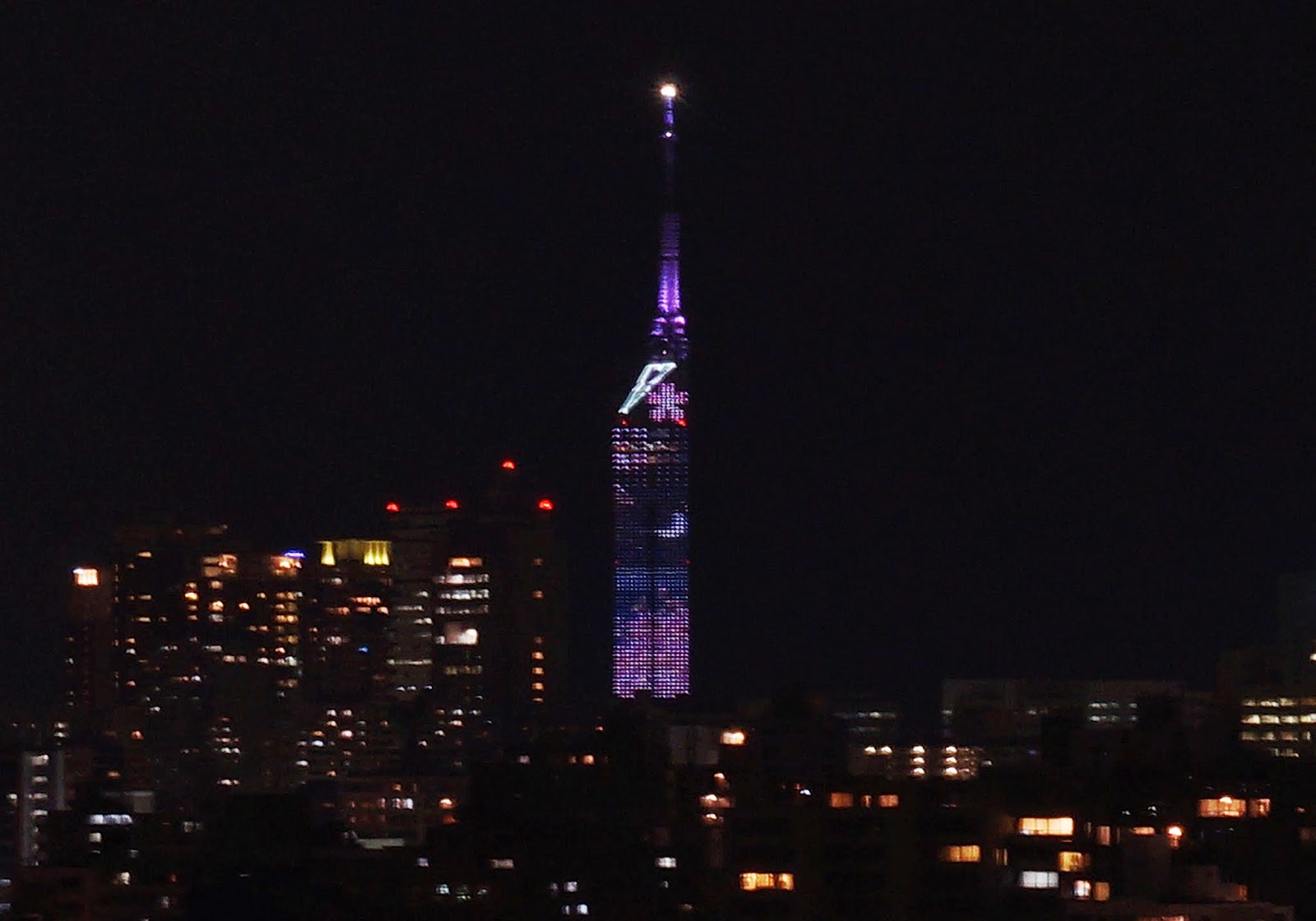
Fukuoka Tower in style with Cherry Blossom Display

The demonstrate some of the crazy light up colors

I hope you enjoyed seeing the cherry blossoms! Kyushu is definitely a great place to view them and they bloom bit earlier than in Tokyo and Kyoto, so if you are too early to see the sakura there, you could always try in Kyushu (or even earlier in Okinawa). What is cherry blossom season like in your country? And which of the above places did you like most?


Gunkanjima – The Harsh Reality of an Island in Ruins

On November 21st I went to Gunkanjima with my laboratory. As I have mentioned before I worked on an Individual Study Project under the supervision of a Japanese professor and I would join his laboratory every once in a while on field trips. This was another one of them, but it was not just your ordinary place.

Gunkanjima?

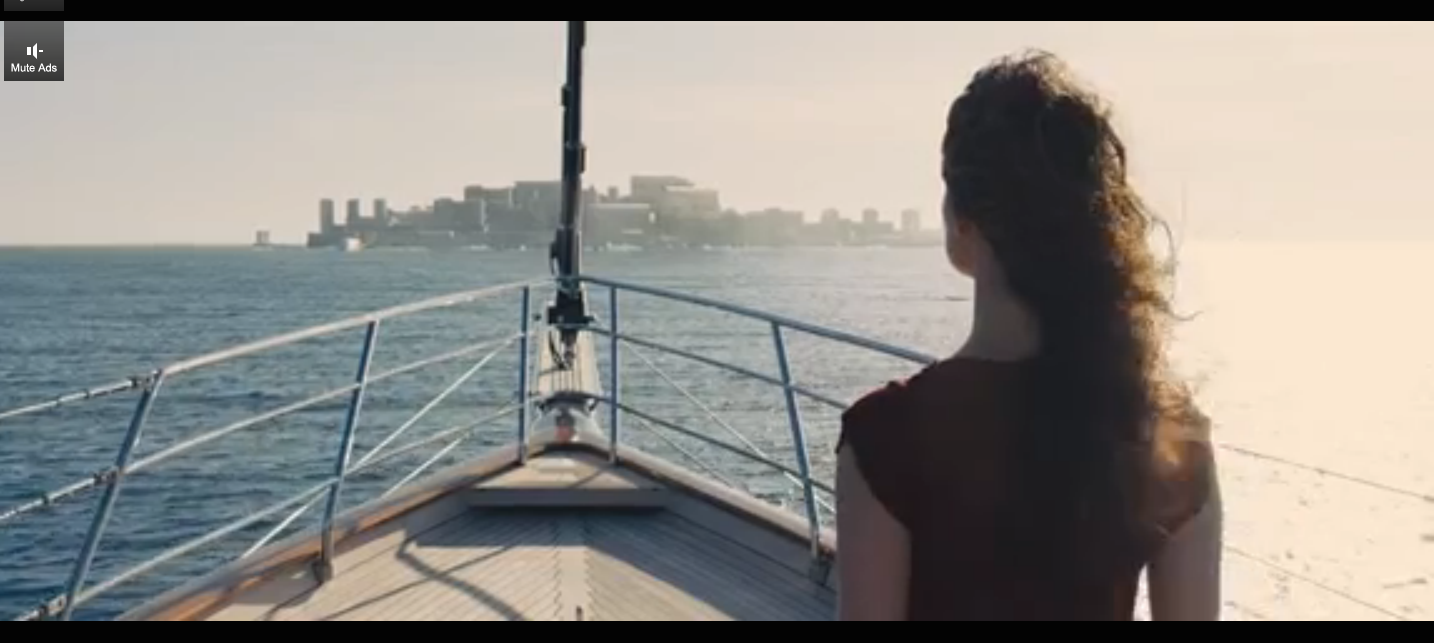
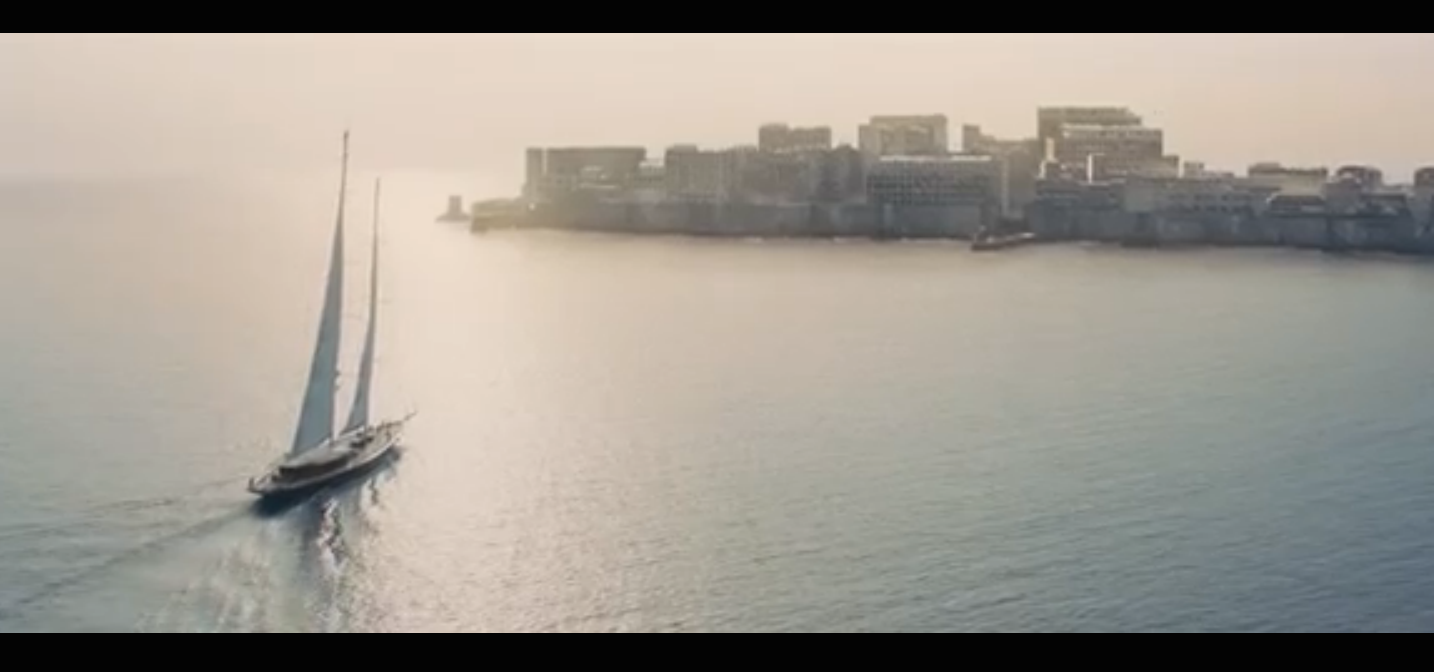
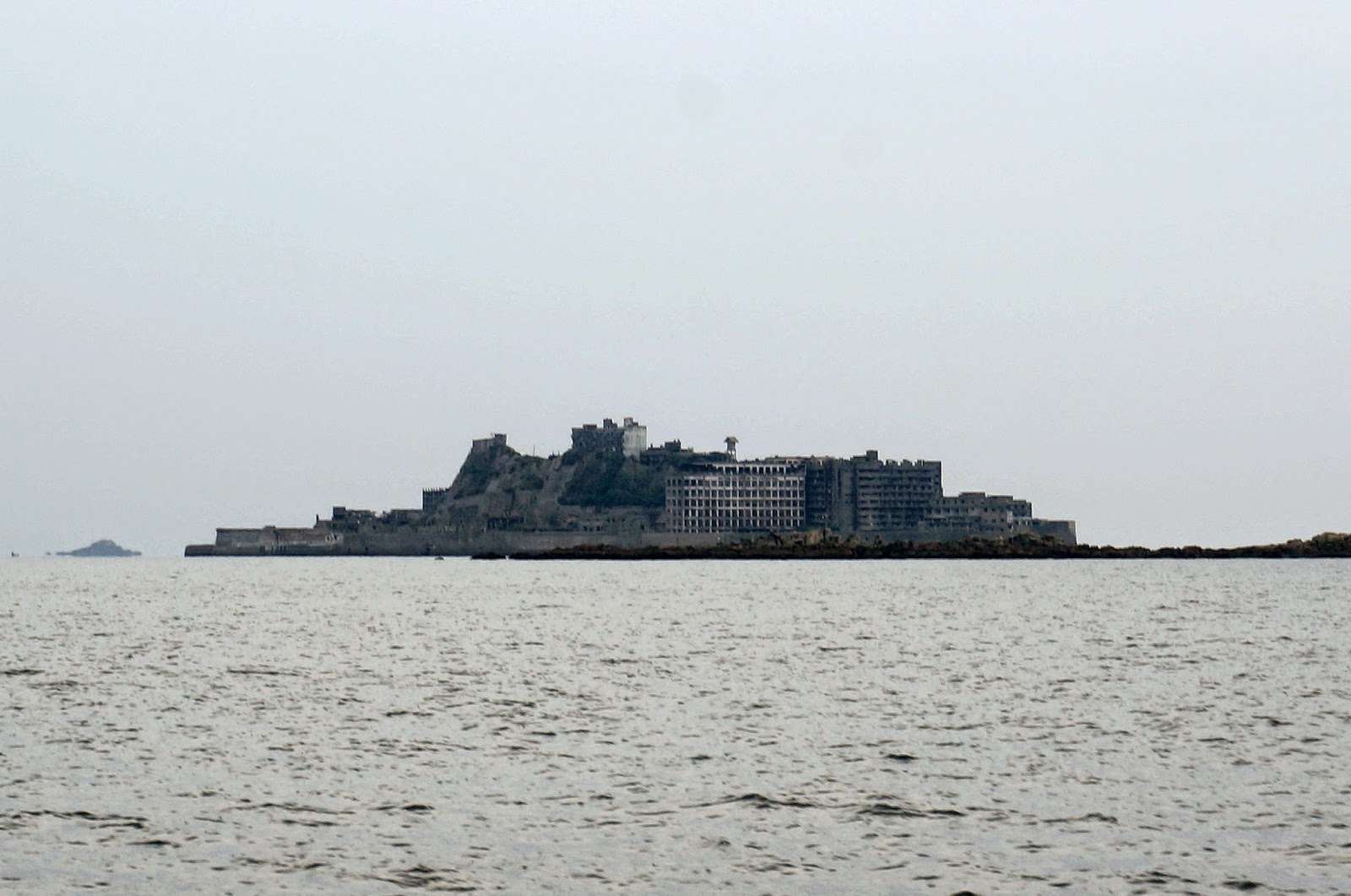
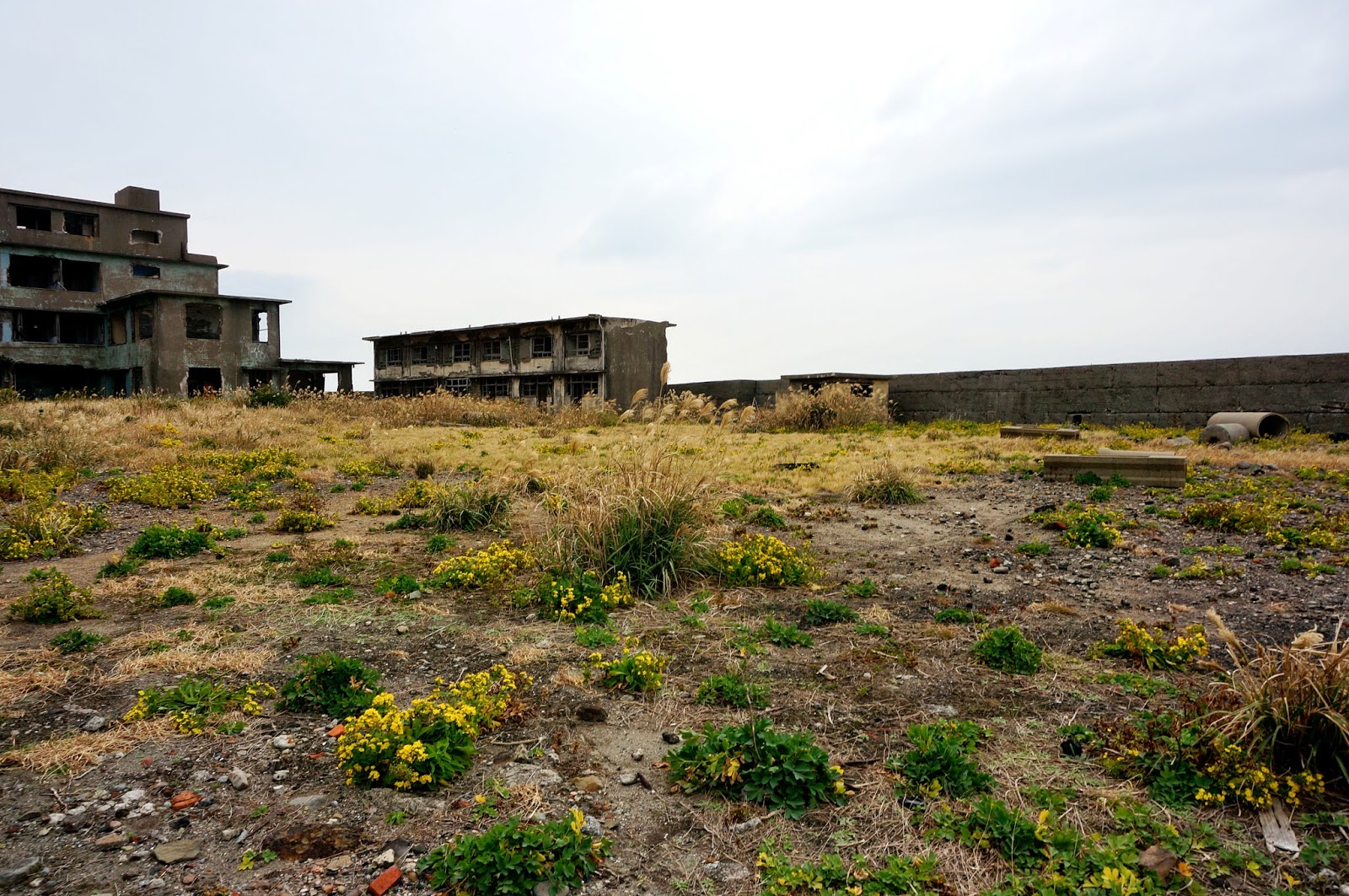
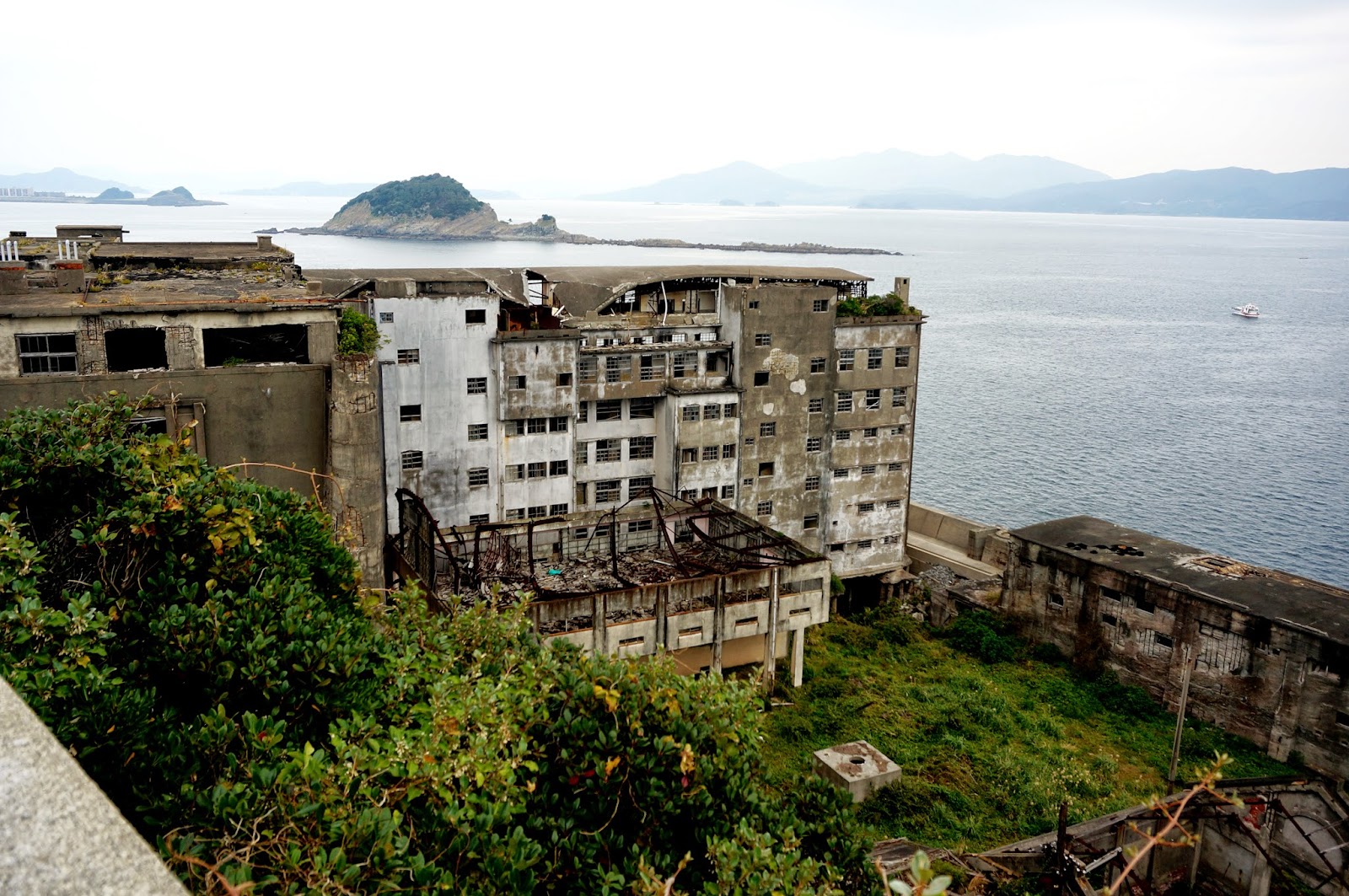
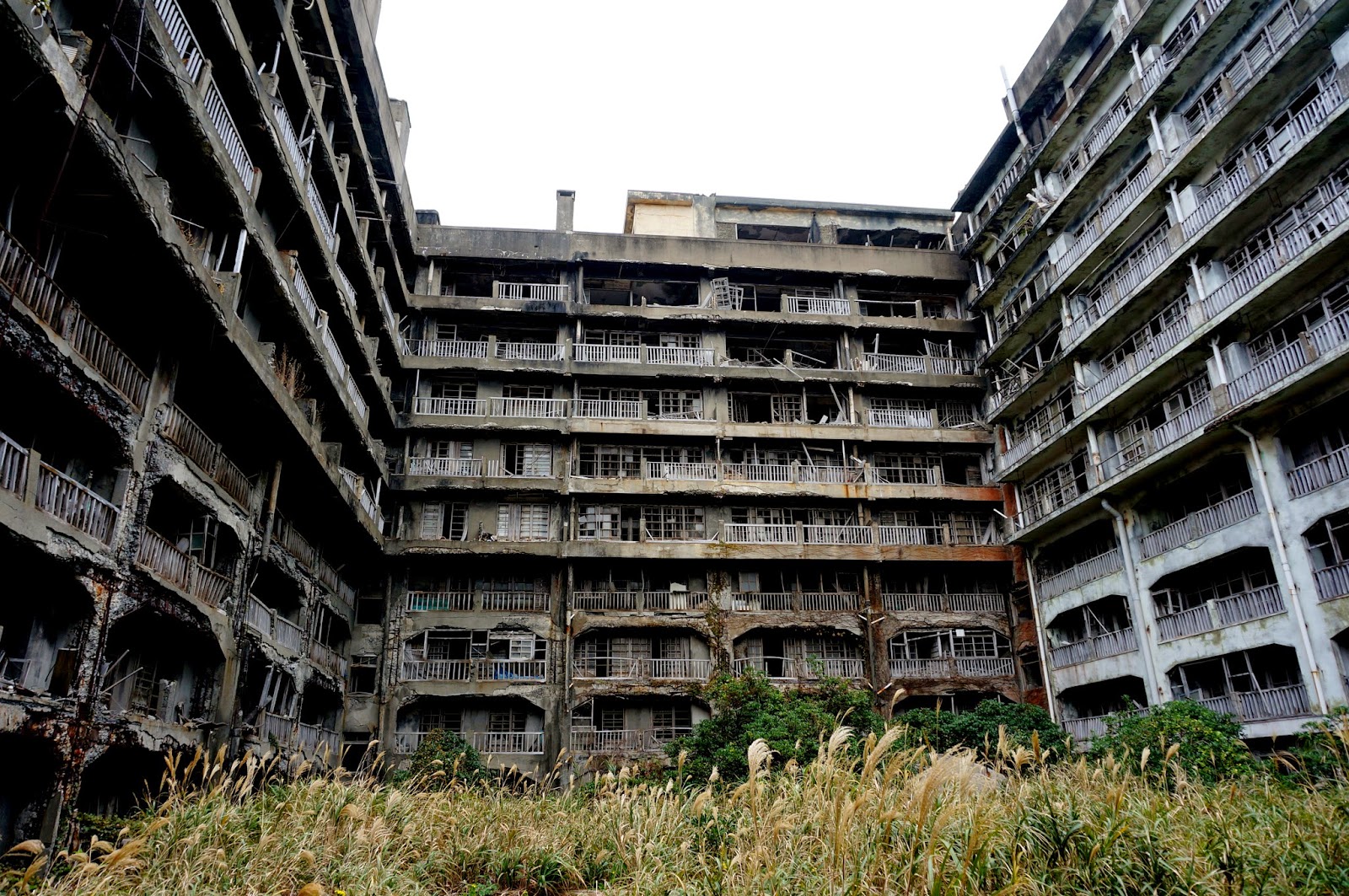
For those who are unfamiliar with Gunkanjima, it is an island near the city of Nagasaki. The name means ‘battleship island’ because the shape of the island resembles a warship, but the official name is Hashima. I think a lot of people have seen or heard of this place somewhere as it is well known for its eerie ruined buildings, abandoned by human life in a haste years ago, reminiscent of post-apocalyps scenes. This is one of the reasons why it was also used for a scene in the latest Bond movie Skyfall, although slightly altered.

©Eon Productions

©Eon Productions

But why did the place get abandoned in the first place? Hashima used to be a very small island of little importance until in the 19th century it became a coaling mine for Mitsubishi Company. In that time coal was an important natural source and the demand was high. More coal needed to be mined and more miners were needed and they began to live on the island. So they would build and expand the island slowly but surely.

At its peak the island grew to about three times its original size and had around 5.200 inhabitants. Tall apartment buildings to house 5.200 people, schools, pools, a cinema, a hospital, some shops, a shrine and a coal mine working space were built on an area of just 6.3 hectare, making it the most densely populated area in recorded history. With its coal Hashima greatly contributed to Japans’ modernization during the Japanese Industrialization.

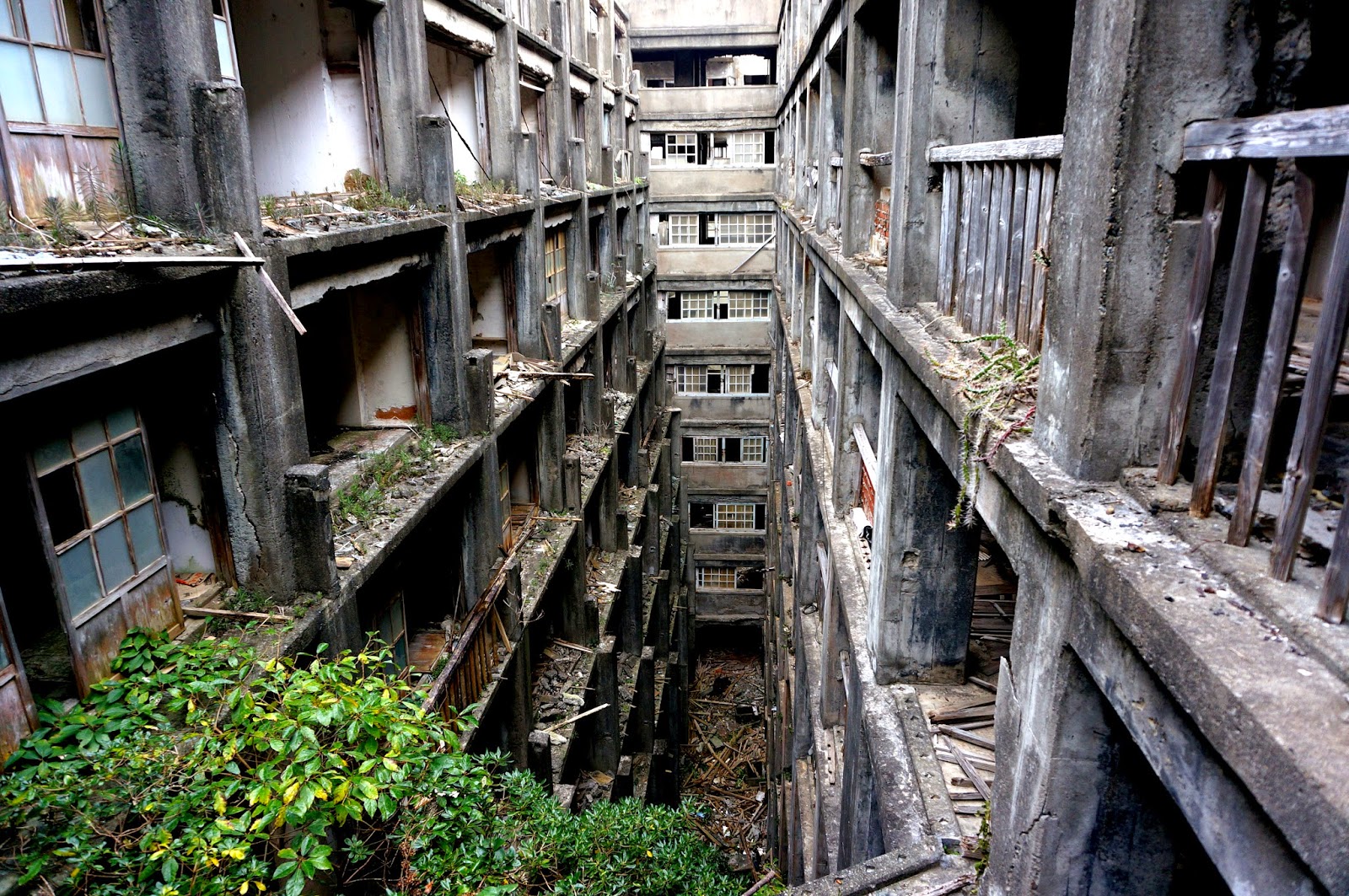
However, at the end of the 20th century coal fell out of favor and oil became the new source in favor. Mitsubishi thus closed the coal mine in 1974 and there was no reason to stay on the island anymore. Everyone moved back to mainland Japan en masse to find jobs there and the island got abandoned. Since then island lies exposed to the forces of nature, tortured by typhoons and high waves. The place fell to ruins because no maintenance was being done to the buildings. And it became the ghastly place it now is.

Unesco World Heritage

Now we weren’t going there just for fun. We had a few meetings prior to going there to learn about the history and importance of the place. It was serious business.

Tourists are allowed to enter as well, but there is only a small part of the island they can visit and they are not allowed to get off the concrete path made for them. Now you’d think that this place is interesting because it resembles a post-apocalyptic place, great for photographers and adventurers. And I guess that is true for most of the (foreign) tourists that come there.

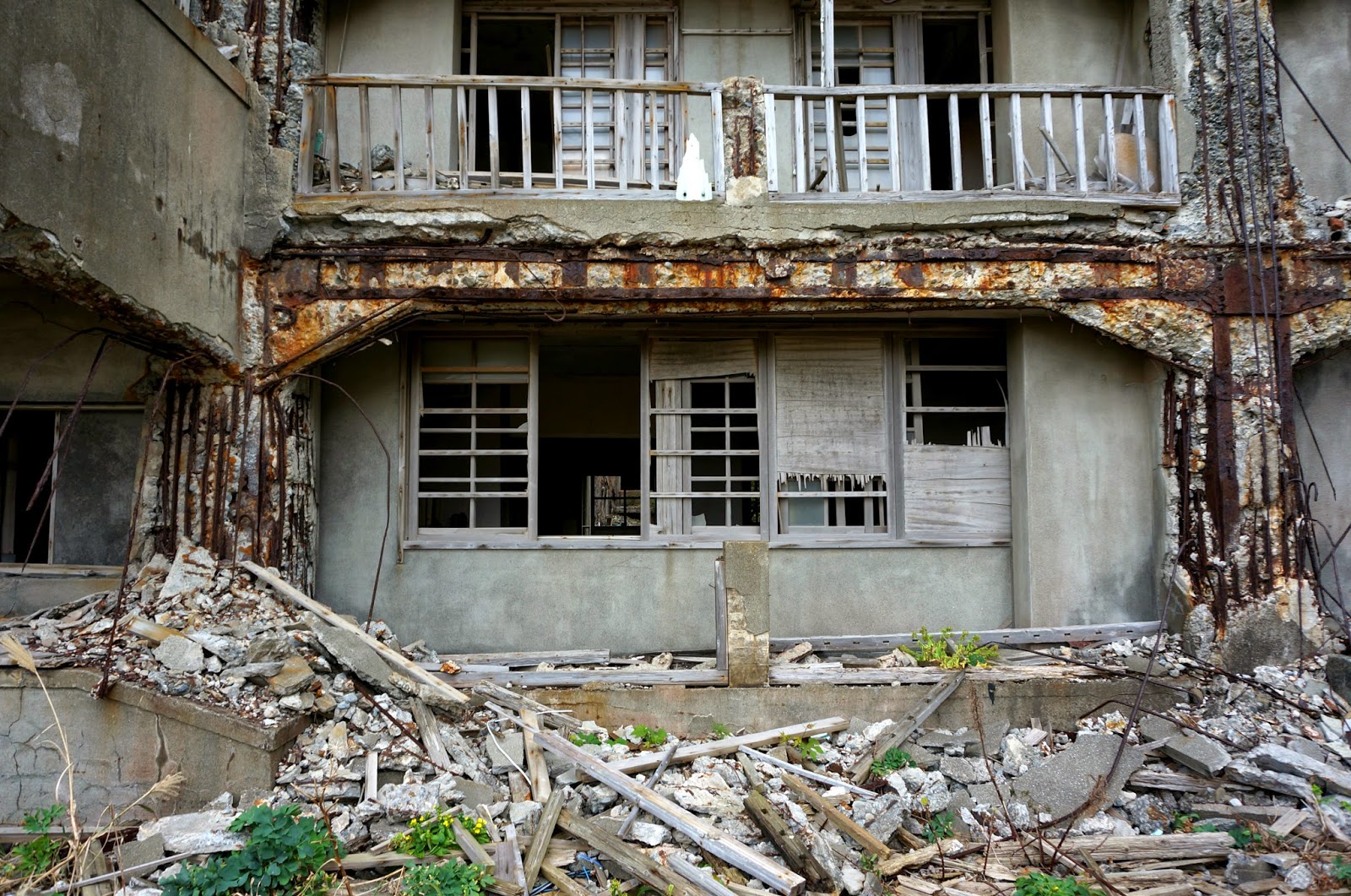
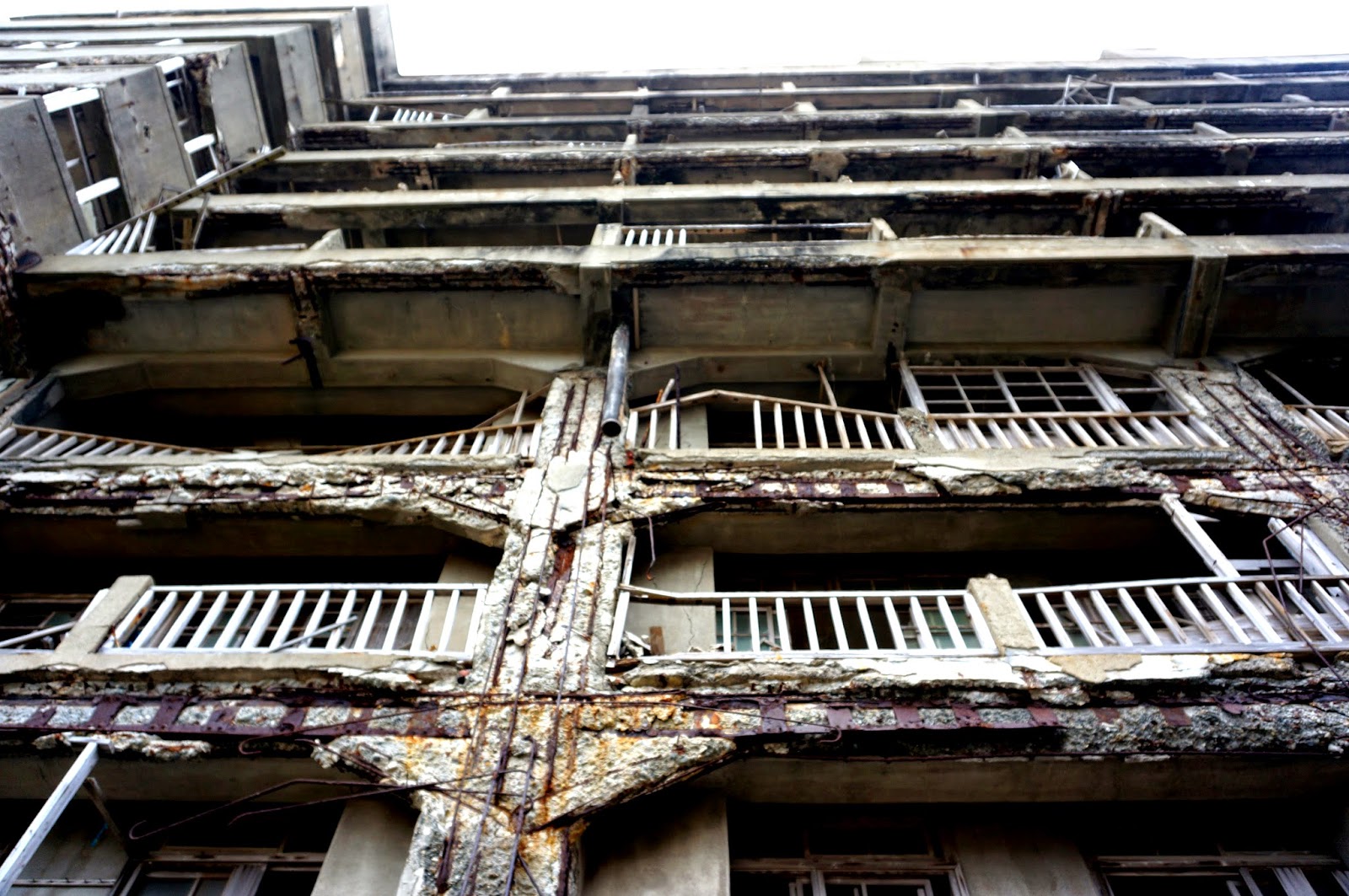
But after years of being deserted Gunkanjima suddenly became a point of interest again because they realized its significance and it is now a possible candidate to become UNESCO Cultural World Heritage as an Industrial Site and there is a reason for that; It is the first place in Japan to use reinforced concrete for multi-story buildings. It was way ahead of the techniques used on mainland Japan and shows the importance of the island for the Industrialization Period of Japan.

And that is way it is important to preserve the place and give it the attention it deserves. My professor is part of the committee that advises on this matter and is pushing to get Gunkanjima on the heritage list, and that’s why we were going there. He wanted our tips and opinions and I feel honored to be a part of that.

School in ruins

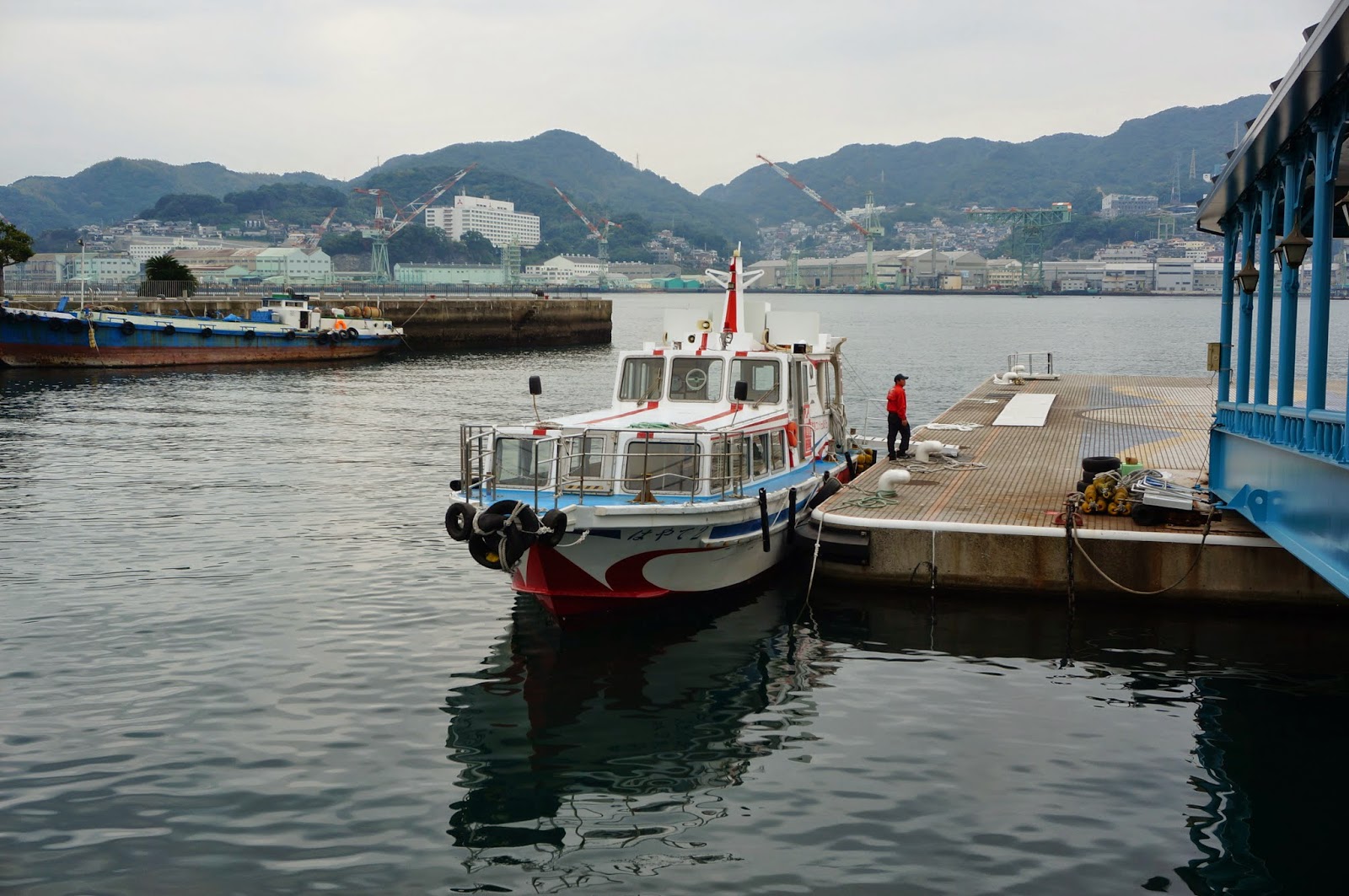
To see this all in real life and learn about it more up close we were given a tour through the island by someone who is an expert on the history of the island. First we had to take a small boat from Nagasaki to the island for about half an hour, guarded with gloves, thick soled shoes and a helmet, it is a dangerous place after all. We got on the island and first saw what used to be the elementary school.

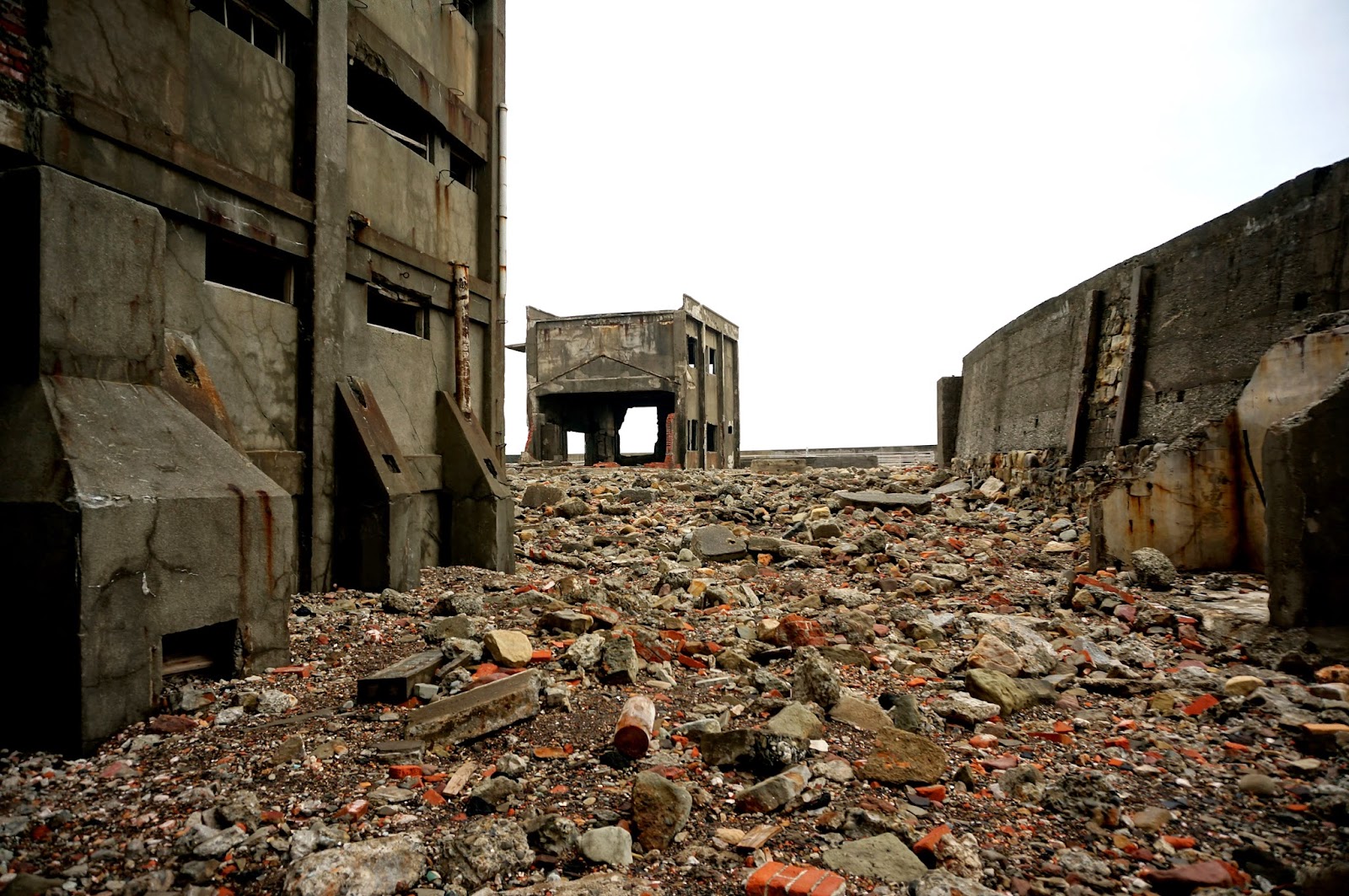
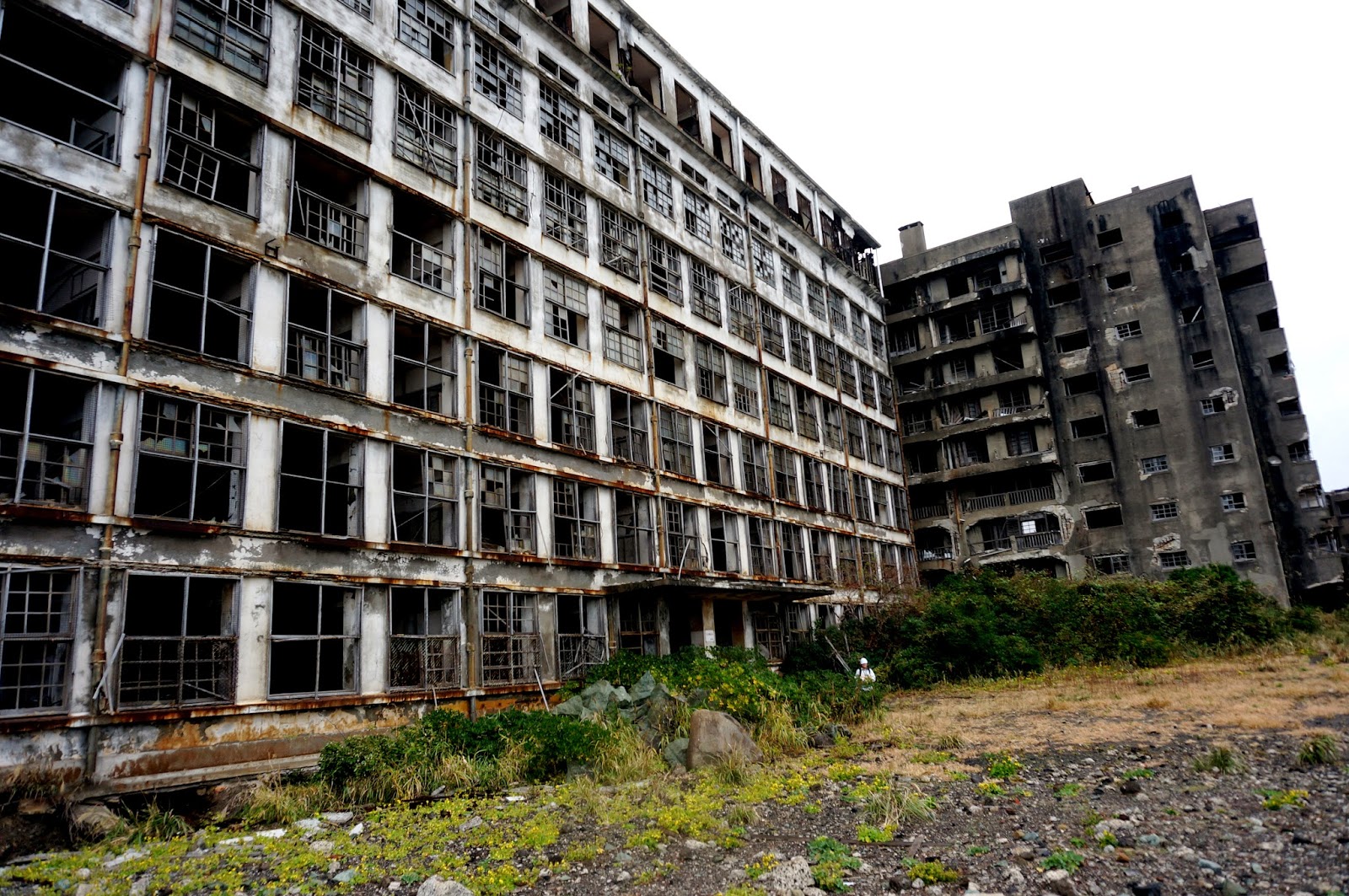
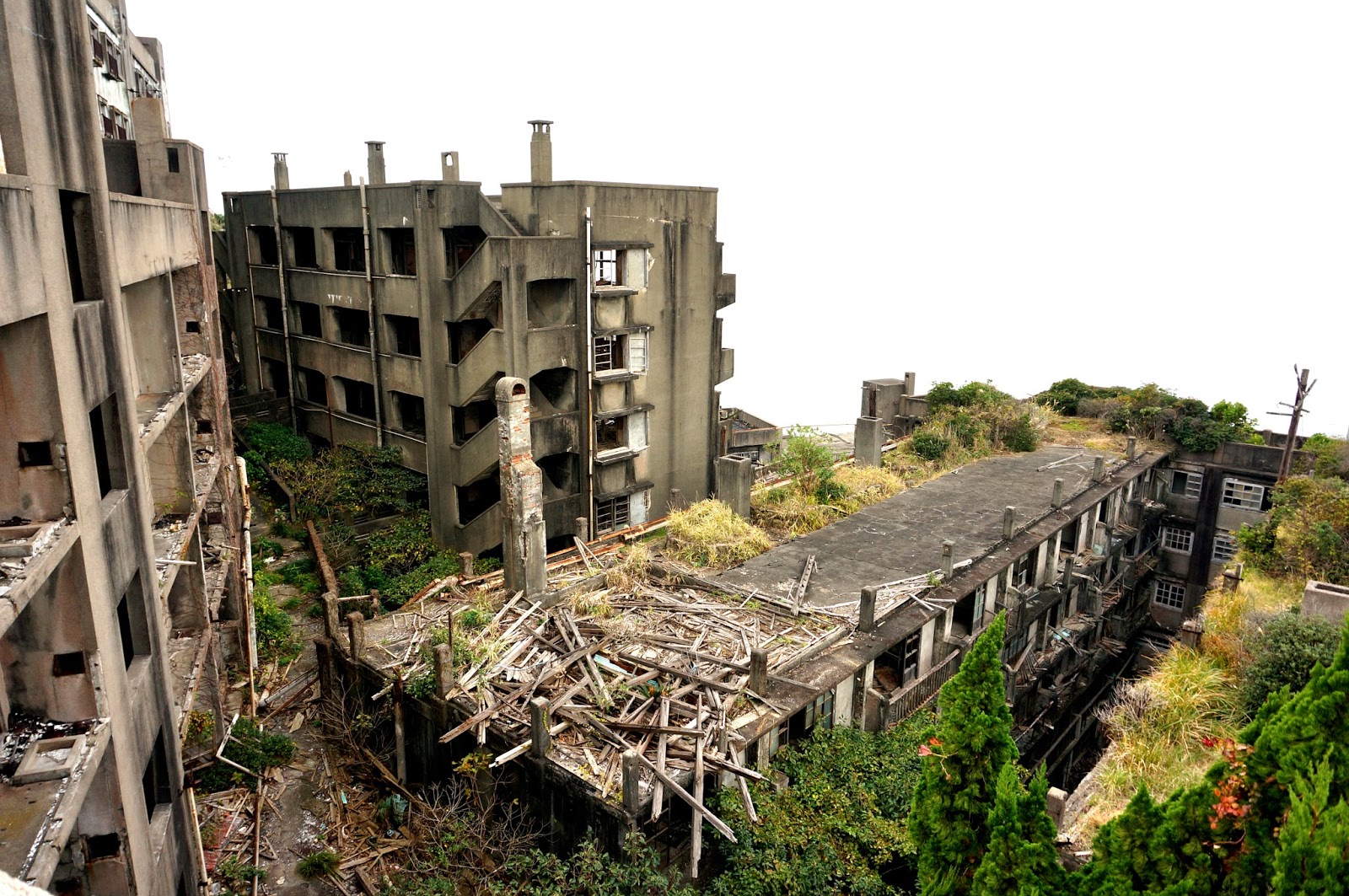
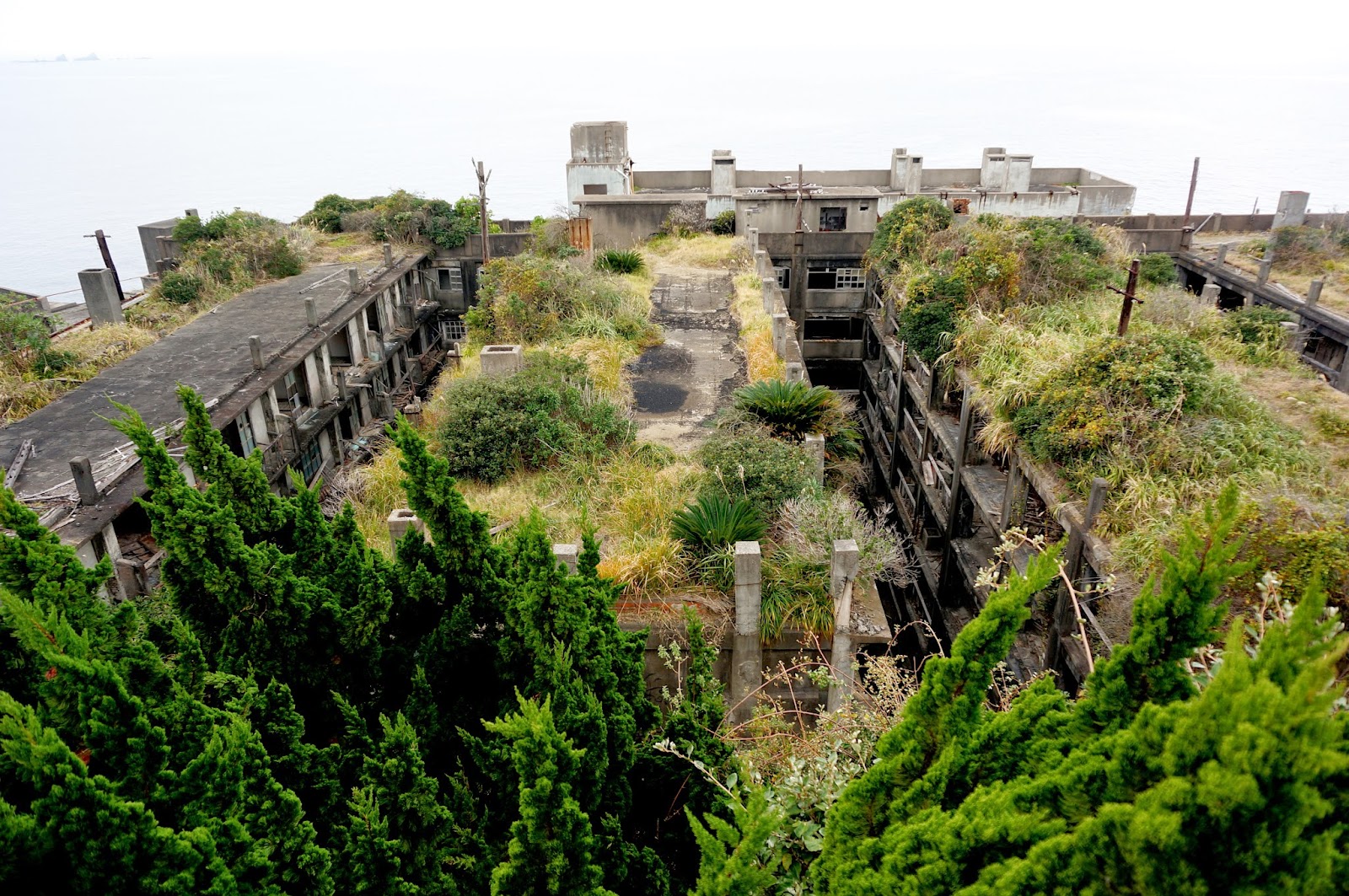
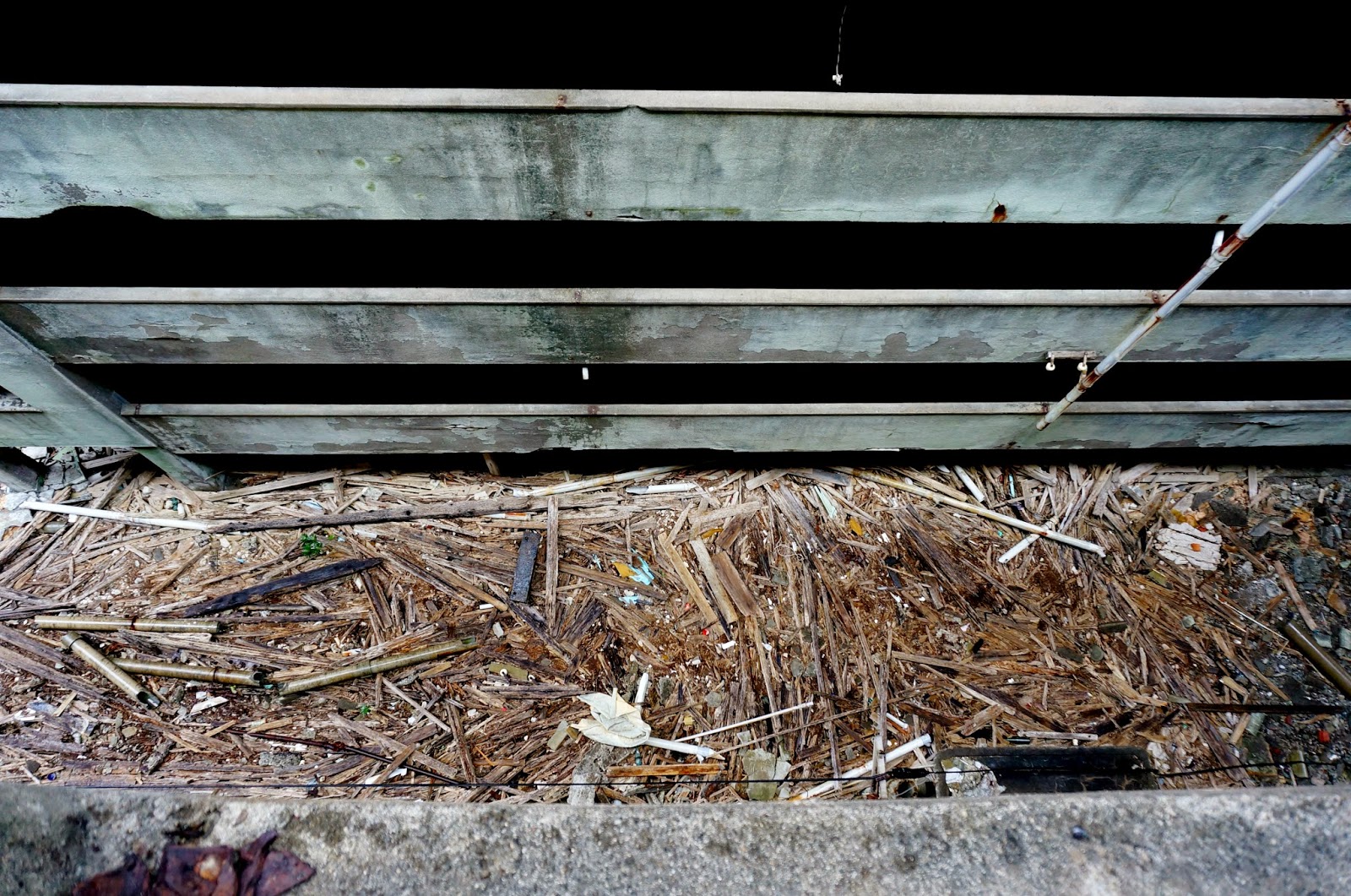
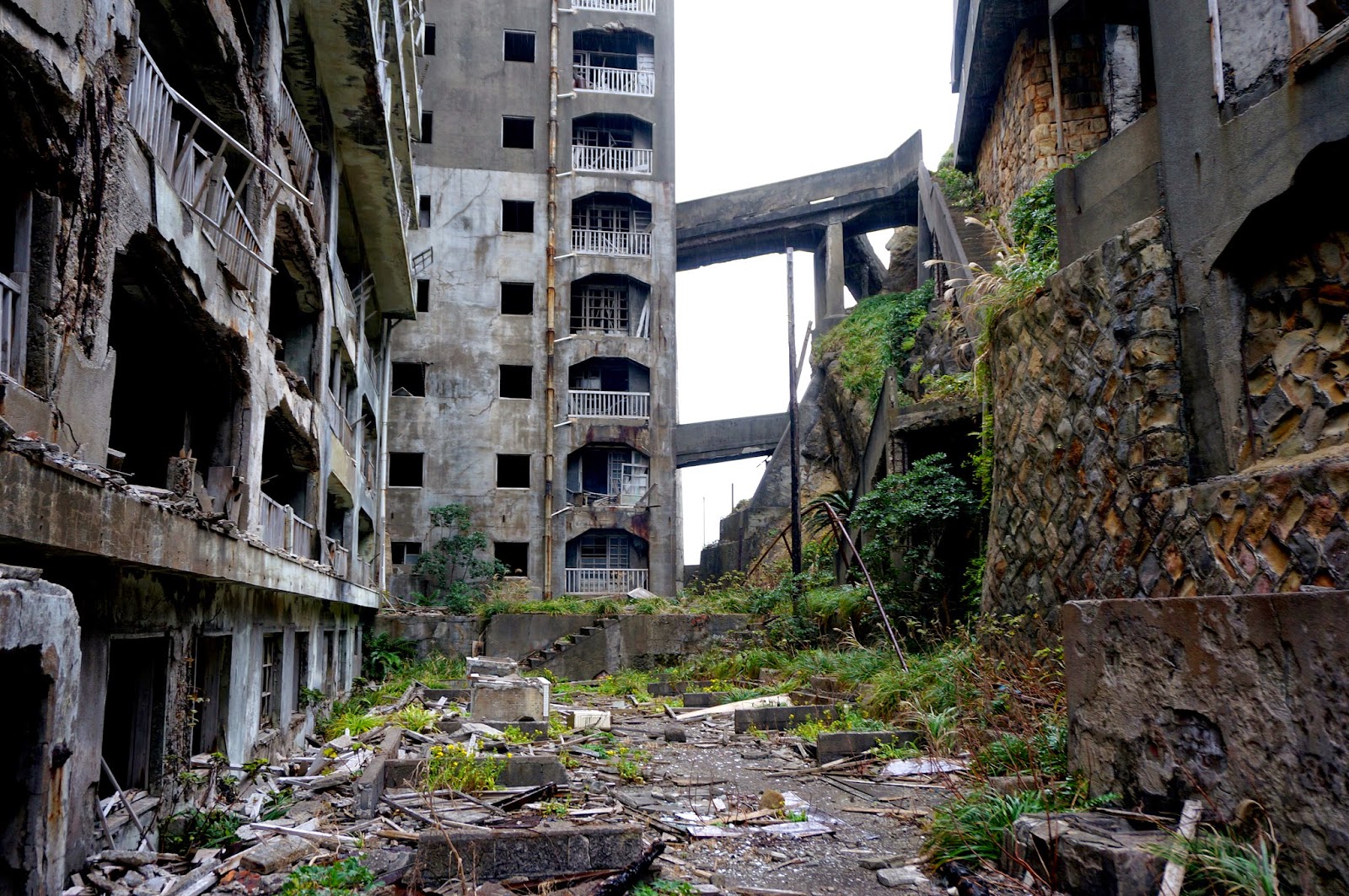
From the first second you step on the island you step into a totally different world that I just can not describe as anything else but eerie, breathtaking and surreal at the same time. The buildings have been teased by the forces of nature so much that the foundations of the buildings lay bare and were even partly missing. All windows are broken, doors are often gone, plants are beginning to take over the buildings. Everything is in ruins. Sometimes you find a lost shoe or childrens toy. Very strange.

The strangest thing however was when we went through the apartments later on and took a like inside the houses, some looked like people left in a hurry for something life threatening; cups still on the table, shoes still in the shoe closet, open bottles in the kitchen. It is really everything what you would expect from a ghost town. But that is not all I want to tell you. It is so much more than that.

Incredible architecture

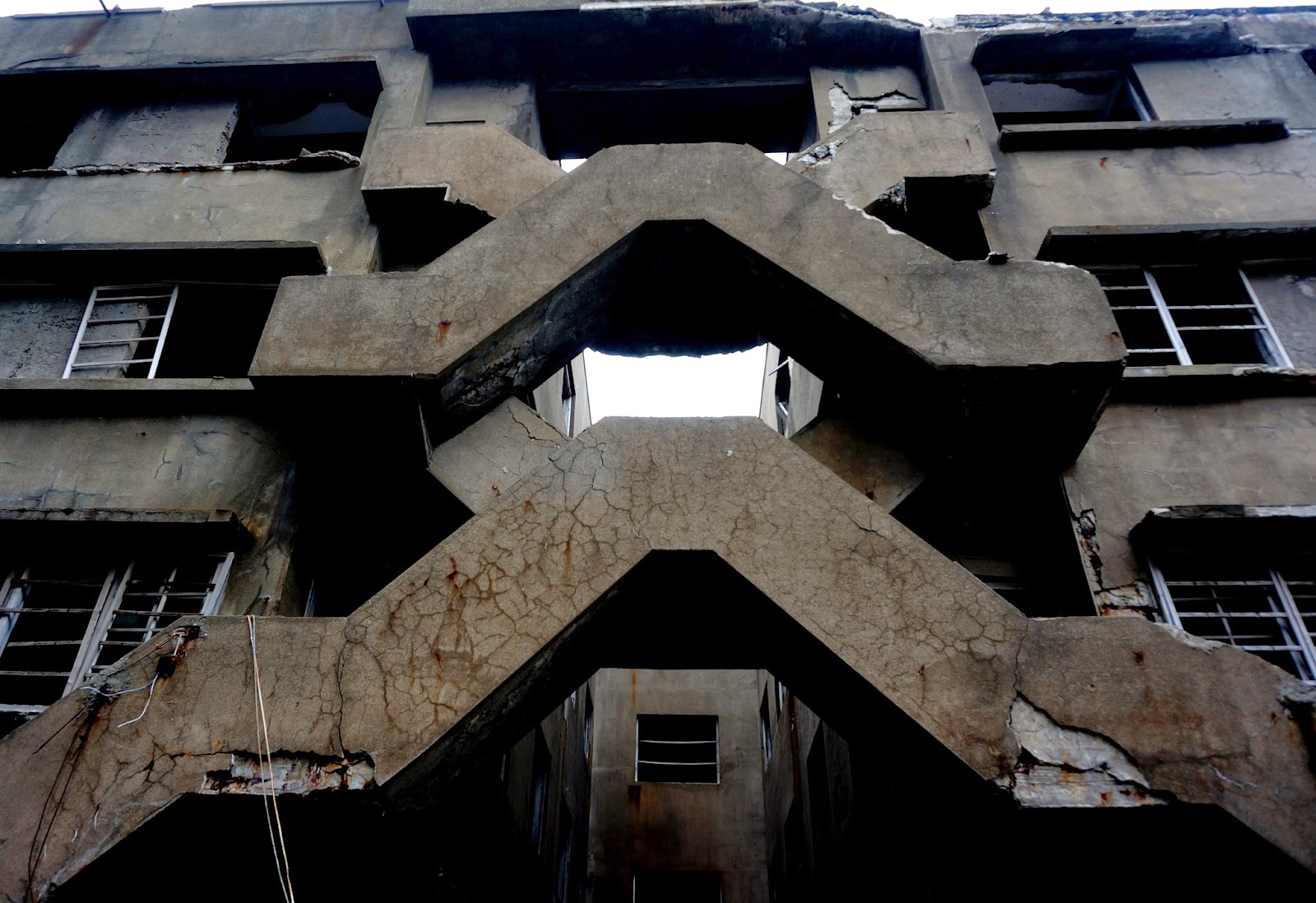
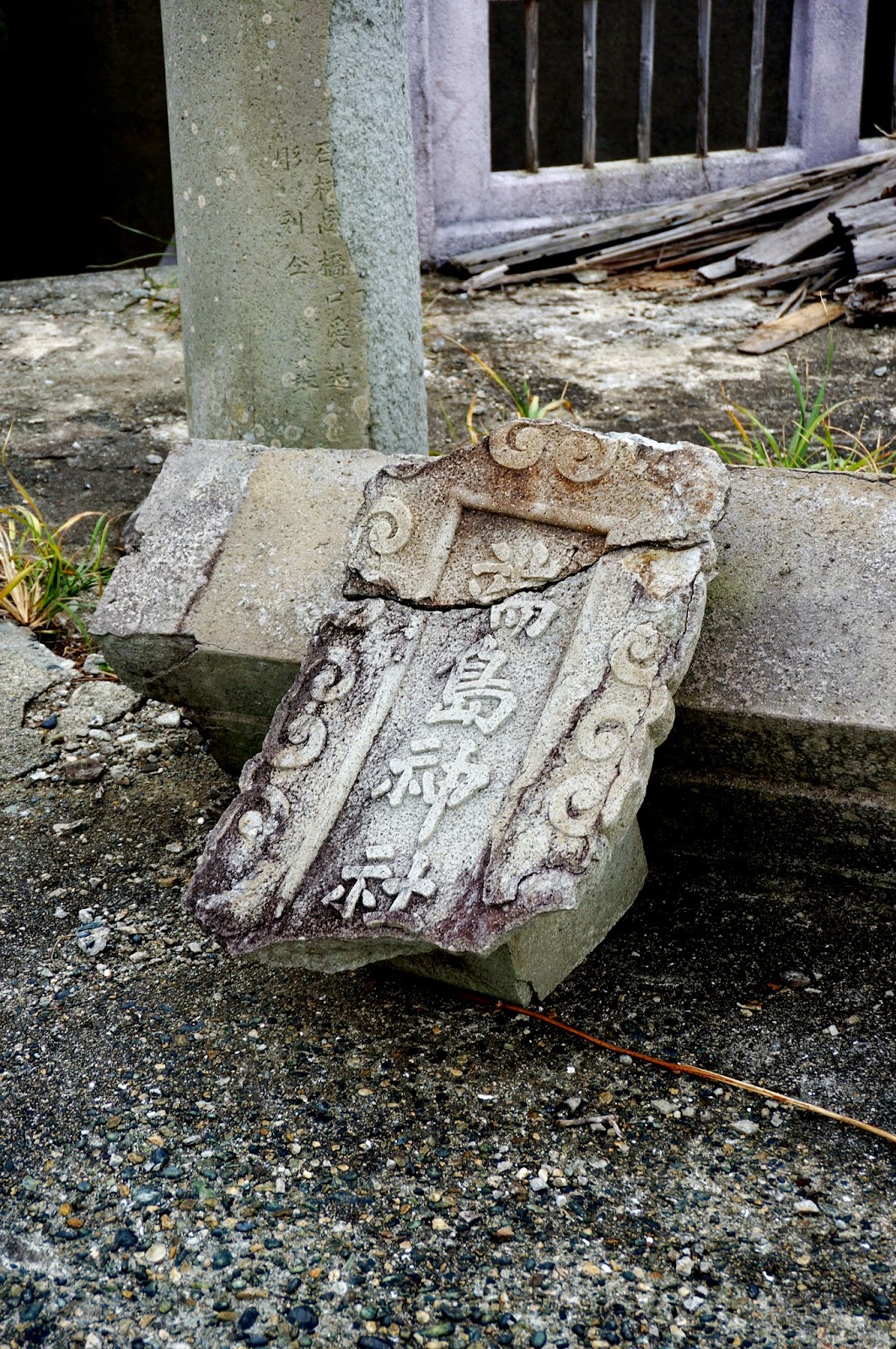
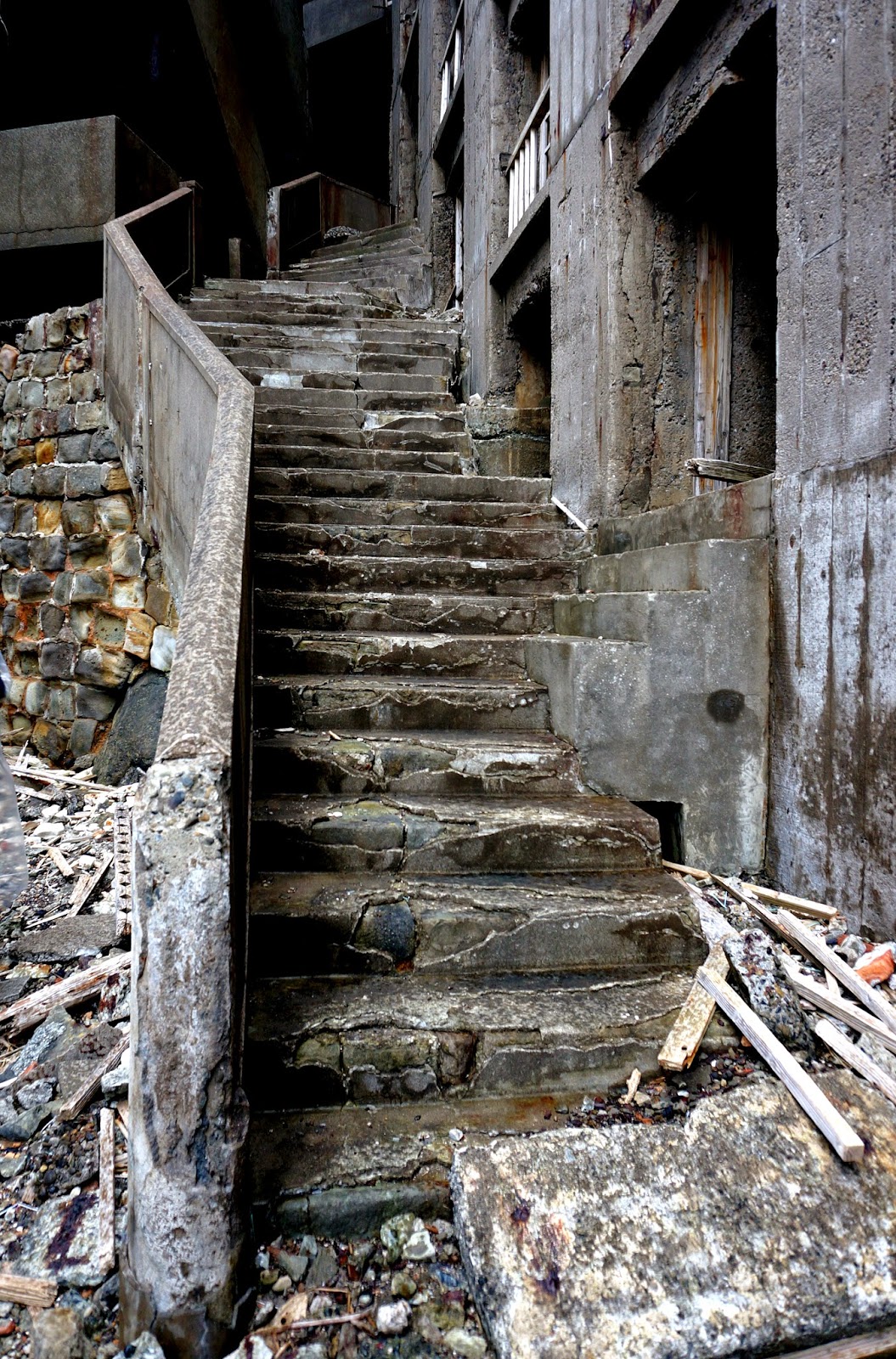
After taking a look at the school we made our way through the debris. Even though the buildings are very broken down, it is still easy to see some of the gorgeous architectural elements and it is amazing to think that the Japanese built concrete high rise apartments like this back in the day. We then made to the famous ‘Stairway to Hell’, a very steep stairway leading to the top of the small mountain on the island where the shrine used to be.

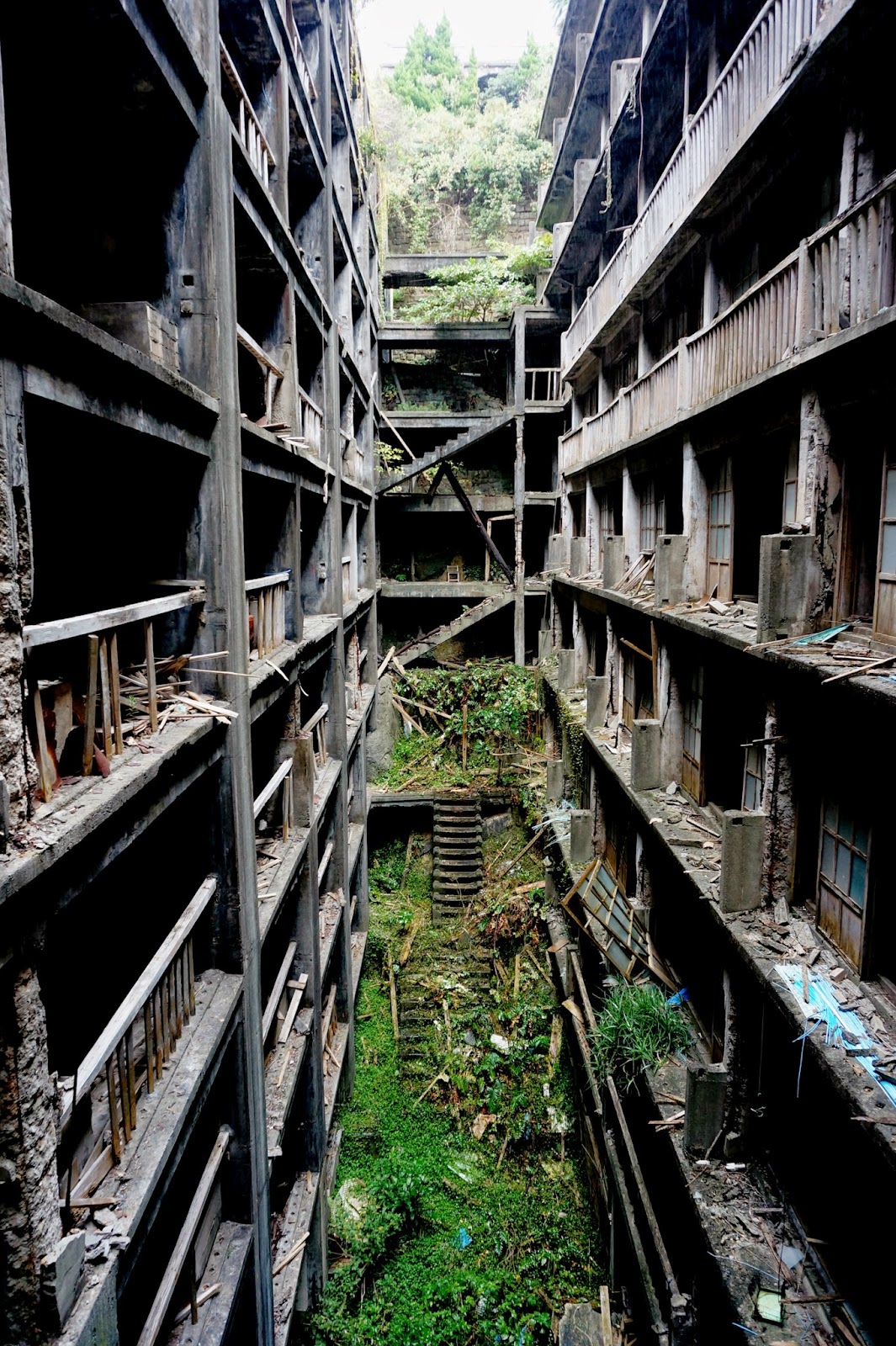
The way up to the shrine was the most beautiful to me; you could see the symmetrical shape of the buildings and ‘secret’ pathways that lead into the apartments, together with the plants that are now intertwined with buildings I felt like I was part of a Ghibli movie. The shrine itself had a great view on the island and the surrounding sea and islands. ‘One of the smaller nearby islands was used as a graveyard to put the ashes of cremated people’ is what our guide told us.

When we went back down after taking group pictures we actually went inside the apartments. The first building we went in was supposedly for the rich and more important people because the building in front of it was occasionally being tortured by big waves thus working as a protection shield for this building. Interesting isn’t it? That’s why all the hallways in the buildings had doors as well; to stop the waves from coming all the way into their houses. A popular activity of the housewives on stormy days was to watch the big waves from the rooftops.

The apartments were incredibly small by the way, only one room for a whole family. I wonder how people kept their sanity; no space in their home, no space outside either.

Mountains of Debris

There was a concrete bridge connecting the two apartment buildings. We had to cross it one at a time to prevent it from breaking down under our feet. Going down the second apartment was a challenge as well with broken down stair cases and debris everywhere. But that was nothing in comparison to what came next. There was literally a wall of wooden debris that we had to climb over which was insane and when we go that done there was this whole area of stone debris which used to be the cinema. So we had to climb another mountain of debris, careful of every step you take. It is certainly an adventure and scary as well.

When we made it past bare foundations of buildings and more debris we made it to the oldest building of Gunkanjima and the first building in Japan built with reinforced concrete (if I am not mistaken), apartment no.30. Finally we walked the last part on the concrete road for the tourists and walked on what used to be the working place for the coal miners.

Enjoy responsibly 

Now, the message that I want to leave here is one of raising awareness and caution. Yes, Gunkanjima is an excellent place for taking gorgeous photos and it will bring out the adventurer in you. But please be aware of the significance this place holds in Japanese history. Please be aware why it deserves to be an UNESCO World Heritage Site. Don’t go there just for fun or for the sake of having been there, go their to learn something and to reflect on what you see.

As a beginning researcher of the protection of cultural heritage I only hope this place will get the restorations it needs and that the people visiting there won’t make the already bad state of the buildings there even worse by mindlessly trampling all over the place in the hope to have a post-apocalyptic adventure. This place is a perfect example of what can happen when we don’t see the value of what is in front of us and forget about it. I hope that we won’t let other places fall down to a ruined state like that of gunkanjima, only to realize afterwards how important and valuable it is when it is too late.

Friendly Fukuoka – Tea Gathering and Tea Ceremony

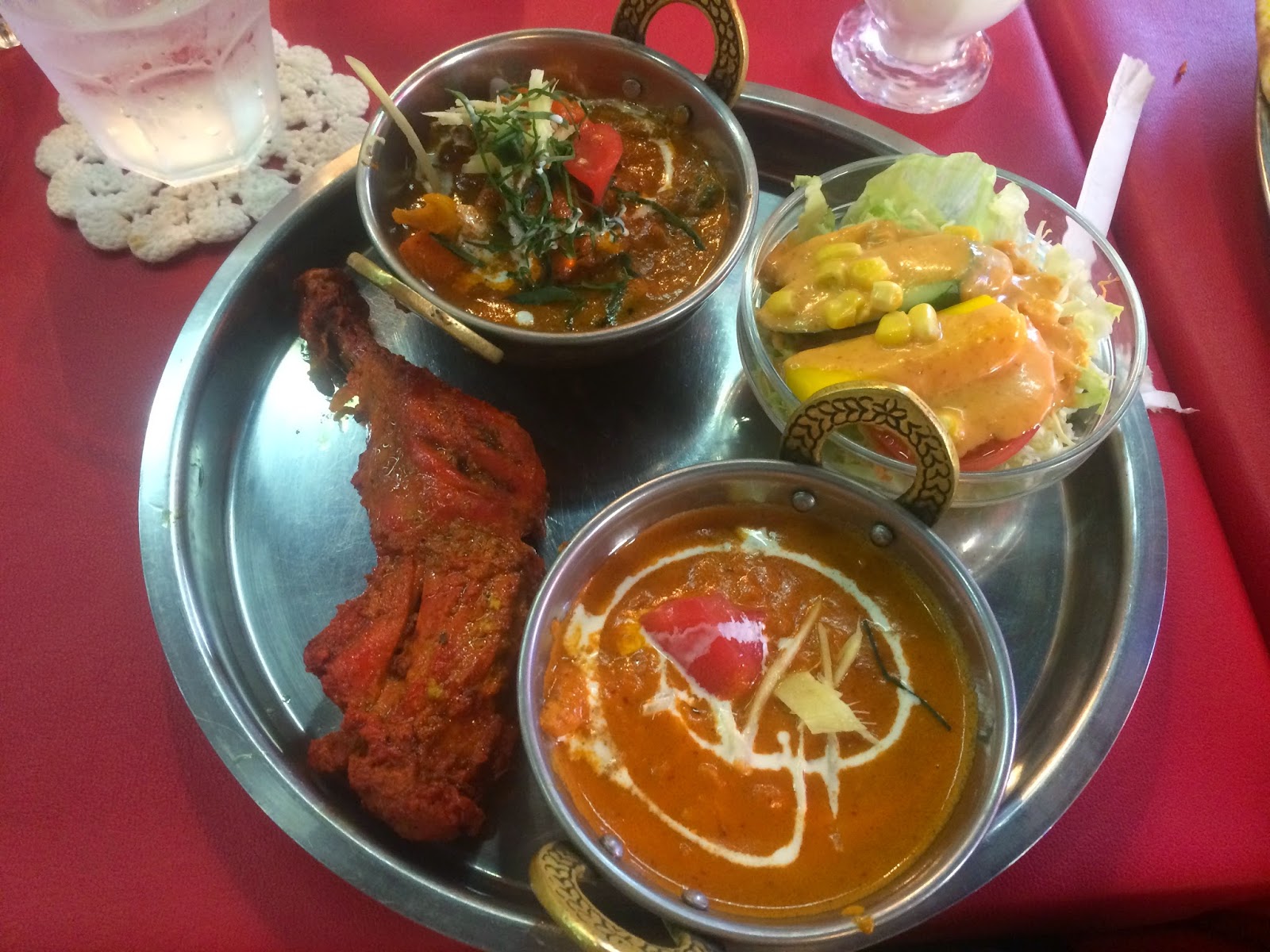
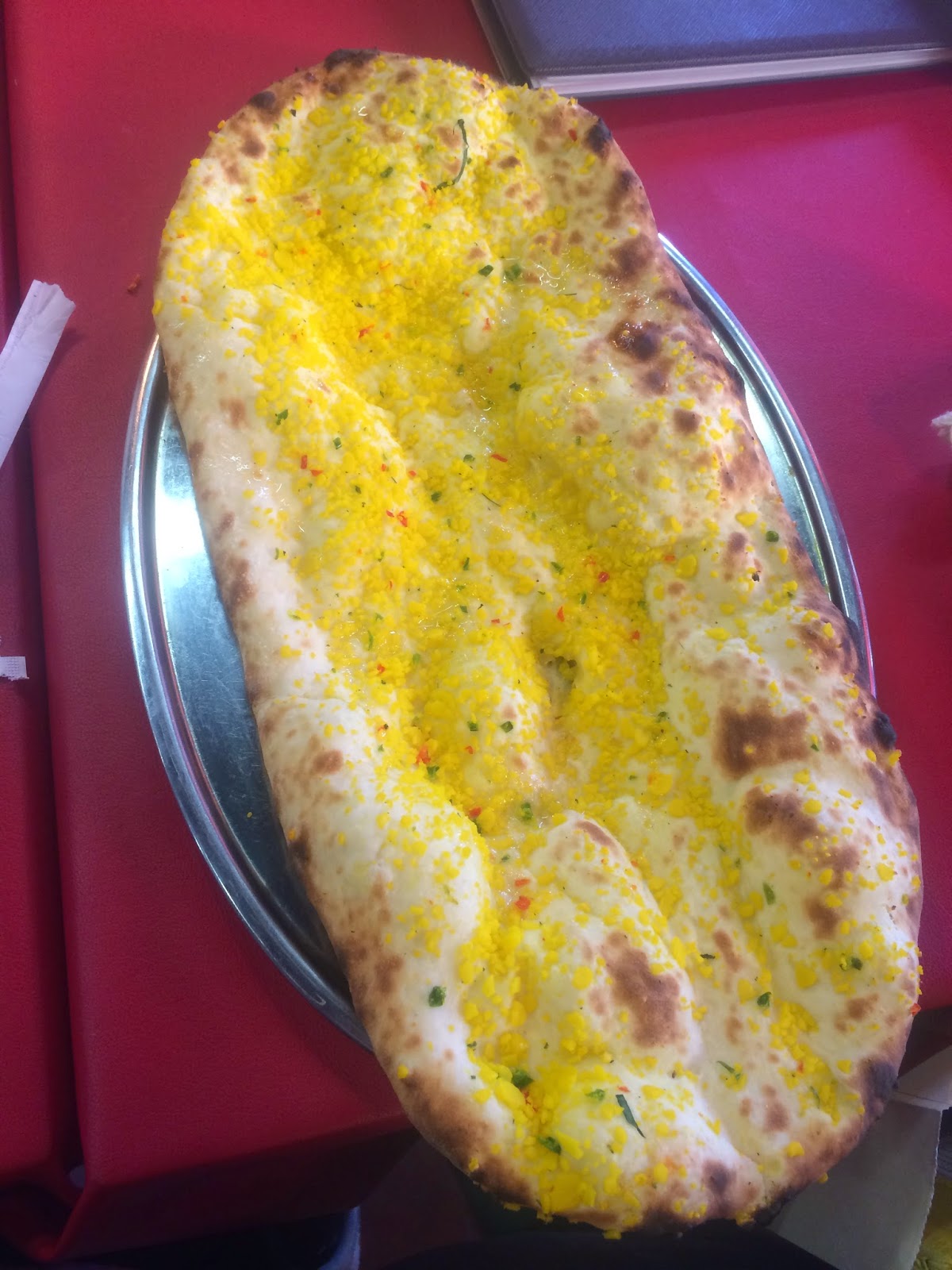
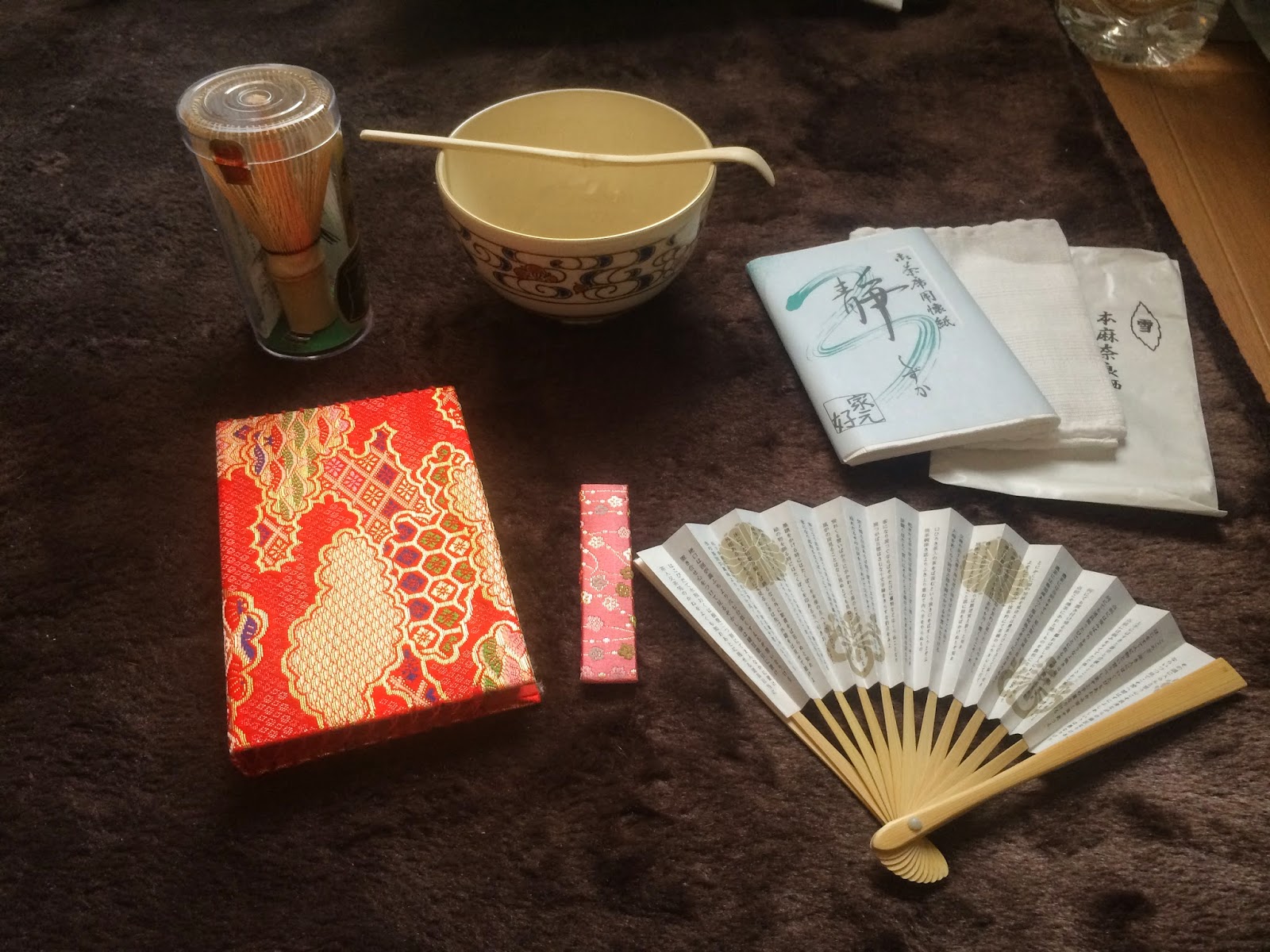
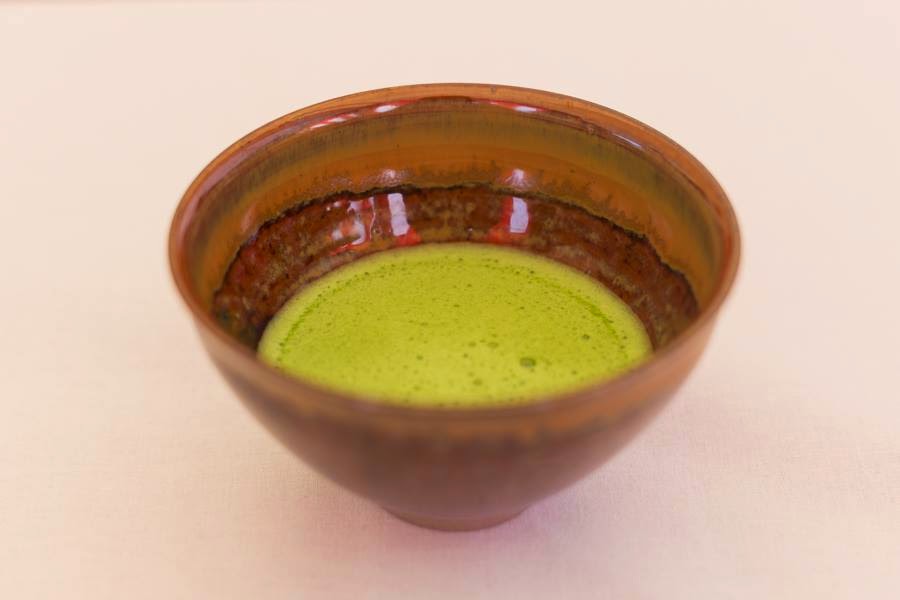
During the first semester in Kyushu University I followed an introductory course to the art of Japanese tea ceremony. We did readings, presentations, listened to stories of the teacher but there was also the practical side of making tea, folding a special kind of napkin and serving tea and so on. The best part of this course were the field trips. One of the field trips was a trip to Nishijin to buy some supplies. I bought a tea cup, a tea whisk, a tea scoop and a set which included the aforementioned napkin, paper holders for sweets, a sweets cutter, a fan and a small bag. After the shopping ws done we went to an Indian restaurant where our awesome professor treated us. I received one of the biggest naan I’ve eaten to date.

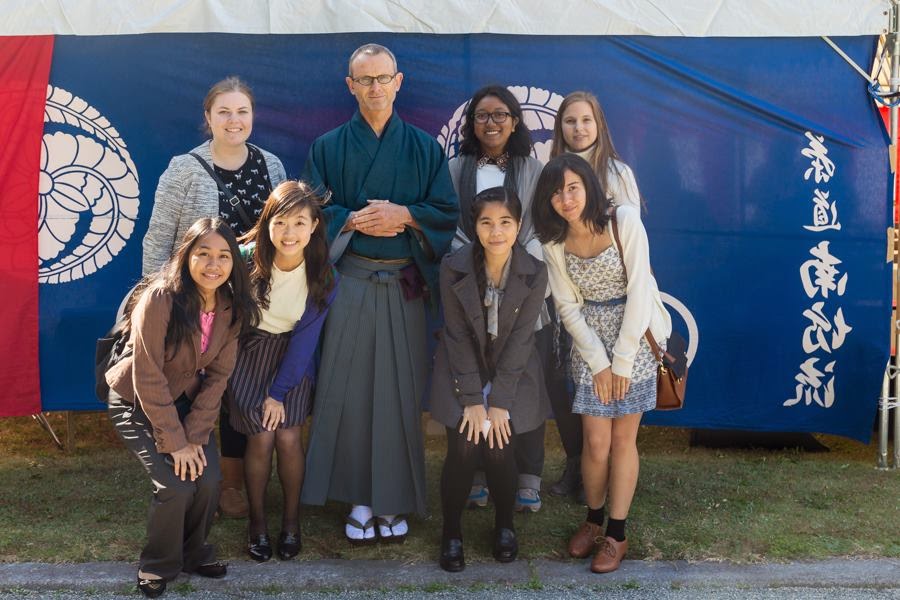
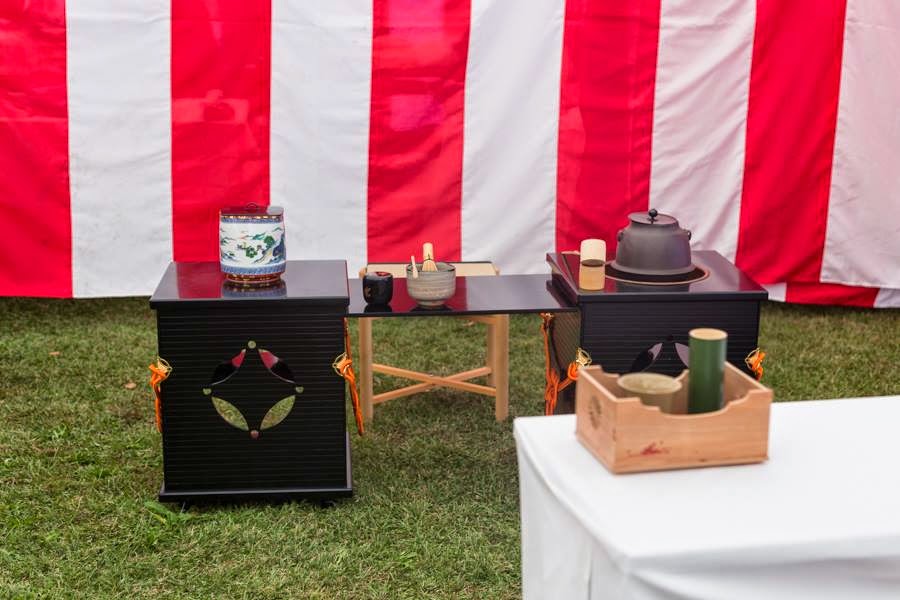
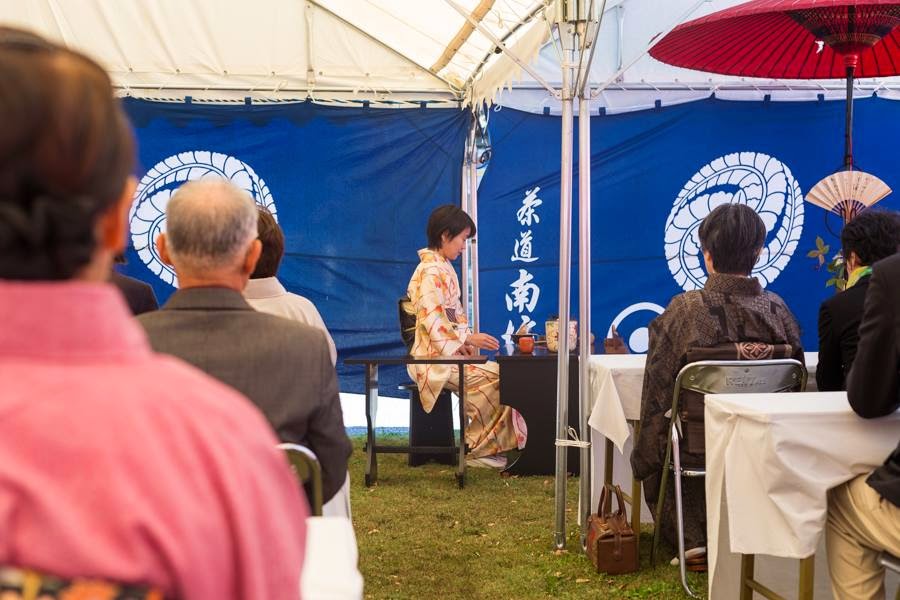
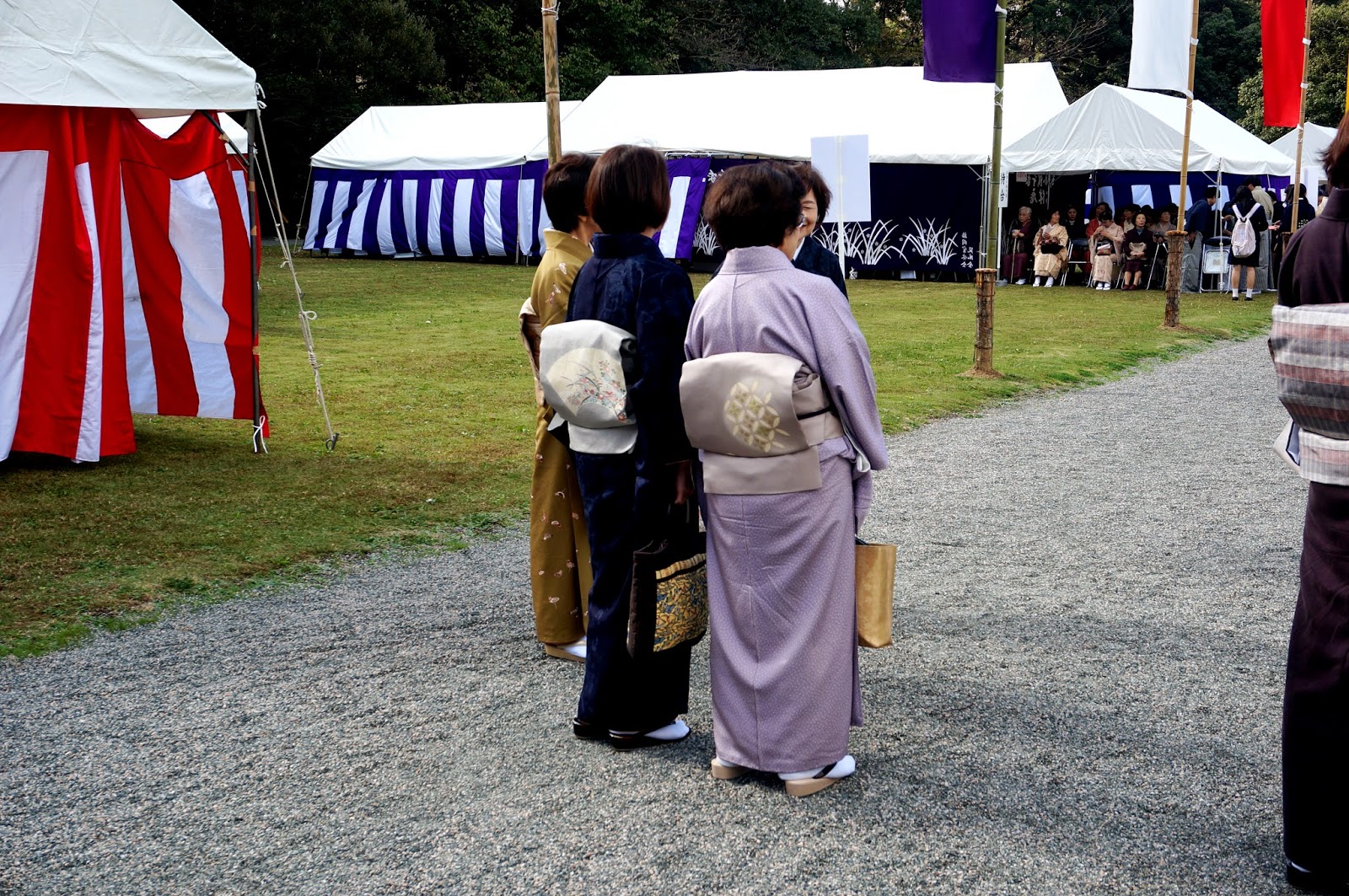
So you think we were set for our tea ceremonies after having bought this stuff right? Well, you are right, but this was actually our second field trip. We went to one before buying the materials for a tea ceremony, so basically we were unprepared for our first field trip! The reason our teacher did this was to make us dependent on the others there and thus forced to make contact with the people around us.  Our first field trip is a so called ‘Tea gathering’. It is different from a normal tea ceremony because it was outside and actually reminded me of a festival. There were big tents spread over the terrain of the temple, each tent representative of a different school of tea. In front of the tent you could buy a ticket. That ticket granted acces to the tea ceremony inside. Another difference is that these ceremonies were performed in front of a big group of guests while it is usually a small gathering. And we got to sit on normal chairs and tables. Anyway, there was only one ticket left for the next ceremony of my teachers’ school, Nambo Ryu, when I arrived so my teacher gave it to me and I left my classmates behind who were going to one of the later sessions. So I was thrown into the unknown, on my own. My first tea ceremony, without utensils, without support. The lady next to me was nice enough to notice I didn’t have the proper utensils and gave some of hers to me. In front of a few rows of guest there was an old lady in a kimono holding a kind of conversation with the guest of honor and explaining some things. Next to her was a lady preparing the tea, so doing what we would think the actual ‘tea ceremony’. That tea was also for the first guest (or guest of honor). All the others got tea and sweets that were prepared in the back room. Usually the first gets and the host exchange some words about the weather, season, decorations and the guest would say how good the tea was.
We were so lucky that our teacher could get us some more tickets so we could attend a second ceremony by a different school. They have different ways of decorating, folding their napkin, scooping the hot water for the tea and even drinking the tea. There are many subtle differences which was interesting to experience. I didn’t take any photos of the actual tea performances because it is not proper etiquette to do that and I stand out enough as a foreigner as it is. My friend did take a few photos though, so thanks to her I can show you a glimpse of the ceremony.
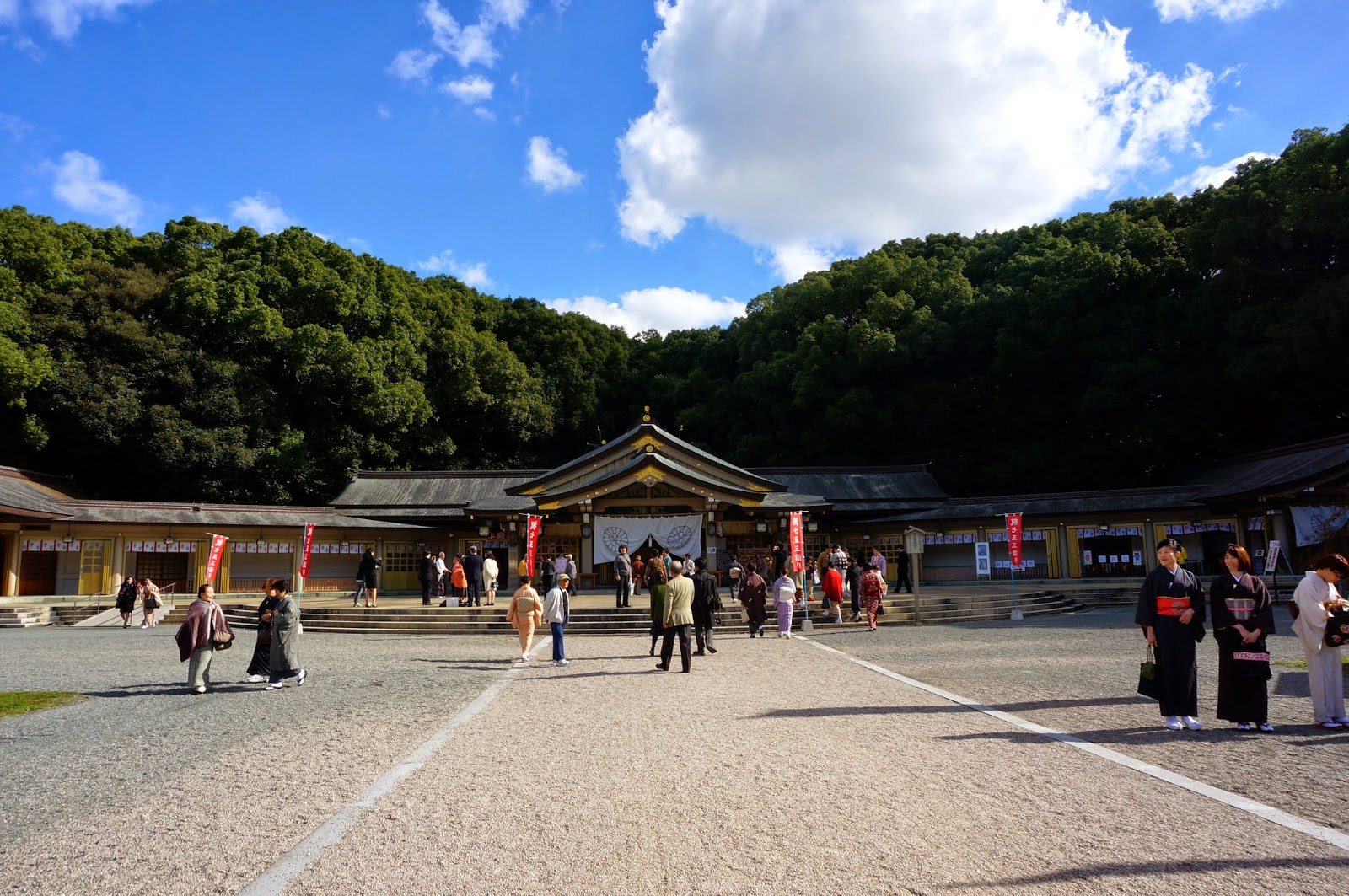
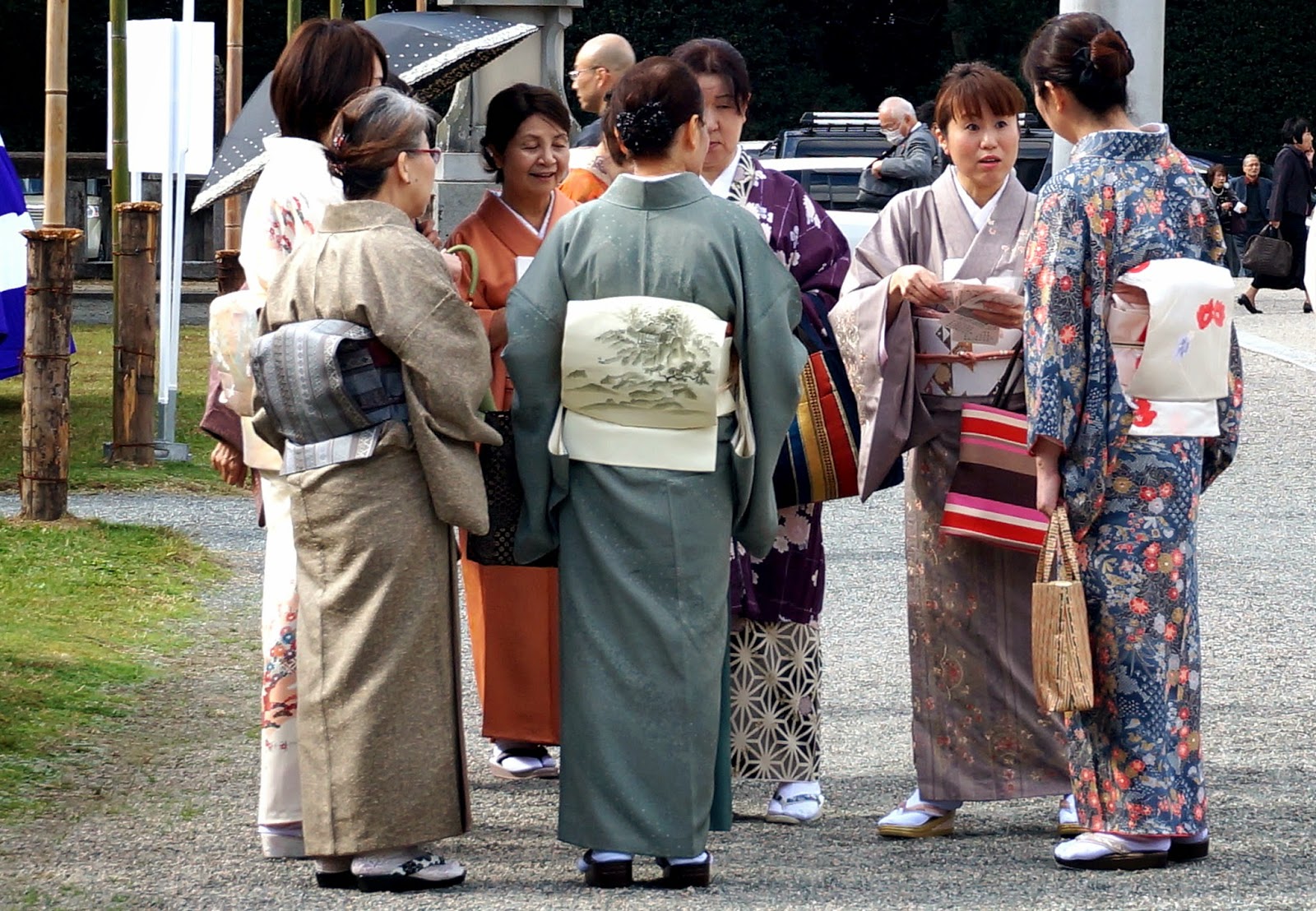
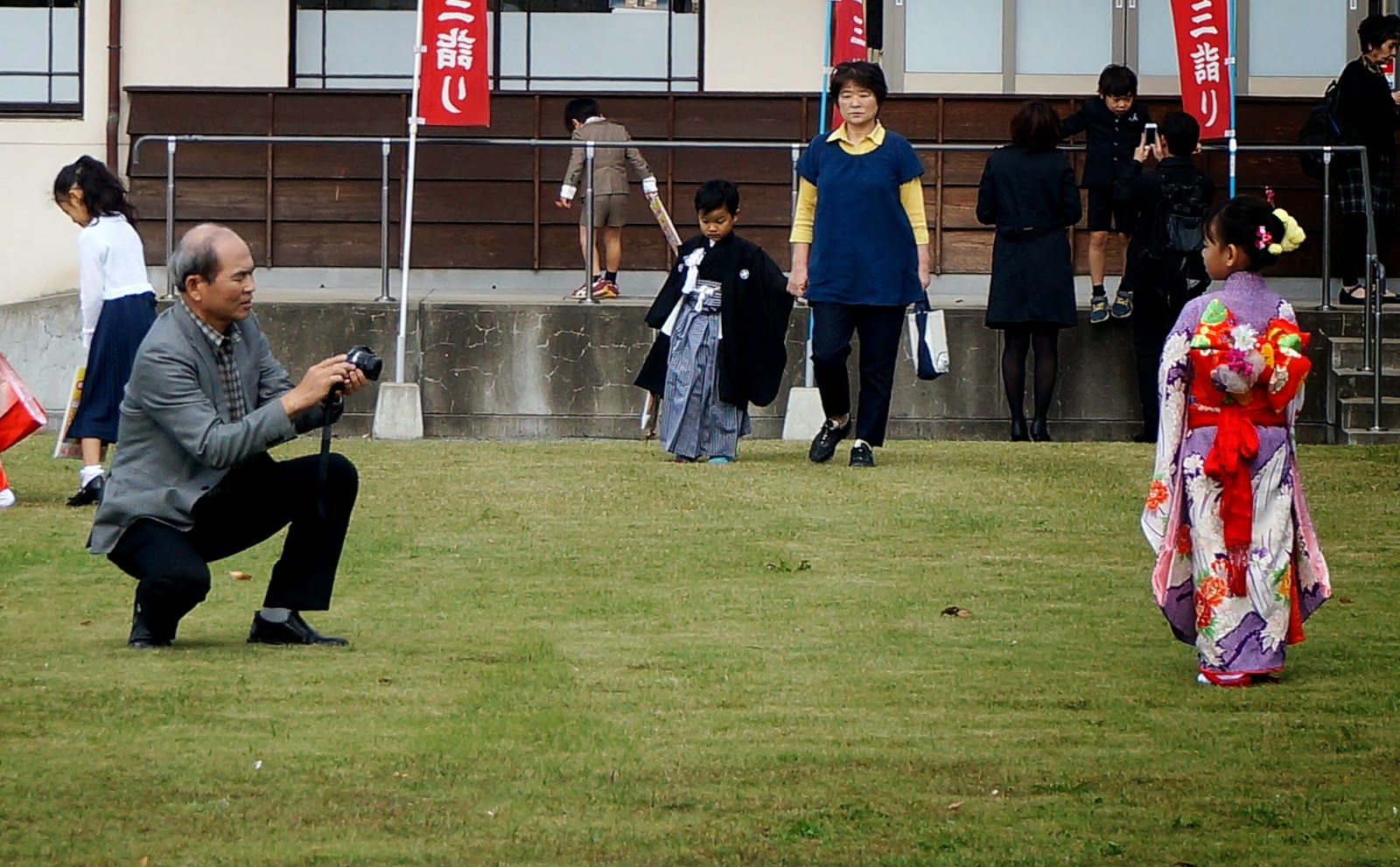
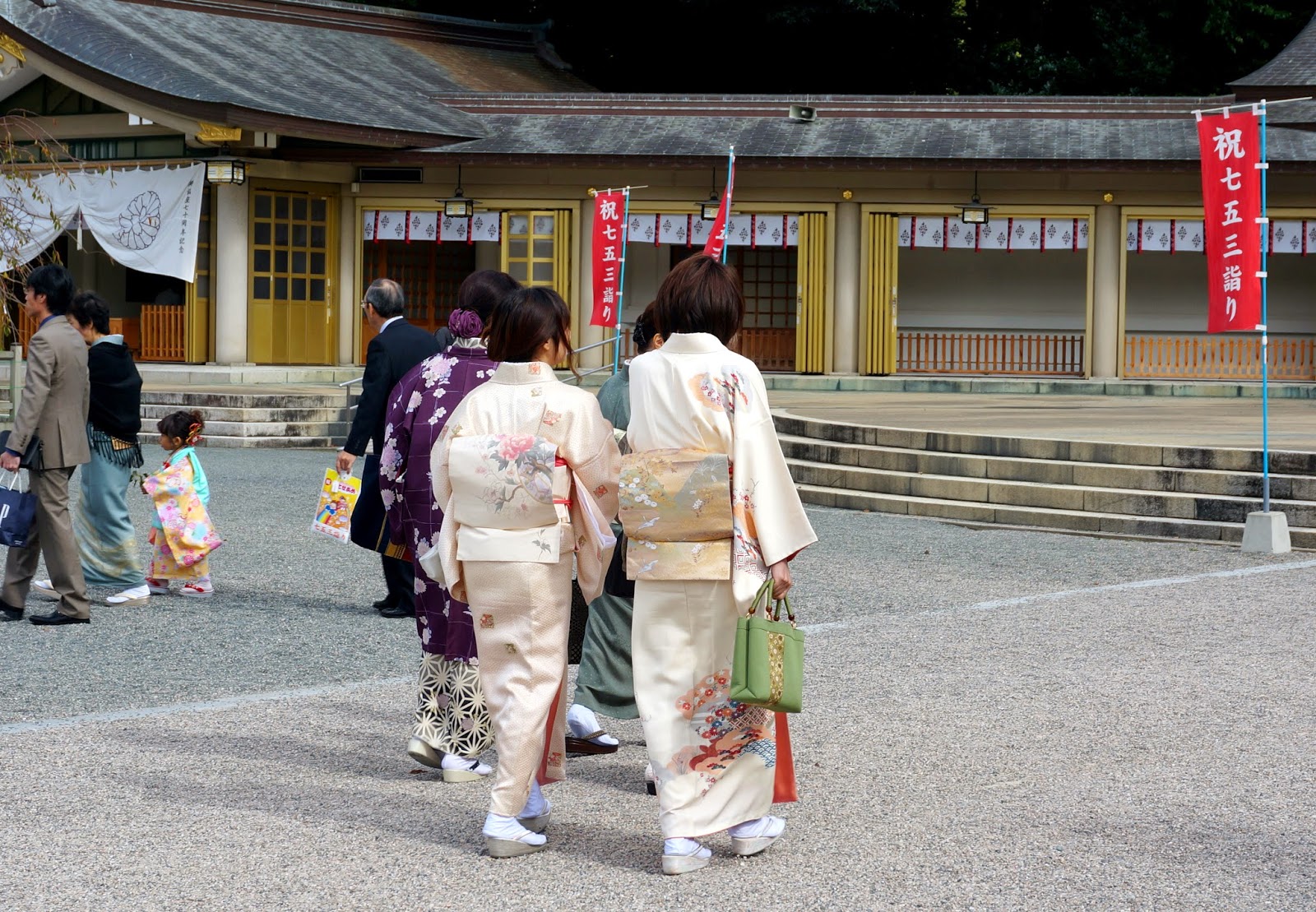
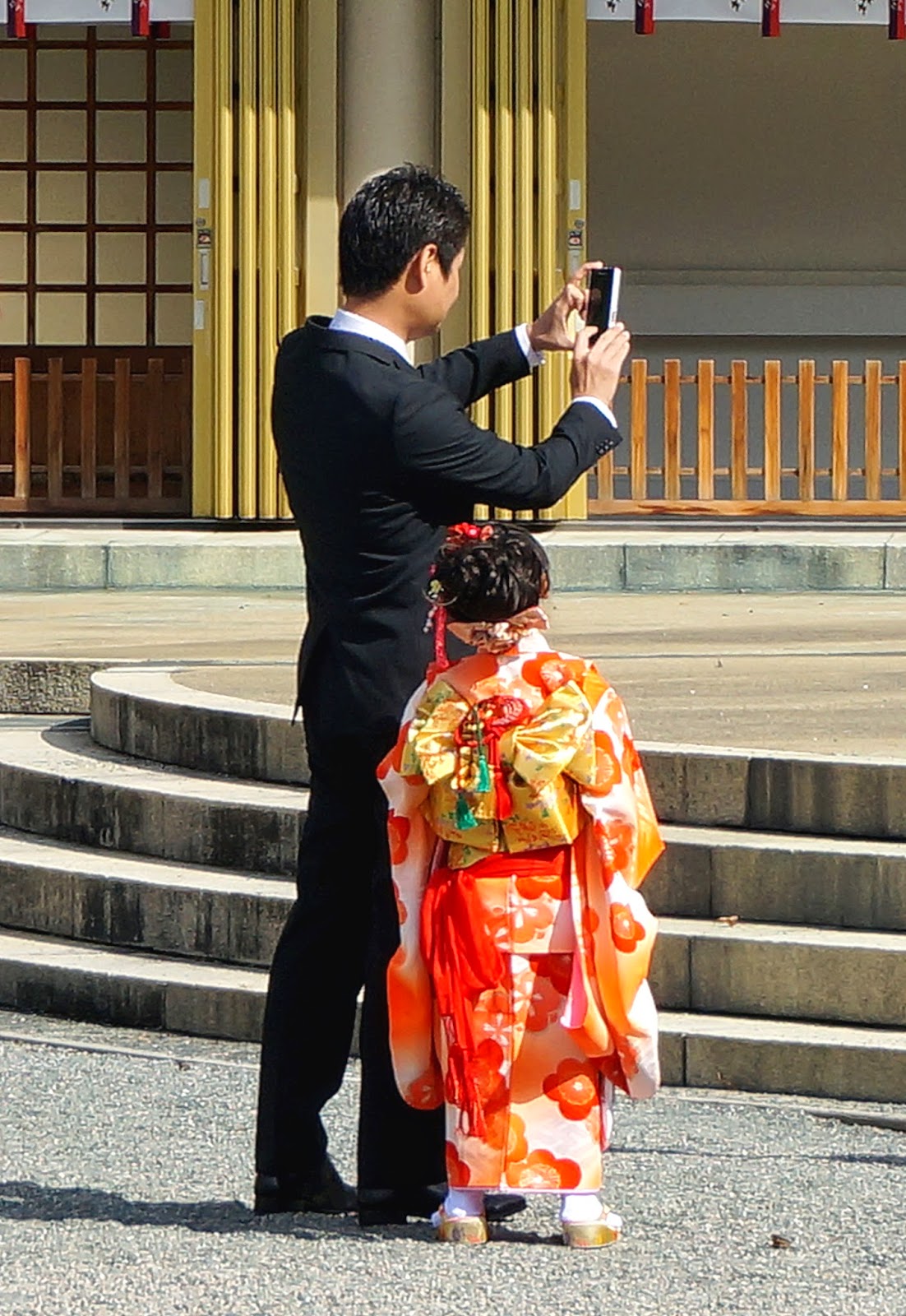
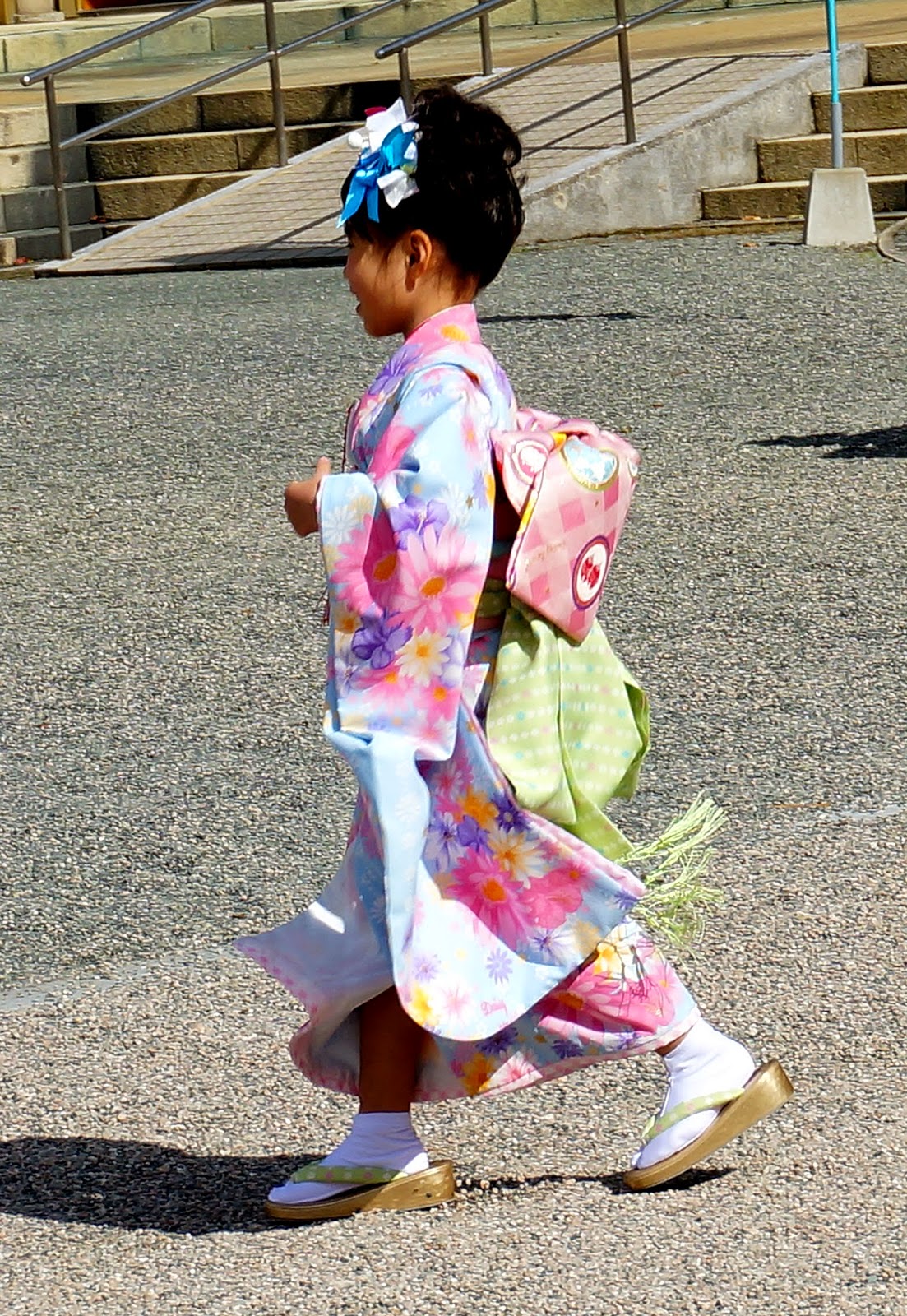
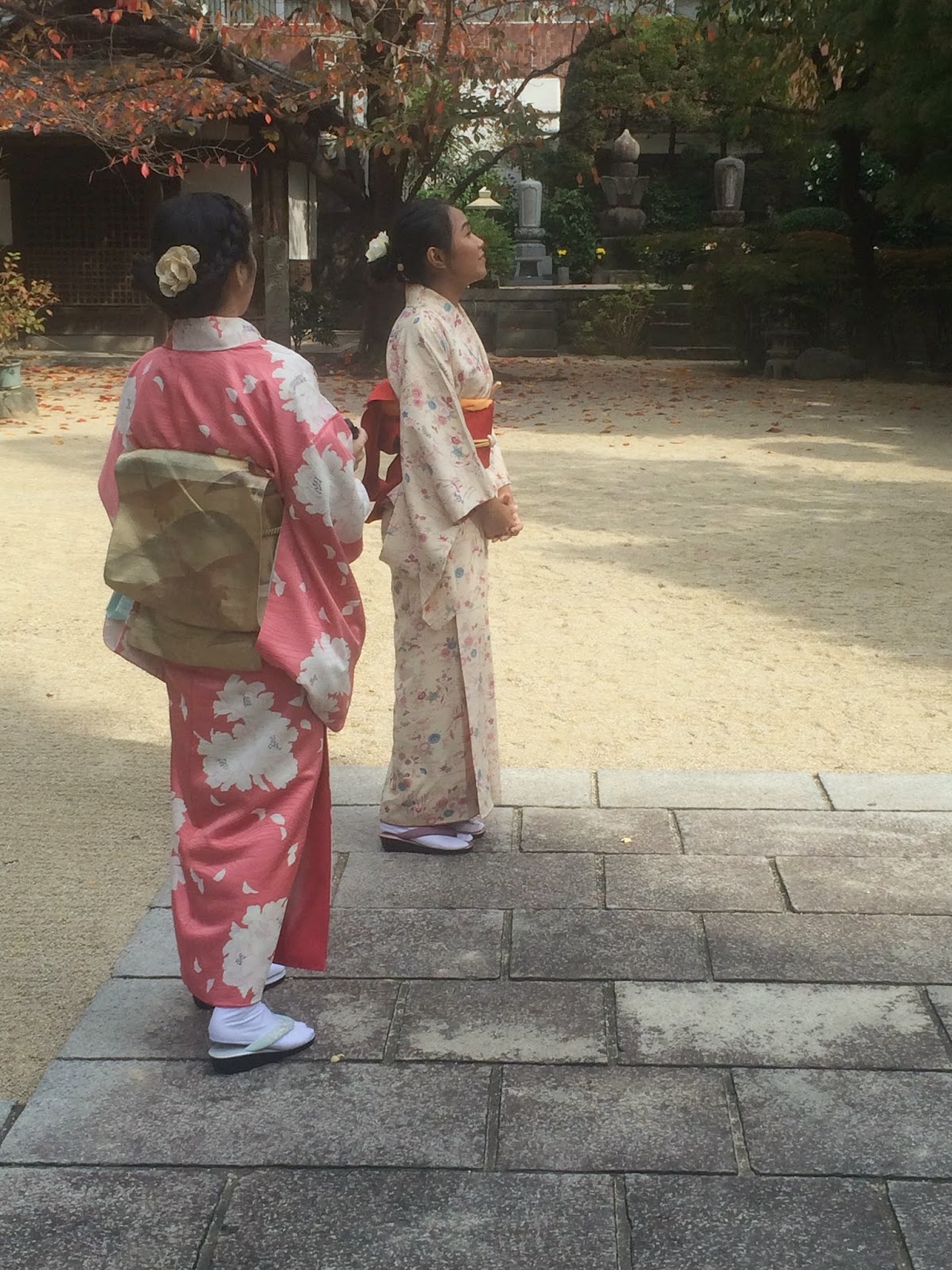
The day of the gathering was also the time of shichi-go-san festival, when families with three-, five- or seven year old kids go to the temple to thank for their healthy kids and pray for ongoing health. The kids get dressed in their prettiest clothes. Sometimes in kimonos, sometimes in tiny suits. it is so cute to see. And the traditional clothing for a tea ceremony is the kimono, so I saw many beautiful kimonos that day. As you might notice, the kimonos of these ladies are quite sober, not as brightly colored and decorated as the ones the kids are wearing or we can see on maiko (apprentice geisha) in Kyoto. That is because tea ceremonies are supposed to be a sober and relaxing event where boasting your wealth and possessions is not proper, so you need a simple kimono to match that thought. The older the lady is, the darker and less bright the colors get and the less decorations are on the kimono.
Made by my friend Kim Le 
Made by my friend Kim Le
Made by my friend Kim Le 

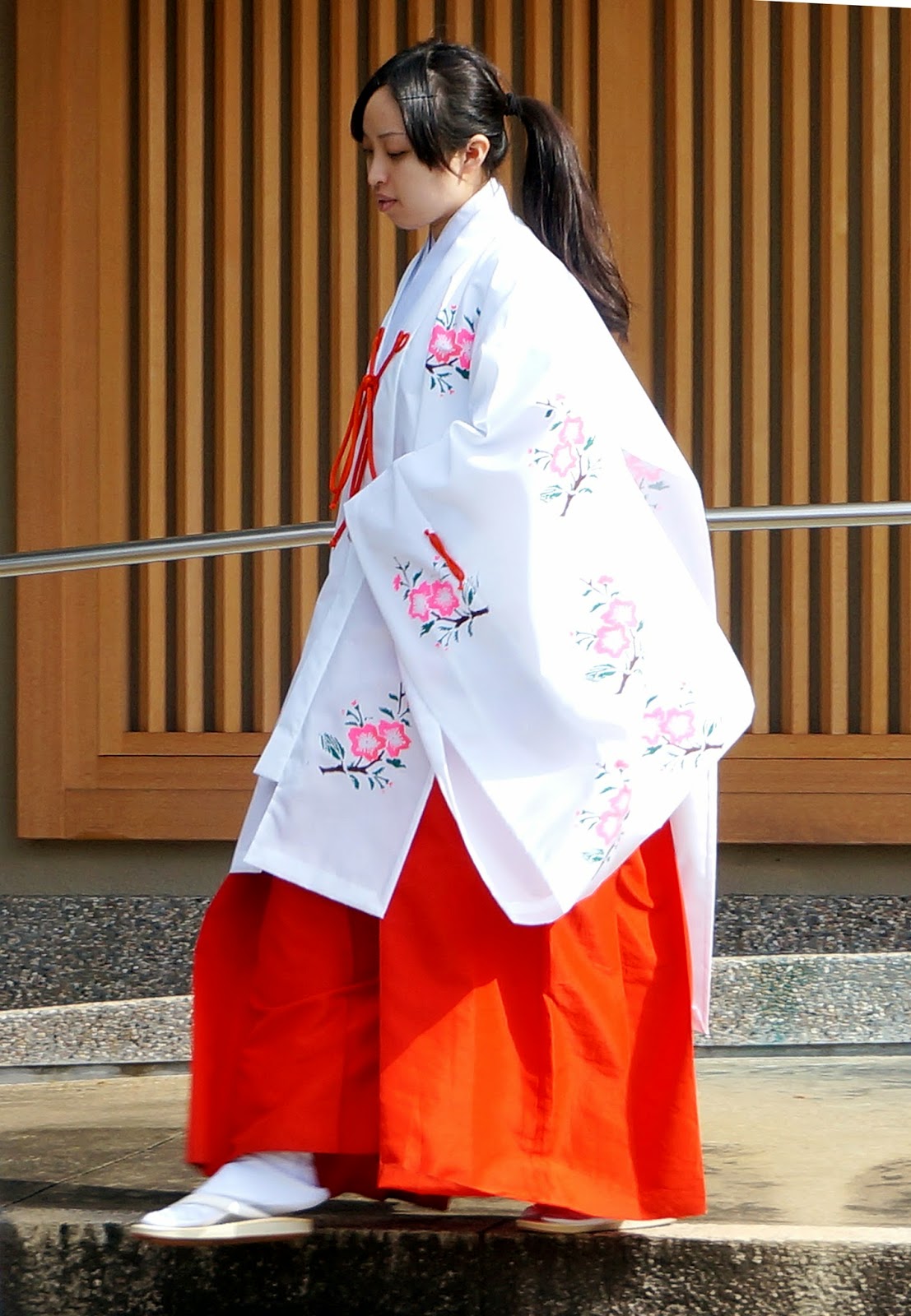
Priestess
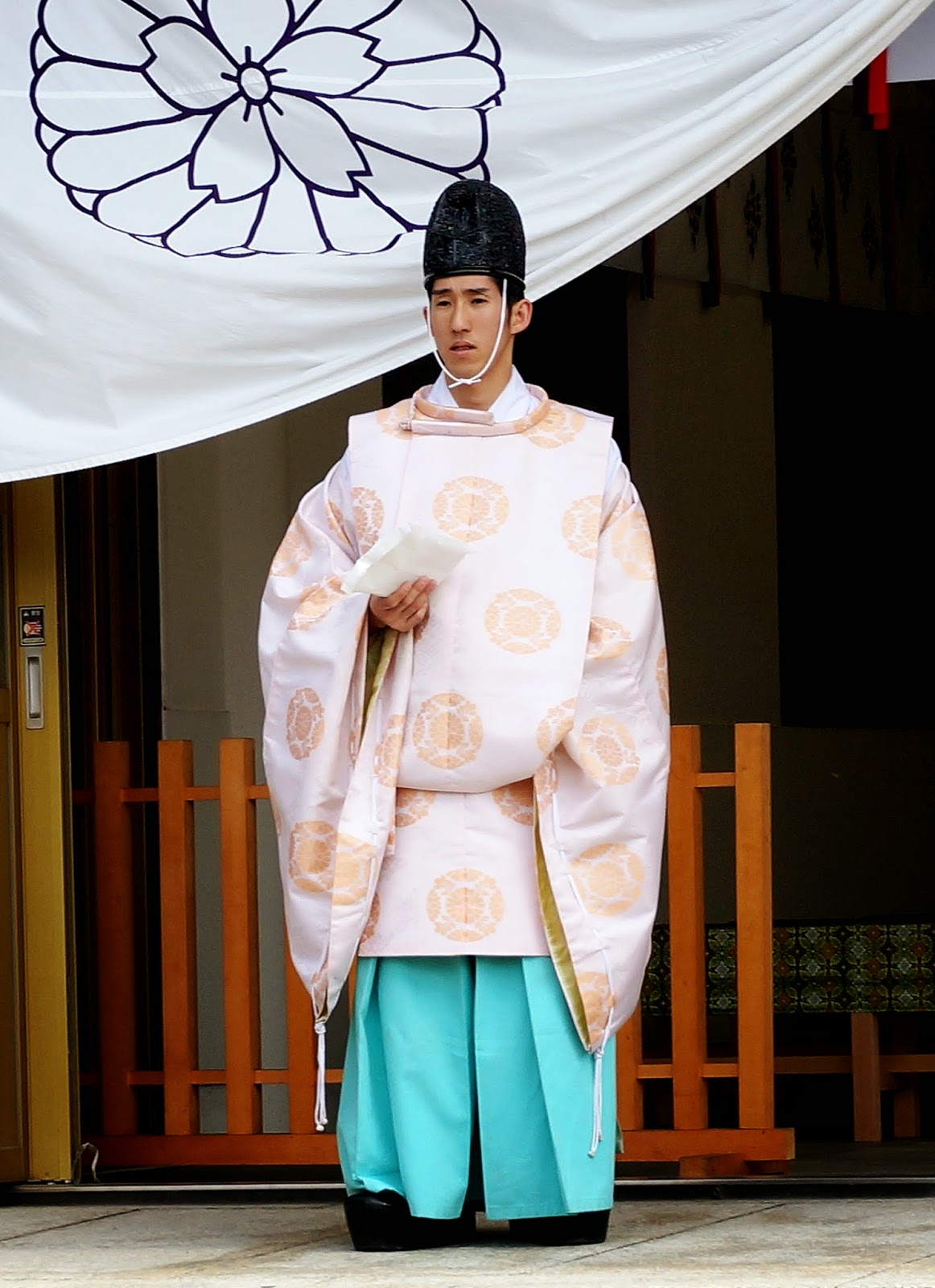
Priest
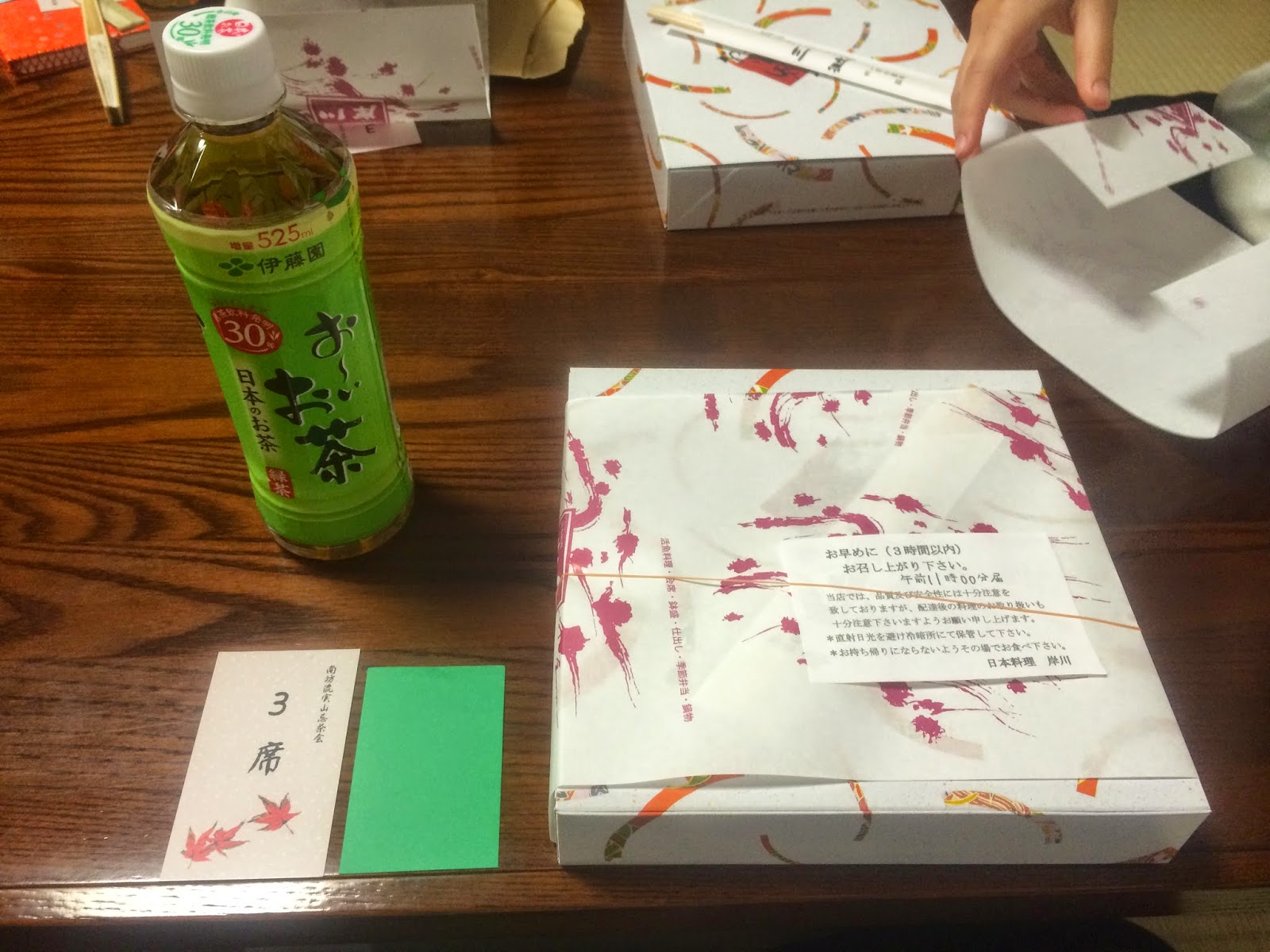
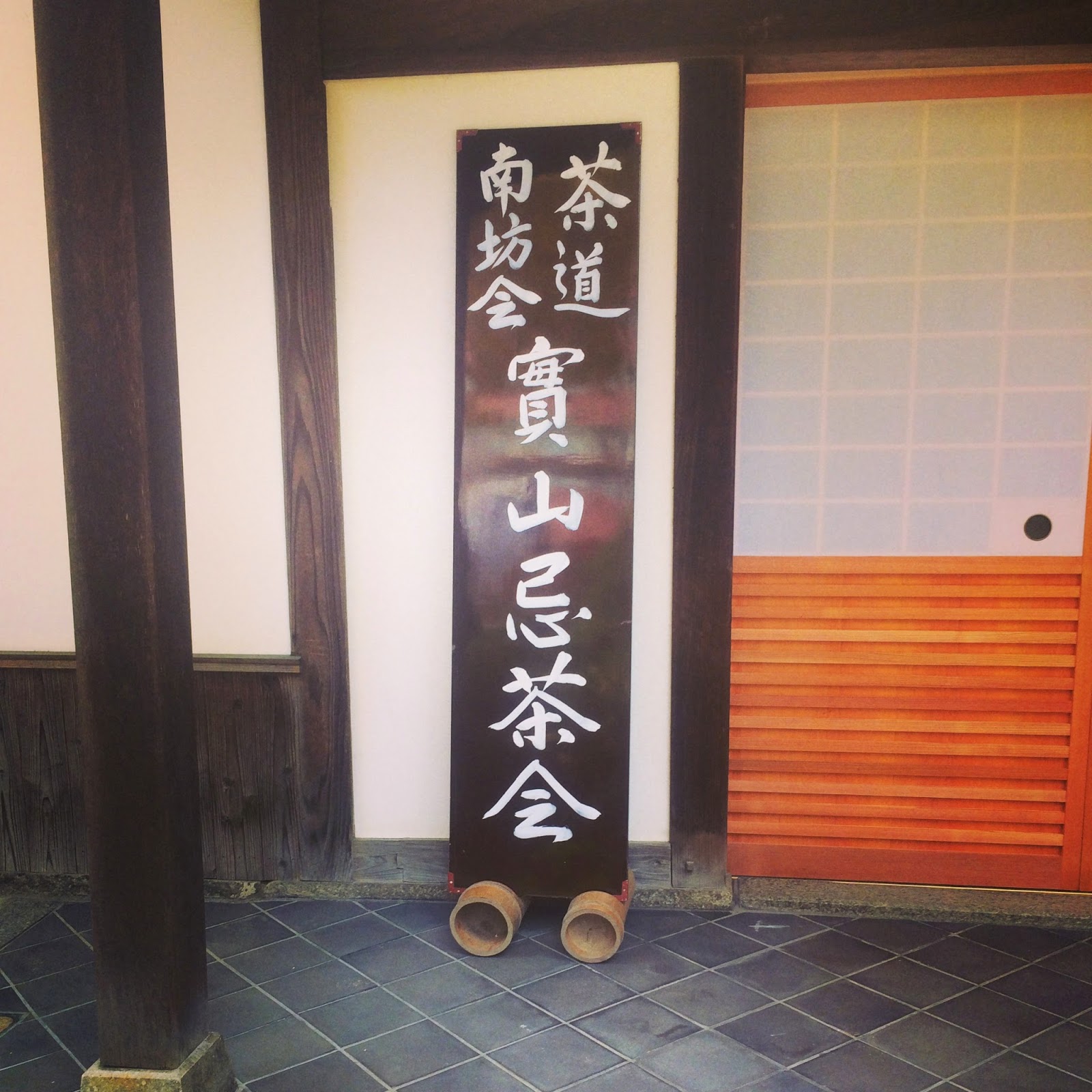
And the last field trip that I joined was a tea ceremony, not a tea gathering like above. Although it was not a tea ceremony for entertainment, but a memorial tea ceremony in a tempel. It was to commemorate the death of the founder of the Nambo Ryu tea school. It started early in the morning with all the guests gathering in the main hall. There a memorial service was performed and a symbolic bowl of tea was prepared. It was much like any other memorial service or morning service of buddhist temples. The only problem was that is took a good hour if not more and I was sitting on the ground in the same position the whole time. I know now what pain and uncomfortable is. When the ceremony was over and I could finally feel my legs ago we could go to a warmed up room (because temples are cold and not heated) to eat a lunch box. We had to wait for our turn for the tea ceremony so we took some pictures outside the temple. I didn’t bring my camera this time, so I only took pictures with my phone. Anyway, soon round two of sitting in seiza (on the knees) began. This time the pain came much quicker especially because the room was so cramped I couldn’t move a muscle. It was actually so painful I started to feel sick and break out in a sweat. But all the Japanese in the room were doing fine so I had to put up with it. When we finally got the sweets and some tea I had some distraction. But I survived somehow. And by now I was dreading the third round. But there was a nice old lady who had seen my struggles so she had asked for a stool for me. So the third round I could sit on a small stool and I was so happy I could kiss the woman. And like that a long and painful day ended, but I was a lot more rich in experiences than I was before.

‘Camping’ in Japan and Autumn Foliage

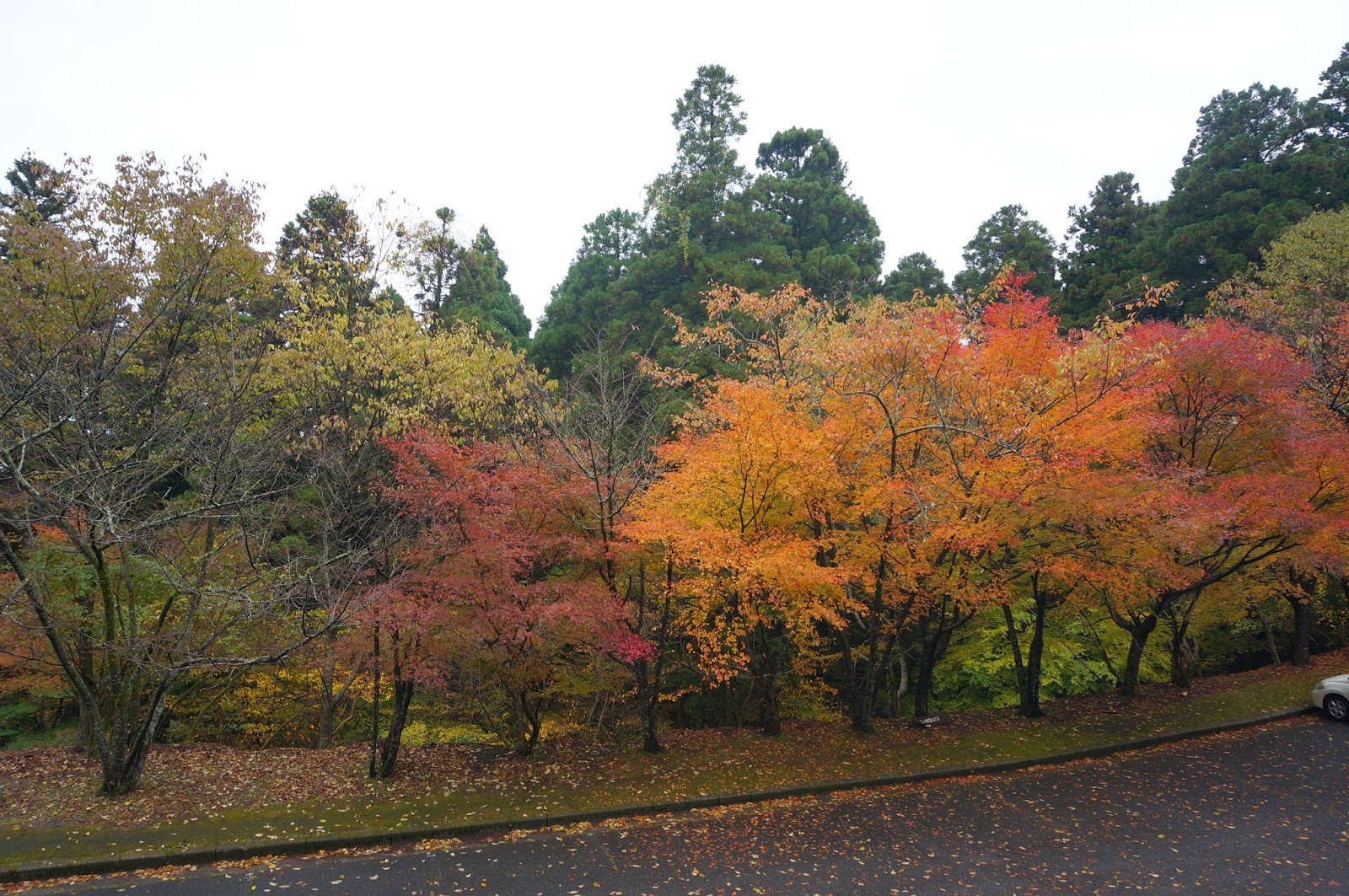
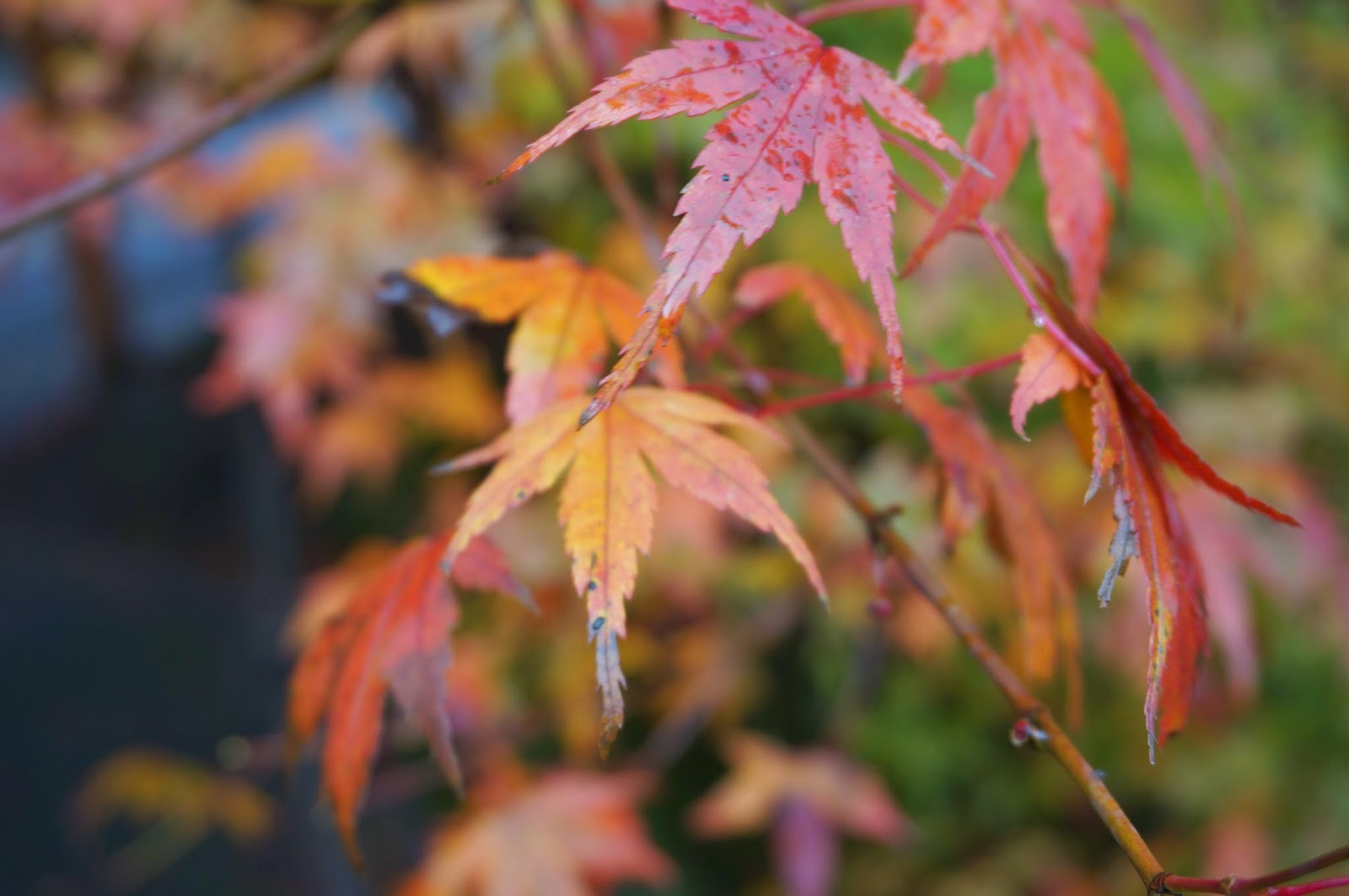
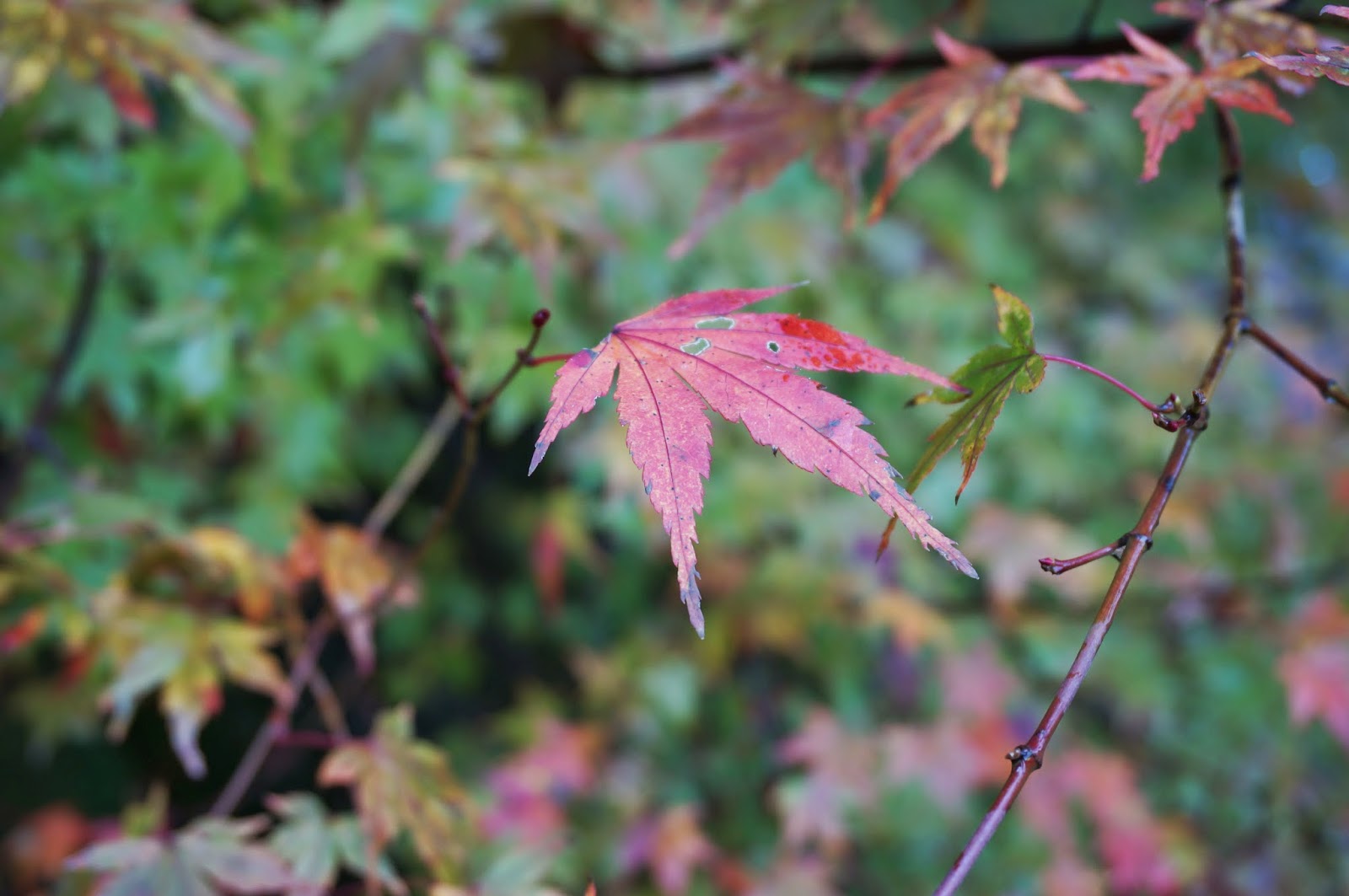
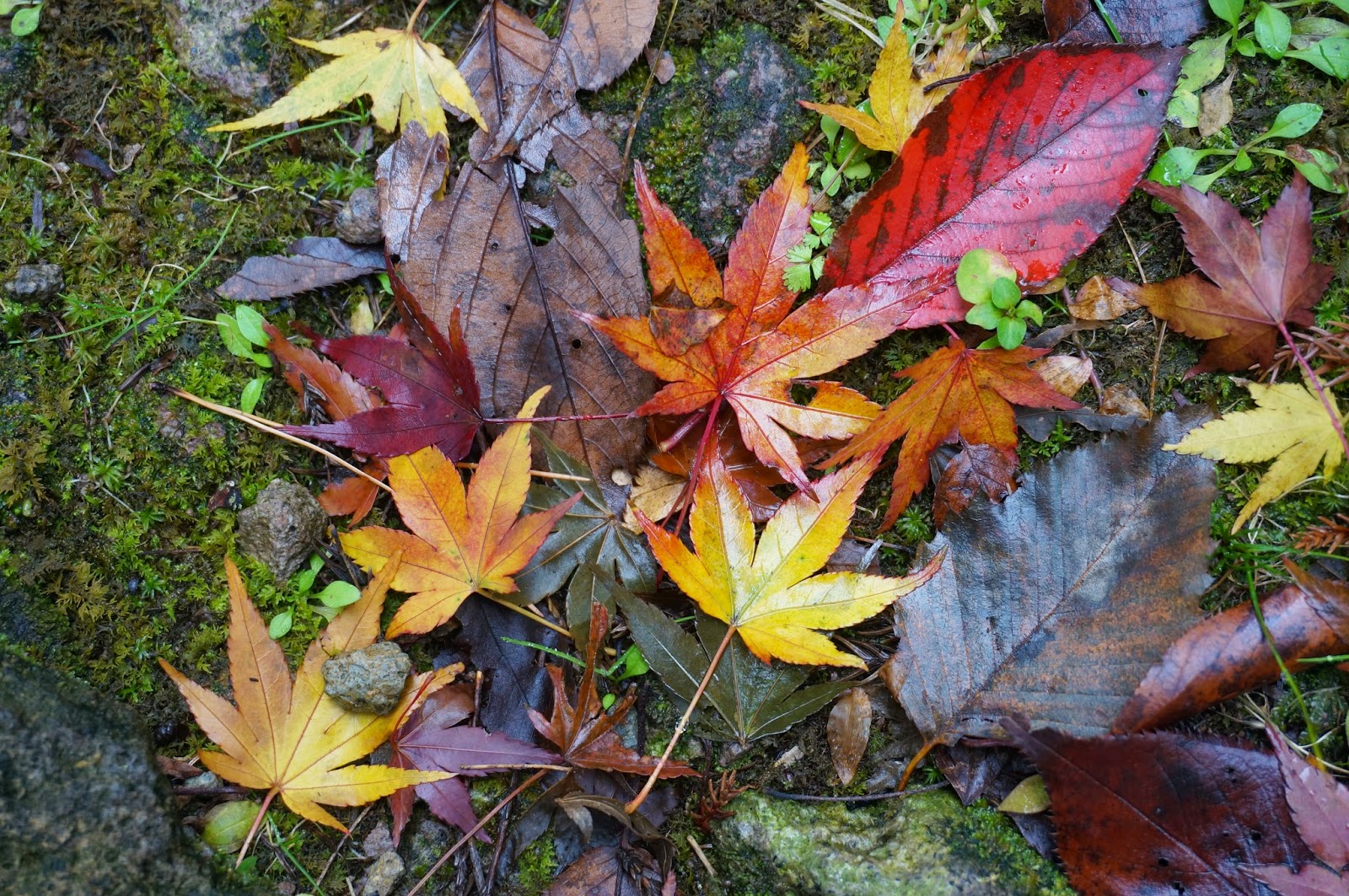
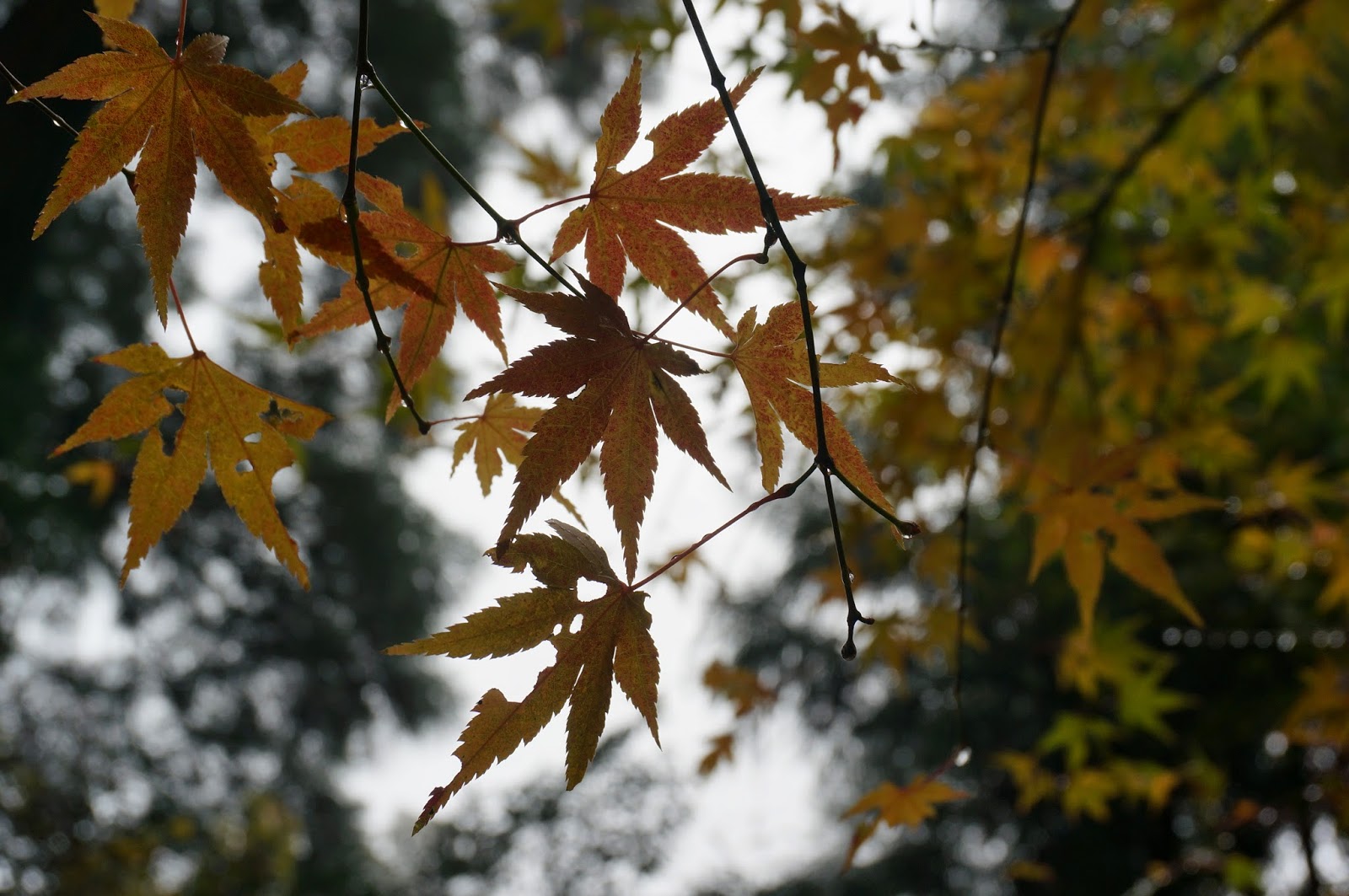
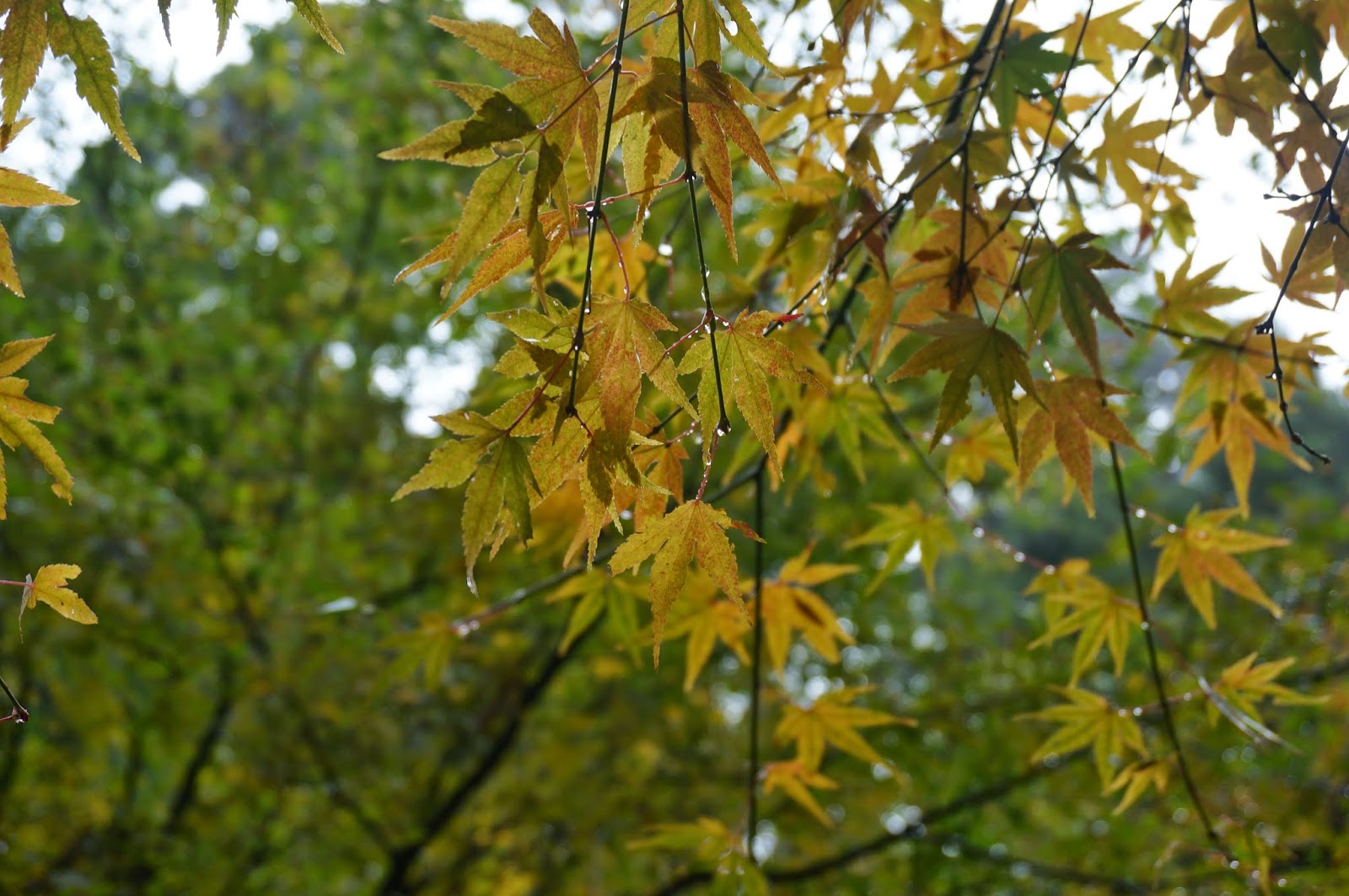
So I and many other exchange students got invited by Japanese friends to go camping. I love camping and it was also a good way to go watch the autumn leaves which turn incredible red and yellow colors in Japan, so I immediately agreed to go. The thing is, the Japanese interpretation is different from mine. I was thinking about a tent, campfire foods and going to the toilet somewhere in the woods. They were thinking private cottage, big hotpot and Japanese style toilet inside the cottage. It doesn’t matter though because it was a good time either way. 
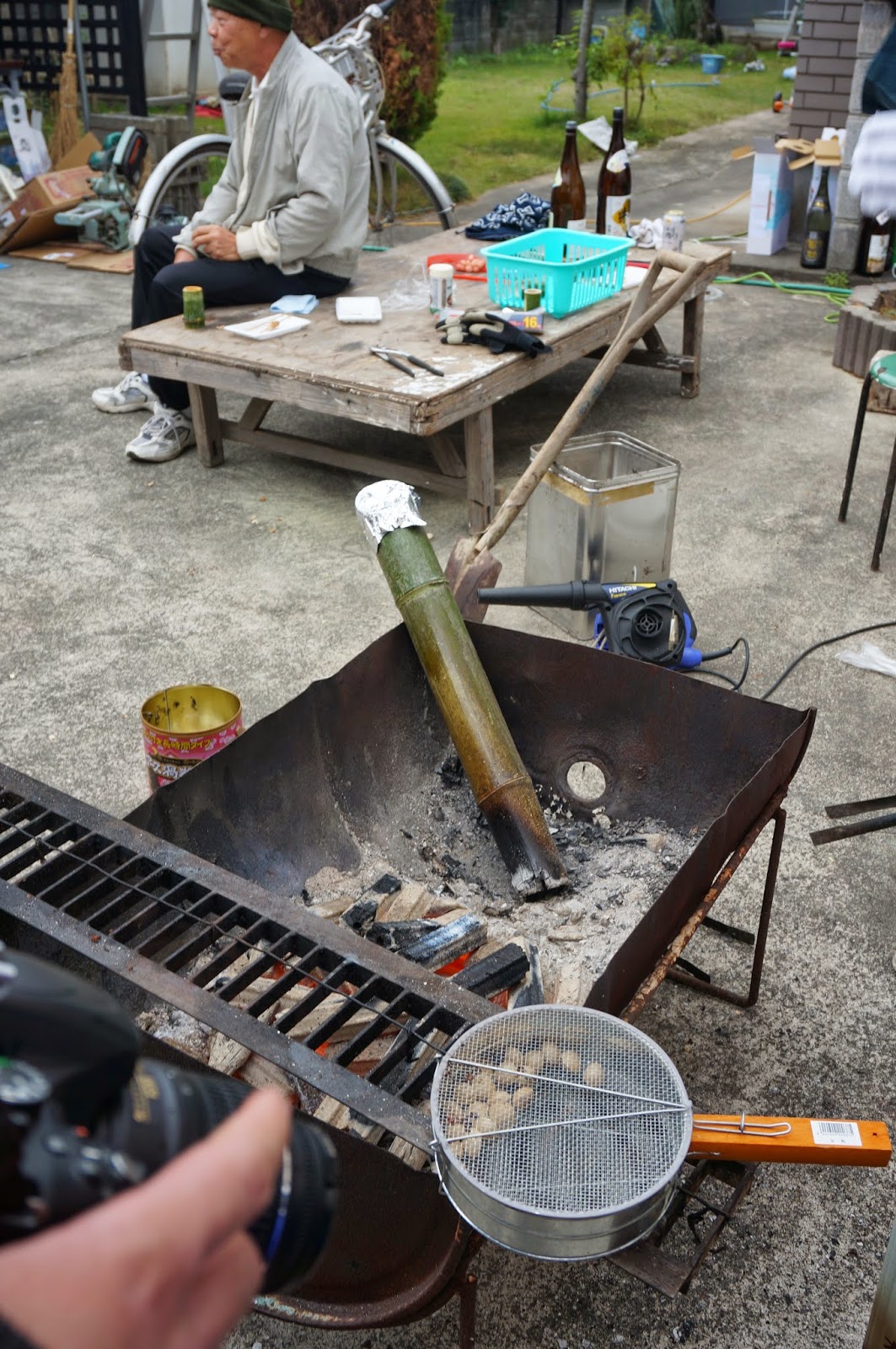
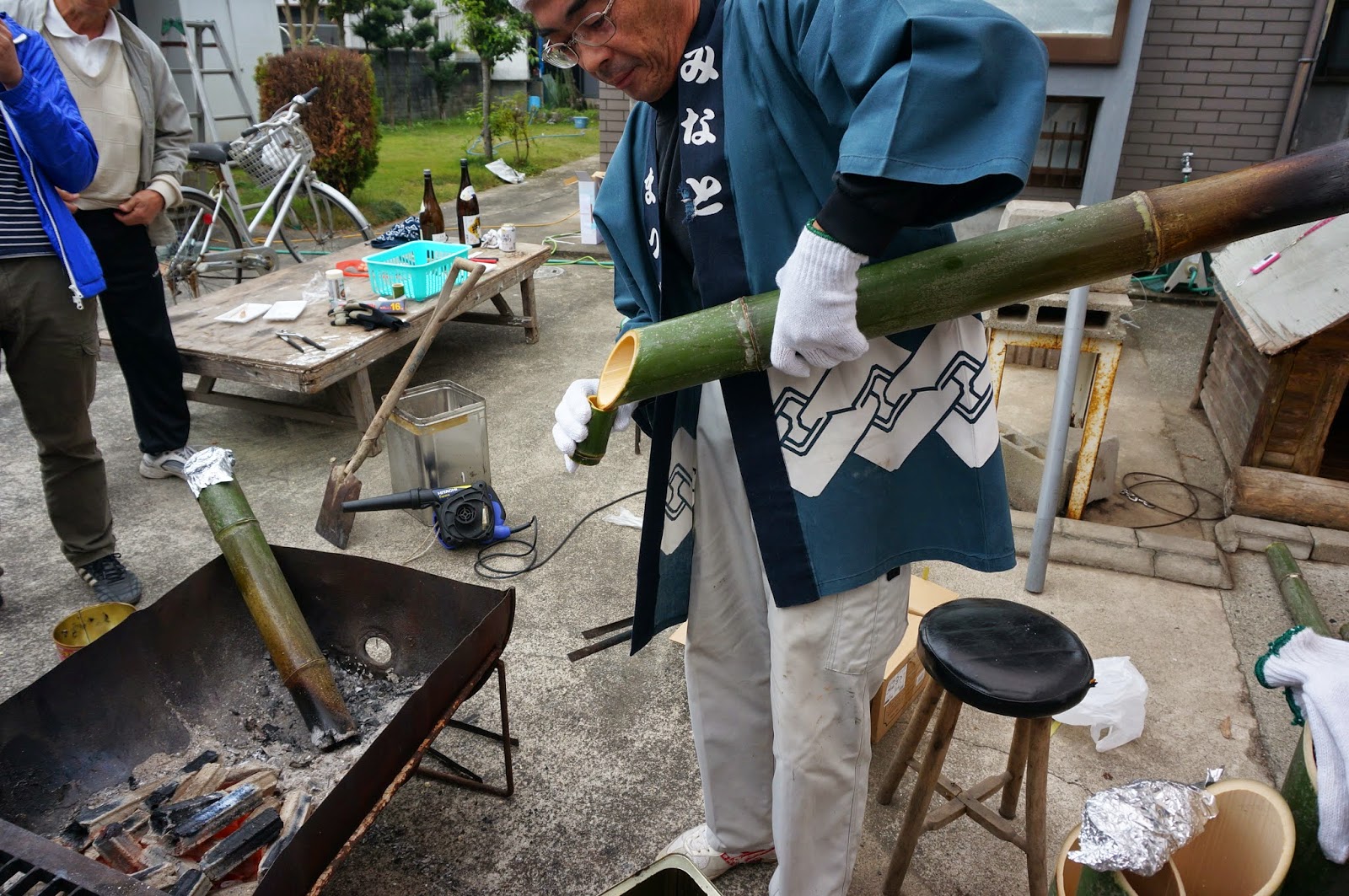
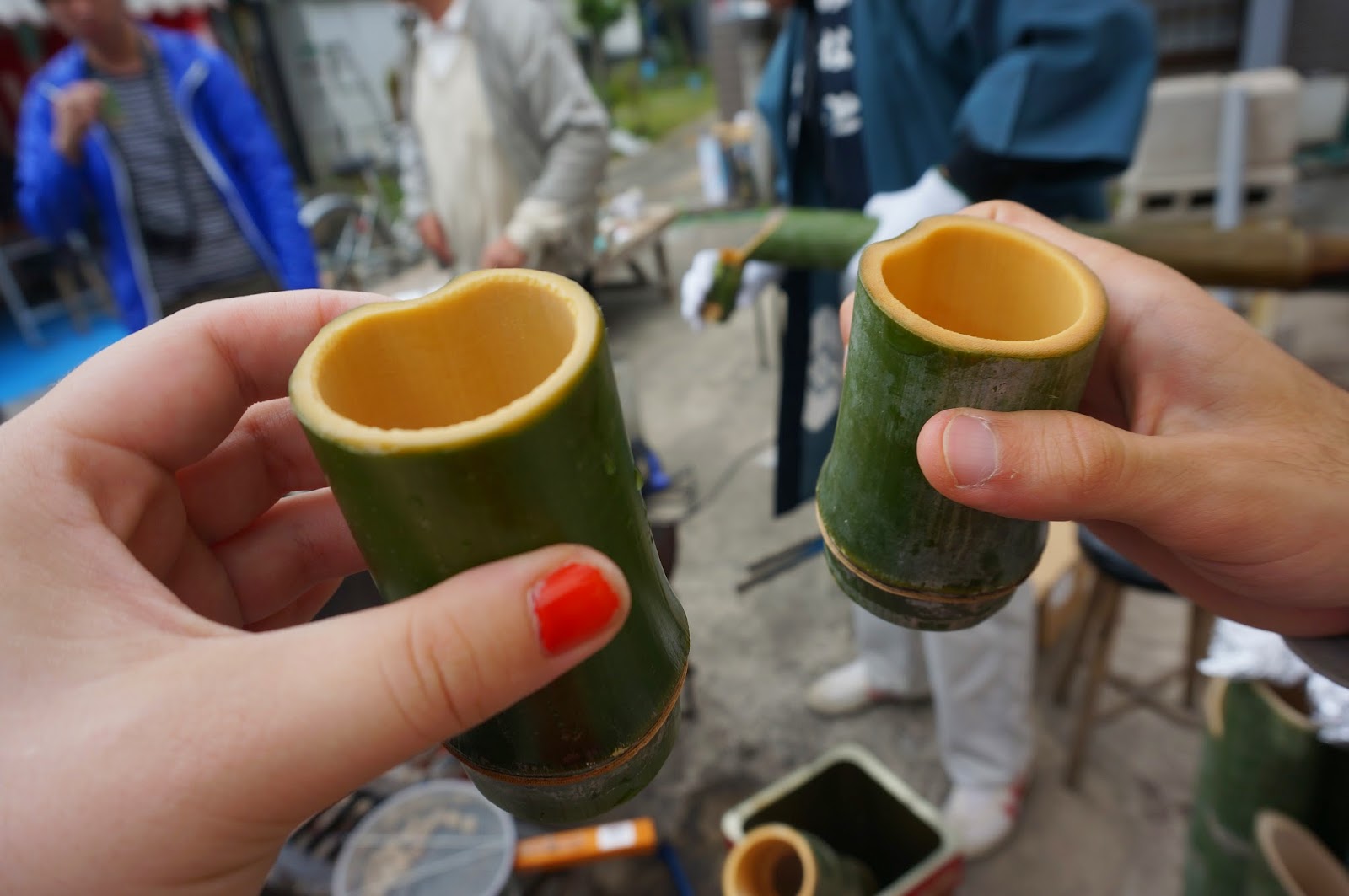
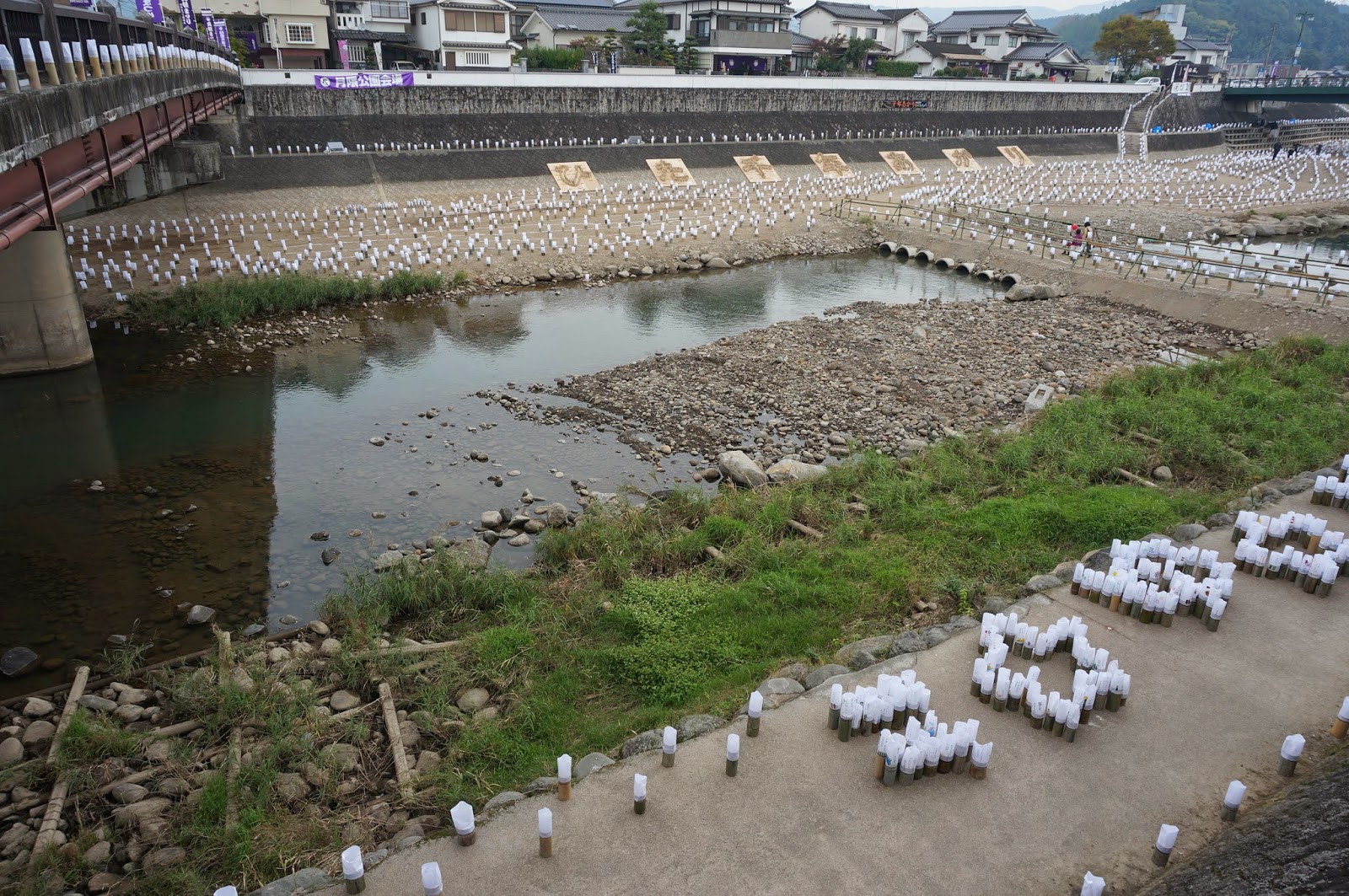
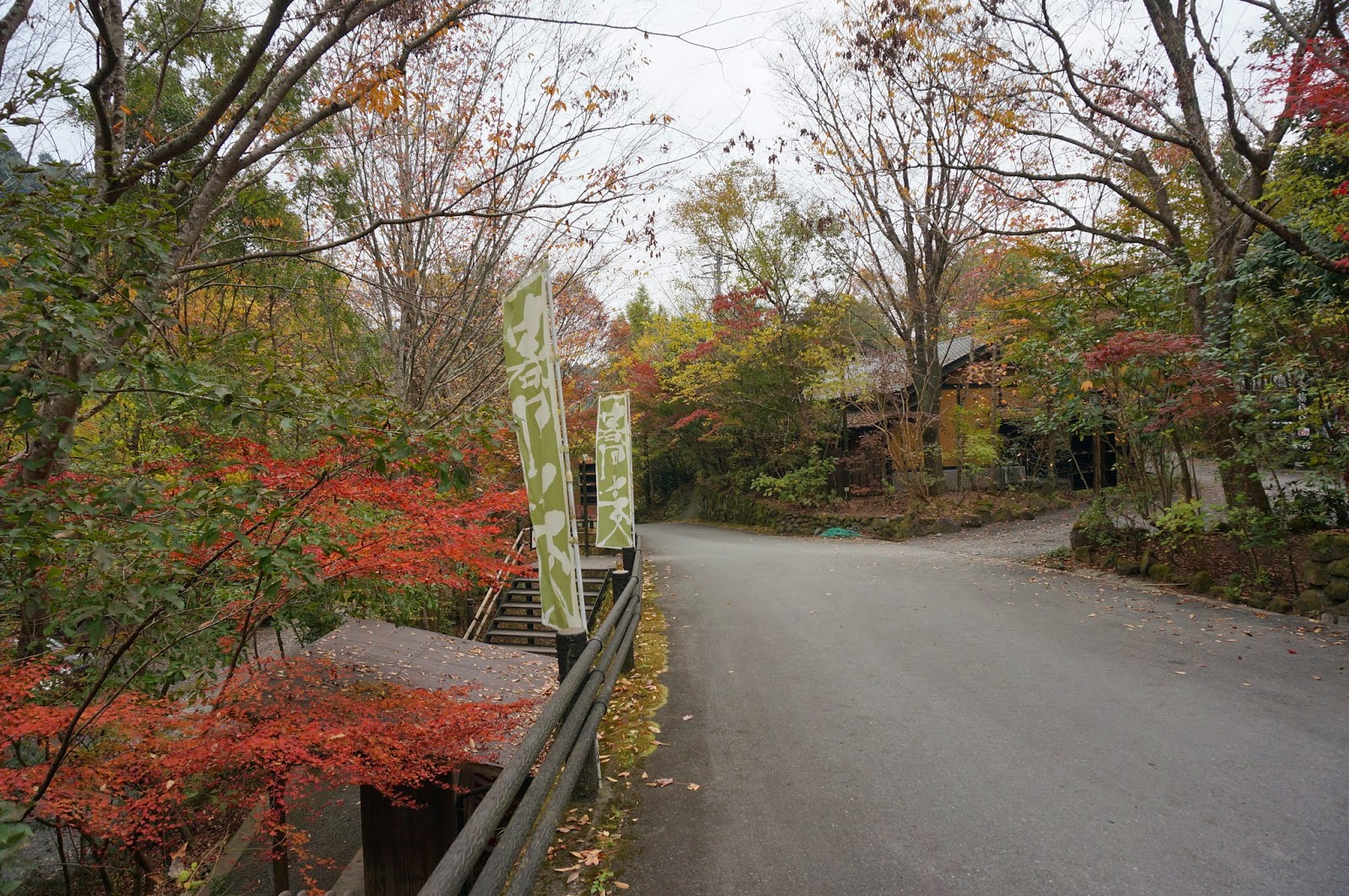
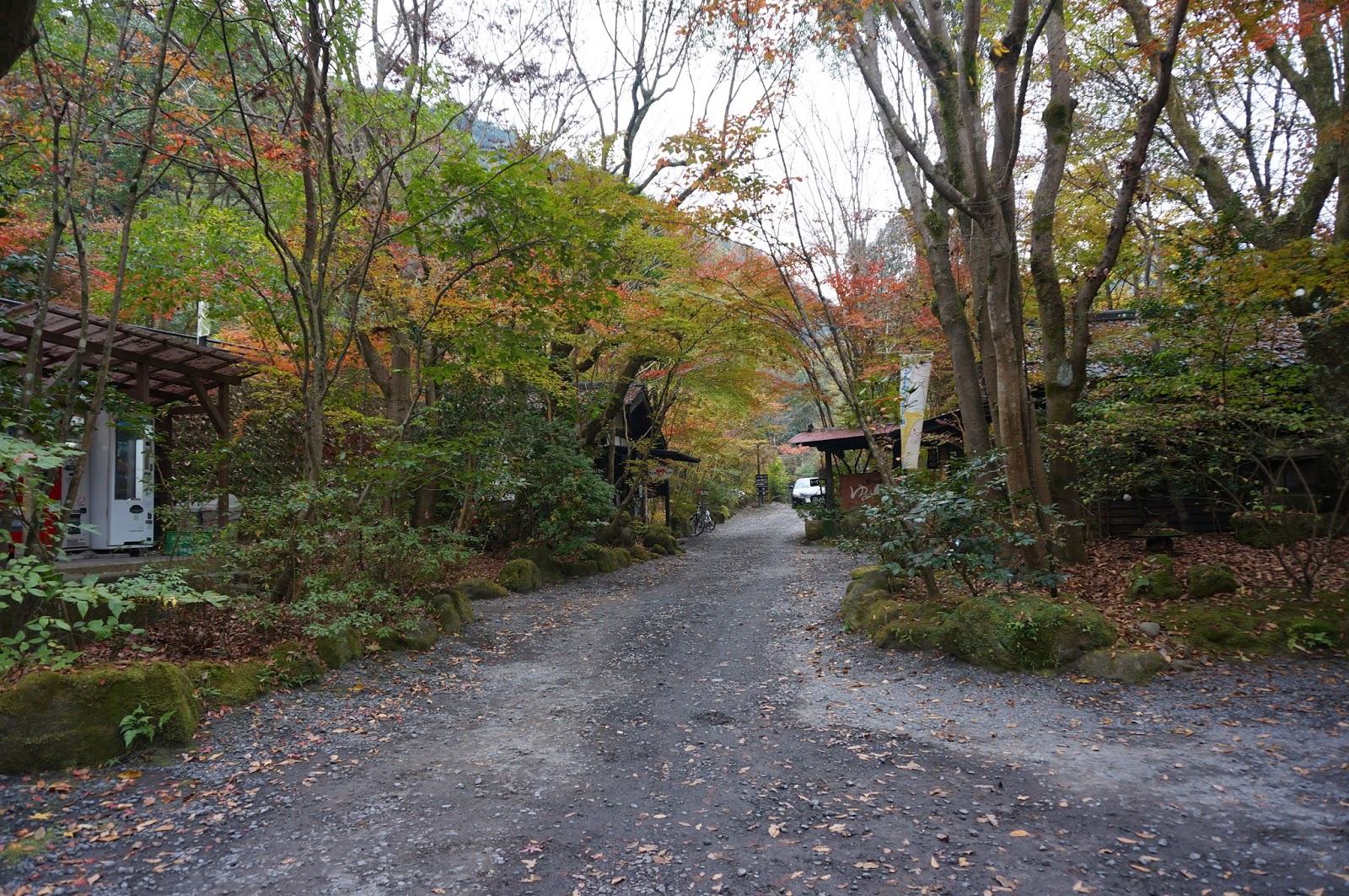
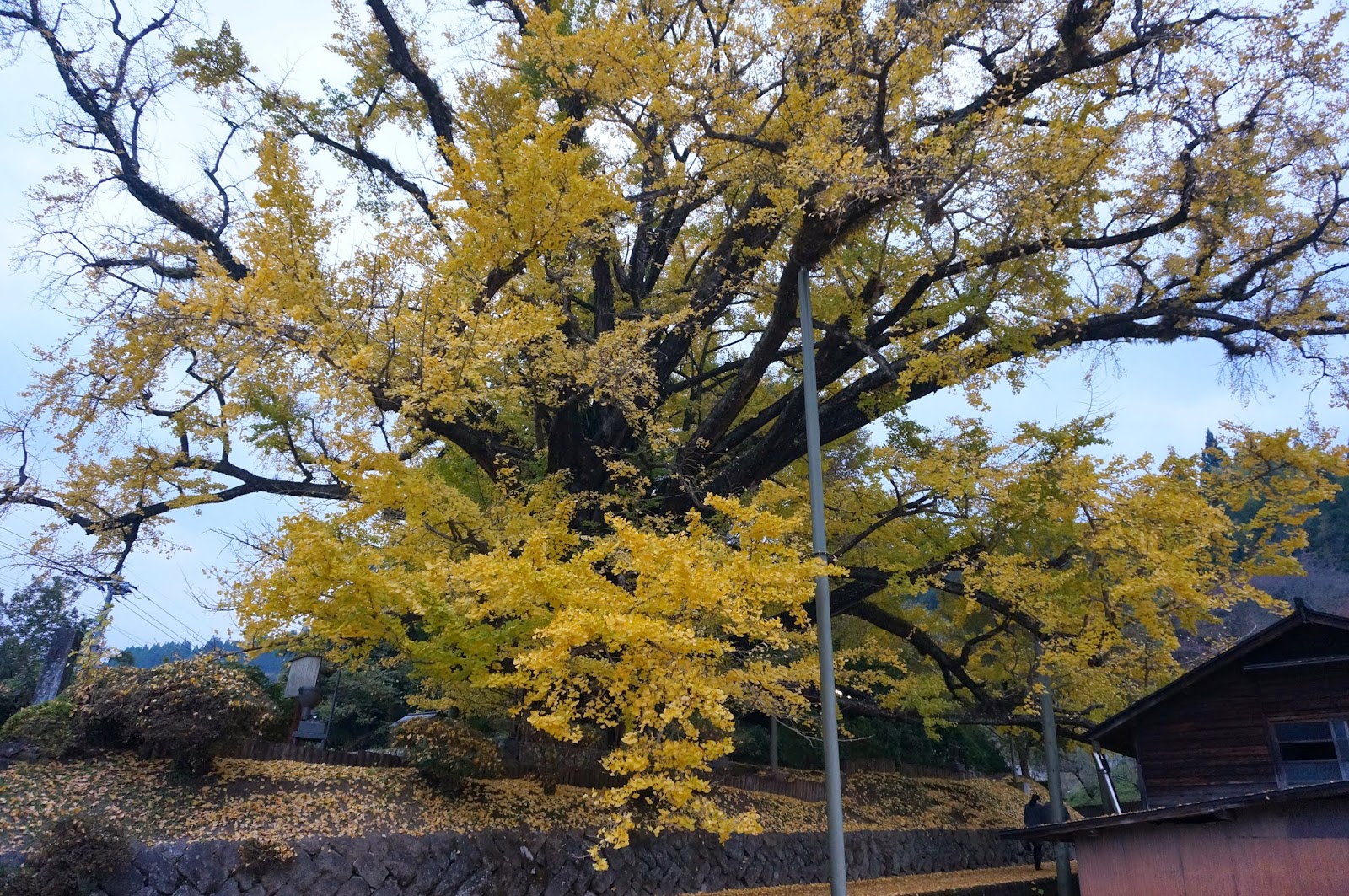
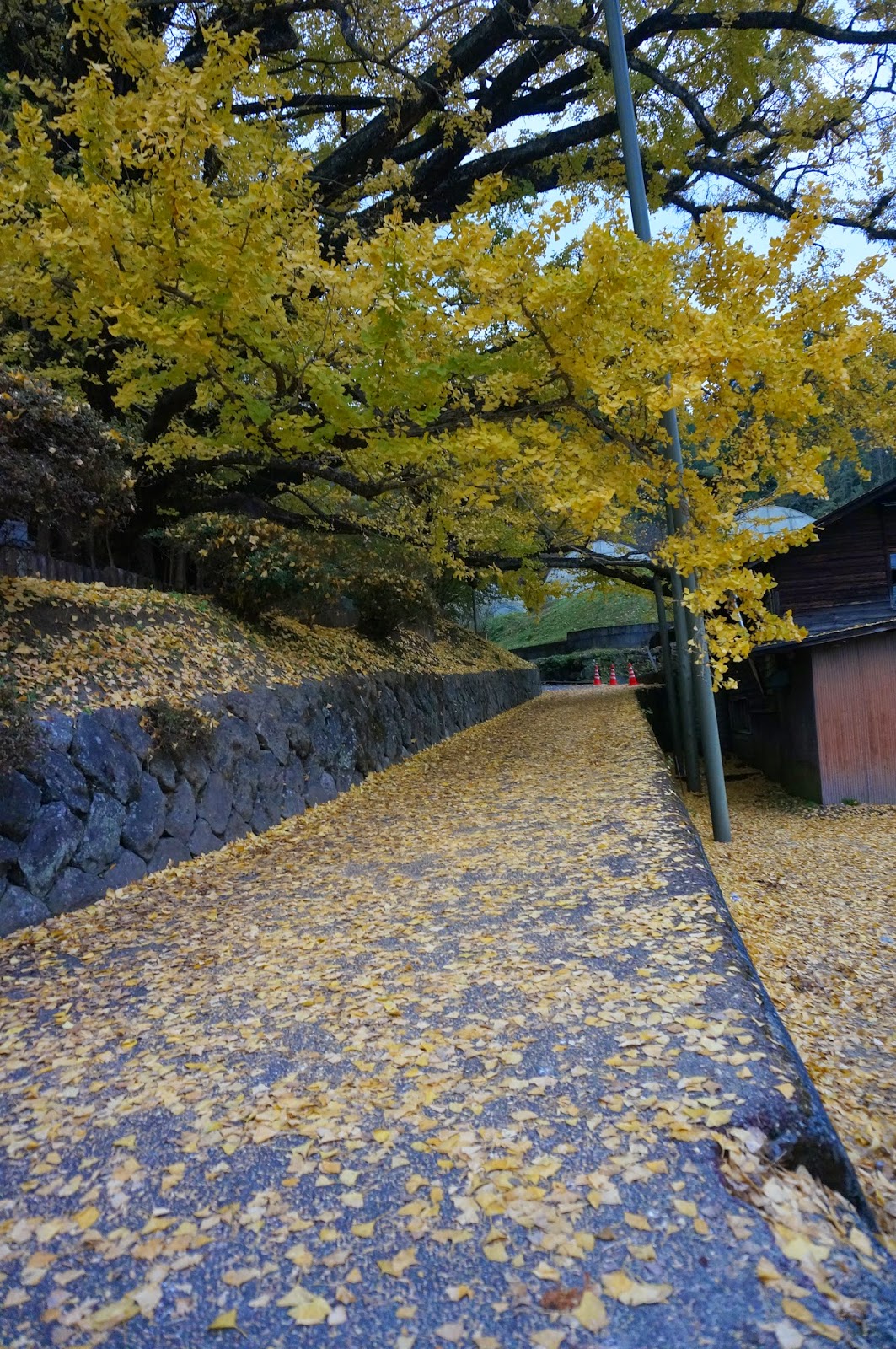
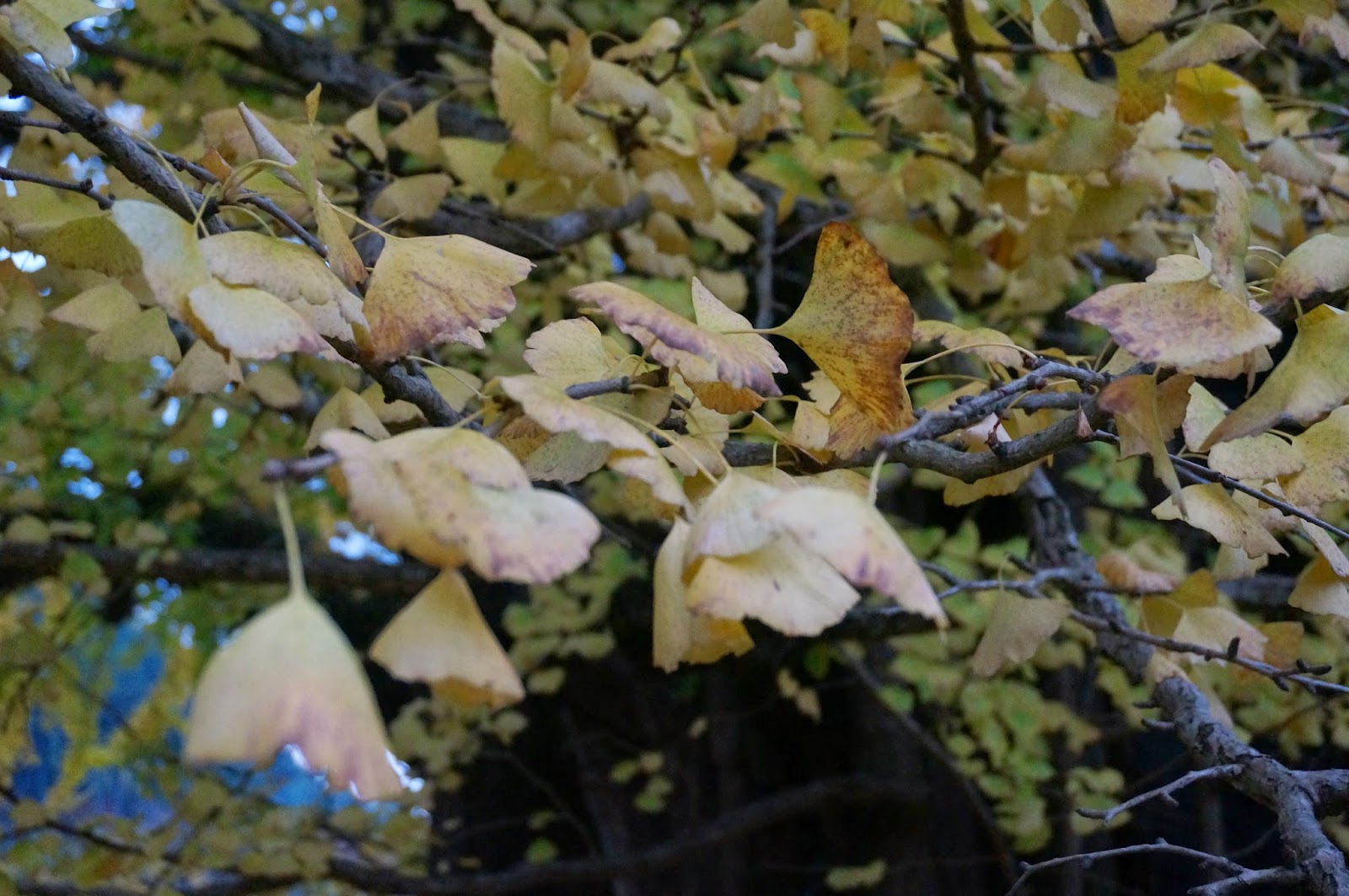
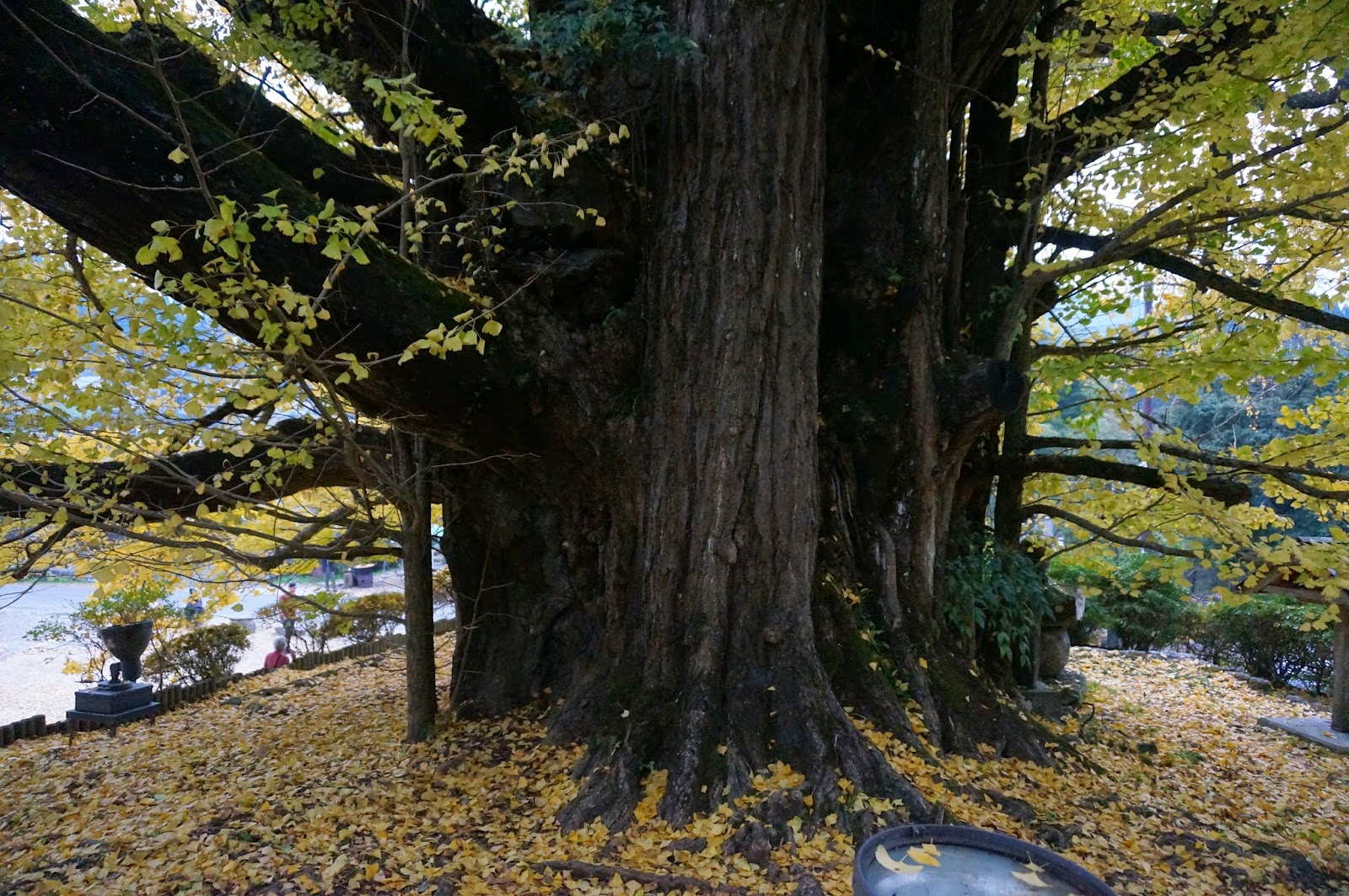
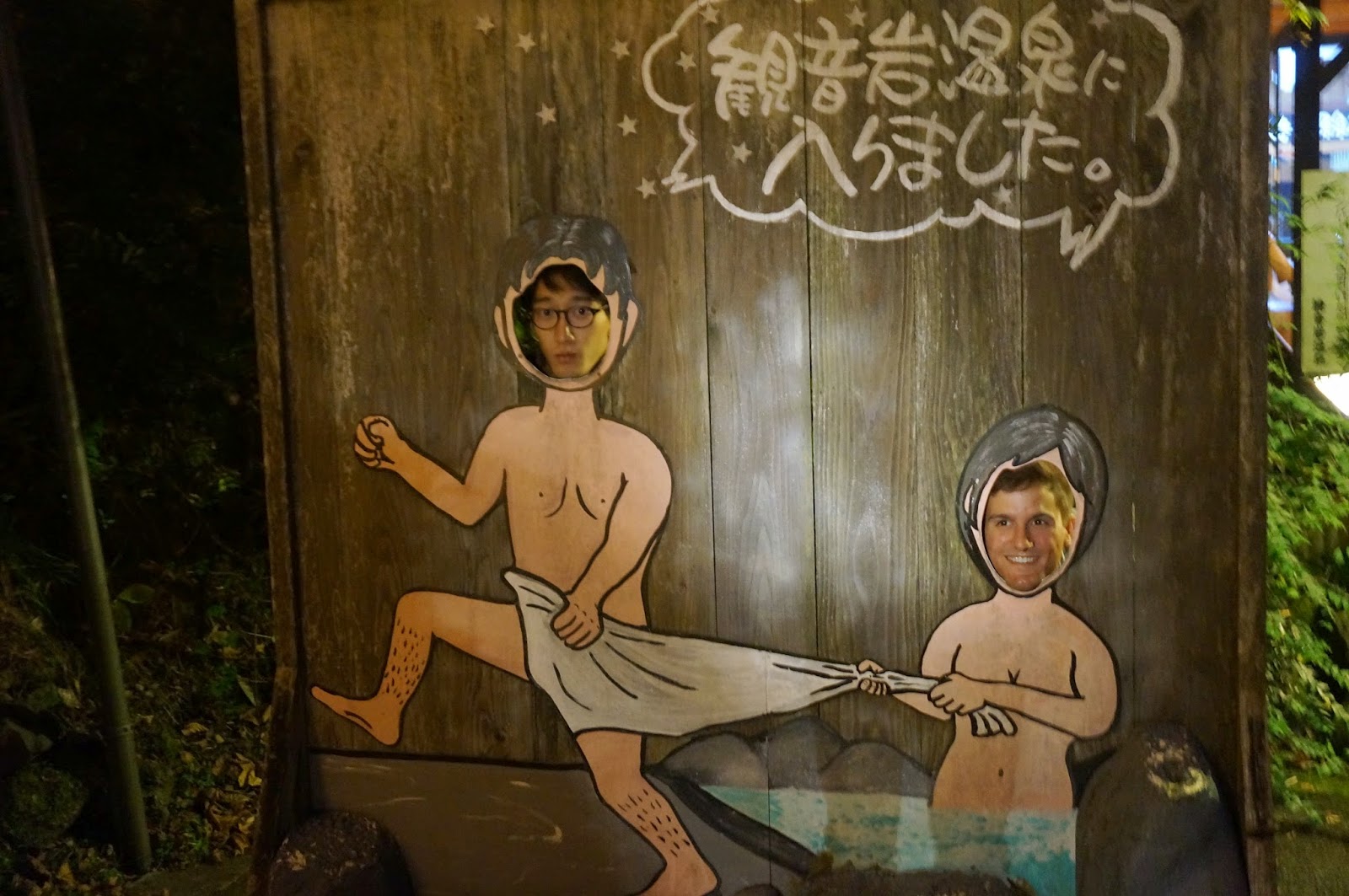
The trip started by a nice long drive. It felt to drive around Kyushu with friends. It almost felt like a little road trip. I was the only girl among six guys in the car so it was a crazy but fun drive. After a while we reached a village famous for its sake. As soon as we got out of the car we got some sake boiled in bamboo offered to us for free. It was good, but really strong. Anyway, these are the kind of moments that make my stay in Fukuoka and Kyushu worthwhile, the people are so friendly. We took a look around the village which was preparing for a kind or lantern festival. Sadly we had to move on before we could see thee lanterns light up. After another (rather hilarious) drive we reached an onsen. It was a hot spring in the middle of nowhere, next to a river. It was so tranquil and soaking in the baths was a great treat. When the boys and girls had gathered after a nice soak we made way to a huge Gingko tree. It had never seen one before. Its leaves were a bright yellow color and it stinked (I wonder why). 
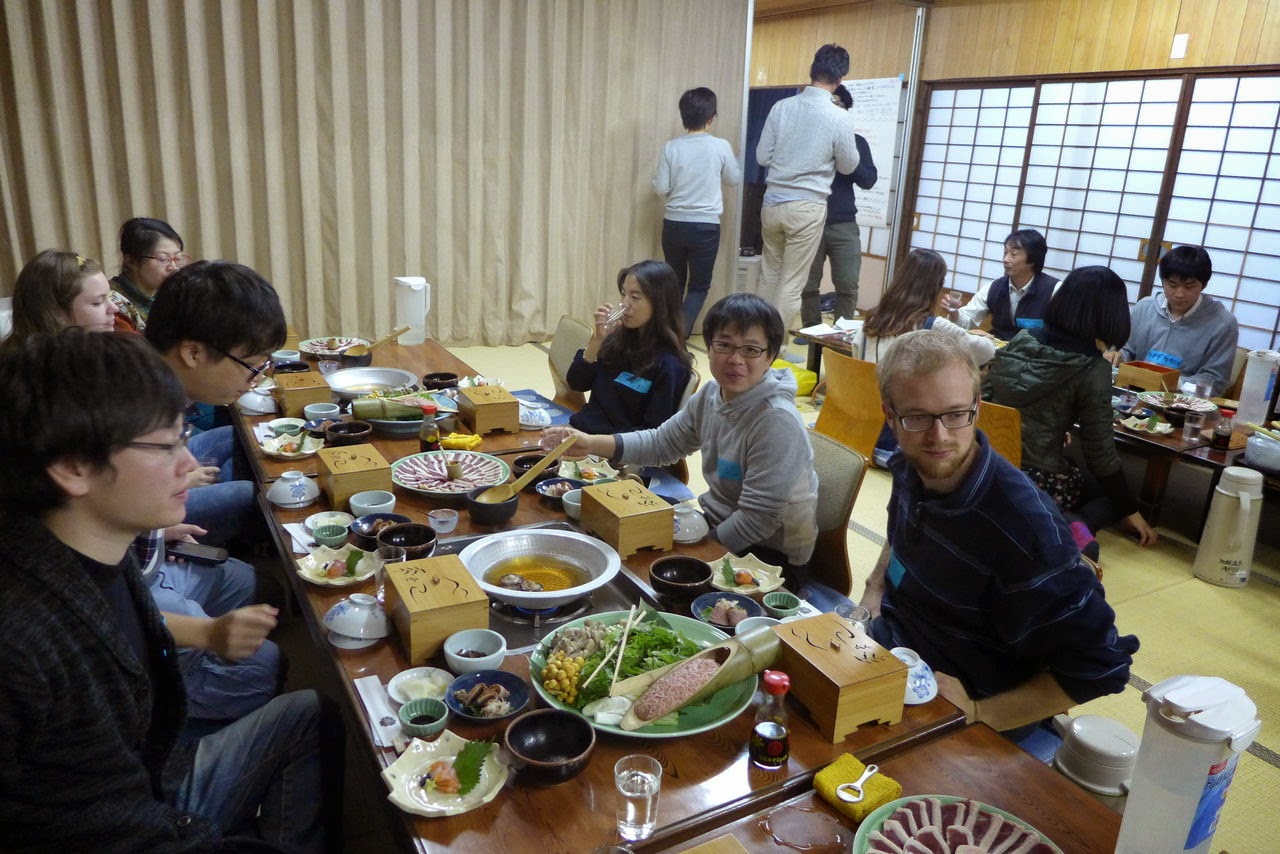
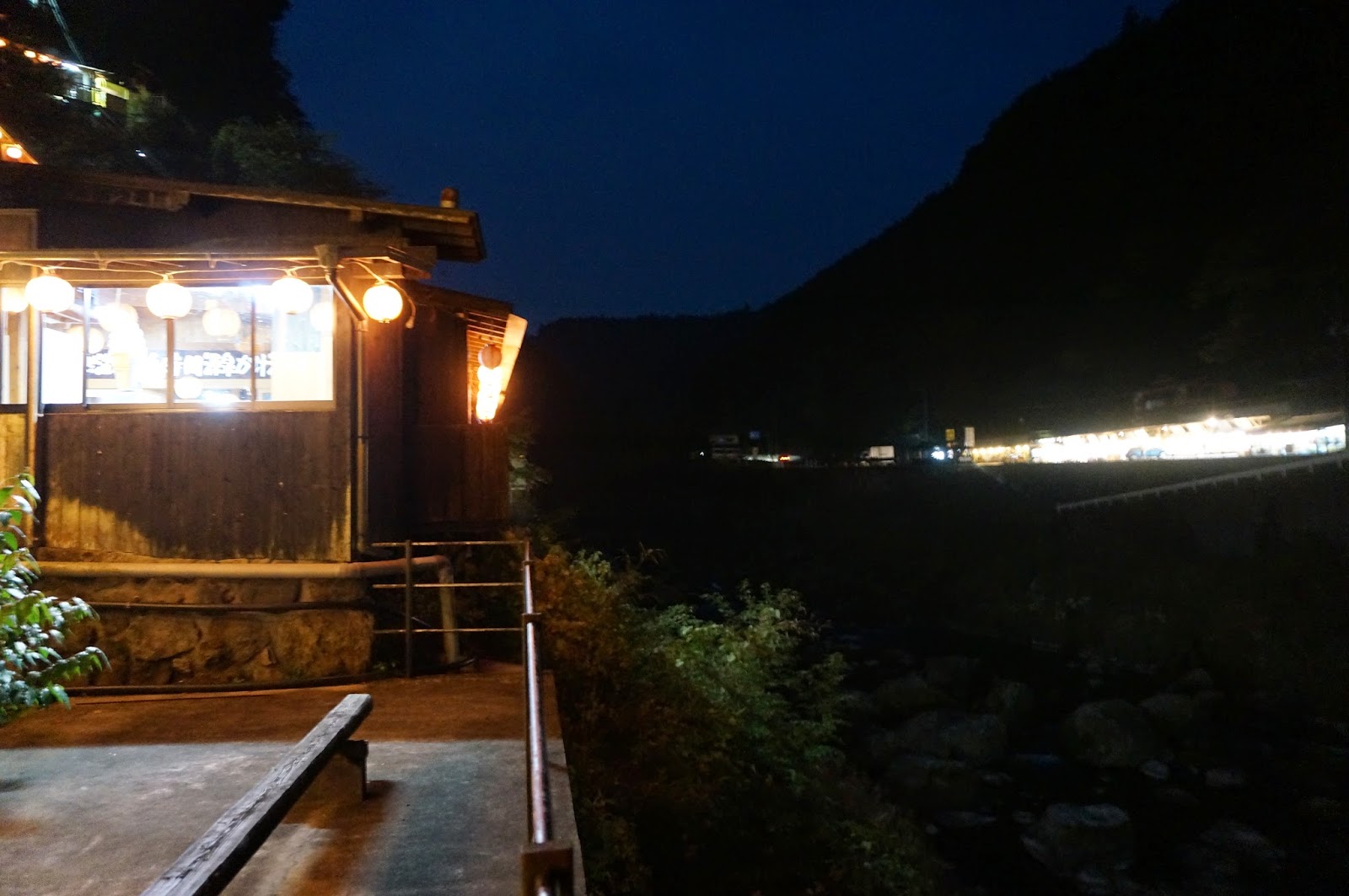
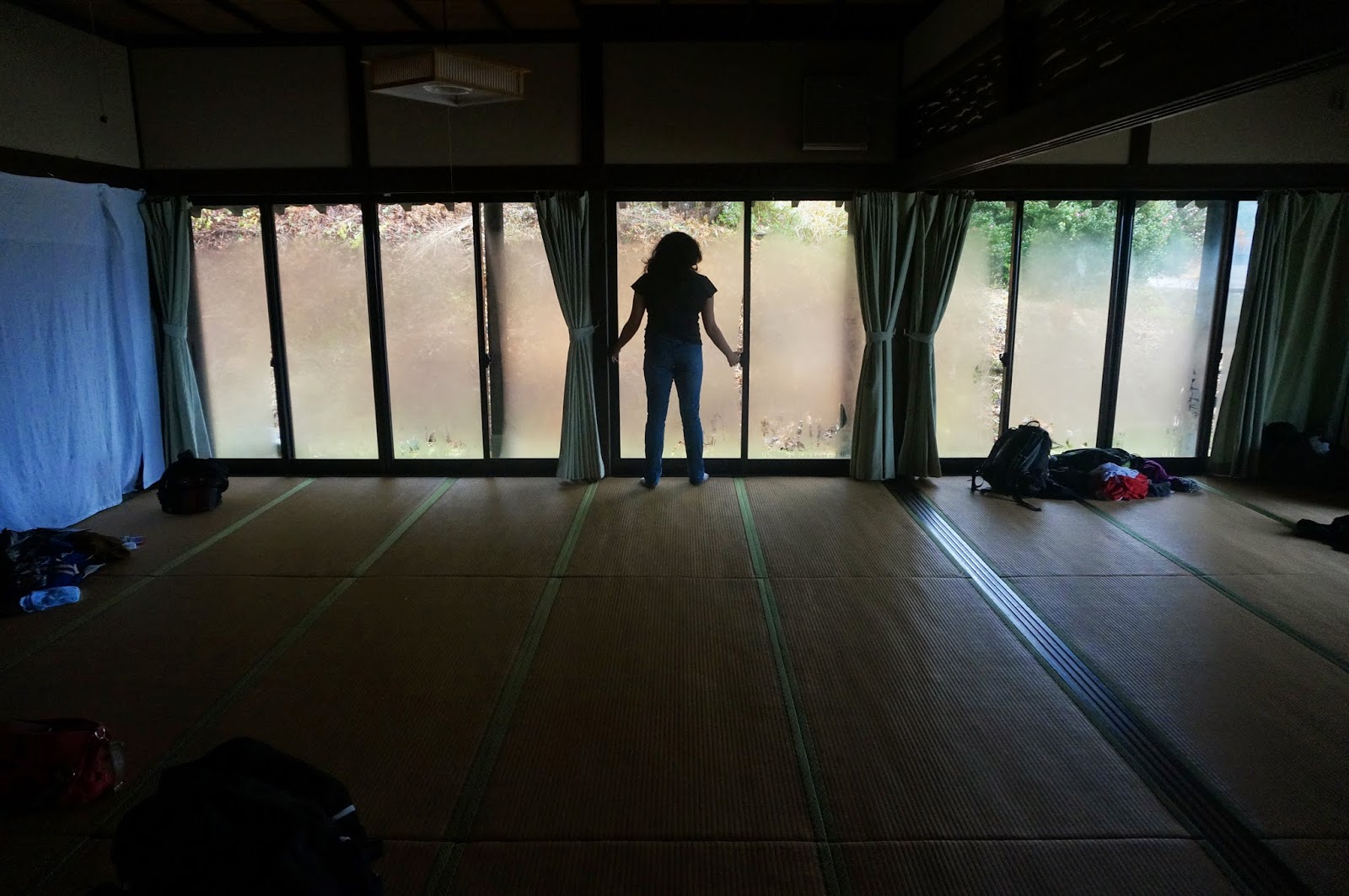
The last part of that day was trying to find the cottage. It was quite far up in the mountains and it had become dark long before we reached the area. But finding a cottage in the mountains, in the dark is not easy I tell you. After having driven back and forth a few times we asked people in a local restaurant (the only establishment that was open in the range of a few kilometers) and they told us how to drive there. When we finally found the place it was pure bliss. As I told you before I thought we would be camping in a tent (which would have been a bad idea in the winter in the mountains), then I heard we would stay in a cottage (which I also imagined to be very basic) but we reached something like a private villa. Okay, villa might be a bit exaggerated but it was a very big house with a few showers and toilets, a few rooms that could fit the 20+ of us easily, a kitchen and a living room. And then the preparations for diner began. Hot pot for everyone! Booze was not to be missed either of course. 
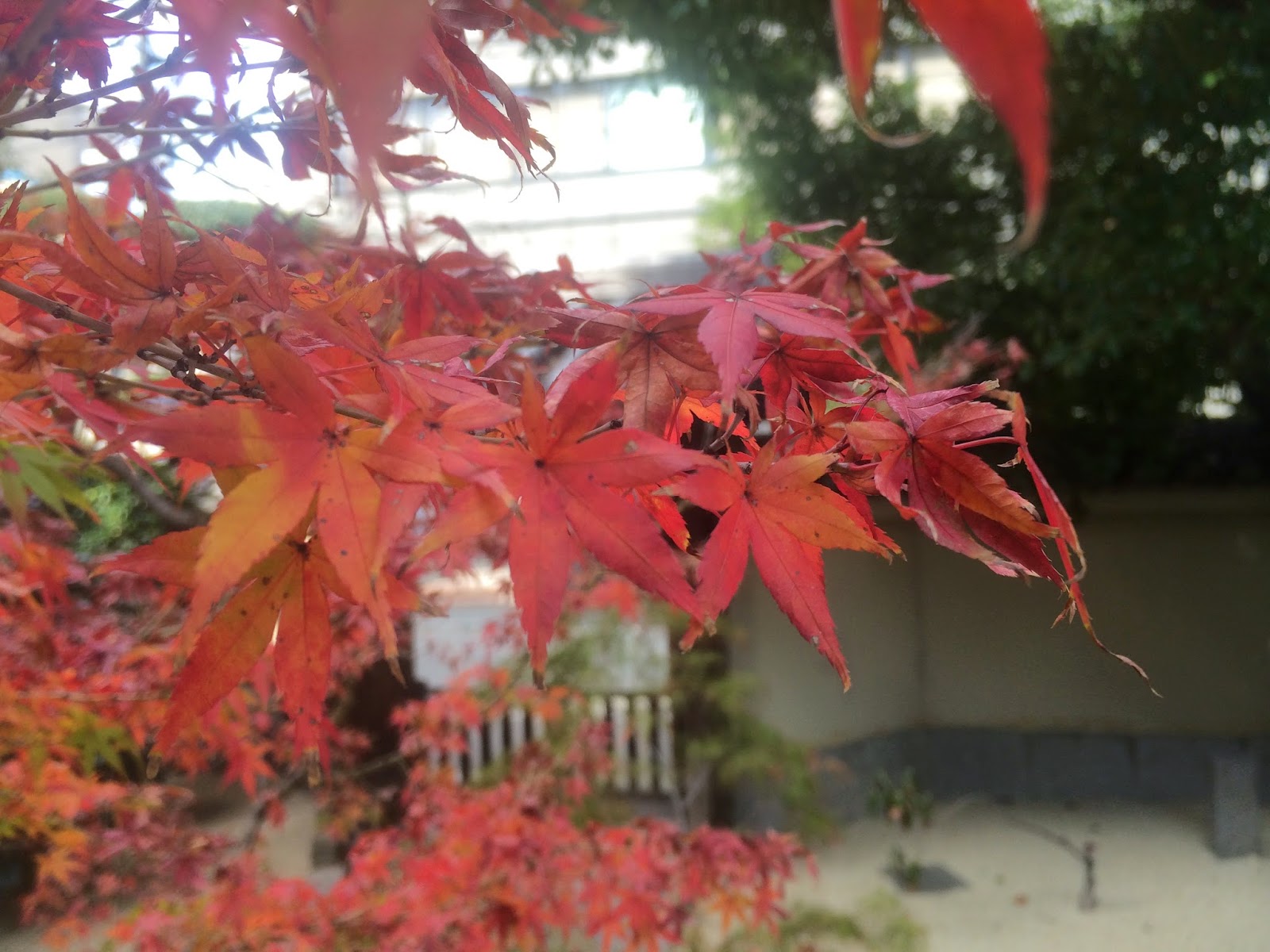
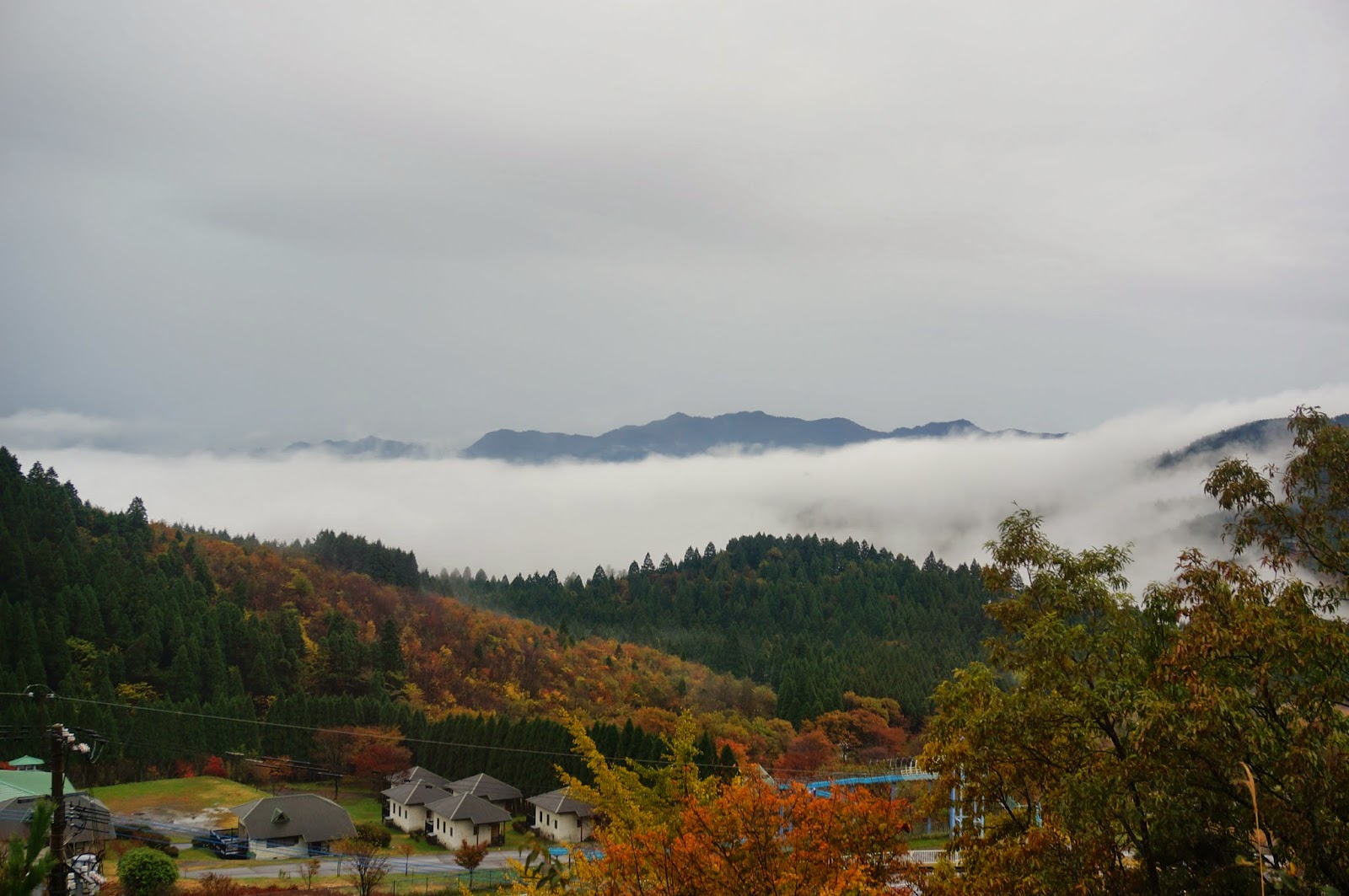
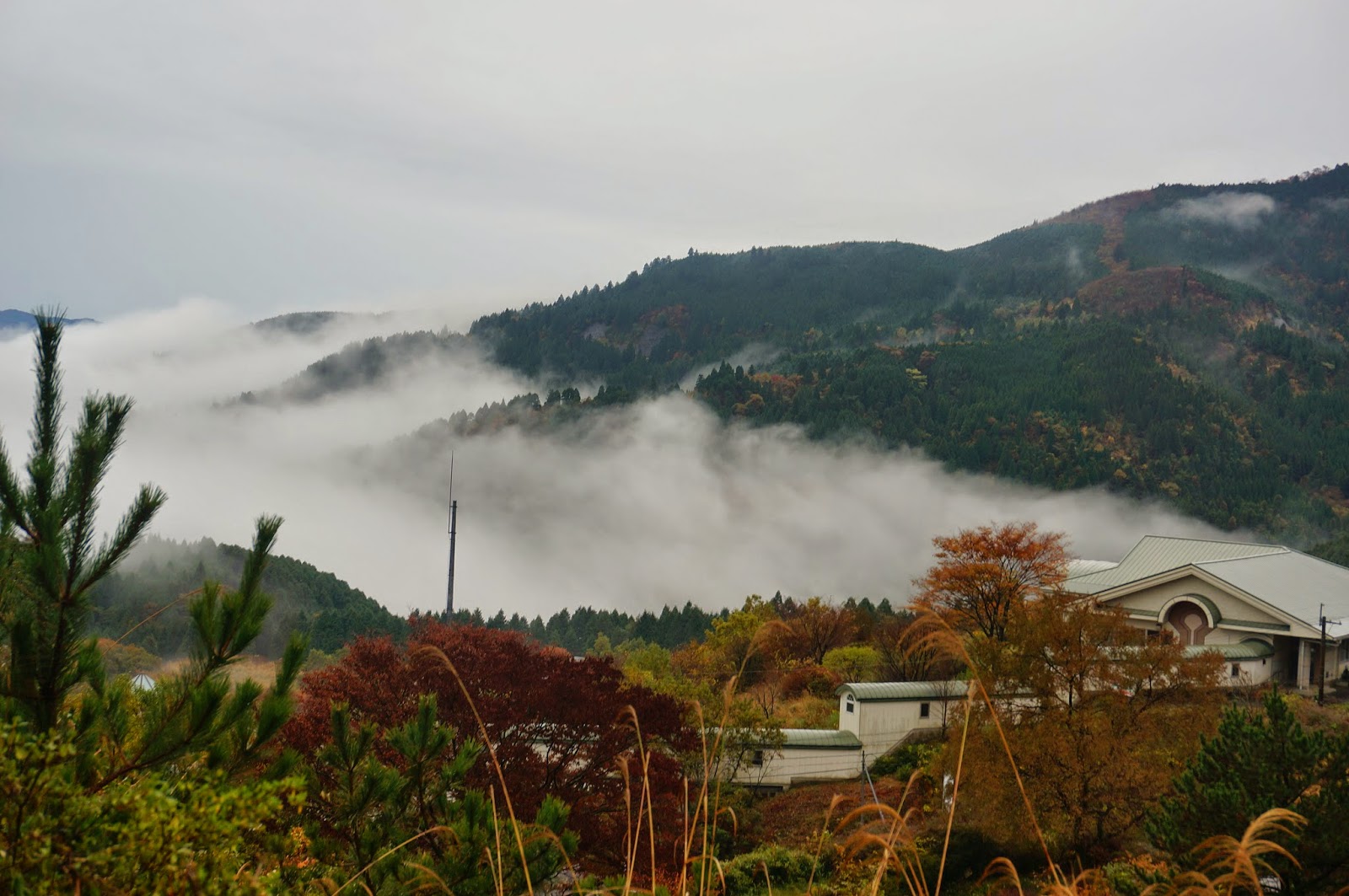
The next morning we tried to clean up the place with the best of our sleep-deprived effort. After breakfast I ventured outside and woke up to the most stunning view of mist in the mountains. I won’t forget that view soon. We took some group photos before leaving for the next part of our trip. We were going to a temple where the autumn foliage would be really nice. The driver of our group was much faster than the others’ so we were way ahead of the rest. We decided to make some stops at some other places since we had some time anyway. But we lost track of time and in the end we didn’t have time to climb the trail at the temple with the autumn leaves. We got to see some awesome other places so it wasn’t all too bad. After all the fun it was time to head home. Everyone was tired but happy and satisfied.