I am excited to introduce another field trip to you guys. I know, what’s up with all the field trips you might think? Well, I get to visit unique locations in Japan (mostly Kyushu) that are usually inaccessible or unknown to foreigners and even some Japanese. Besides that I also get to listen to tours and explanations of these areas by experts so I learn a lot on these field trips, if I manage to understand the complex Japanese that these experts use. Lastly it is great to bond with all these people and also a good practice for my Japanese. There is not much not to like about these field trips, except that they leave you very tired and broke after a while, but is is a sacrifice I am more than willing to make.
Anyway, this time I am going to talk about the Aso Vulcano Area. It was designated as a Global GEO Park by Unesco last September. My laboratorium tried to organise a trip to the area straight after the designation. In the first half of the post I explain what Aso is and the second half is my experience there.
Global GEO Park
UNESCO World Heritage, both cultural and nature, is well known I think. GEO Park is a more unknown part of the UNESCO Heritage covering Geological Heritage. This means that the promotion and protection of these GEO Parks is connected to agritourism and geotourism. Some other sites on this list are the Korean island of Jeju and Langkawi in Malaysia. There are different kinds of Geo Parks varying from Dinosaur Geoparks to Volcano Geoparks and Mining Geoparks to name a few. As the official website of Global Geo Network says their aim is sustainability and real economic benefit to the local communities, usually through the development of sustainable tourism and other cultural and economic activities.
Promoting Aso Vulcano Area
The Aso area is still in the very early stages of promoting tourism because of two factors. One is that it only got recognized as Global Geopark, and thus as Geological World Heritage, very recently. Secondly, the Aso area has to camp with the same problems as the rest of rural Japan; the rural areas keep getting more abandoned and are running empty. Most young people move away to big cities to study, find jobs and even just because it is more entertaining and hip there. Together with the rapidly aging population this means that there is only a small community of elderly people left in most of the countryside. To change this or at least attract more tourists to the local areas several groups and centres have been set up to promote the Aso area and organize tours.
We were able to visit the Aso area with the help of So Setsuda from Aso Design Centre (阿蘇地域振興デザインセンター in Japanese). He set up a route and plan that would be the most comprehensive, informative and bring us in contact with locals. And the best part; everything was completely free. Free stay in a traditional inn, free delicious dinner, free lunch, free hot springs, free visit to a museum, free tour bus and more. Basically a free two-day-one-night tour in return for our honest reviews about the tour, tips on how to get more tourists there and posting photos and information on social networks. Now that I think about it, it is basically like what many travel bloggers do; go on a sponsored trip in return for a review and media exposure. Only this was in a big group and this was for educational purposes.
Agricultural Traditions
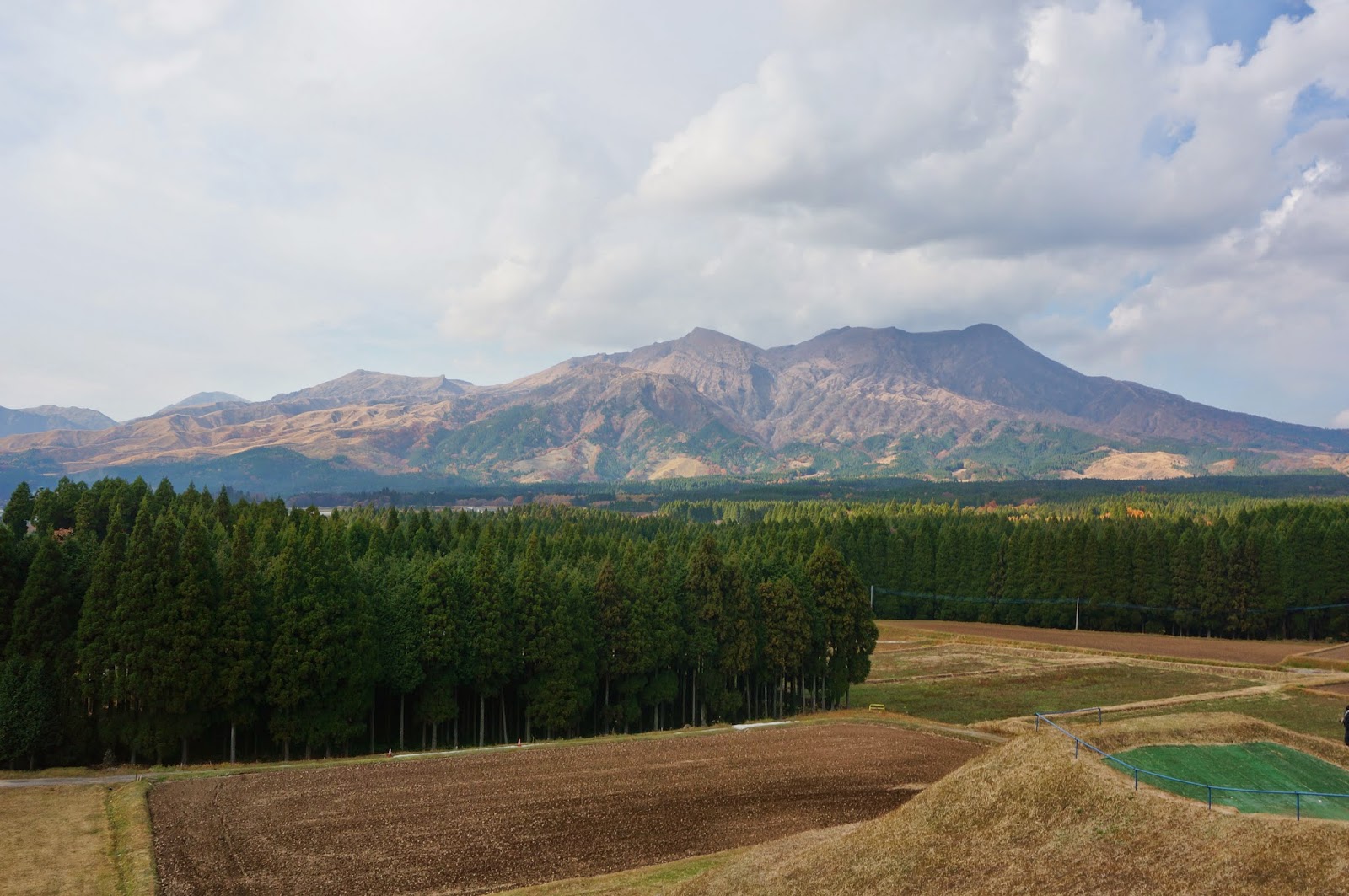
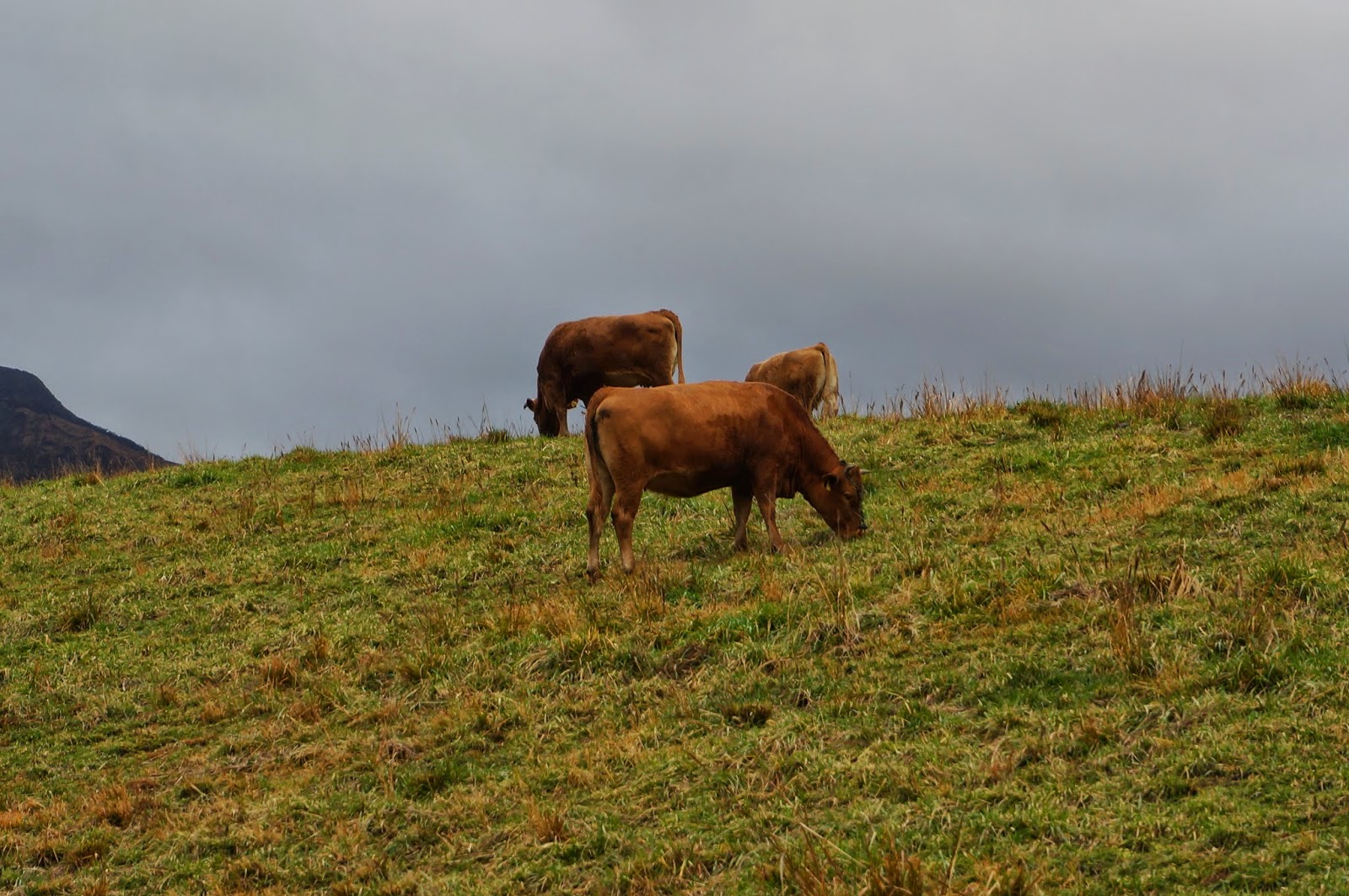
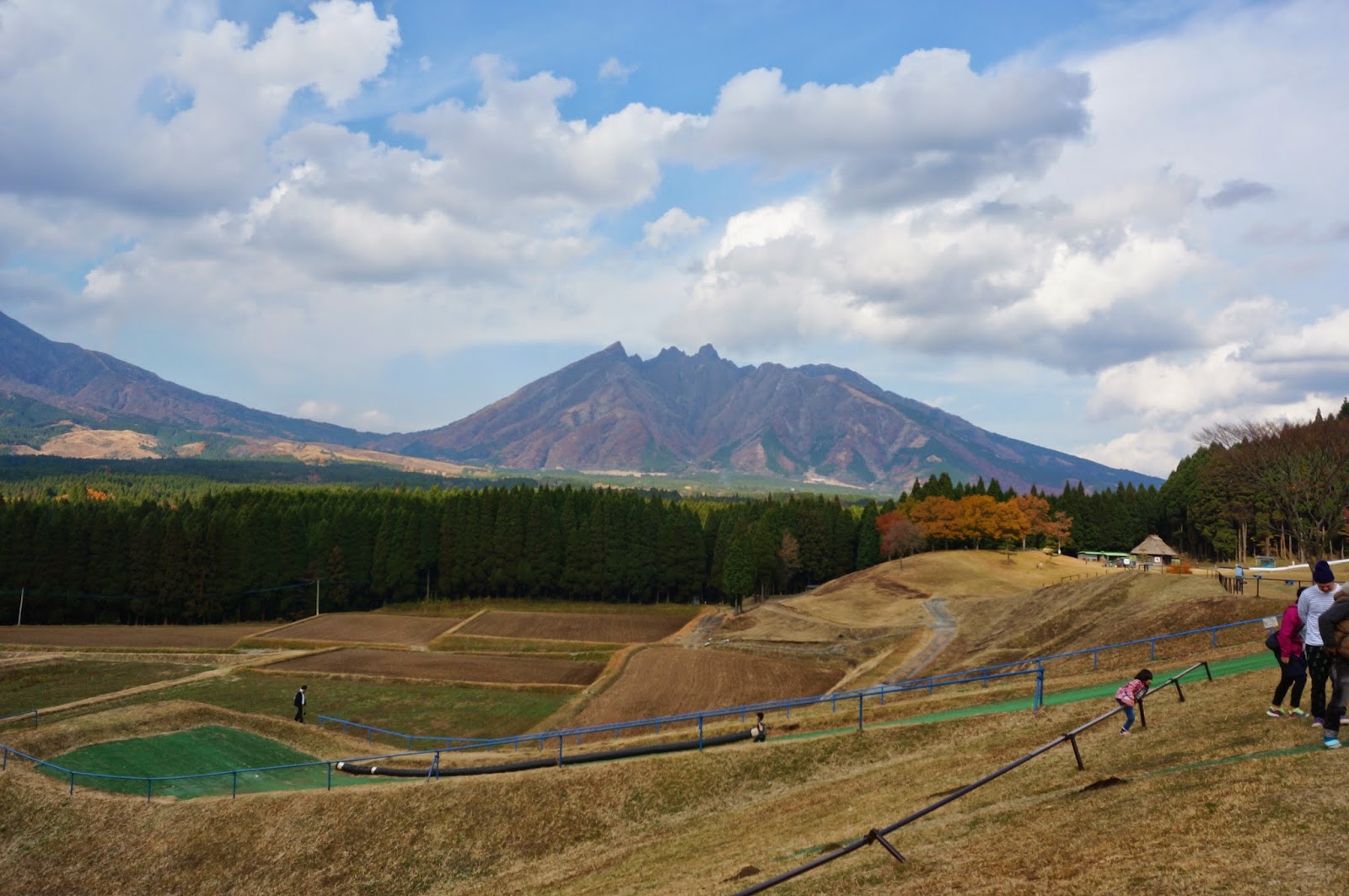
The fact that the Aso area is a Global GEO Park is pretty amazing, but why is that? During the trip I learned that the people in this area have a very unique tradition of cutting down the trees on the mountain and burning all the grass and weeds in order for grasslands to be created (called Noyaki, translates a ‘burning grass’). It is one of the few places on earth where you will see wide grasslands on mountains. They do this because it is a volcanic area and thus very fertile. They keep cows and other kettle on these grasslands as well as growing rice, vegetables and working with greenhouses. So it is a very important agricultural area. It is actually the most well known place throughout Kyushu for agricultural products and a quite some tourists stop by to get some of the products.
The fact that those grasslands are not naturally just there and what significance they hold is very unknown amongst these tourists. There is a need to promote awareness of Noyaki. First of all it is a tradition only found in Aso so it is important to make sure this unique tradition doesn’t disappear. Second of all it takes a lot of work to practice this Noyaki but with the ever decreasing population in the countryside the people of Aso need the help of volunteers more and more. It is hard work but very fulfilling and getting in contact with the local people while really helping out people that need it is a good thing in my opinion.
The downside is that it is still all in Japanese. I recommended them to appeal to foreign tourists and students as well because I am sure there are people interested to help out and dive into the local culture of Aso. But it is still a work in process.
If you are interested in some pictures of
Noyaki, you can take a look at
this post by Atsushino Tanno.
Touring Aso
As always we started our field work by getting on the bus on campus and taking a long drive. When we arrived in the Aso area the landscape started to change and we saw stretching grasslands on the mountains and the occasional cows. We started by going to the
Aso Visitors Centre. The Centre is almost like a museum with photos and explanations of Aso on the walls and other displays of Aso. One of the volunteers working there explained the characteristics to us. There was also a corner to make cute animals with sticks and leaves and flowers. Another corner was intended for kids with some books and costumes. Around the centre is a Wild Flower Garden but we didn’t get to see that.
Since we’d had a long drive we then moved on to lunch.
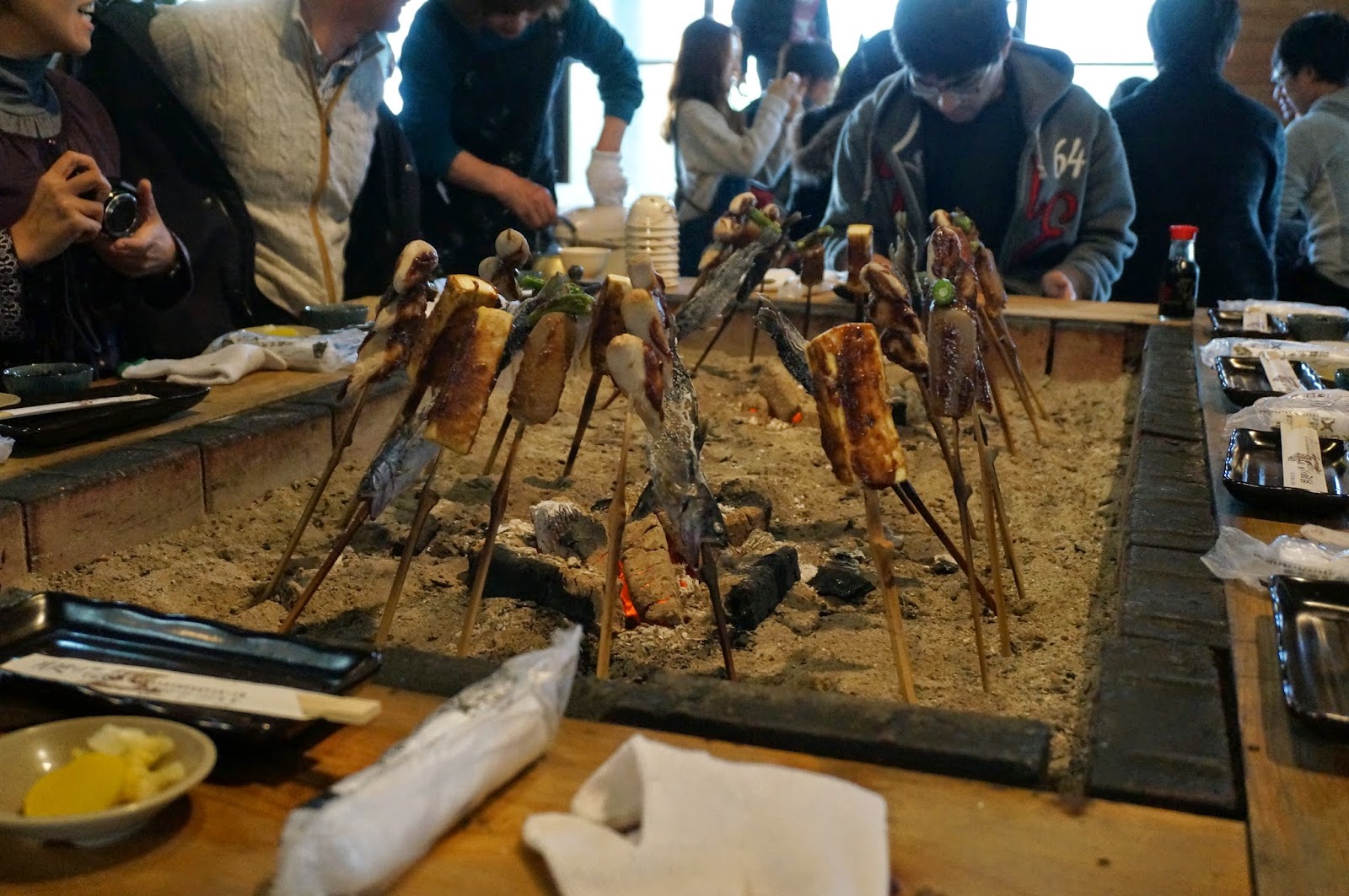
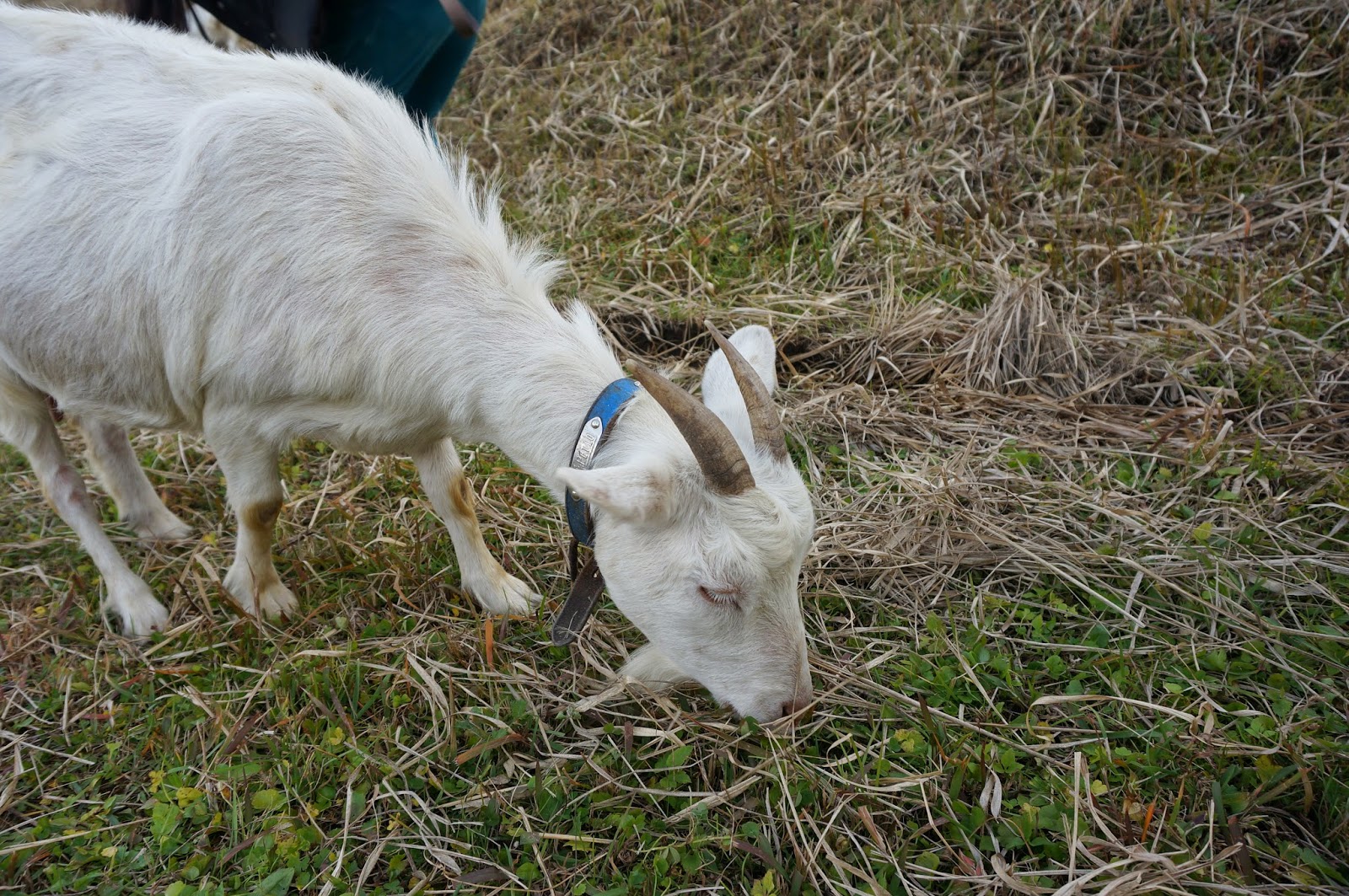
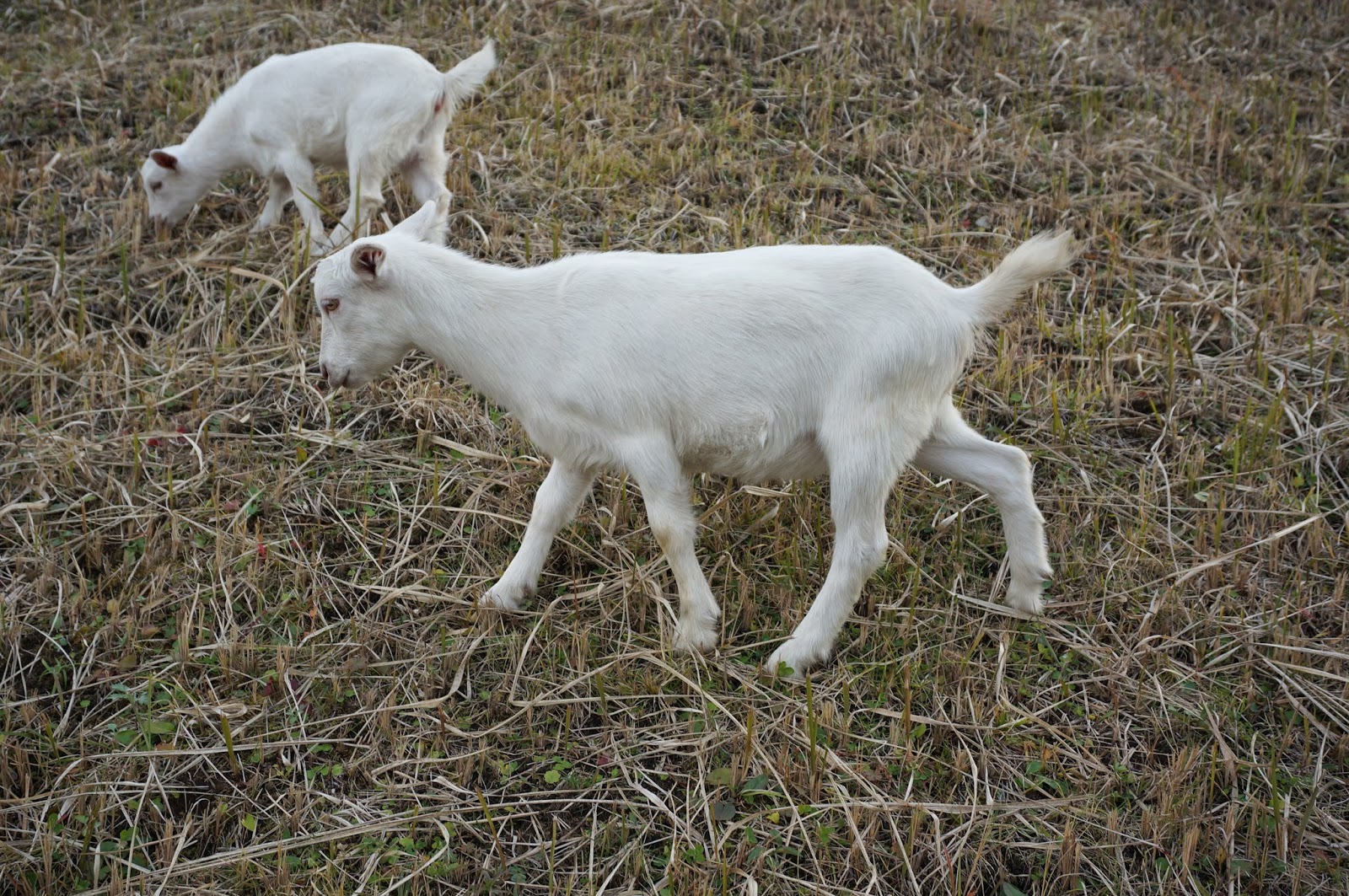
It was a very special lunch; the tables were pits with sand and burning coal and instead of plated all the food was put on big skewers. There were even gloves provided to take out the skewers from the burning pit. All the food was locally produced like local fish, tofu and meat. The location was also pretty unique; the restaurants looked like a big farm house and just outside were stretching fields of grassland and farmland. And a bunch of cute goats!
Volcano Eruption
Our next destination was
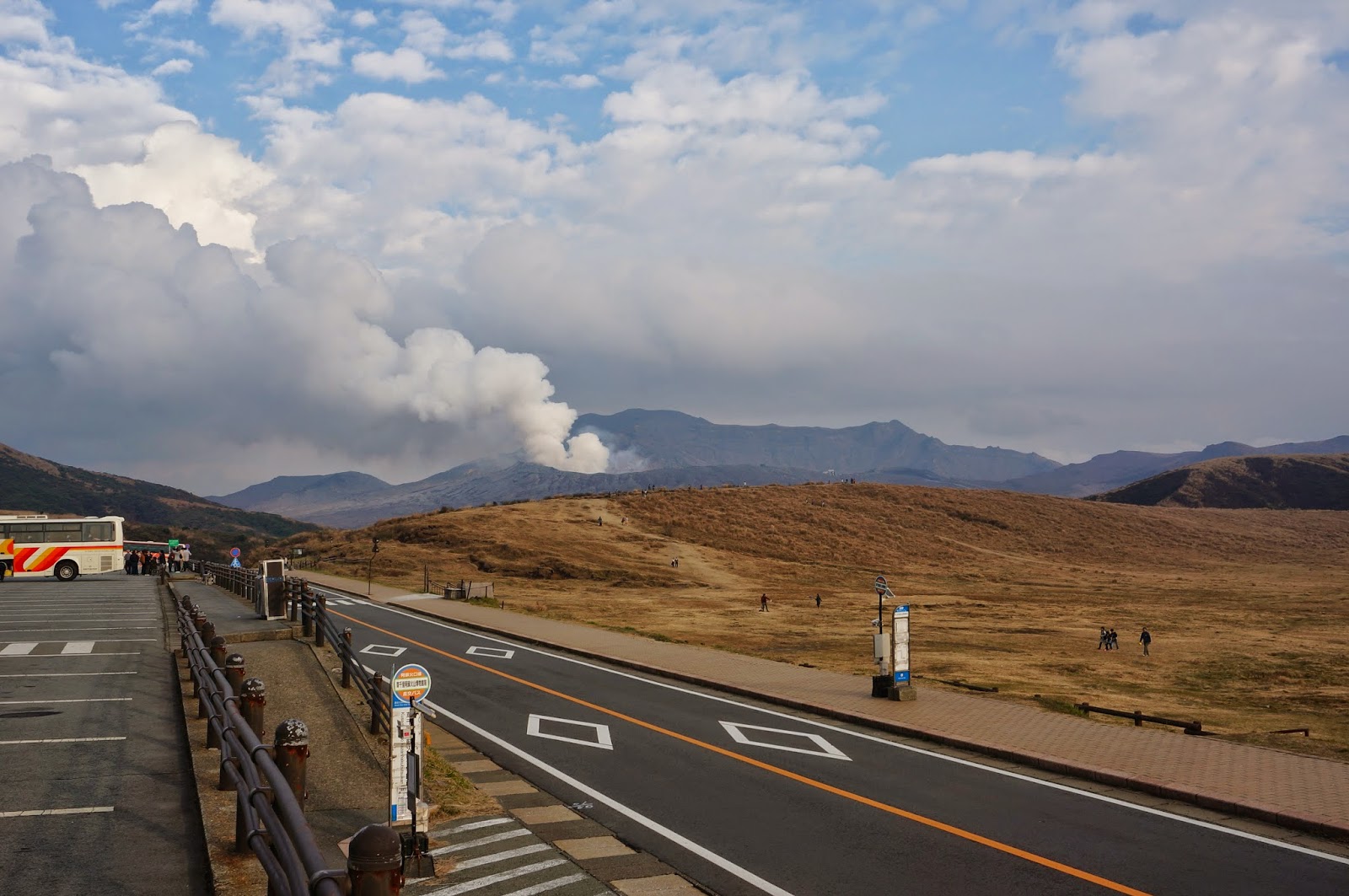
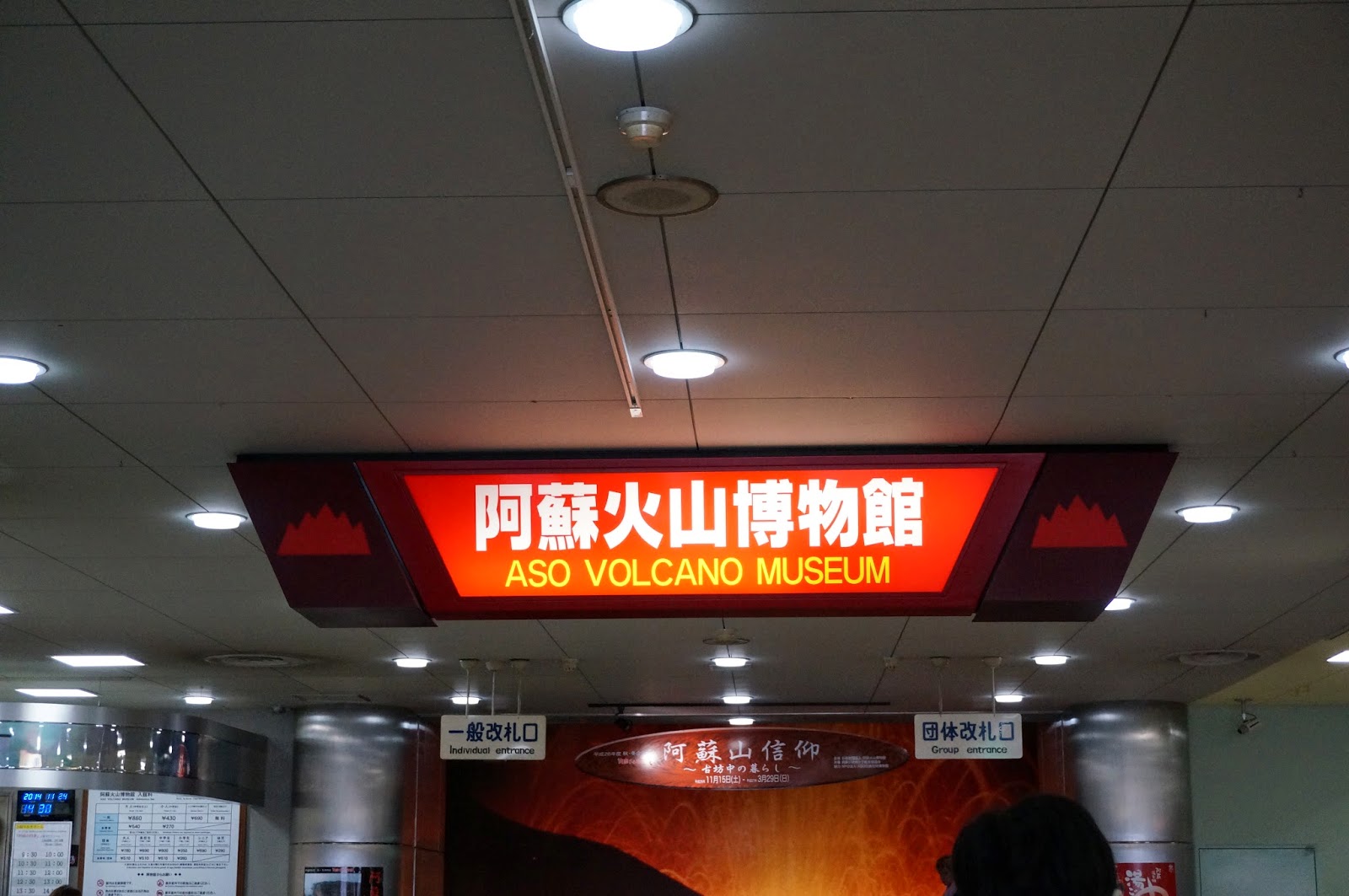
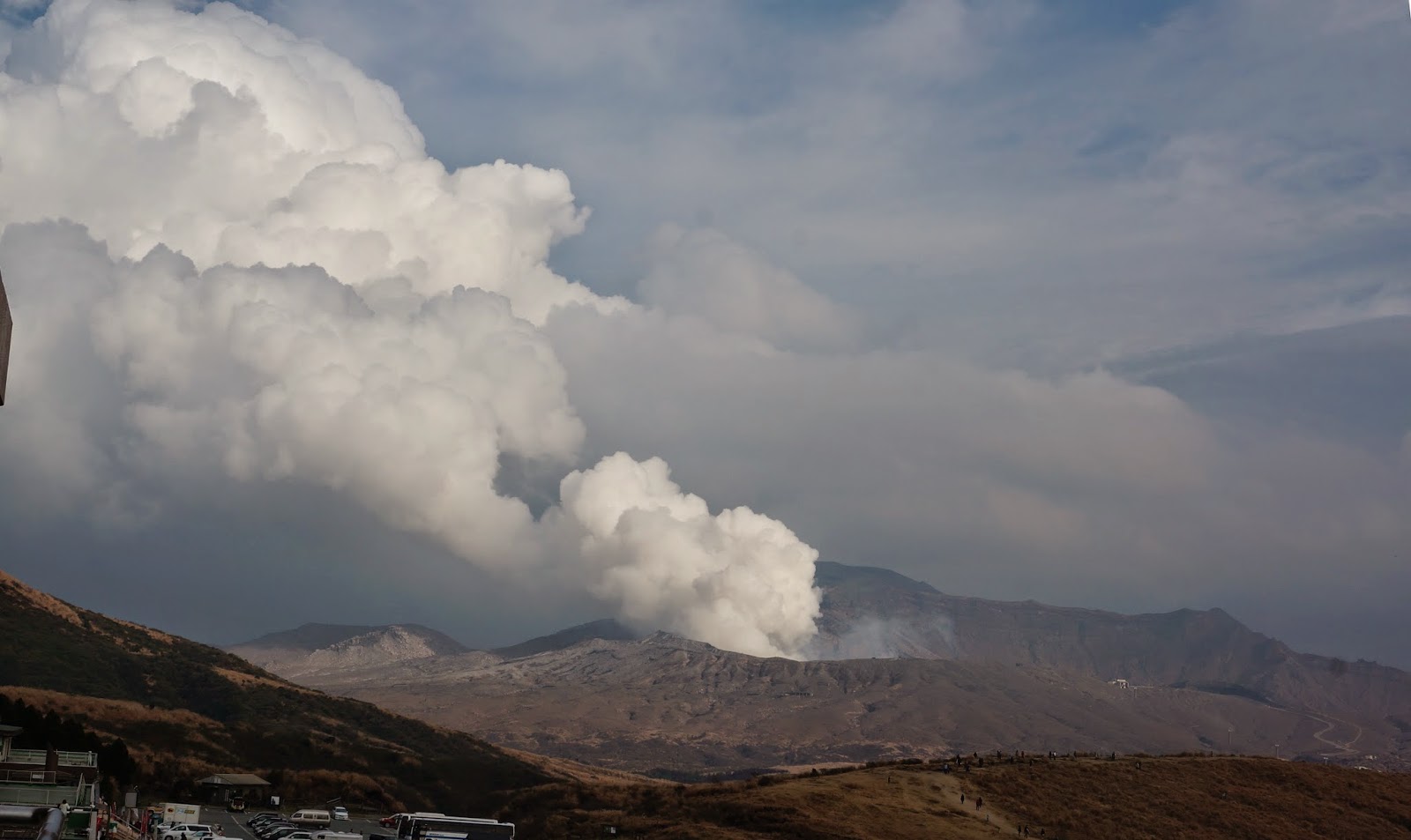
Aso Volcano Museum. While driving there we drove past the Volcano Crater. Or more like we could see it from a distance. There was smoke coming out and it was my first time seeing that in real life. I have never been to a volcano so it was pretty cool to see even if it was from far away. Actually it appears that
later that day the volcano erupted a little bit and visiting the crater has been restricted since then, although it seems that there is no direct danger of a big eruption at present time.
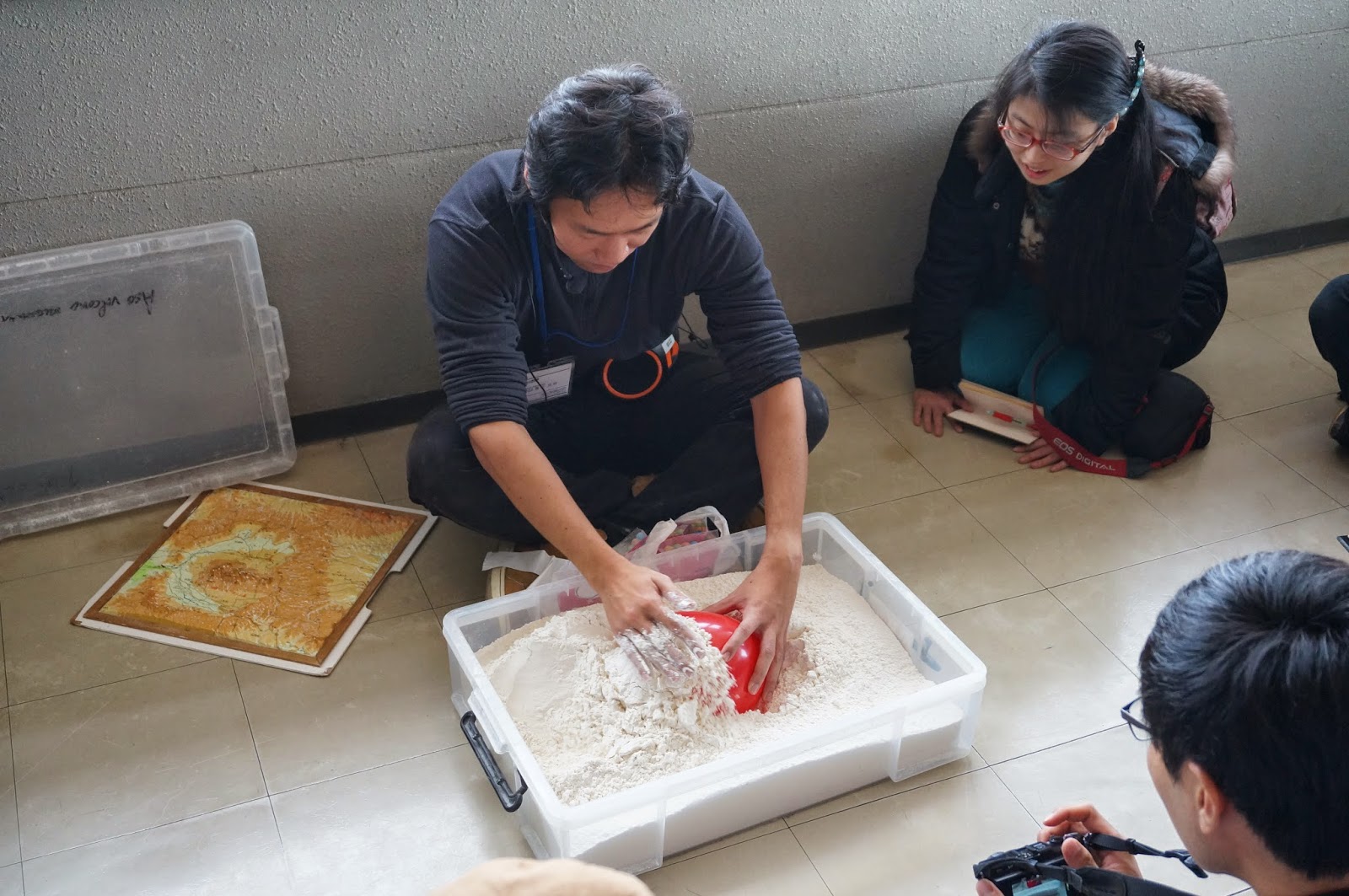
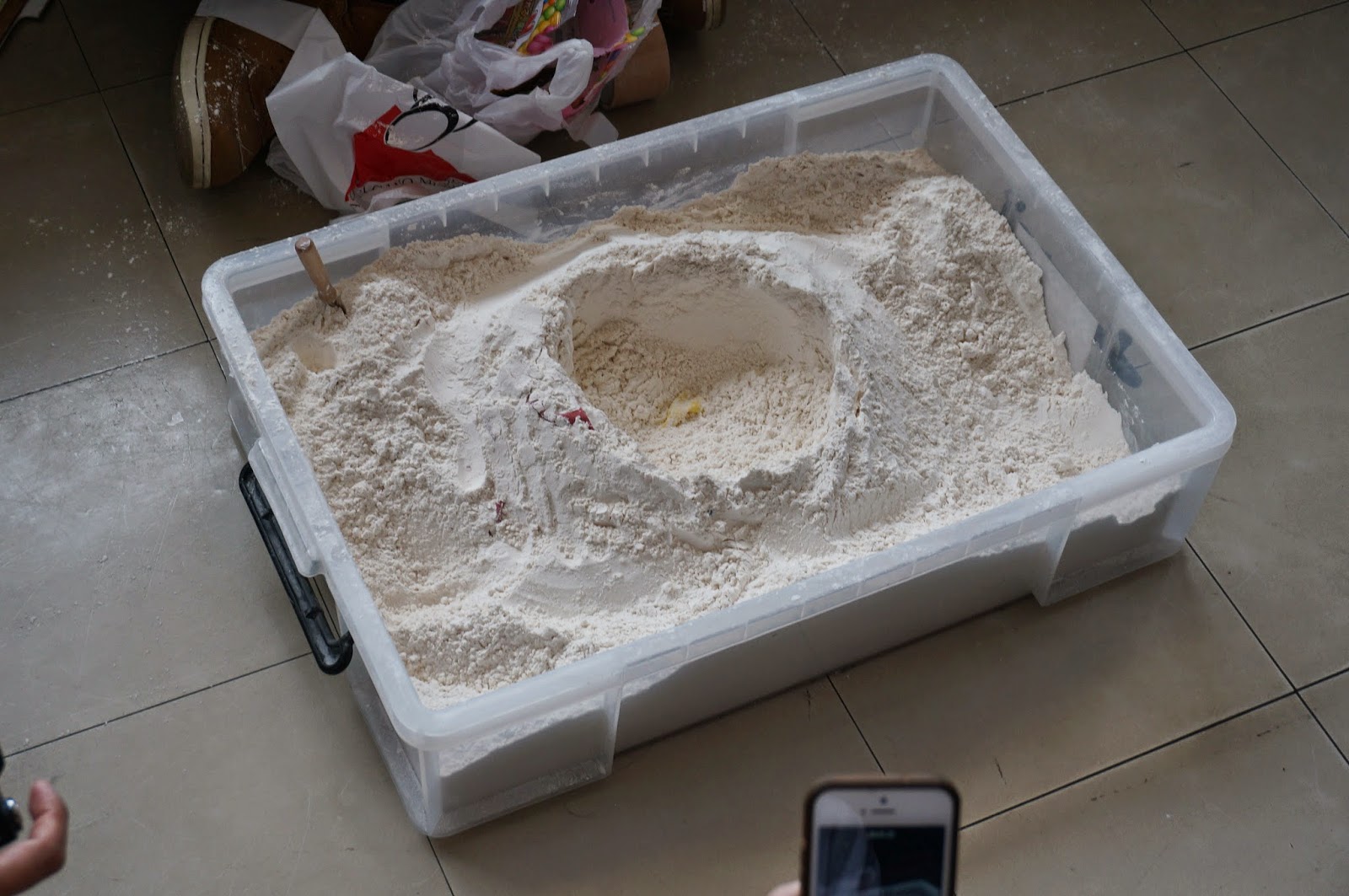
The Volcano Museum was quite interesting but everything was in Japanese and the guide was very difficult to understand. His sandbox explanation of volcano explosions and the creation of Aso Caldera was interesting though. So if you don’t know Japanese this might not be the place for you. Some of the signs did have English translations though, so if you are interested in volcanos it might be worth a try anyway. I do recommend to visit the crater if possible and enjoy the gorgeous view of the grasslands and the volcano.
Lavish Dinner
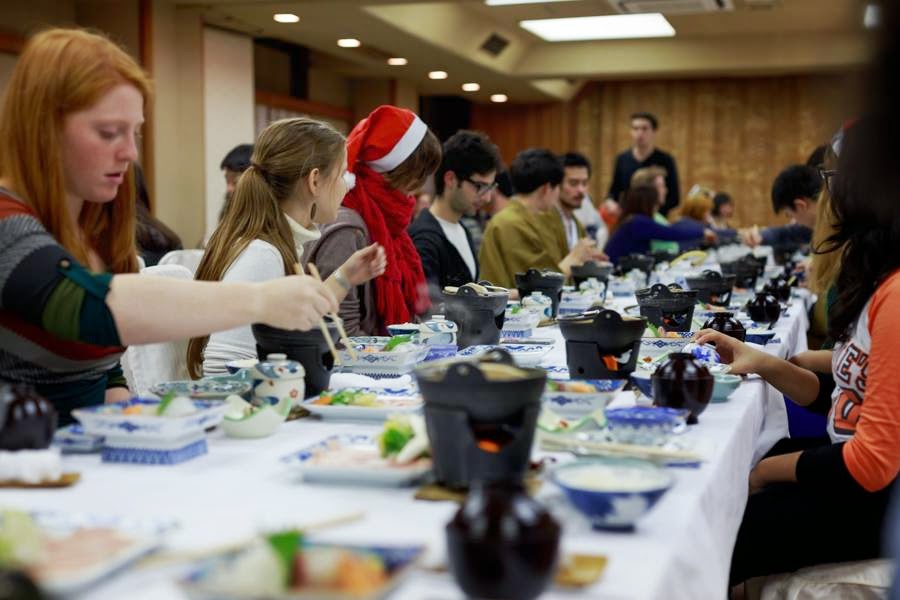
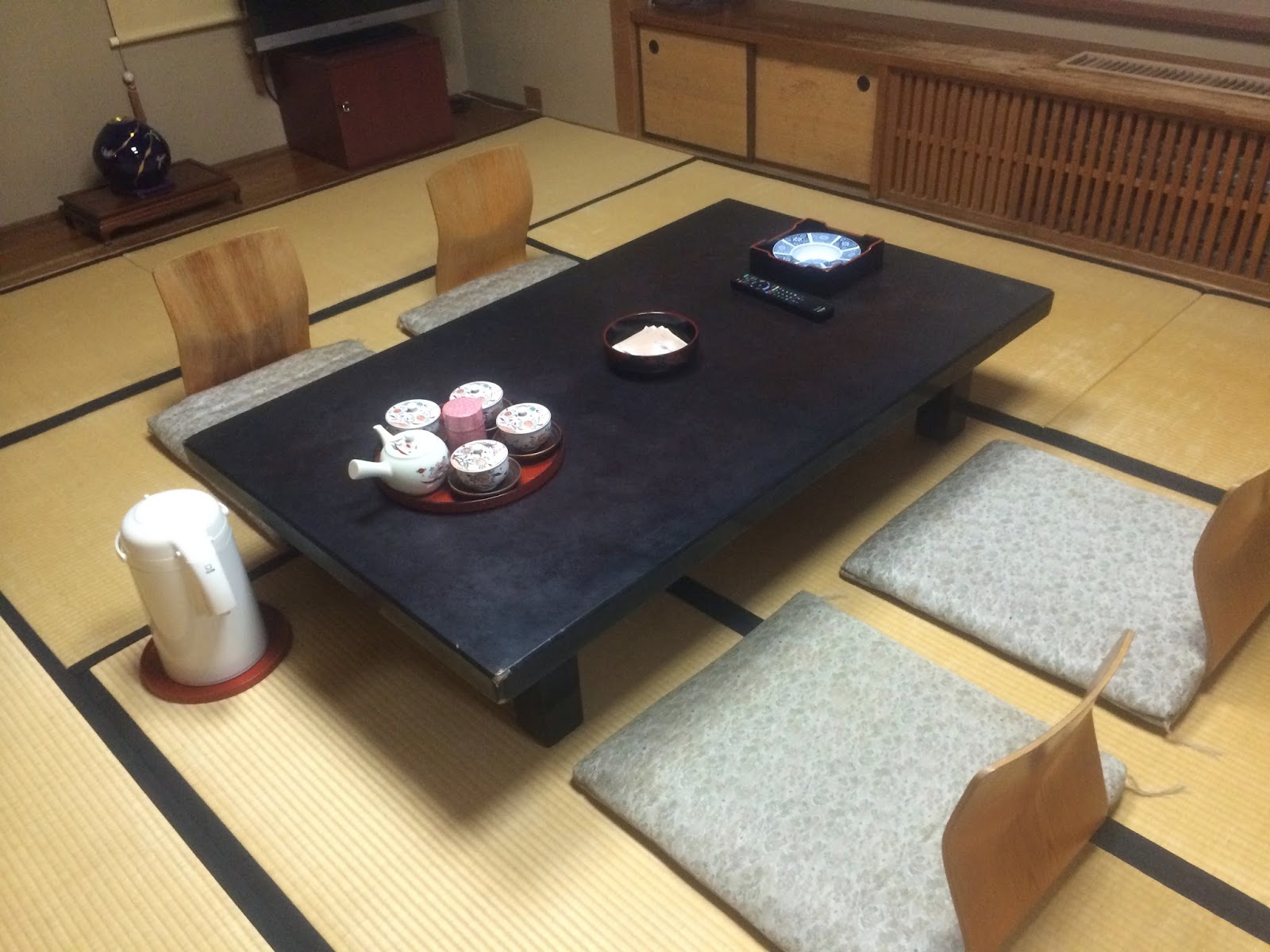
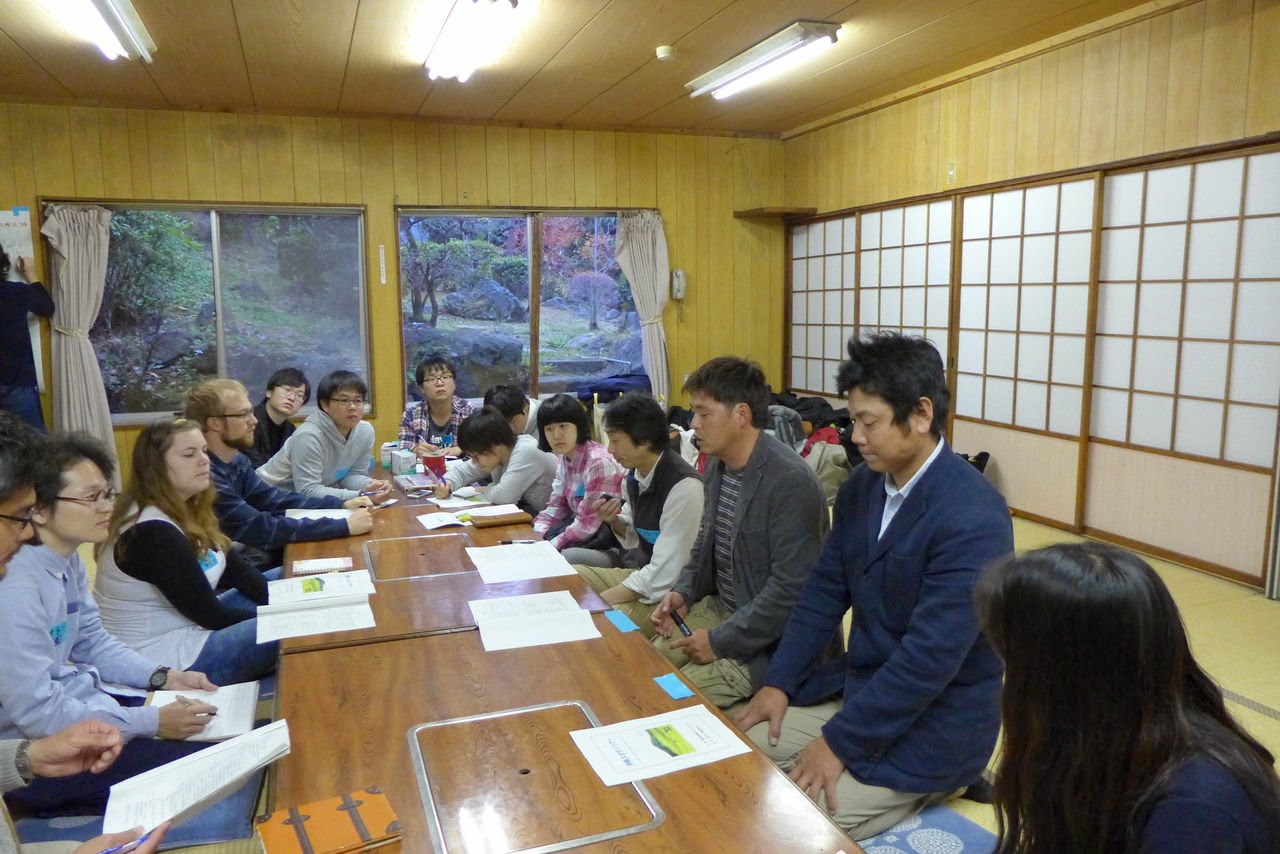
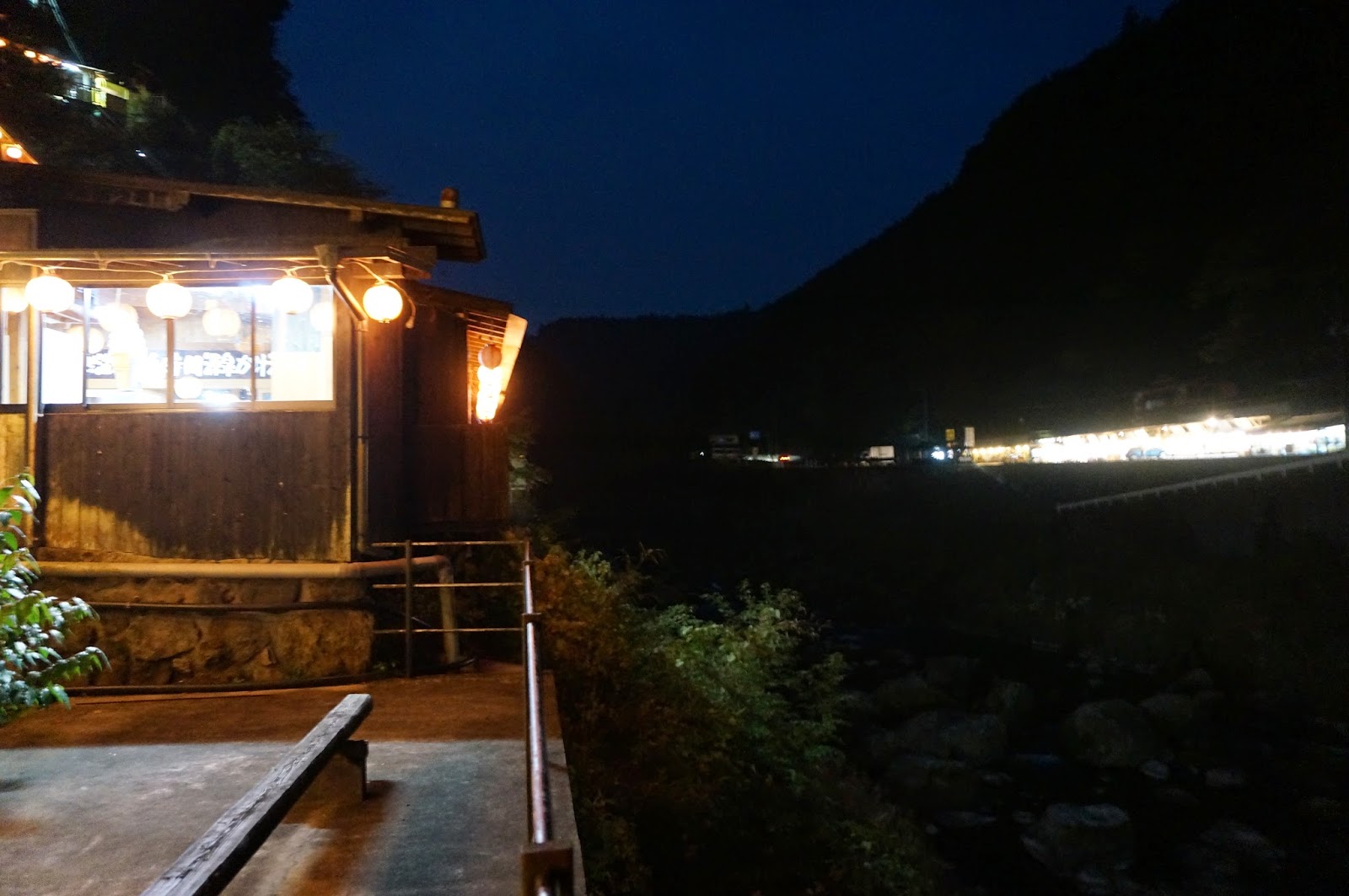
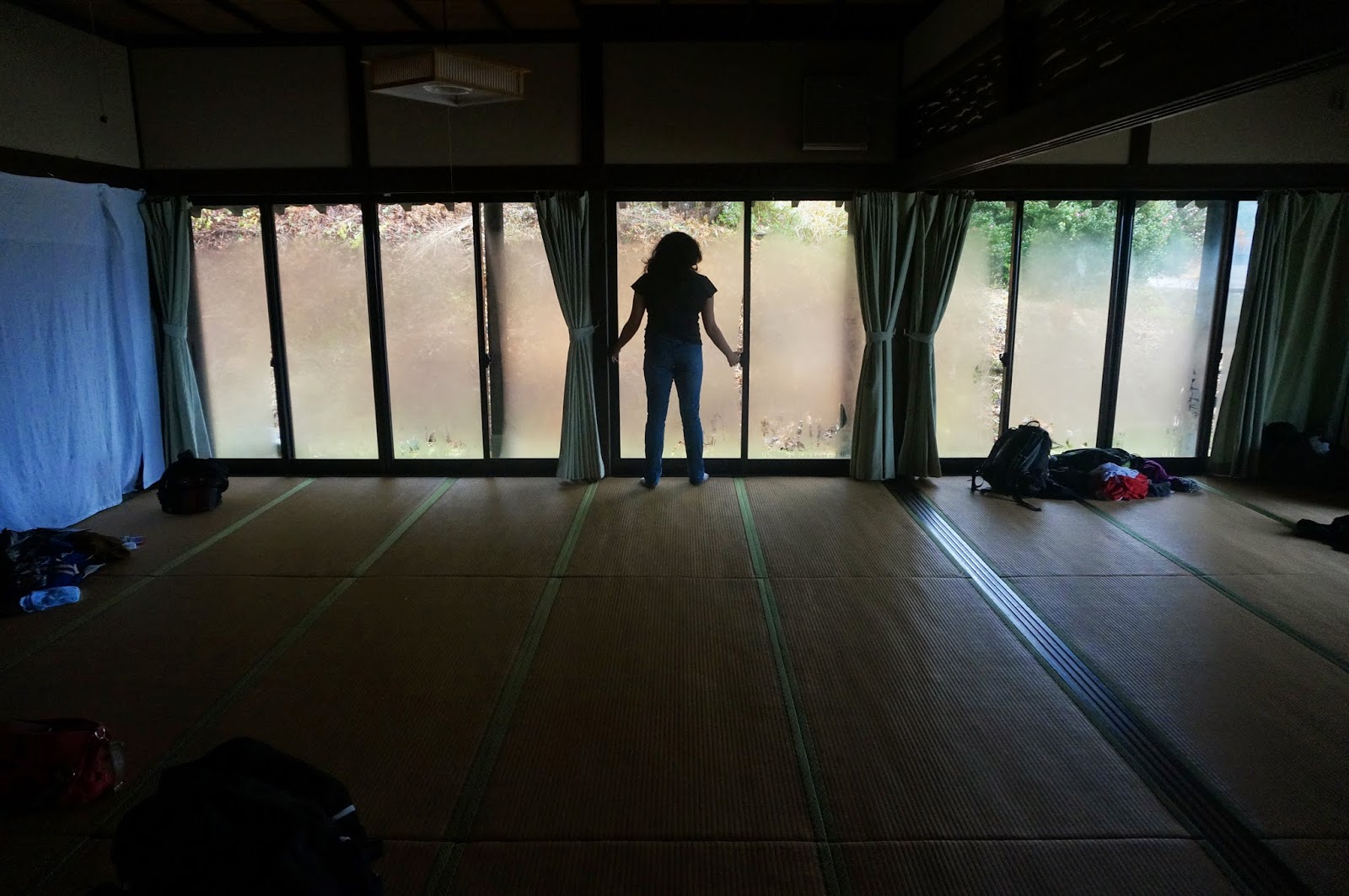
In the evening we arrived at our lovely ryokan. Before we could settle down and eat it was time for an interview with two local farmers and to tell our opinions and thoughts of what we had seen that day. So basically we had a study session. After about two hours our food was set up in another room and we could finally take a rest from all the touring around and studying.
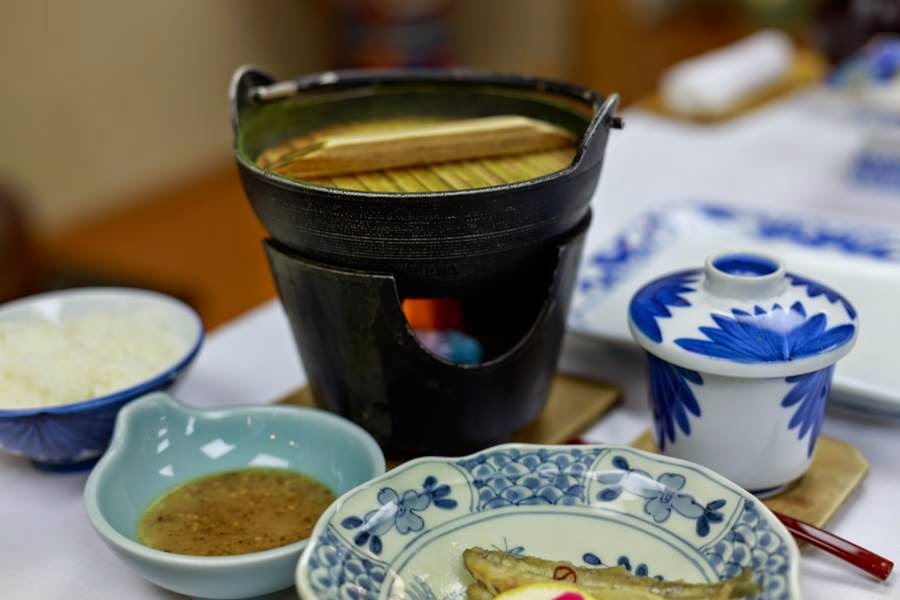
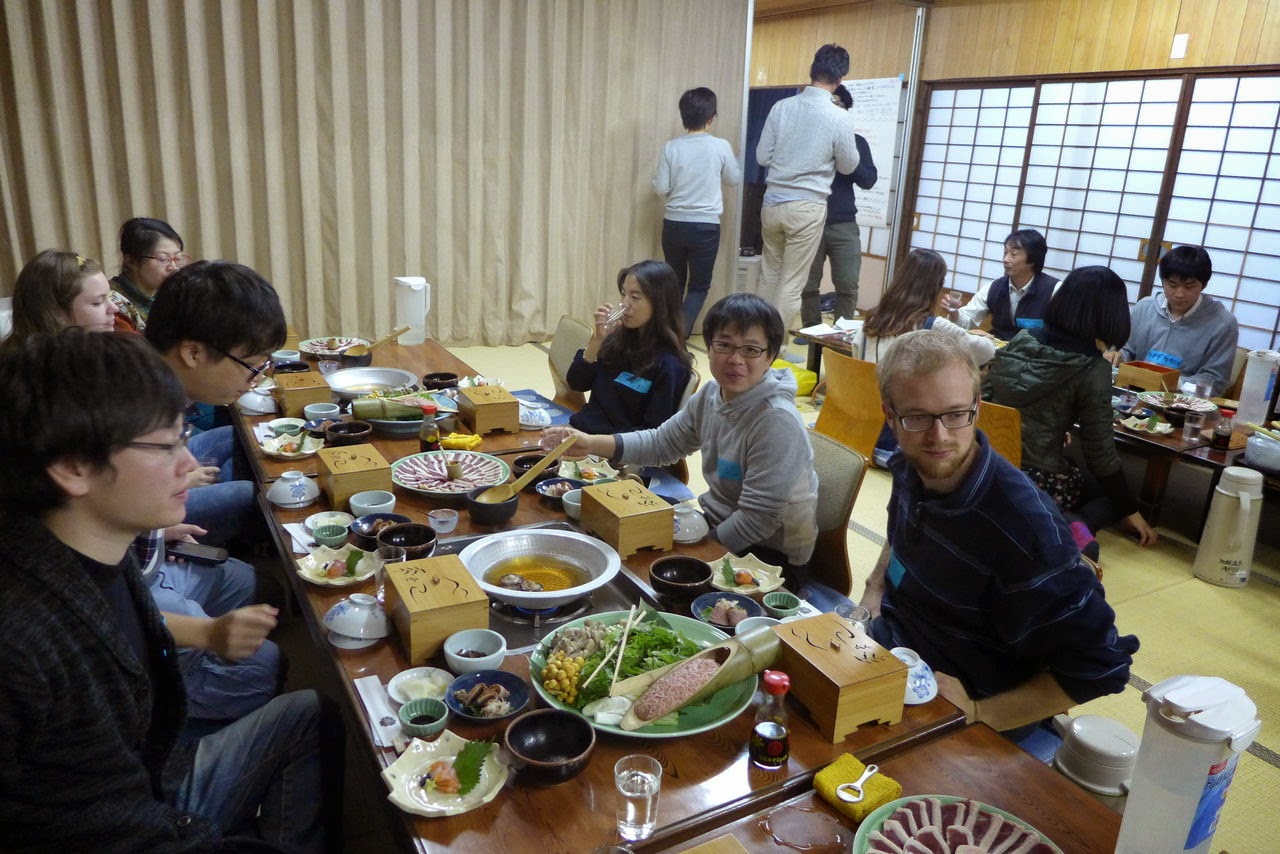
Dinner was Japanese style of many small dishes including hot pot, sashimi and duck. It was very lavish. Sake was flowing and before I knew people were dancing on the small stage in the room. We have students from Japan, China and Korea, and then me and a visitor from Germany, so every ‘country’ had to show a local dance. My German friend and me represented Europe with the chicken dance. You need to think of something right?
Talking about interesting food, the breakfast next day was also quite interesting. It as normal buffet style except that next to the tables was a fake river and occasionally baskets with eggs would float by so you would have to catch your eggs from the baskets. I have never seen anything like that before.
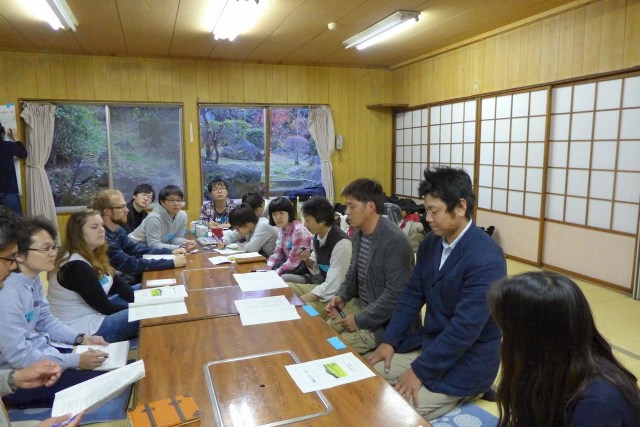 |
| study session. Photo by prof. Fujihara |
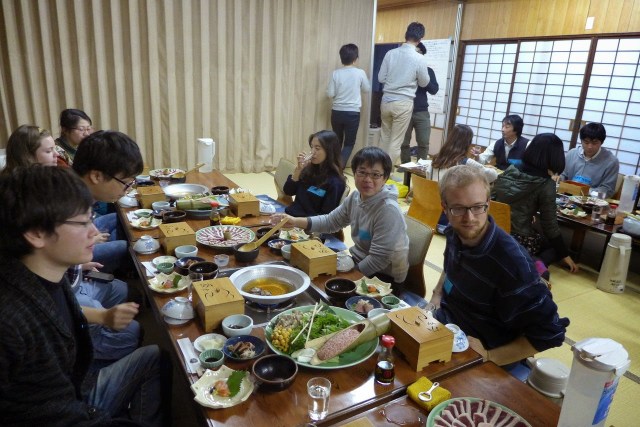 |
| Awesome dinner. Photo by prof. Fujihara |
Soaking in hot springs
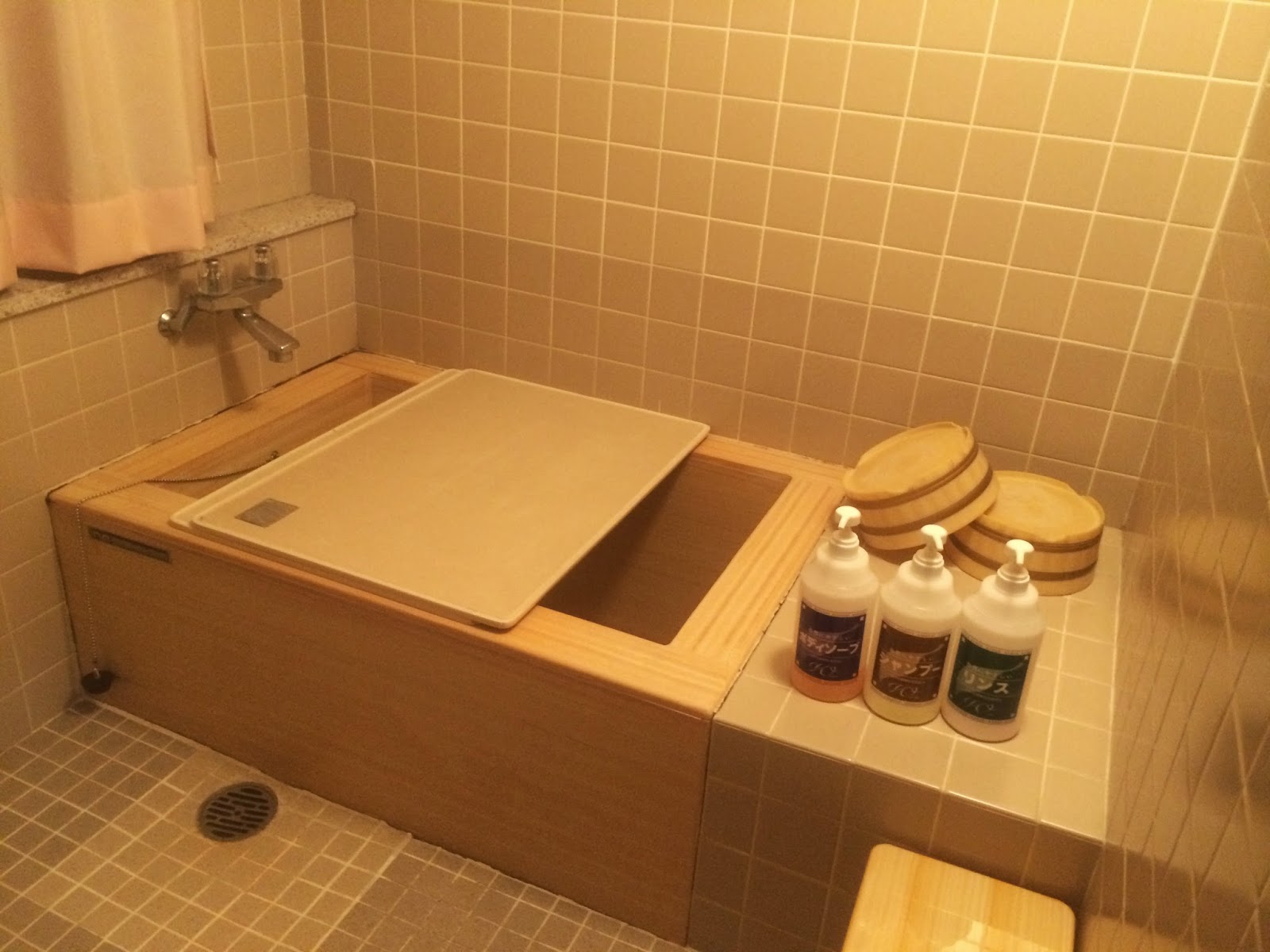
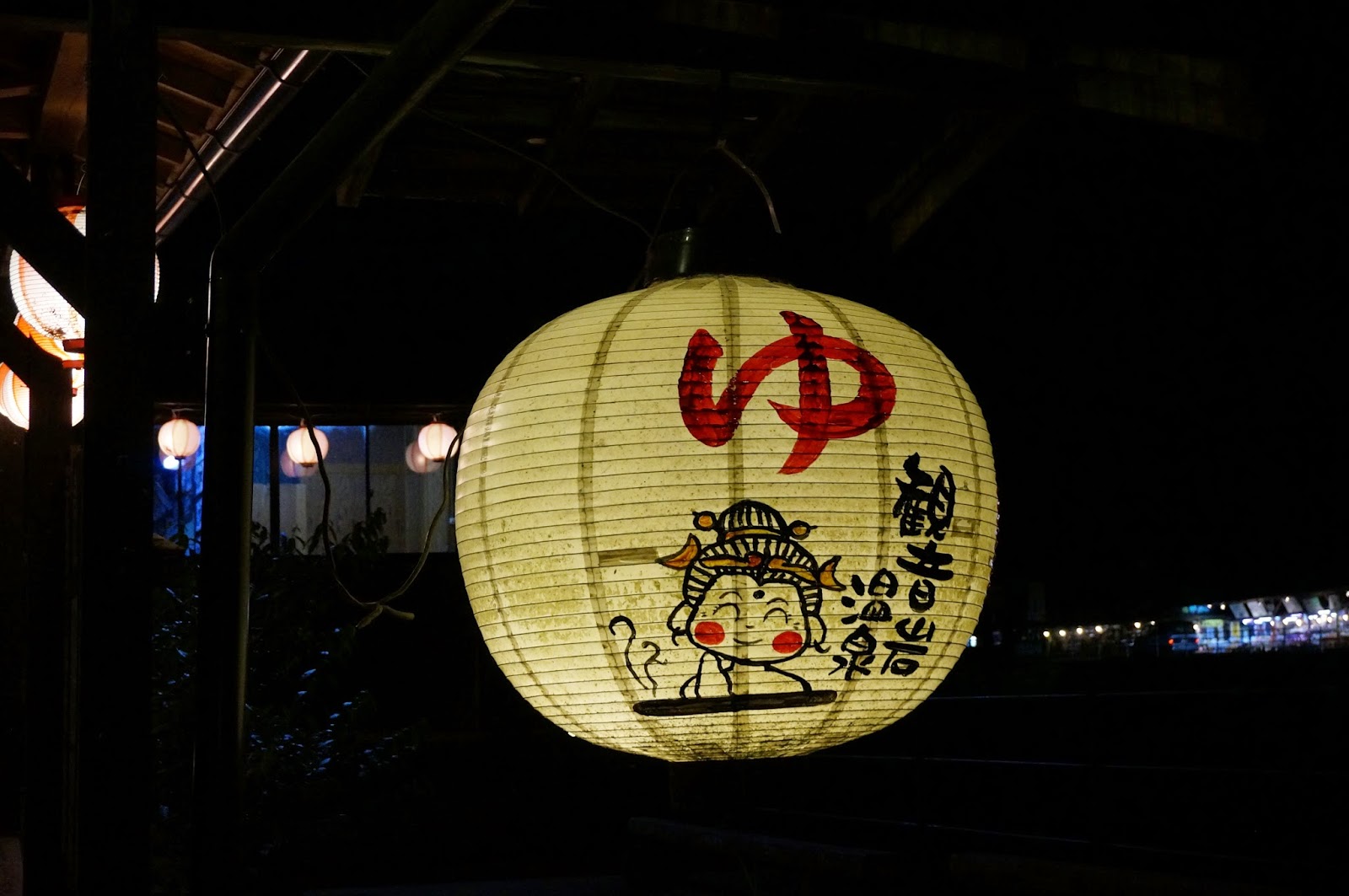
When dinner was finished it was finally time to freshen up in the hot springs! Also is has many natural hot springs and this inn specialized in them with hot springs in different locations around the hotel. So we girls put on our yukata and went to the first one which would turn into a mixed bath later in the evening. It started to drizzle but we were warm and cozy in the bath. I can definitely recommend doing this, it feels so good!
After nearly an hour we put on our yukata again and walked to the second bath which was a small one outside in the second floor. And we went to a third hot spring down the slope (in the dark) as well. So basically we were touring the different onsen. In Japan it is a custom to
drink cold milk after a warm bath so we drank cold milk locally made in Aso together in the lobby. Then I took a last shower in dipped into a private bath before falling asleep on cozy futons.
Sorry no photos because they are not allowed in hot springs!
Aso Shrine
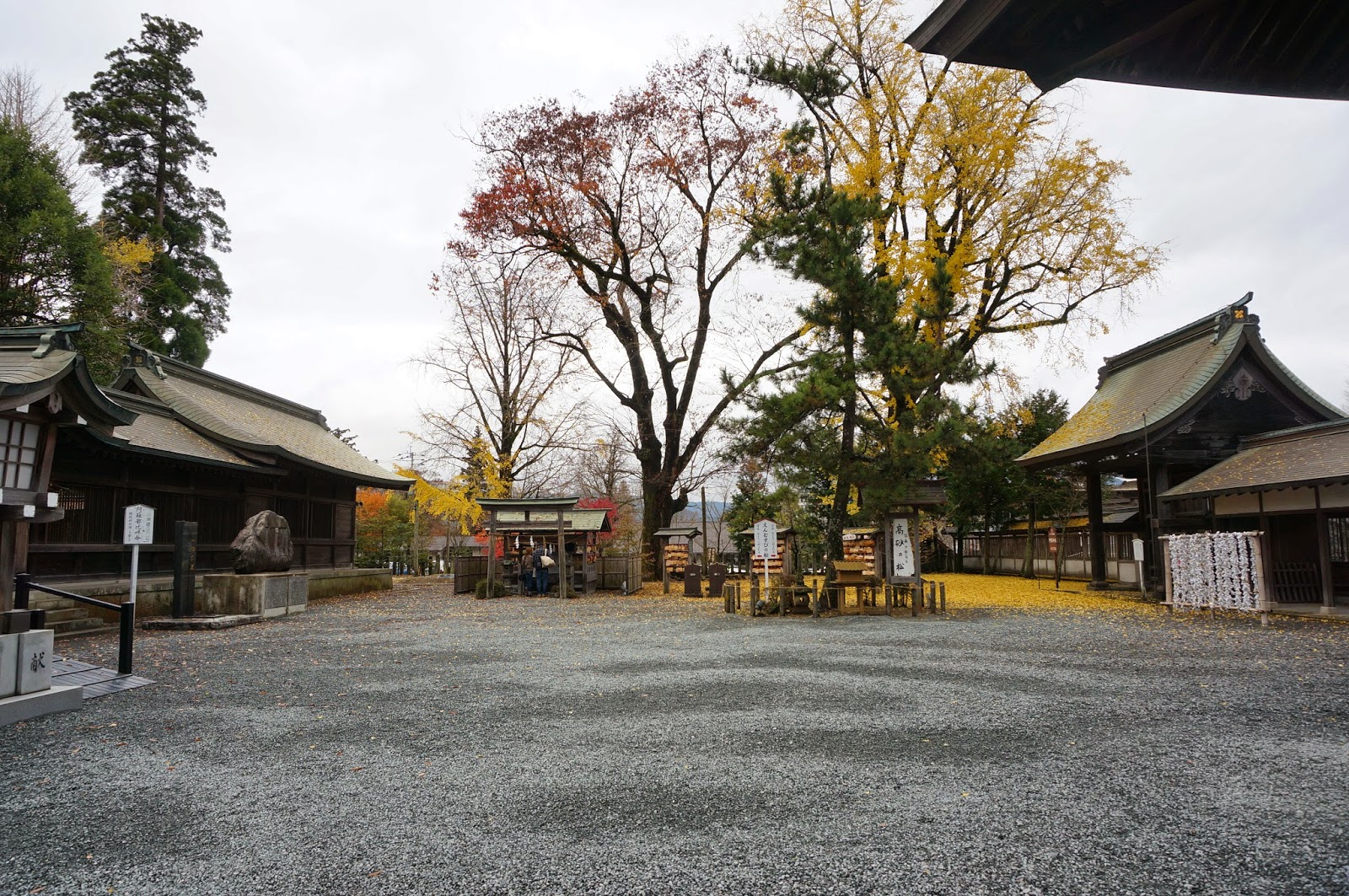
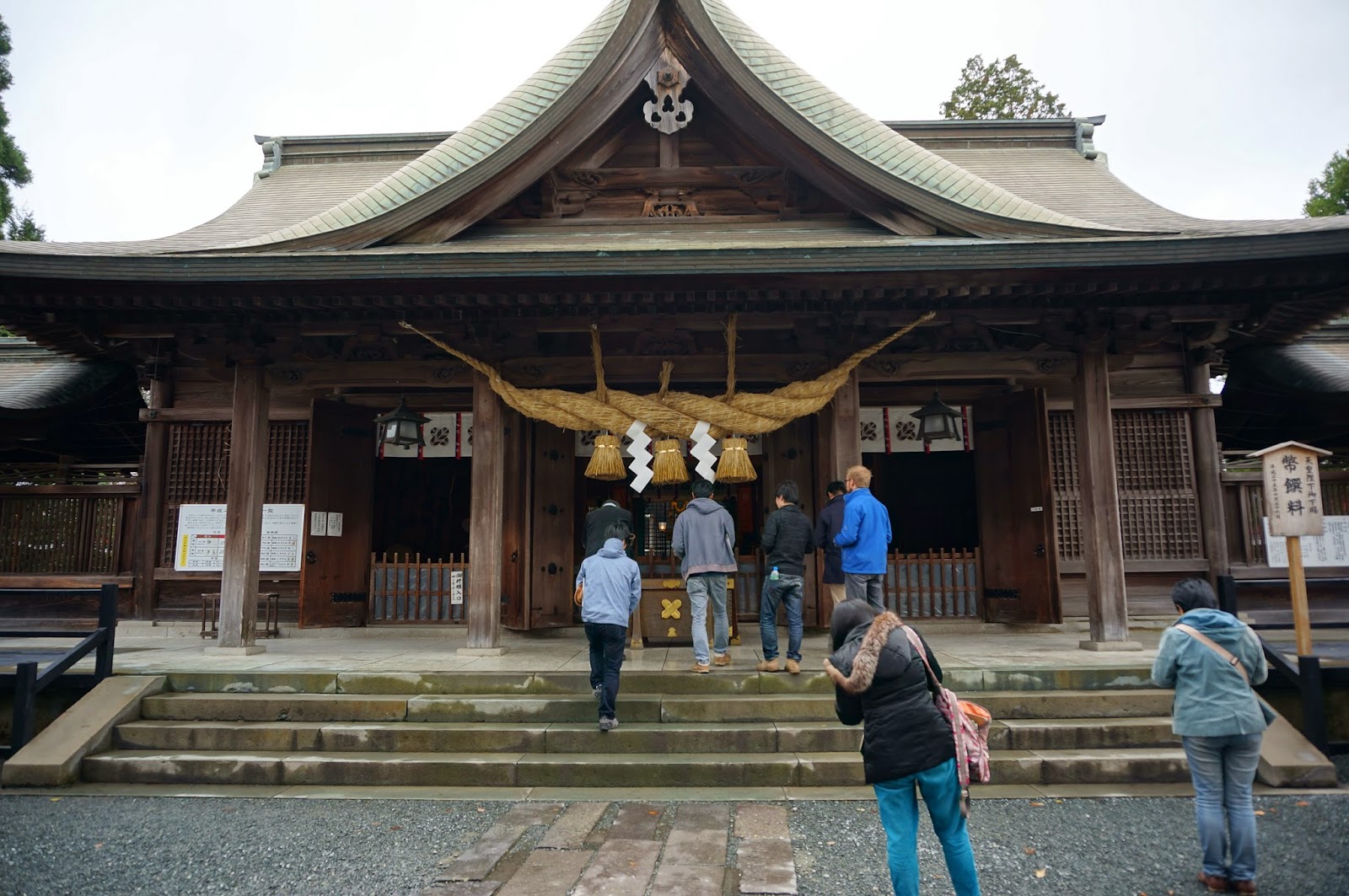
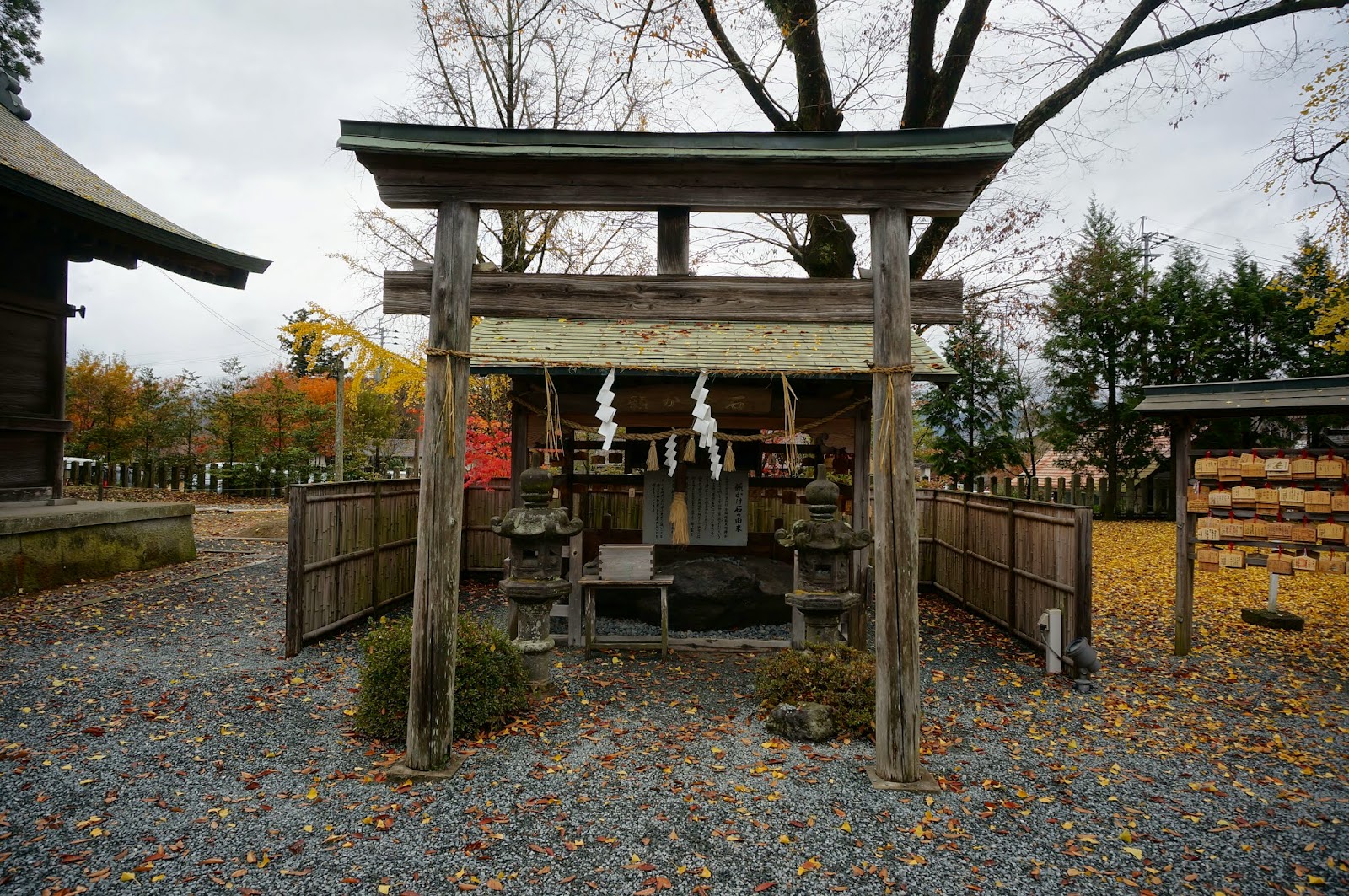
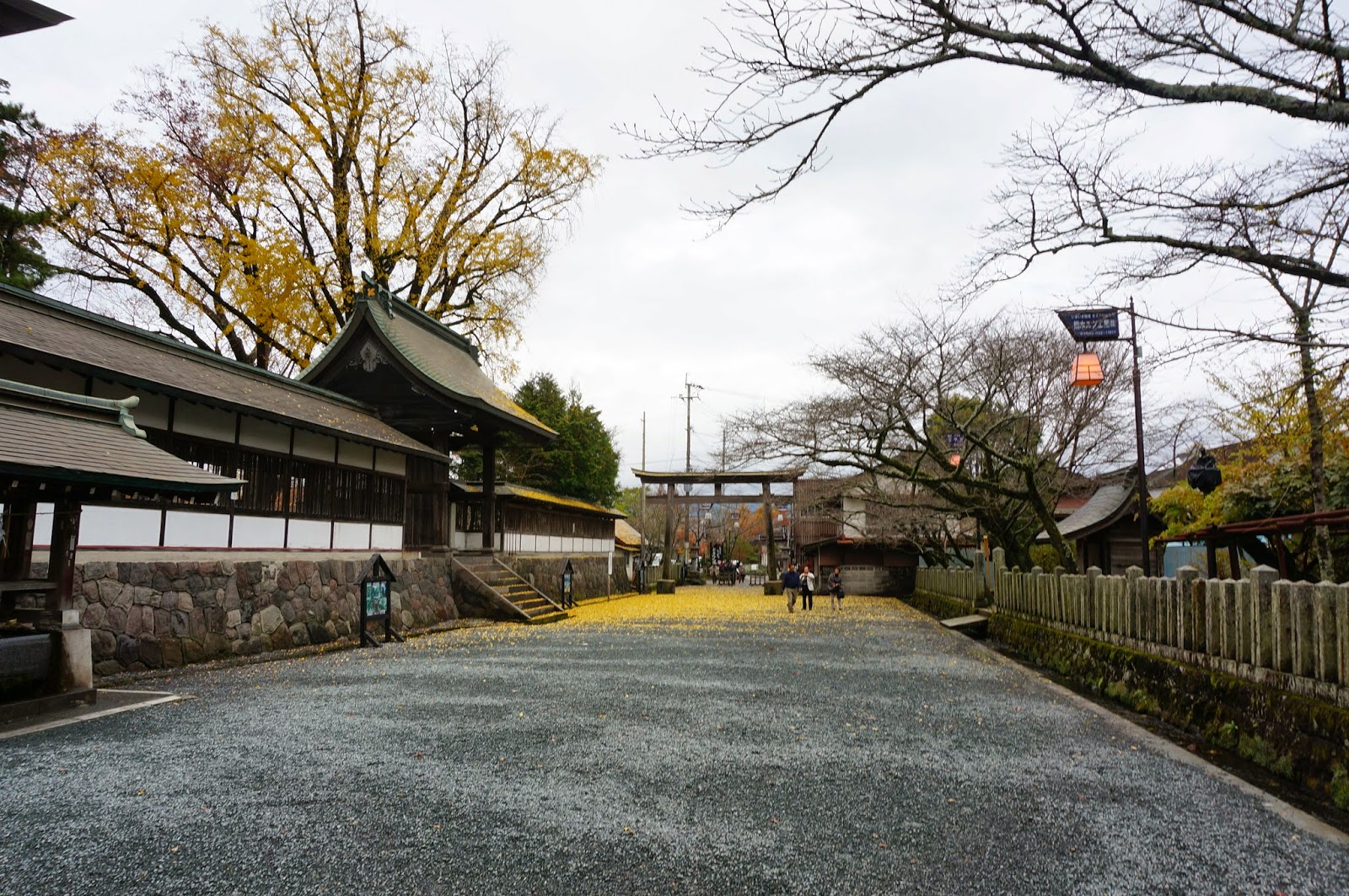
The next day we went to a lecture. It was in difficult Japanese though so I didn’t really catch what they were saying, but I remember it was about volunteering for the Noyaki and what kind of work and organizations are involved. After that we visited Aso shrine. My professor was really excited because he was born and raised in this area and he knew a shop with very good meat buns. Around the town near Aso shrine there are a lot of fountains with the local spring water. This water is supposed to be very healthy and delicious so you should definitely take a sip from the different springs.
The shrine itself is known for the festival held to celebrate the Noyaki and a fire ritual festival. My professor showed us videos and photos of this fire ritual festival and it looked very impressive and a little bit dangerous as well. it is celebrated in march but sadly I couldn’t go there to check it out myself.
Megaliths
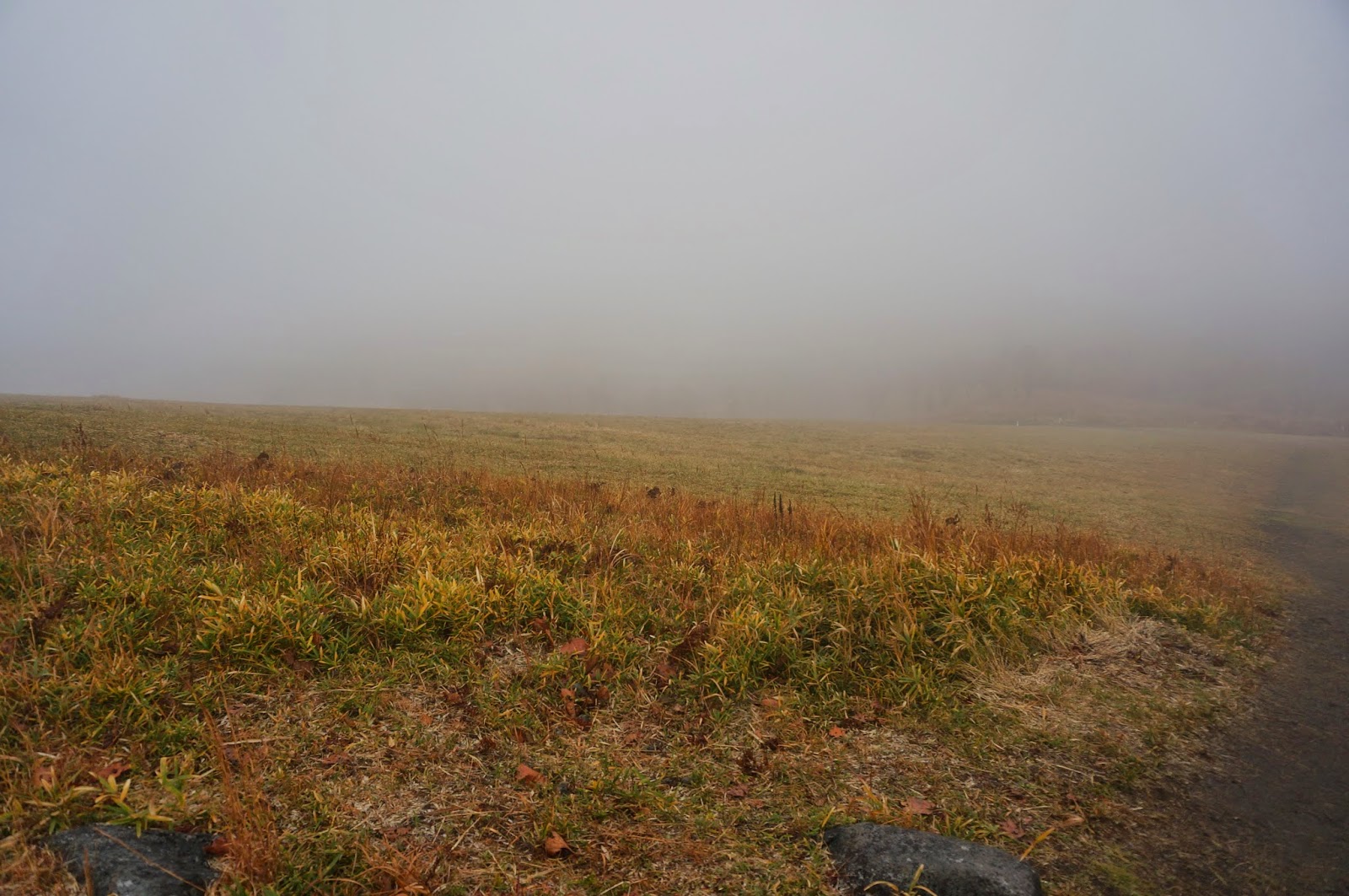
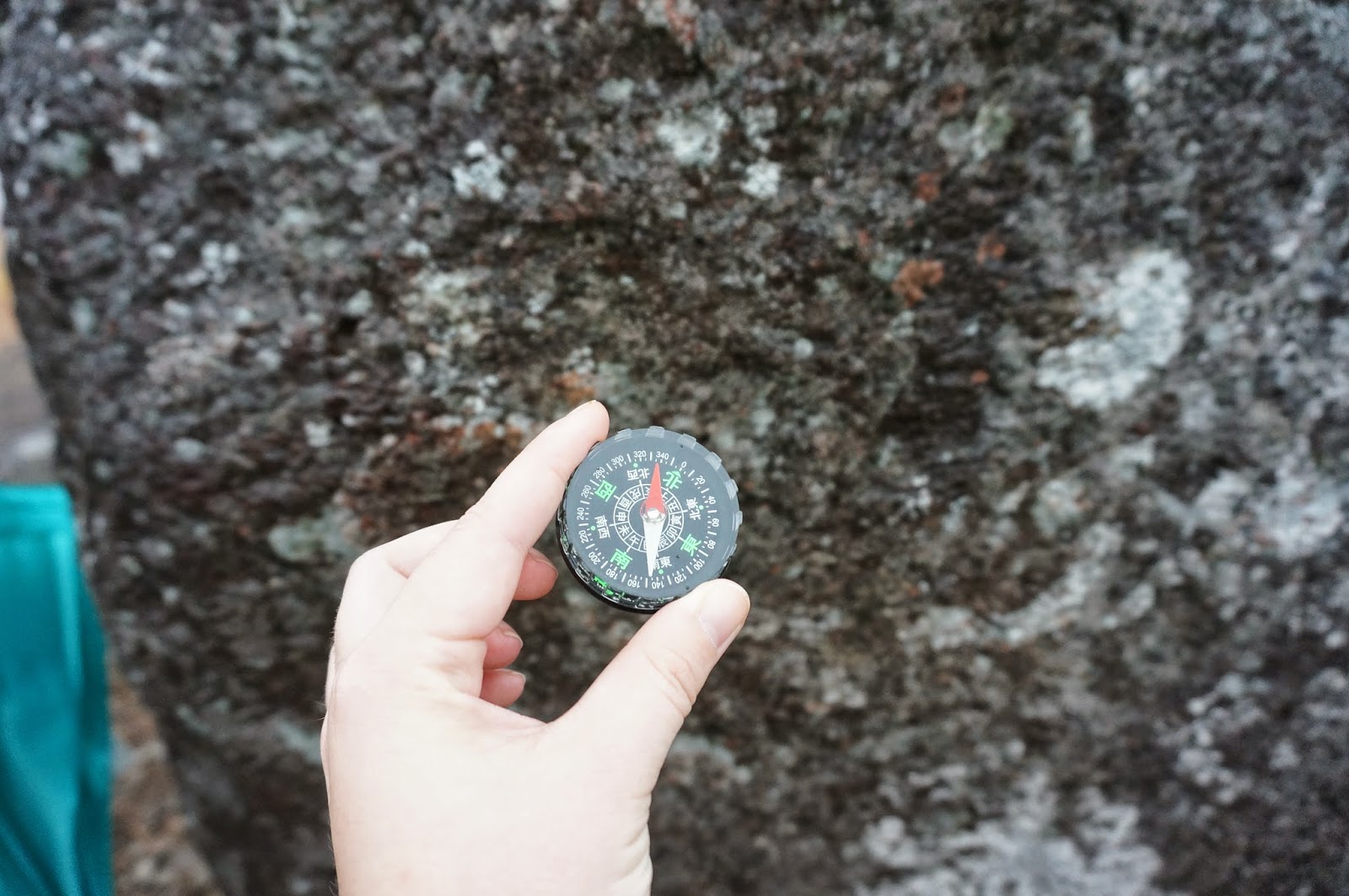
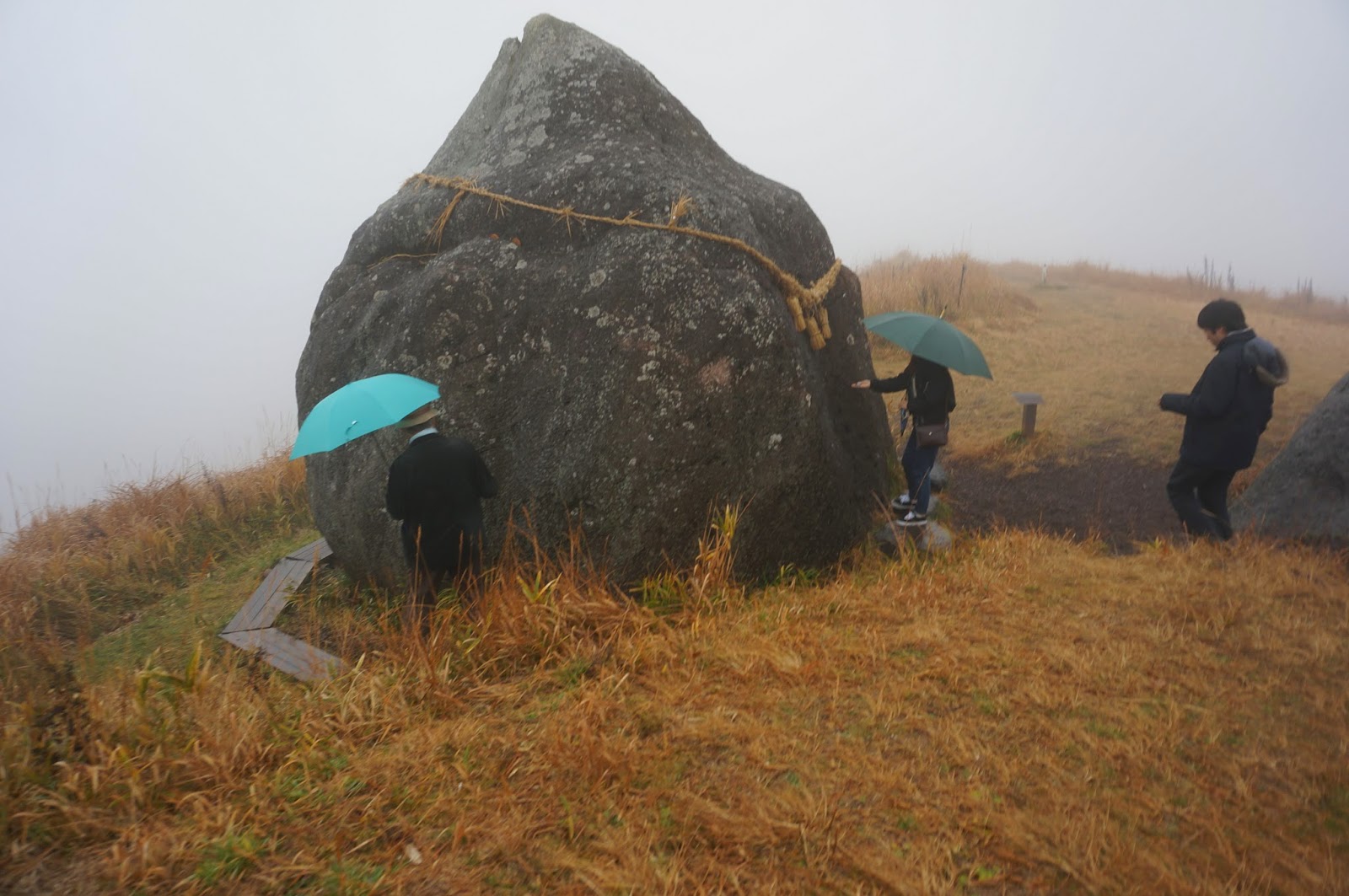
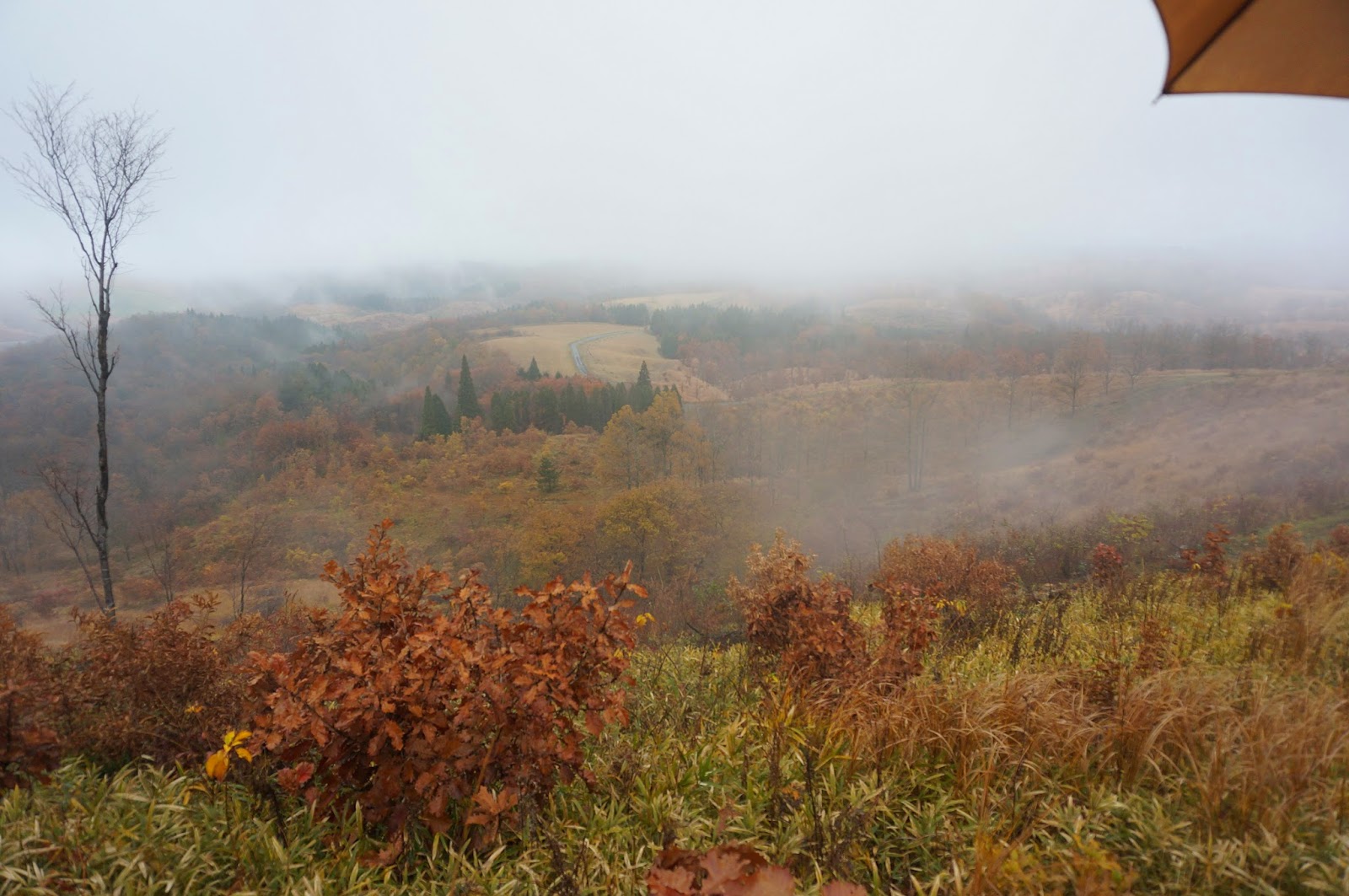
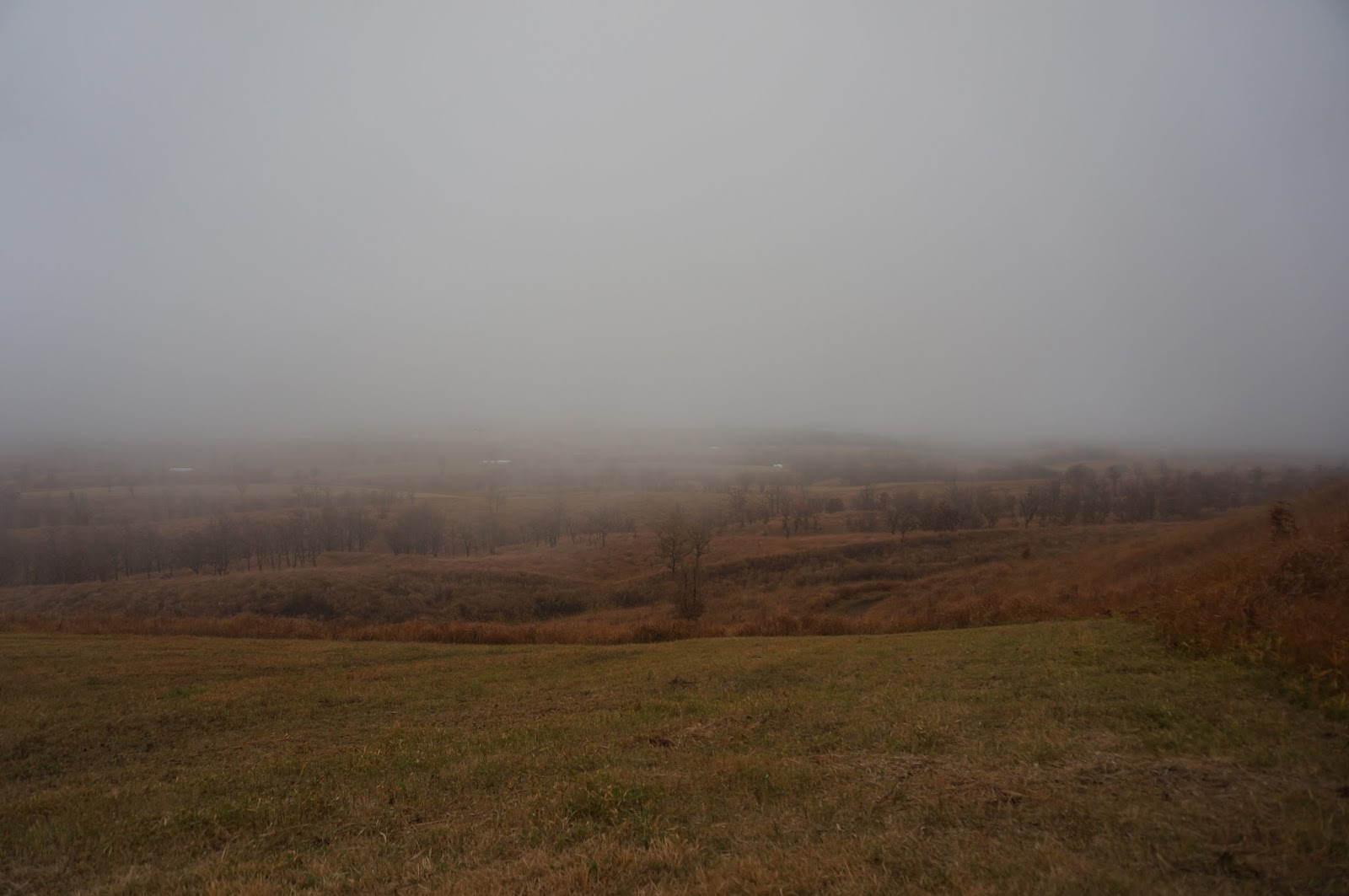
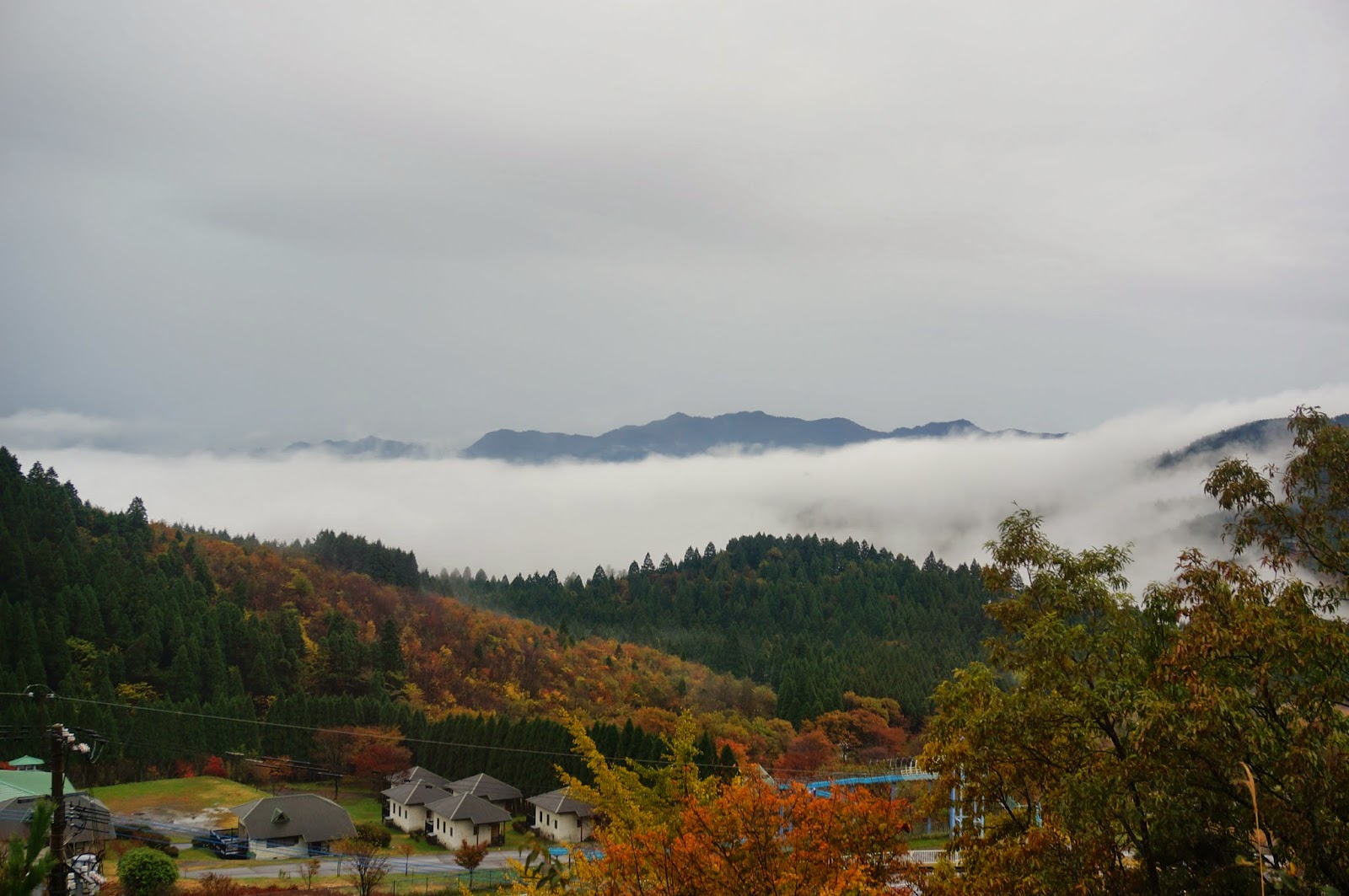
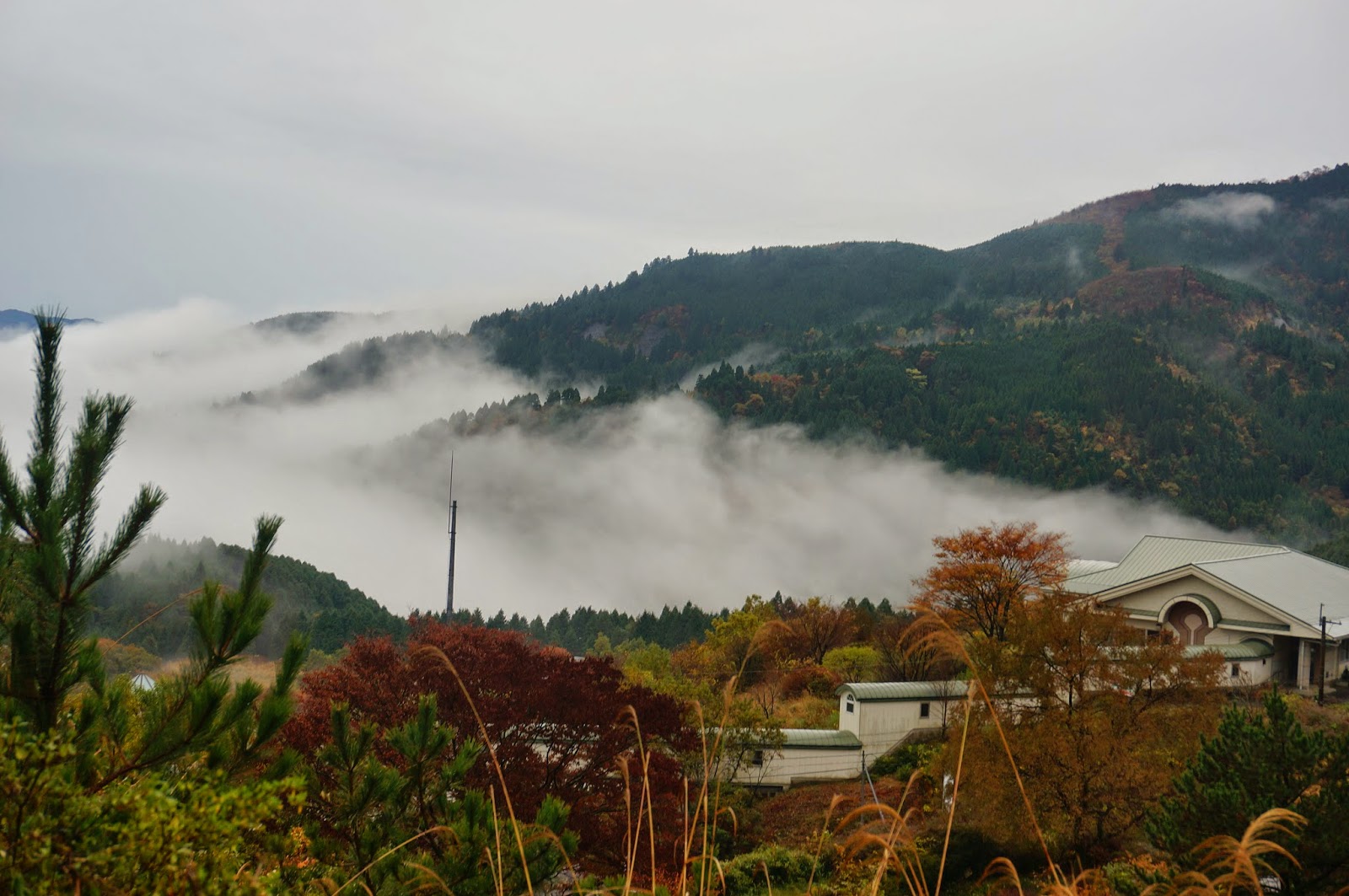
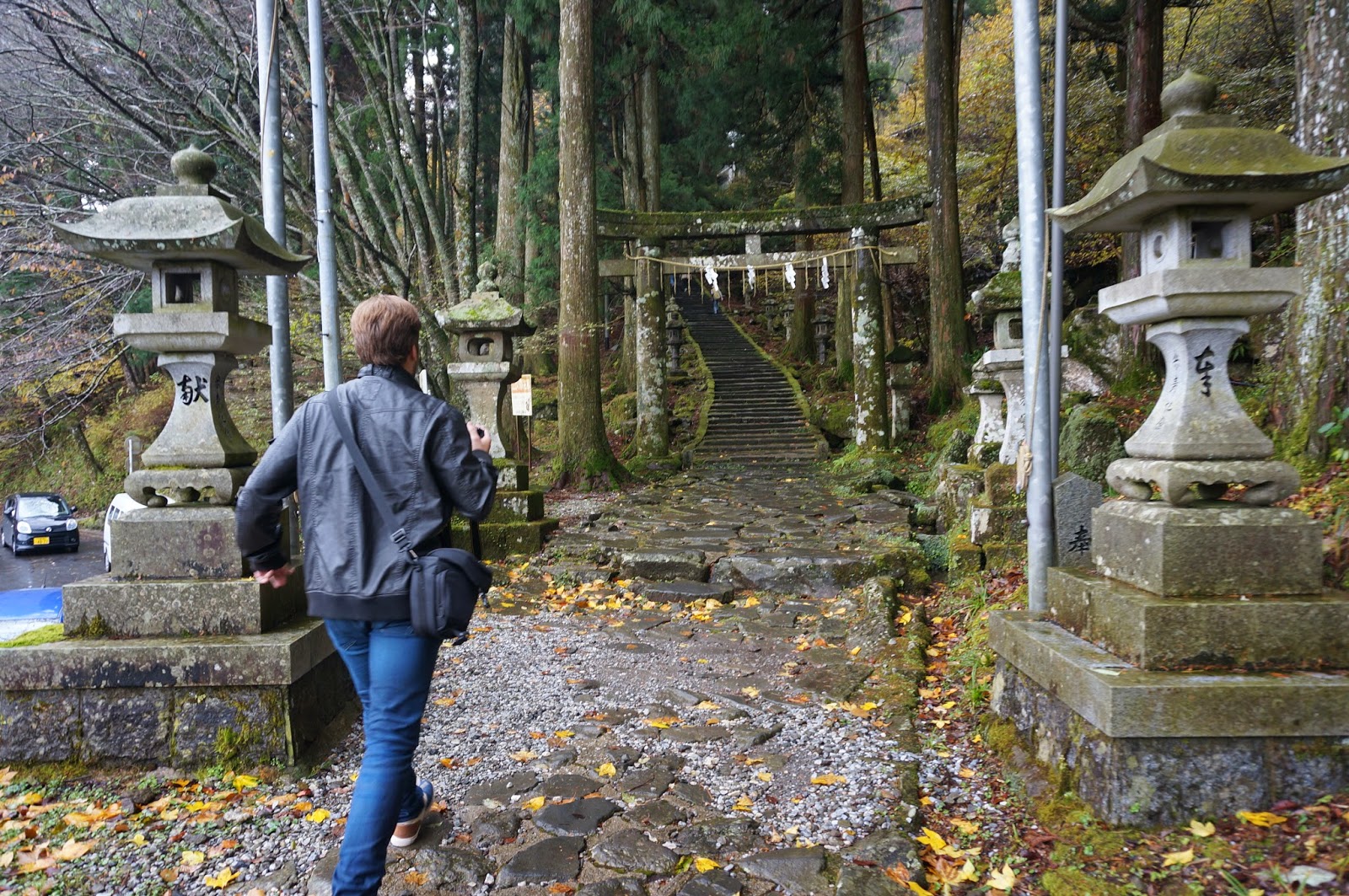
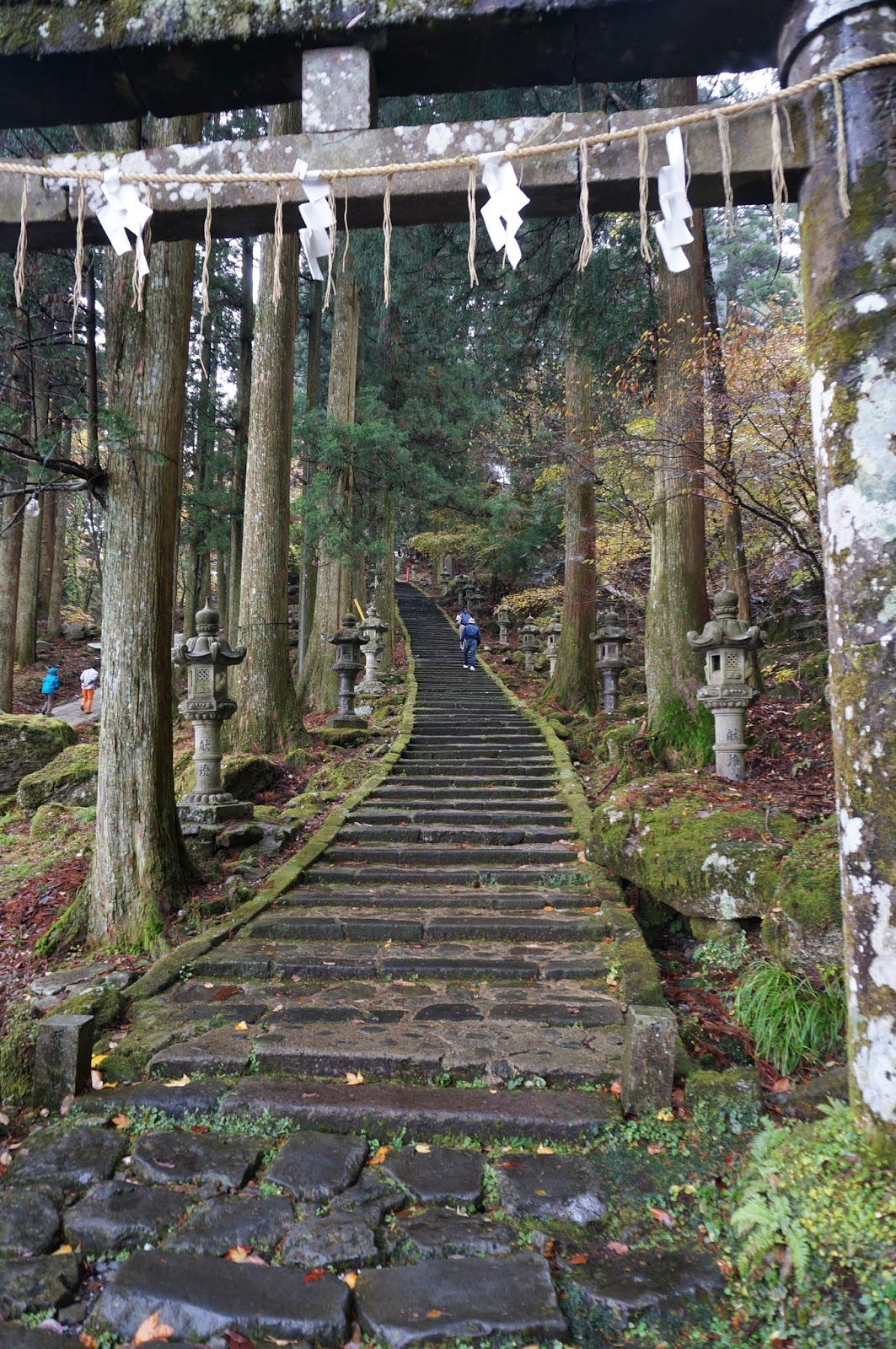
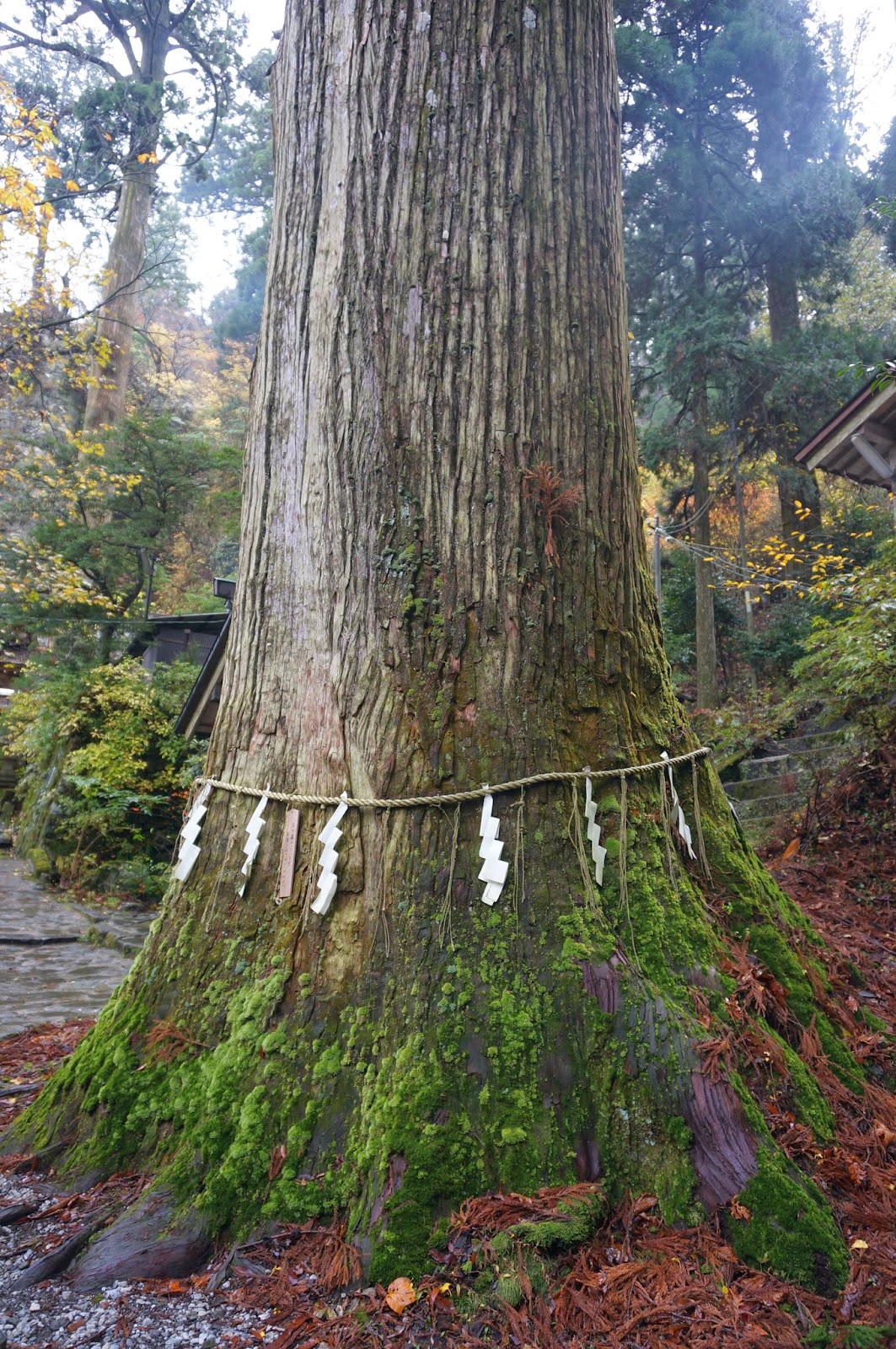
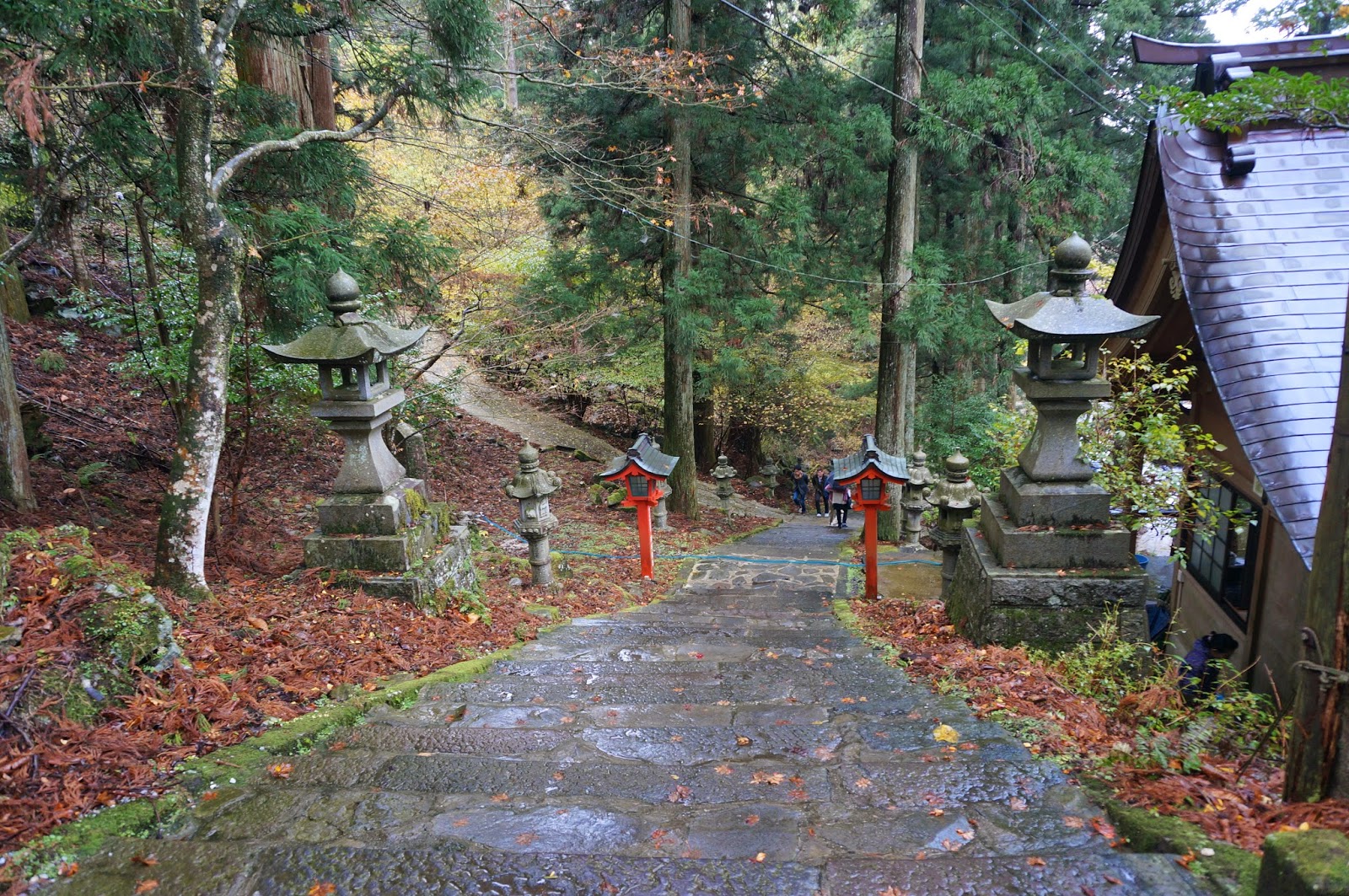
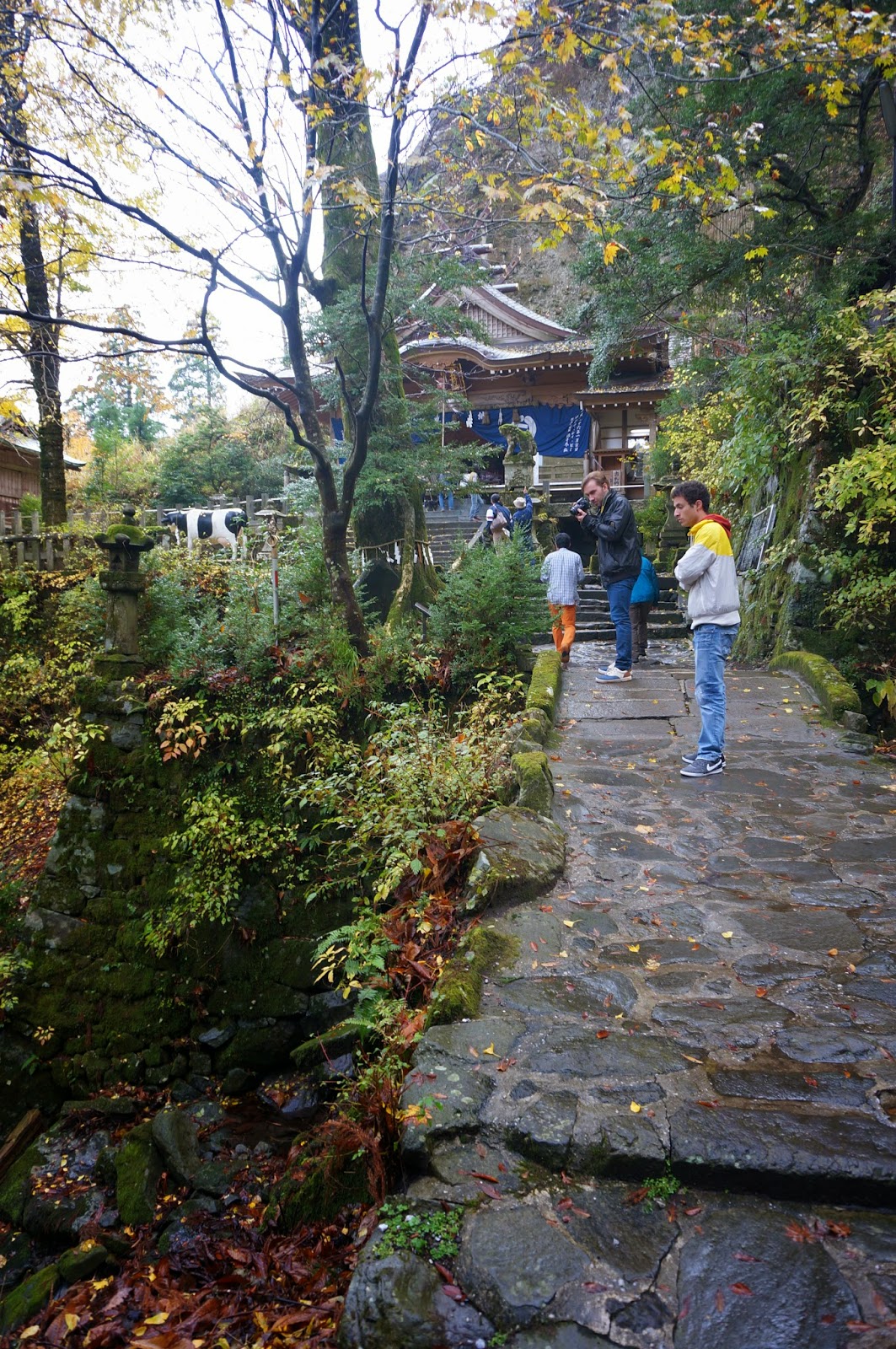
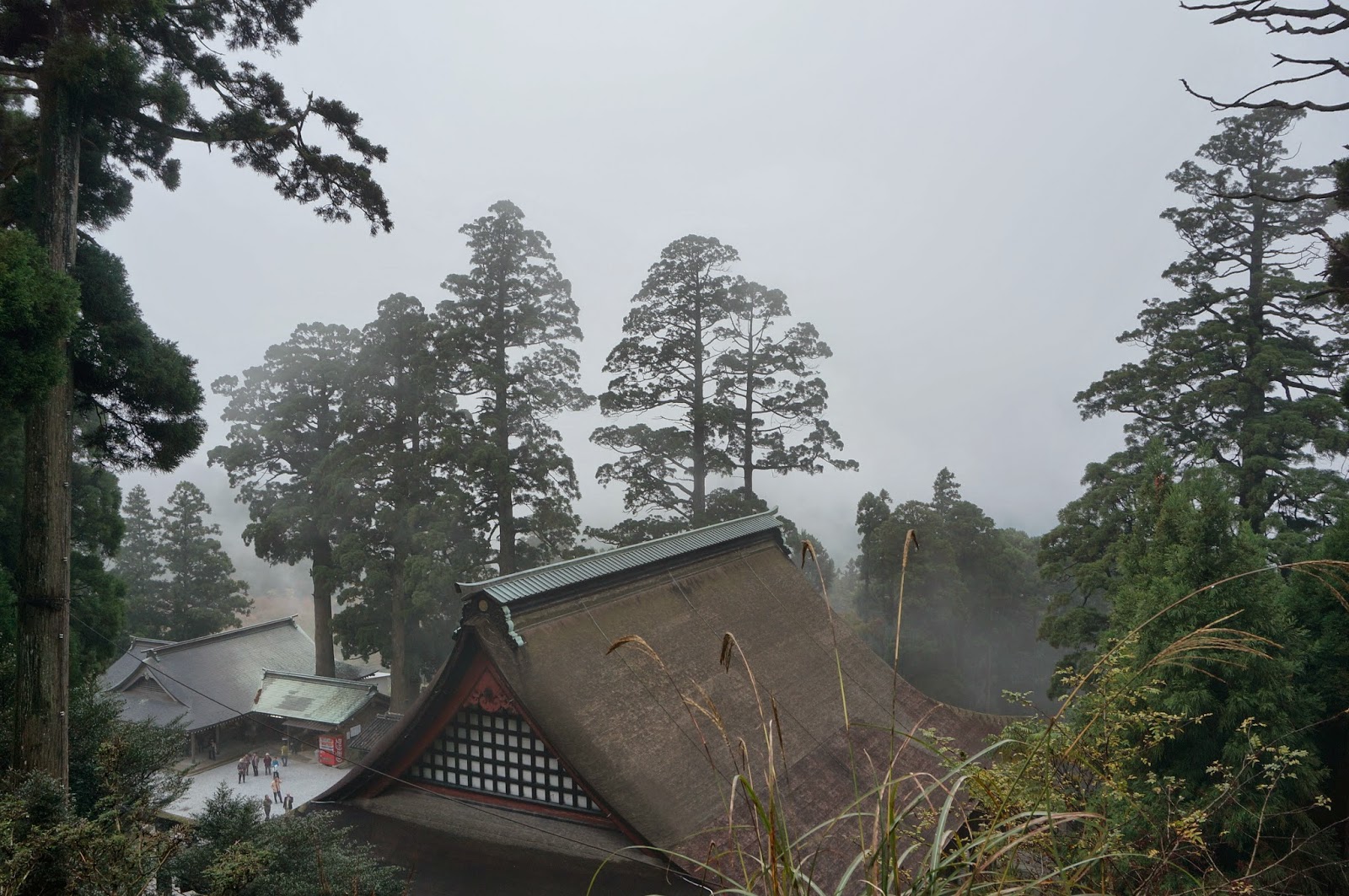
Lastly we went to some mountain where there is a lot of electromagnetic fields called Oshito-ishi. It started to rain though and it was super misty and cold so we weren’t in the mood to do it. Basically we had to climb a hill and try with our compass all the different stones there and see which ones made the compass go crazy. They are megaliths made of volcanic rock and some have inscriptions on them in some ancient language. One of the biggest stones there is sacred to the local people. The hill that the stones are located on supposedly offer a great view of the Aso caldera but it was too misty for us to get a good view. Sometimes we could catch a glimpse and the view looked fantastic indeed.
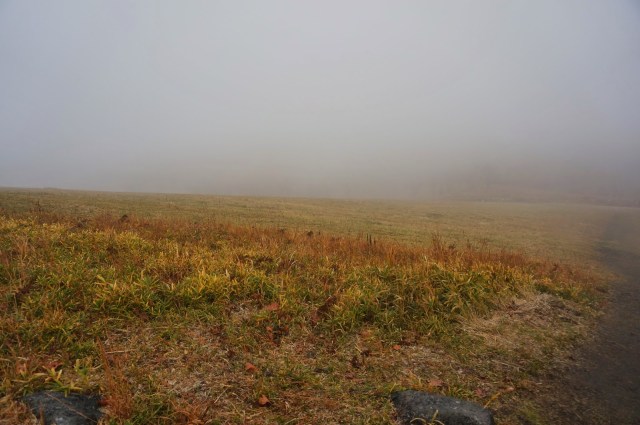 |
| so misty |
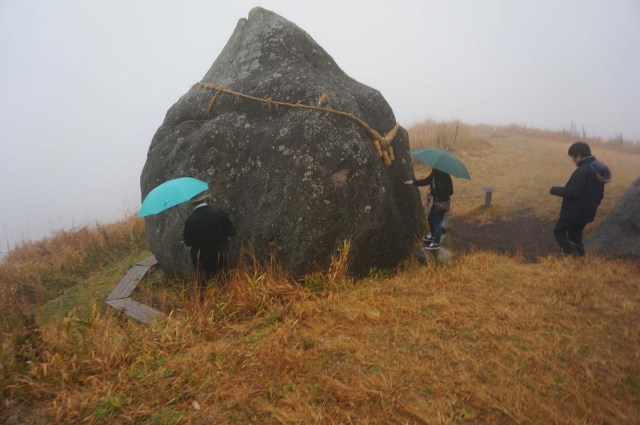 |
| the sacred stone |

 Beautiful Travel Hangover